Auch bekannt als: Appenzeller Berghund, Appenzeller Rinderhund

Schweiz
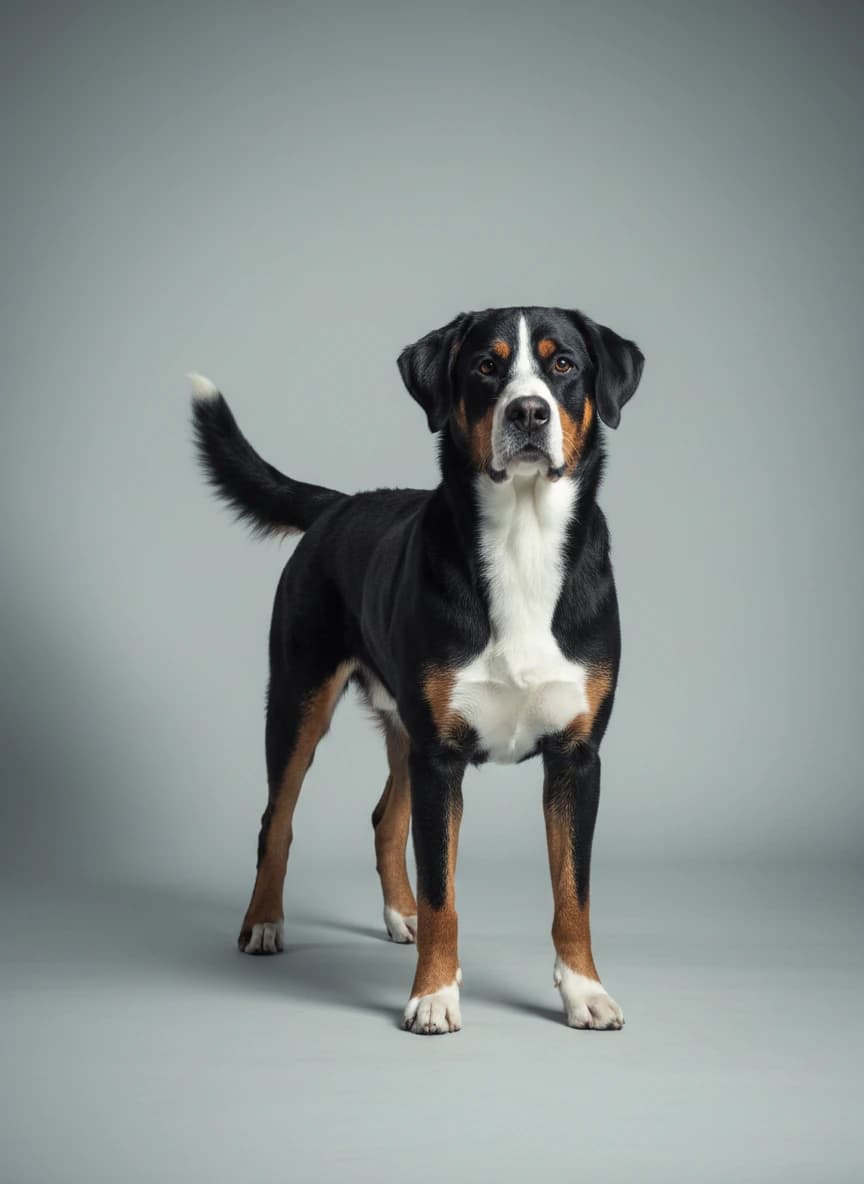
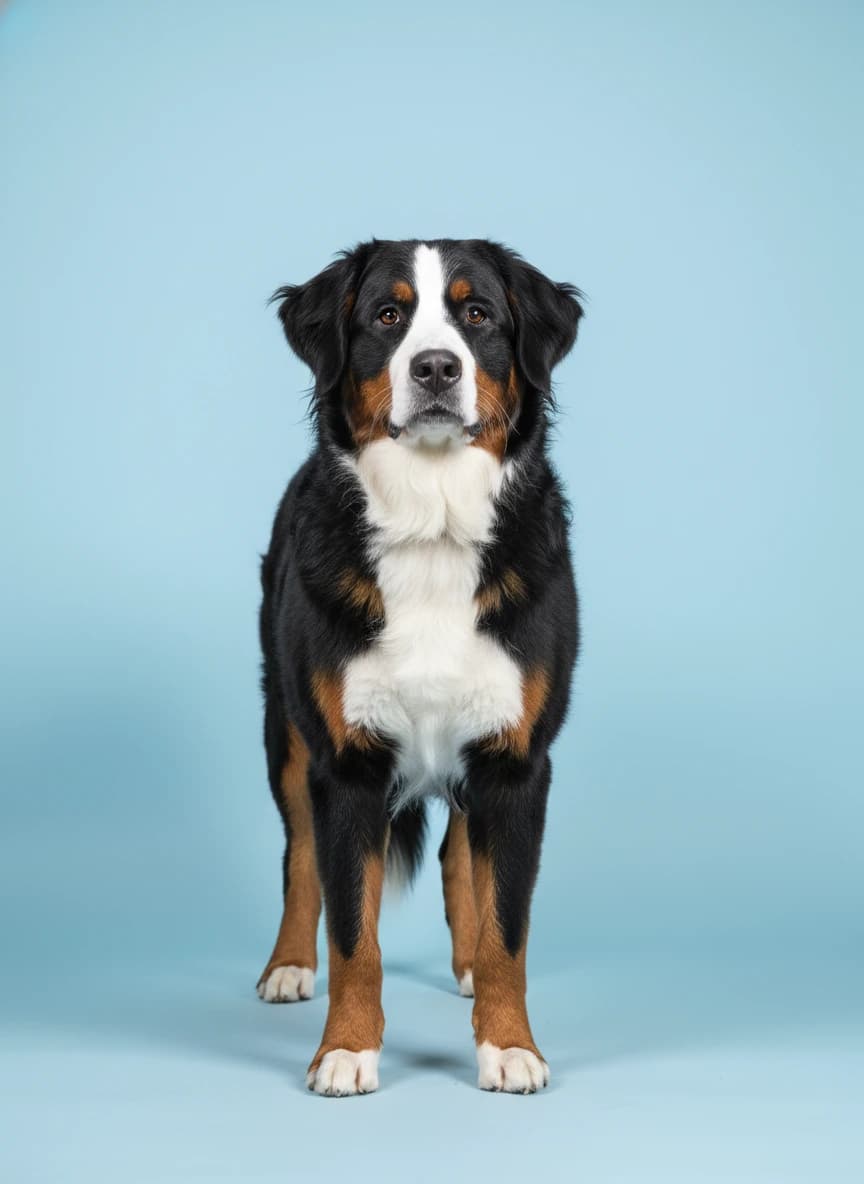
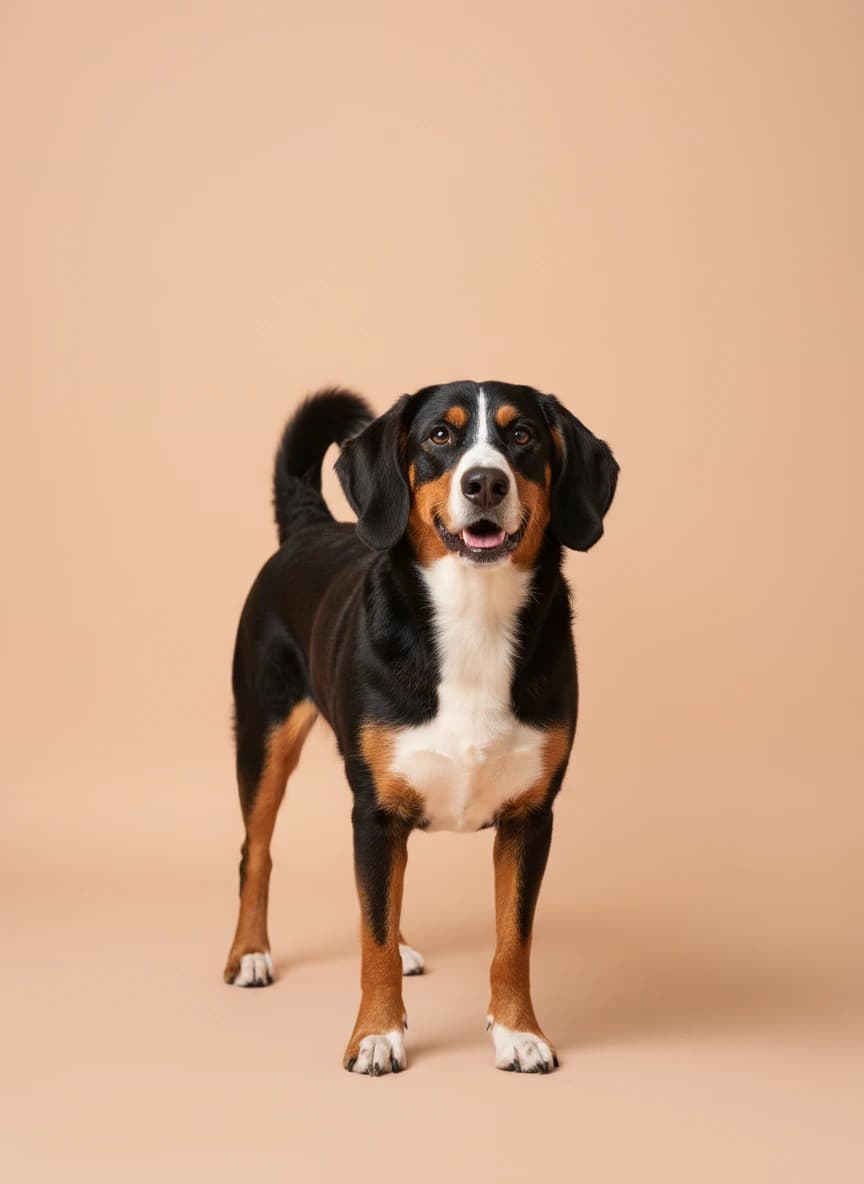
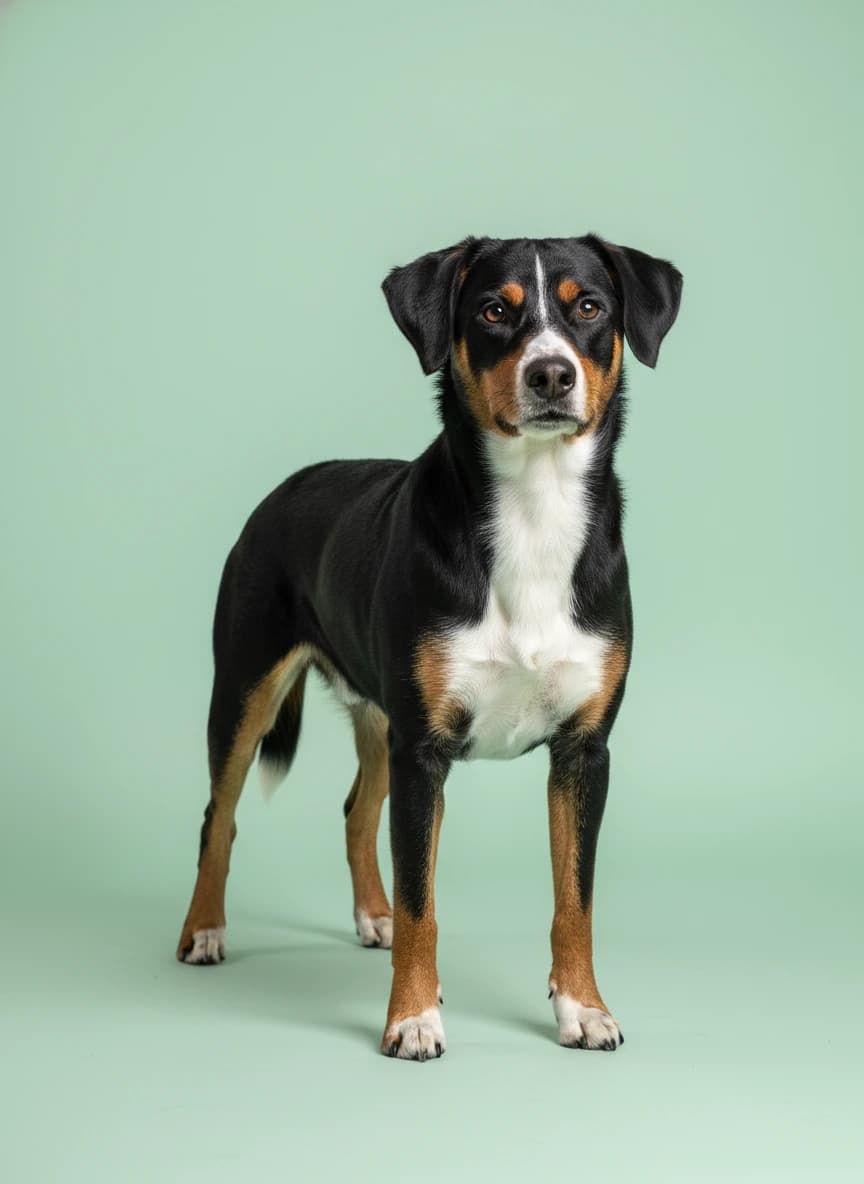
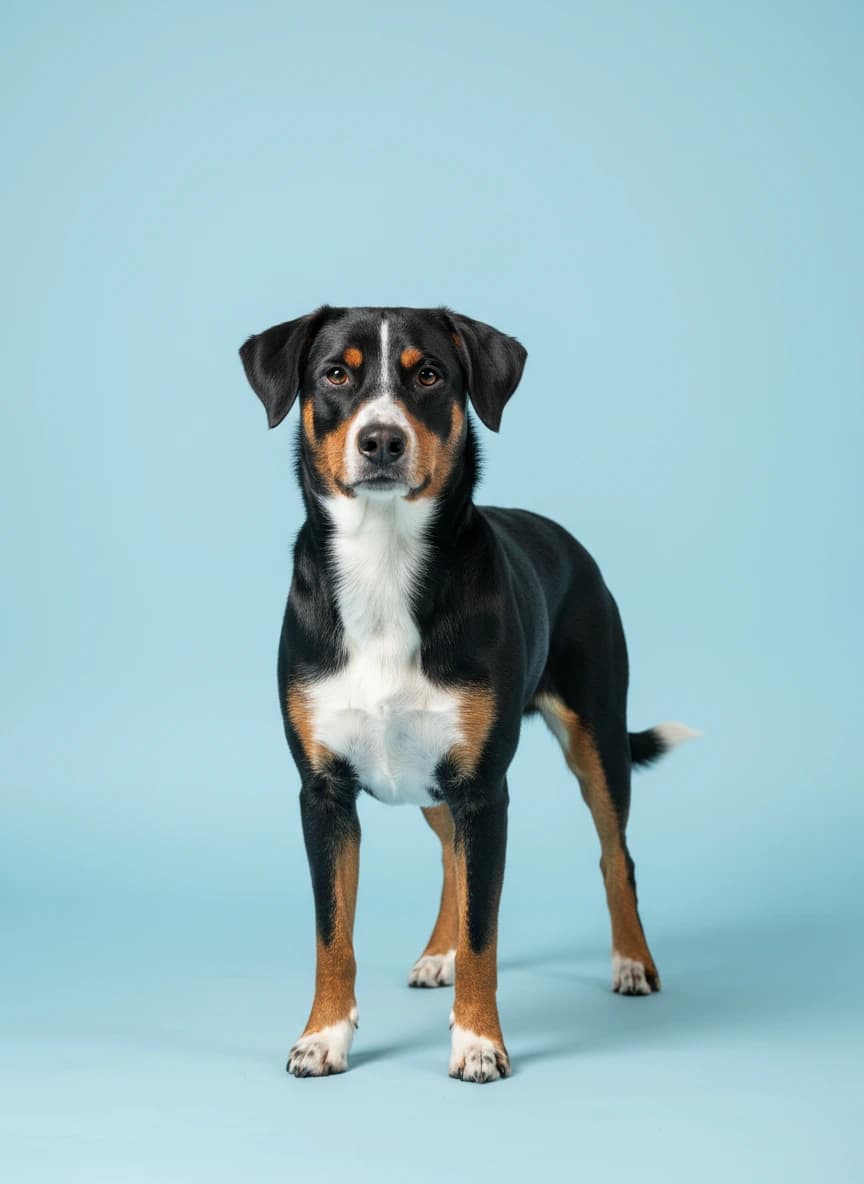
Der Appenzeller Sennenhund ist ein lebendiger und intensiv loyaler Begleiter. Er gedeiht, wenn er eine Aufgabe hat, sei es Agility, Hüten oder einfach der treue Schatten seiner Familie. Seine grenzenlose Energie und sein scharfsinniger Verstand erfordern Beschäftigung; er wird schnell gelangweilt, wenn er sich selbst überlassen bleibt. Erwarten Sie eine ausgelassene Begrüßung und ein eigensinniges Bellen, das seinem Instinkt zum Alarmieren entspricht. Er bildet unglaublich starke Bindungen und erweist sich als aufmerksamer Beschützer mit einer verspielte, liebevollen Seite, die er für seinen engsten Kreis reserviert. Das Leben mit einem Appenzeller ist nie langweilig; es ist eine Partnerschaft, die auf Aktivität, gegenseitigem Respekt und kräftiger Begeisterung aufgebaut ist.
Häufige Probleme
Empfohlene Untersuchungen
Frag deine vertraute Tierarztpraxis nach einem Rat, der zu deinem Hund passt.
The Appenzeller Sennenhund is a confident, lively, and watchful breed that embodies intense loyalty toward their family. These dogs tend to be boisterous and opinionated, with a natural instinct to alert and communicate through barking. They form remarkably strong bonds with their people and often display a playful, affectionate side within their close circle. Their watchful nature makes them naturally inclined toward guardianship, though this comes paired with spirited enthusiasm rather than aggression. Appenzellers thrive on engagement and can become restless or destructive if under-stimulated, as boredom doesn't suit their active temperament.
Appenzeller Sennenhunds require substantial daily exercise to match their high energy levels and mental sharpness. These dogs excel when given a job—whether herding, agility work, or structured play—and they tend to become frustrated without meaningful outlets for their intelligence and drive. Training requires consistency and respect; their moderate trainability means they respond well to clear leadership and purpose, though they can be independent thinkers. Mental stimulation is as important as physical activity; puzzle toys, training sessions, and varied activities help channel their natural problem-solving abilities. A partnership approach works best, as Appenzellers bond most strongly when they understand their role within the family structure.
Appenzeller Sennenhunds have low grooming needs overall. Their short, dense coat sheds seasonally and benefits from regular brushing during heavy shedding periods to manage loose hair. Routine maintenance—nail trimming, ear checks, and dental care—supports their overall health. As a large breed, they may be prone to certain health considerations including eye disorders, hip dysplasia, and cardiomyopathy in some lines, so preventive veterinary care and responsible breeding practices are important. Regular check-ups with a veterinarian familiar with the breed help monitor for these potential concerns.
Appenzellers need adequate space to move freely and benefit from access to a secure yard where they can burn energy. These dogs are not suited to apartment living or homes without room for activity. They tend to be vocal and alert, making them excellent watchdogs but potentially challenging in noise-sensitive environments. Their strong bonds with family mean they prefer being part of household activities rather than isolated in kennels or backyards. While pack-oriented by nature, individual socialization and introduction to other animals influences how they interact with other dogs or cats; early exposure and structured introductions are valuable. Children benefit from clear boundaries, as their exuberance and size can overwhelm smaller or very young kids unintentionally.
The Appenzeller Sennenhund is best suited for owners with some experience managing active, intelligent dogs. They thrive with people who can provide consistent exercise, mental engagement, and a clear leadership role. Ideal homes have space for vigorous activity and appreciate a dog that is involved in family life rather than remaining peripherally present. These dogs reward dedicated owners with remarkable loyalty and partnership, but they are not the right fit for sedentary lifestyles, frequent absences, or homes where barking and alert behavior would be problematic. If you enjoy an enthusiastic, opinionated companion who demands engagement and offers spirited devotion in return, an Appenzeller may be your match.