Auch bekannt als: Flattie
England
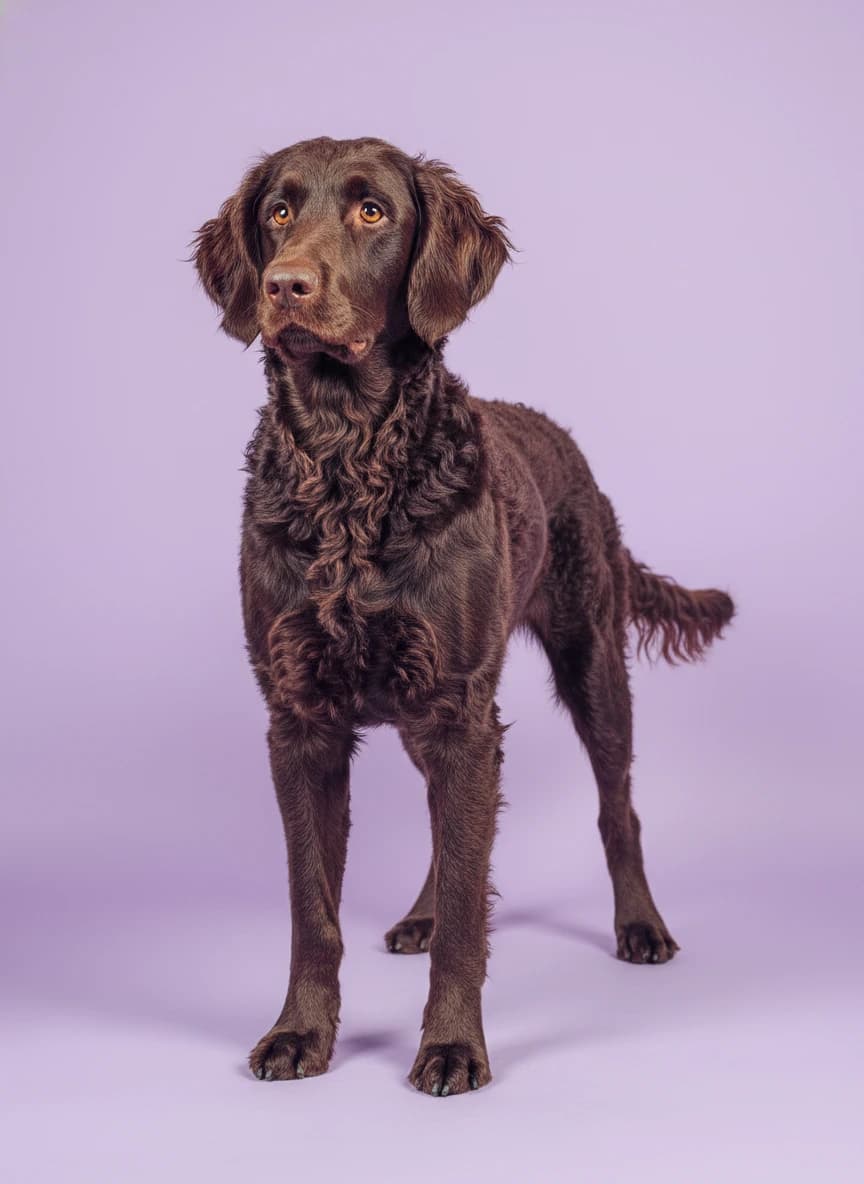
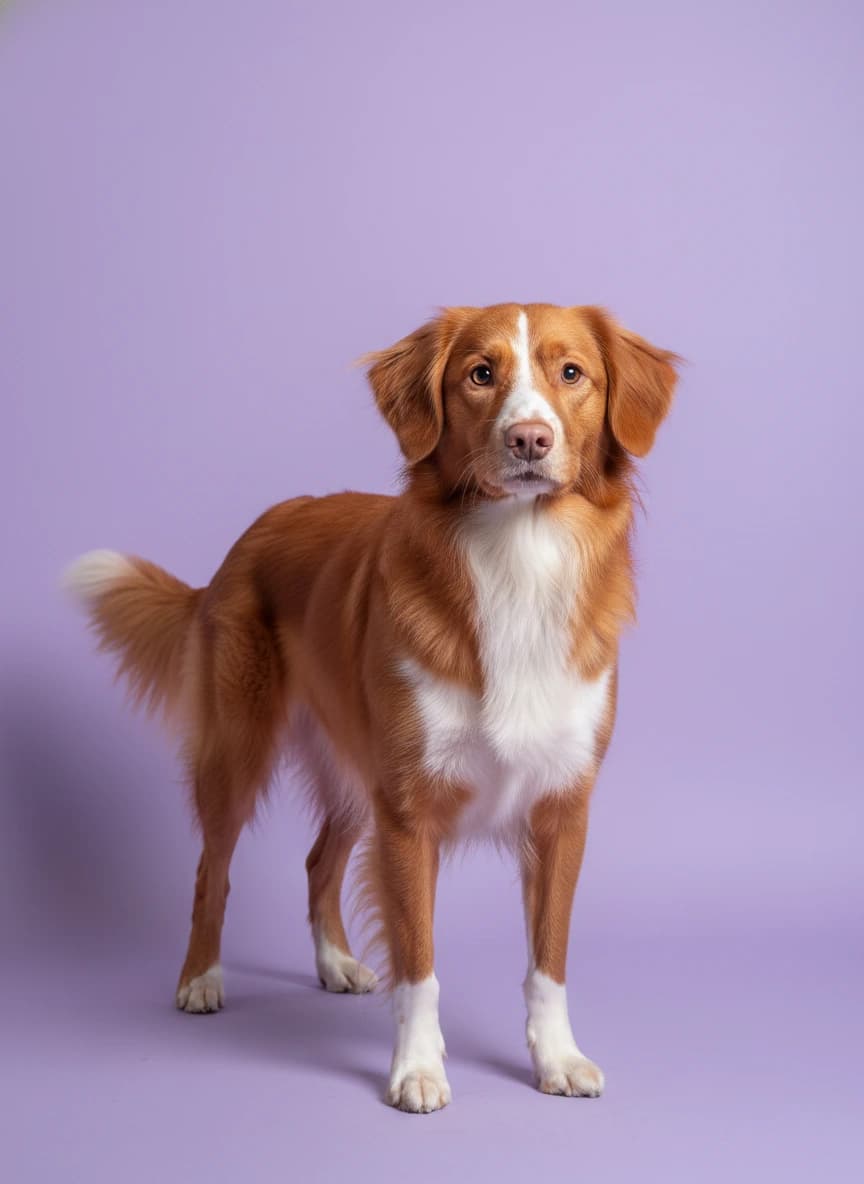
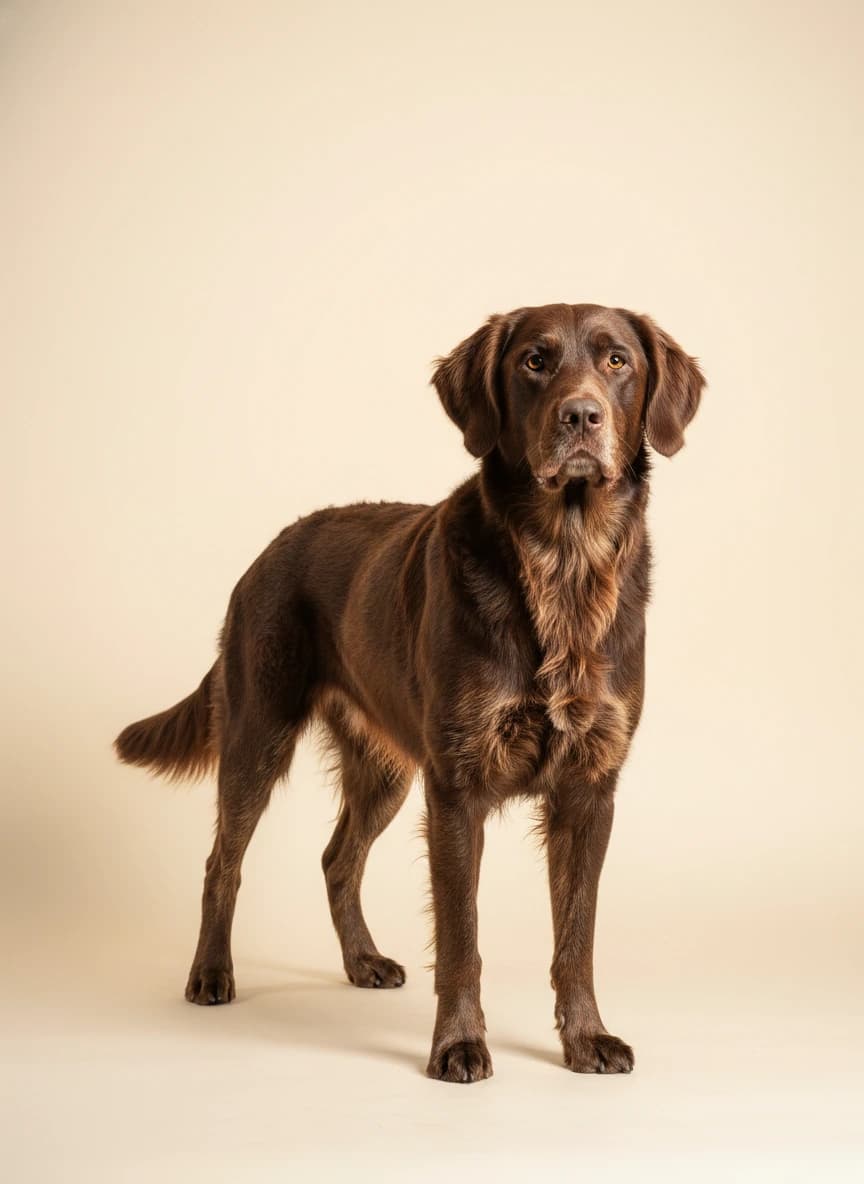
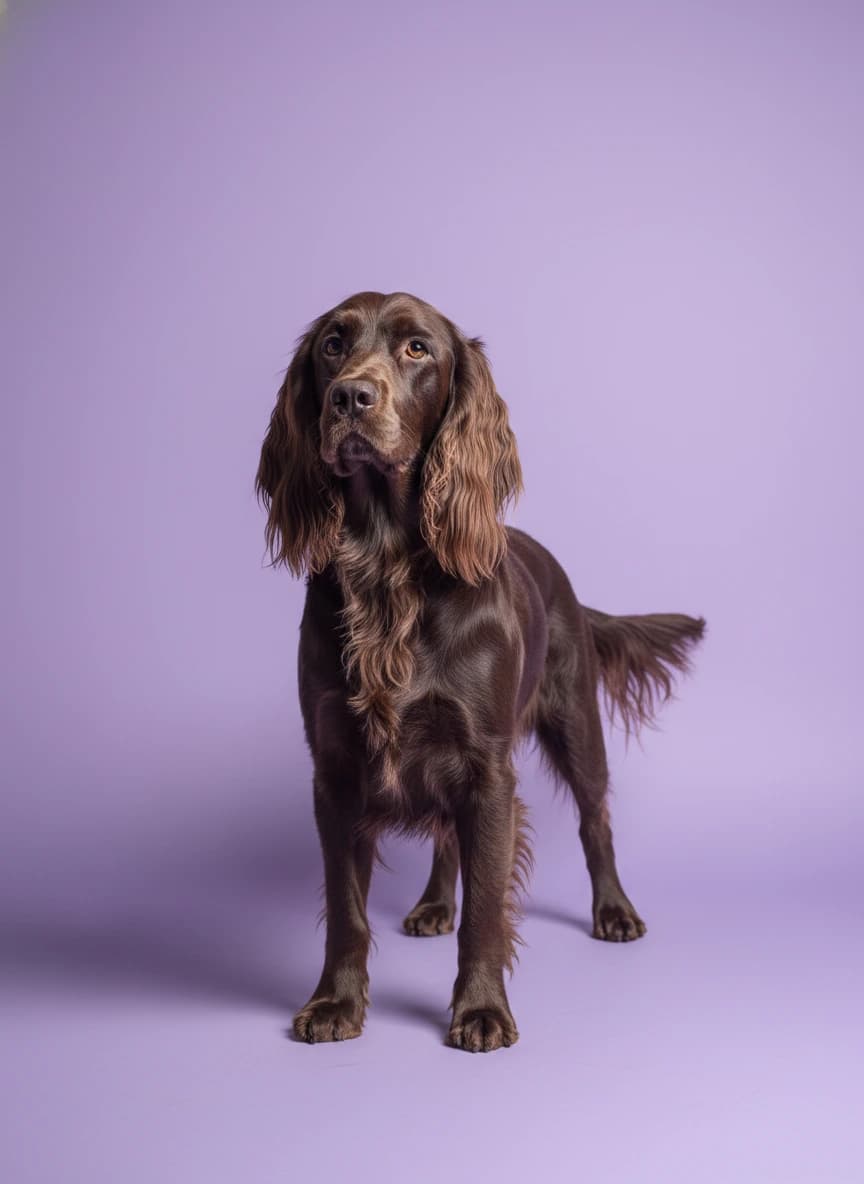
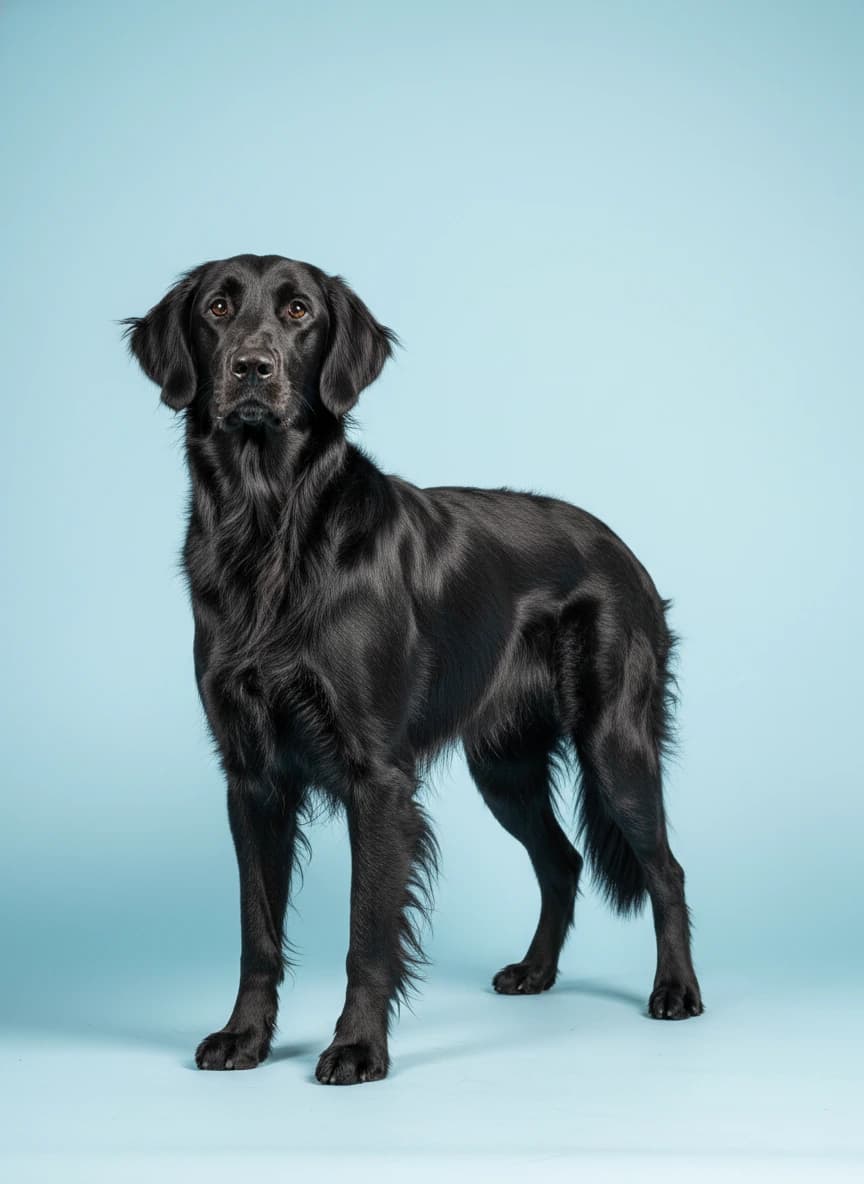
Der Flat-Coated Retriever ist reine, unverfälschte Freude auf vier Beinen, ein ständig wedelnd Schwanz um eine intelligente, sensible Seele. Sie gehen mit ansteckender, jugendlicher Begeisterung durchs Leben, immer bereit für das nächste Abenteuer, sei es eine Waldwanderung, ein Bad im See oder ein ausgelassenes Apportierspiel im Hof. Diese "Peter Pan" unter den Hunderassen behält ihre welpenhafte Begeisterung bis ins hohe Alter, und bezaubert oft jeden mit ihren hellen Augen und tollen Streichen. Allerdings verbirgt sich unter der grenzenlosen Energie ein zutiefst ergebener Begleiter, der von menschlicher Nähe gedeiht und eine unzerstörbare Bindung zu seiner Familie aufbaut. Sie benötigen mentale Stimulation und viel Bewegung, um ihren scharfsinnigen Verstand und ihre sportlichen Körper glücklich zu halten; andernfalls könnte ihre Cleverness zu eigenwilligen, selbstgerichteten Beschäftigungen führen.
Häufige Probleme
Empfohlene Untersuchungen
Frag deine vertraute Tierarztpraxis nach einem Rat, der zu deinem Hund passt.
The Flat-Coated Retriever embodies pure joy and infectious enthusiasm, approaching life with an unbridled puppy-like exuberance that persists throughout their years. These dogs are characteristically active, friendly, and people-pleasing, forming deeply devoted bonds with their families and thriving on human connection. They are intelligent and sensitive souls who often charm everyone they meet with their bright eyes and boundless energy. However, their cleverness means they need mental stimulation to channel their enthusiasm constructively; without adequate engagement, they may direct that intelligence toward mischievous self-entertainment. This breed represents a "Peter Pan" personality—perpetually ready for the next adventure, whether a forest hike, lake swim, or spirited game of fetch.
Flat-Coated Retrievers require high levels of exercise and mental stimulation to maintain their physical and psychological well-being. They benefit from regular activities such as running, swimming, fetch games, and hiking that engage both their athletic bodies and keen minds. Training tends to be effective with this breed due to their desire to please and their intelligence, though consistency and positive reinforcement work best with their sensitive temperament. These dogs thrive on having a job to do or purpose to fulfill, and structured activities help prevent boredom-related behavioral issues. Daily exercise is not optional for this breed; it is essential to their contentment and good behavior.
Flat-Coated Retrievers have moderate grooming needs centered around their double coat. Regular brushing helps manage shedding and maintains coat health. Ear care is particularly important for this breed, as they are predisposed to ear infections; routine ear checks and cleaning can help prevent issues. They may experience skin concerns and allergies, which benefit from attentive monitoring. Orthopedic screening is recommended as a preventive health measure. Regular veterinary check-ups support early detection of breed-associated health considerations. Their active lifestyle may require periodic nail trimming and dental care as part of routine maintenance.
Flat-Coated Retrievers need adequate space and thrive in homes where they can move freely and access areas for play and exploration. They are highly social dogs who form strong attachments to their family members and generally do well in family environments. Their people-pleasing nature makes them eager participants in household activities. This breed's high energy and need for mental stimulation mean they do best with owners who can commit to regular exercise and engagement rather than in sedentary households. Their intelligence and sensitivity require owners who provide consistent, patient guidance and positive reinforcement. These dogs integrate well into active households where they can be included in family adventures.
Flat-Coated Retrievers are best suited for owners with some dog experience who can meet their significant exercise and mental stimulation needs. They require homes with adequate space—apartments or small living areas may not provide the environment they need to thrive. Prospective owners should be prepared for a highly active, social dog that demands daily engagement and forms intense attachments to family members. They are ideal for families or individuals who enjoy outdoor activities and can include their dog in their lifestyle. This breed is not recommended for owners seeking a low-maintenance or independent companion, nor for those unable to dedicate substantial time to exercise and training. They flourish with owners who appreciate their enthusiastic, devoted nature and can provide the structure and activity they crave.