Auch bekannt als: Großer Jagdhund Irlands, Irischer Jagdhund

Irland
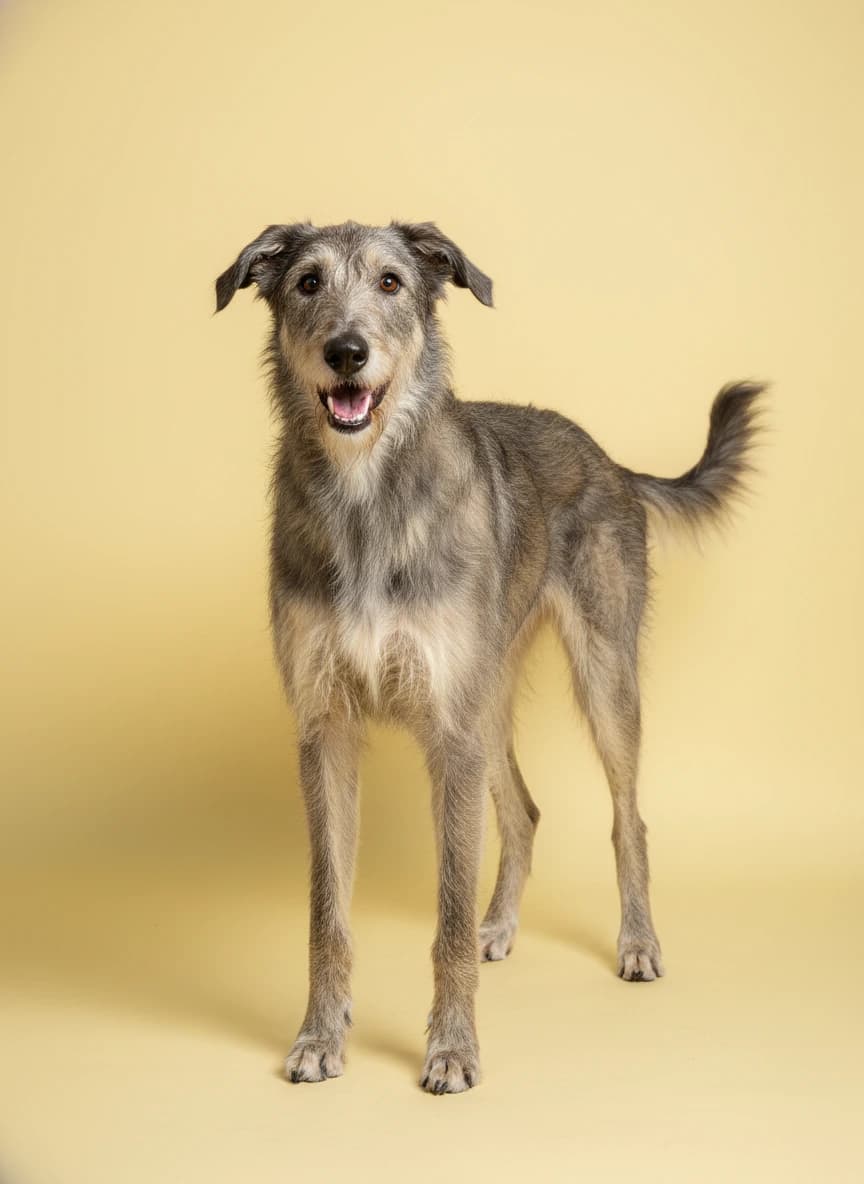
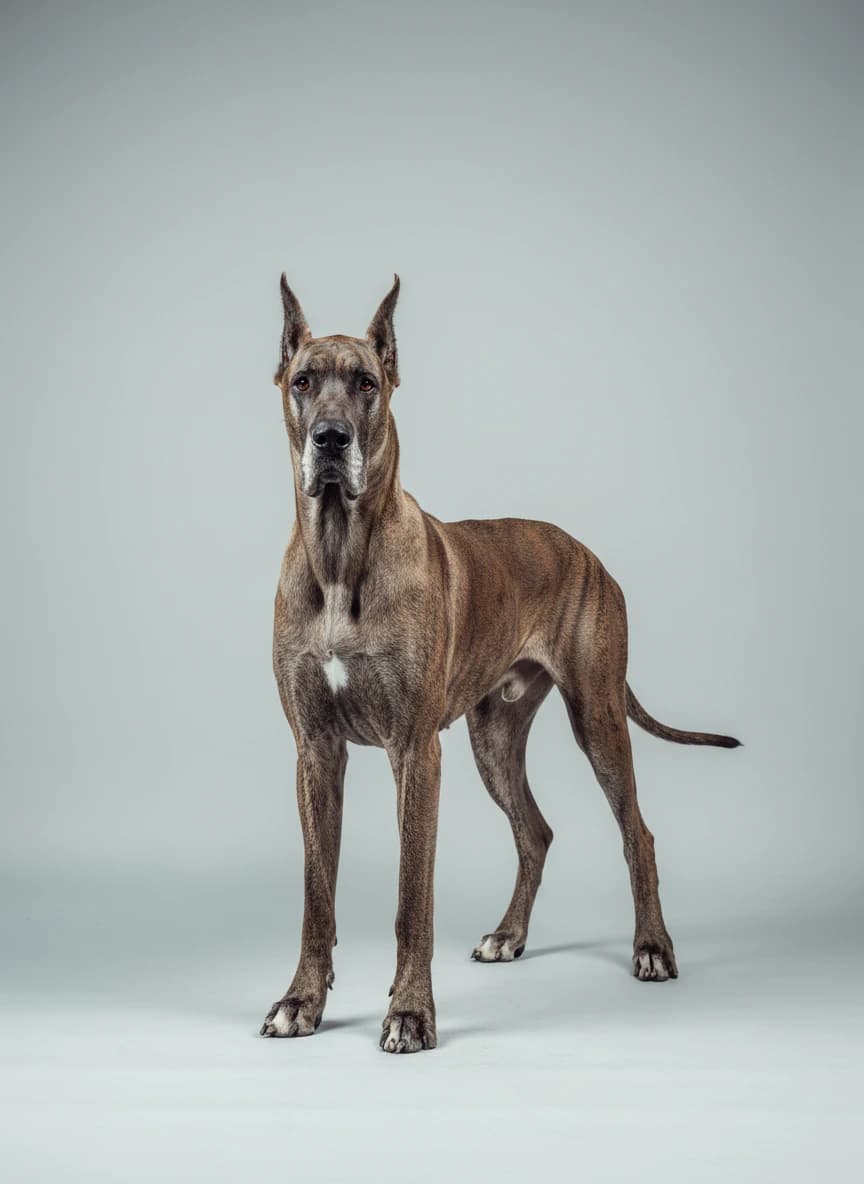
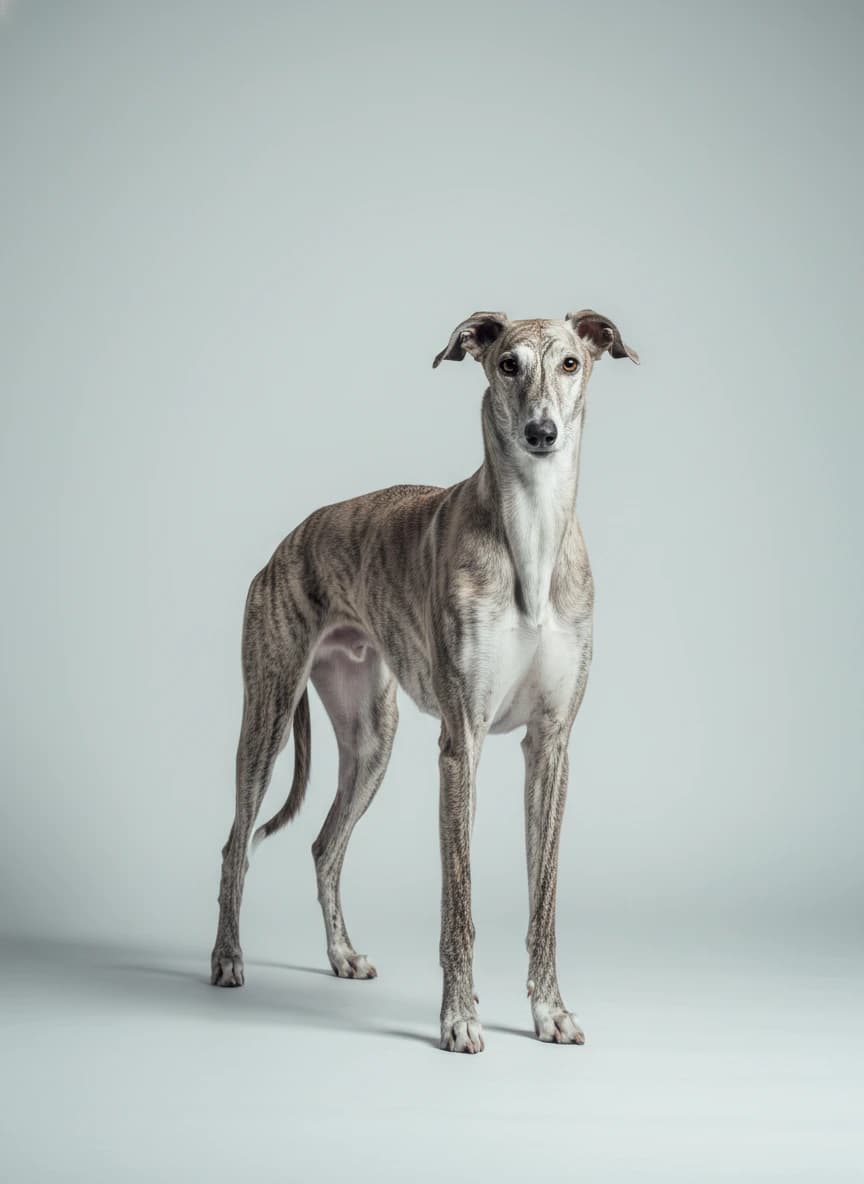
Der Irish Wolfhound prägt ein beeindruckendes Bild, doch sein Herz ist von purem Gold. Sie sind die sanften Riesen der Hundewelt, die sich trotz ihrer Größe mit überraschender Eleganz bewegen. Trotz ihrer Jagdvergangenheit ist der heutige Wolfhound ein ergebener Familienbegleiter, am glücklichsten auf einem weichen Teppich ausgestreckt oder sanft an einen Liebsten gelehnt. Sie bilden tiefe, fast spirituelle Bindungen und bieten ruhige Begleitung und unwandelbare Treue. Ihre Präsenz wirkt beruhigend, ein stetiger und liebevoller Anker in jedem Heim – allerdings bedeutet ihre enorme Größe unvermeidlich, dass sie viel Platz einnehmen: auf dem Sofa, im Auto und ganz sicher in deinem Herzen.
Häufige Probleme
Empfohlene Untersuchungen
Frag deine vertraute Tierarztpraxis nach einem Rat, der zu deinem Hund passt.
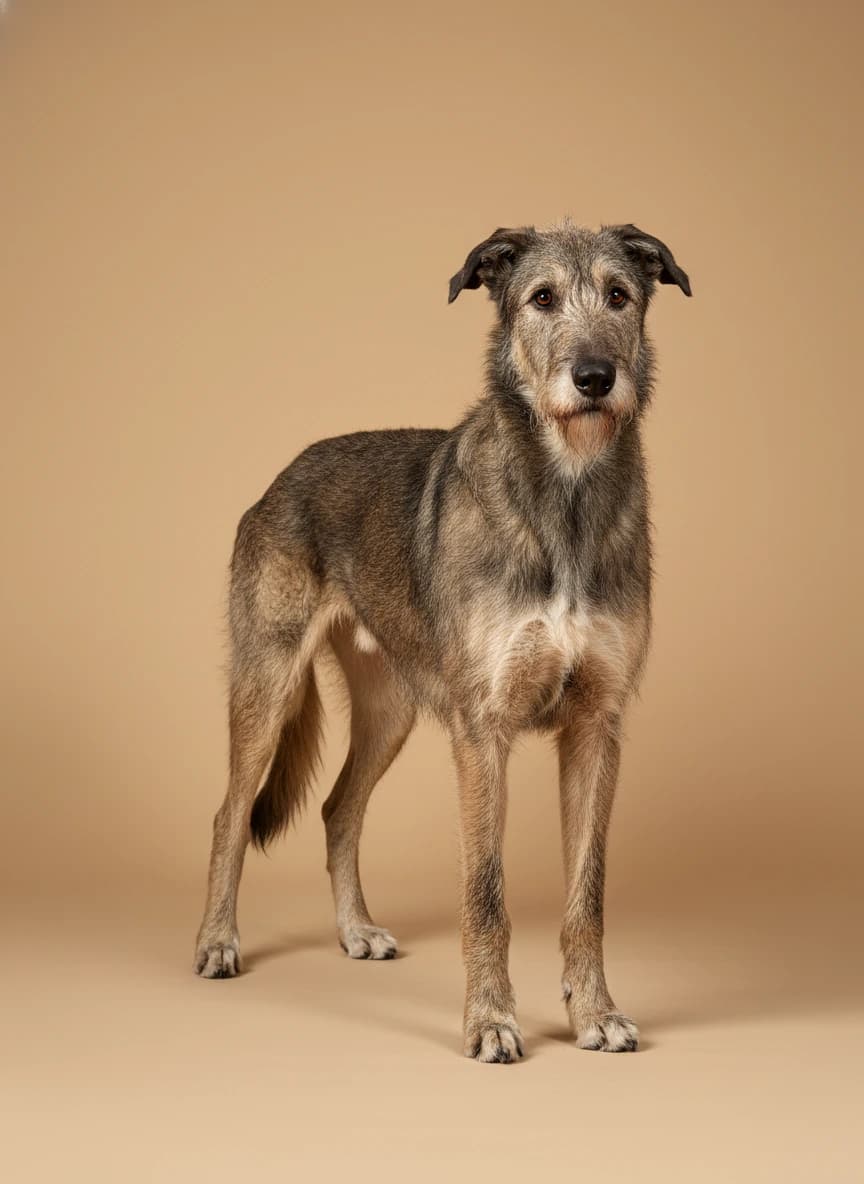
The Irish Wolfhound is a striking blend of gentleness and independence, embodying the quiet dignity of a true giant breed. These dogs tend to be calm and composed, moving through life with surprising grace despite their imposing stature. They often exhibit prey-driven instincts inherited from their hunting heritage, which may influence their interactions with smaller animals. Irish Wolfhounds form remarkably deep bonds with their families, offering a steady, almost spiritual companionship that many describe as profoundly loyal. They are typically happiest in close proximity to their loved ones, whether sprawled across furniture or leaning gently against a family member. Their presence tends to be grounding and peaceful, making them excellent emotional anchors within a household.
Irish Wolfhounds tend to be highly trainable and often respond well to consistent, patient instruction. Despite their size, they have moderate exercise requirements and do not demand excessive activity; measured daily walks and opportunities to stretch in a secure space typically suffice. Their independent nature means they appreciate training that feels collaborative rather than coercive. Mental stimulation through varied activities can help engage their intelligent minds. Early socialization is valuable for helping them develop confidence and appropriate behavior around different people and environments. It's important to monitor their activity level in puppyhood, as their rapidly growing frames benefit from controlled exercise to support healthy development.
Irish Wolfhounds have low grooming needs, making them relatively easy to maintain on this front. Their short coat requires regular brushing to manage shedding and keep skin healthy, but does not demand frequent professional grooming. Routine ear checks are advisable, as their floppy ears can trap moisture and debris. Dental care and nail maintenance should be part of regular upkeep. Given their deep-chested conformation, owners should familiarize themselves with signs of gastric dilatation-volvulus and discuss prevention strategies with a veterinarian. Regular veterinary check-ups are important for monitoring overall health and addressing any emerging concerns early.
The most significant consideration with Irish Wolfhounds is space. These gentle giants require substantial room—on furniture, in vehicles, and throughout the home. They are generally not suited to small apartments or confined living situations. They tend to be calm indoors and do not typically display excessive vocalization, making them reasonable neighbors despite their size. They can coexist peacefully with families of varying structures, though their impressive size means supervision with very young children is important simply from a physical perspective. Their prey-driven instincts suggest caution around small pets, and individual temperament varies regarding compatibility with other dogs. They thrive when allowed to be near their family and may struggle with extended periods alone, as they strongly prefer companionship.
Irish Wolfhounds are best suited to owners with some dog experience who can accommodate their substantial spatial needs and have realistic expectations about their size and care requirements. They are ideal for families or individuals seeking a calm, devoted companion rather than an active working or sport dog. Potential owners should have secure fencing and the ability to provide controlled exercise. These dogs reward owners who can offer consistent, gentle leadership and appreciate the deep emotional bond that develops over time. They are less appropriate for those living in small spaces, requiring frequent long absences, or seeking a highly energetic playmate. Prospective owners should research the breed thoroughly and connect with reputable breeders to understand individual health considerations and temperament.