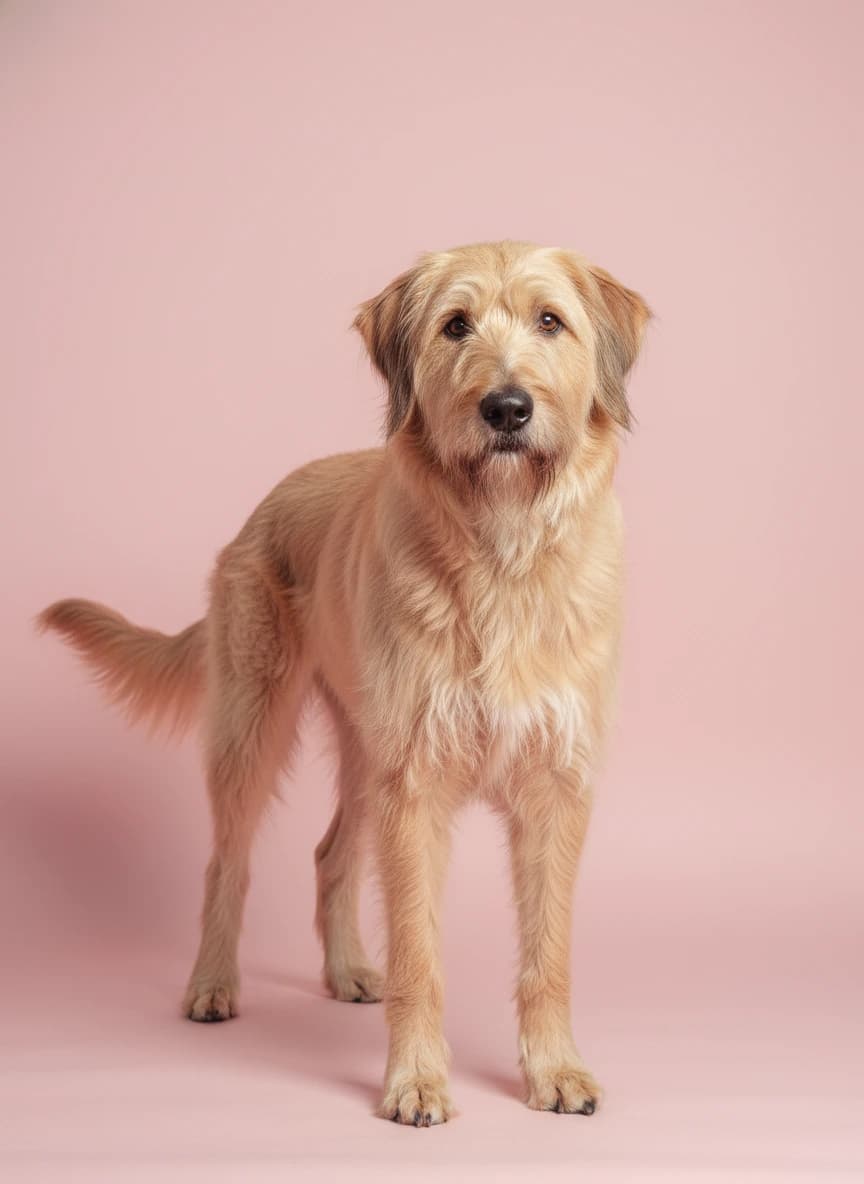
Auch bekannt als: Saarloos Wolfhound
Niederlande
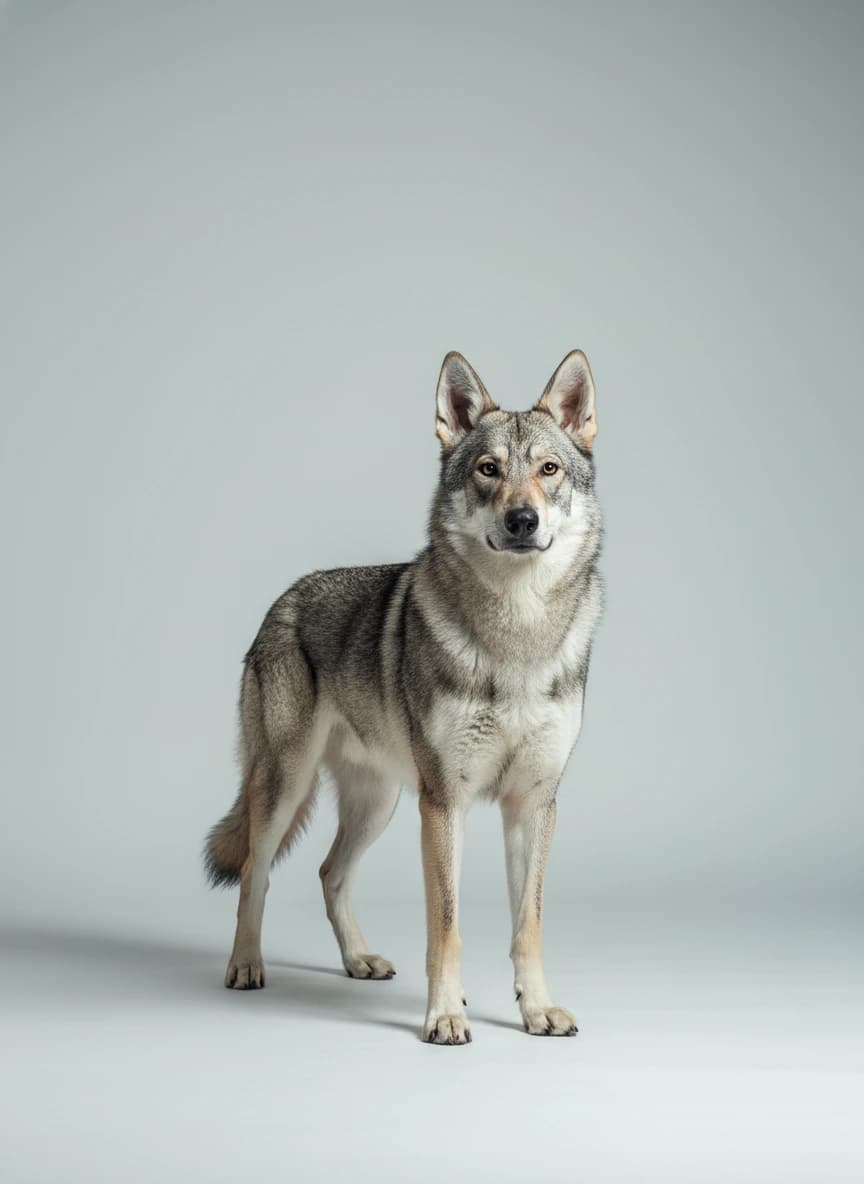
Der Saarloos Wolfdog ist ein empfindungsvoller, intelligenter Begleiter, dessen Wolfsahnen durch seine vorsichtige Unabhängigkeit scheinen. Sie bilden oft tiefe Bindungen zu wenigen Auserwählten und zeigen unwandelbare Loyalität innerhalb ihres vertrauten Kreises. Ihre wachsame Natur bedeutet, dass sie Fremden gegenüber typischerweise nicht überbegeistert sind und es vorziehen, aus der Ferne zu beobachten. Das tägliche Leben mit einem Saarloos ist ein Abenteuer in subtiler Kommunikation und Respekt vor ihrer inhärenten Wildheit; sie lassen sich nicht leicht zwingen, gedeihen aber durch Konsequenz und sanfte Führung. Sie benötigen umfangreiche tägliche Aktivitäten im Freien und mentale Herausforderungen und drücken sich oft durch Heulen und einen starken Wunsch nach Hundegefährten aus.
Häufige Probleme
Empfohlene Untersuchungen
Frag deine vertraute Tierarztpraxis nach einem Rat, der zu deinem Hund passt.
The Saarloos Wolfdog is a soulful, intelligent companion whose wolf ancestry shines through in their cautious independence. They often bond deeply with a select few, displaying unwavering loyalty within their trusted circle. Their wary nature means they're not typically effusive with strangers, preferring to observe from a distance. They tend to be attentive, biddable, and protective—qualities that reflect their heritage and selective breeding. Saarloos Wolfdogs express themselves through subtle communication and often vocalize with howls. They thrive on consistency and gentle guidance rather than coercion, and they possess a profound desire for canine companionship.
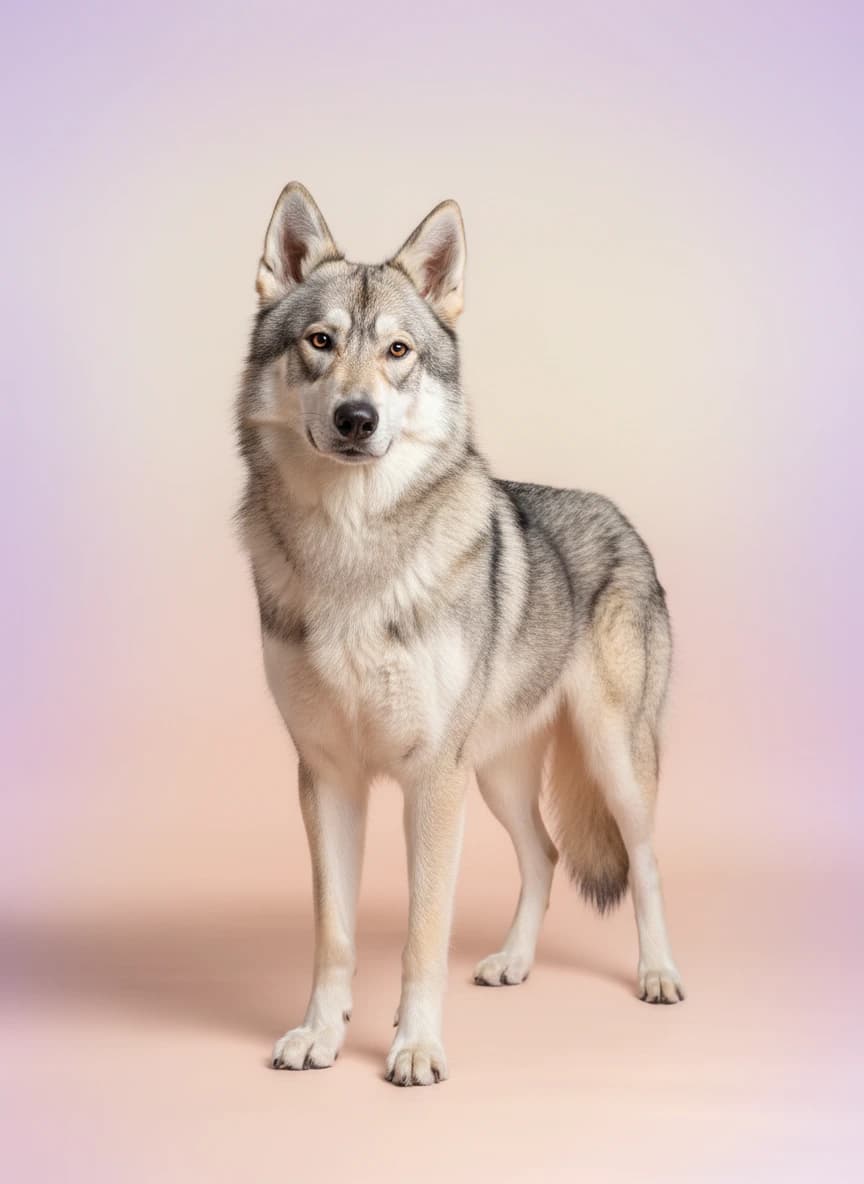
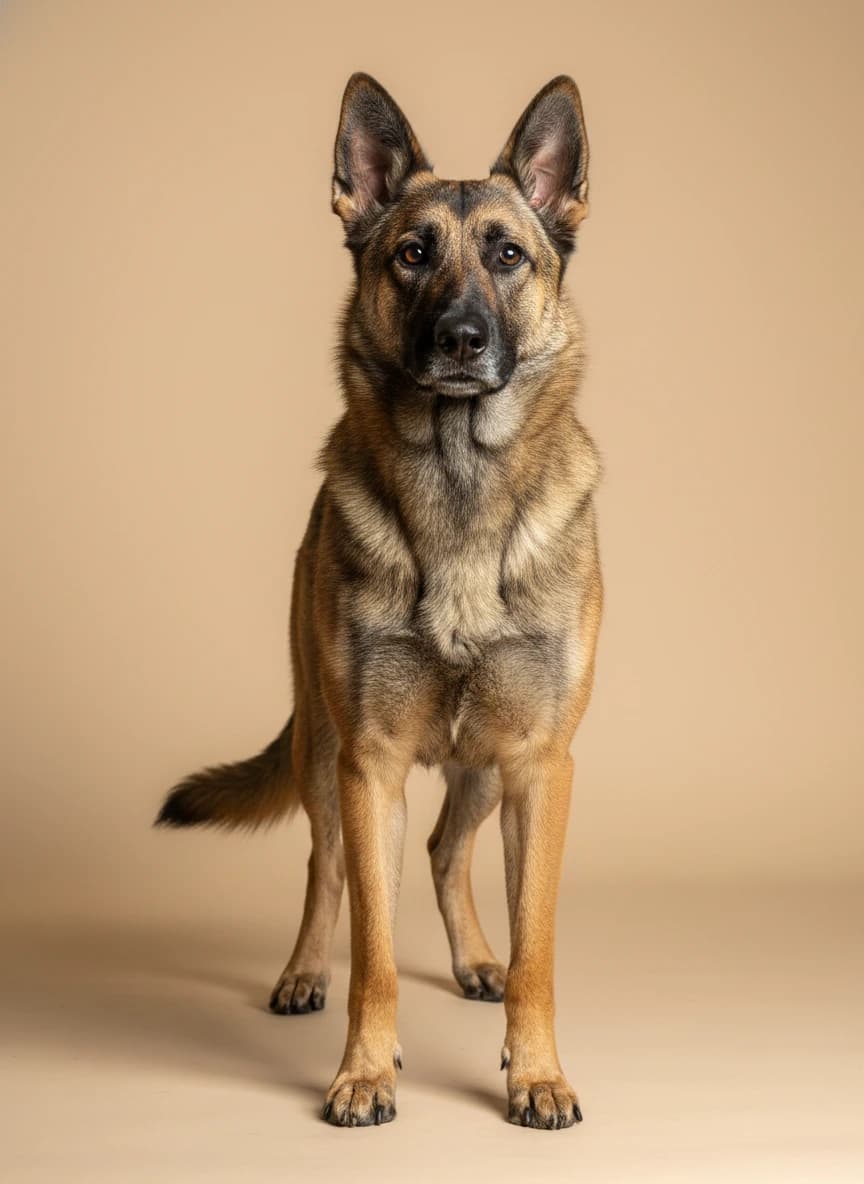
Saarloos Wolfdogs have high trainability and require experienced handlers who understand their independent spirit. They respond well to consistent, positive training methods that respect their wolf-like nature. Daily life demands ample outdoor activity and robust mental engagement; these dogs are not suited to sedentary lifestyles. They thrive with structured exercise routines and benefit from tasks that challenge their intelligence. Their strong pack instincts mean they often do best when given opportunities for canine interaction and play. Training should emphasize clear boundaries and patient reinforcement rather than harsh corrections.
Saarloos Wolfdogs have moderate grooming needs. Their double coat sheds seasonally and benefits from regular brushing, particularly during shedding periods, to maintain coat health and manage loose hair. Routine grooming supports their overall well-being and allows for early detection of skin or coat issues. Like all large breeds, they require regular dental care, nail trimming, and ear checks. Some lines may carry hereditary health considerations such as hip dysplasia and hereditary pituitary dwarfism; DNA testing is available to inform breeding decisions and health screening.
A Saarloos Wolfdog thrives in a home that offers ample space and respects their need for outdoor access. They are best suited to experienced dog owners who appreciate their cautious, independent nature and can provide consistent leadership. These dogs bond intensely with their trusted circle but remain wary of strangers, making early socialization important. They express themselves through howling and vocalization, which potential owners should be prepared to manage. Their strong desire for canine companionship suggests they often do well in multi-dog households. They are not typically suited to apartment living or homes with limited outdoor space.
The Saarloos Wolfdog is ideal for experienced dog owners who live in spacious environments and can commit to high daily exercise and mental stimulation. They suit families or individuals who appreciate their wolf-like independence and can work with their cautious temperament rather than against it. These dogs are not recommended for first-time owners, homes with limited space, or owners seeking an immediately affectionate, social pet. They reward dedicated, patient ownership with deep loyalty and remarkable intelligence. Consider this breed only if you can provide consistent training, ample outdoor time, and respect for their inherent wildness.