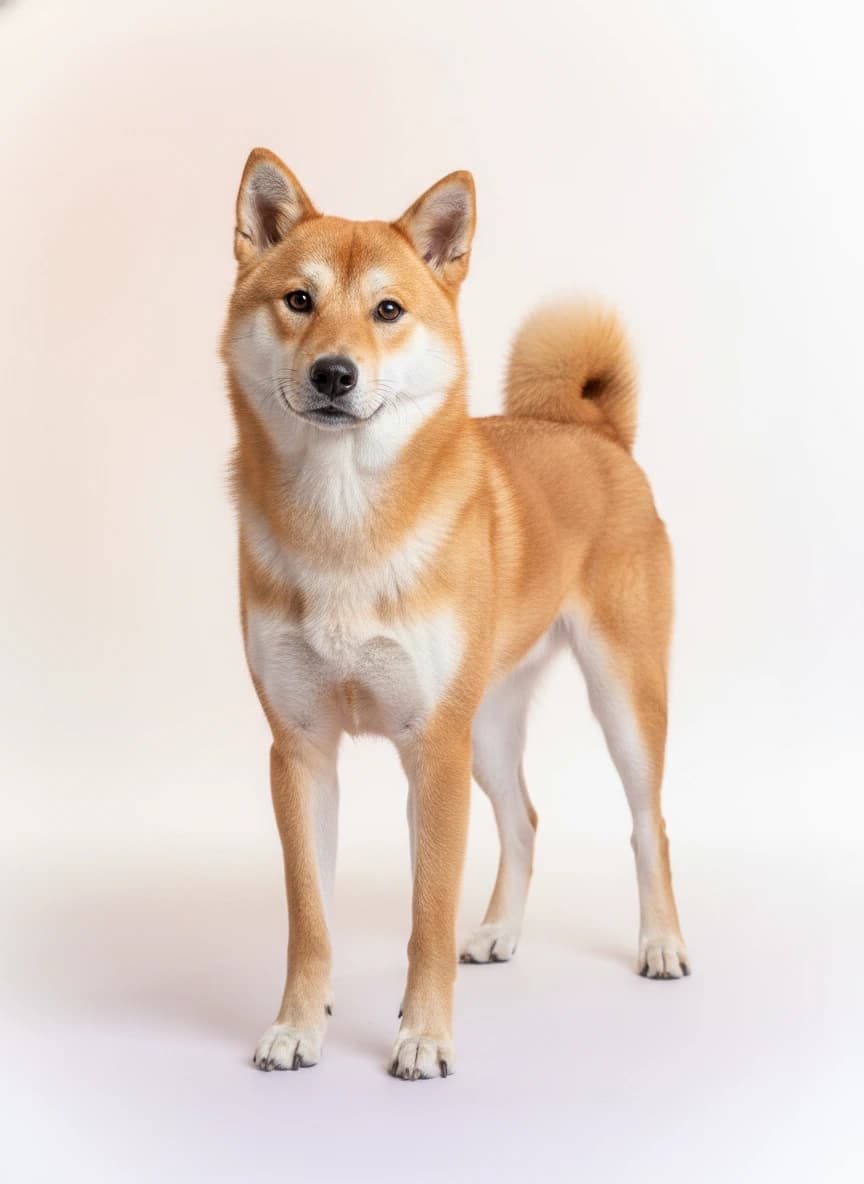
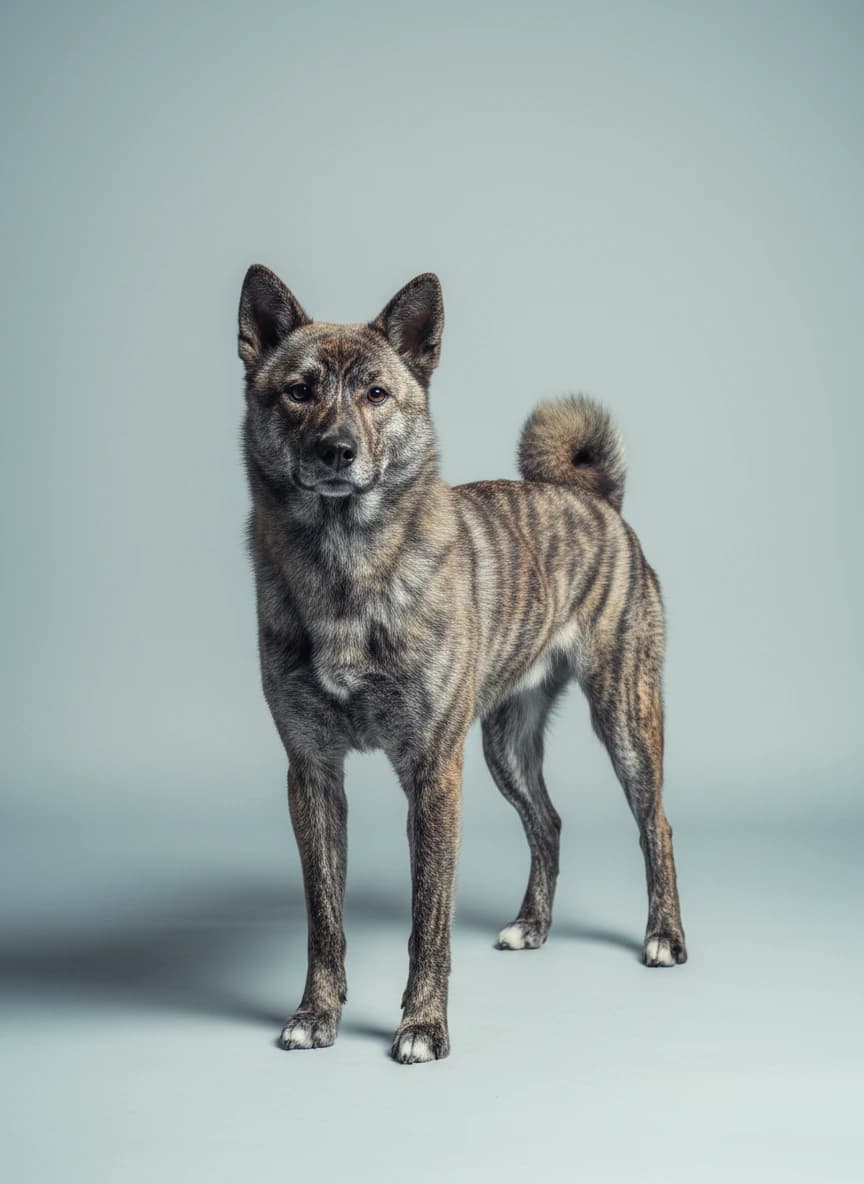
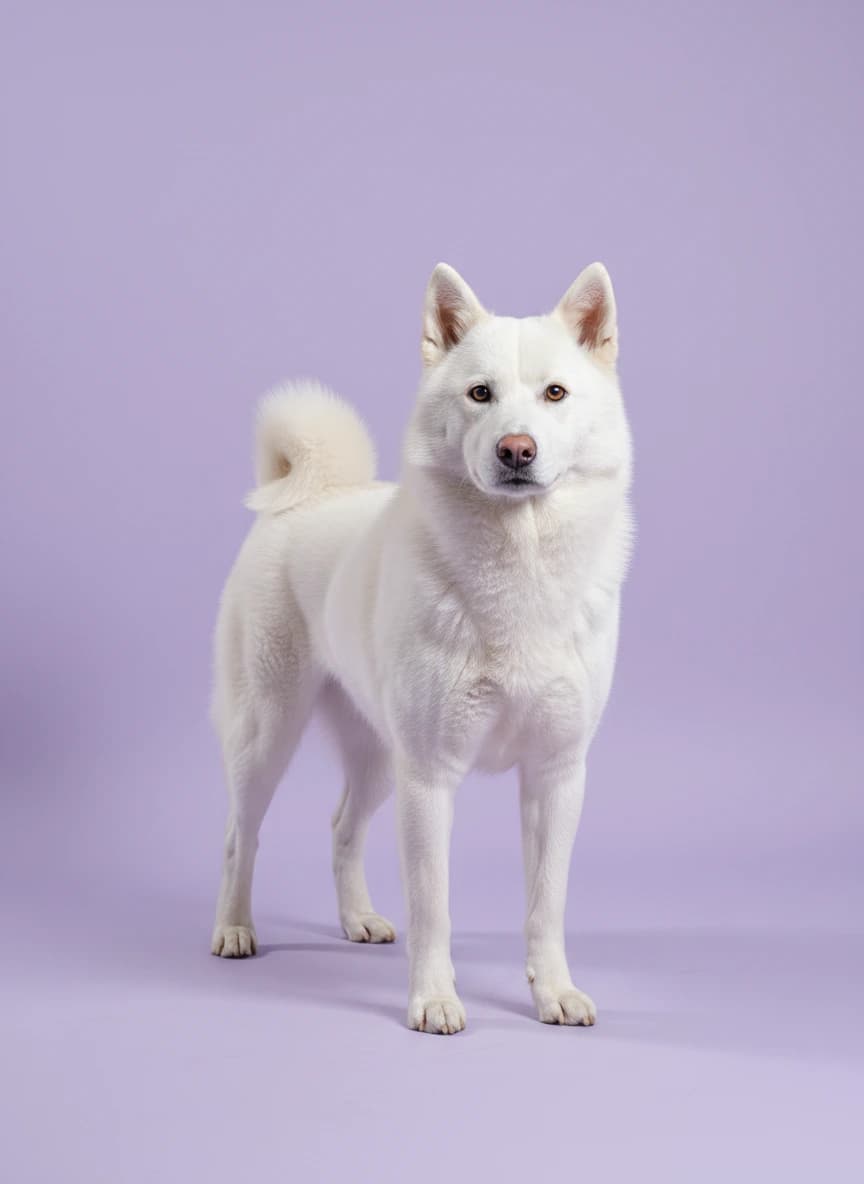
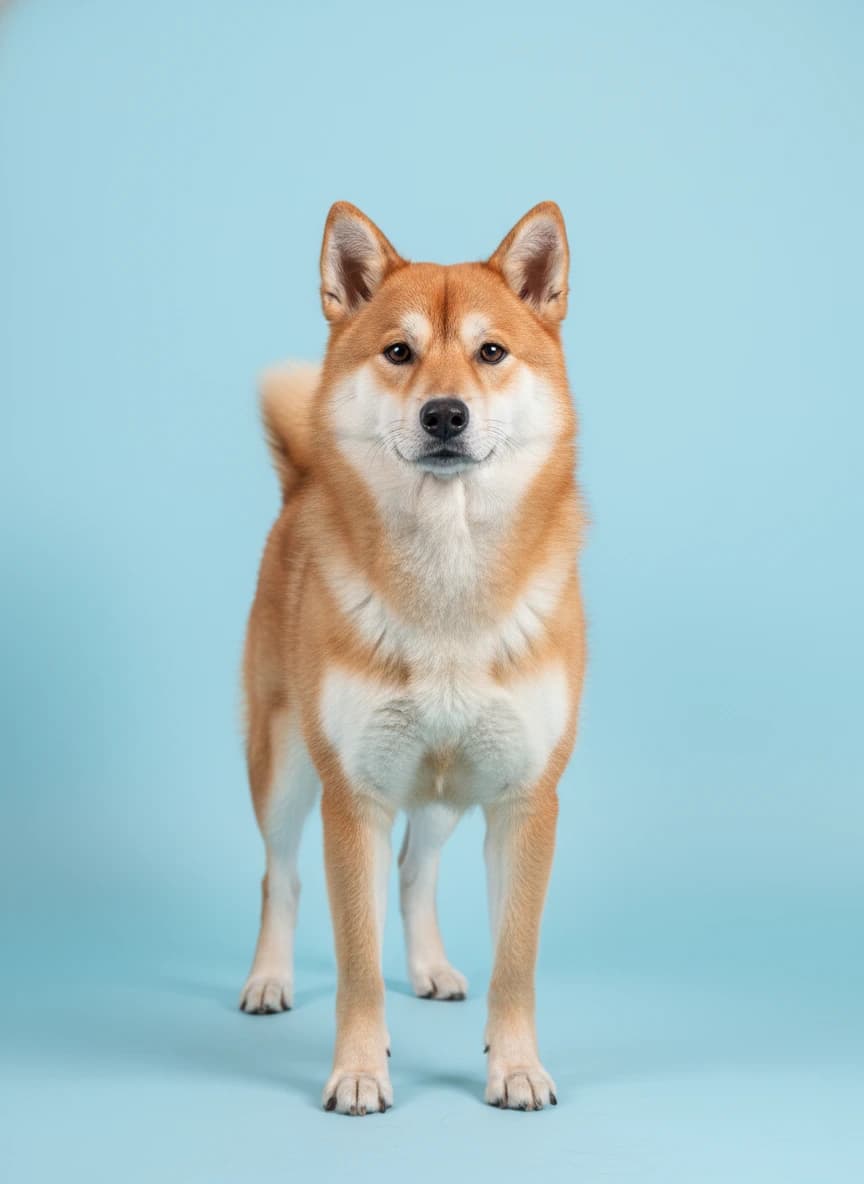
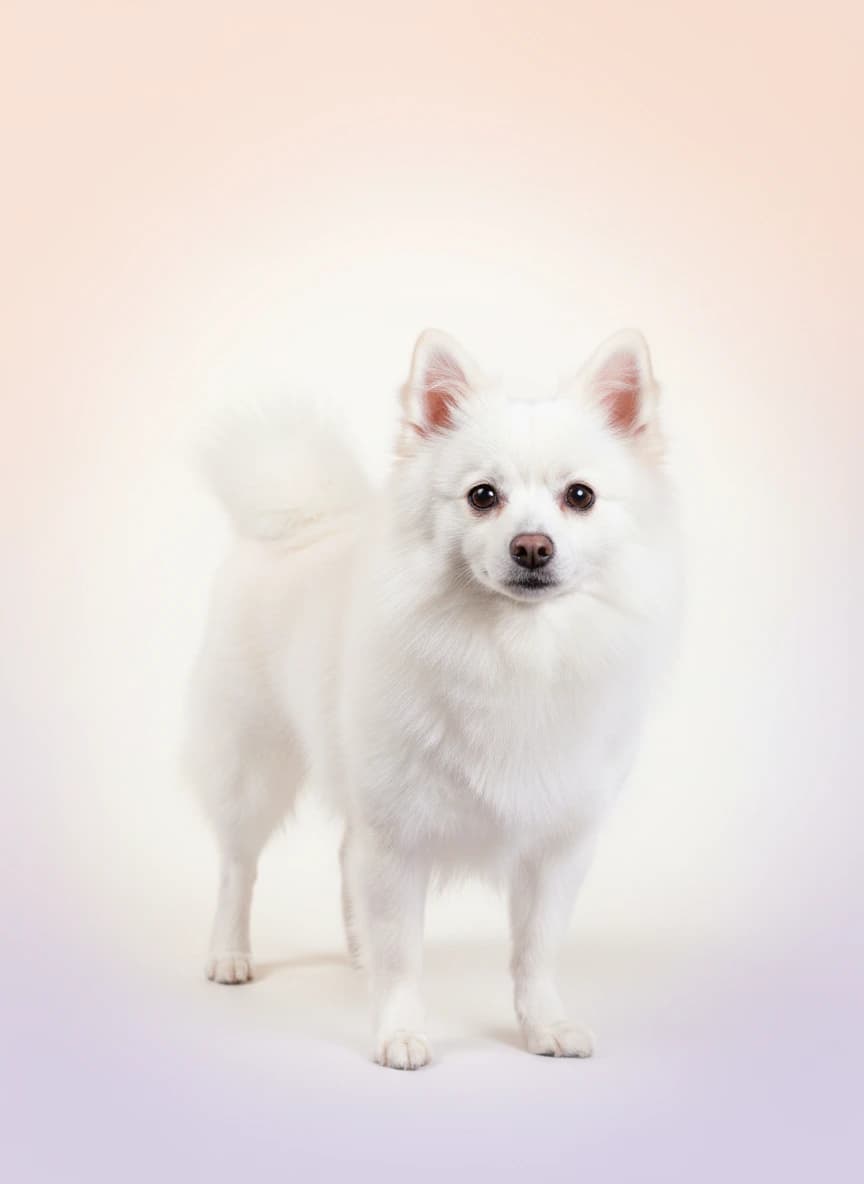
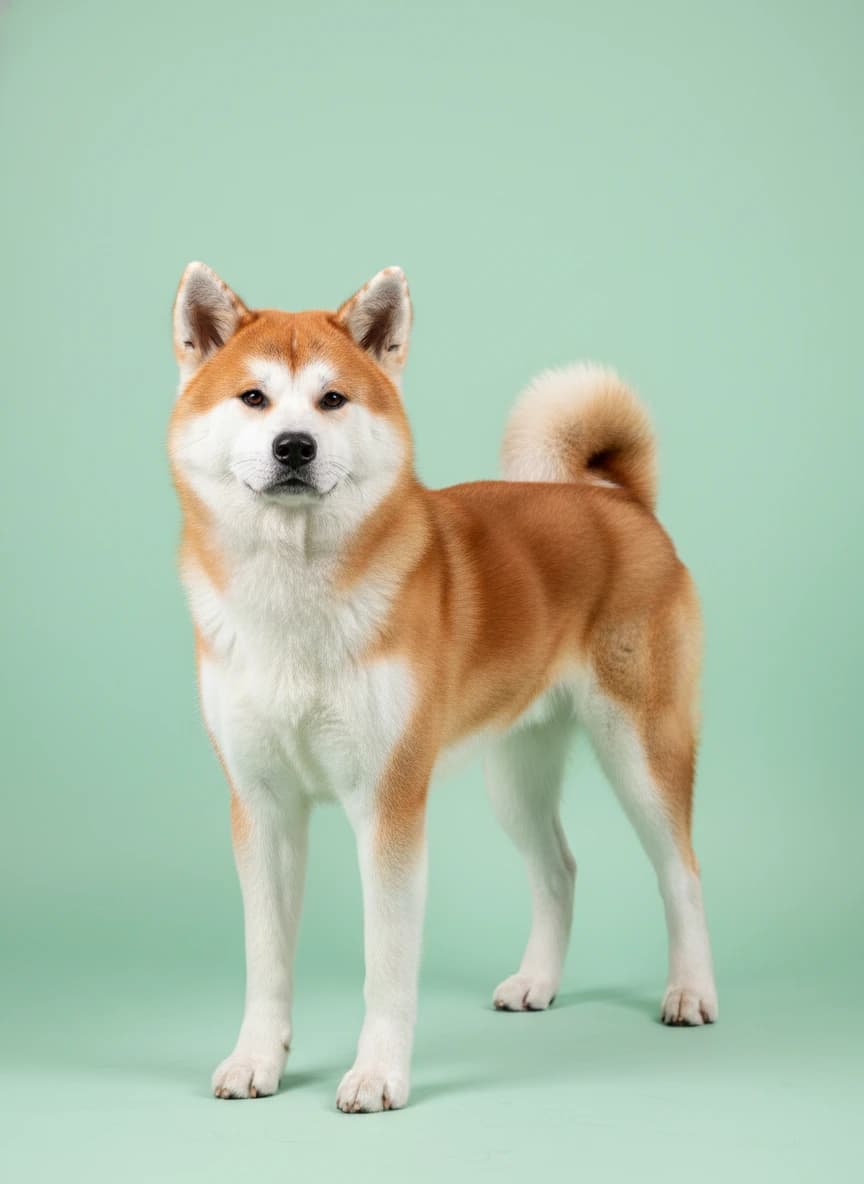
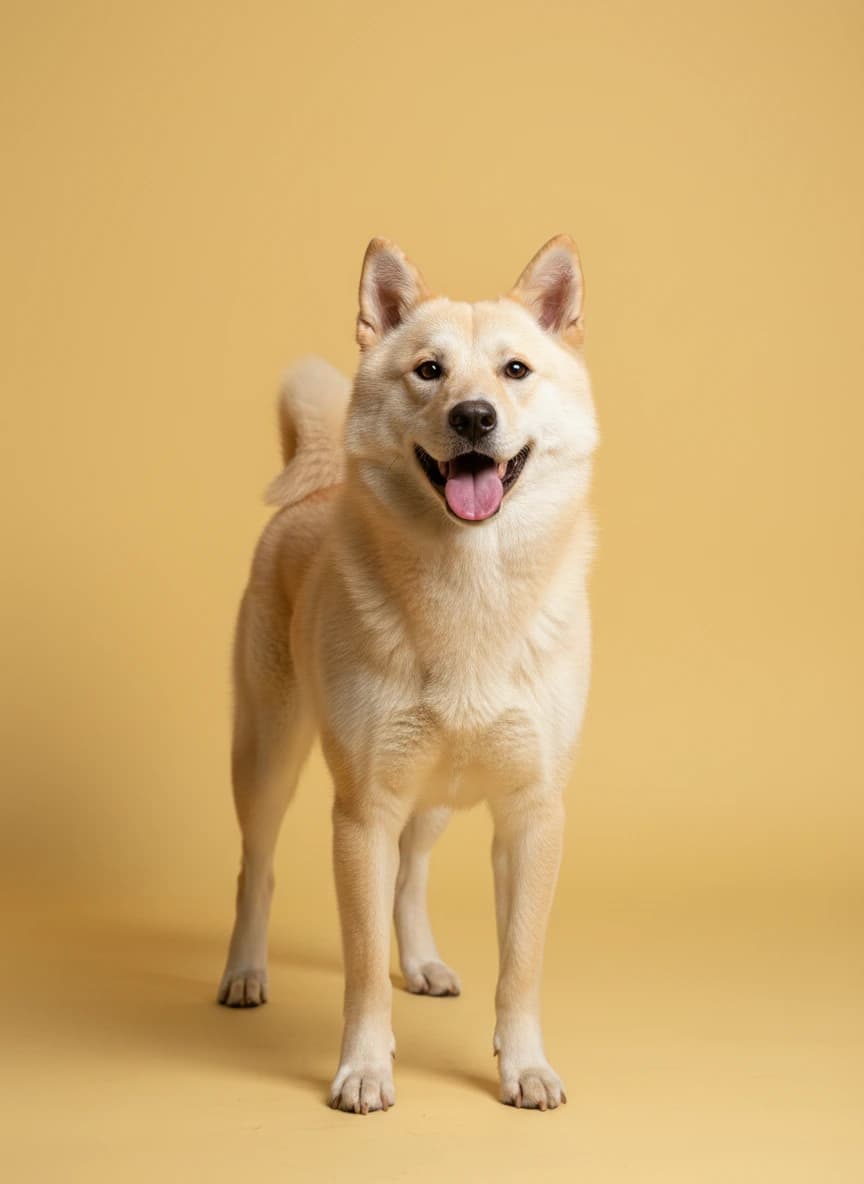
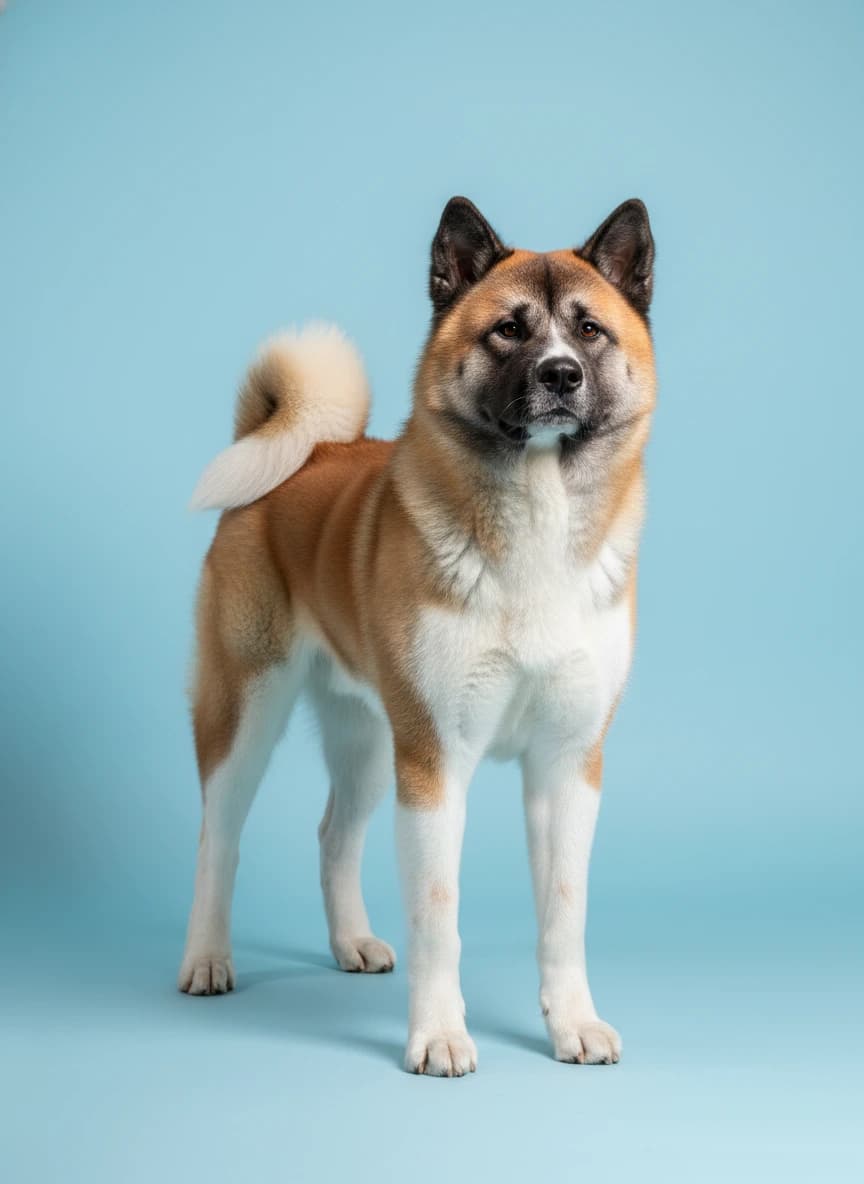
Auch bekannt als: Japanischer Shiba Inu, Japanischer Pinselwald-Hund, Kleiner Pinselwald-Hund, Shiba

Japan
Der Shiba Inu ist ein faszinierendes Rätsel, ein feurig intelligenter Begleiter mit ausgeprägtem Unabhängigkeitssinn. Sie gehen das Leben mit selbstbewusstem, fast katzenähnlichem Anmut an und beobachten oft, bevor sie sich einlassen. Ihr berühmter "Shiba-Schrei" ist ein stimmlicher Ausbruch der Freude oder Missbilligung, ein Beweis ihrer lebhaften Natur. Während sie ihrer Bezugsperson treu sind, sind Shibas typischerweise nicht unterwürfig; sie zeigen Zuneigung nach ihren eigenen Bedingungen, oft mit einer subtilen Anlehnung oder einem spielerischen Stupser. Ihr starker Jagdtrieb, ein Überbleibsel ihrer jagdlichen Vergangenheit, erfordert einen sicher eingezäunten Garten und wachsame Leinenführung. Mit einem Shiba zu leben bedeutet, eine intelligente, manchmal eigensinnige und immer interessante Partnerschaft zu akzeptieren.
Häufige Probleme
Empfohlene Untersuchungen
Frag deine vertraute Tierarztpraxis nach einem Rat, der zu deinem Hund passt.
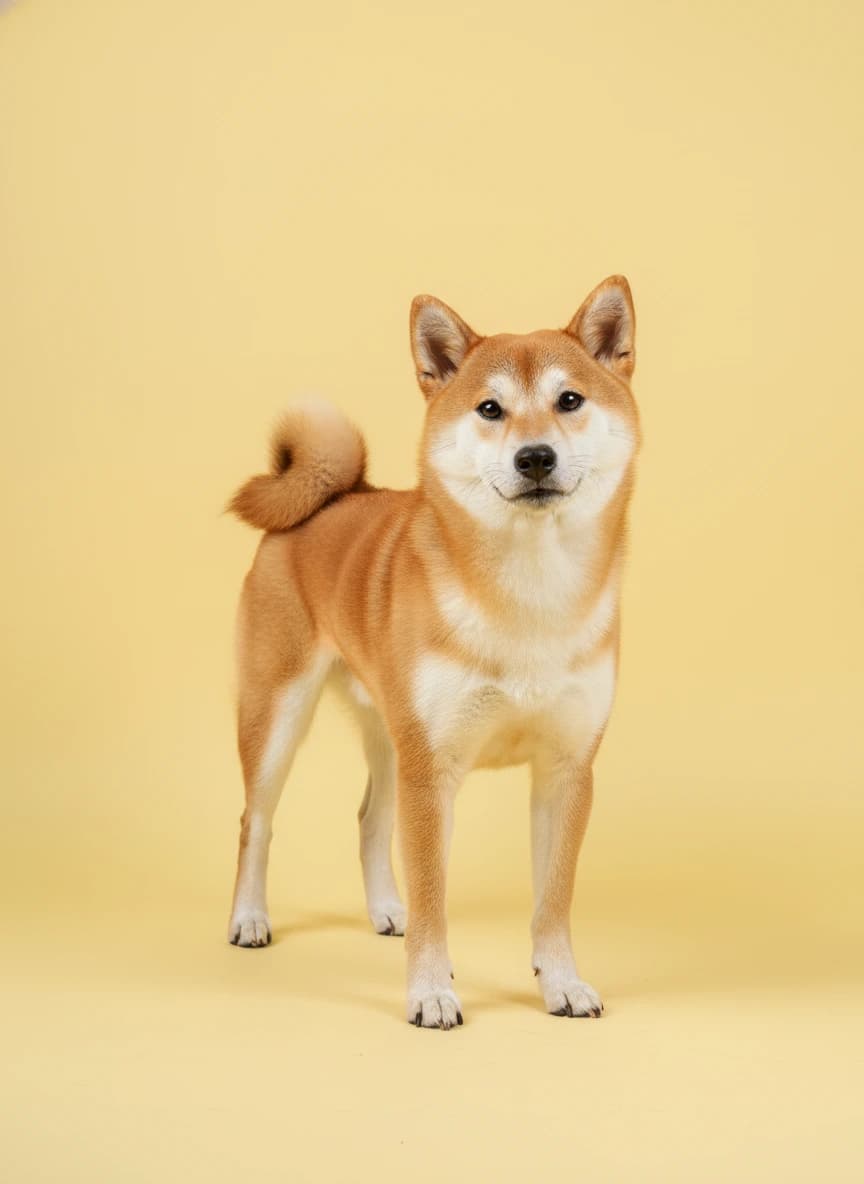
The Shiba Inu is a captivating enigma combining fierce intelligence with a strong independent streak. These dogs approach life with confident, almost cat-like grace, often preferring to observe before engaging. They are alert and friendly, though their affection tends to be expressed on their own terms—often through subtle leans or playful nudges rather than effusive displays. The breed is known for its famous "Shiba scream," a vocal outburst signaling either delight or disapproval that reflects their spirited nature. While devoted to their chosen person, Shibas are not typically fawning companions. Their strong prey drive, a remnant of their hunting heritage, remains a defining trait that shapes their behavior and needs.
Shiba Inus have moderate exercise needs and moderate trainability, requiring consistent engagement without excessive demands. Their intelligence is matched by an independent nature that can manifest as stubbornness, making training a partnership rather than a guarantee of compliance. These dogs benefit from regular, purposeful activity and mental stimulation. Their strong prey drive necessitates secure fencing and vigilant leash handling, as they may pursue small animals. Training works best when it respects their self-directed temperament and incorporates positive reinforcement tailored to their interests rather than relying on traditional obedience methods alone.
Shiba Inus have moderate grooming needs. They shed regularly and benefit from routine brushing to manage their double coat. Their ears, particularly if longer, warrant routine care to prevent buildup. Regular nail trimming, dental care, and eye monitoring are part of standard maintenance. Bathing can be performed as needed, though many Shibas are fastidious self-cleaners. Prospective owners should budget time for grooming and be prepared for seasonal shedding.
Living with a Shiba Inu means embracing a clever, sometimes stubborn, and always interesting partnership. These dogs are adaptable to house living and can thrive in various home environments provided their exercise and mental stimulation needs are met. They approach household life with a measured, observant demeanor. Their moderate exercise level makes them suitable for owners who can provide consistent activity without requiring extensive daily exertion. The breed's independent nature means they may not follow every command or crave constant attention, preferring to make their own decisions about when and how to engage with household activities and people.
Shiba Inus are best suited to experienced dog owners who appreciate and respect their independent temperament. They thrive with owners who embrace their cat-like personality and understand that devotion doesn't always look like eager compliance or constant enthusiasm. These dogs require secure fencing due to their prey drive and demand vigilant leash handling. They are ideal for people seeking a clever, spirited companion rather than a highly obedient or effusive pet. Potential owners should be comfortable with the breed's moderate independence, accept their distinctive vocalizations, and have the commitment to provide consistent training, exercise, and mental engagement tailored to their unique personality.