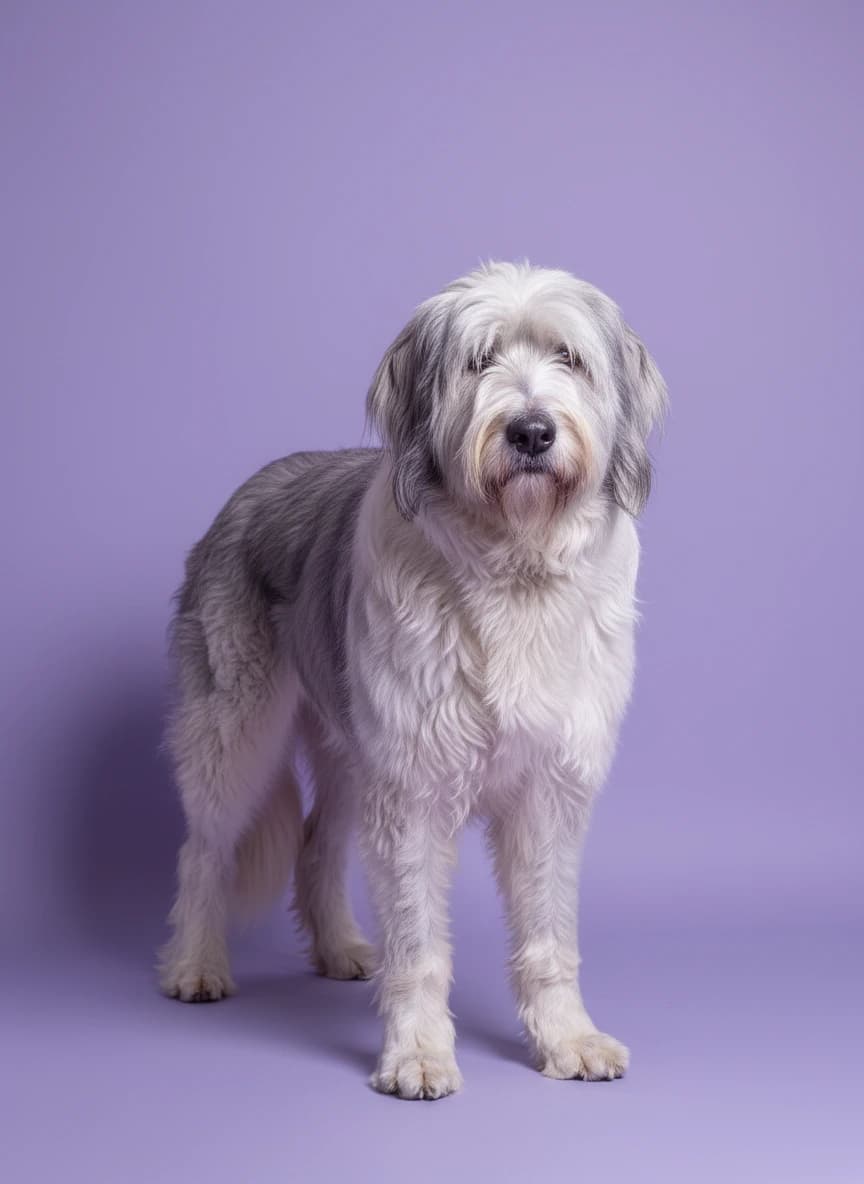
Auch bekannt als: Bosnischer Schäferhund, Kroatischer Schäferhund, Kanis Montanuns, Tornjak-Schäferhund

Bosnia & Herzegovina,

Croatia
Der Tornjak ist ein majestätischer Wächter mit goldenem Herzen, zutiefst seiner Familie ergeben und erbittert schützend gegenüber seinem Territorium. Diese sanften Riesen, geprägt durch Jahrhunderte des Hirtens in rauer Landschaft, besitzen eine inhärente Ruhe, gepaart mit unerschütterlicher Wachsamkeit. Sie sind nicht übertrieben demonstrativ, aber ihre Liebe läuft tief und zeigt sich in stiller Beständigkeit. Das Training erfordert Geduld und Konsequenz, da ihr unabhängiger Charakter, geboren aus eigenständigen Entscheidungen in den Bergen, bedeutet, dass sie lieber selbst denken. Während sie unter verantwortungsvoller Führung gedeihen, macht ihre unwandelbare Loyalität sie zu außergewöhnlichen, wenn auch manchmal eigensinnigen, Begleitern.
Häufige Probleme
Empfohlene Untersuchungen
Frag deine vertraute Tierarztpraxis nach einem Rat, der zu deinem Hund passt.
The Tornjak is a majestic guardian breed shaped by centuries of work in rugged mountain landscapes. These gentle giants display a distinctive combination of calm alertness and unwavering vigilance. While deeply devoted to their family, Tornjaks tend to be quiet and reserved rather than demonstrative in their affection. Their loyalty runs deep, manifesting as a steadfast presence. An independent streak, born from their heritage of making autonomous decisions while shepherding, means they often prefer to think for themselves. This self-reliance can present as stubbornness, but it reflects their natural confidence and sound judgment. They remain alert to their surroundings and protective of their domain, though they are not typically aggressive without cause.
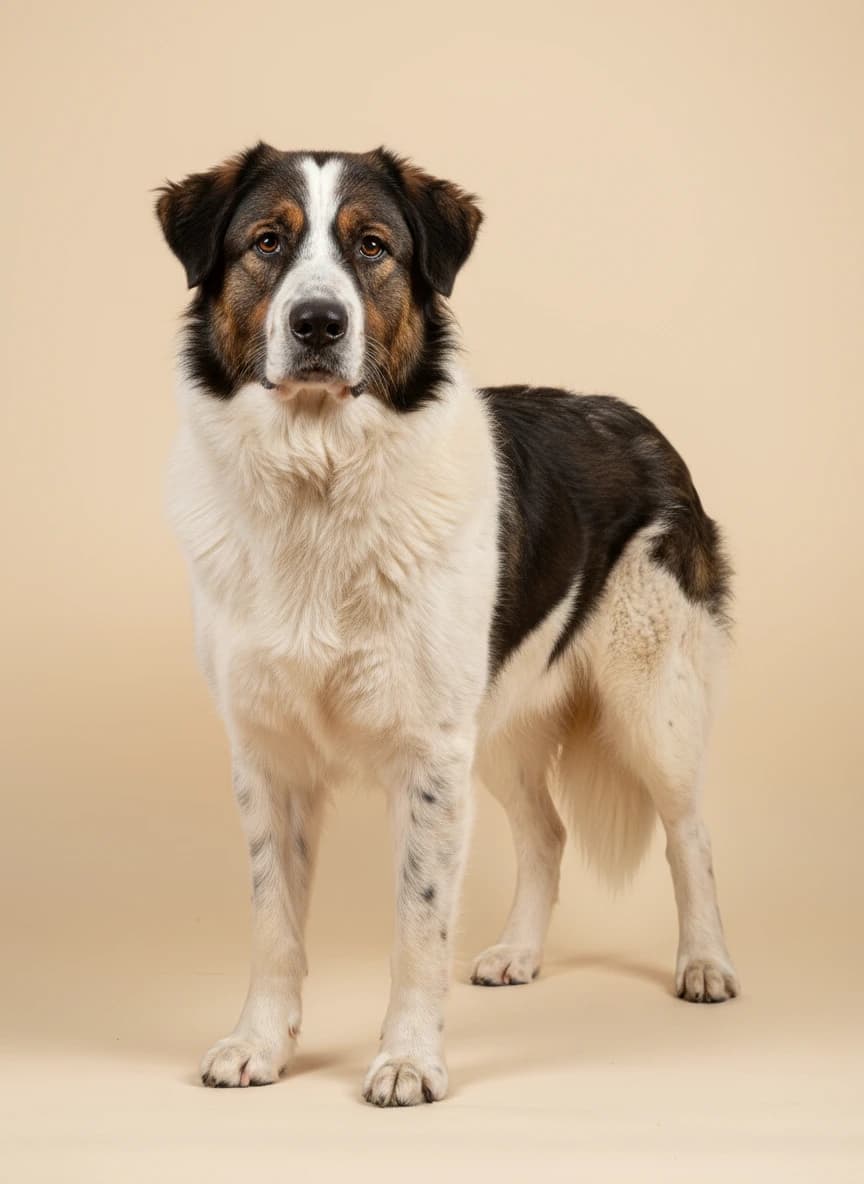
Tornjaks respond best to patient, consistent training from experienced handlers who understand their independent nature. Their moderate exercise needs are best met through regular activities that engage both body and mind. These dogs were bred to work over long distances in mountainous terrain, so they appreciate purposeful activity rather than intense athleticism. Training requires clarity and fairness, as their problem-solving heritage means they will question unclear or inconsistent commands. They benefit from having a job or purpose, whether formal obedience work or structured daily tasks. Early socialization and establishing clear leadership helps channel their natural protective instincts appropriately.
Tornjaks have moderate grooming needs, with their double coat requiring regular brushing to manage shedding and maintain health. Their coat protects them in harsh weather and typically sheds seasonally. Routine grooming sessions provide opportunities to monitor their skin and coat condition. Like all giant breeds, they benefit from regular veterinary check-ups. Hip dysplasia and eye disorders are occasionally reported in the breed, though published health data remains limited. Maintaining a healthy weight through appropriate diet and exercise supports joint health, particularly important given their size. Ear and dental care should be part of their regular maintenance routine.
Tornjaks need adequate space to move comfortably and thrive best in homes where they can access both indoor and outdoor environments. Their moderate exercise requirements mean they are not extreme athletes, but they do need room to roam and opportunities for regular movement. Their calm nature means they can adapt to various living situations provided their space and exercise needs are met. As guardian breeds, they naturally monitor their territory and may be vocal about perceived threats, though they are not typically excessive barkers. They tend to bond closely with their family unit and may be reserved with strangers, reflecting their protective heritage. Their independent nature means they require experienced, confident ownership that establishes clear household expectations.
Tornjaks are best suited for experienced dog owners who appreciate their independent spirit and can provide patient, consistent leadership. These dogs need ample space and are not ideal for apartment living. Prospective owners should be comfortable with a dog that thinks for itself and may question commands rather than blindly obey. They require owners committed to regular exercise, grooming, and veterinary care. The breed's protective nature and size mean that socialization and responsible management are essential. Families seeking a devoted, loyal companion who offers quiet steadfastness rather than exuberant enthusiasm may find Tornjaks to be extraordinary partners. First-time dog owners or those seeking highly obedient, eager-to-please breeds should consider whether a Tornjak's independent temperament aligns with their expectations.