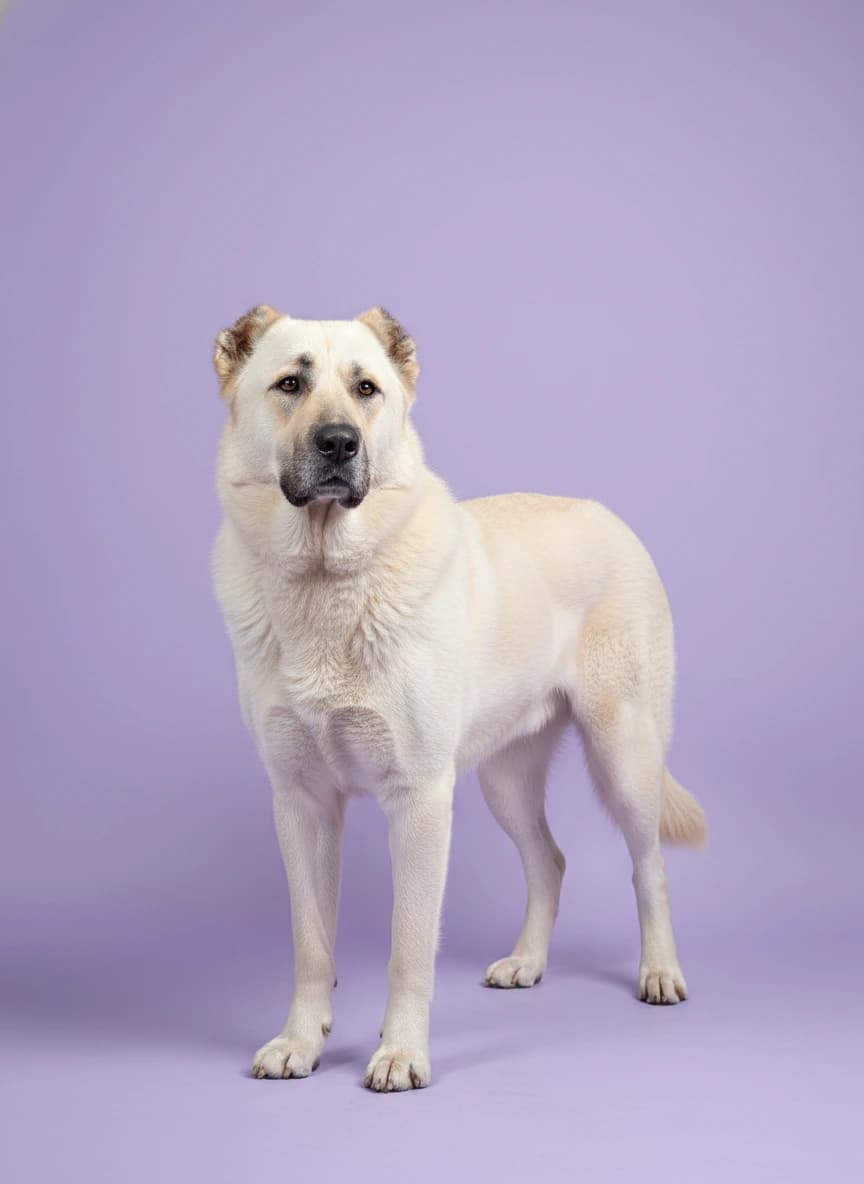
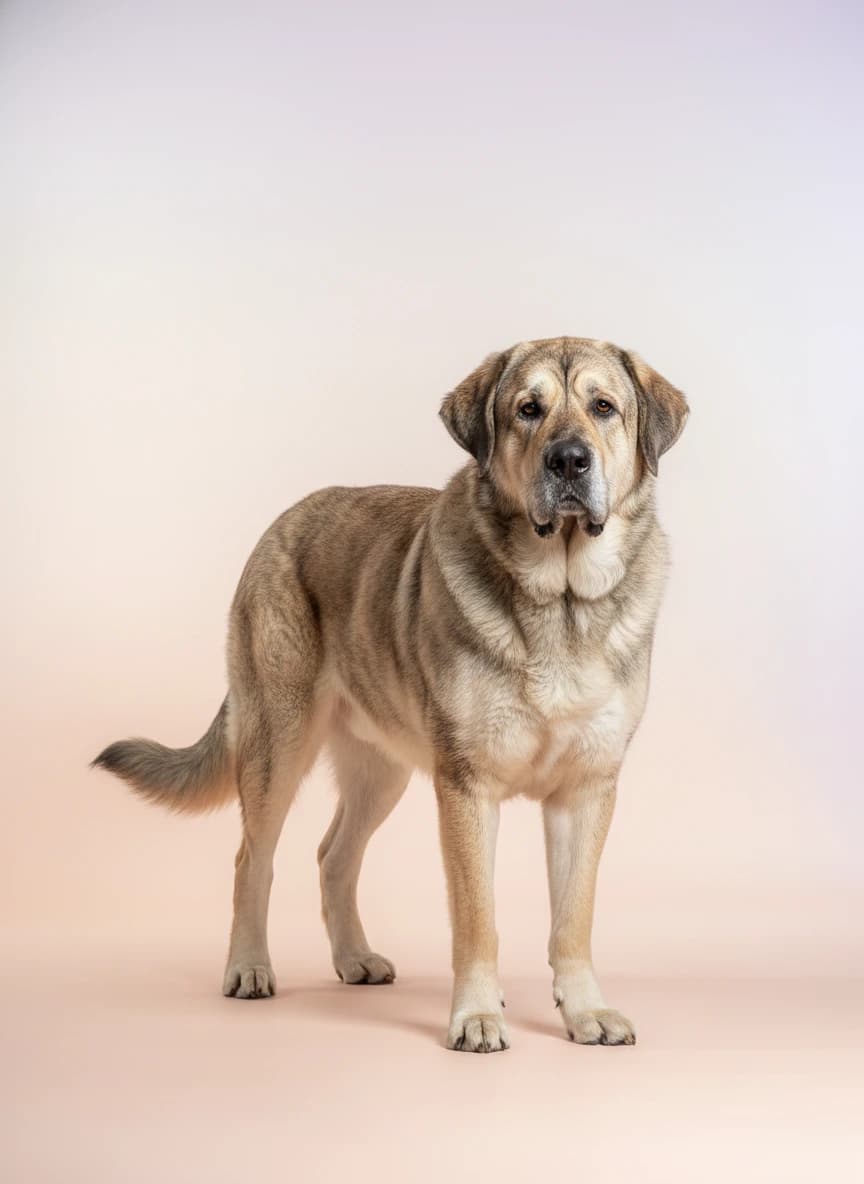
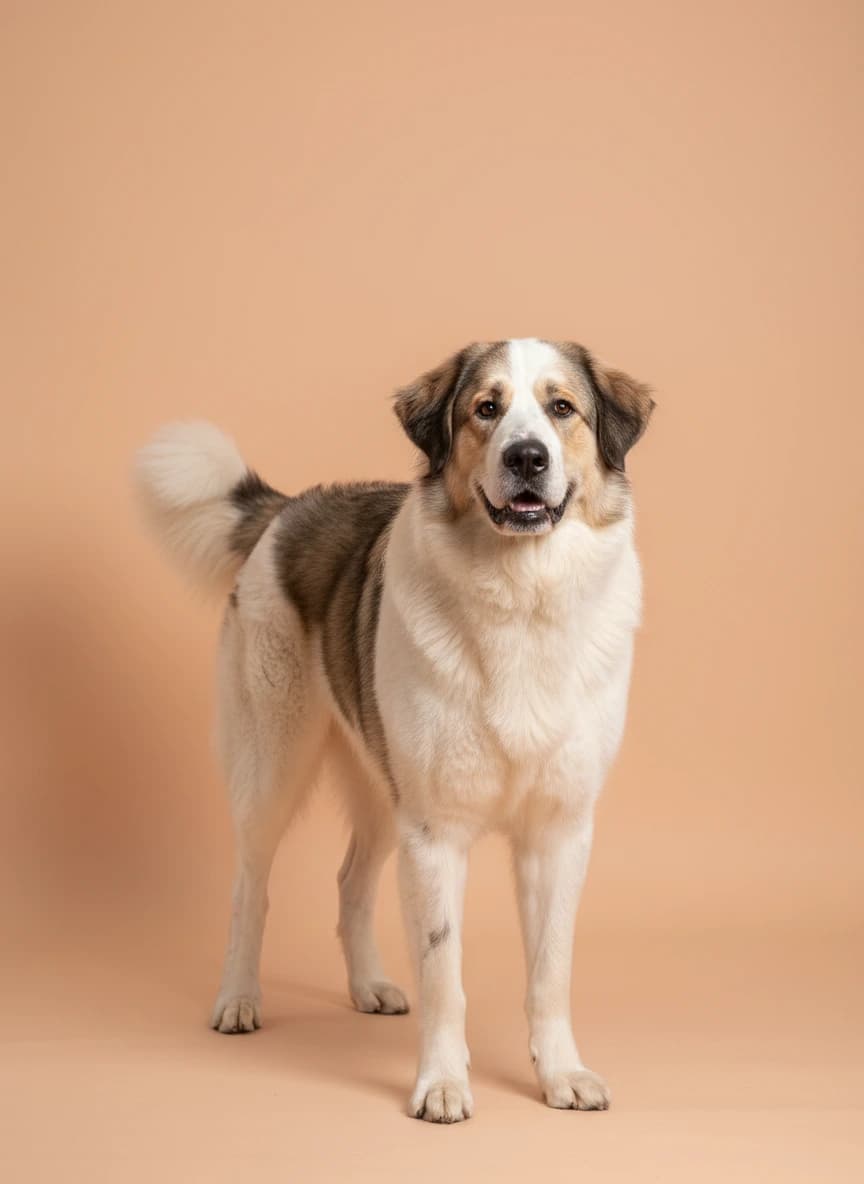
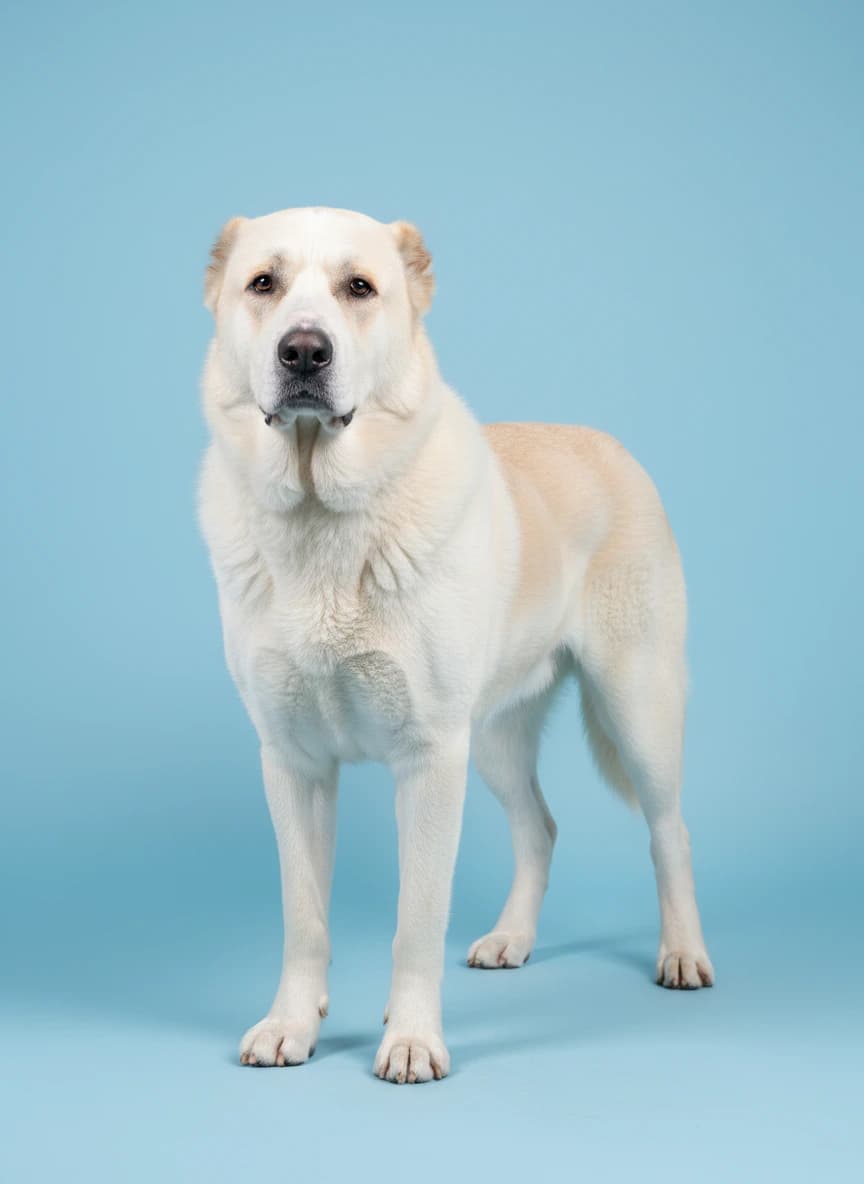
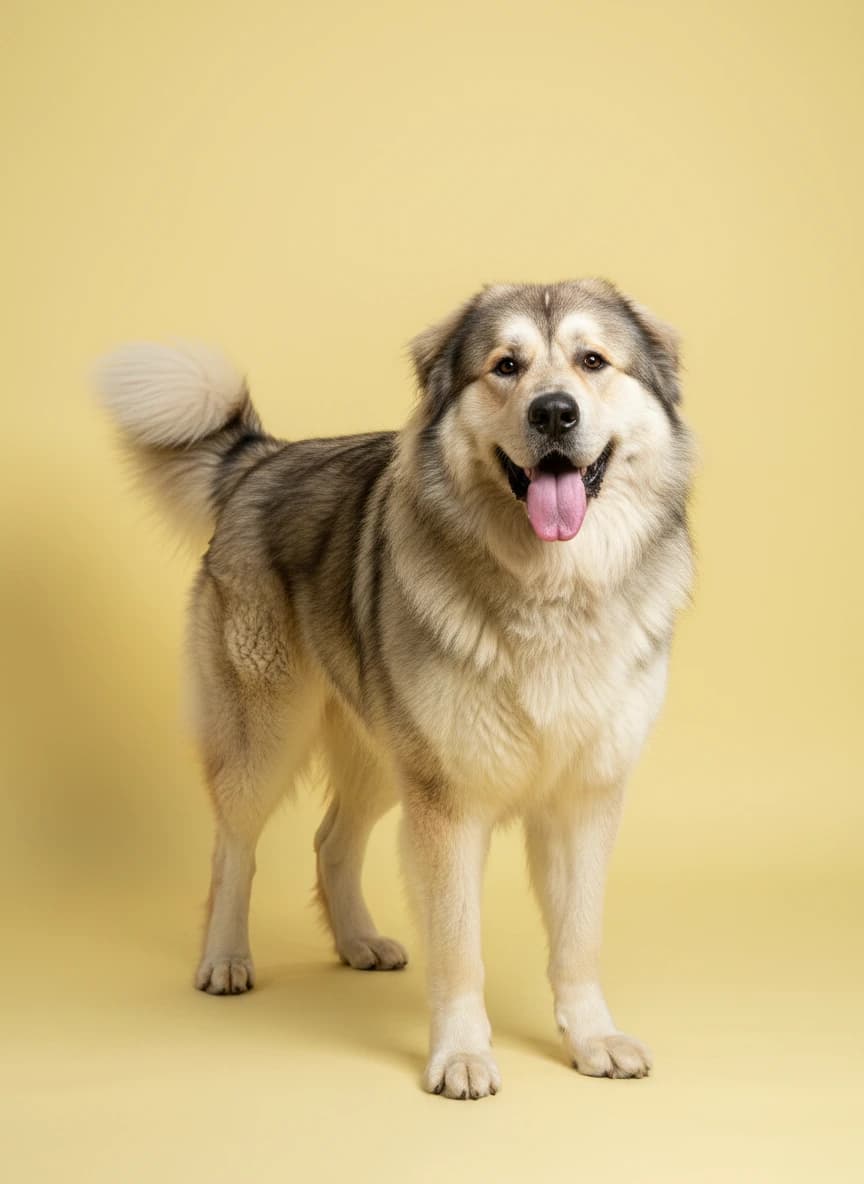
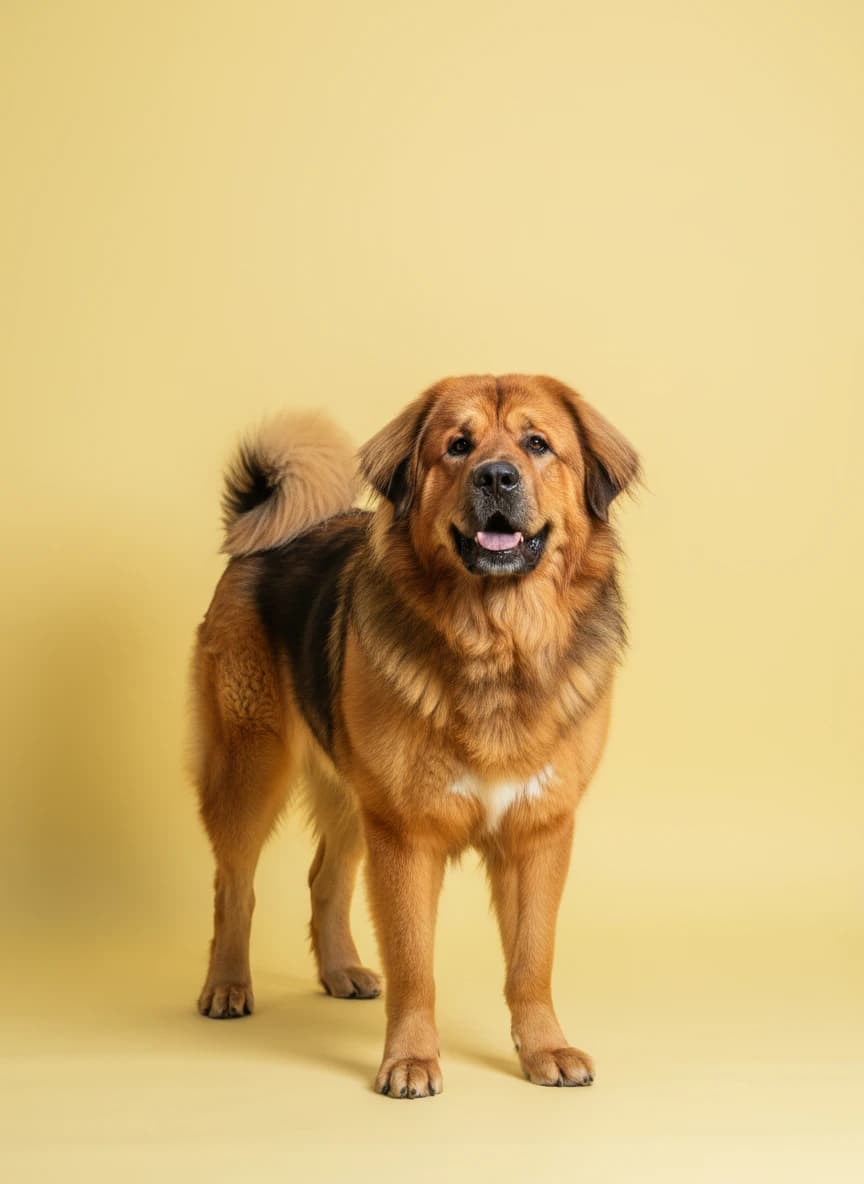
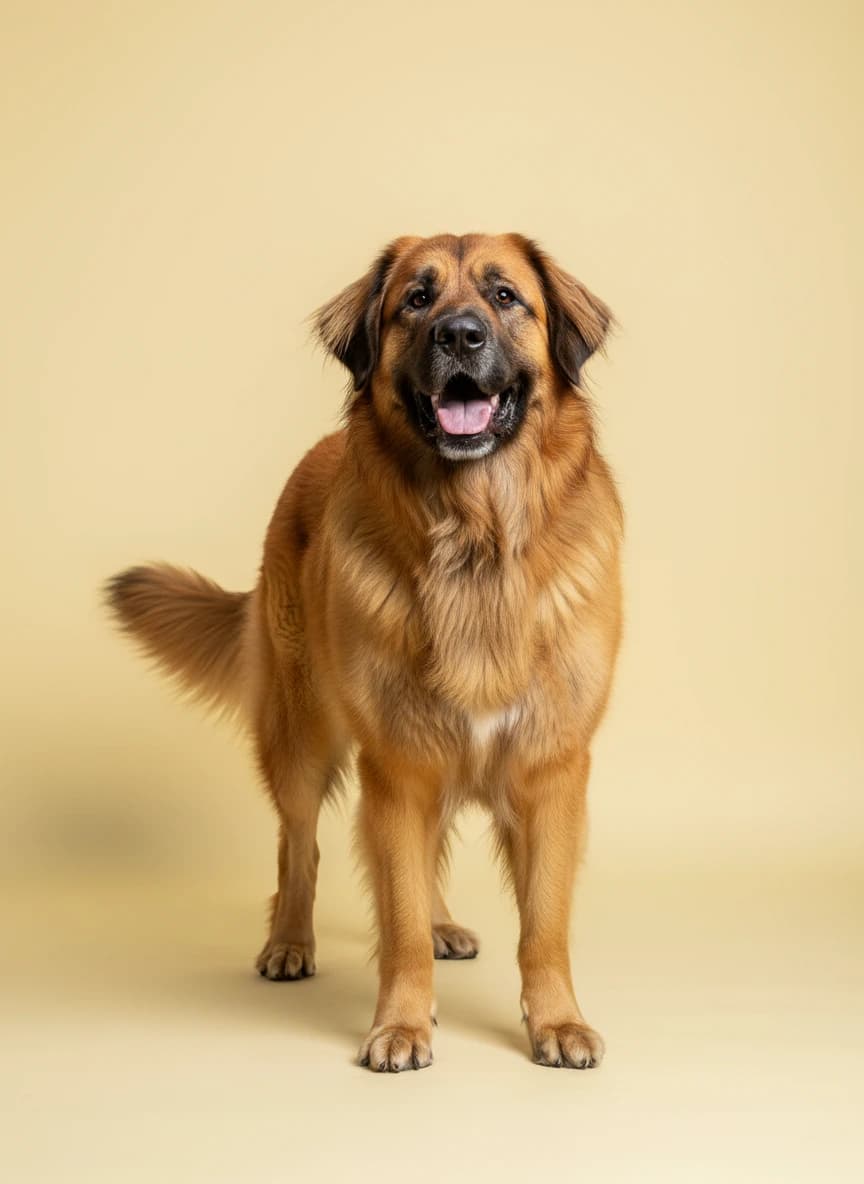
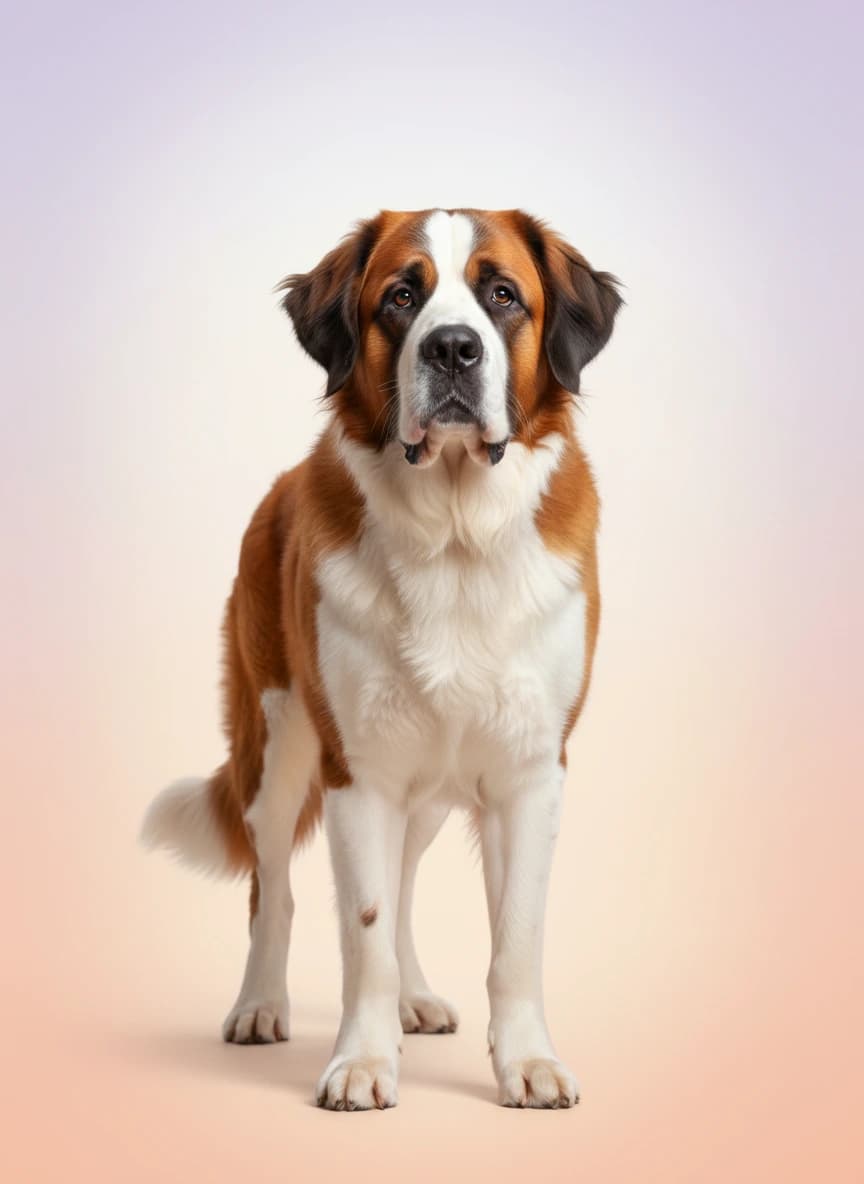
También conocida como: Perro Pastor Anatólico, Kangals, Karabash, Anadolu Çoban Köpeği

Turquía
El Pastor Anatólico es un alma majestuosa y antigua, que lleva la sabiduría de milenios en su mirada vigilante. No son compañeros acurrucados en el sentido típico, mostrando una reserva casi regia con extraños y un afecto dignificado hacia su familia elegida. Su independencia es legendaria; criados durante siglos para proteger rebaños nómadas en condiciones duras, evalúan situaciones y actúan decisivamente por iniciativa propia. Esto significa que no son perros "complacientes" y requieren una mano confiada y experimentada. Para aquellos que se ganan su respeto, un Pastor Anatólico ofrece una lealtad incomparable y una sensación tranquila de seguridad. Prosperan teniendo un trabajo, incluso si ese trabajo es simplemente supervisar su "rebaño" humano e inspeccionar su territorio. Su demeanor tranquilo puede transformarse rápidamente en una protección feroz si perciben una amenaza, convirtiéndolos en guardianes formidables.
Problemas frecuentes
Revisiones recomendadas
Consulta a tu vet de confianza para un consejo específico de tu perro.
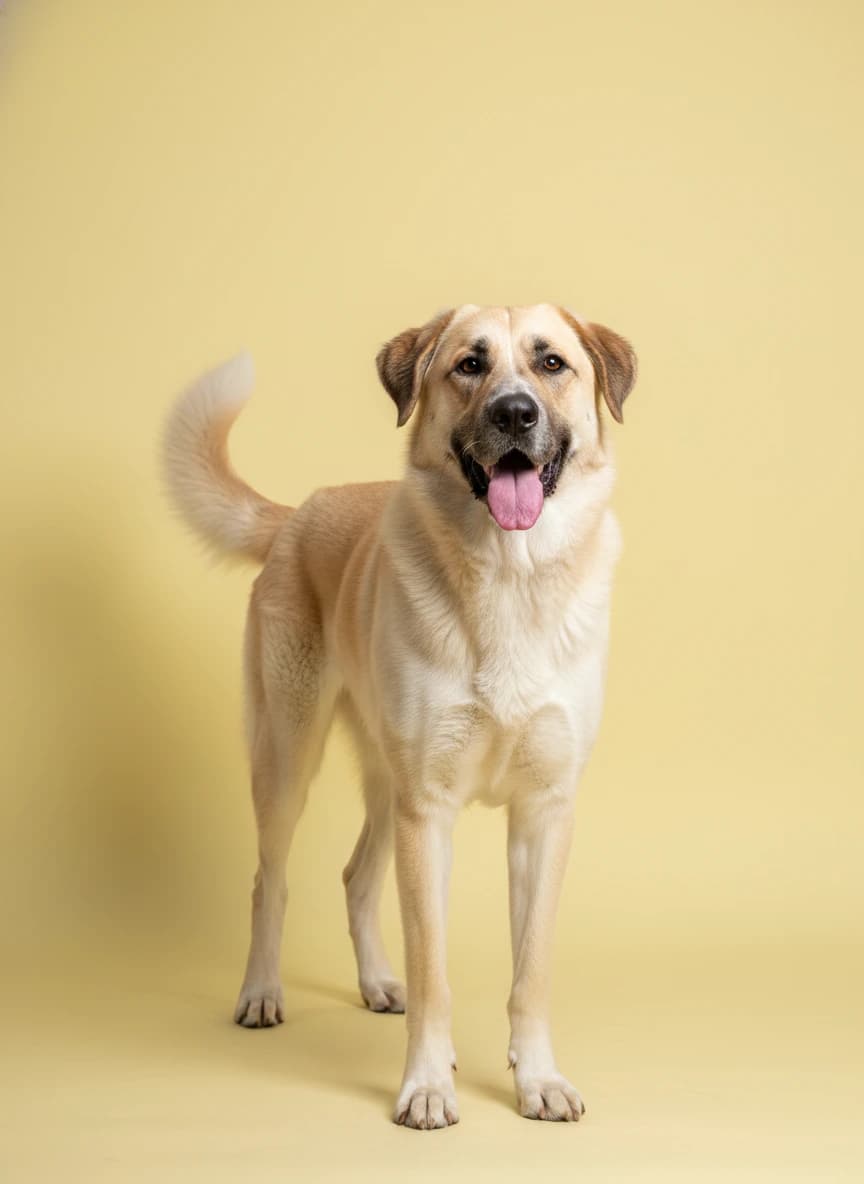
The Anatolian Shepherd carries an ancient dignity and watchful presence shaped by centuries of independent work protecting flocks across harsh terrain. These dogs tend toward calm deliberation rather than reactive enthusiasm, displaying a reserved demeanor with strangers while offering quiet, steadfast loyalty to their chosen family. Independence is a defining characteristic—they were bred to assess situations and make decisions without constant guidance, which means they are not eager-to-please dogs who follow every command. Their protective instincts are deeply ingrained; a calm demeanor can shift swiftly to fierce guardianship if they perceive a genuine threat to their territory or people. Anatolians typically thrive when given a sense of purpose, whether that involves livestock guardianship, territory oversight, or simply surveying their human household. This is a breed that values respect over affection, and relationships tend to deepen through shared trust rather than playful bonding.
Anatolian Shepherds require a confident, experienced handler who understands independent-minded working dogs. Training tends toward moderate difficulty because these dogs think for themselves and will question directives they don't respect. Consistency, fairness, and clear boundaries work better than harsh corrections or excessive repetition. They respond well to having a defined role or job, as purposeful activity engages their natural instincts. Exercise needs are moderate rather than extreme; they were bred for endurance over long distances, not sprinting, so daily walks, access to secure territory, and opportunities to patrol their space tend to satisfy them. Mental stimulation through environmental variety and purposeful tasks may matter as much as physical exertion. Early socialization helps them distinguish between normal activity and genuine threats, though their protective nature remains a fundamental trait throughout life.
Grooming needs are low to moderate. Anatolian Shepherds have double coats that shed seasonally, sometimes heavily during shedding periods, requiring regular brushing to manage loose hair and prevent matting. Routine bathing, nail trimming, and ear checks are standard care. Their coat provides excellent weather protection and requires minimal styling or professional grooming. Regular dental care and eye attention support overall health, particularly given some lines' tendency toward eyelid concerns. These are hardy dogs adapted to austere conditions, so they typically don't require specialized care beyond preventive health maintenance.
Anatolian Shepherds are best suited to homes with adequate space—they are giant dogs who benefit from territory they can patrol and oversee. They tend to be calm indoors but need secure fencing and clear boundaries, as their guarding instincts may lead them to assess and potentially challenge anything crossing their perceived territory. They are not typically destructive when their needs for space and purpose are met, but confined or under-stimulated individuals may develop behavioral concerns. Their calm nature means they are generally quiet household members, though they may vocalize when perceiving threats. They adapt well to rural or suburban settings with room to move; urban apartment living presents challenges due to their size and territorial needs. Multi-dog households require careful introductions and clear hierarchy, as their independent nature means they may challenge other dogs if not properly socialized and managed. Established families with teenagers tend to work better than homes with very small children, given the dog's size and reserved temperament.
The Anatolian Shepherd is ideal for experienced dog owners seeking a loyal guardian and calm, dignified companion rather than an enthusiastic family pet. These dogs thrive with owners who respect their independent nature, understand working dog mentality, and can provide secure space, clear boundaries, and purposeful roles. They are wrong for owners wanting an eager-to-please, highly trainable, or particularly cuddly dog. They suit people who value quiet loyalty, respect canine decision-making, and have genuine experience managing strong-willed, large dogs. Owners must be comfortable with moderate shedding, ongoing socialization to distinguish threats from everyday events, and the responsibility of a giant guardian breed. This is not a dog for first-time owners, apartment dwellers, or households seeking a playful, constantly interactive companion. For the right owner, an Anatolian offers unmatched steadiness, loyalty, and the quiet confidence of a truly independent guardian.