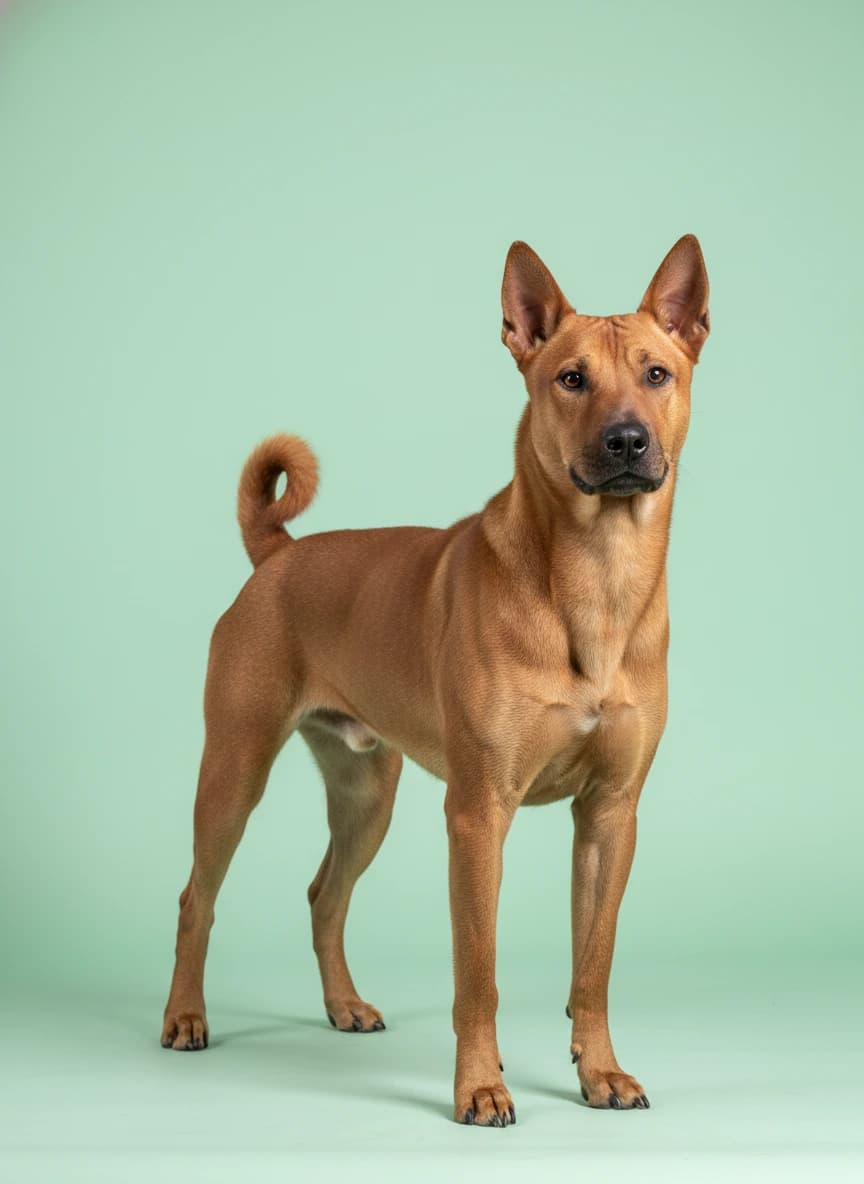
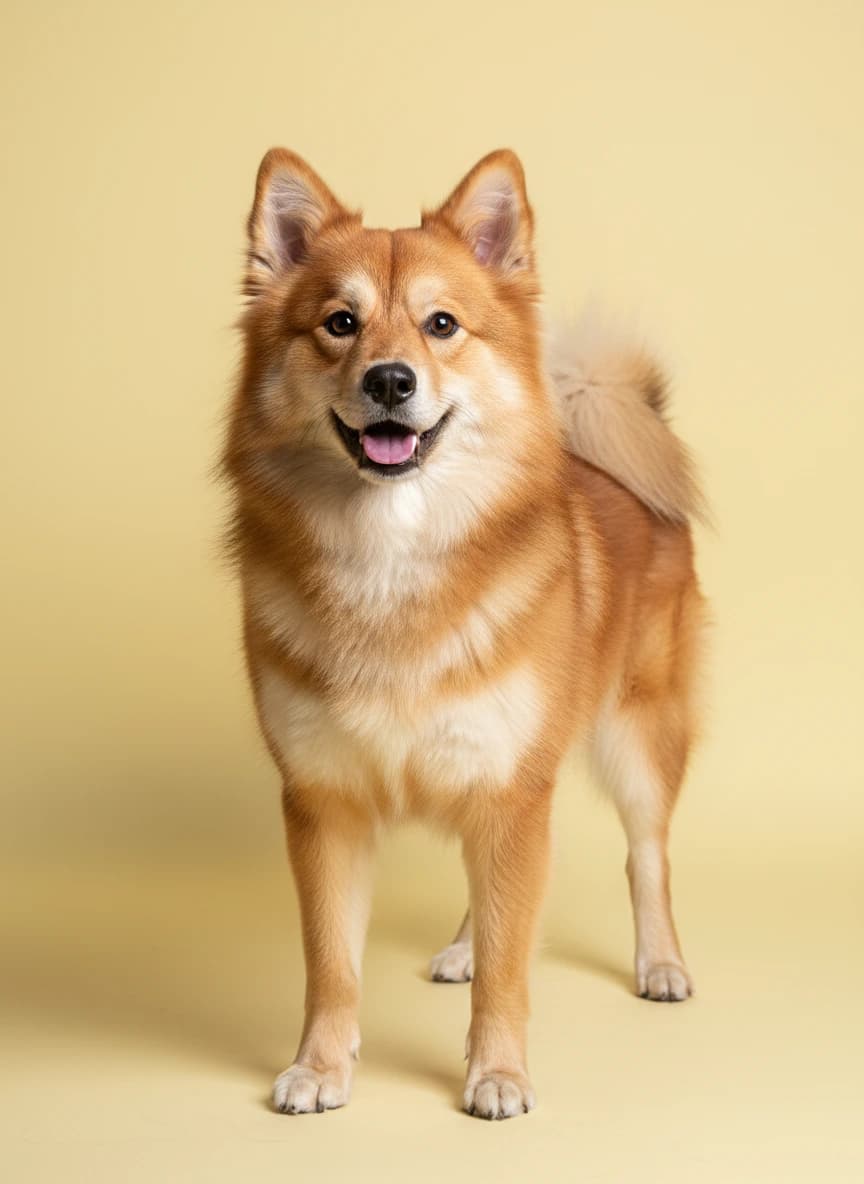
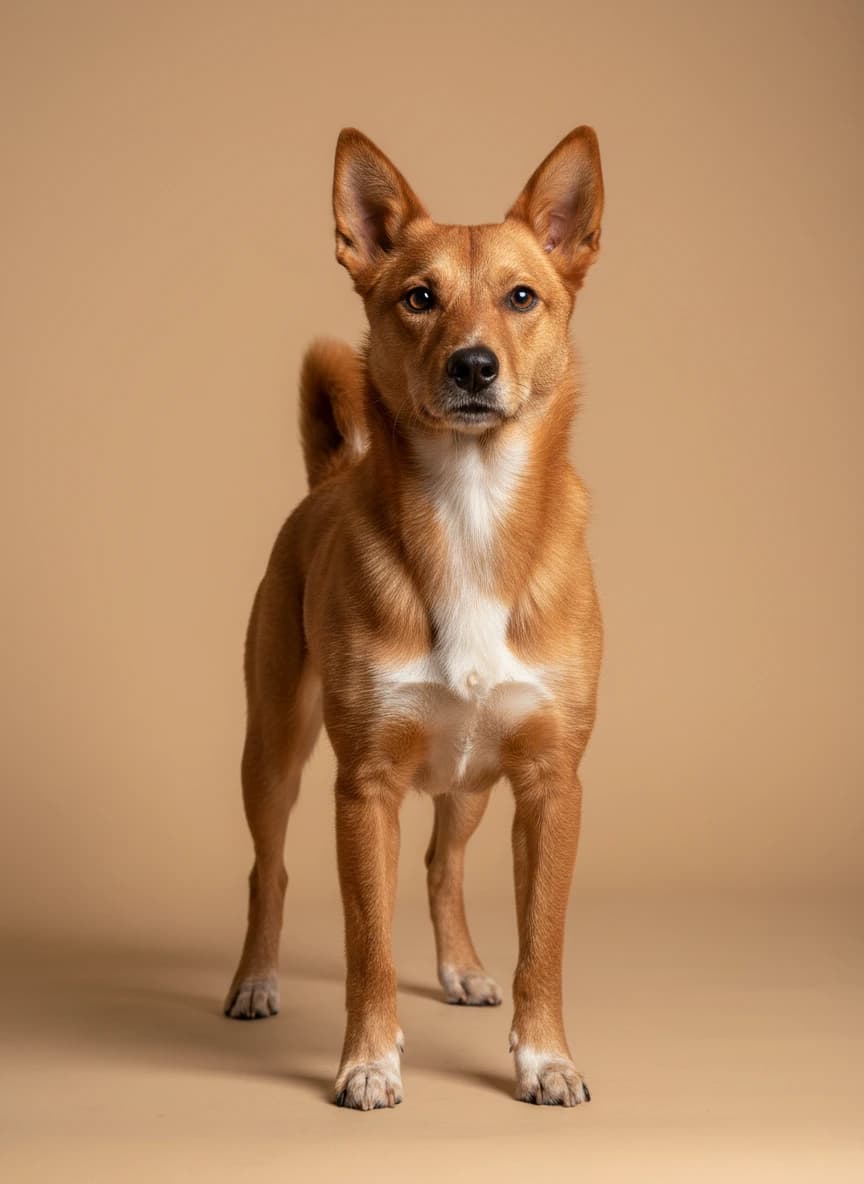
También conocida como: Karjalankarhukoira, Karelsk Björnhund

Finlandia
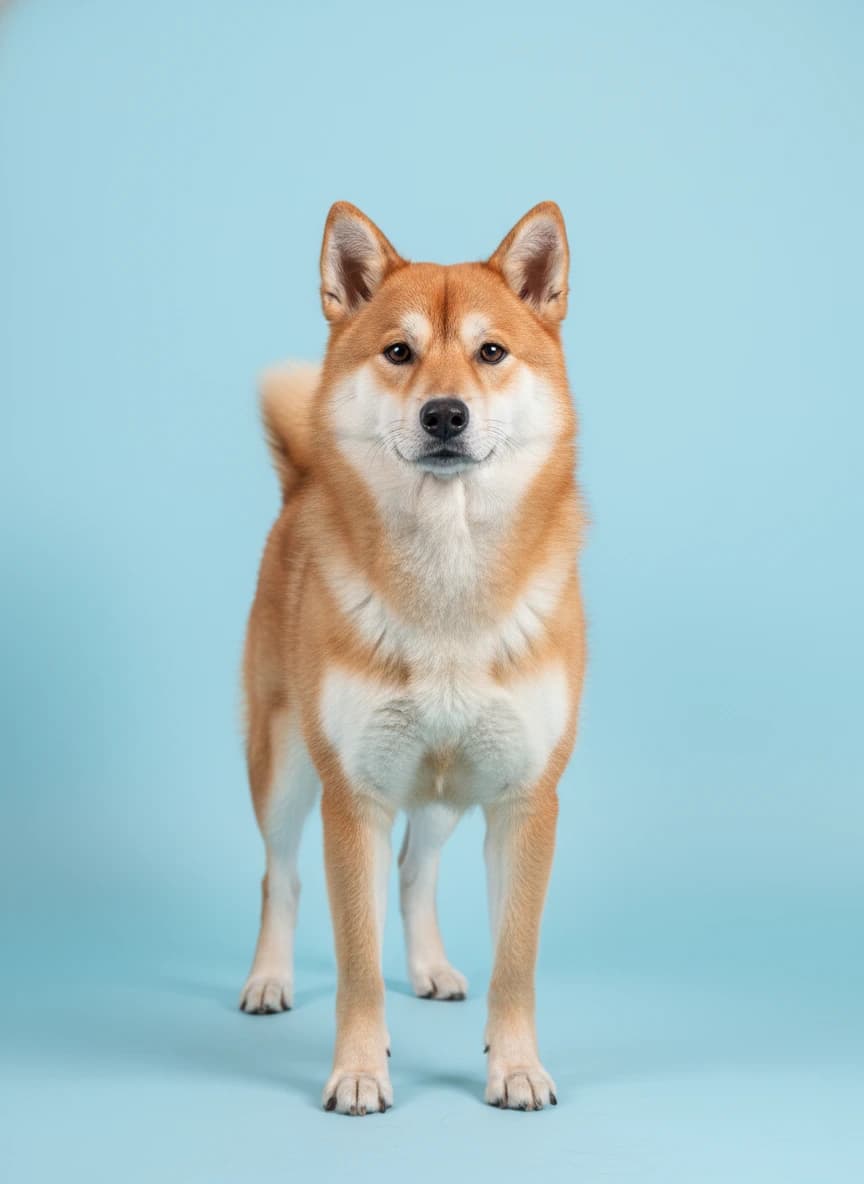
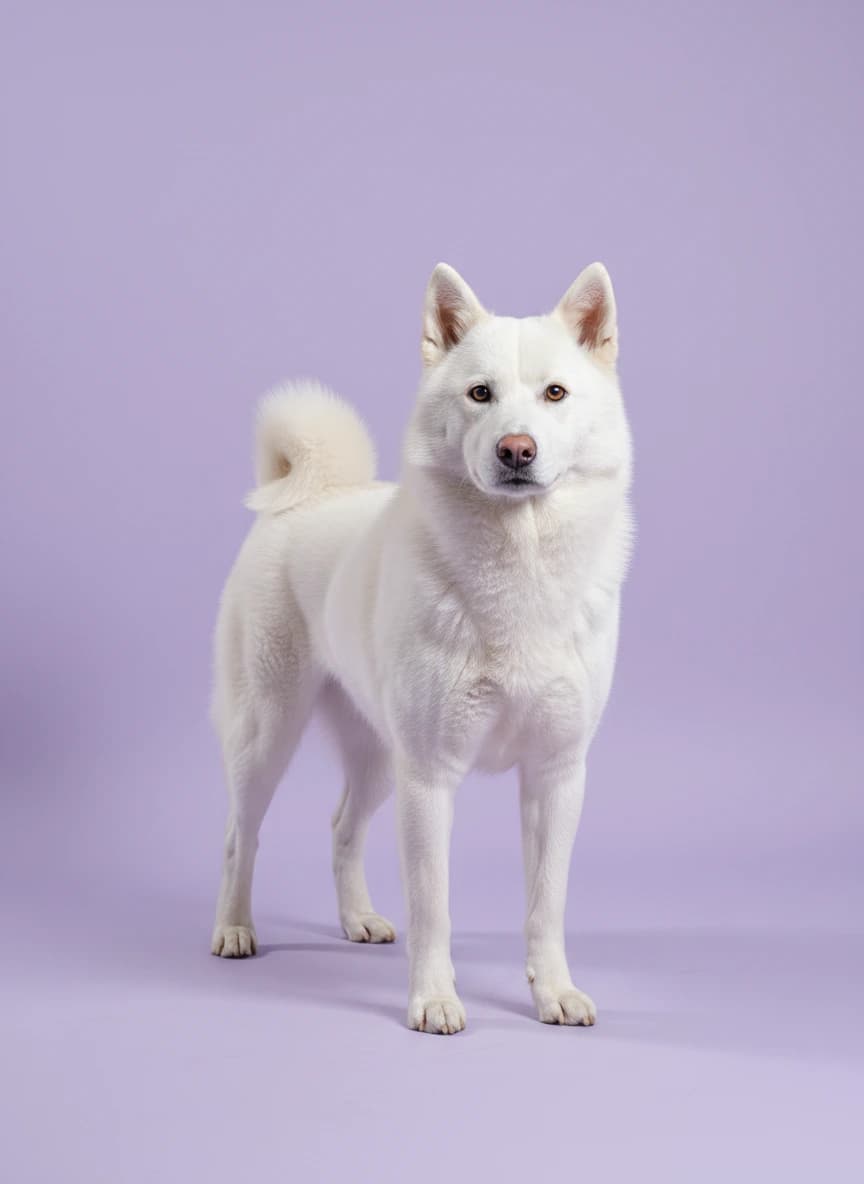
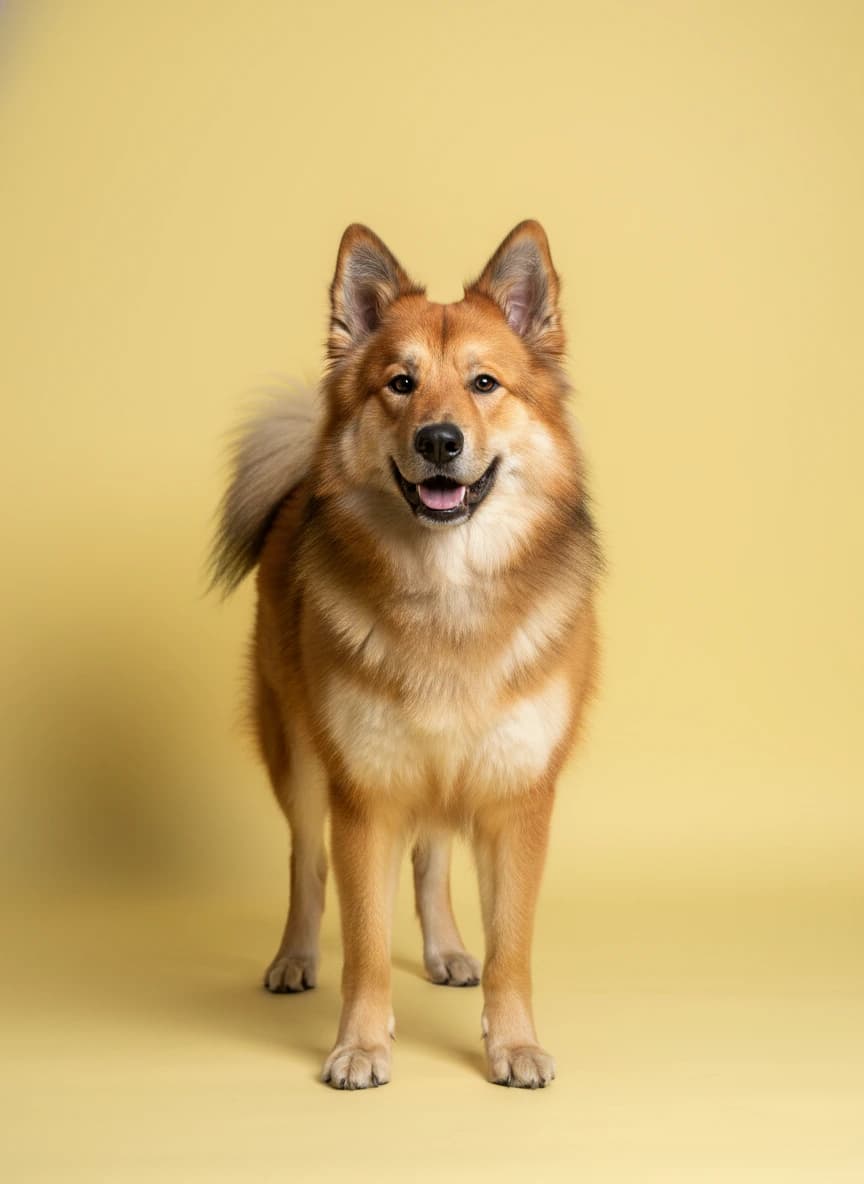
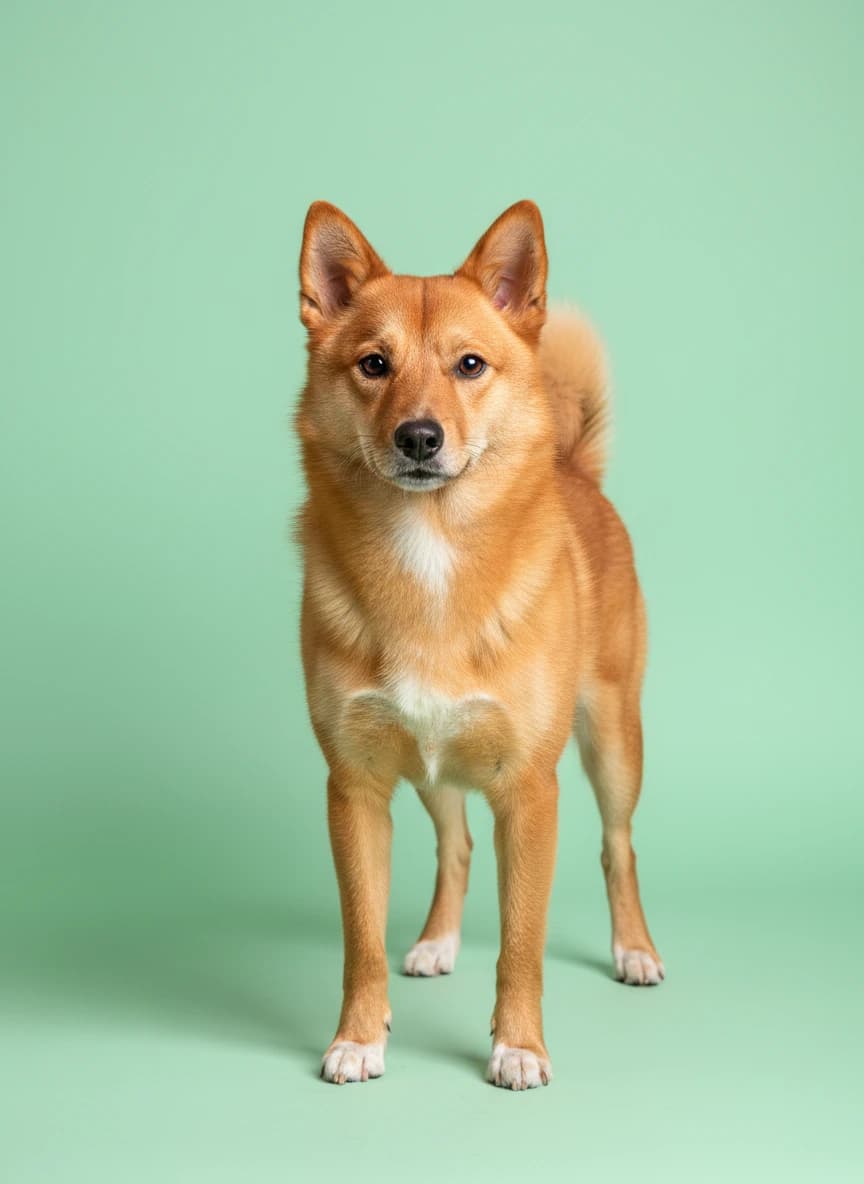
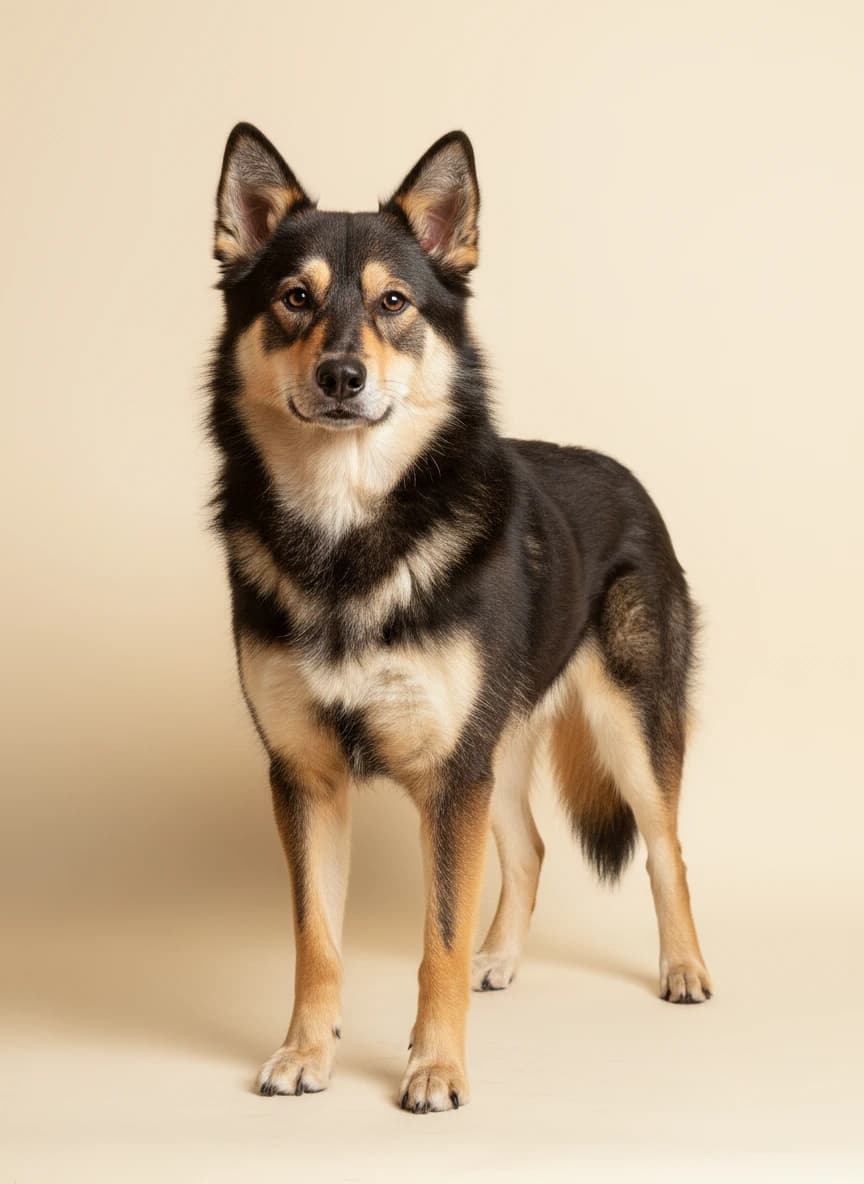
El Perro de Oso de Carelia es una fuerza de la naturaleza, un espíritu audaz e independiente moldeado por siglos enfrentándose a presas formidables. Poseen una confianza inquebrantable, abordando la vida con un enfoque intenso y una conciencia casi primaria de su entorno. Esta raza prospera con propósito, ya sea patrullando su territorio, participando en actividades rigurosas, o diligentemente "alertando" a su familia sobre cualquier anomalía percibida. Forman vínculos increíblemente leales, pero su afecto se gana, exigiendo respeto por su naturaleza inteligente y a menudo fuerte voluntad. Para el compañero adecuado, un Carelia es un compañero inolvidable y devoto, un eco viviente de la naturaleza salvaje que una vez dominaron.
Problemas frecuentes
Revisiones recomendadas
Consulta a tu vet de confianza para un consejo específico de tu perro.
The Karelian Bear Dog embodies bold confidence and independence, shaped by centuries of hunting formidable game. These dogs possess an intense focus and primal awareness of their surroundings, approaching life with unwavering determination. They are alert and loyal, forming deep bonds with their families, though their affection is earned and demands respect for their intelligent, often strong-willed nature. They thrive on having purpose and take their role as protectors seriously, frequently alerting their families to perceived anomalies in their environment. This breed exhibits a living connection to their wilderness heritage and makes an unforgettable partner for those who appreciate their complex temperament.
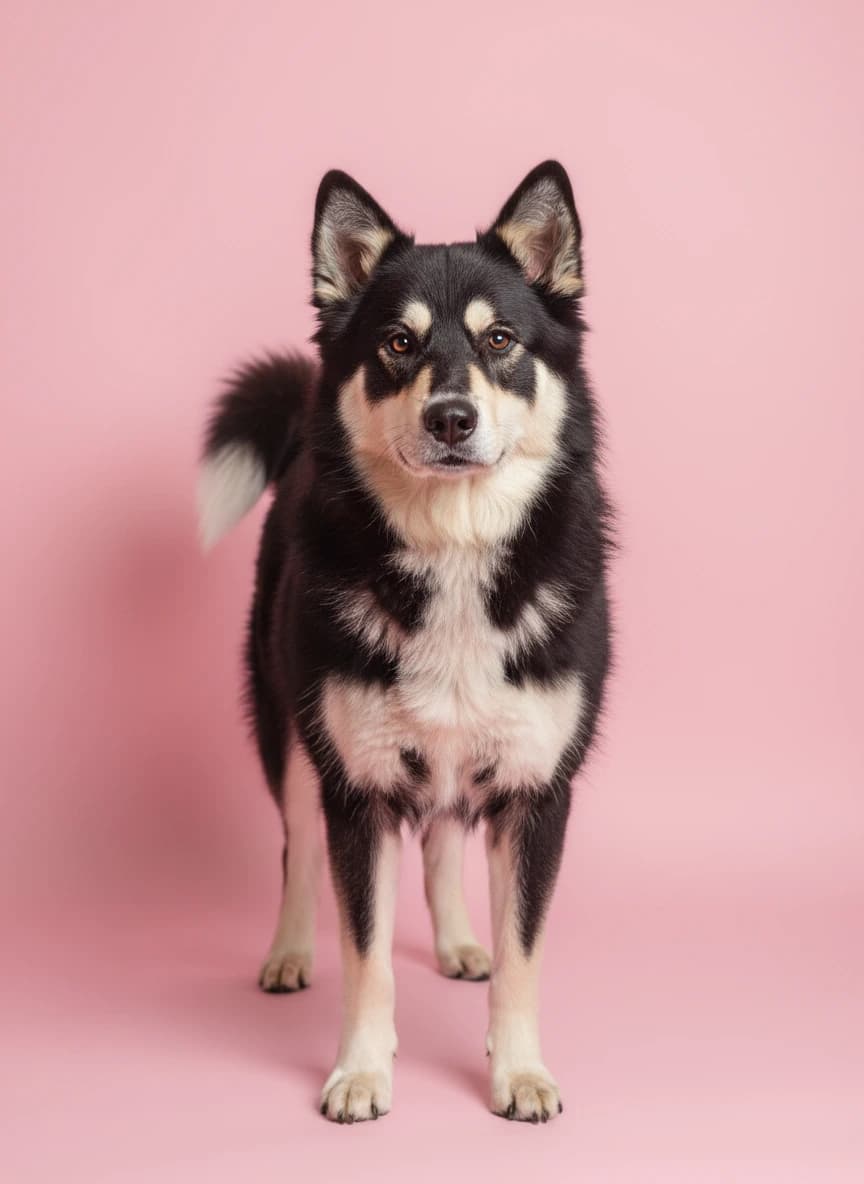
Karelian Bear Dogs require substantial daily exercise to channel their high energy and independent spirit productively. These dogs benefit from vigorous activities that engage both body and mind—long runs, challenging hikes, or task-oriented work align with their purposeful nature. Training requires patience and consistency; while trainable, they possess moderate trainability and a strong-willed disposition that demands an experienced handler's respect. They respond best to clear leadership and activities that give them meaningful work. Mental stimulation is as important as physical exertion, as their intense focus and intelligence can lead to boredom-related behaviors without adequate outlets.
Karelian Bear Dogs have moderate grooming needs. Their double coat sheds regularly and benefits from consistent brushing to manage loose hair and maintain coat health. Routine grooming practices—nail trimming, ear checks, and dental care—support their overall well-being. Regular veterinary check-ups are advisable, as the breed has reported tendencies toward eye disorders and hip dysplasia in some lines. Some breeding stock benefits from hip evaluations and eye screening, including DNA testing where progressive retinal atrophy concerns exist in certain lineages.
This breed needs substantial space to thrive; they are not suited to apartment living or confined environments. Karelian Bear Dogs require secure, well-fenced property where they can patrol and exercise freely. Their alert nature means they will vocalize to notify their families of activity or perceived threats—a trait inherent to their heritage as protective hunters. They are deeply loyal to their families but maintain an independent spirit. Their intense focus on territory and protective instincts shape their interactions with their household, making them devoted but demanding companions who respect clear boundaries and leadership.
The Karelian Bear Dog is best suited for experienced dog owners who understand and respect the breed's independent, strong-willed nature. Prospective owners should have substantial property, time for rigorous daily exercise, and the capability to provide purposeful activities. This breed thrives with handlers who appreciate their protective instincts and alert tendencies rather than view them as drawbacks. They are ideal for those seeking a loyal, devoted partner with a connection to their working heritage—not a casual companion. The breed demands commitment, respect, and an owner willing to invest in training and meaningful engagement.