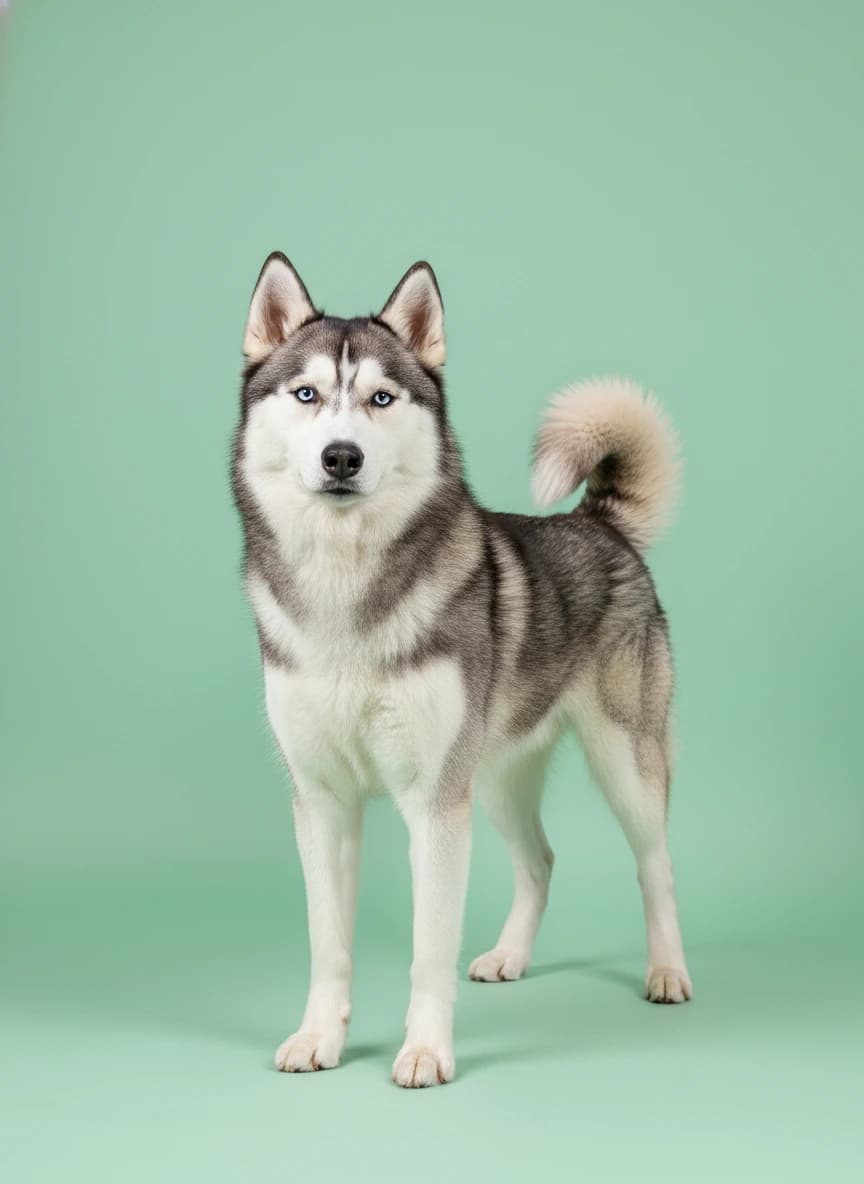
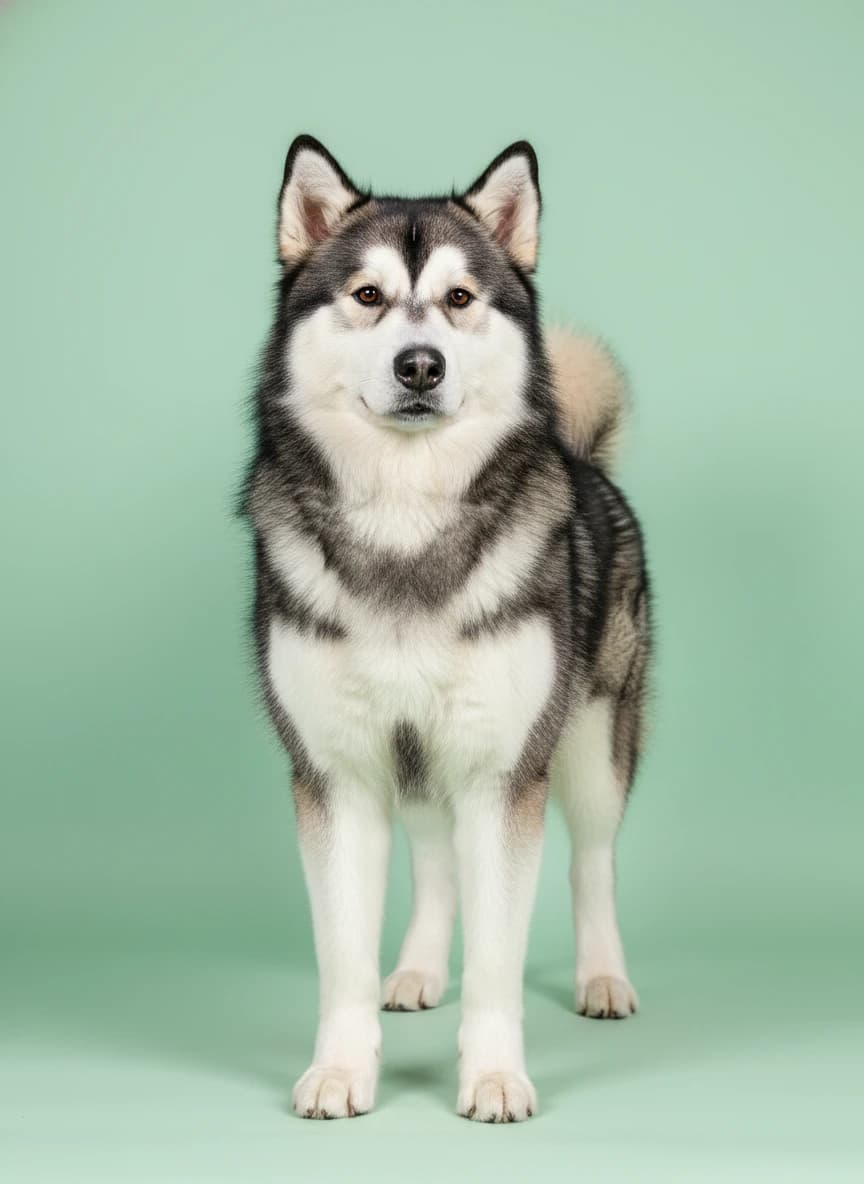
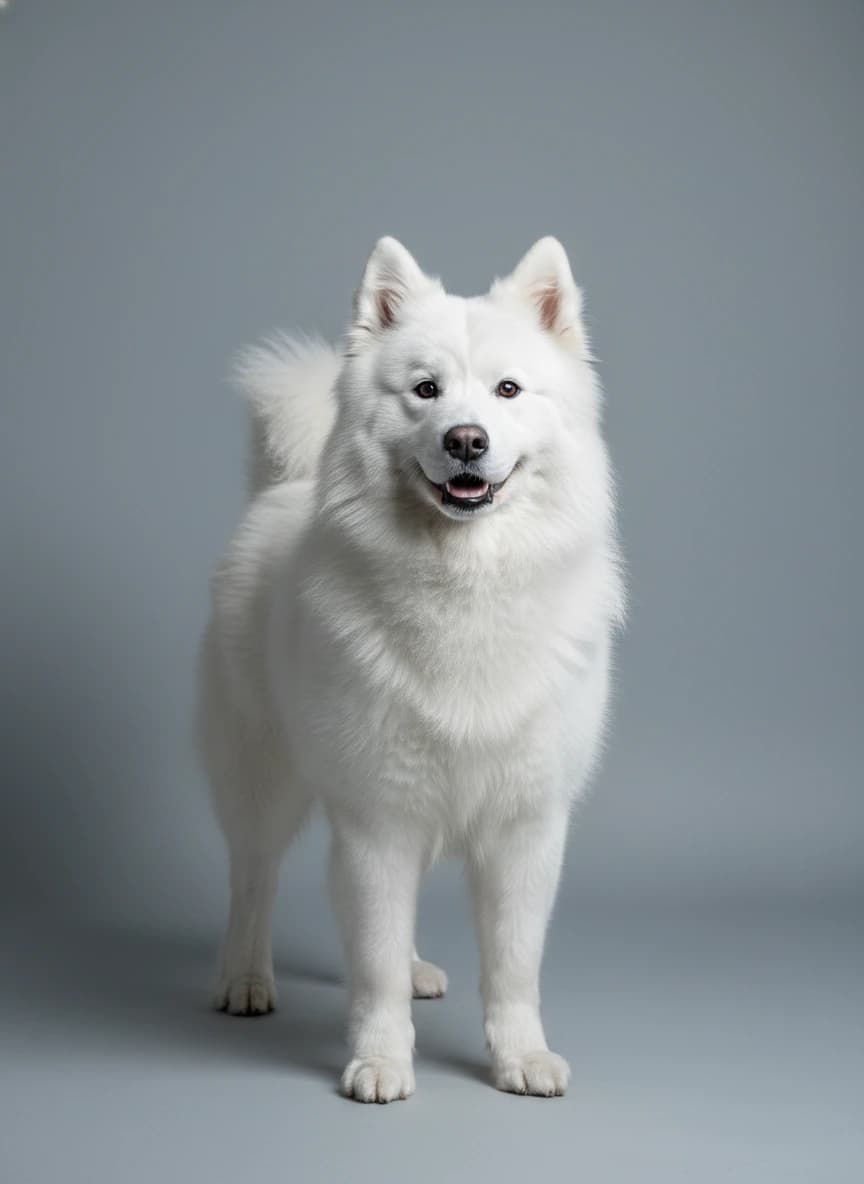
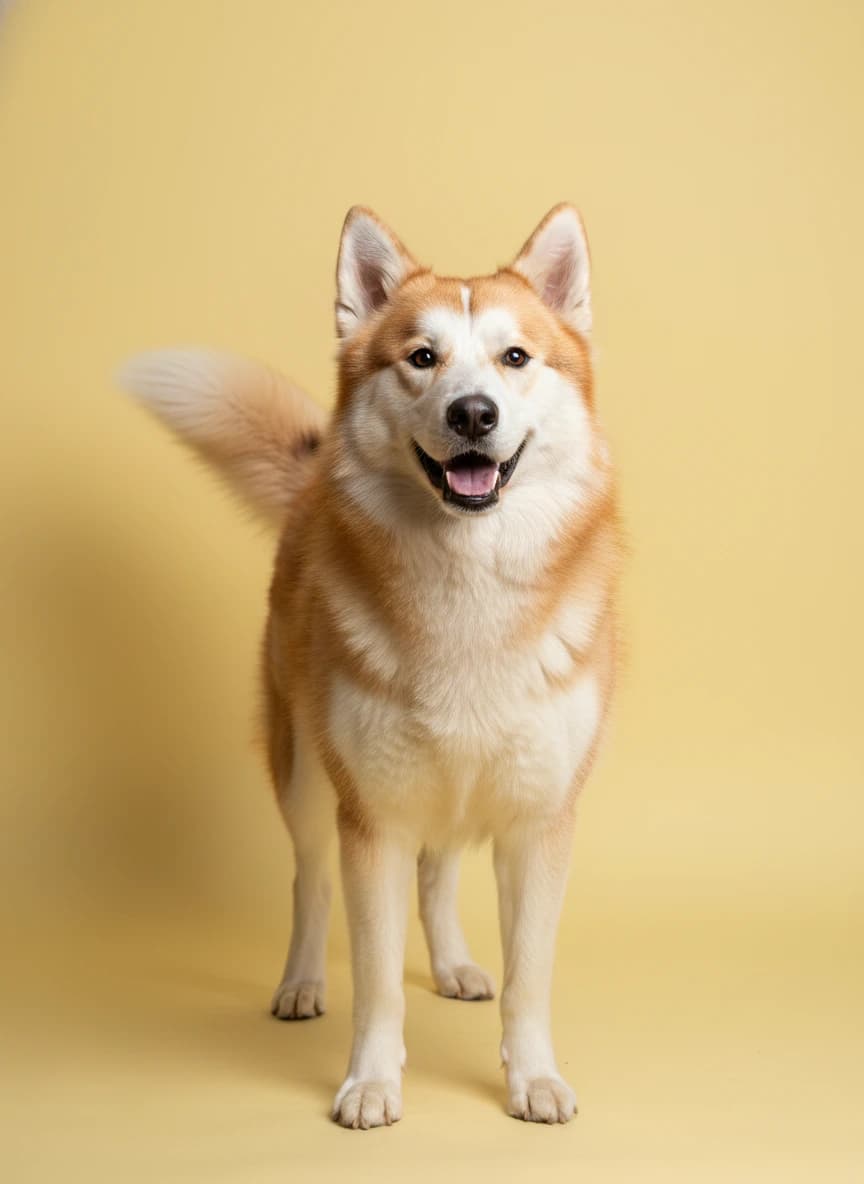
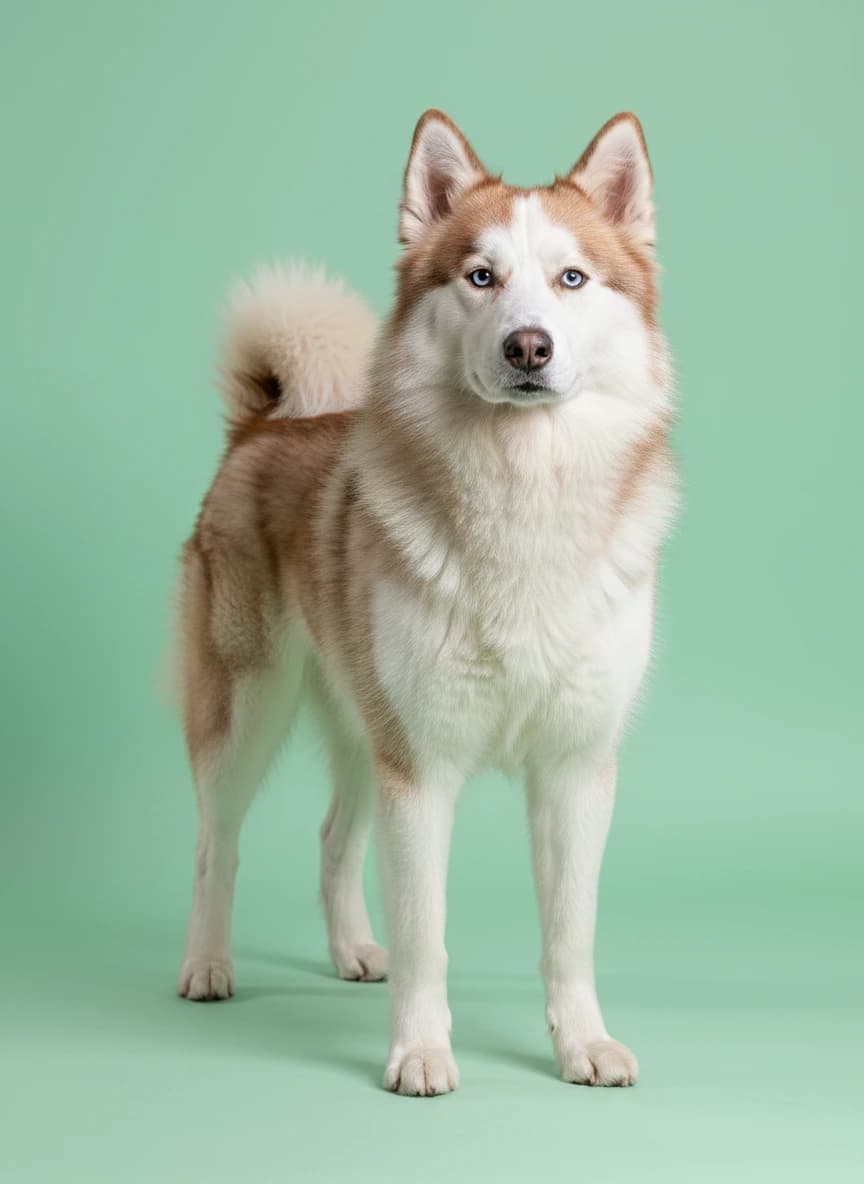
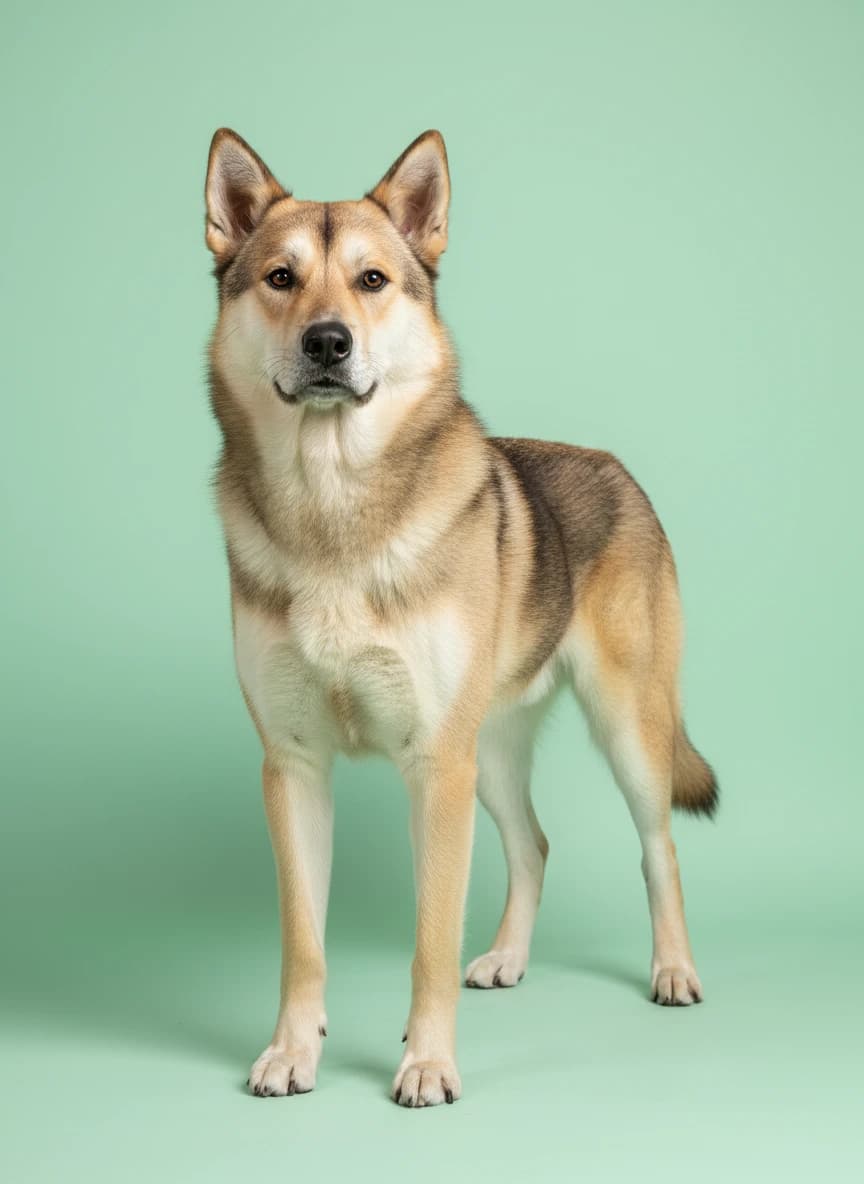
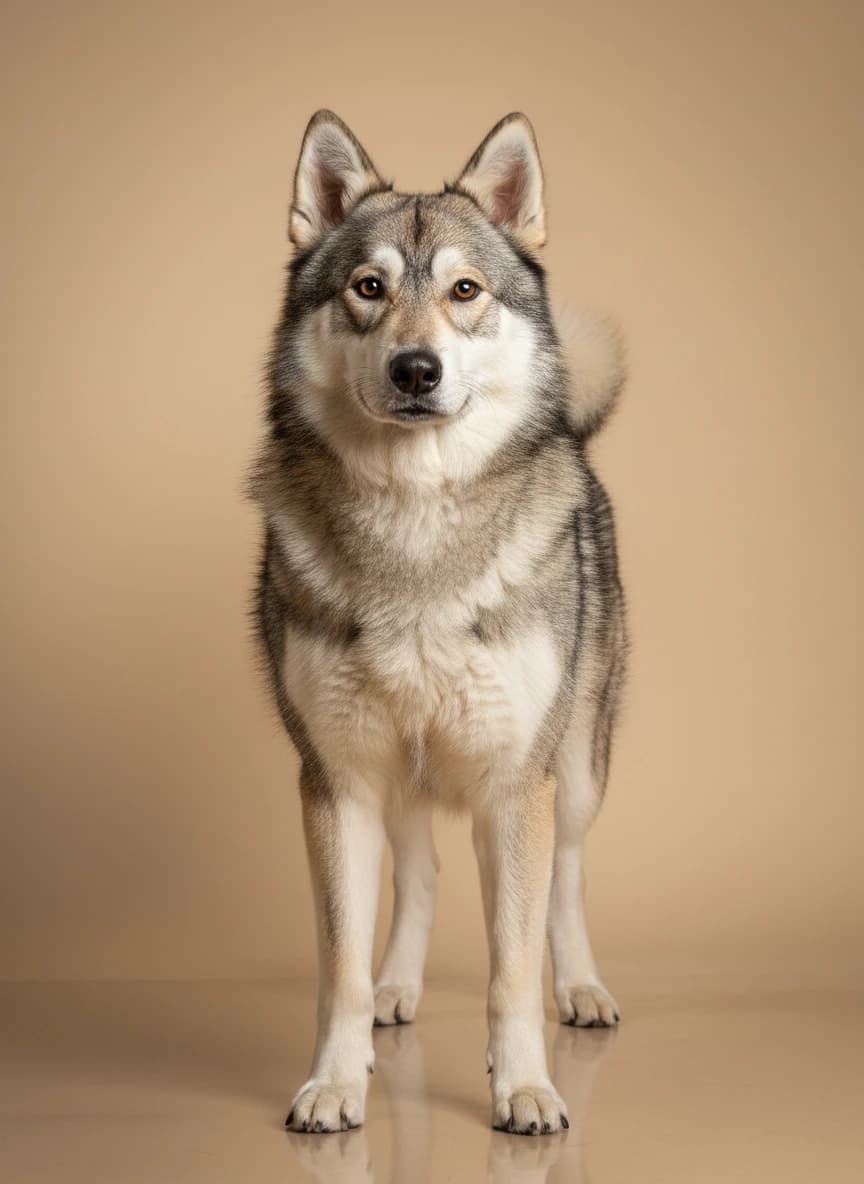
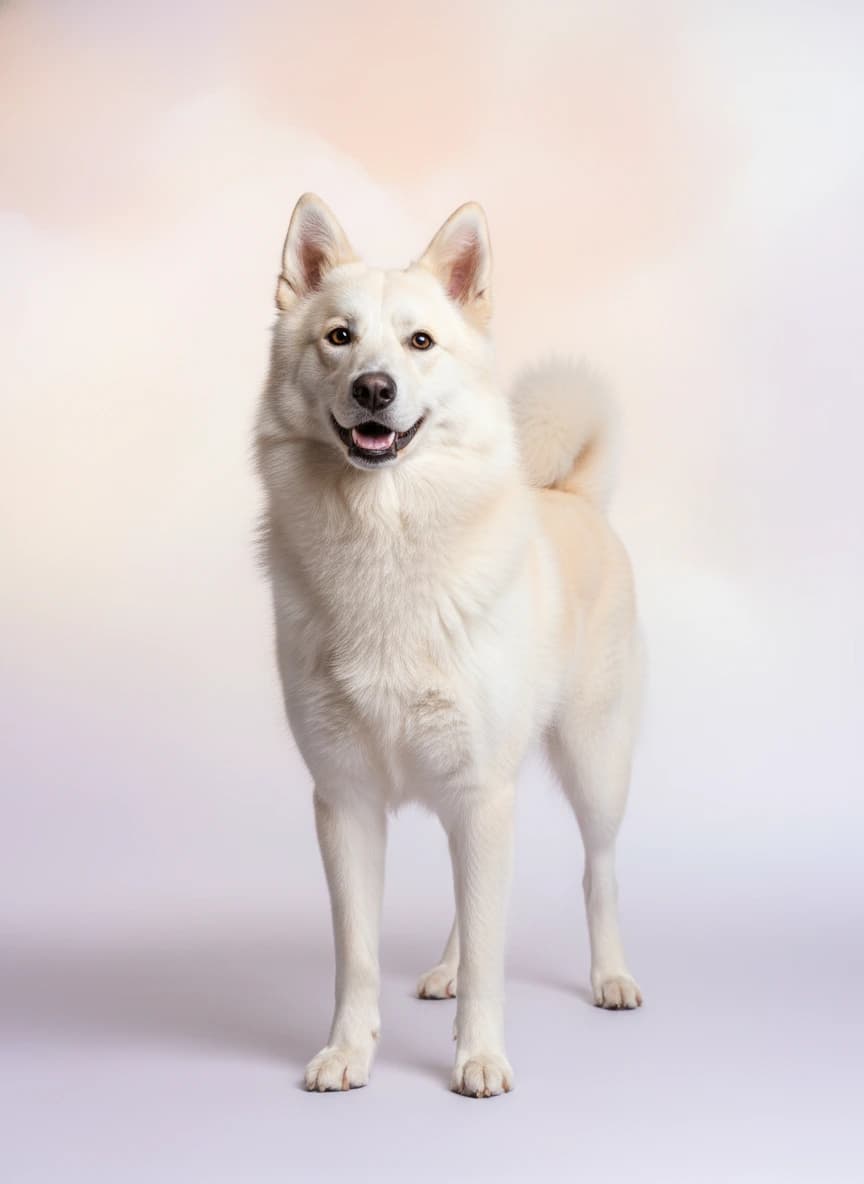
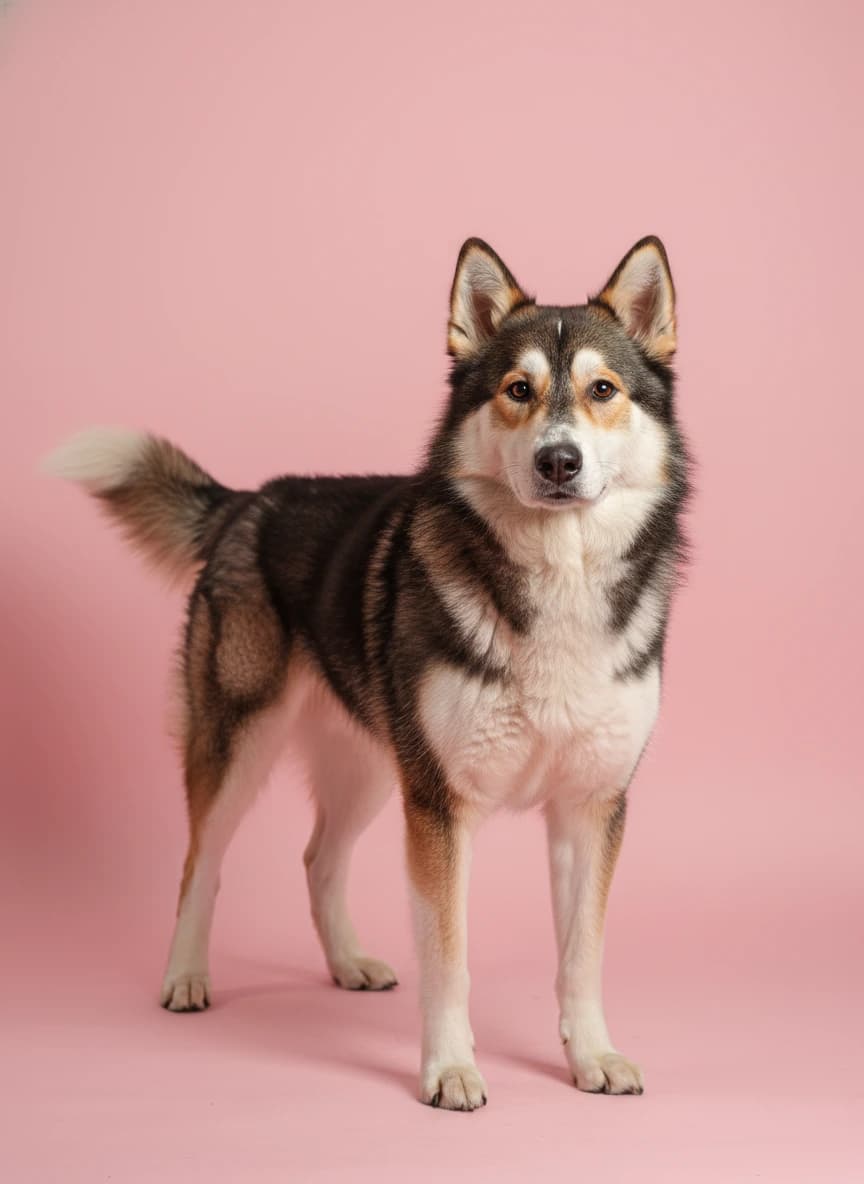
Los Huskies Siberianos son las estrellas de cine del mundo canino: hermosos, carismáticos y con una presencia que demanda atención. Son famosamente independientes, a menudo prefiriendo "coexistir" con sus humanos en lugar de buscar constantemente afecto. Su trabajo ancestral tirando de trineos a través de vastos paisajes congelados les inculcó una increíble necesidad de correr y explorar, convirtiéndolos en maestros del arte de escapar y requiriendo ejercicio consistente y estimulante. Olvida las noches tranquilas; el aullido de un Sibe es una canción de su espíritu salvaje, que refleja su herencia similar a la del lobo. Se vinculan profundamente con su círculo íntimo pero mantienen un aloofness juguetón que es únicamente Sibe.
Salud
Problemas frecuentes
Trastornos oculares
Displasia de cadera
Problemas dermatológicos (dermatosis sensible al zinc en algunas líneas)
Enfermedad ocular hereditaria (riesgo de PRA/cataratas)
Deficiencia de zinc
Revisiones recomendadas
Examen ocular (CAER)
Evaluación de zinc dietético si hay signos dermatológicos
Consulta a tu vet de confianza para un consejo específico de tu perro.
Temperamento y personalidad
Apto para alergias
No
Hogar
Necesita espacio
Agua
Evita
Experiencia requerida
Moderado
Peso del macho
20-27 kg
Peso de la hembra
16-23 kg
Temperamento
Alerta, Amistoso, Independiente
Siberian Huskies are alert, friendly, and notably independent dogs with striking charisma and presence. They tend to be self-assured and often prefer to coexist alongside their humans rather than constantly seek affection or approval. Their wolf-like appearance reflects an ancestral heritage of sled-pulling across frozen landscapes, and this history has shaped their spirited, sometimes aloof personality. While they bond meaningfully with their inner circle, they retain a playful independence that is characteristic of the breed. They are known for their expressive howling, which reflects their wild-spirited nature rather than excessive barking.
Adiestramiento y ejercicio
Siberian Huskies have high exercise requirements and thrive with consistent, engaging physical activity. Their ancestral role as sled dogs instilled a powerful drive to run and explore, making them prone to escape artistry if not properly challenged. They benefit from long, regular outings and activities that engage both body and mind. Training requires patience and clarity, as their moderate trainability reflects their independent nature—they are intelligent but may choose when to comply. Positive reinforcement and varied training approaches tend to work best, as repetitive commands may lose their interest. Without adequate exercise and mental stimulation, they may develop destructive behaviors.
Pelaje y cuidados
Siberian Huskies have moderate grooming needs despite their thick double coats. Regular brushing, particularly during shedding seasons, helps manage loose hair and maintains coat health. They shed year-round and more heavily during seasonal transitions. Routine care includes nail trimming, ear cleaning, and dental maintenance. Some lines may be prone to dermatologic issues or zinc deficiency, making proper nutrition and regular veterinary check-ups important. Their coat naturally sheds dirt and typically does not require frequent bathing.
Vivir con esta raza
Siberian Huskies need substantial space and do best in homes where they have room to move and exercise. They are vocal dogs and tend to howl, which is a natural expression rather than a behavioral problem. Their high prey drive and escape artistry mean secure fencing and vigilant containment are essential. They can coexist well in multi-dog households, though individual temperaments vary. Their independent nature means they are not typically velcro dogs seeking constant human attention. They thrive when their exercise and mental stimulation needs are met and when they have a clear role or purpose within the household.
¿Es esta raza para ti?
Siberian Huskies are best suited to owners with some dog experience who understand and appreciate their independent nature and high exercise requirements. They are ideal for active individuals or families who can commit to daily, substantial physical activity and mental engagement. They require owners who accept and enjoy their vocal tendencies and can provide secure, spacious living environments. They are not recommended for sedentary lifestyles, apartment living without significant outdoor space, or owners seeking a constantly obedient or affectionate companion. Prospective owners should be prepared for heavy shedding and the challenges of their escape-artist tendencies.
Preguntas frecuentes
Do Siberian Huskies get along with other dogs?
Individual temperaments vary. Some Sibes coexist well in multi-dog households, while others have strong pack instincts or prey drive that requires careful management. Early socialization and individual personality play important roles in their compatibility with other dogs.
How much exercise do Siberian Huskies really need?
Siberian Huskies require high levels of daily exercise—typically at least 1-2 hours or more of vigorous activity. Without adequate physical and mental stimulation, they tend to develop destructive behaviors and escape attempts. Their ancestral sled-dog heritage means they have an intrinsic drive to run and explore.
Why do Siberian Huskies howl so much?
Howling is a natural expression rooted in their wolf-like heritage and ancestral sled-dog background. It is their way of communicating and expressing their spirited nature, not a sign of distress or a behavioral problem to eliminate.
Are Siberian Huskies good family dogs?
Siberian Huskies can be good companions for active families who understand their independent, aloof nature and can meet their substantial exercise needs. They bond with their inner circle but do not typically show constant affection and may not be ideal for families seeking a highly obedient or clingy pet.
Can Siberian Huskies live in apartments?
Siberian Huskies are not well-suited to apartment living due to their high exercise requirements and need for space. They thrive in homes with substantial outdoor areas where they can run and explore. Their vocal tendencies also make close-quarters living challenging for neighbors.
 Rusia (Siberia)