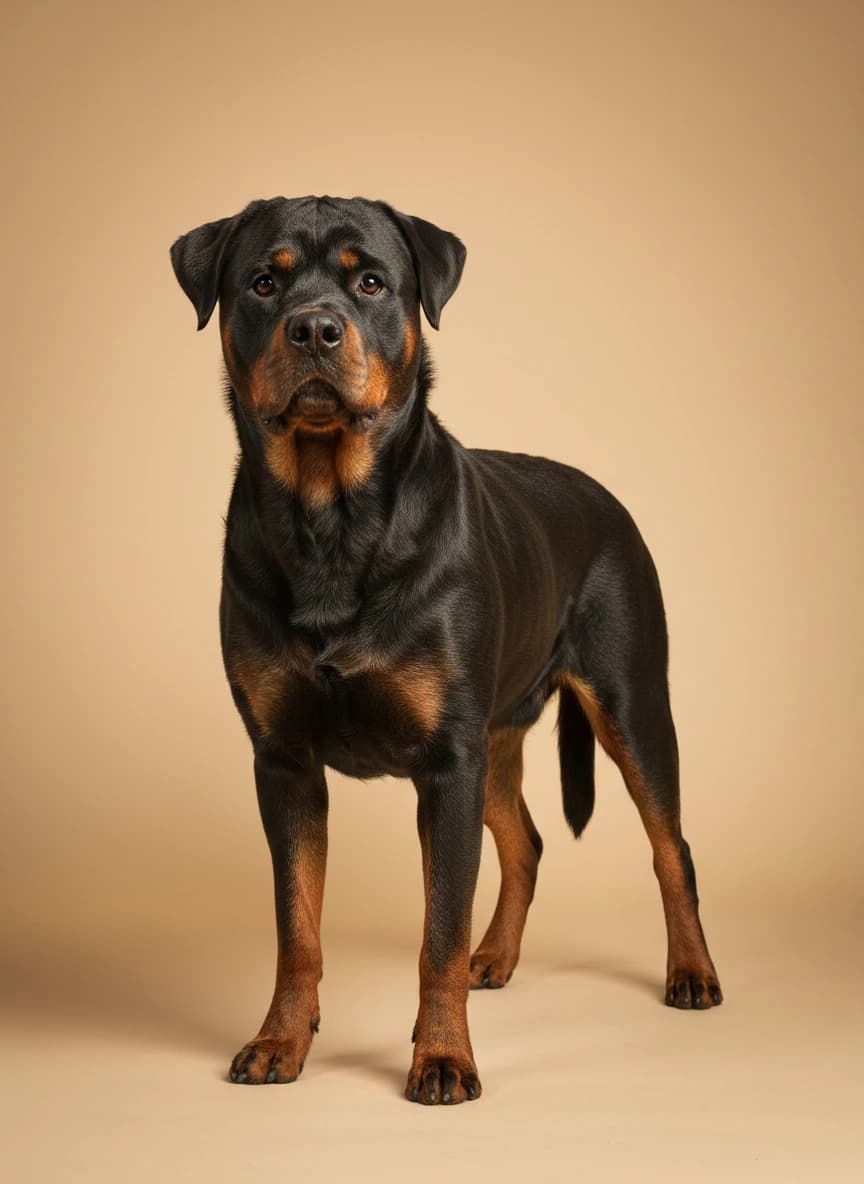
Tempérament et personnalité
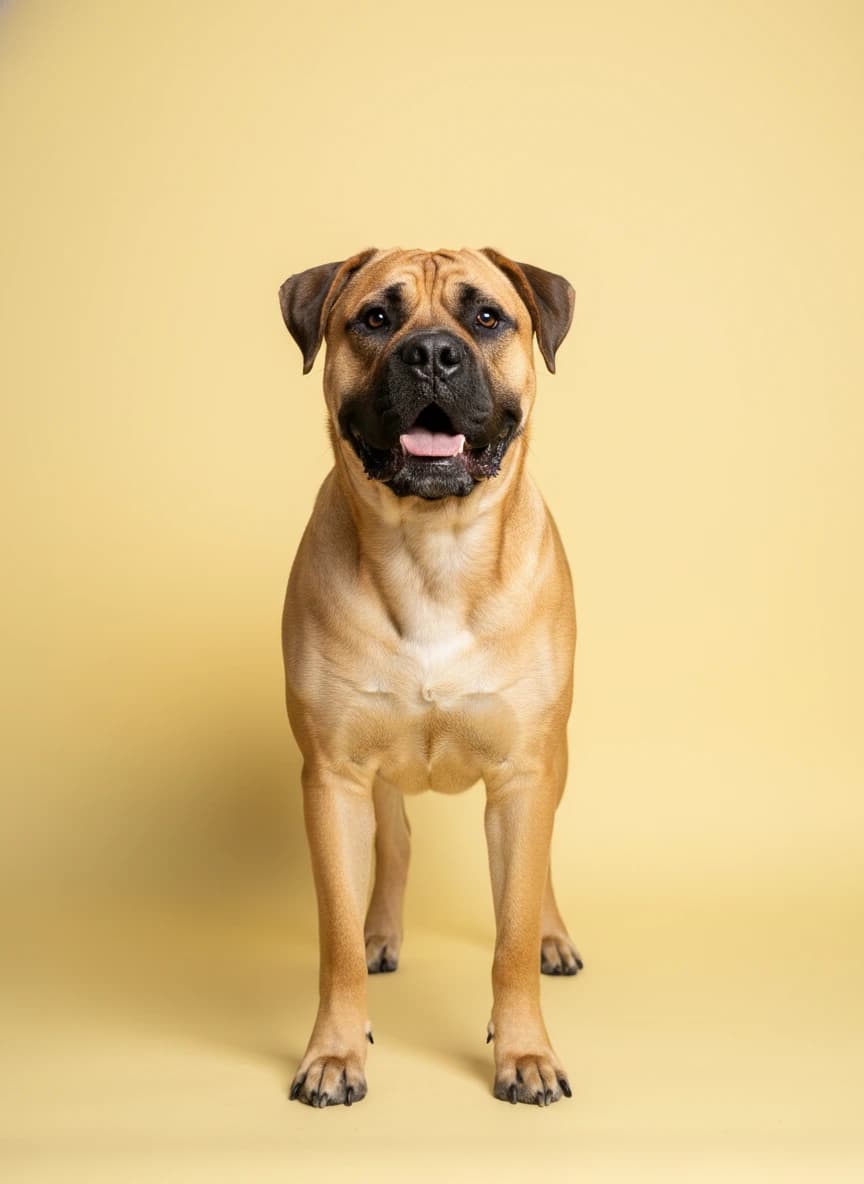
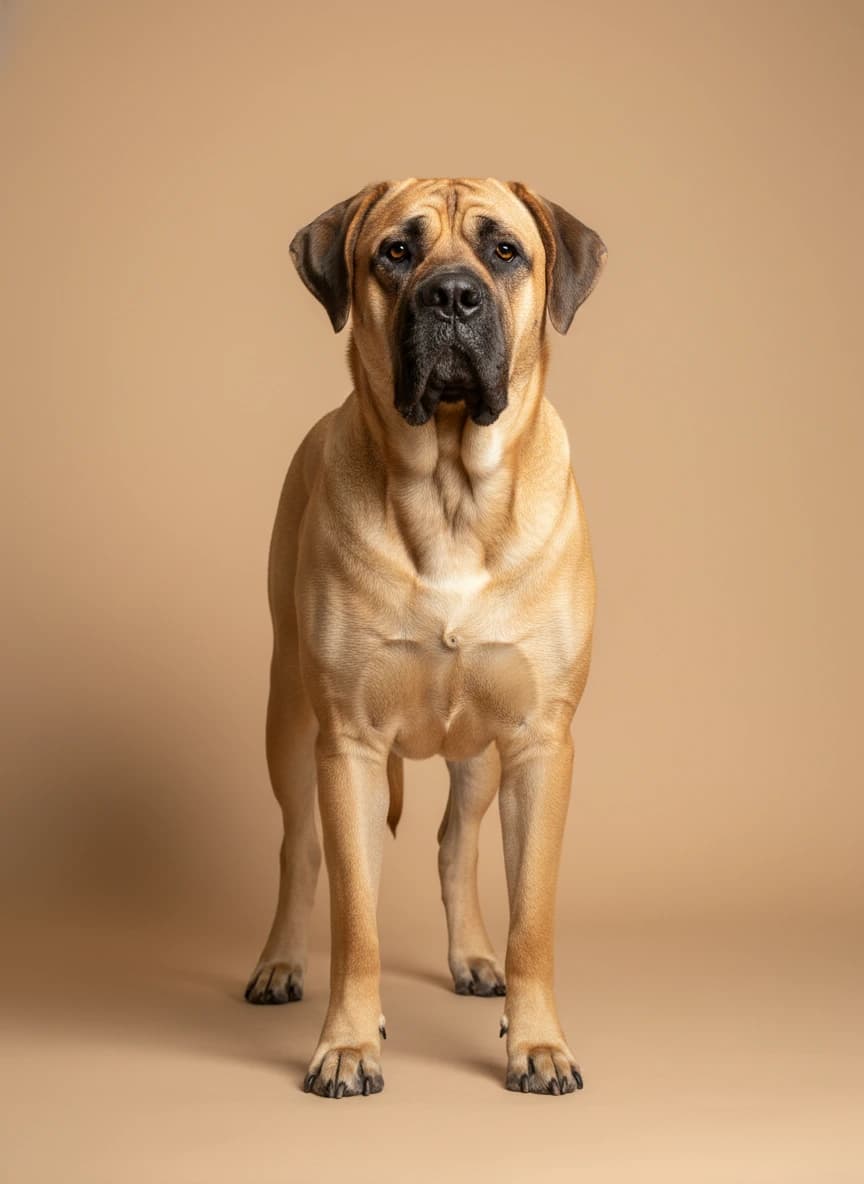
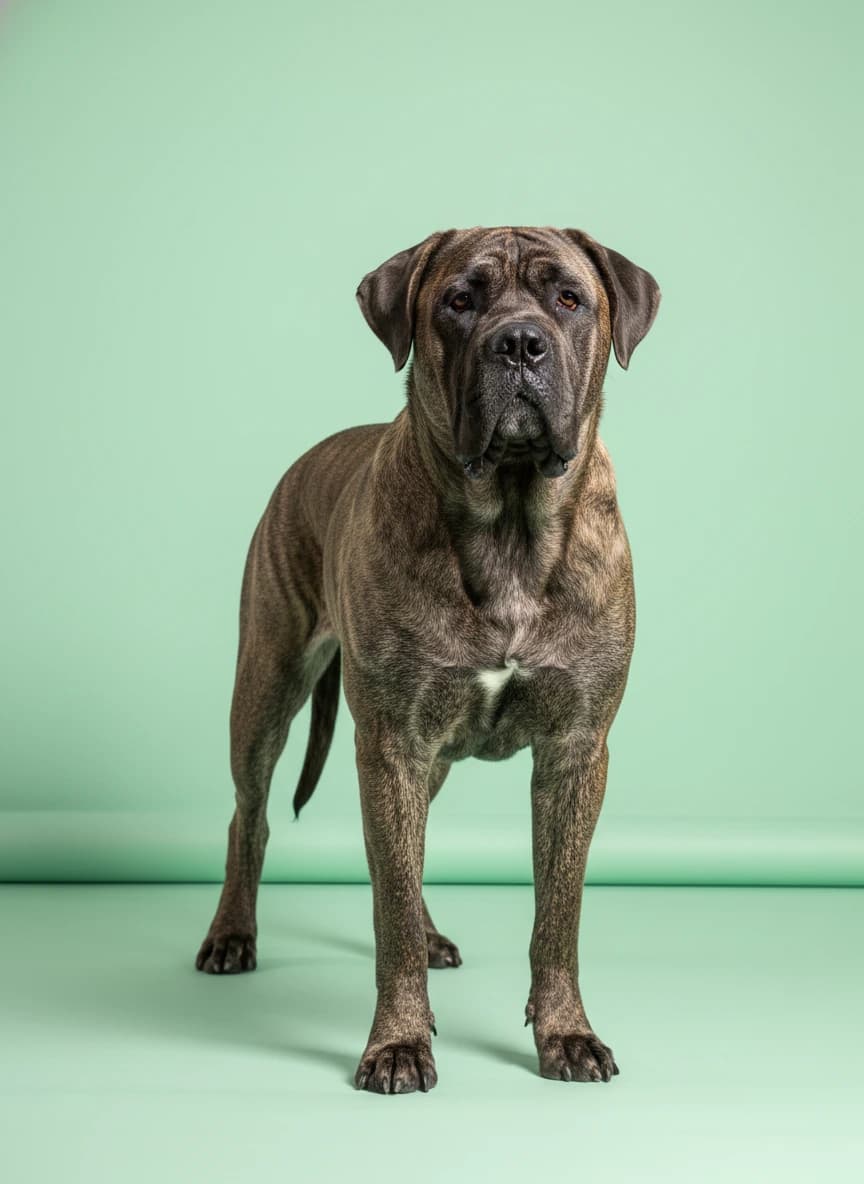
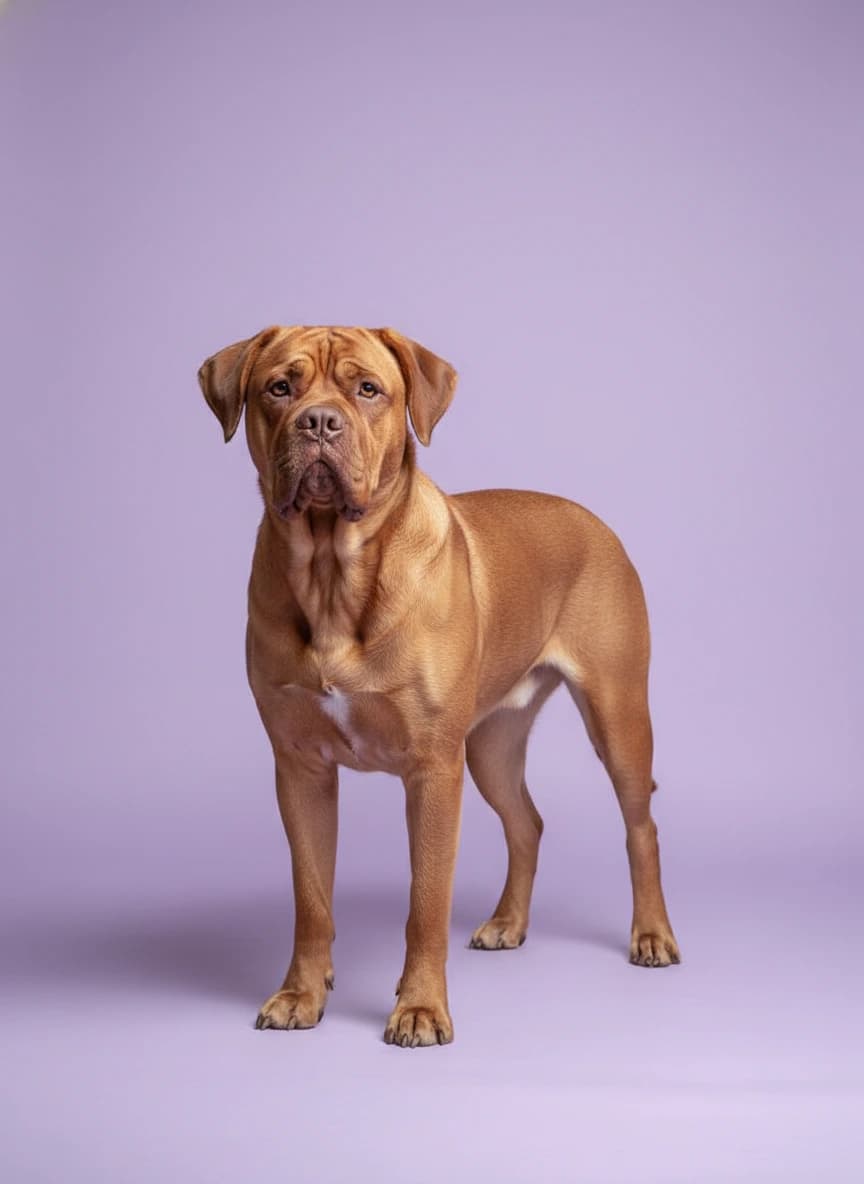
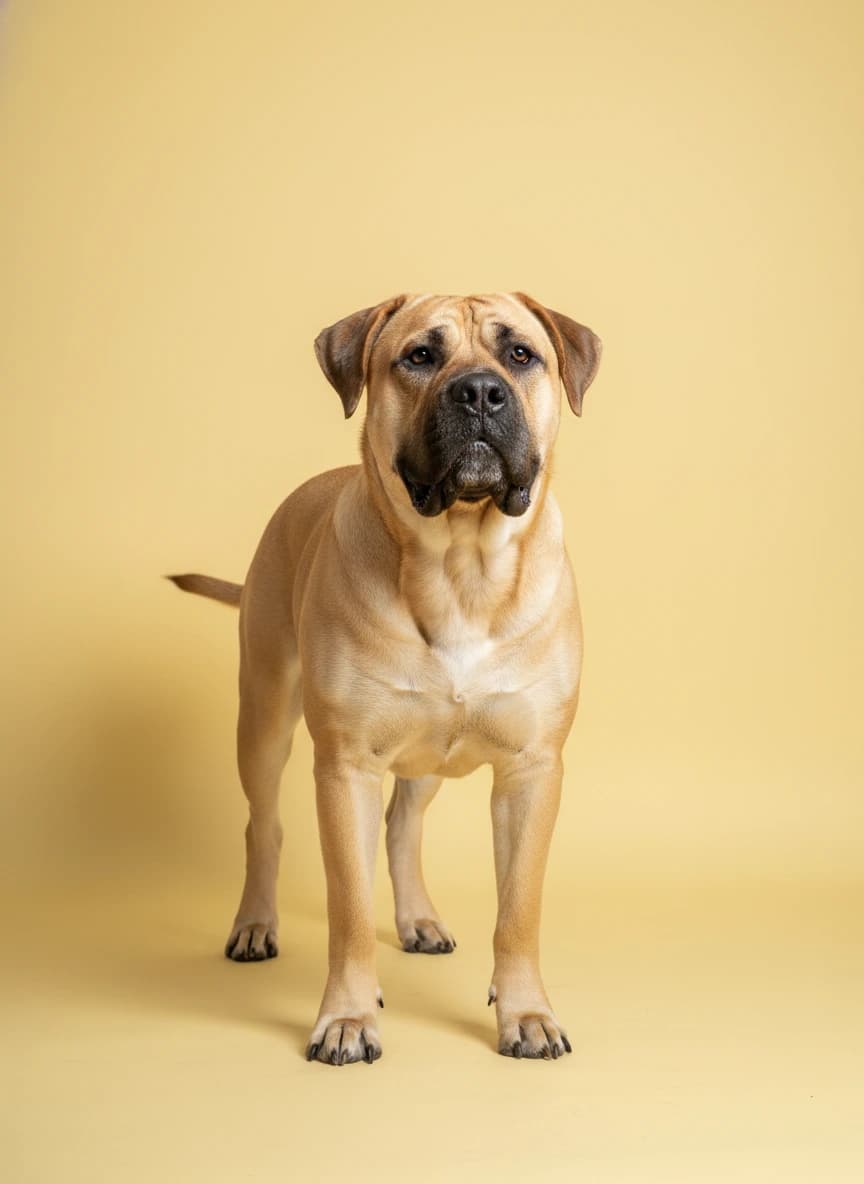
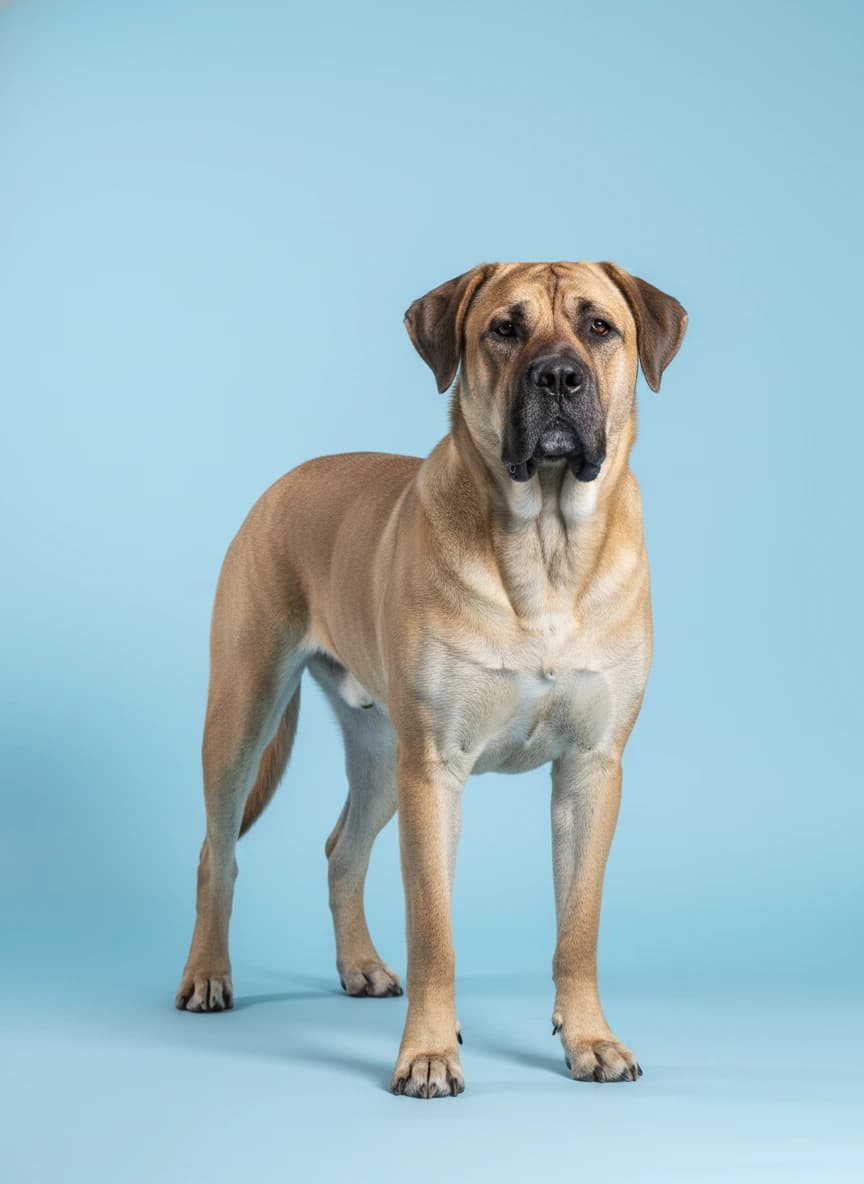
The Bullmastiff, affectionately known as a "Bullie," is a devoted and surprisingly gentle guardian despite their imposing size. They tend to be sensitive souls who bond deeply with their families, thriving on companionship and close proximity. Many Bullmastiffs are content to drape themselves across a lap, seemingly unaware of their considerable size. Their protective instincts are notably strong, making them characteristically discerning with strangers. These dogs often display a silly, goofy side prone to antics, yet their quiet vigilance remains constant—a reflection of their history as estate protectors. They are typically affectionate and brave, though individual temperaments vary.
Éducation et exercice
Bullmastiffs have moderate exercise needs and benefit from consistent, patient guidance to channel their considerable strength and intelligent will. They respond well to structured training but may present moderate trainability challenges due to their independent nature. Regular, purposeful activity helps satisfy their physical requirements, though they are not extremely high-energy dogs. Early socialization and clear boundaries are important for managing their protective instincts constructively. Training should account for their sensitivity and desire to please their families, making positive reinforcement methods generally effective.
Toilettage et soins
Bullmastiffs have low grooming needs. Their short coat requires minimal maintenance, typically benefiting from regular brushing to manage shedding and occasional bathing. Their deep-chested conformation warrants awareness of gastric dilatation-volvulus (bloat); owners should familiarize themselves with prevention strategies and early warning signs. Regular veterinary check-ups are advisable, particularly given that large guardian breeds may experience orthopedic concerns, cardiomyopathy, and thyroid issues in certain lines. Some individuals may develop ectropion or entropion, conditions affecting the eyelids.
Vivre avec cette race
Bullmastiffs require adequate space and are best suited to homes where they can move comfortably given their giant size. They thrive on close family companionship and typically bond deeply with their households. Their protective nature means they tend to be reserved with strangers, making them natural guardians. Despite their strength, many are surprisingly content with moderate exercise and enjoy relaxing near their families. The breed's need for space, combined with their sensitive temperament, suggests they do best in environments where they receive regular attention and interaction rather than being left alone for extended periods.
Cette race est-elle faite pour vous
A Bullmastiff may be right for you if you have some dog ownership experience and can provide a spacious home environment. These dogs suit owners who appreciate their protective, affectionate nature and can commit to patient, consistent training and socialization. You should be comfortable with their size and strength, and willing to invest in preventive health care. Bullmastiffs are well-suited to families seeking a devoted, gentle companion who bonds closely with their household. They may be less ideal for owners seeking highly independent dogs or those unable to provide adequate space and regular interaction.
 Angleterre