Aussi connue sous le nom: Hellenikos Ichnilatis

Grèce
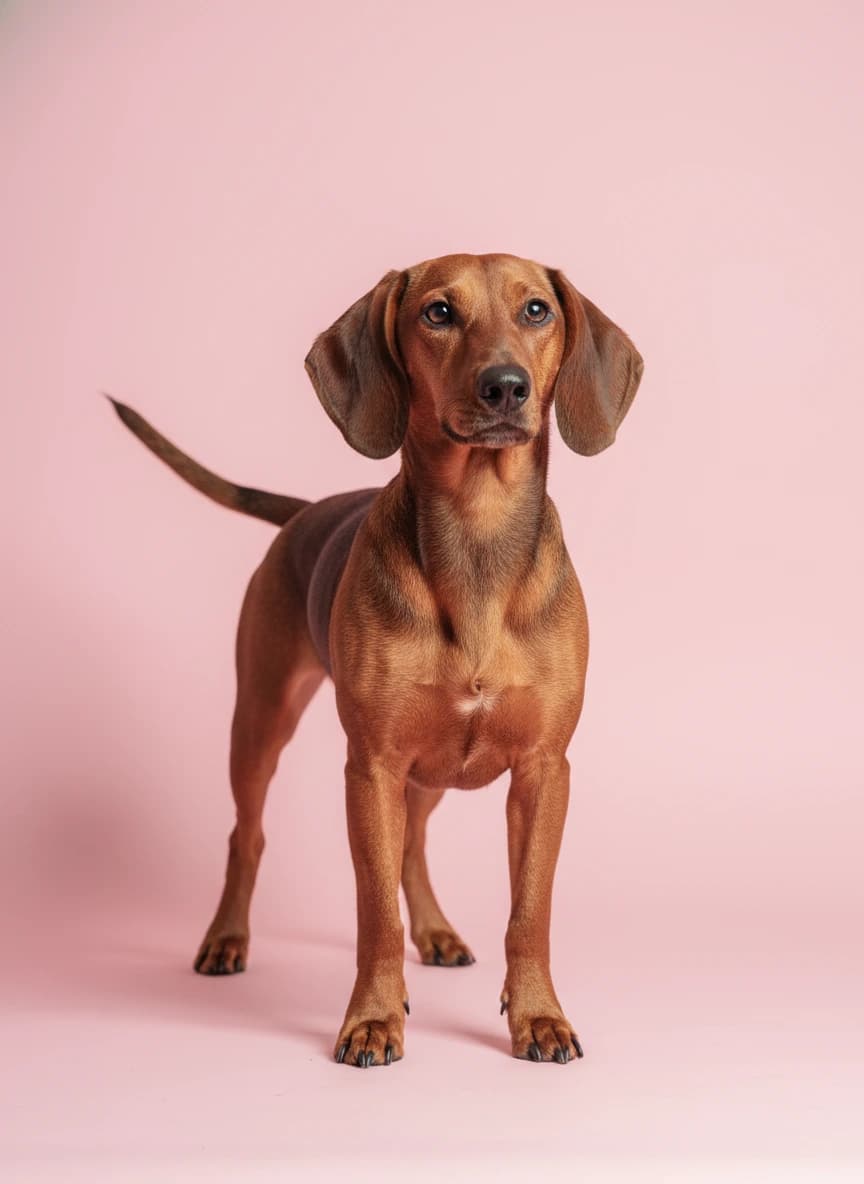
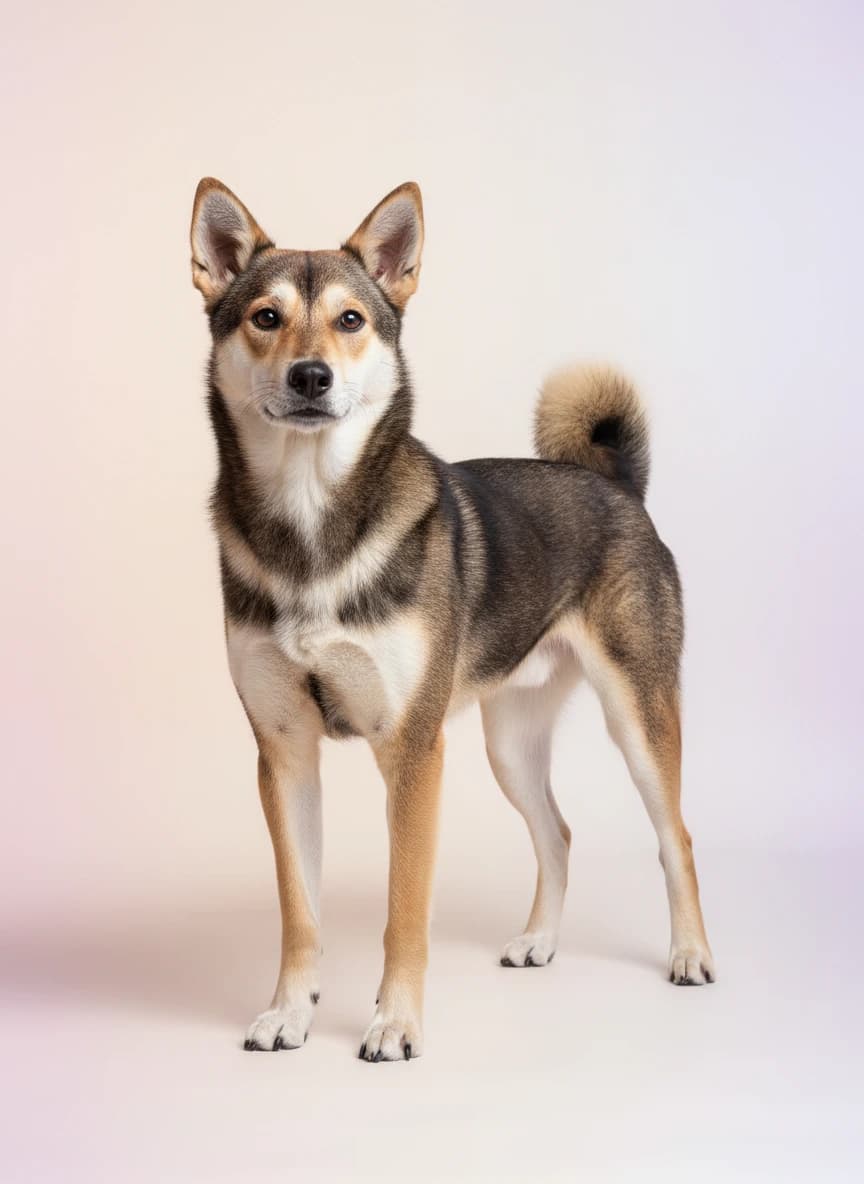
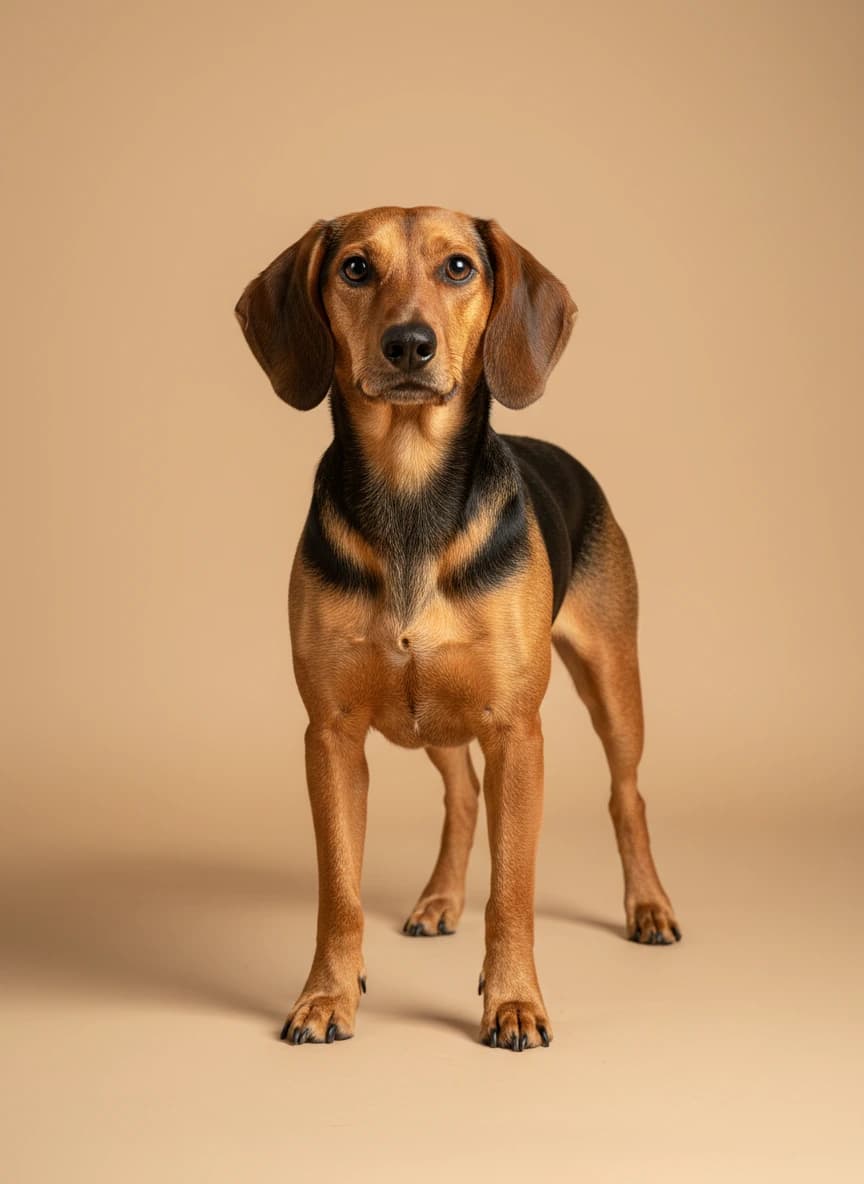
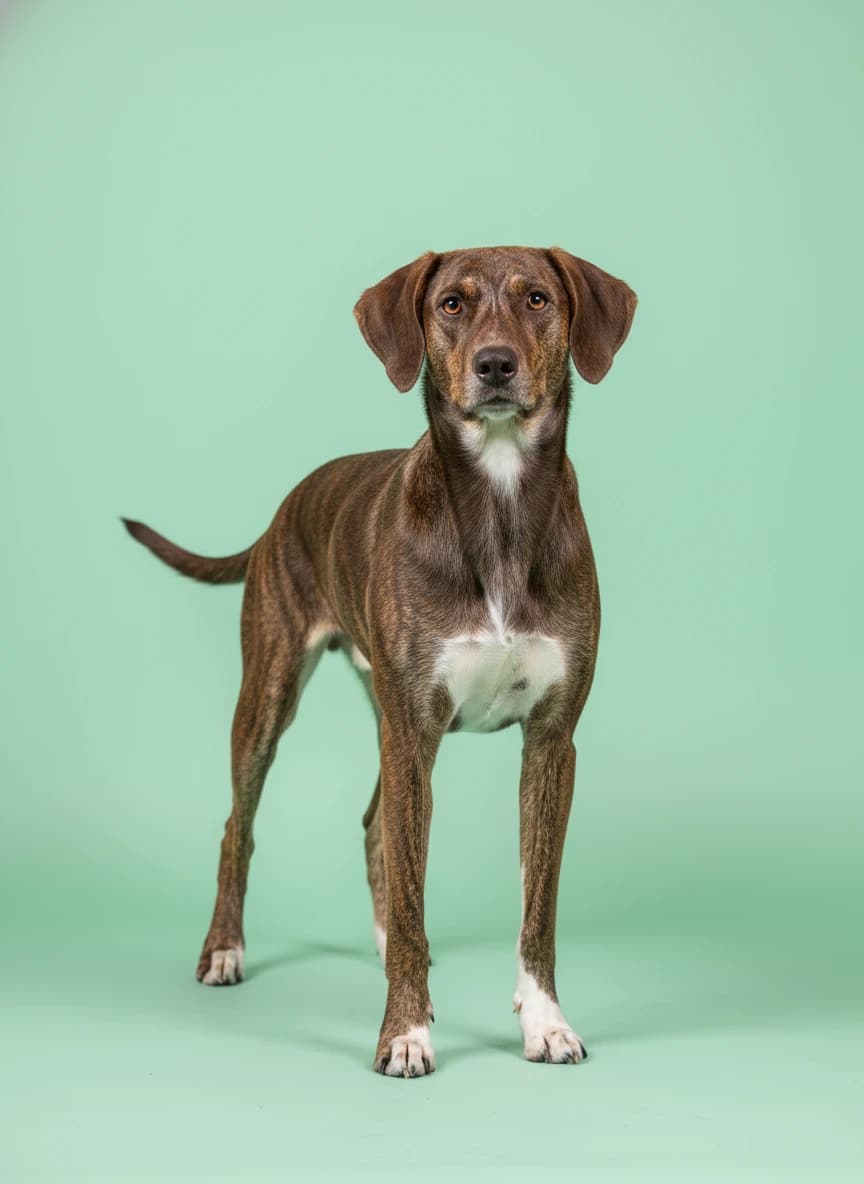
Le Chien de Chasse Grec est un compagnon plein d'entrain, toujours prêt pour l'aventure. Son flair excepté guide le chemin, souvent accompagné de son aboiement mélodieux et distinctif qui résonne à travers le paysage. Il forme des liens solides avec sa famille, la couvrant d'affection, mais sa nature indépendante de chien de chasse signifie qu'il peut être un peu obstiné quand une odeur l'appelle. Bien que doux, son énergie débordante et sa voix puissante exigent un propriétaire qui comprend son besoin d'exercice abondant et de conseils cohérents, sinon, il sérénadera les voisins ou réinventera le jardin comme exutoire créatif.
Problèmes fréquents
Examens recommandés
Consulte ton vétérinaire de confiance pour un conseil propre à ton chien.
The Greek Hound is a spirited companion with a keen nose and strong drive for exploration. These dogs tend to form close bonds with their families and display affection readily. They possess an independent nature typical of scenthounds—when a scent captures their attention, they may become single-minded in pursuit. Their distinctive, melodious bay is a natural expression of their hunting heritage. While generally gentle, their boundless energy and powerful voice mean they thrive best with owners who appreciate their working dog instincts and provide appropriate outlets for their drive.
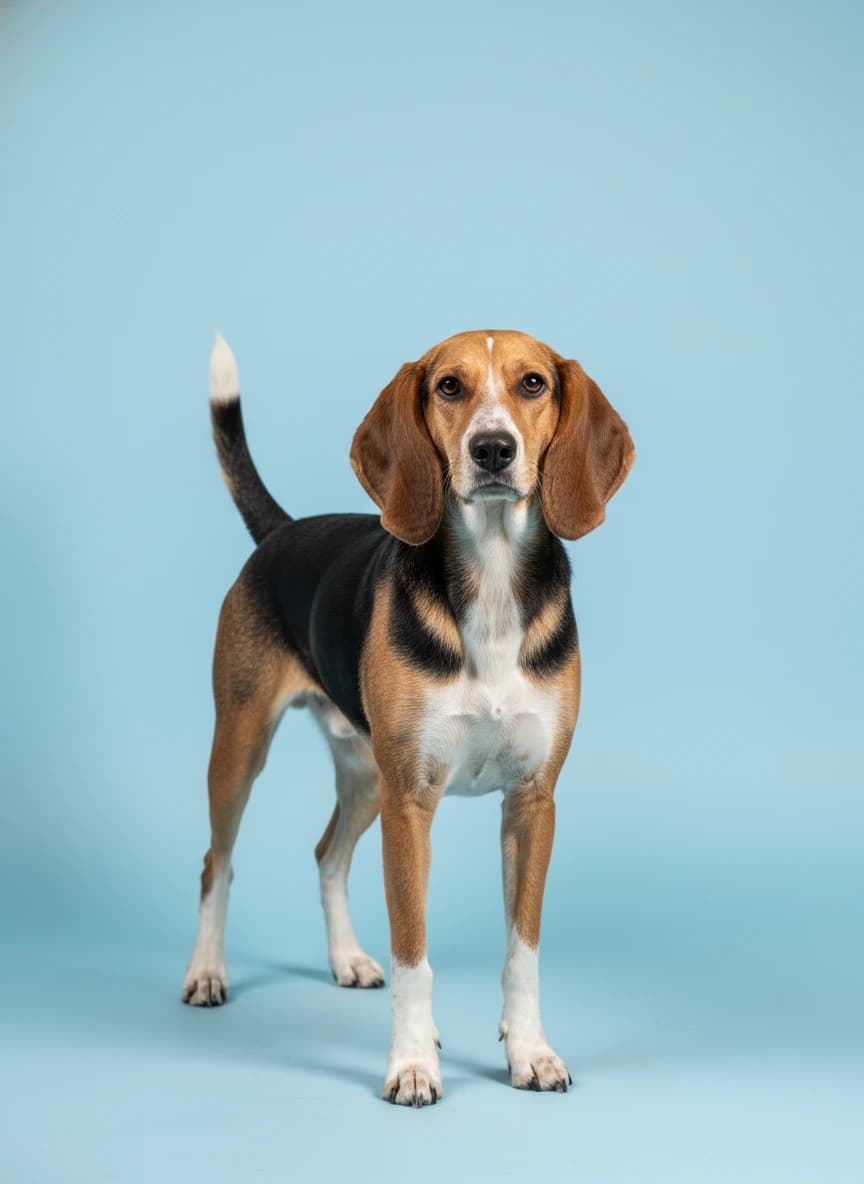
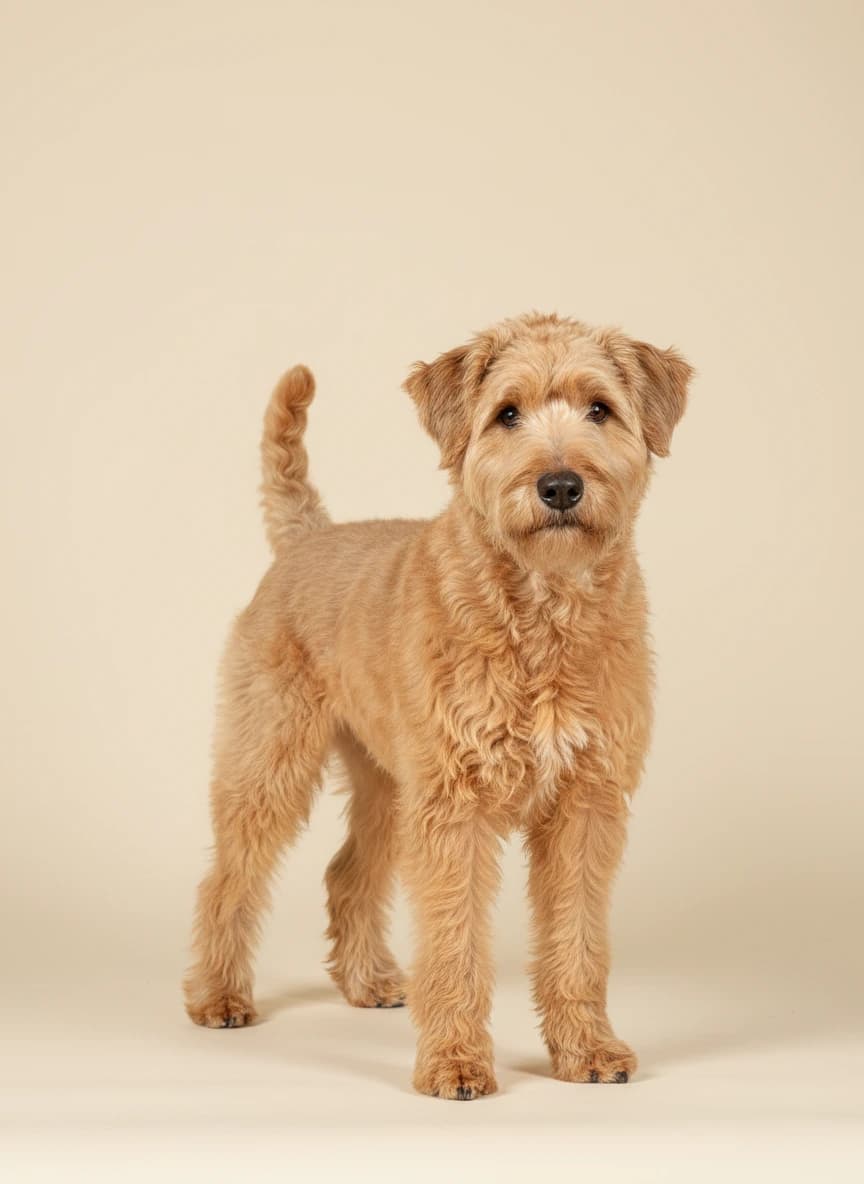
Greek Hounds require moderate to substantial daily exercise to channel their natural hunting drive and spirited temperament. Regular walks, outdoor activities, and opportunities to follow scents help satisfy their working dog instincts. Their independent hound nature means they may benefit from consistent, patient guidance and training that accounts for their tendency toward single-mindedness when engaged. Without adequate exercise and mental stimulation, they may express their energy through undesirable behaviors such as excessive vocalization or destructive digging. Early socialization and ongoing training help establish good habits.
Greek Hounds have moderate grooming needs. Their coat requires regular brushing to manage shedding and maintain health. Particular attention should be paid to their ears, as their pendulous ear shape can create conditions conducive to moisture accumulation. Regular ear checks and cleaning may help support ear health. Routine nail trimming, dental care, and bathing as needed round out their grooming regimen.
The Greek Hound can adapt to house living with adequate space and exercise opportunities. Their moderate size makes them manageable in various home settings, though they benefit from access to outdoor areas where they can safely explore. Their distinctive bay is a natural breed characteristic, so prospective owners should be prepared for vocalization, particularly when excited or on a scent. They are pack-oriented dogs that typically enjoy being part of family life and thrive on companionship rather than extended periods of isolation.
Greek Hounds are best suited for experienced dog owners who understand and appreciate hound temperament and working dog instincts. They require owners committed to providing regular exercise, consistent training, and mental stimulation. Those living in environments tolerant of a dog's natural vocalizations—or with properties where barking and baying are less of a concern—will find this breed more compatible. Potential owners should be prepared for an independent-minded, energetic companion rather than an obedient lapdog, and should welcome the breed's spirited, adventure-ready nature.