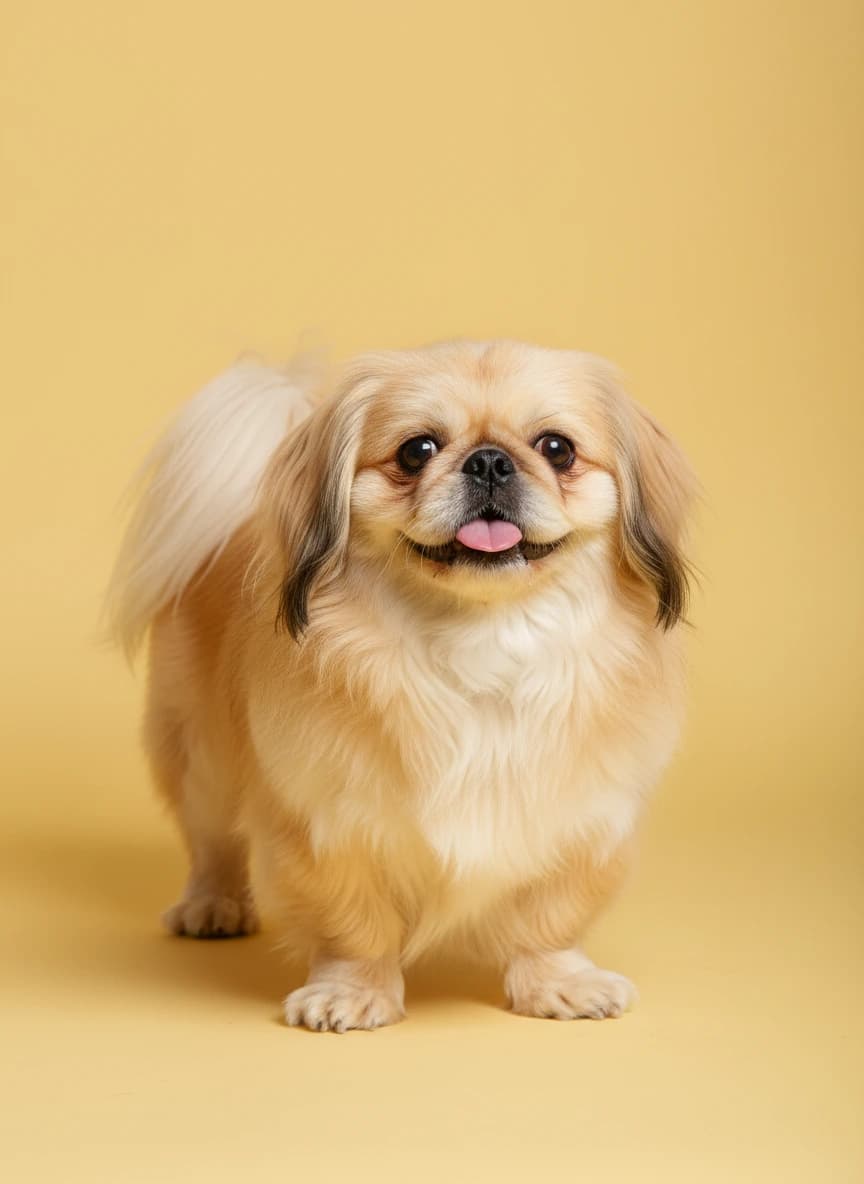
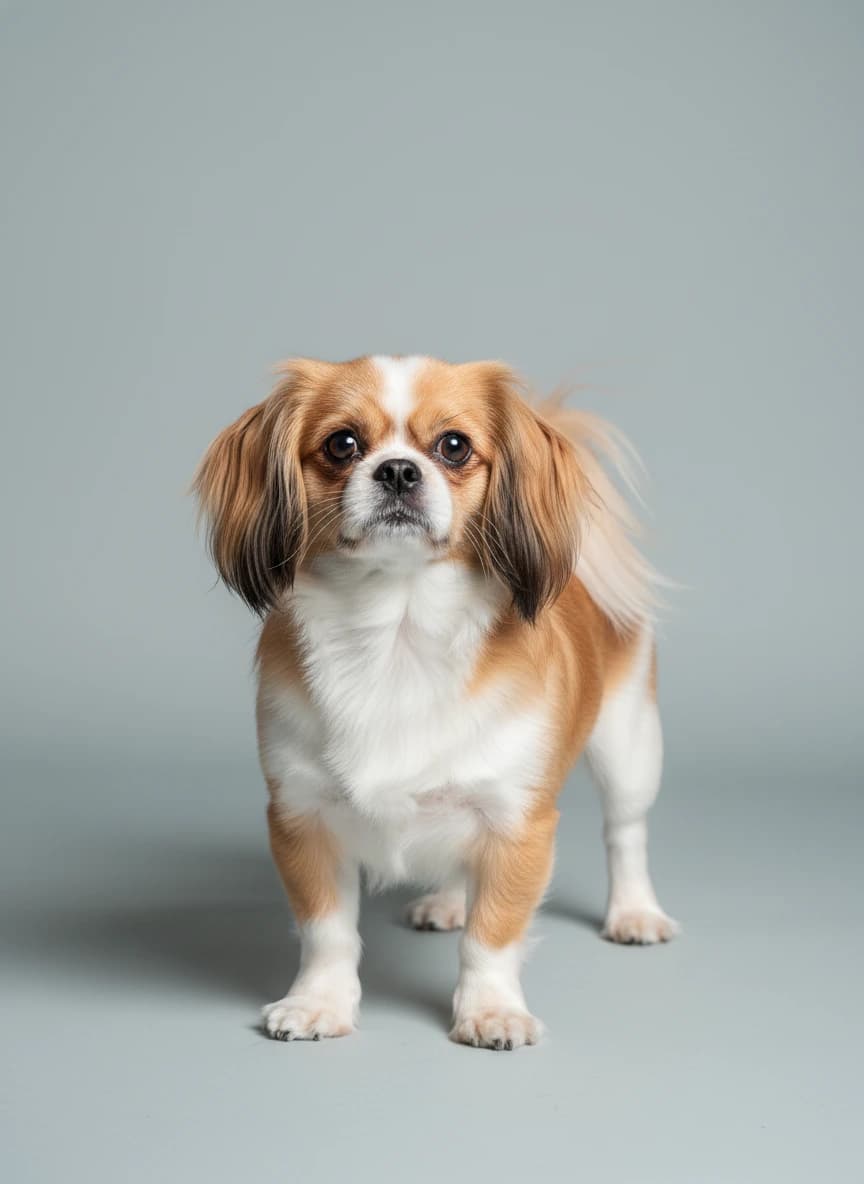
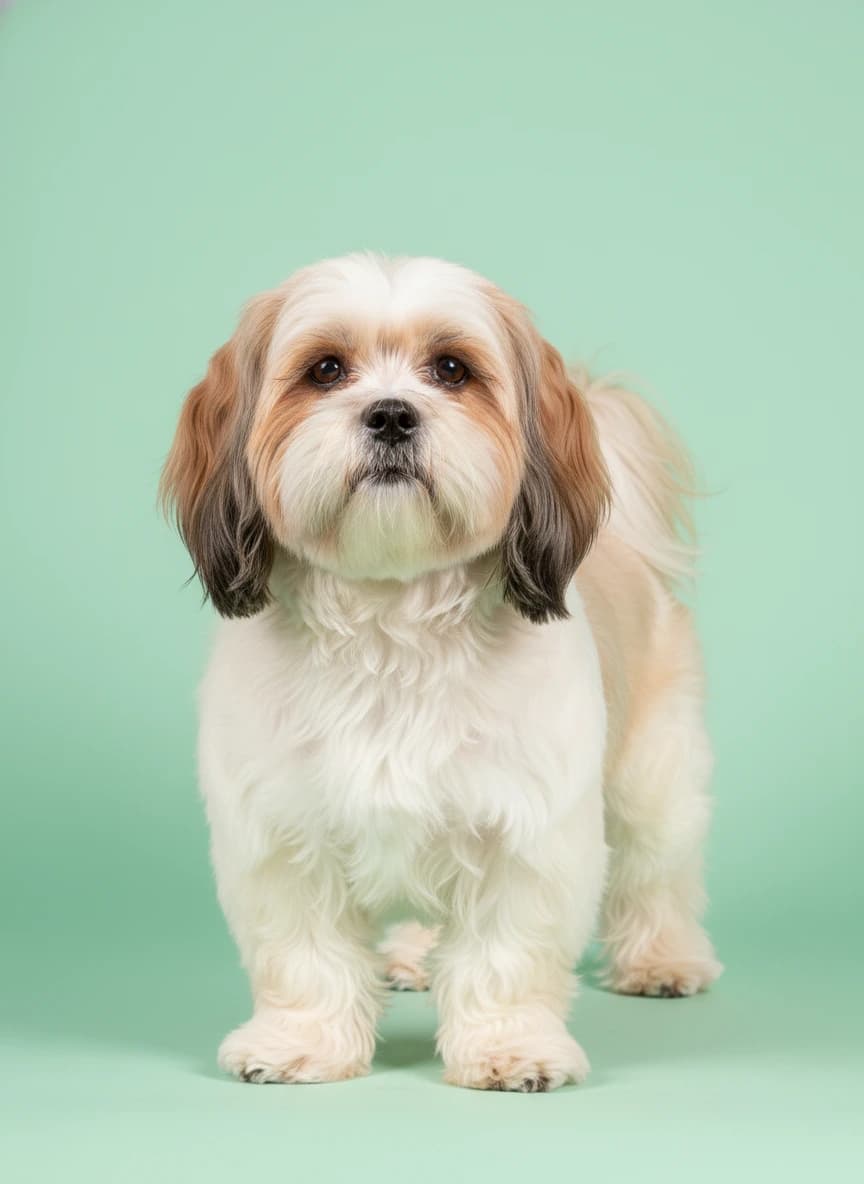
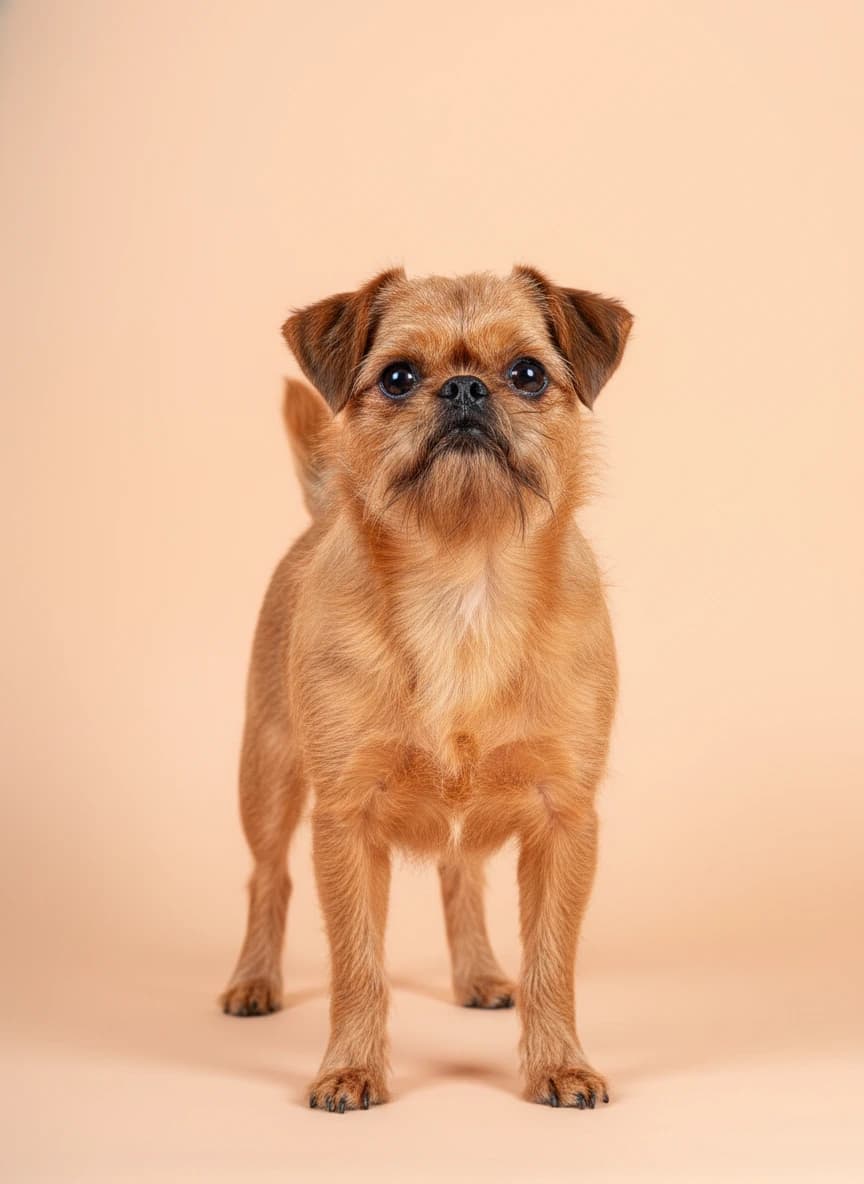
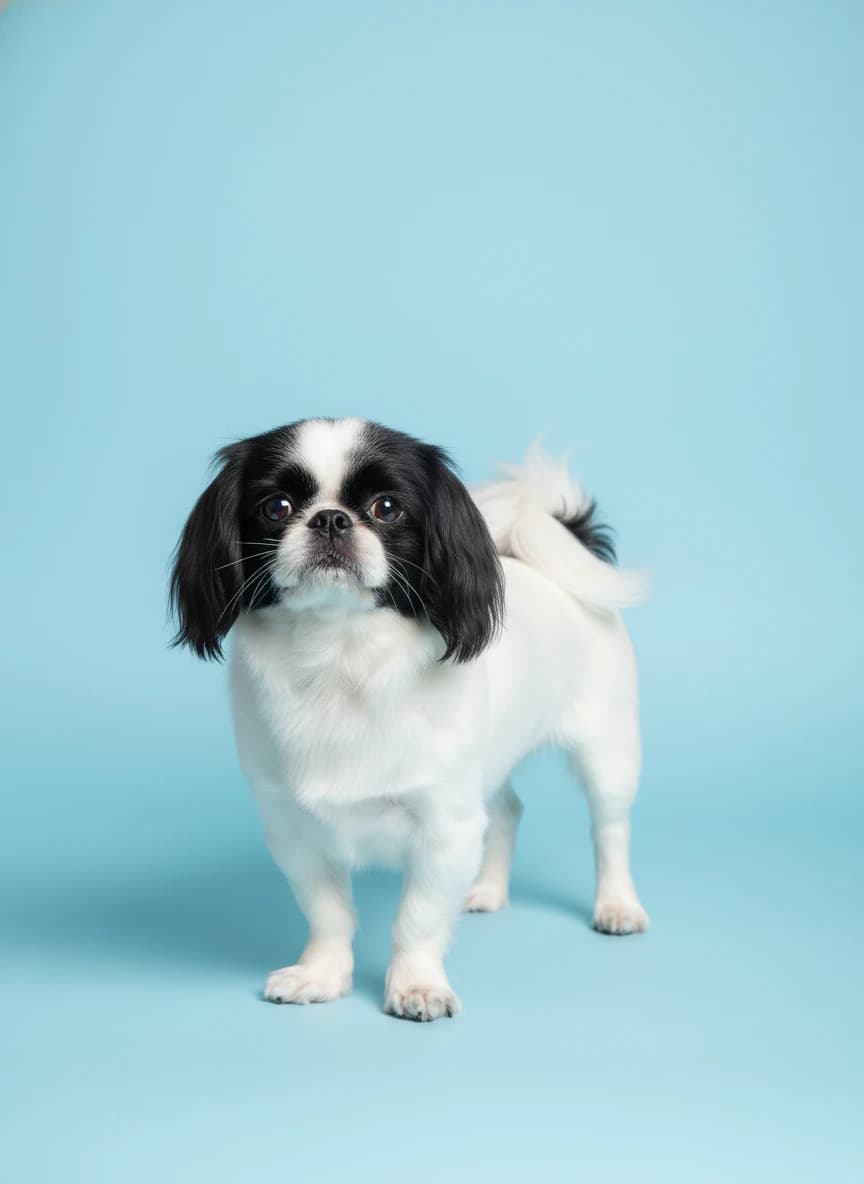
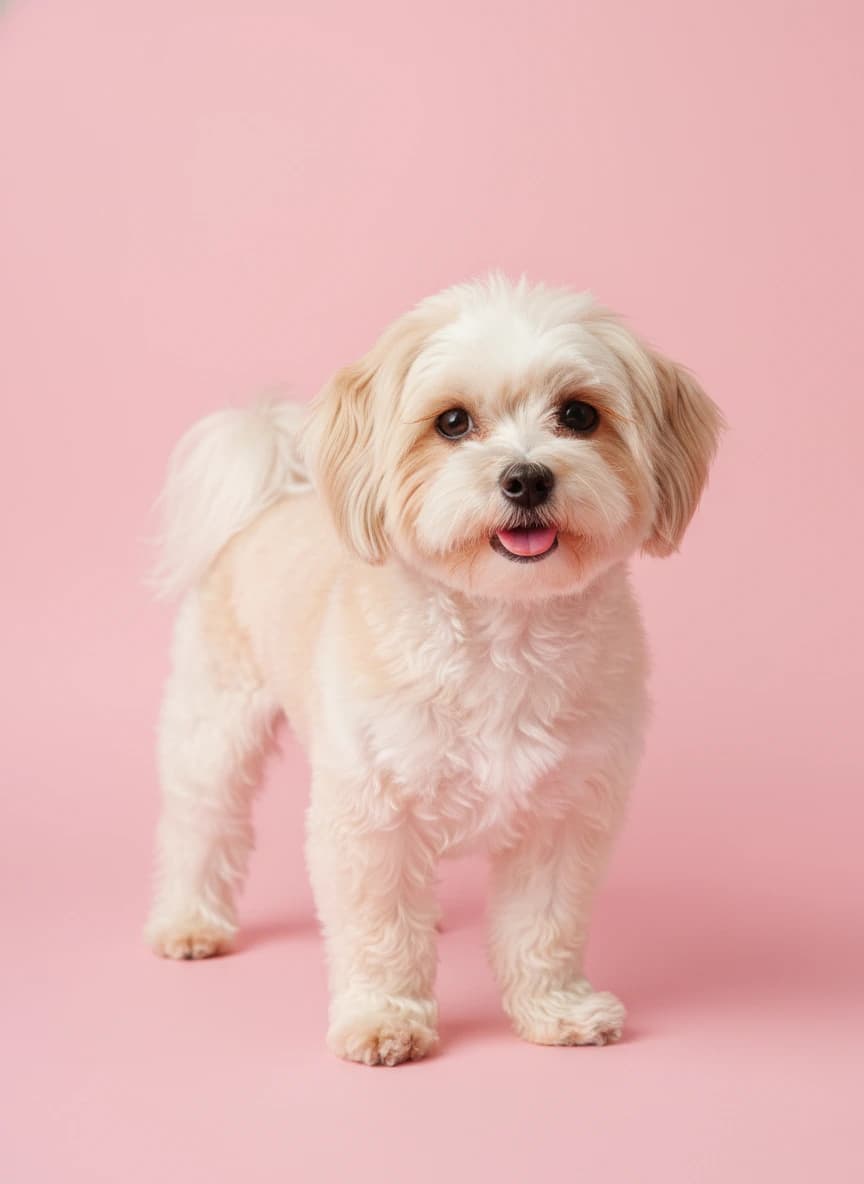
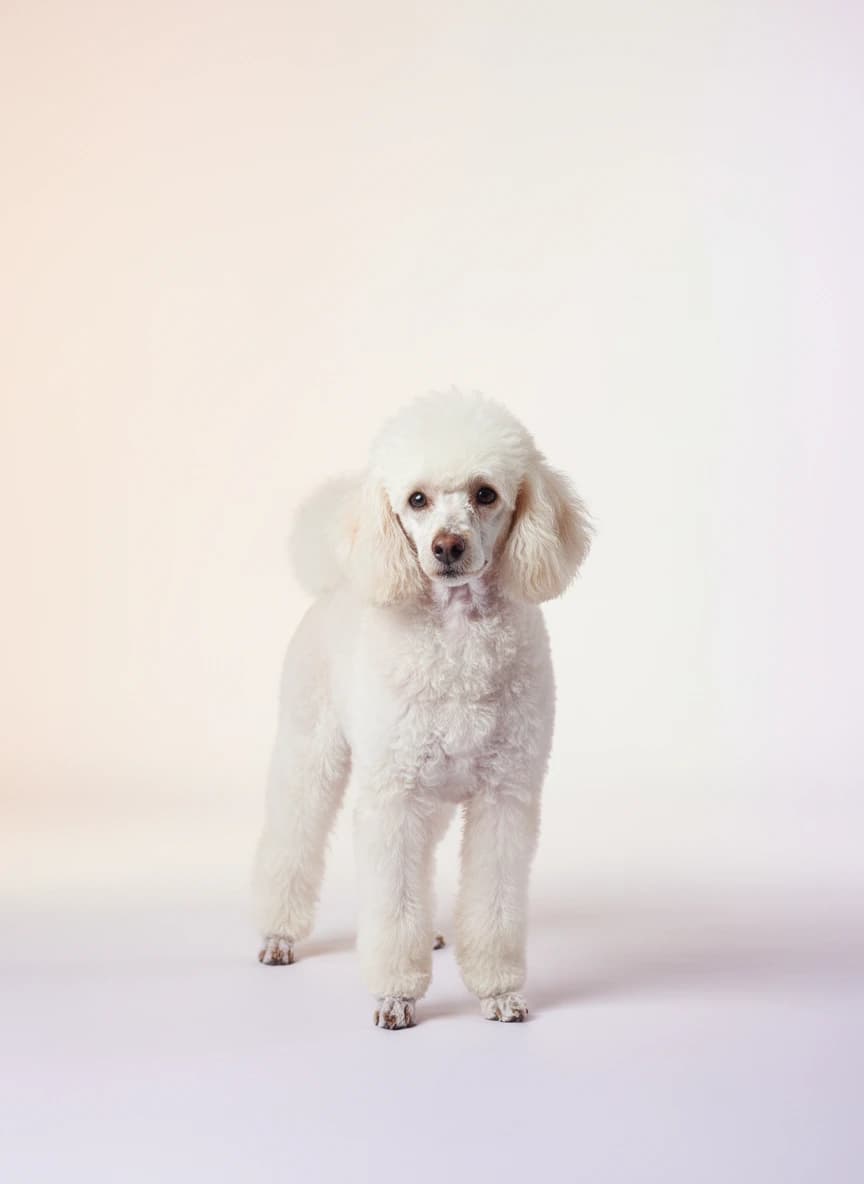
Le Pékinois, souvent appelé Peke, est un compagnon royal au petit gabarit mais à l'attitude surprenante. Il se porte avec un air d'importance dignifiée, une qualité affinée au cours des siècles en tant que chien de compagnie chéri de la royauté chinoise. Les Pékinois sont férocement dévoués à la personne qu'ils ont choisie, souvent au détriment des autres, et n'hésitent pas à exprimer leurs opinions d'un aboiement déterminé. Bien qu'ils apprécient un rythme tranquille, ils possèdent une tendance à l'obstination et ne se laisseront pas facilement persuader. Leur esprit indépendant signifie que l'éducation exige de la patience, mais le lien qu'ils nouent est profond et constant, les rendant uniques et charmants petits monarques du foyer.
Santé
Problèmes fréquents
Syndrome obstructif des voies respiratoires brachycéphales (SOBVR)
Luxation de la rotule
Effondrement trachéal
Problèmes oculaires (risque de cornée/entropion)
Maladie dentaire
Examens recommandés
Examen de la rotule
Conseil en gestion du poids
Examen des yeux (CAER)
Examen des voies respiratoires pour le risque de SOBVR
Examen des voies respiratoires avant anesthésie
Soins dentaires réguliers
Consulte ton vétérinaire de confiance pour un conseil propre à ton chien.
Tempérament et personnalité
The Pekingese carries themselves with regal self-importance, a trait cultivated over centuries as a cherished lapdog for Chinese royalty. They tend to be affectionate, alert, and playful, though they often form particularly strong bonds with one chosen person and may be less immediately welcoming to others. Pekes are known for their determined bark and willingness to voice their opinions, reflecting an independent and sometimes stubborn nature. Despite their small stature, they possess a surprisingly big personality and dignified demeanor that makes them unique household companions.
Éducation et exercice
Pekingese dogs have low exercise requirements and are well-suited to a relaxed pace of daily activity. Their training can present challenges due to their stubborn streak and independent spirit—they won't be easily persuaded and require patient, consistent handling. These dogs tend to respond best to experienced owners who understand their headstrong nature. While training demands patience, the devoted bond they form with their person makes the effort worthwhile.
Toilettage et soins
Grooming needs for Pekingese vary depending on coat type and individual preference. Their facial structure means they may be prone to ocular issues and dental disease, making regular veterinary care important. Their brachycephalic (flat-faced) structure also means they tend to have reduced heat tolerance, so they benefit from climate control and careful monitoring during warm weather. Routine dental care and eye monitoring are recommended to support overall health.
Vivre avec cette race
Pekingese dogs tend to adapt well to apartment living and are content with a more sedentary lifestyle. They form deep, devoted bonds with their chosen person, though they may be more reserved with unfamiliar people. Their alert nature means they often vocalize to express themselves. These dogs thrive with owners who appreciate their independent character and can provide consistent, patient guidance.
Cette race est-elle faite pour vous
The Pekingese is best suited for experienced dog owners who value a devoted companion with a strong personality. Their stubborn streak and tendency to bond intensely with one person require an owner who understands and appreciates their regal temperament. These dogs are well-matched for apartment living and do not demand extensive exercise, making them suitable for less active households. They are not recommended for first-time dog owners, as their training challenges and strong-willed nature benefit from experienced handling.
Questions fréquentes
Do Pekingese dogs shed a lot?
Grooming needs for Pekingese vary, and shedding can be an individual consideration. Regular grooming helps manage coat maintenance and is part of responsible Pekingese ownership.
Are Pekingese good for families with children?
Information on how Pekingese interact with children is not specified in breed data. Individual temperament varies, and any dog should be supervised with children.
Can Pekingese dogs be left alone for long periods?
Specific information about alone-time tolerance is not defined for this breed. Their devoted nature suggests they form strong bonds with their owners, so individual needs may vary.
What health issues are common in Pekingese dogs?
Pekingese dogs tend toward several conditions including brachycephalic obstructive airway syndrome (BOAS), patellar luxation, tracheal collapse, ocular issues such as corneal ulcers and entropion, and dental disease. Their flat-faced structure also means reduced heat tolerance. Regular veterinary care and monitoring are important.
Are Pekingese good apartment dogs?
Yes, Pekingese are well-suited to apartment living. They have low exercise requirements and adapt well to a relaxed lifestyle in smaller spaces.
 Chine