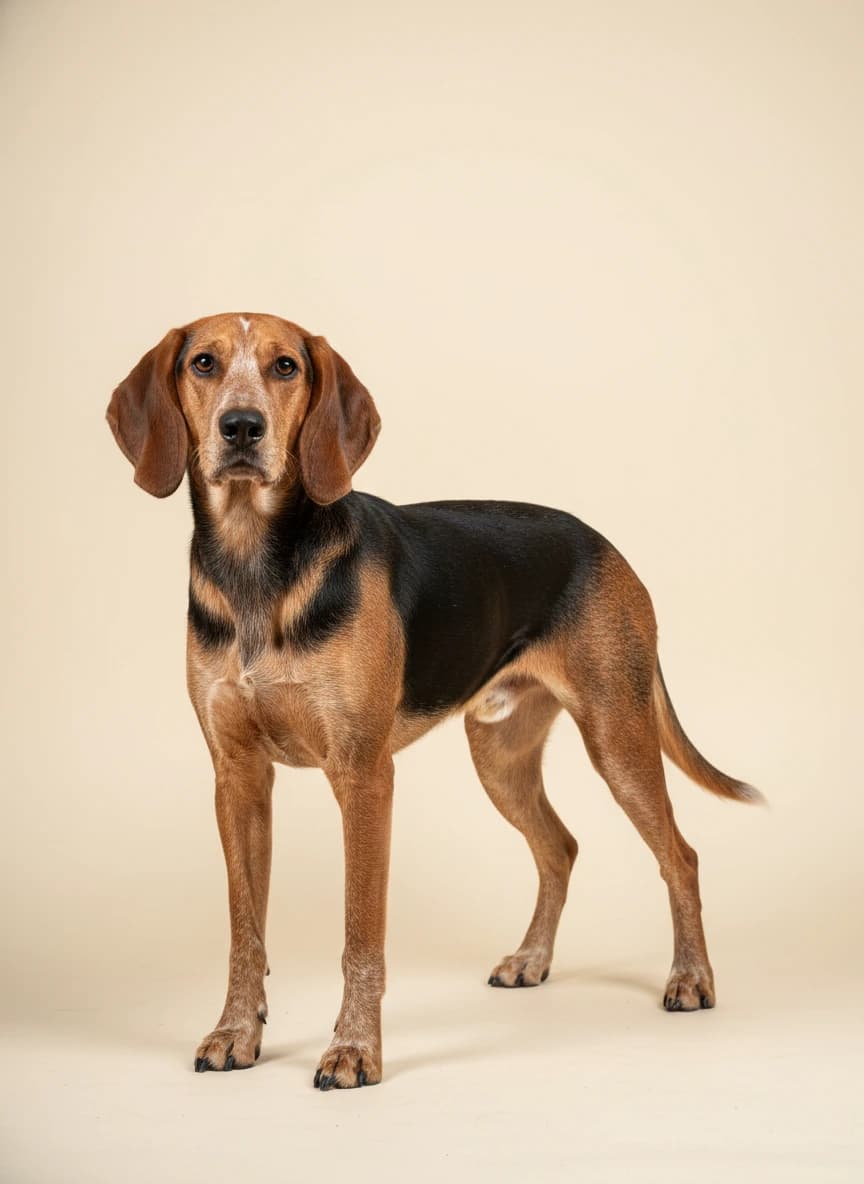
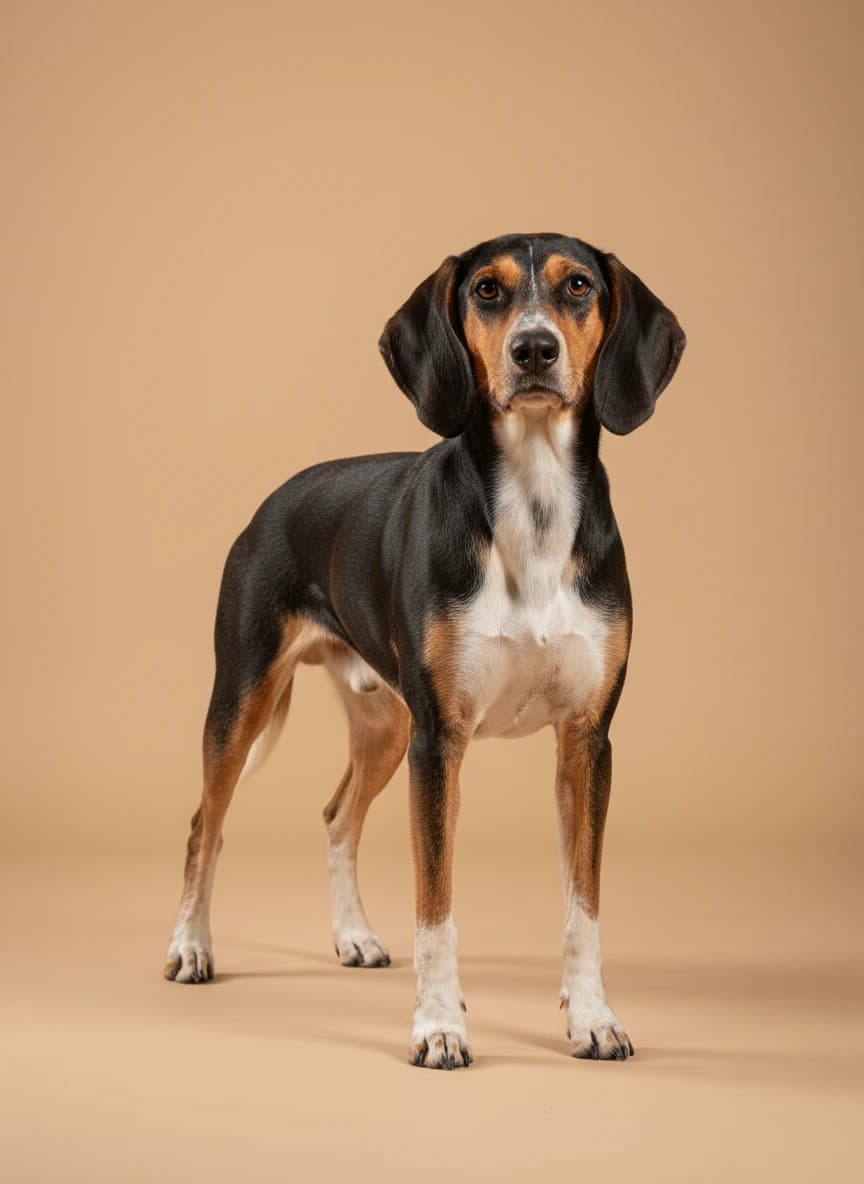
Aussi connue sous le nom: Gonique Posavski, Chien de la Sava, Gonique de Posavatz

Croatie
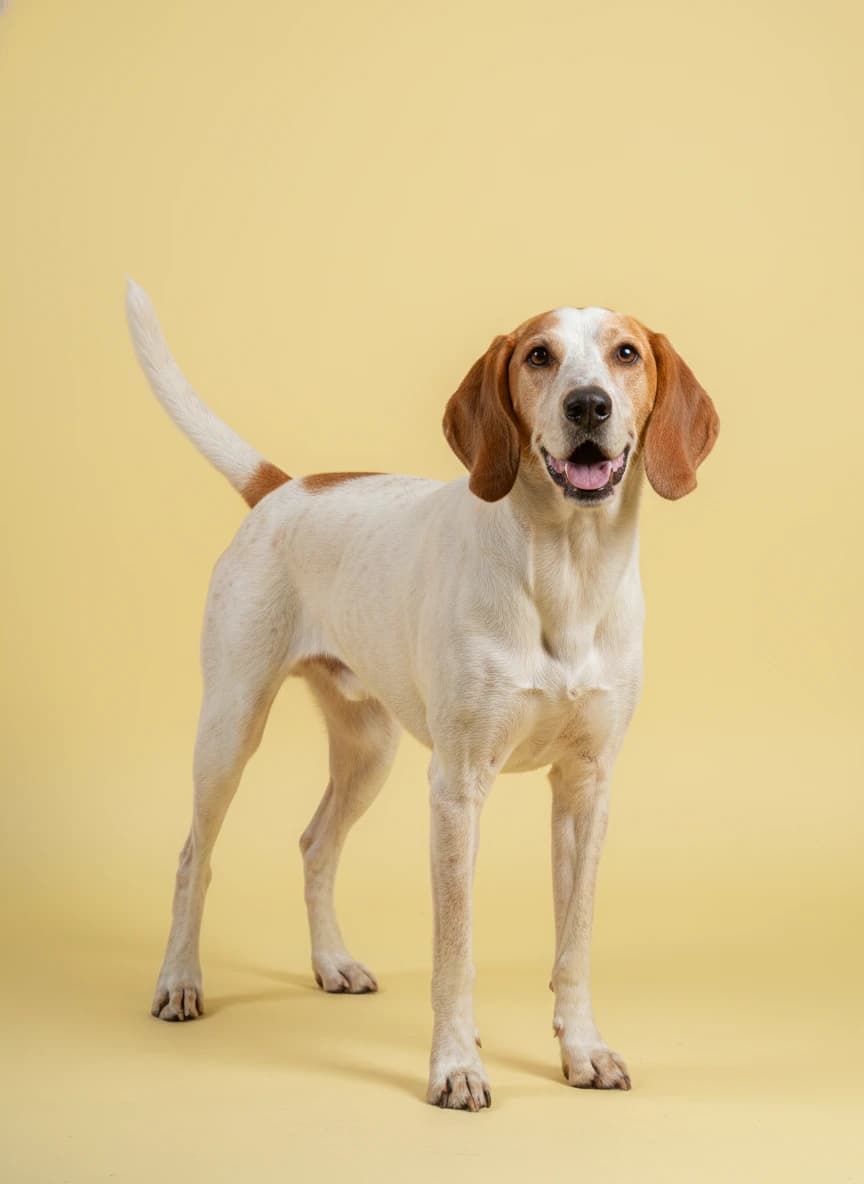
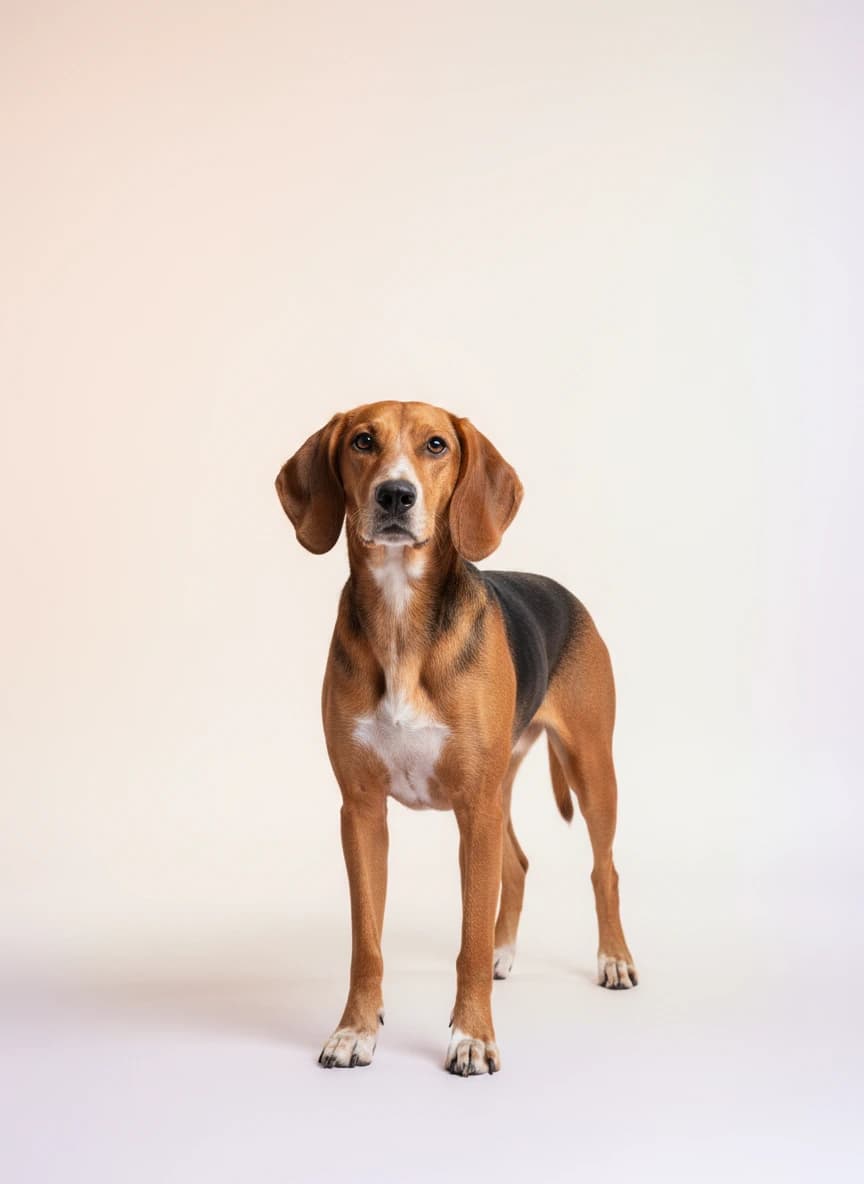
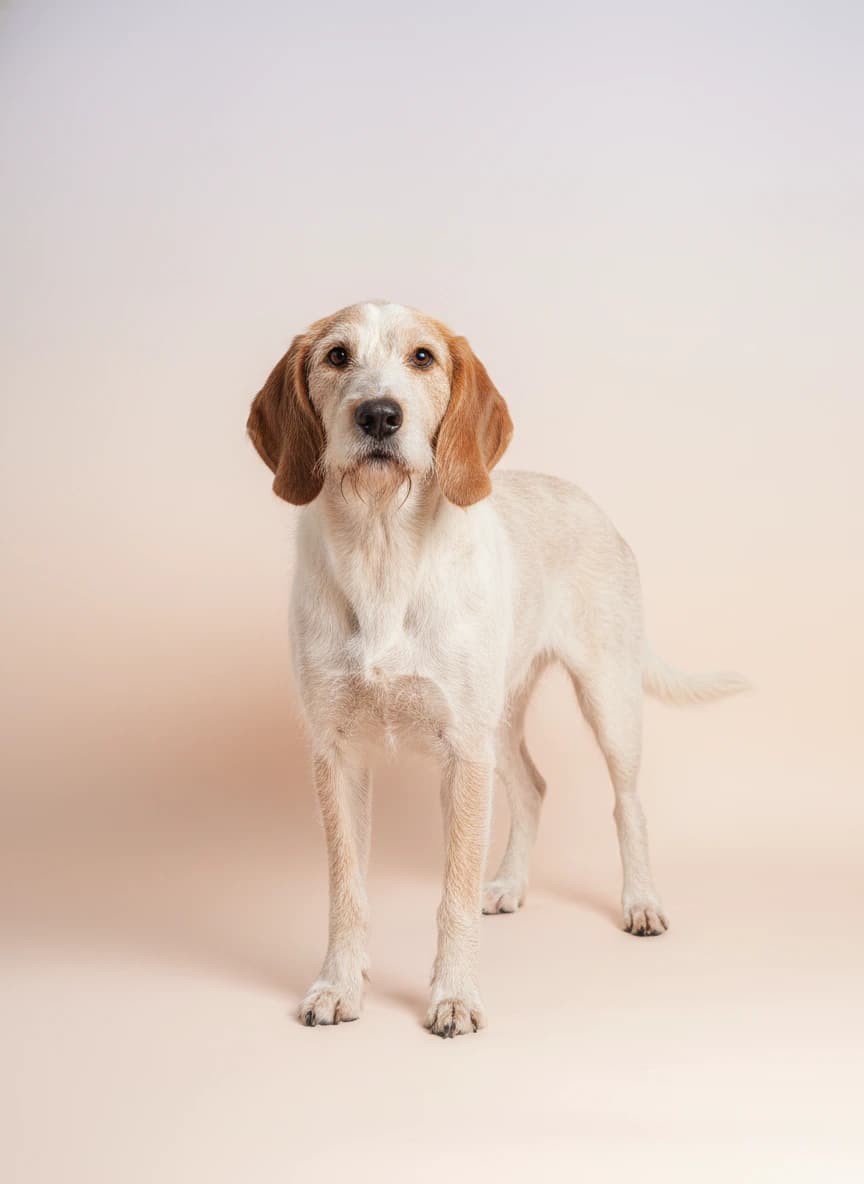
Le Chien de Posavac est un compagnon joyeux et équilibré avec une passion pour les activités en plein air. Son histoire en tant que chasseur infatigable de sanglier et de lièvre signifie qu'il possède un odorat incroyable et une indépendance qui le rend véritablement fascinant. Il est connu pour son hurlement distinctif et mélodieux, un son qui, bien que beau pour certains, peut certainement porter loin. À la maison, il est affectueux et relativement calme, appréciant un bon câlin après une journée d'exploration. Cependant, ses instincts de chasseur sont forts ; une cour bien clôturée et un entraînement cohérent à la laisse sont essentiels pour ces aventuriers guidés par les odeurs.
Problèmes fréquents
Examens recommandés
Consulte ton vétérinaire de confiance pour un conseil propre à ton chien.
The Posavac Hound is a cheerful, even-tempered companion with a distinctive personality shaped by centuries of hunting heritage. Originally developed to pursue wild boar and hare, these dogs possess an independent streak and a passionate drive to follow scents. They tend to be affectionate and relatively calm in home settings, often enjoying companionship with their families. However, their hunting instincts remain strong, manifesting as a powerful prey drive and an intense focus on scent trails. Their melodic bay—a characteristic trait of the breed—can be quite vocal, a tendency inherited from their working background. Despite their spirited nature outdoors, they typically settle into a relaxed demeanor indoors when their exercise needs are met.
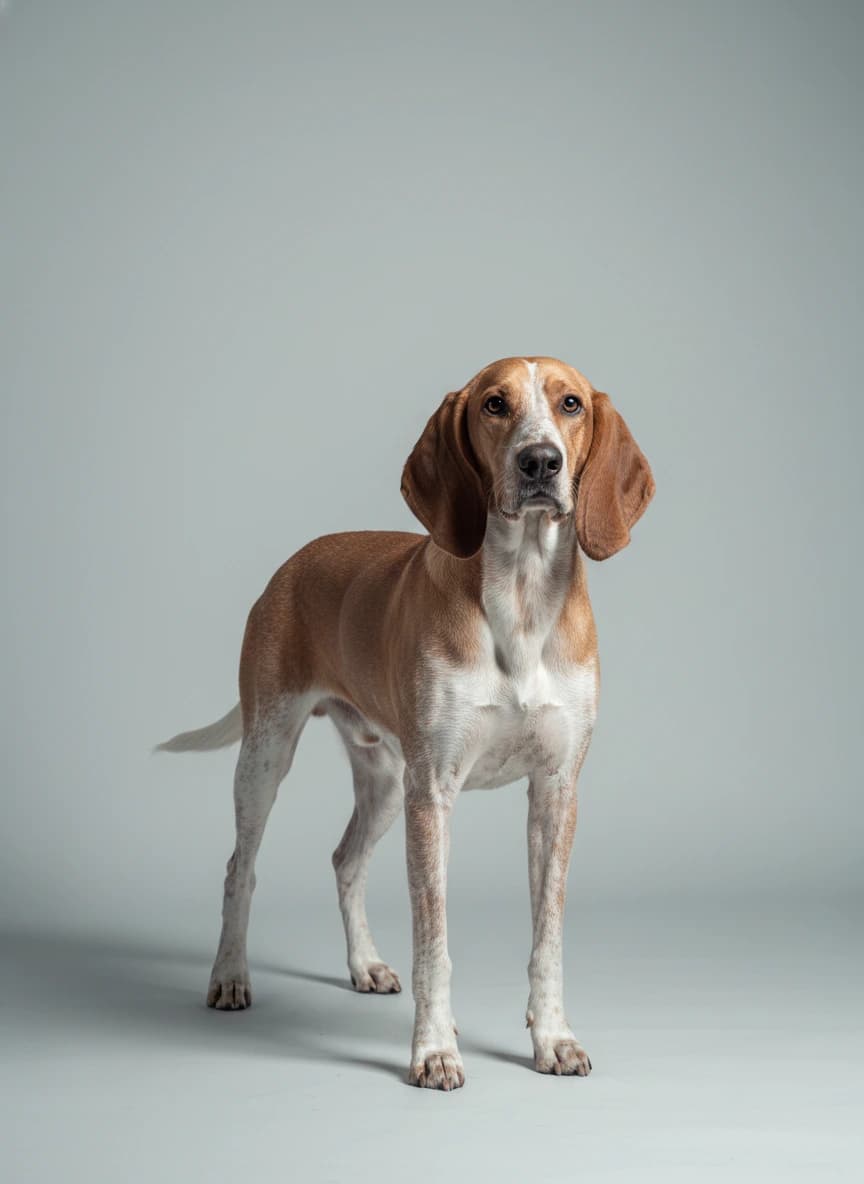
Posavac Hounds require moderate to regular exercise to remain content and well-behaved. Their hunting heritage means they thrive with activities that engage their powerful nose and natural tracking abilities. Daily walks, ideally in areas where they can safely explore scents, help satisfy their instincts. Because of their independent nature and strong prey drive, consistent leash training is essential, and a securely fenced yard is non-negotiable—these dogs may pursue a scent trail with single-minded determination. Training benefits from patience and positive reinforcement methods, though their moderate trainability level suggests they respond best when activities align with their natural interests. Mental stimulation through scent work or tracking games can be particularly effective in channeling their energy constructively.
Posavac Hounds have moderate grooming needs suited to their short-haired coat. Regular brushing helps manage shedding and keeps their coat healthy. Their distinctive pendulous ears require special attention; regular inspection and cleaning can help prevent ear infections, a condition the breed shows some predisposition toward. Routine nail trimming, dental care, and bathing as needed will keep them comfortable. Because of their love of outdoor exploration, periodic checks for parasites and thorough rinsing after muddy adventures are recommended.
These dogs tend to adapt reasonably well to house living, though they are most content when they have access to outdoor space for exploration. Their relatively calm indoor temperament makes them suitable companions, but they do best in homes where their exercise and mental stimulation needs can be consistently met. The breed's vocal tendencies—particularly their melodic bay—mean they may vocalize during hunts or moments of excitement, which potential owners should consider. Posavac Hounds are pack-oriented by nature, reflecting their hunting heritage, and they generally do well as part of an active household. Homes with secure fencing and owners who can commit to regular outdoor activity will provide the ideal environment.
Posavac Hounds are best suited to owners with some experience handling dogs, particularly those familiar with working or hunting breeds. They are ideal for active individuals or families who enjoy spending time outdoors and can provide consistent exercise and mental engagement. These dogs thrive with owners who appreciate their independent nature and can establish clear boundaries while respecting their strong prey drive. A secure fenced yard is essential, as is a commitment to leash training and preventing them from pursuing scents unsupervised. They are not the best choice for sedentary households or those sensitive to vocalization. Those drawn to the breed's distinctive personality and willing to meet their moderate exercise and training needs will find them rewarding, cheerful companions.