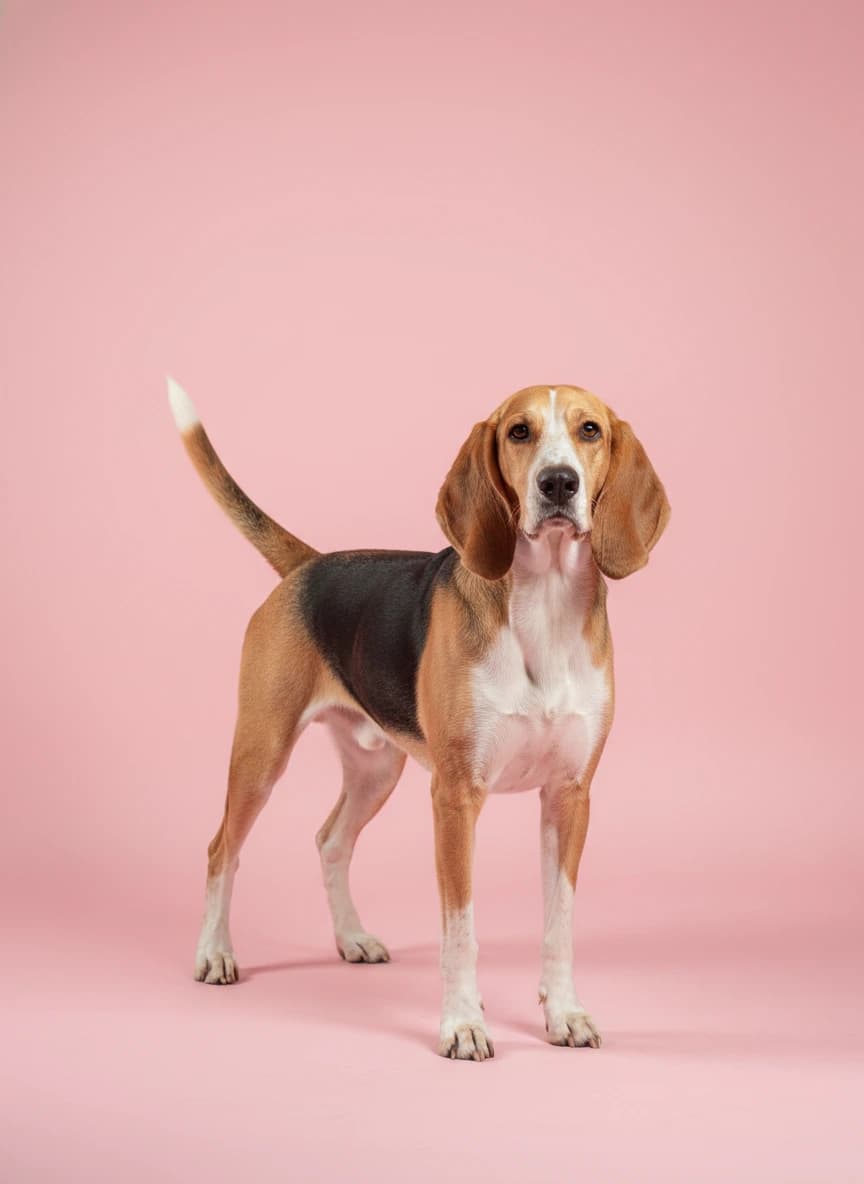
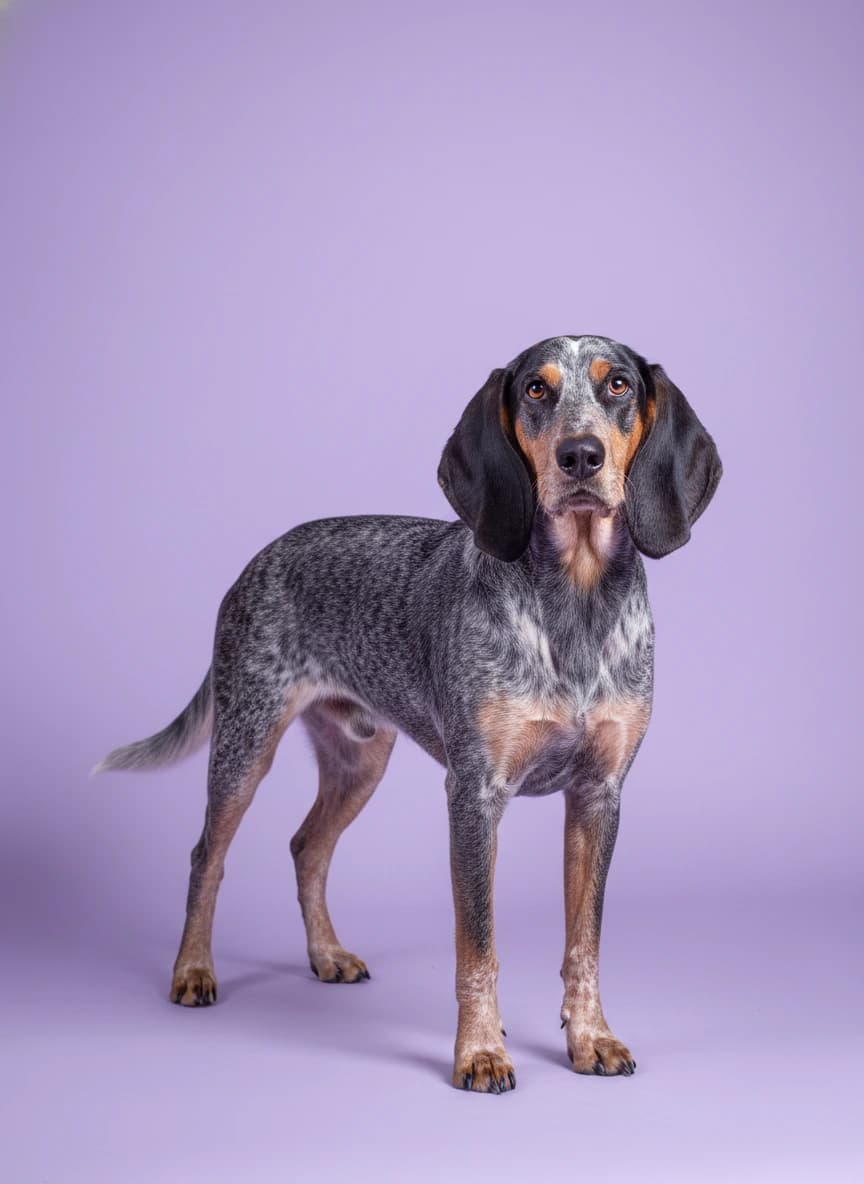
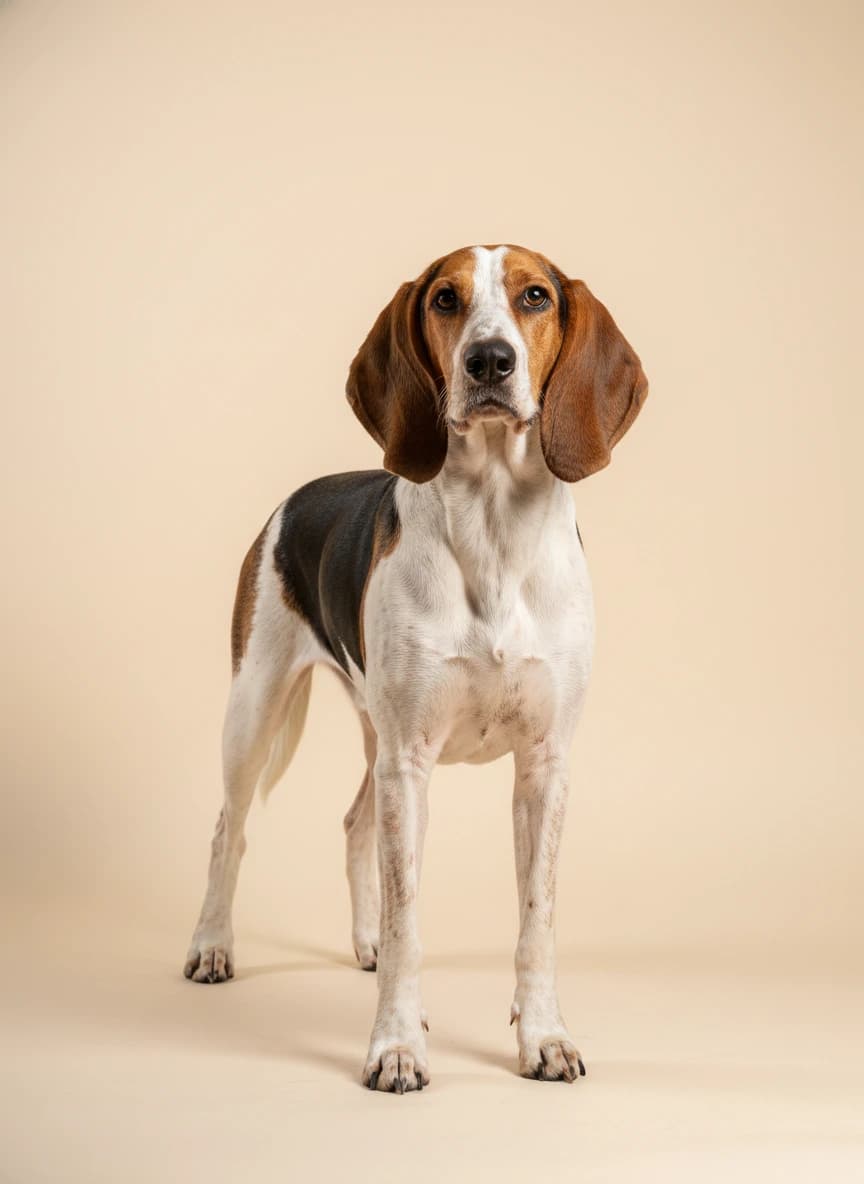
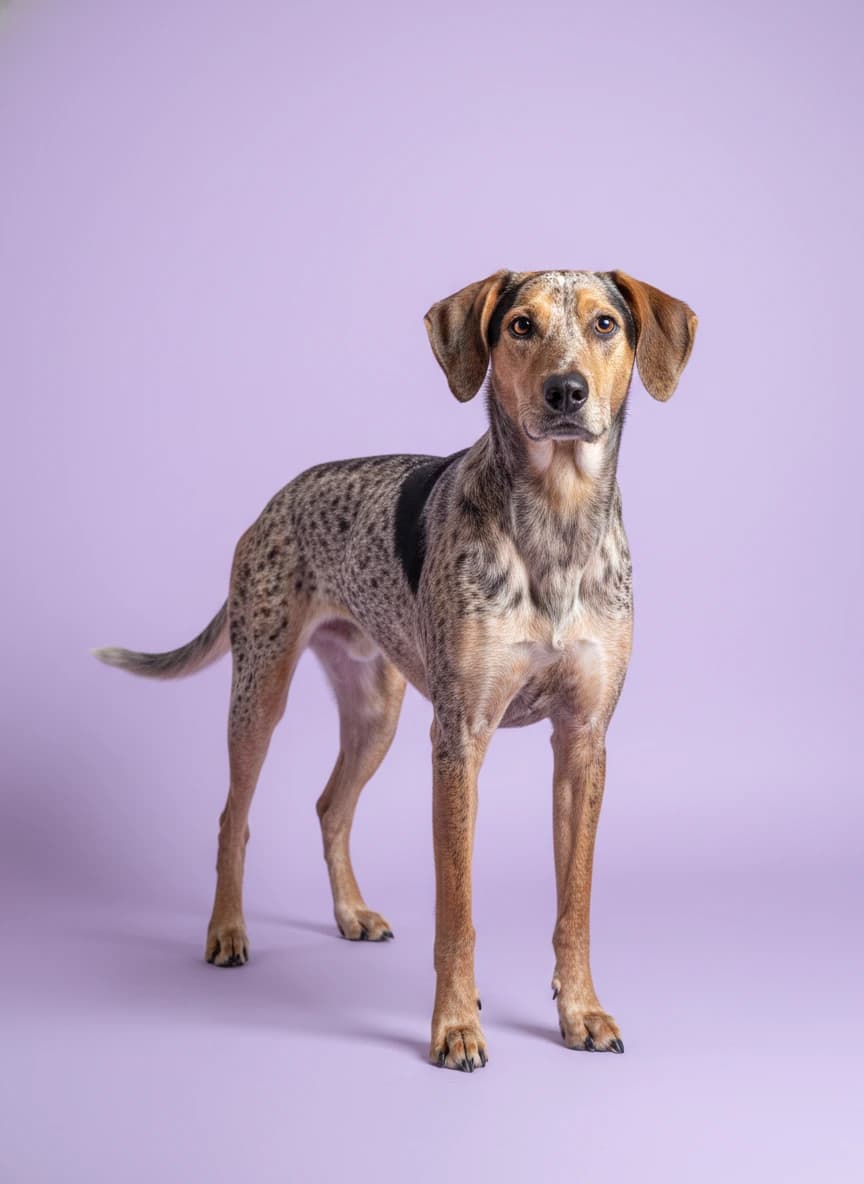
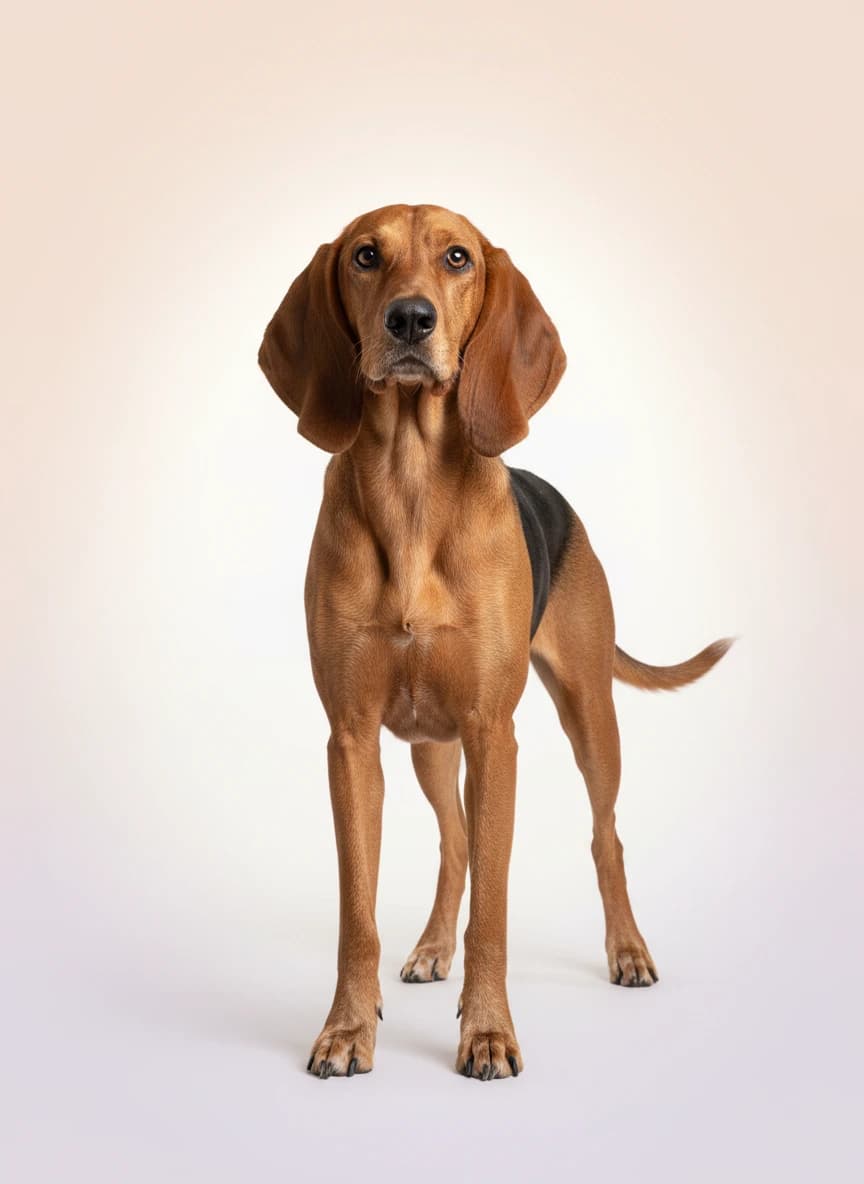
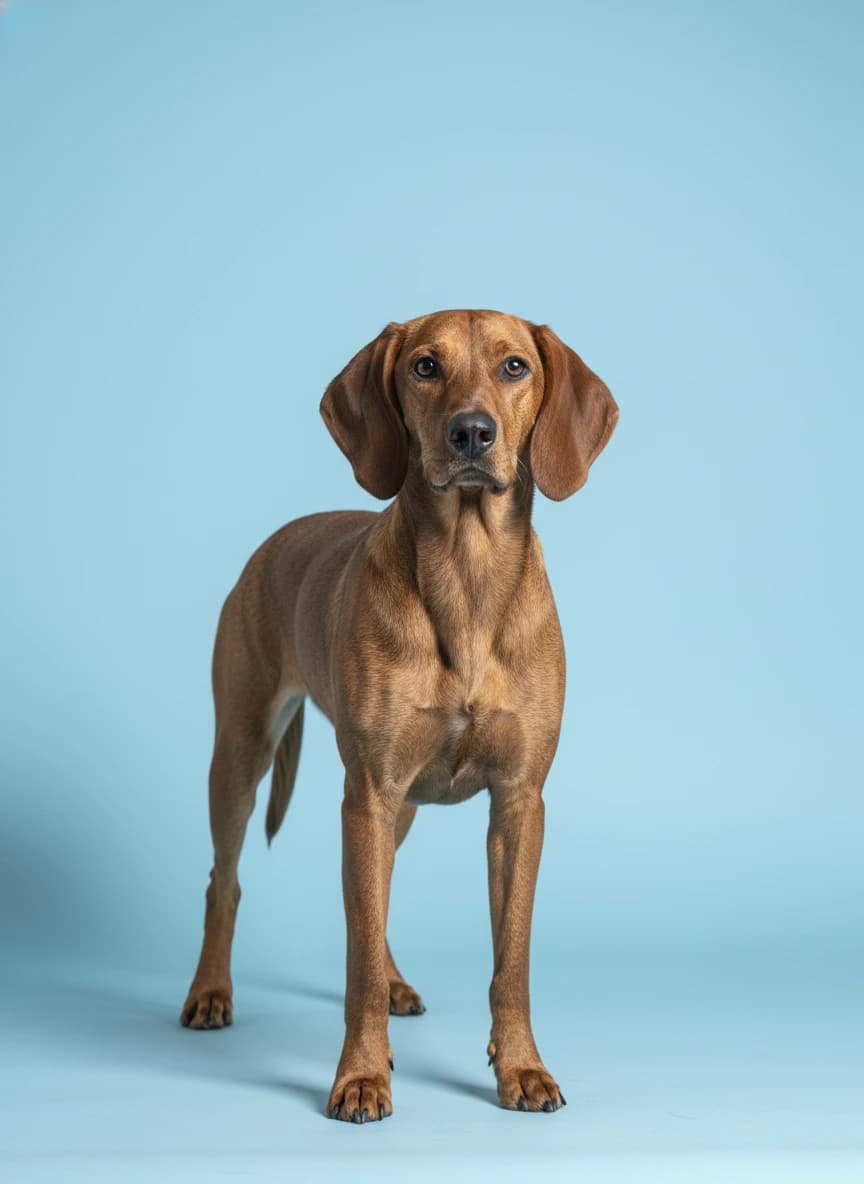
Aussi connue sous le nom: Erdélyi Kopó, Chien de Chasse Hongrois

Hongrie
Le Chien de Transylvanie est un compagnon loyal et inébranlable dont les anciens instincts de chasse se traduisent par un membre familial dévoué et tenace. Ils possèdent une endurance impressionnante et une intelligence vive, toujours prêts pour une aventure. Bien que généralement calmes à l'intérieur, leur puissant instinct de proie signifie qu'ils prospèrent avec des activités engageantes et de longues promenades exploratoires où leur excellent flair peut les guider. Ils nouent des liens profonds avec leurs proches, montrant souvent une protection qui témoigne de leur héritage courageux. Leur esprit indépendant signifie que l'éducation nécessite de la patience et de la cohérence, mais la récompense est un ami fidèle et affectueux.
Problèmes fréquents
Examens recommandés
Consulte ton vétérinaire de confiance pour un conseil propre à ton chien.
The Transylvanian Hound is a loyal and unwavering companion whose ancient hunting heritage shapes their personality. These dogs tend to be gentle and affectionate with their families, forming deep bonds with their chosen people. They often display a protective streak reflecting their courageous lineage. A strong prey drive is characteristic of the breed, which can influence their behavior around smaller animals and during outdoor activities. While typically calm indoors, their independent spirit means they think for themselves—a trait that requires patient, consistent guidance. Their keen intelligence and tenacity make them engaging family members who thrive on purpose and activity.
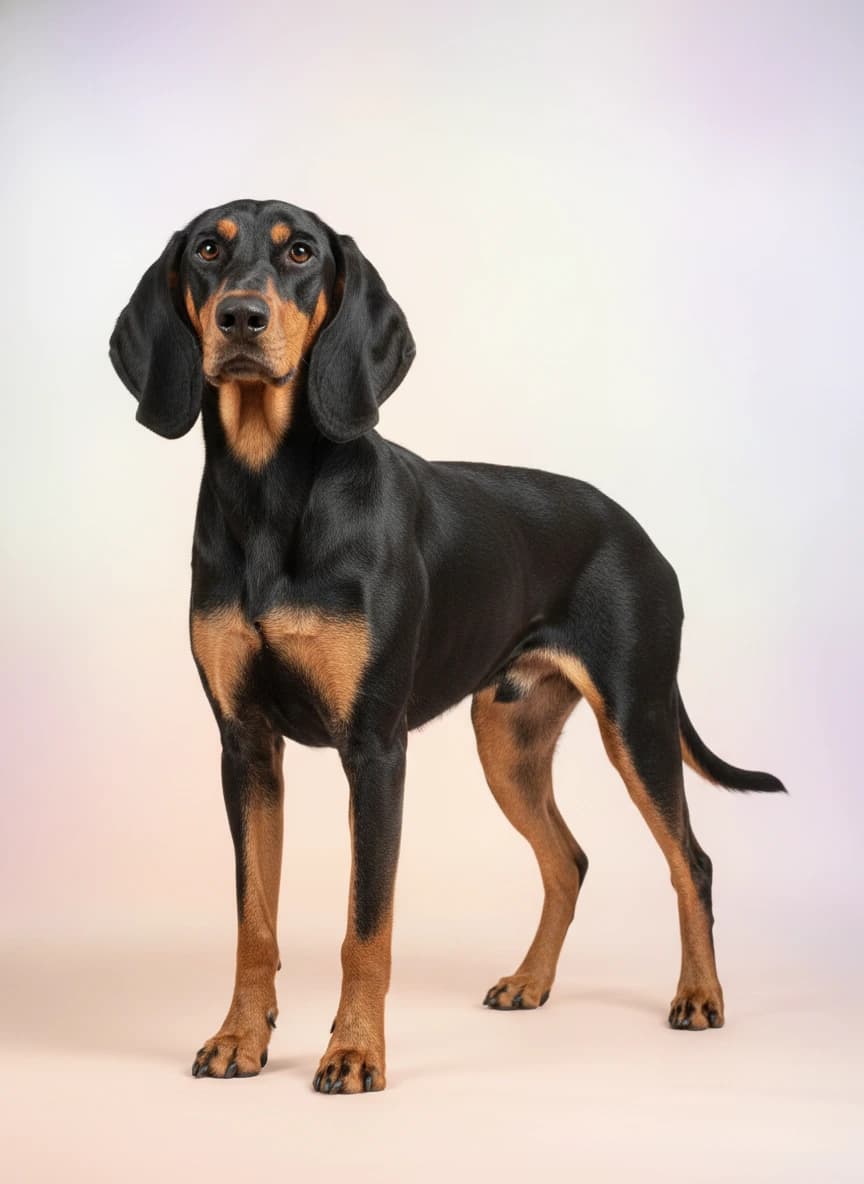
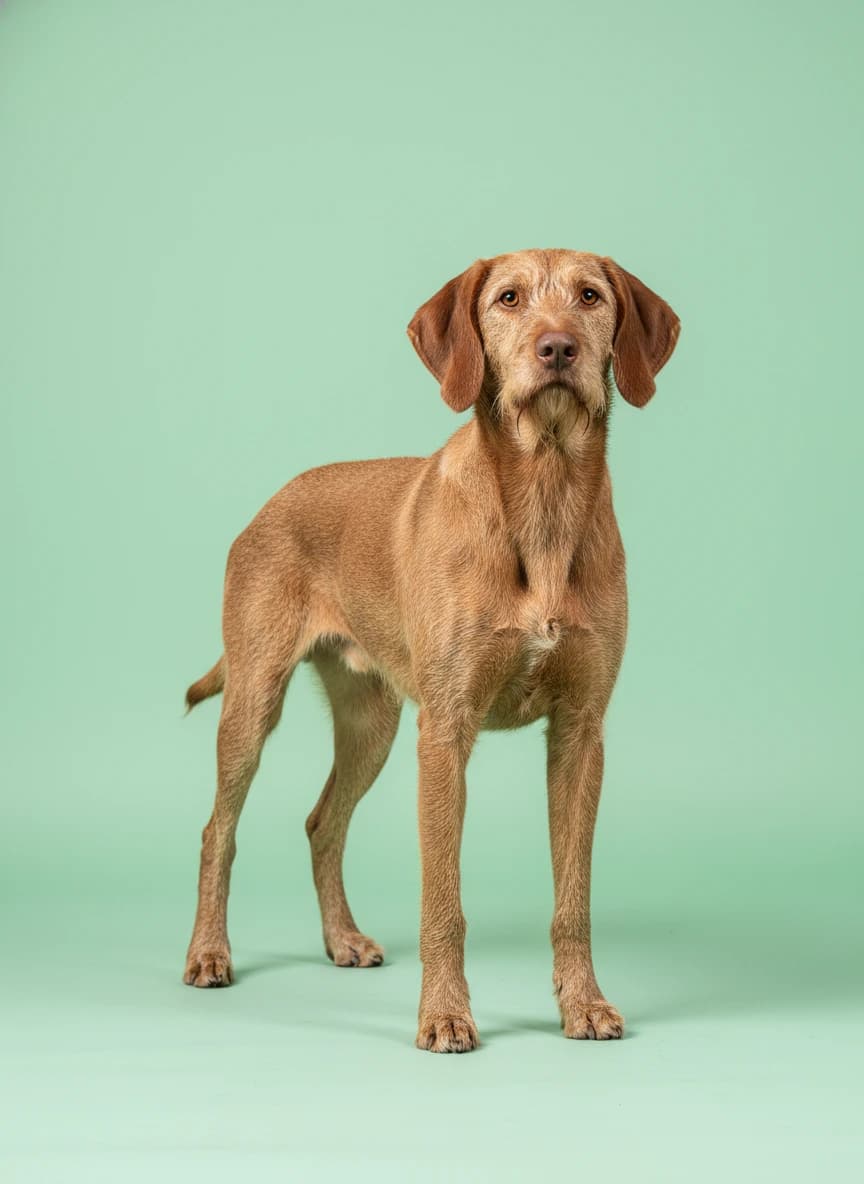
Transylvanian Hounds possess high trainability but require an experienced handler who understands their independent nature. Consistency, patience, and positive reinforcement tend to work best, as these dogs respond well to clear direction combined with respect for their intelligence. Moderate exercise needs are best met through long, exploratory walks where their excellent nose can engage with scents—activities that satisfy both their physical stamina and mental stimulation. They benefit from jobs or tasks that channel their hunting instincts constructively. Training sessions should be varied and purposeful, as these dogs tend to lose interest in repetitive routines.
The Transylvanian Hound has moderate grooming needs. Regular brushing helps maintain their coat and manages shedding. Ear care deserves particular attention, as the breed shows a tendency toward ear infections; routine cleaning and inspection are advisable. Like all large-breed dogs, they benefit from regular health monitoring. Eye health should be monitored, as eye disorders appear in the breed. Hip screening through appropriate veterinary channels is recommended, particularly for breeding considerations.
Transylvanian Hounds tend to settle well in a house environment where they have room to move and access to secure outdoor space. Their moderate exercise needs and typically calm indoor demeanor make them suitable for dedicated owners willing to provide structured activity and mental engagement. A secure yard is important given their prey drive—they may pursue smaller animals if given the opportunity. These dogs form strong family bonds and do best with owners who can dedicate time to training, exercise, and companionship. They are best suited to experienced dog owners who appreciate their independent streak and can provide consistent, clear guidance.
A Transylvanian Hound is a good fit for experienced dog owners seeking a loyal, intelligent companion with a moderate activity level. These dogs reward dedication with deep affection and steadfast devotion. They are best placed with families who have time for regular exercise, varied training, and mental engagement. If you appreciate a dog with an independent mind, enjoy outdoor exploration, and can commit to consistent, patient training, this breed's tenacity and loyalty tend to create a rewarding partnership. They are less suitable for first-time dog owners or households unable to provide regular activity and engagement.