Conosciuta anche come: African Barkless Dog, Congo Dog, Nyam-Nyam Terrier, Zande Dog, Ango-Angari
Central Africa (Congo Basin)
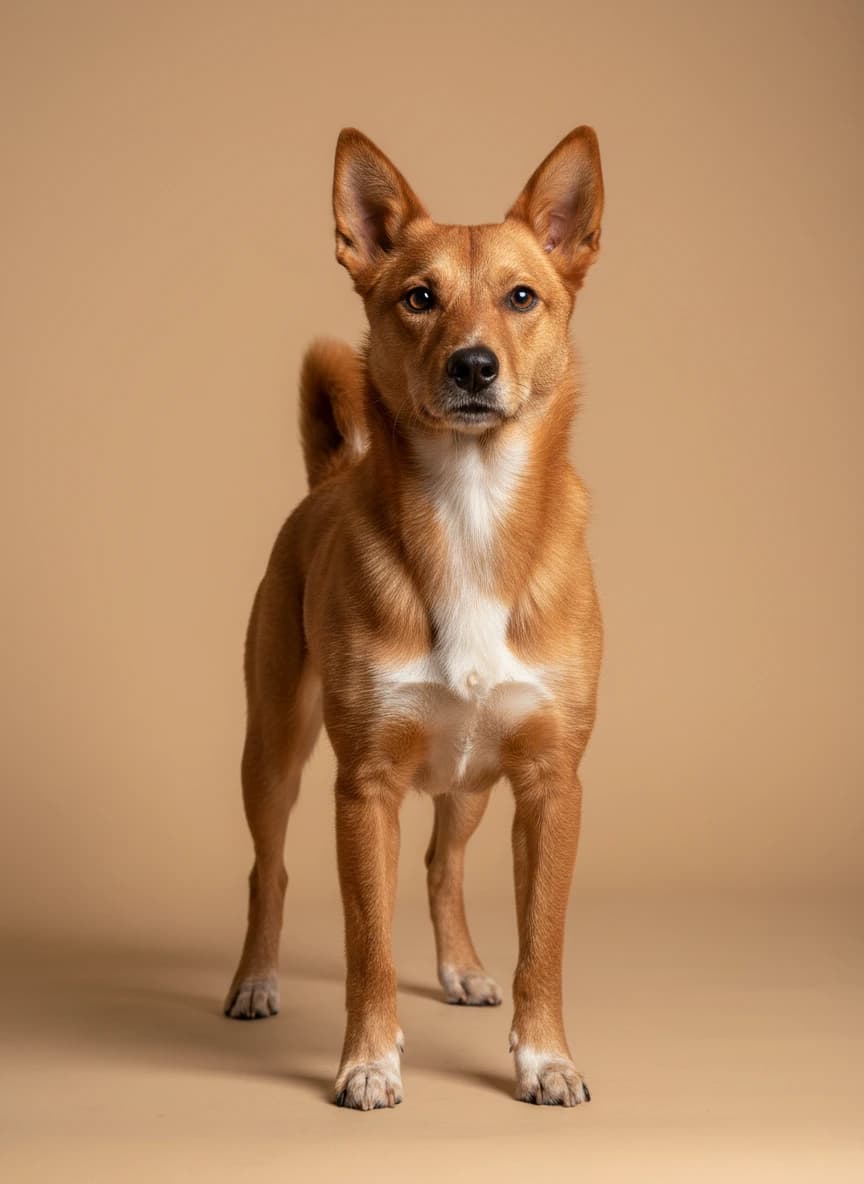
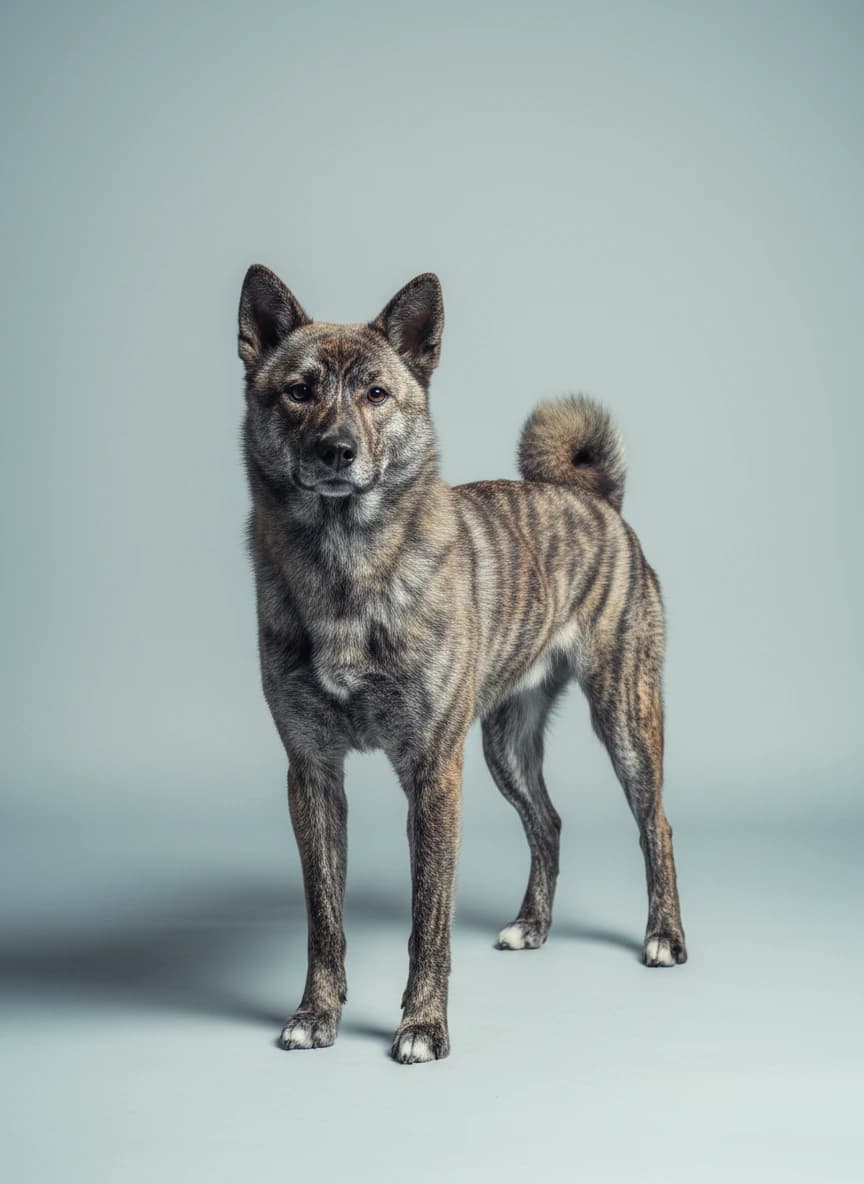
The Basenji is a captivating enigma, often described as part cat, part dog. They possess an independent, almost aloof charm, observing the world with intelligent, almond-shaped eyes. Instead of barking, they yodel, a truly unique sound that hints at their ancient lineage as African hunting dogs. This isn't a dog that lives to please; they thrive on mutual respect and mental stimulation. They are incredibly clean, fastidious groomers, and often seek the highest perch in a room. While affectionate with their chosen people, their mischievous nature and clever problem-solving skills mean a secure yard and consistent training are essential. They tend to form deep, unspoken bonds, communicating more through glances and subtle gestures than effusive displays.
Problemi frequenti
Controlli consigliati
Consulta il tuo veterinario di fiducia per un consiglio specifico per il tuo cane.
The Basenji is a captivating enigma, often described as part cat, part dog. They possess an independent, almost aloof charm, observing the world with intelligent, almond-shaped eyes. Instead of barking, they yodel, a truly unique sound that hints at their ancient lineage as African hunting dogs. This isn't a dog that lives to please; they thrive on mutual respect and mental stimulation. They are incredibly clean, fastidious groomers, and enjoy a good climb, often finding the highest perch in a room. While affectionate with their chosen people, their mischievous nature and clever problem-solving skills mean a secure yard and consistent training are essential. They form deep, unspoken bonds, communicating more through glances and subtle gestures than effusive displays.
Basenjis tend to be independent thinkers, which can make training challenging and require patience and consistency from someone with some dog experience. They possess high energy levels and benefit greatly from regular, vigorous exercise and mental stimulation to prevent boredom and destructive behaviors. These dogs often display clever problem-solving abilities and may test boundaries, so training should be engaging and reward-based. Their hunting heritage means they retain strong prey drive instincts. A secure yard is essential, and they may benefit from puzzle toys, scent games, and interactive activities that challenge their sharp minds.
Basenjis have low grooming needs and are naturally fastidious self-groomers, much like cats. Their short coat sheds minimally and typically requires only occasional brushing. They tend to be very clean dogs and often keep themselves well-groomed without frequent bathing. Regular nail trimming, ear checks, and dental care are recommended as part of routine maintenance, but this breed does not demand the extensive grooming commitment that many other dogs require.
Basenjis are best suited to homes that can provide space and secure outdoor areas. Their independent nature means they may not be constantly attention-seeking, though they form meaningful bonds with their families through subtle, unspoken communication. They communicate more through glances and gestures than enthusiastic displays of affection. Their unique yodeling vocalizations are a breed characteristic. They thrive in environments where they have room to exercise and mental enrichment opportunities. Prospective owners should be prepared for a dog that values autonomy and mutual respect over unwavering obedience.
The Basenji is best suited to individuals or families with some dog ownership experience who appreciate an independent spirit and are prepared to invest in consistent training and ample exercise. They excel in homes with secure outdoor space where they can safely satisfy their natural instincts. These dogs are ideal for people who respect canine autonomy rather than seeking a dog primarily motivated by pleasing their owner. They may be a good fit for those who enjoy the companionship of a clever, mischievous partner that communicates on their own terms. They are not recommended for those expecting instant obedience or constant overt affection.