Conosciuta anche come: Chien de Poitou, Poitou Hound

France
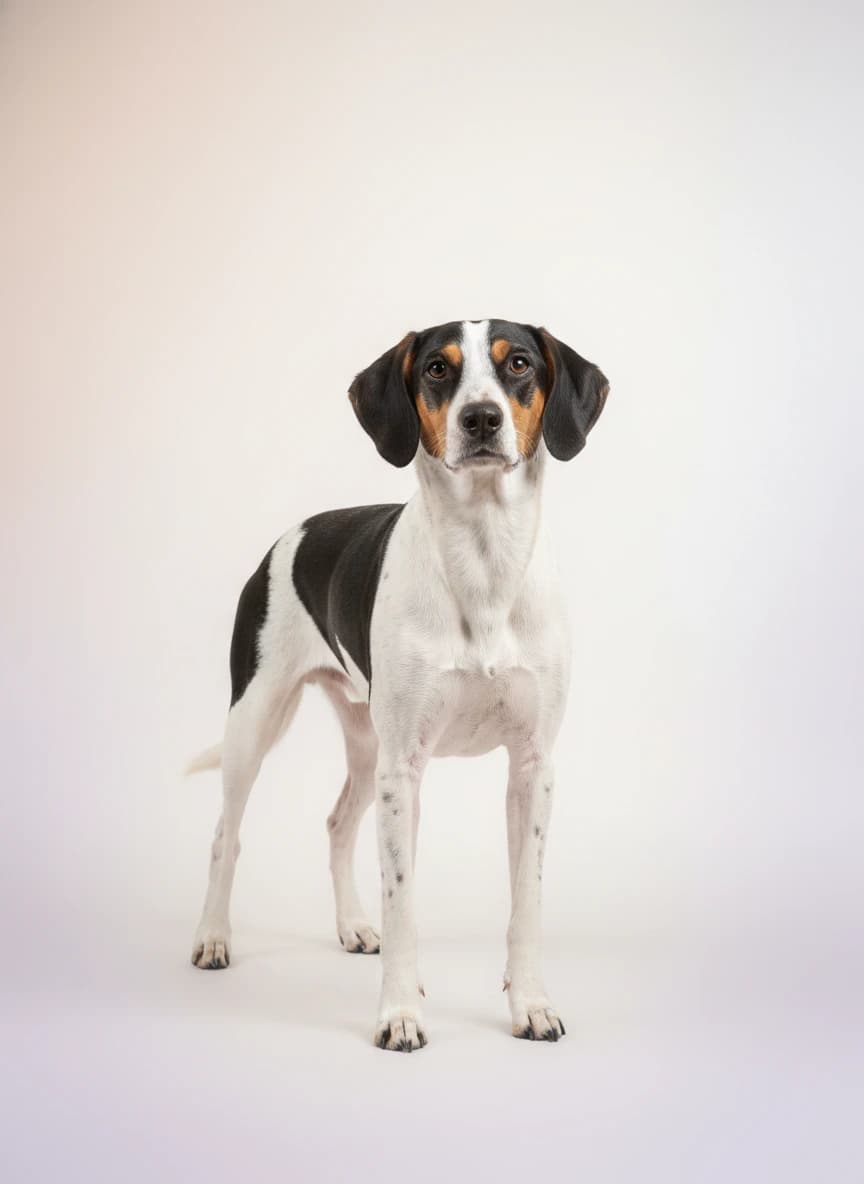
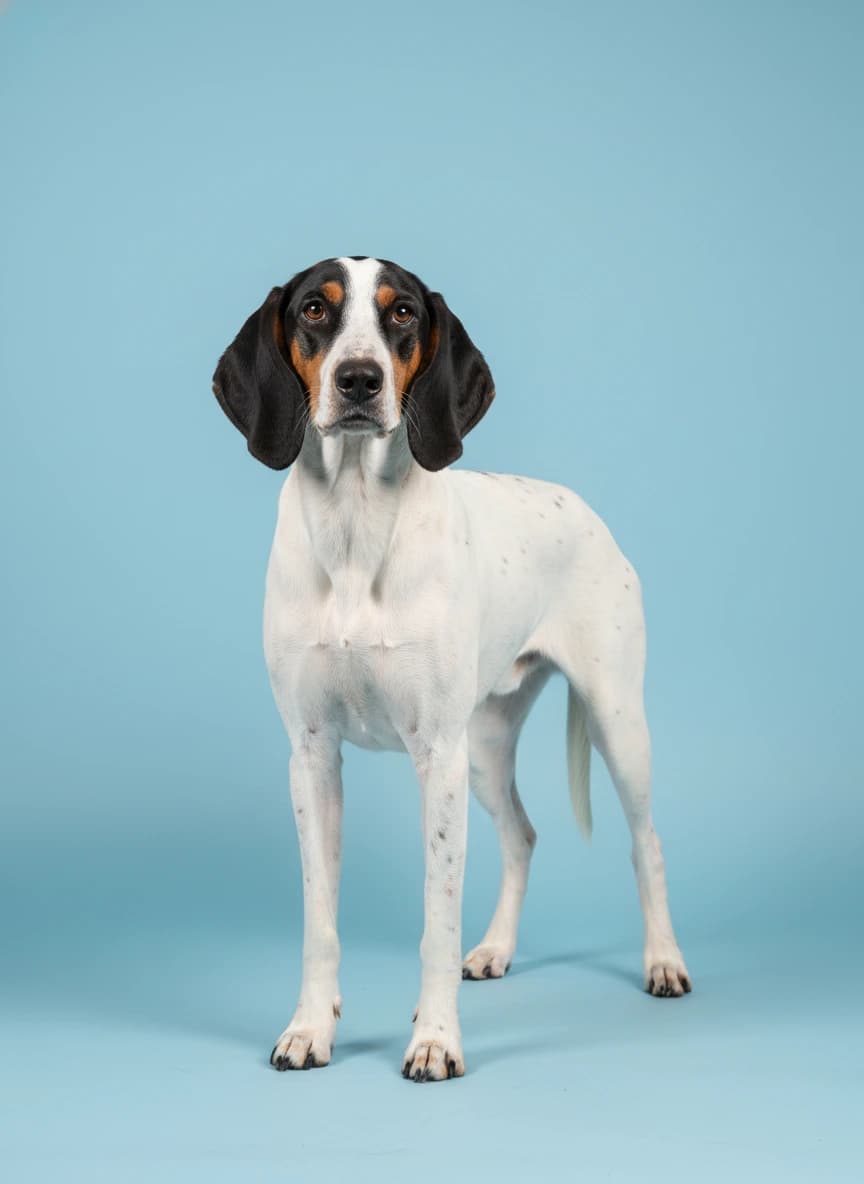
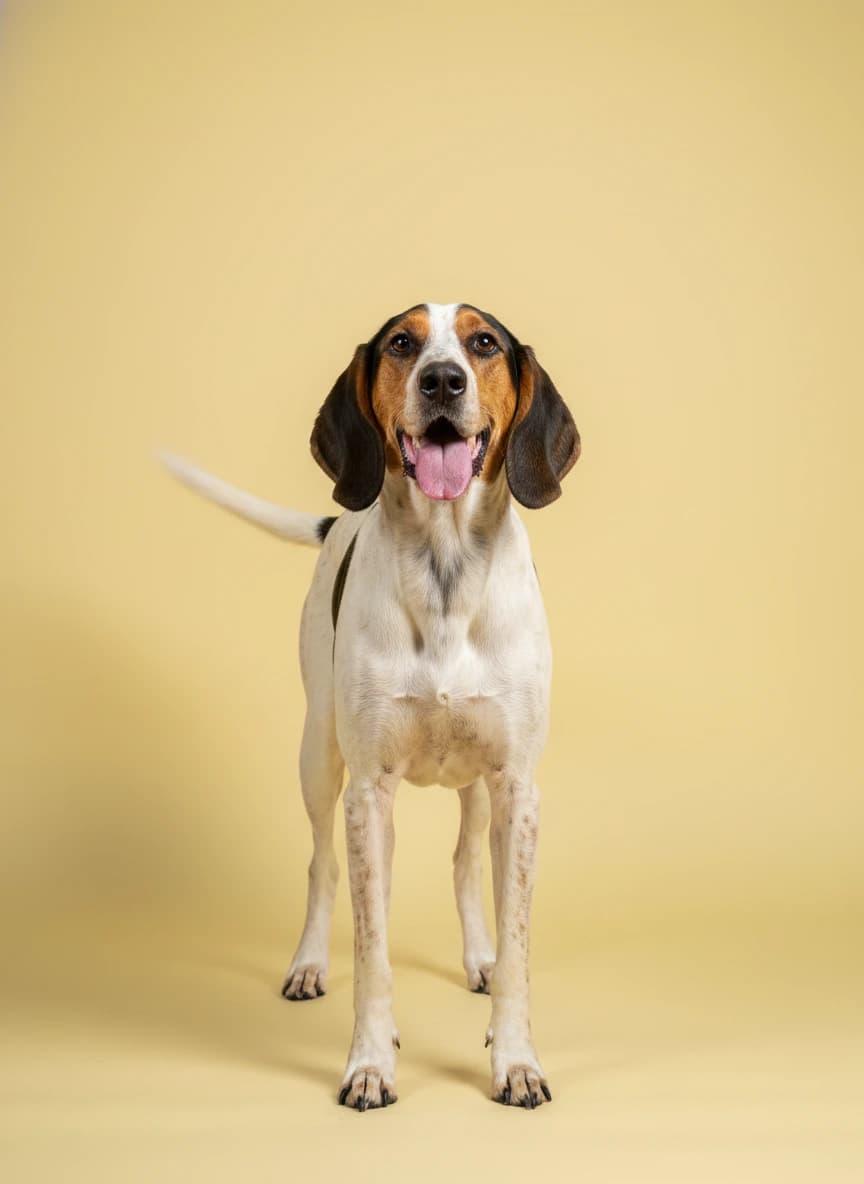
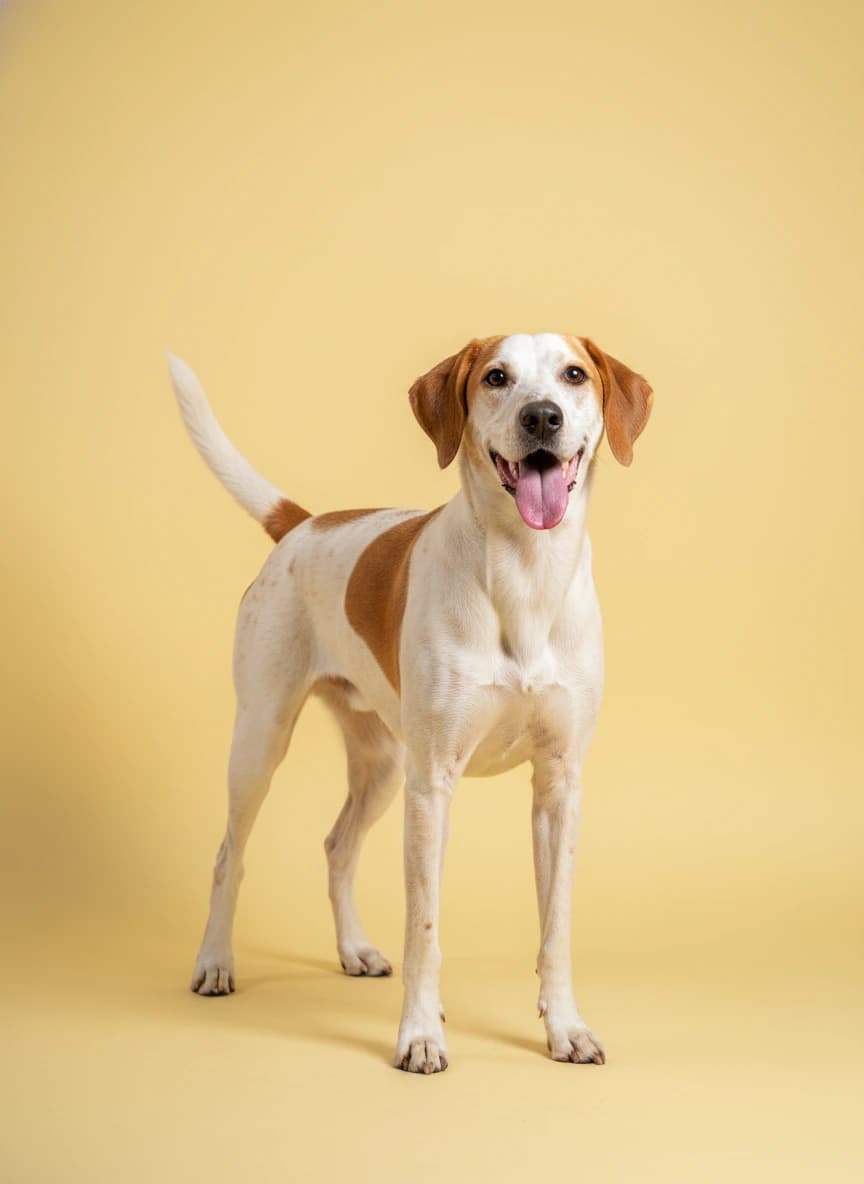
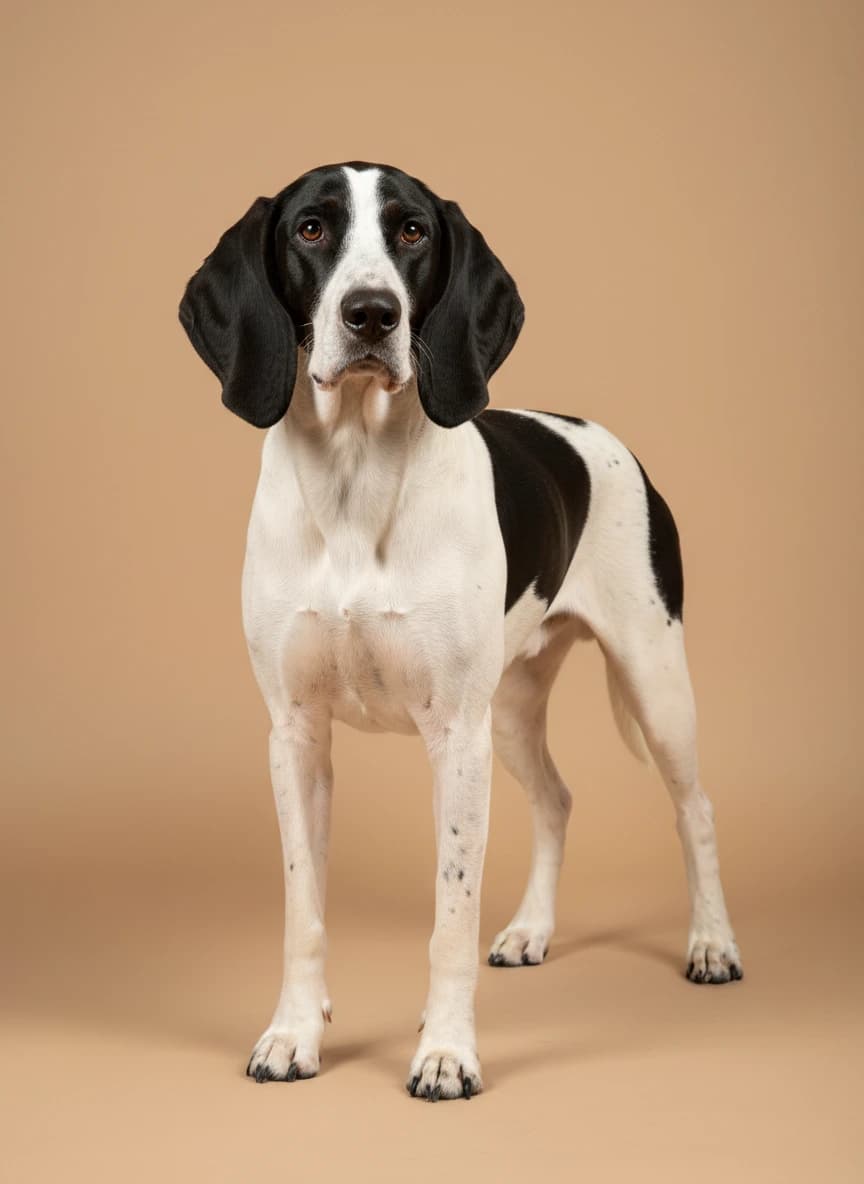
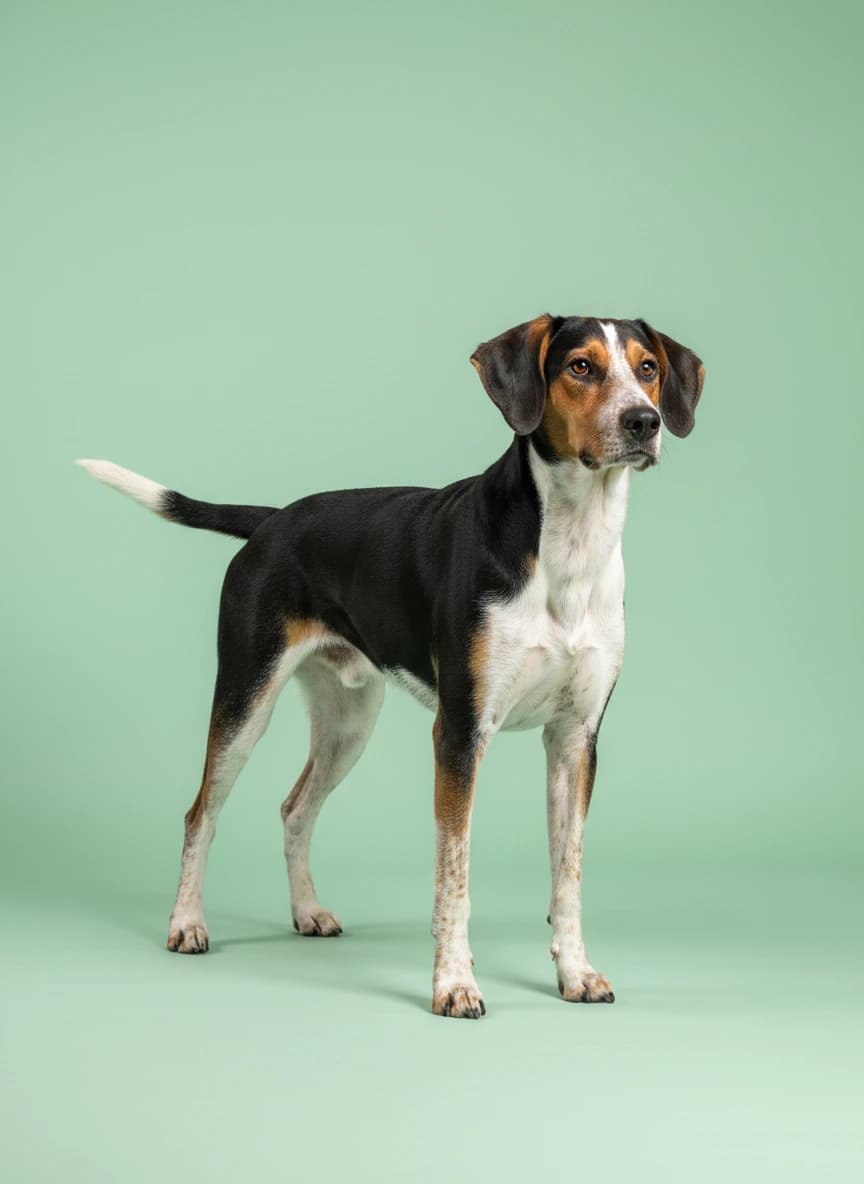
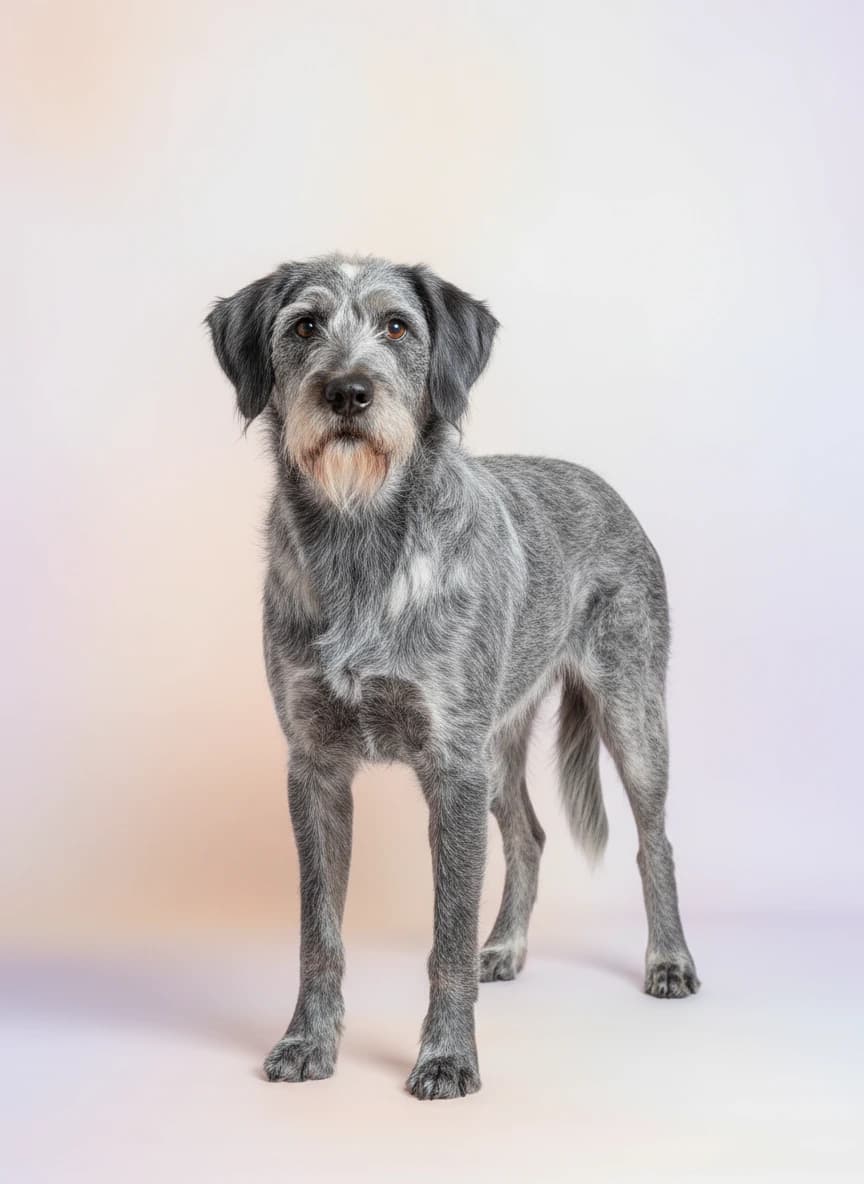
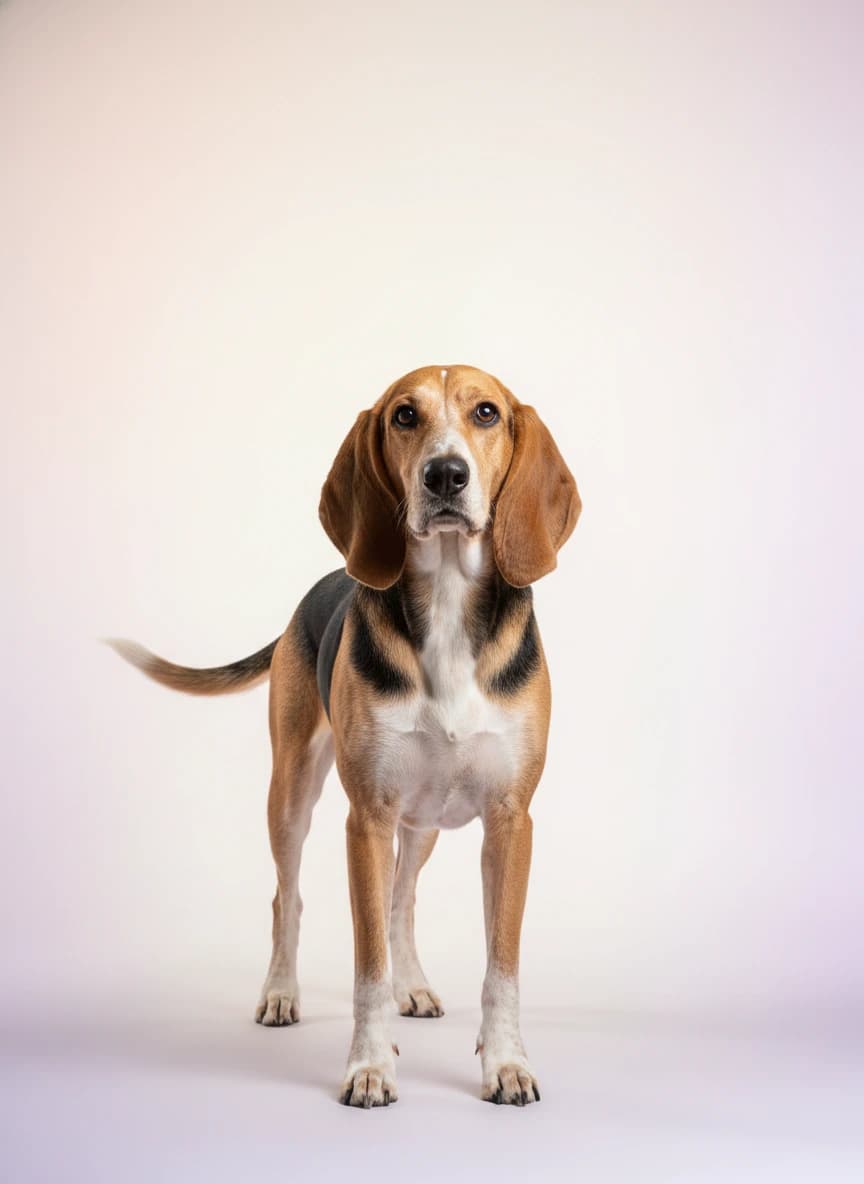
Le Poitevin est une tornade d'énergie de chien de chasse, une force inlassable sur le terrain et une âme étonnamment douce à la maison. Leurs voix sont résonnantes, conçues pour porter à travers de vastes plaines, alors attendez-vous à des annonces enthousiastes sur tout, du facteur à un écureuil dans la cour. Ces chiens prospèrent dans l'activité, leurs esprits et leurs corps ayant besoin d'un engagement constant. Sans travail ou exercice suffisant, ils peuvent devenir agités. Avec leurs humains, ils nouent des liens profonds et inébranlables, prodiguant de l'affection et recherchant une compagnie constante. Ils sont loyaux, intelligents et possèdent une endurance remarquable qui remonte à leurs jours de poursuite des cerfs à travers la campagne française.
Problemi frequenti
Controlli consigliati
Consulta il tuo veterinario di fiducia per un consiglio specifico per il tuo cane.
The Poitevin is a friendly, scent-driven hound with deep bonds to their family members. These dogs display the characteristic enthusiasm and independence of scenthounds, combined with surprising gentleness when at home with their people. Their voices are resonant and carry well, reflecting their heritage as pack hunters across French countryside—they tend to vocalize frequently and prominently, announcing everything from visitors to wildlife. Poitevins are intelligent and loyal, forming unwavering attachments to their humans while maintaining the driven focus of their hunting lineage. Without adequate engagement, their considerable energy and scent-tracking instincts can lead to restlessness.
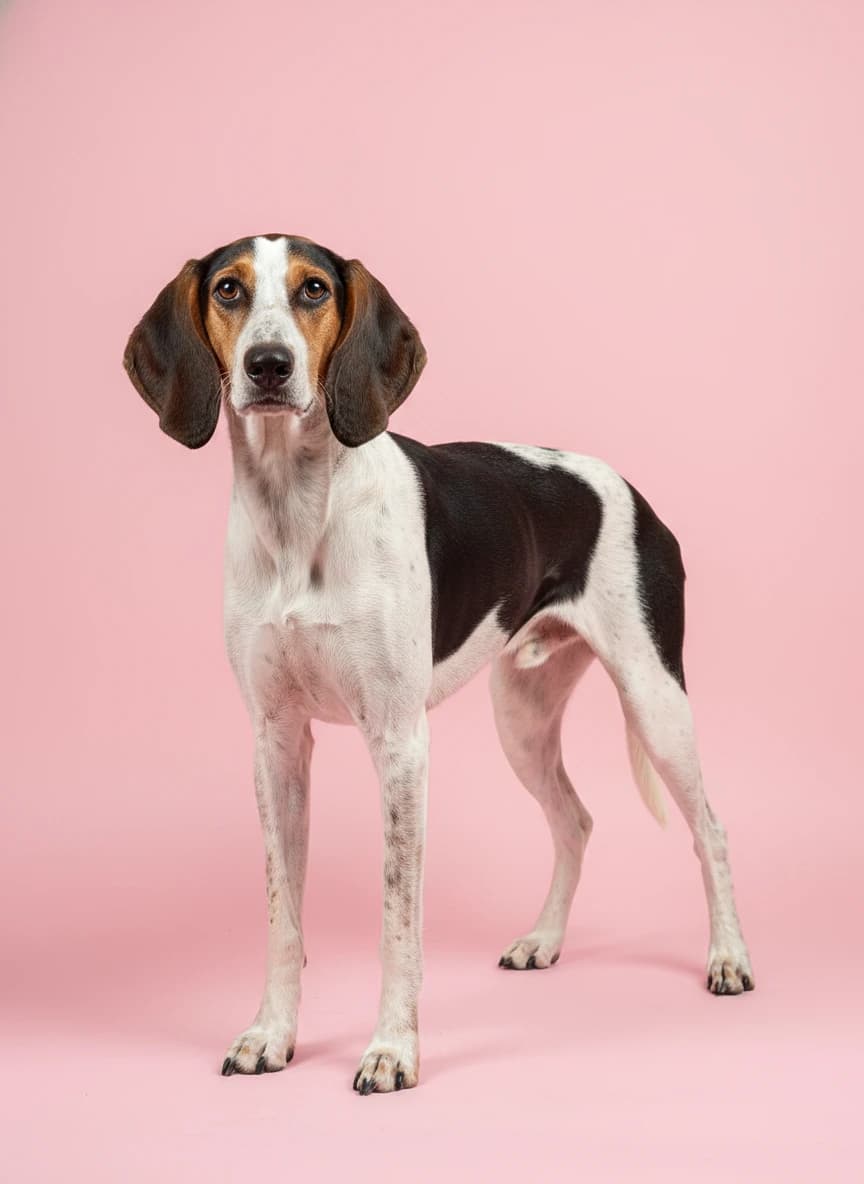
Poitevins require high levels of exercise and mental engagement to thrive. These hounds need substantial daily activity—long runs, extended walks, or opportunities to follow scent trails suit their nature well. They respond to training but with moderate trainability, displaying the independent streak common to scenthounds. Positive reinforcement works better than forceful methods, and training benefits from consistency and patience. Their strong prey drive and scent-tracking focus mean recall can be challenging; secure fencing and controlled off-leash situations are advisable. These dogs excel when given a job or purpose, whether field work, tracking activities, or structured canine sports. Without adequate exercise and mental stimulation, they may become destructive or develop unwanted behaviors.
Poitevins have low grooming needs, requiring occasional brushing to manage shedding and maintain coat health. Their drop ears, a breed characteristic, need regular inspection and cleaning to help prevent infections, which are common in scenthounds with pendant ears. Routine ear maintenance is important for their long-term comfort. Basic nail care, dental hygiene, and periodic baths support overall health. Monitoring their weight is advisable, as heavier bloodlines in the breed can be prone to weight-related concerns.
The Poitevin forms deep bonds with family members and thrives on companionship and activity. These dogs need substantial space to accommodate their size and high energy levels; they are not well-suited to apartment living without exceptional exercise opportunities. They do best in homes where they can access yard space and where their vocal nature is tolerated, as they are prone to enthusiastic barking and baying. Poitevins are generally friendly and can coexist with other dogs, though individual temperaments vary. Their strong prey drive should be considered around smaller pets. They tend to seek constant interaction with their people and may struggle with extended periods alone.
The Poitevin is ideal for active owners with some dog experience who can provide ample space, consistent exercise, and meaningful engagement. These dogs suit households where their vocal nature is acceptable and where family members enjoy outdoor activities. They thrive with owners who understand scent-hound behavior and can manage their independent streak with patience and positive methods. Poitevins are poor fits for sedentary lifestyles, apartment living, or owners sensitive to noise. They require owners committed to regular physical activity, mental stimulation, and companionship—these are not dogs content to be left alone for long periods or in confined spaces without adequate outlets for their energy and drive.