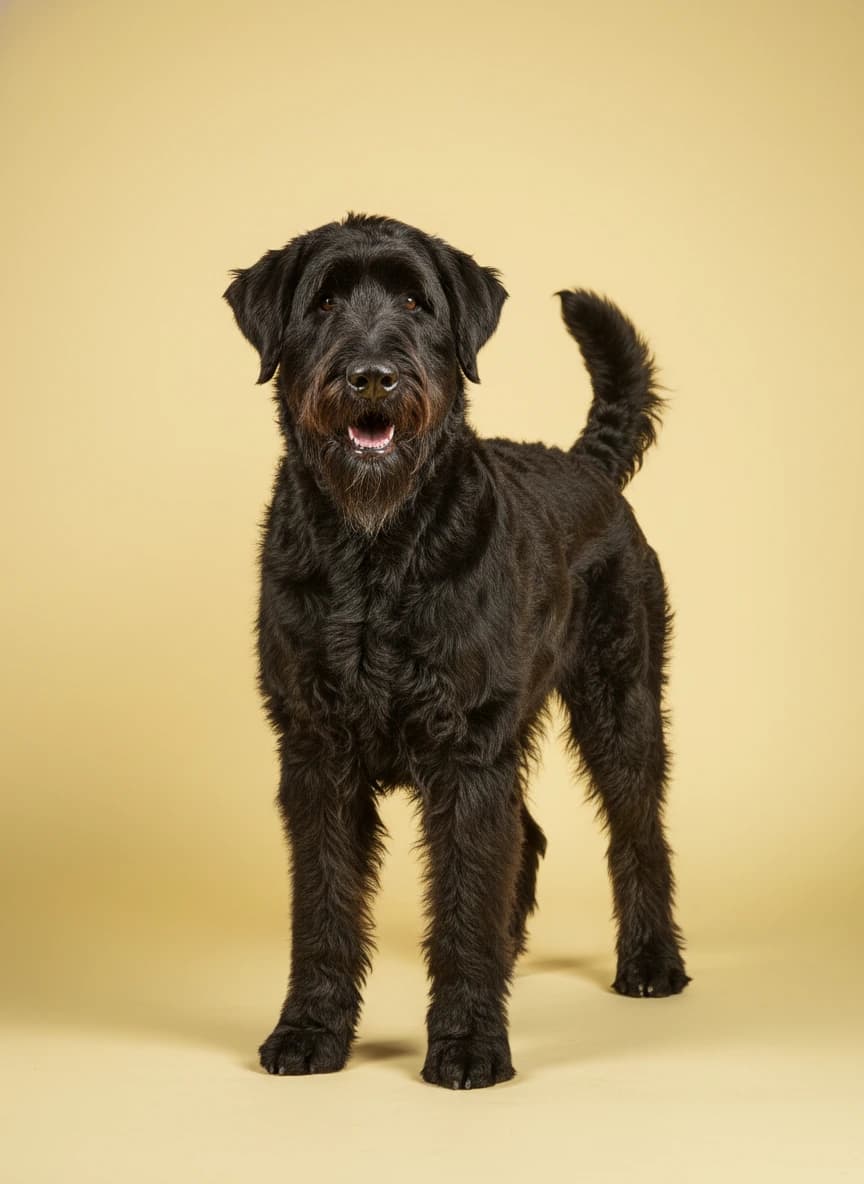
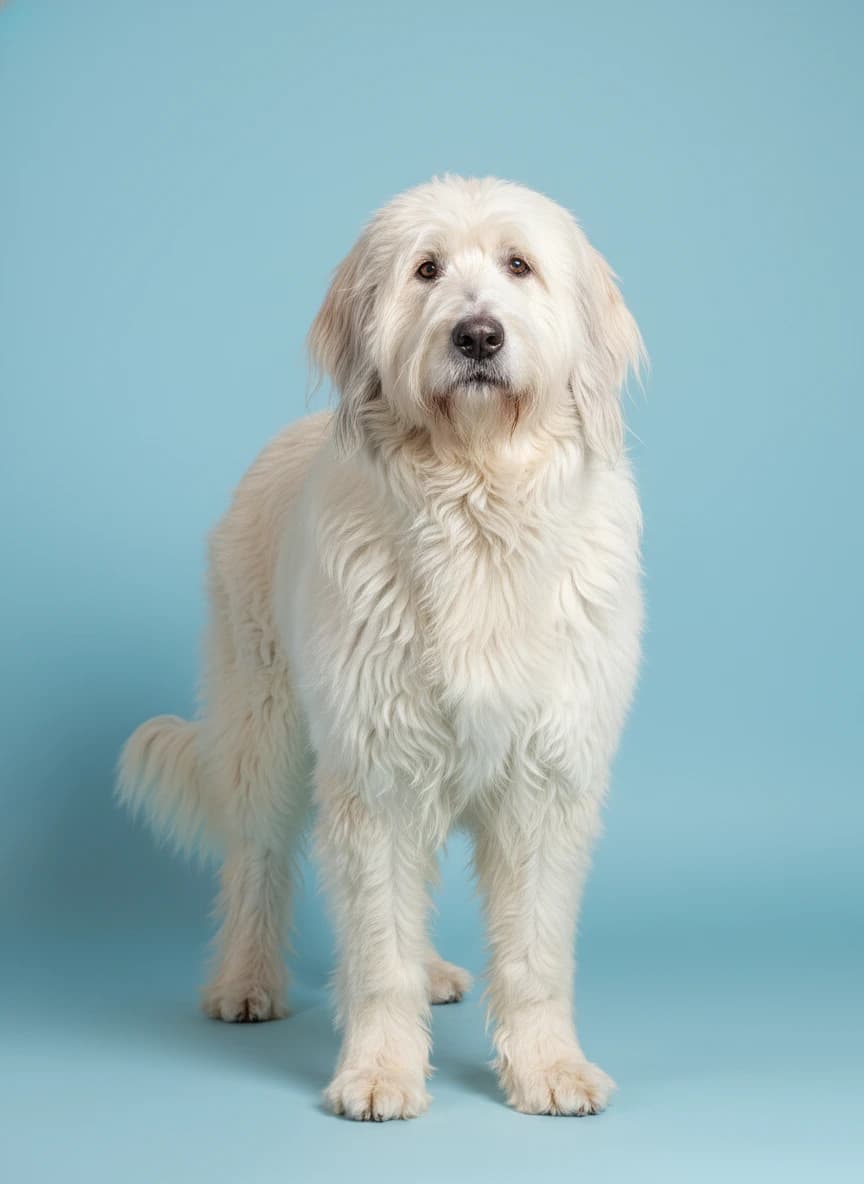
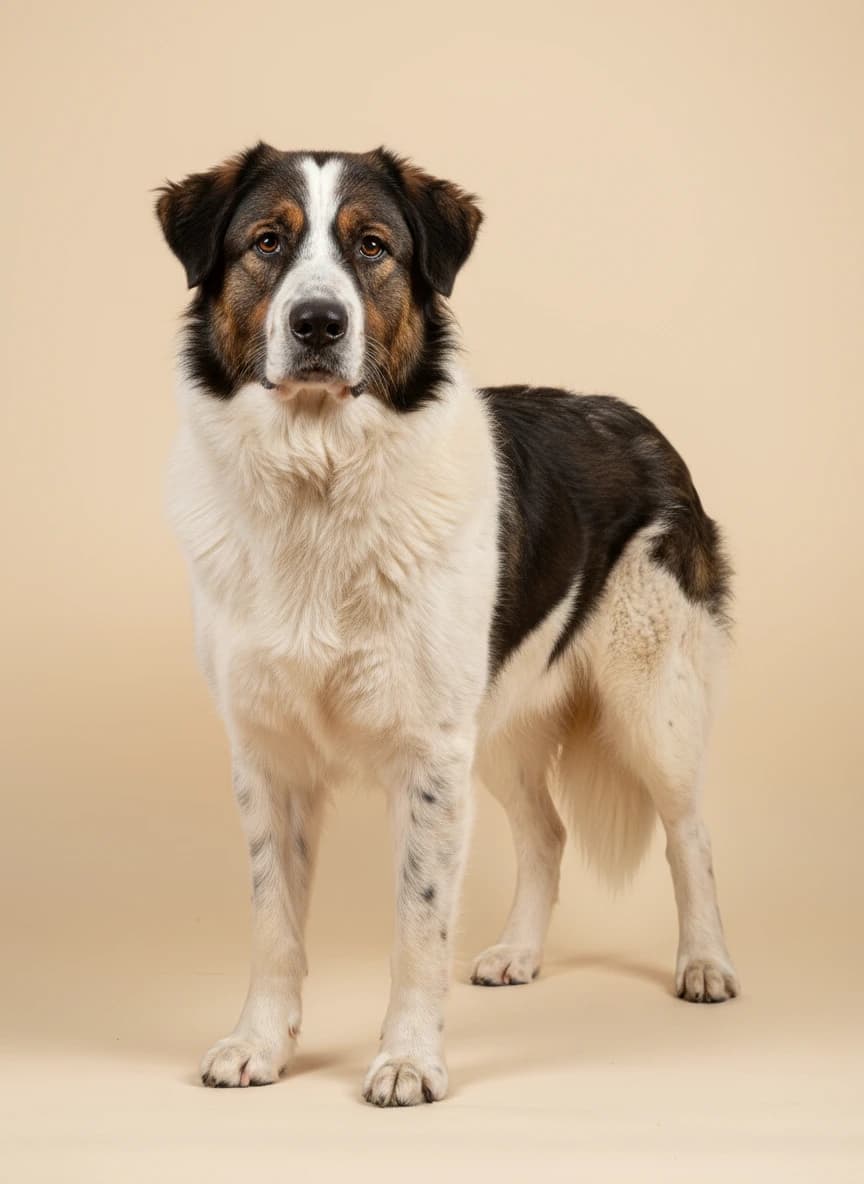
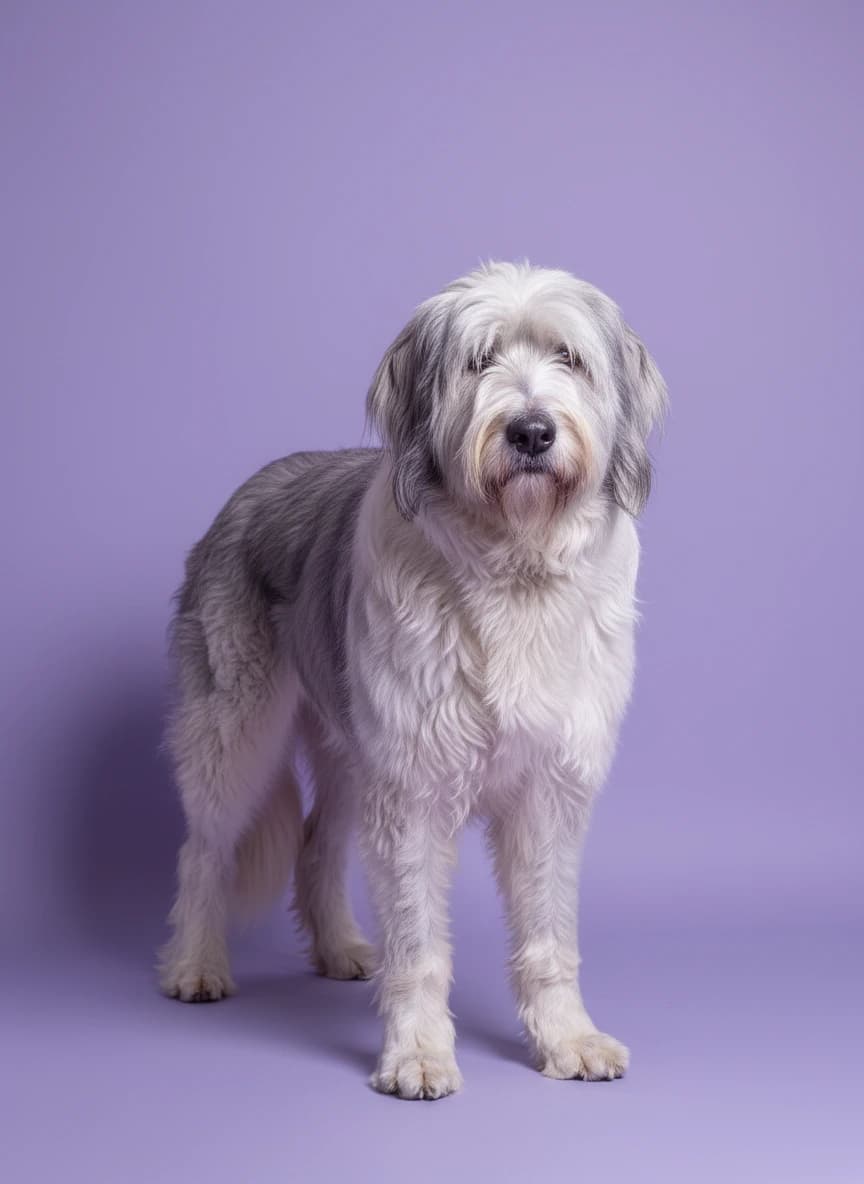
Zwarte Russische Terriër
Ook bekend als: BRT, Chornyi Terrier, Russkiy Chornyi Terrier
 Rusland
- Levensduur
- 12-15 j
- Gewicht
- 36-60 kg
- Beweging
- Gemiddeld
Rassenprofiel
- Grootte
- Reus
- Rastype
- Rashond
- Trainbaarheid
- Gemiddeld
- Vachtverzorging
- Gemiddeld
Beschrijving
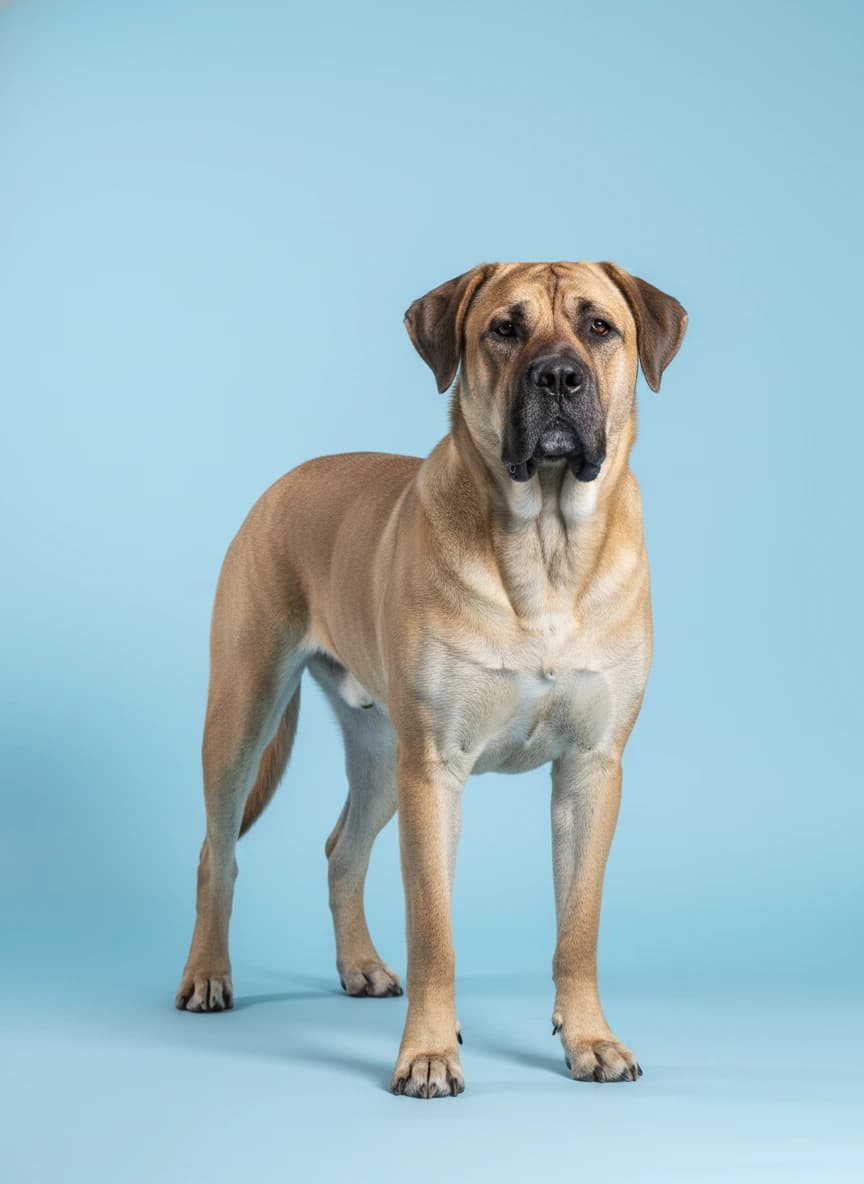
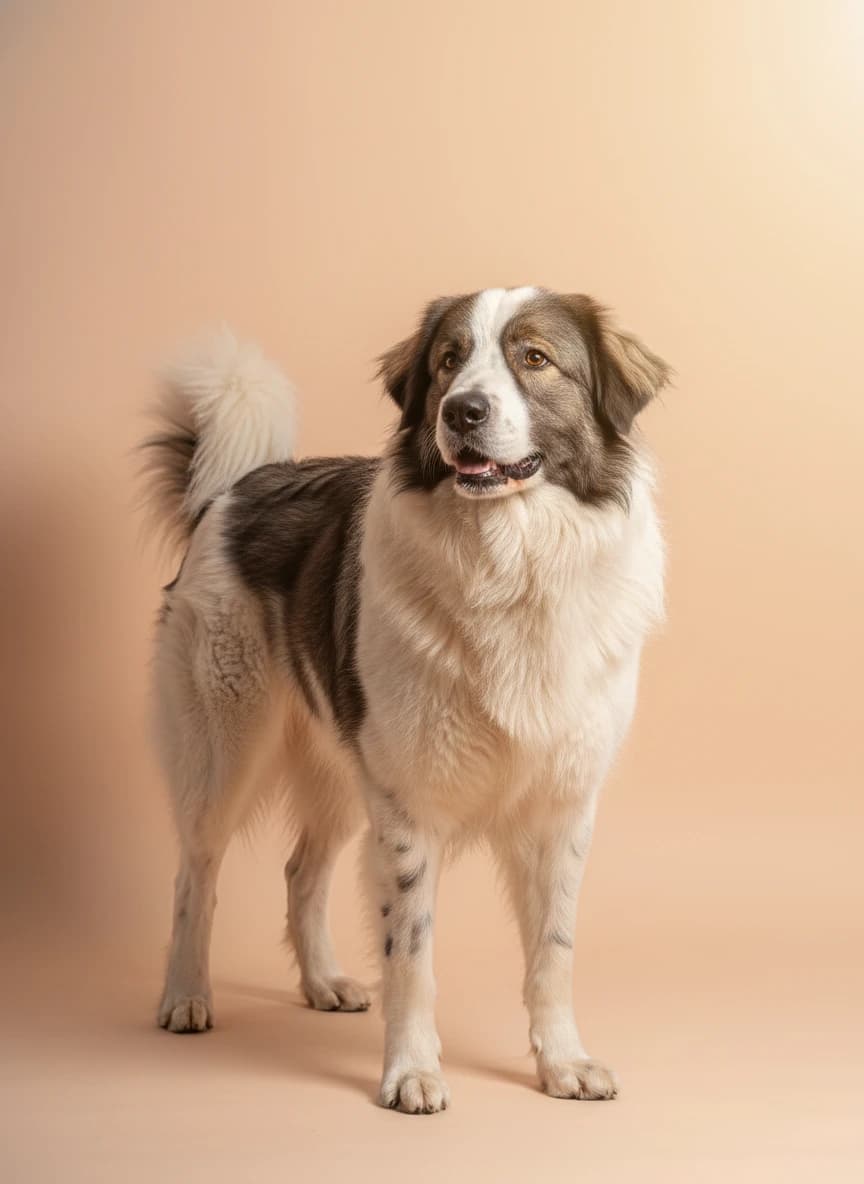
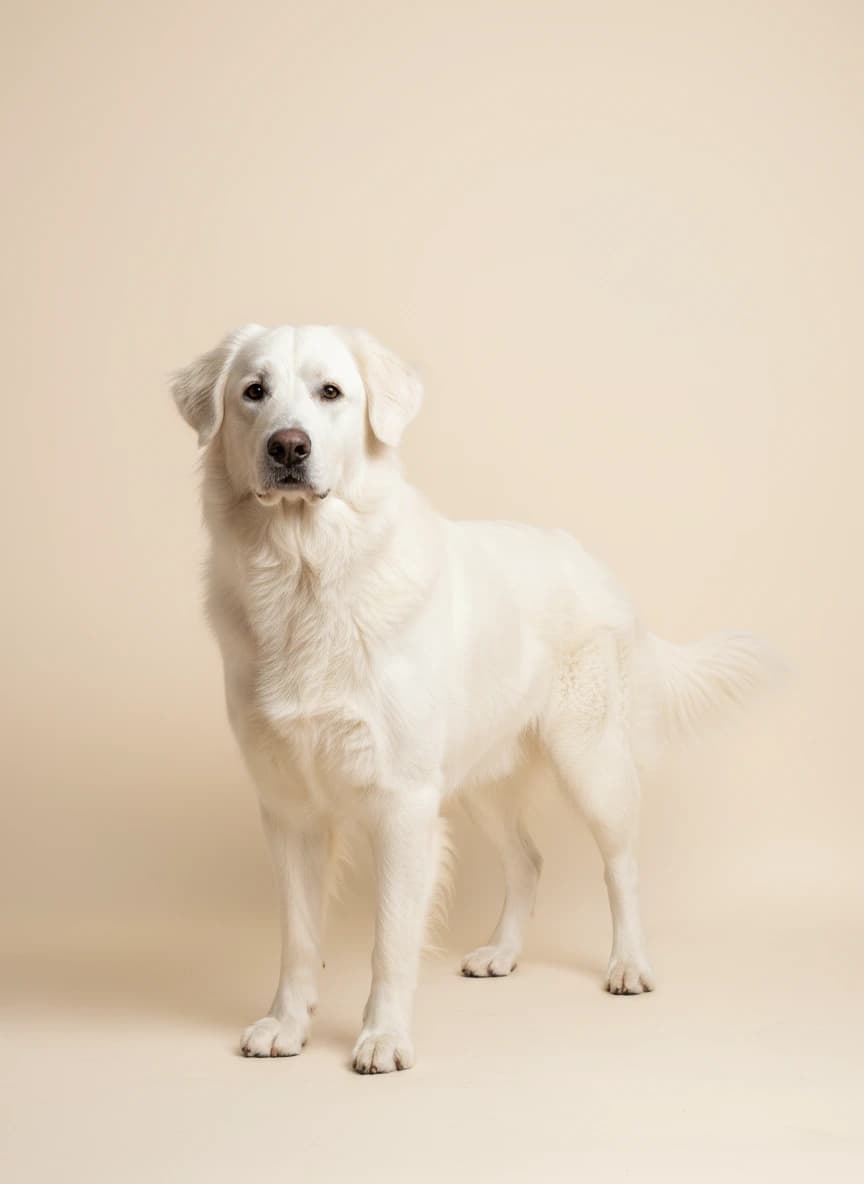
De Zwarte Russische Terriër is een indrukwekkende, zelfverzekerde metgezel, vaak beschreven als een "zachte reus" met een verrassend gevoel voor humor wanneer je zijn vertrouwen hebt gewonnen. Hun beschermingsinstincten zijn diep geworteld, voortvloeiend uit hun militaire erfenis, wat hen formidabele waakhonden maakt voor hun geliefde families. Hoewel niet erg emotioneel expresief, vormen ze ongelooflijk sterke, toegewijde banden, vaak hun favoriete persoon volgende. Ze gedijen het beste met een taak, of het nu het bewaken van het huis of deelname aan trainingen is, stellende een scherp intellect en een drang om te behagen tentoon. Vroeg, consistent training is cruciaal om hun krachtige wil in goede banen te leiden en ervoor te zorgen dat ze uitgroeien tot welgemanierde gezinsleden.
Gezondheid
Veelvoorkomende problemen
- Lensluxtatie
- Patellaire luxtatie
- Huidproblemen
Aanbevolen onderzoeken
- Oogonderzoek (CAER)
- PLL DNA-test waar van toepassing
- Patellaire onderzoek
- Huid-/vachtcontroles
Vraag je vertrouwde dierenarts om advies dat bij jouw hond past.
Temperament en persoonlijkheid
The Black Russian Terrier is a magnificent, self-assured companion often described as a "gentle giant" with a surprising sense of humor once they deem you worthy. Their protective instincts are deeply ingrained, stemming from their military heritage, making them formidable guardians for their beloved families. While not overly demonstrative, they tend to form incredibly strong, devoted bonds, often shadowing their favorite person. They exhibit bold, energetic, and feisty temperament traits that reflect their working dog ancestry. These dogs thrive on having a job to do, whether guarding the homestead or participating in training, and they display keen intelligence and a drive to please.