Ook bekend als: Patou, Chien de Montagne des Pyrenees, Pyrenese Bergershond

France,
Spain
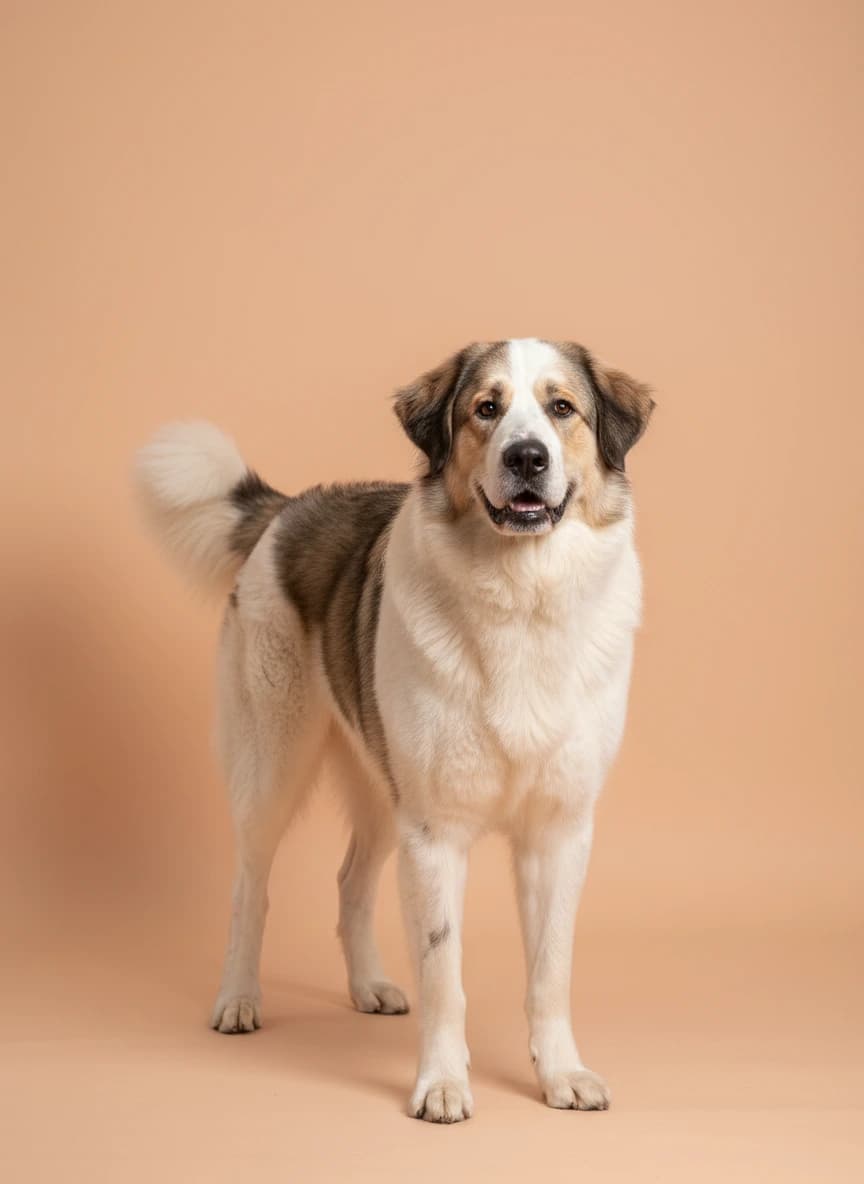
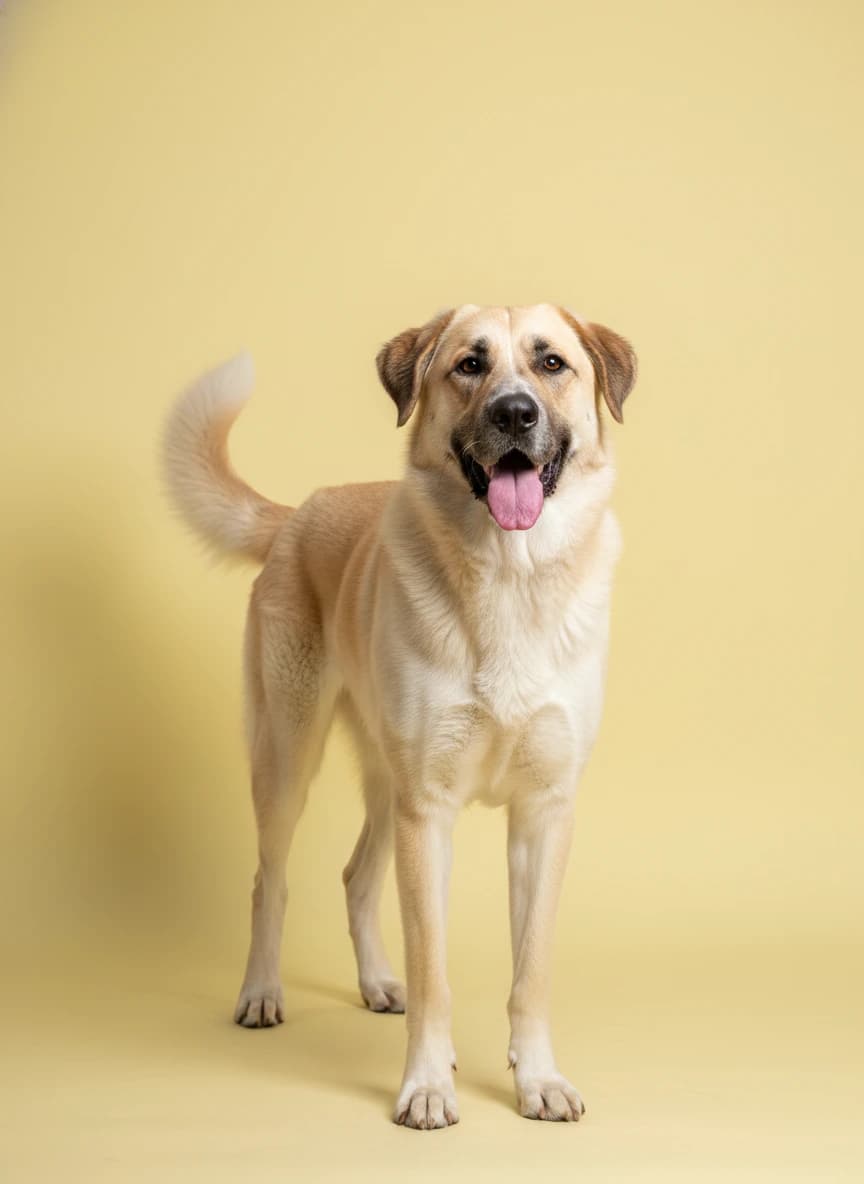
De Grote Pyreneeën functioneert als een zachte, toegewijde bewaker, altijd observerend met een kalme, waakzame blik. Hun immense omvang wordt geëvenaard door een nog groter hart, wat ongelooflijk sterke banden vormt met hun gezin, vooral met kinderen. Gefokt om kuddes in uitgestrekte bergketens te beschermen, behouden zij een onafhankelijke inslag en sterke beschermingsinstinct, en blaffen vaak diep tegen waargenomen bedreigingen. Het dagelijks leven met een Pyreneeën omvat geduldig leiderschap; zij zijn niet ijverig om hun best te doen, maar zullen een verzoek zorgvuldig overwegen. Hun serene houding kan bedrieglijk zijn; zij bezitten verrassende wendigheid en een diep geworteld verlangen om hun grondgebied te patrouilleren.
Veelvoorkomende problemen
Aanbevolen onderzoeken
Vraag je vertrouwde dierenarts om advies dat bij jouw hond past.
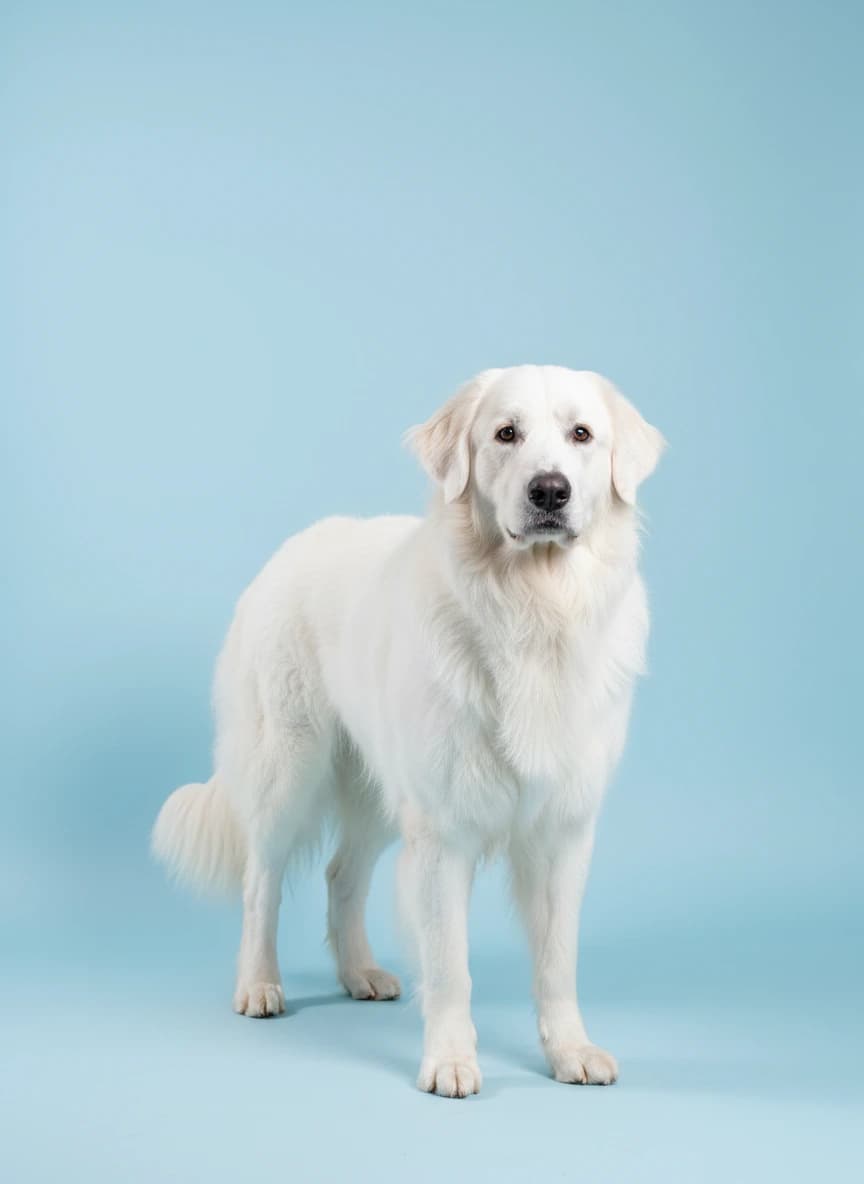
The Great Pyrenees is a gentle, confident guardian with a calm and watchful demeanor. Bred to protect flocks across vast mountain ranges, these giant dogs retain a strong protective instinct and an independent streak. They form deep bonds with their family and tend to observe situations thoughtfully before acting. Their serene nature belies surprising agility and a strong desire to patrol their territory. They are not typically eager to please but will consider requests thoughtfully, reflecting their heritage as autonomous working dogs.
Great Pyrenees require moderate daily exercise to maintain fitness and mental engagement. They are highly trainable but approach commands with thoughtful consideration rather than immediate obedience. Training benefits from patient, consistent leadership and clear expectations. These dogs thrive on having a purpose and may naturally gravitate toward patrolling behavior. Early socialization and ongoing exposure to various situations help shape their protective instincts constructively. Mental stimulation through varied activities tends to be as important as physical exercise for this thoughtful breed.
Great Pyrenees have low grooming needs relative to their size. Their double coat sheds seasonally, with heavier shedding periods during coat changes. Regular brushing during shedding seasons helps manage loose hair. Routine nail trimming, ear cleaning, and dental care remain important maintenance tasks. Their size requires attention to joint health through appropriate exercise and weight management. Discussing preventive care and early warning signs of potential health concerns with a veterinarian is advisable, particularly regarding their deep-chested conformation.
These giant dogs need substantial space and do best in homes where they can move freely and observe their surroundings. Great Pyrenees tend to be vocal, often barking deeply at perceived threats or during their nighttime patrols. They are naturally inclined to guard their territory, which may include barking at passing pedestrians, animals, or unfamiliar sounds. Their independent nature means they may not follow every command immediately. They tend to be calm indoors but benefit from secure fencing and an environment where their protective instincts can be managed constructively. Patient ownership and clear boundaries help them thrive in family settings.
Great Pyrenees are best suited for experienced dog owners who can provide patient, consistent leadership and appreciate their independent nature. They require ample space, ideally with secure fencing, and do not adapt well to small living quarters. Potential owners should be comfortable with significant barking and understand that this breed was developed to make autonomous decisions. These dogs are not suitable for apartments or homes where excessive vocalization is problematic. They thrive with owners who respect their working heritage and can channel their protective instincts appropriately. Families should be prepared for substantial shedding and the physical demands of caring for a giant breed.