Ook bekend als: Toller, Kleine Rode Eendenjonger

Canada (Nova Scotia)
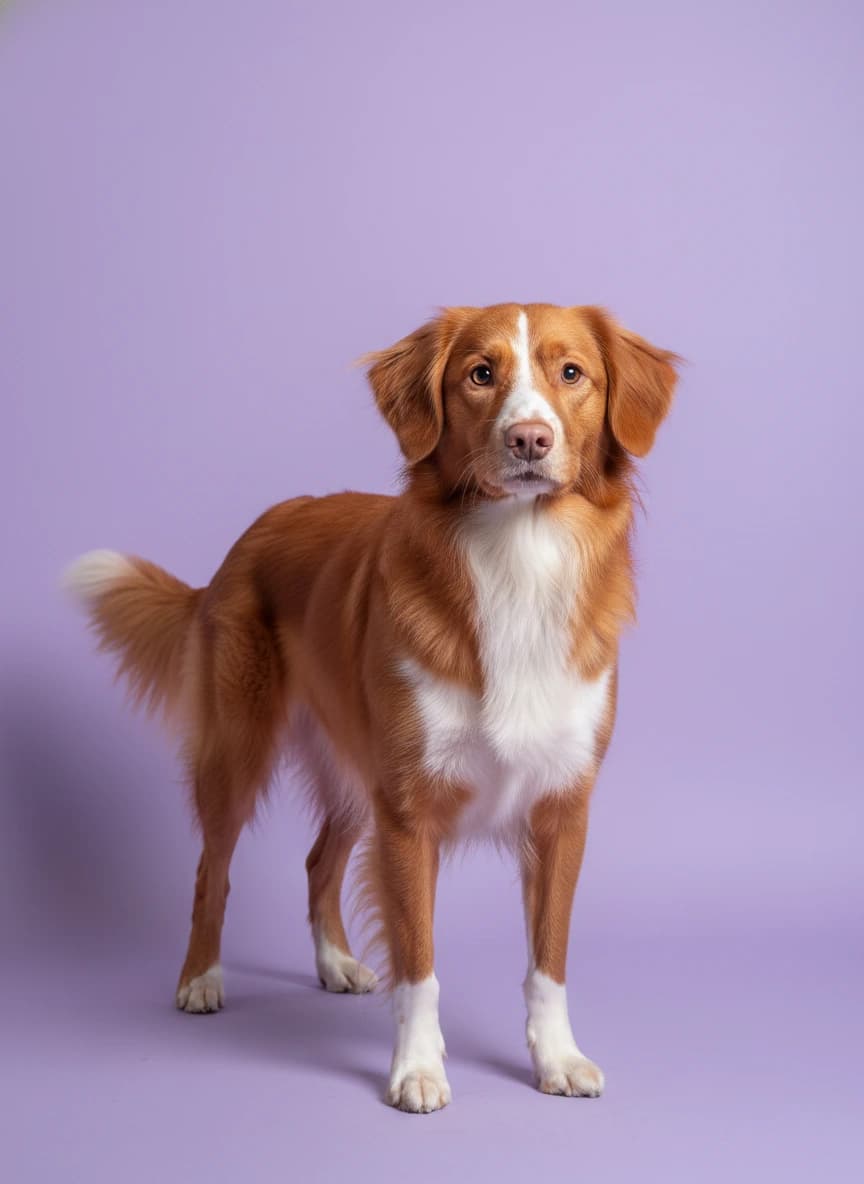
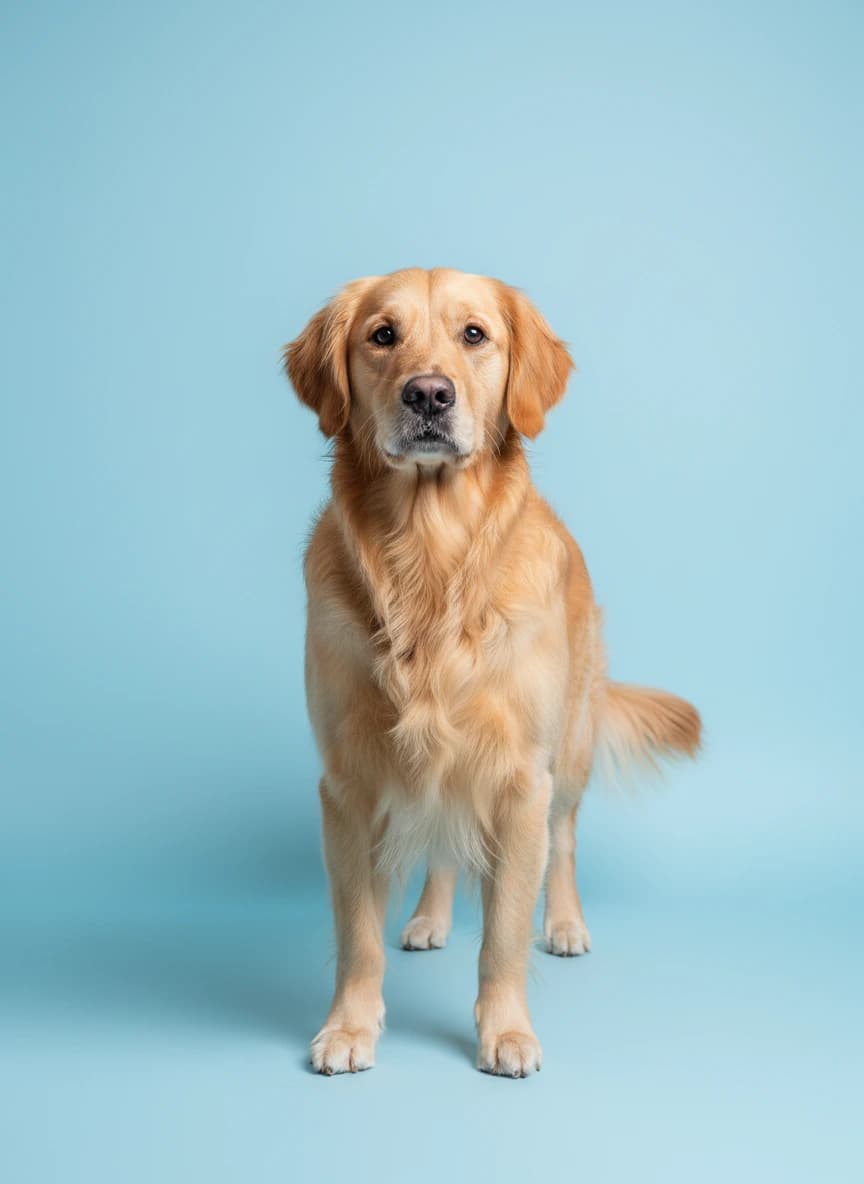
De Nova Scotia Duck Tolling Retriever is een levendige, intelligente metgezel die gedijt met een doel. Het is de hond die voortdurend een speelgoed in je hand duwt, met een waaierende staart. Tollers bezitten een unieke "tolling"-activiteit: een betoverende, vosachtige dans die wordt gebruikt om watervogels in schietbereik te lokken, en deze sluwheid vertaalt zich in hun dagelijks leven. Ze hebben boeiende activiteiten nodig om verveling en hun karakteristieke, schel "Toller-geschreeuw" te voorkomen. Zeer affectief met hun familie, vormen ze sterke bindingen maar kunnen gereserveerd zijn met vreemden. Een Toller is een toegewijde partner voor een actief, betrokken gezin.
Veelvoorkomende problemen
Aanbevolen onderzoeken
Vraag je vertrouwde dierenarts om advies dat bij jouw hond past.
The Nova Scotia Duck Tolling Retriever is a vibrant, intelligent companion driven by purpose and energy. These dogs tend to be active, friendly, and people-pleasing, consistently nudging toys into their family's hands with enthusiasm. Tollers are highly affectionate with their families and form strong bonds with those they know well, though they may be reserved upon meeting strangers. Their distinctive intelligence shines through in their natural "tolling" behavior—a fox-like dance historically used to lure waterfowl—which often translates into clever problem-solving and interactive play in daily life. Without sufficient mental and physical engagement, Tollers may develop unwanted behaviors, including their characteristic high-pitched vocalization sometimes called the "Toller scream."
Tollers are highly trainable and respond well to engaged, consistent instruction. Their intelligence and people-pleasing nature make them eager learners, though they require an owner willing to provide ongoing mental stimulation and direction. These dogs thrive on purposeful activities and benefit greatly from regular, vigorous exercise to channel their high energy levels. Without adequate outlets, they may become frustrated or destructive. Training should begin early and continue throughout their lives, incorporating both obedience work and interactive games that engage their problem-solving abilities. Tollers excel when given a "job" to do, whether that involves retrieving, agility, or other dog sports.
Tollers have moderate grooming needs. Their double coat sheds seasonally and requires regular brushing to manage loose hair and maintain coat health. Bathing every 4–6 weeks is typical, though frequency may increase during heavy shedding periods. Like many retrievers and spaniels, Tollers are prone to ear infections due to their floppy ears, so regular ear checks and cleaning are important preventive measures. Dental care, nail trimming, and general hygiene should be part of routine maintenance. Their active lifestyle means paws and skin should be checked regularly, particularly after outdoor activities.
Tollers need adequate space to move and play, making them better suited to homes with yards rather than apartments or very small living quarters. Their high energy and intelligence demand an engaged household where family members are willing to spend time on training, exercise, and interactive play. These dogs form strong family bonds and tend to be affectionate with their people. They may be reserved with strangers, so early socialization is valuable. Tollers benefit from homes where someone is regularly available to provide attention and stimulation, as prolonged isolation may lead to behavioral issues or excessive vocalization.
A Toller is an excellent fit for an active, experienced dog owner or family who values engagement and can commit to consistent training and exercise. This breed suits homes with space for play and a lifestyle that includes outdoor activities or dog sports. Potential owners should be prepared for their distinctive vocalizations and their need for mental stimulation. If you enjoy an intelligent, affectionate companion who thrives on purpose and interaction, and you have the time and energy to match their enthusiasm, a Toller could be an ideal match. They are less suited to sedentary lifestyles, homes without yard space, or first-time dog owners unfamiliar with high-drive breeds.