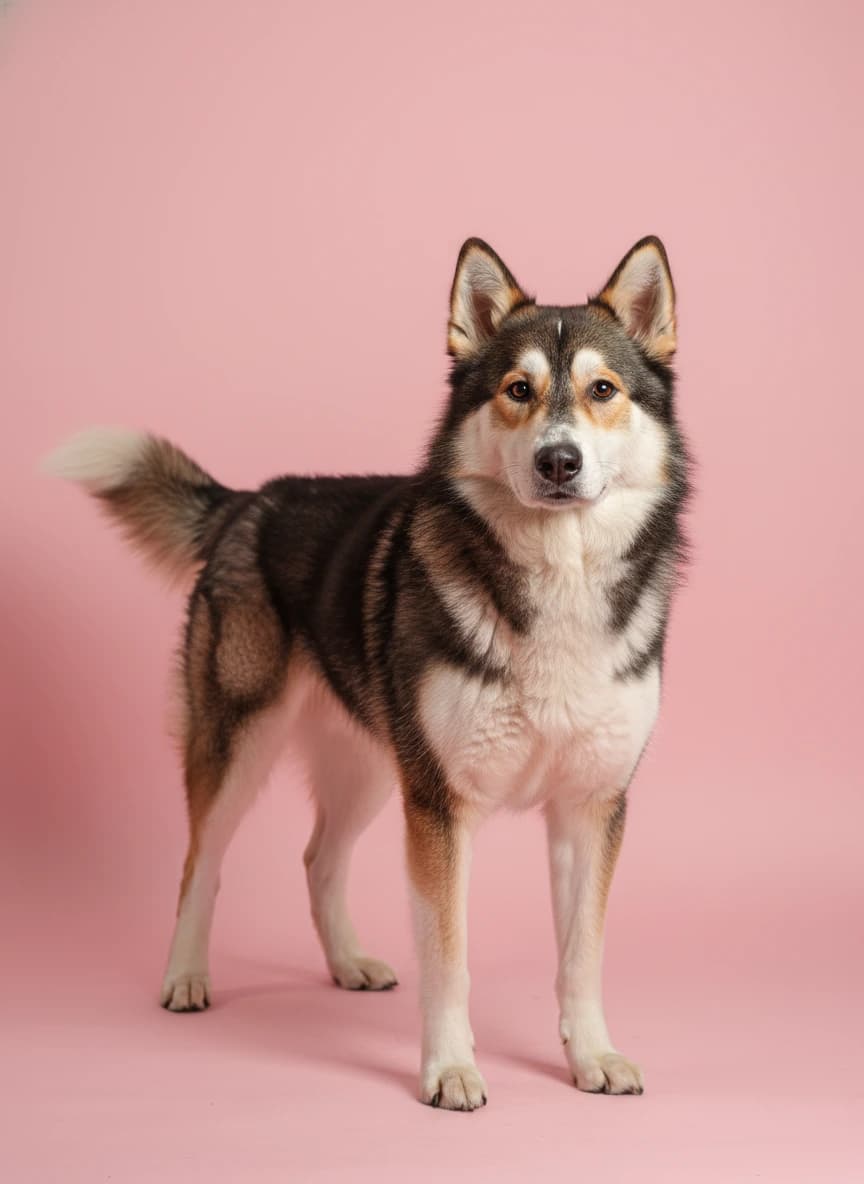
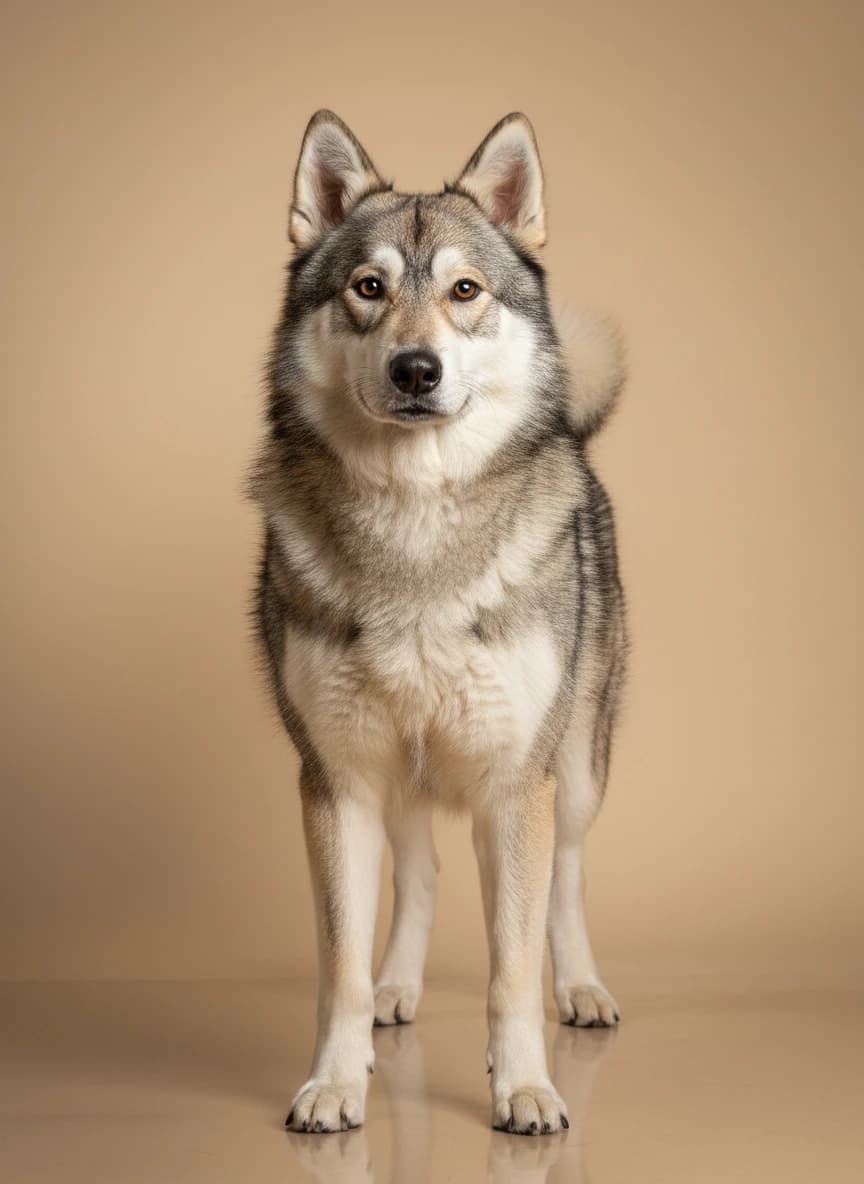
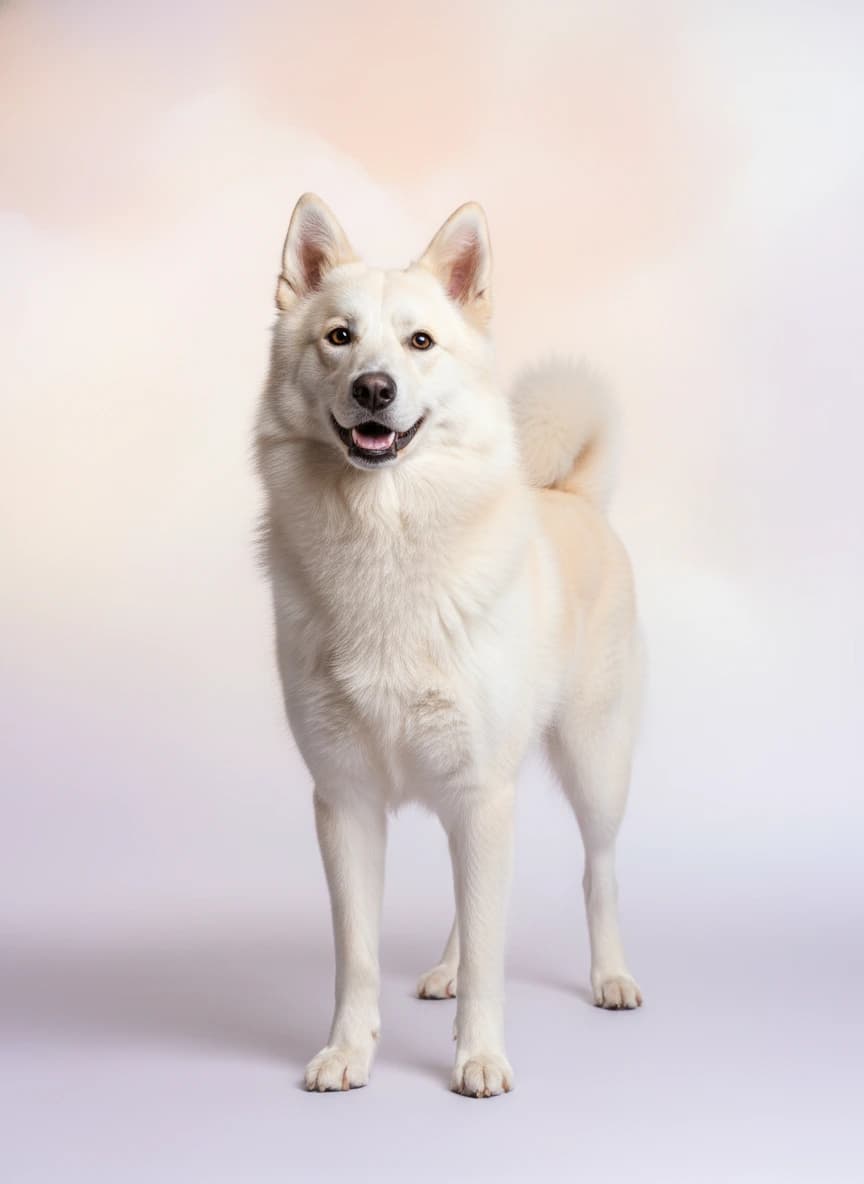
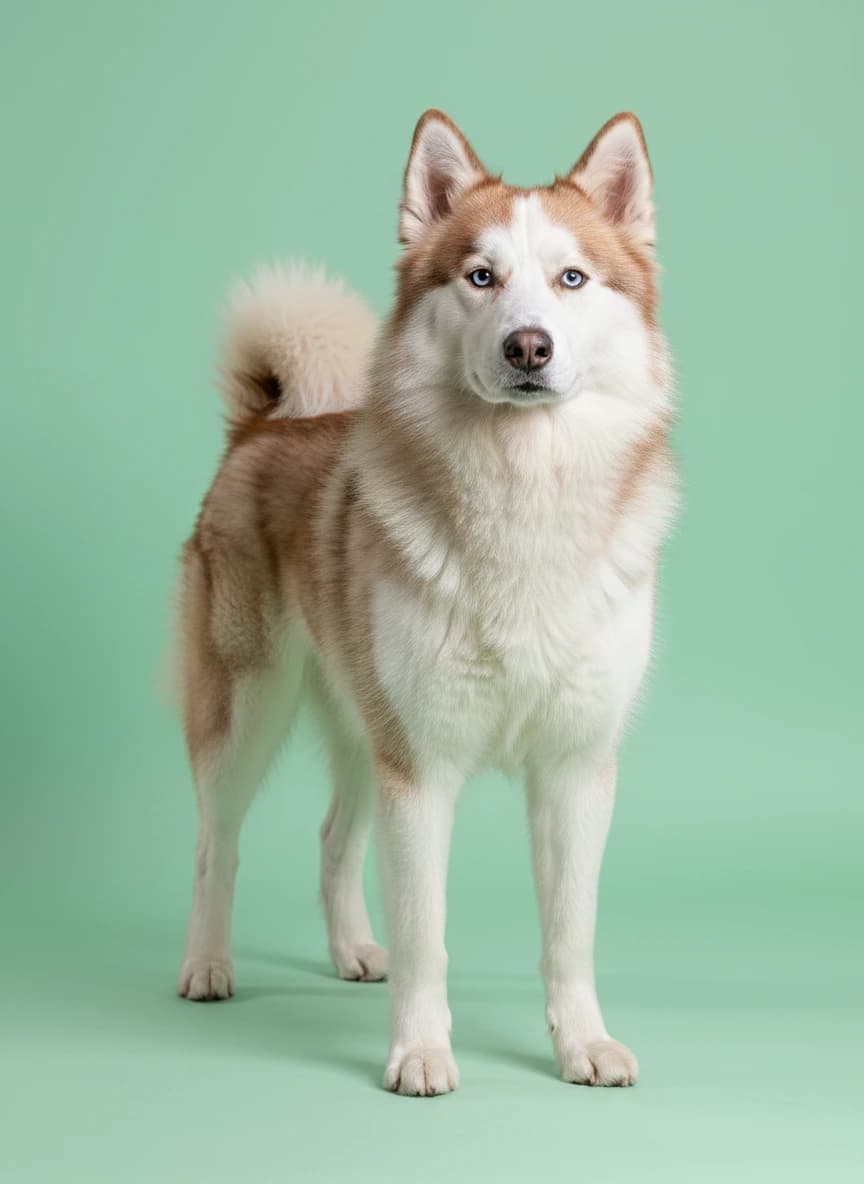
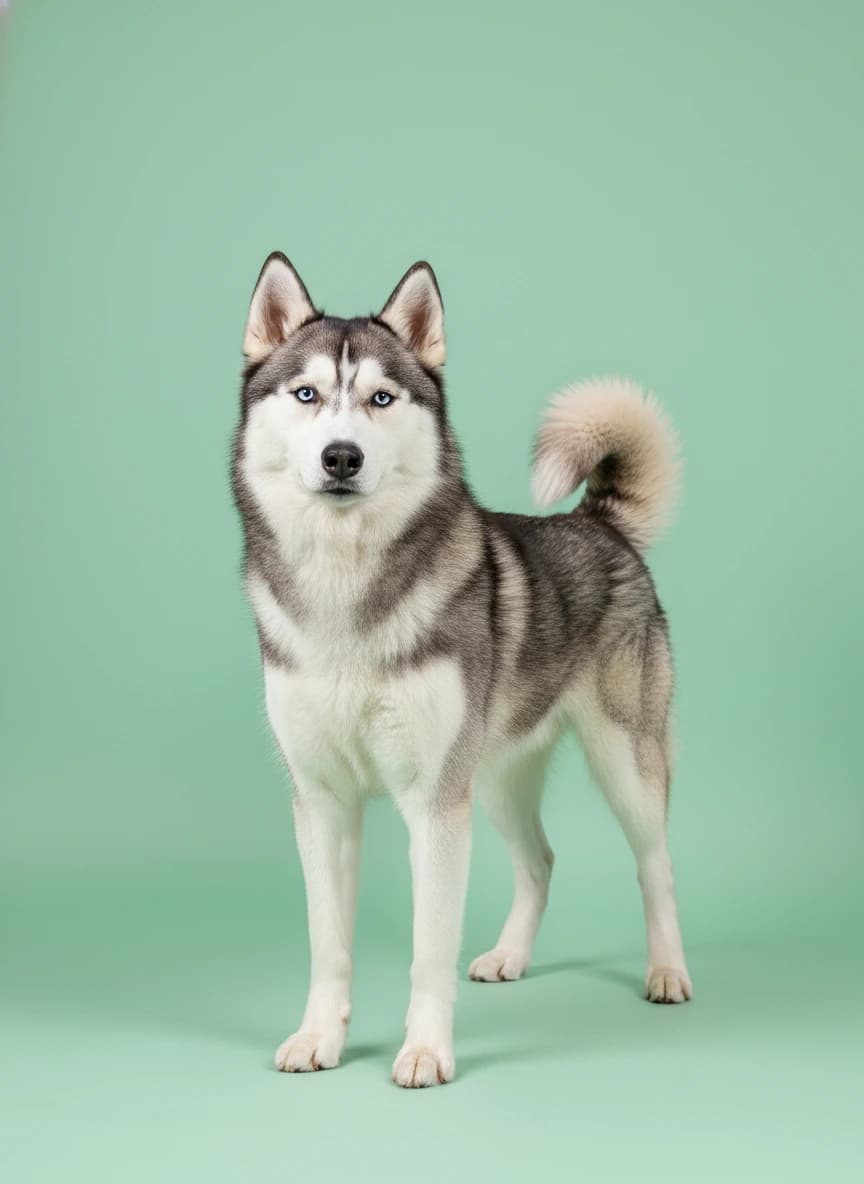
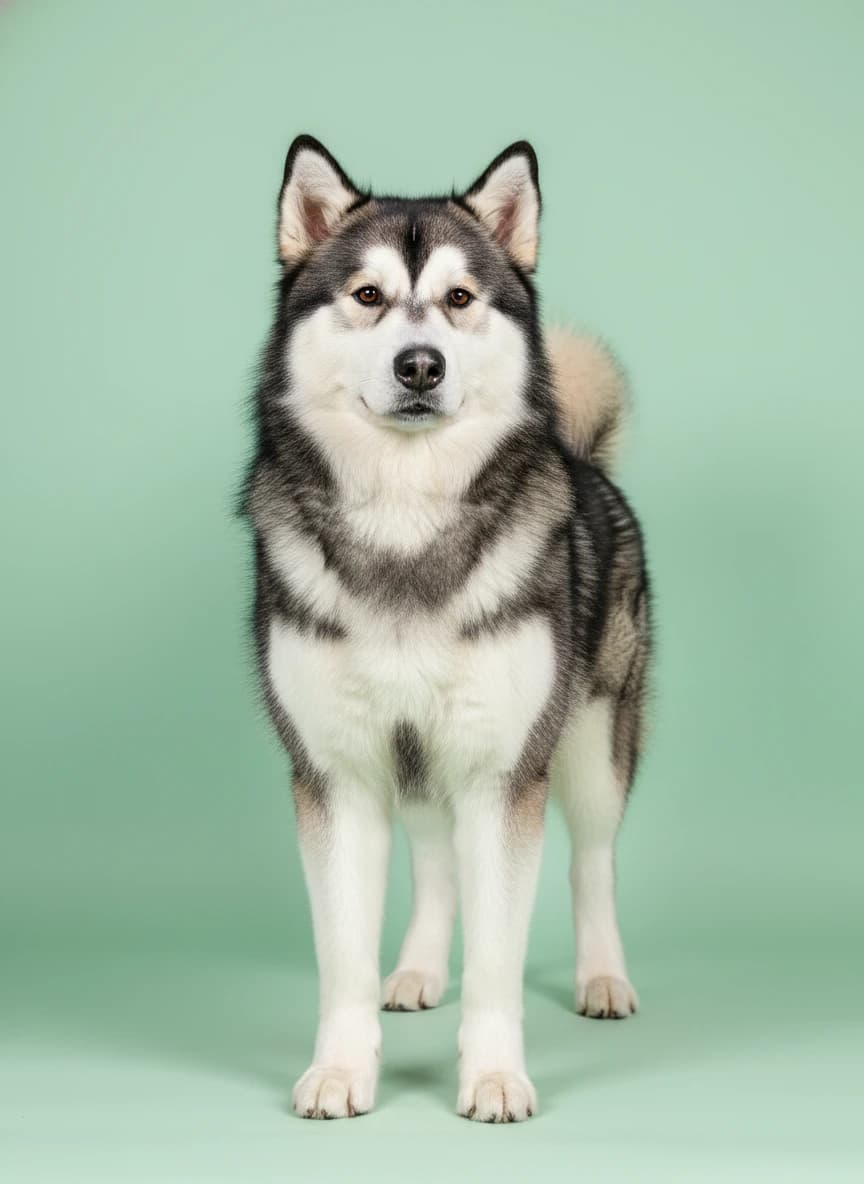
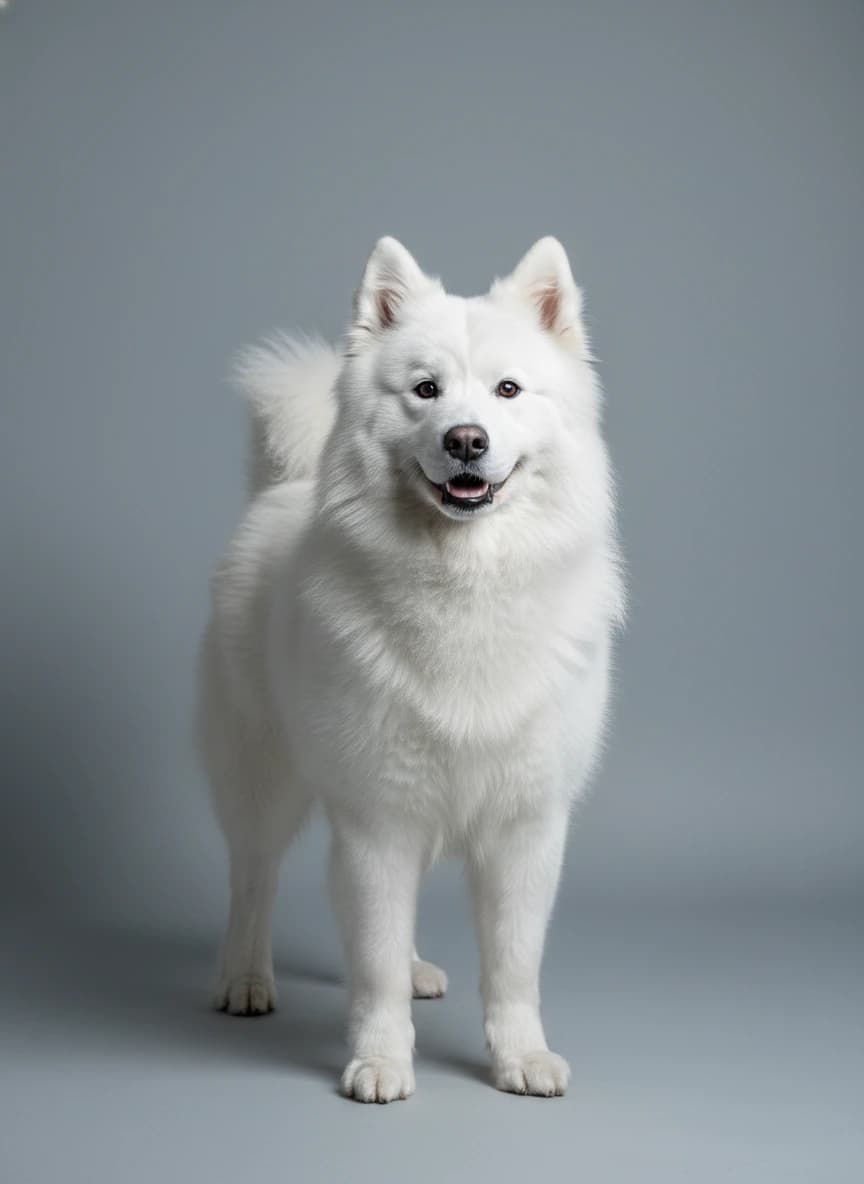
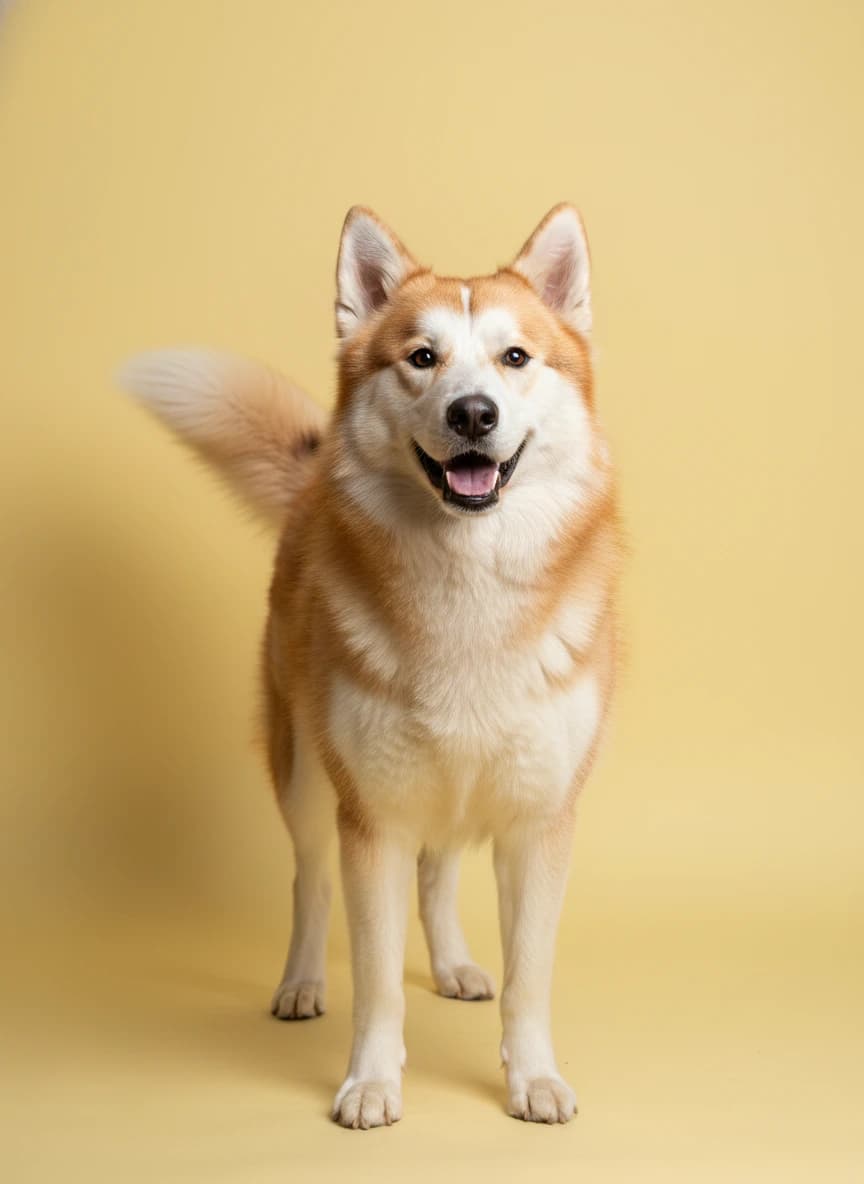
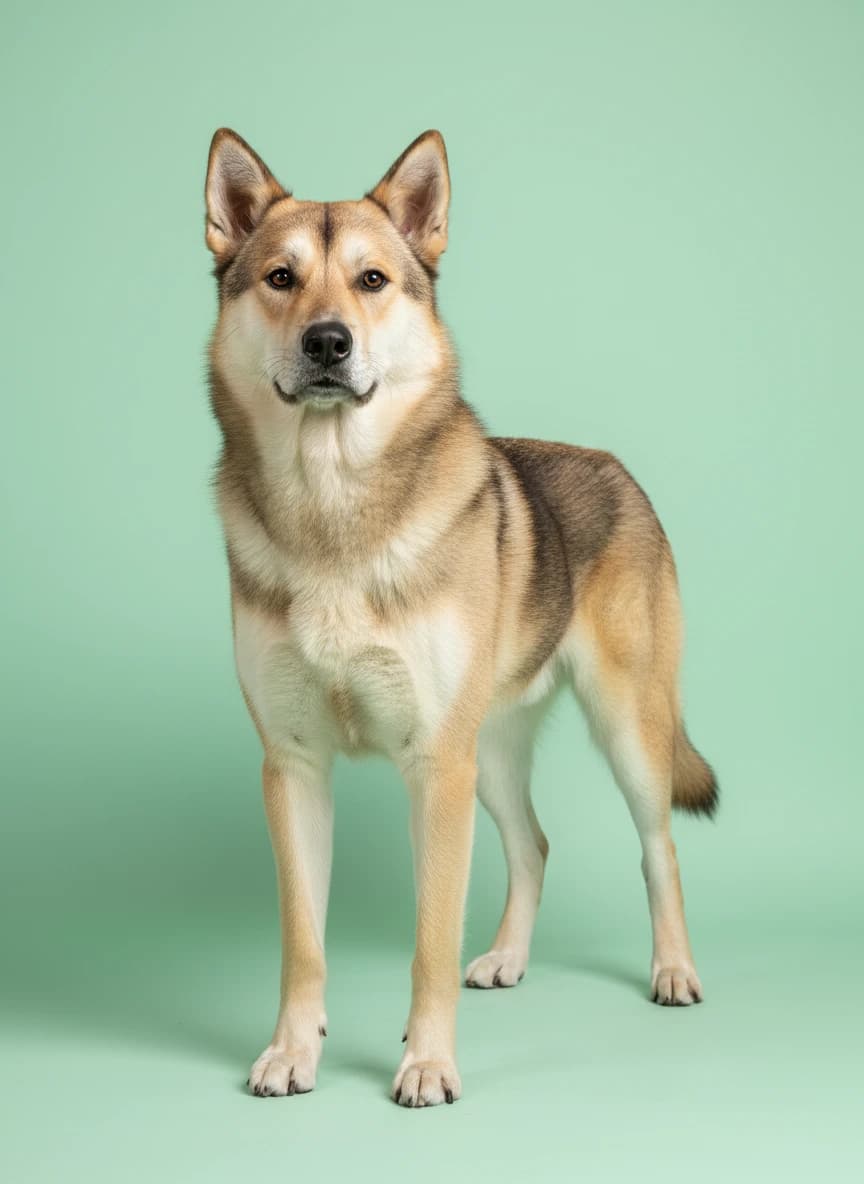
Russo-Europese Laika
Ook bekend als: Russko-Evropeïskaïa Laïka
 Rusland
- Levensduur
- 11-14 j
- Gewicht
- 18-25 kg
- Beweging
- Hoog
Rassenprofiel
- Grootte
- Middel
- Rastype
- Rashond
- Trainbaarheid
- Laag
- Vachtverzorging
- Gemiddeld
Beschrijving
De Russo-Europese Laika is een levendig en onafhankelijk karakter, een ware partner voor degenen die een hond met doel waarderen. Gefokt voor jacht in het harde noordelijk klimaat, bezitten zij een inherente nieuwsgierigheid en onuitputtelijke energie, altijd klaar voor avontuur. Hun intelligentie en snelle denkwijze maken hen zeer trainabel, maar ook geneigd hun eigenaren te slim af te zijn zonder consistente structuur. Zij vormen diepe, loyale bindingen met hun families, vaak hun favoriete mensen volgende, maar behouden een charmante zelfstandigheid. Deze scherpzinnige honden zijn alert en vocaal, waardoor zij uitstekende, zij het soms enthousiaste waakhonden zijn, altijd klaar om de aankomst van vreemdelingen of eekhoornjes aan te kondigen. Zij gedijen met veel beweging en mentale stimulatie, werkelijk glanzend wanneer zij een "taak" krijgen, zelfs als het maar het verkennen van de achtertuin met hun scherpe neus is.
Gezondheid
Veelvoorkomende problemen
- Heupschachting
- Oogaandoeningen
Aanbevolen onderzoeken
- Heupen (OFA/FCI)
- Oogonderzoek (CAER)
Vraag je vertrouwde dierenarts om advies dat bij jouw hond past.
Temperament en persoonlijkheid
The Russo-European Laika is characterized by an alert and independent disposition. These dogs were bred for hunting in harsh northern climates and retain that purposeful heritage. They tend to be deeply loyal to their families, often forming close bonds and shadowing favored people, yet they maintain a self-sufficient nature. Their keen intelligence and quick thinking make them responsive to training, though they may be prone to outsmarting owners without consistent structure. They are typically vocal and watchful, showing strong alert tendencies that make them excellent watchdogs, ready to announce visitors or outdoor activity. This breed tends to thrive when given meaningful work or purpose.