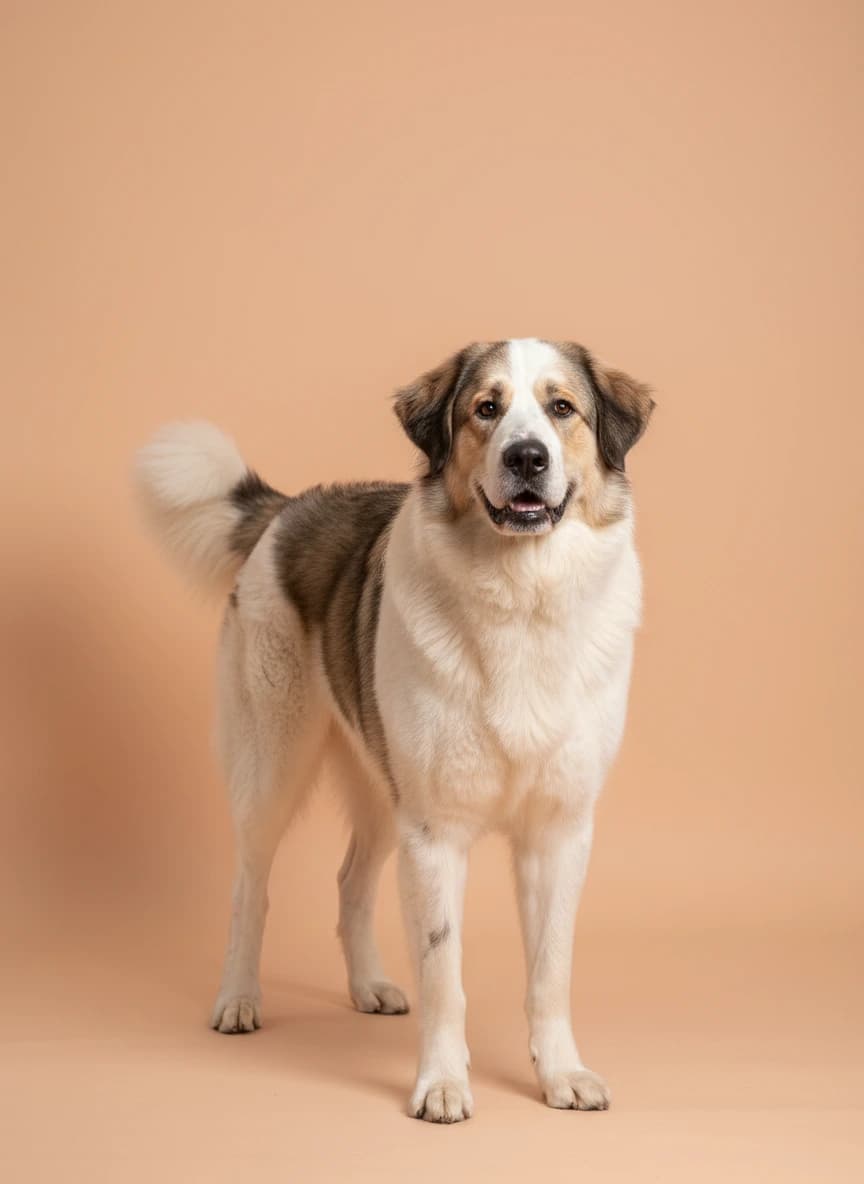
Ook bekend als: St. Bernard, Bernhardiner, Alpenmolosse, Hospice-hond, Barry-hond

Zwitserland
De Sint Bernhard is een zachtaardig reus met een hart dat net zo groot is als zijn lichaam, met een serene majesteit. Ze zijn opmerkelijk geduldig en toegenegen, en vormen vaak een uitzonderlijk sterke, toegewijde band met hun familie, vooral met kinderen. Hoewel hun enorme omvang sommigen kan afschrikken, is hun temperament doorgaans liefdevol en kalm, wat hen verrassend inschikkelijk huisgenoten maakt. Ze staan niet bekend om hun atletiek, maar genieten van een goed wandeltempo in plaats van sprints. Hun beschermingsinstinct is zachtjes aanwezig; ze zijn waakzame waarnemers die hun geliefden met onwankelbare trouw zullen bijstaan. Hun omvang betekent echter dat ze gevoelig zijn voor onhandige momenten, en hun kwijl kan legendarisch zijn, wat bijdraagt aan hun charmante, hoewel soms rommelige, karakter.
Veelvoorkomende problemen
Aanbevolen onderzoeken

Vraag je vertrouwde dierenarts om advies dat bij jouw hond past.
The Saint Bernard is a gentle giant that typically embodies a serene, calm demeanor with a heart as enormous as its frame. These dogs are remarkably patient and affectionate, often forming exceptionally strong, devoted bonds with their families. While their massive size might intimidate some, their temperament tends to be loving and docile, making them surprisingly manageable housemates. Their protective instinct is quietly present—they are keen observers who often stand by their loved ones with unwavering loyalty. Saint Bernards are not known for athleticism but tend to enjoy leisurely walks rather than vigorous exercise. Their size means they may have clumsy moments, and drool is a notable characteristic of the breed, adding to their charming though sometimes messy nature.
Saint Bernards typically respond moderately well to training and benefit from consistent, patient instruction suited to their deliberate nature. They enjoy moderate exercise in the form of leisurely walks and ambles rather than high-intensity activities. Their size and strength make early socialization and basic obedience training important to manage their movements around people, particularly children. While they are not naturally athletic, regular gentle activity helps maintain their overall well-being. These dogs tend to do best with owners who understand that training requires patience and positive reinforcement rather than demanding performance.
Saint Bernards have relatively low grooming needs, though their coat does shed regularly. Routine brushing helps manage loose hair and keeps their coat healthy. Their distinctive facial features, including loose skin, may require occasional attention to keep clean and dry, particularly around the mouth and eyes where drool accumulates. Regular dental care, nail trimming, and ear checks are part of routine maintenance for this giant breed. Bathing can be done as needed, though their size makes this a significant undertaking.
Saint Bernards are substantial dogs that require adequate space in the home and yard to move comfortably. Their gentle, calm nature typically makes them good companions in family settings, though their size means they may inadvertently knock over small children with a wagging tail. They tend to be quiet, though vocal tendencies can vary among individuals. These dogs often do well in households where they receive regular companionship and are not left alone for extended periods. Their serene temperament means they are typically content with moderate activity levels and leisurely routines. Potential owners should be prepared for drool and shedding as normal breed characteristics.
Saint Bernards are best suited for experienced dog owners who have space to accommodate a giant breed and understand the commitment involved in caring for a large dog. They thrive in homes where they receive consistent companionship and are not expected to be high-energy or athletic. These dogs are ideally matched with families or individuals who appreciate their gentle, devoted nature and can provide patient training and socialization. Prospective owners should be prepared for the financial responsibility of veterinary care for a giant breed and be aware of breed-related health considerations. They are less suitable for apartments or homes with very limited space.