Ook bekend als: Dhokhi, TT
Tibet
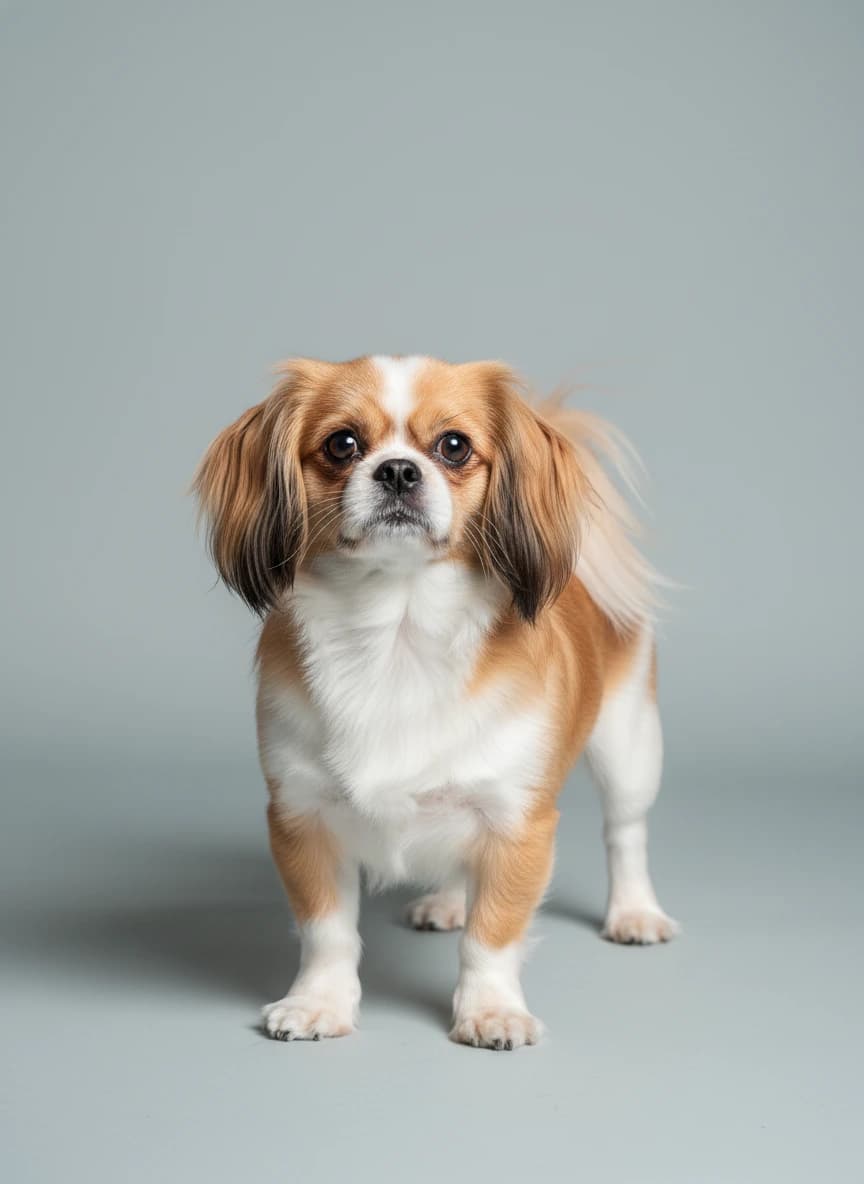
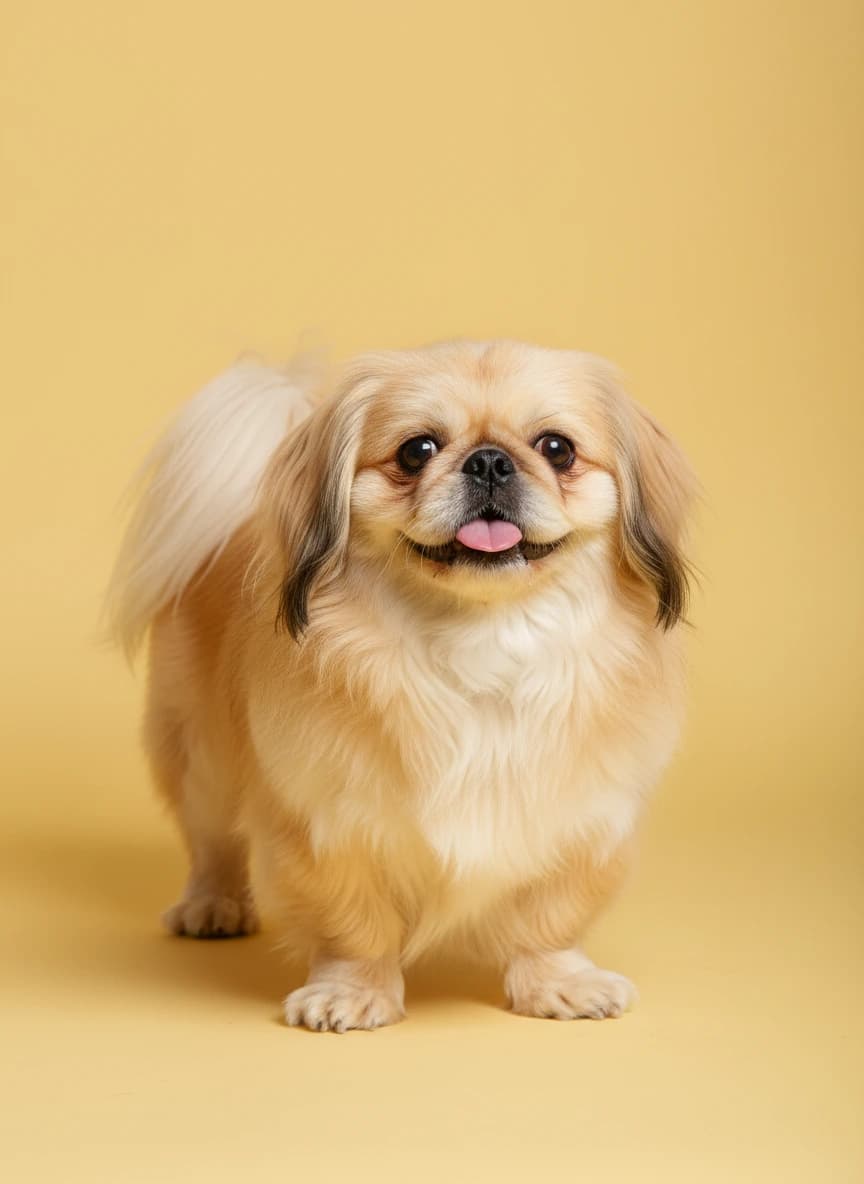
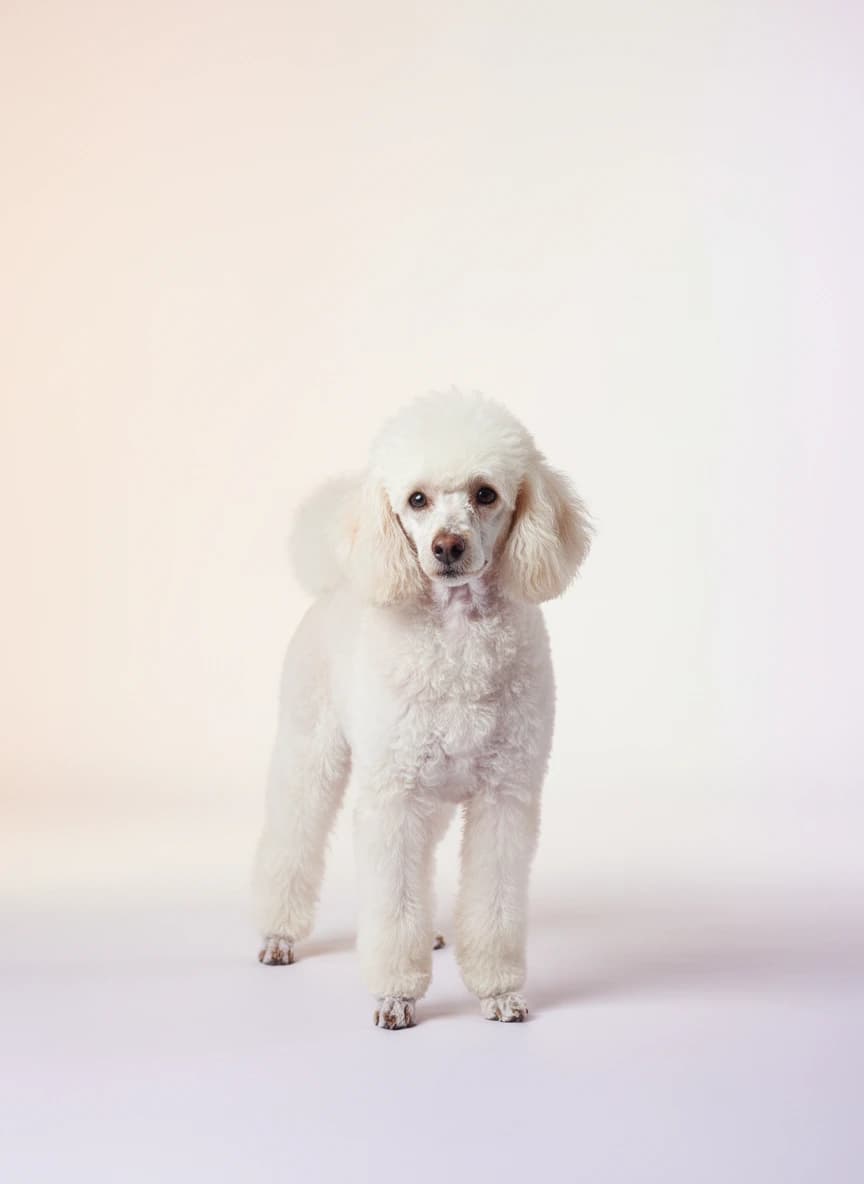
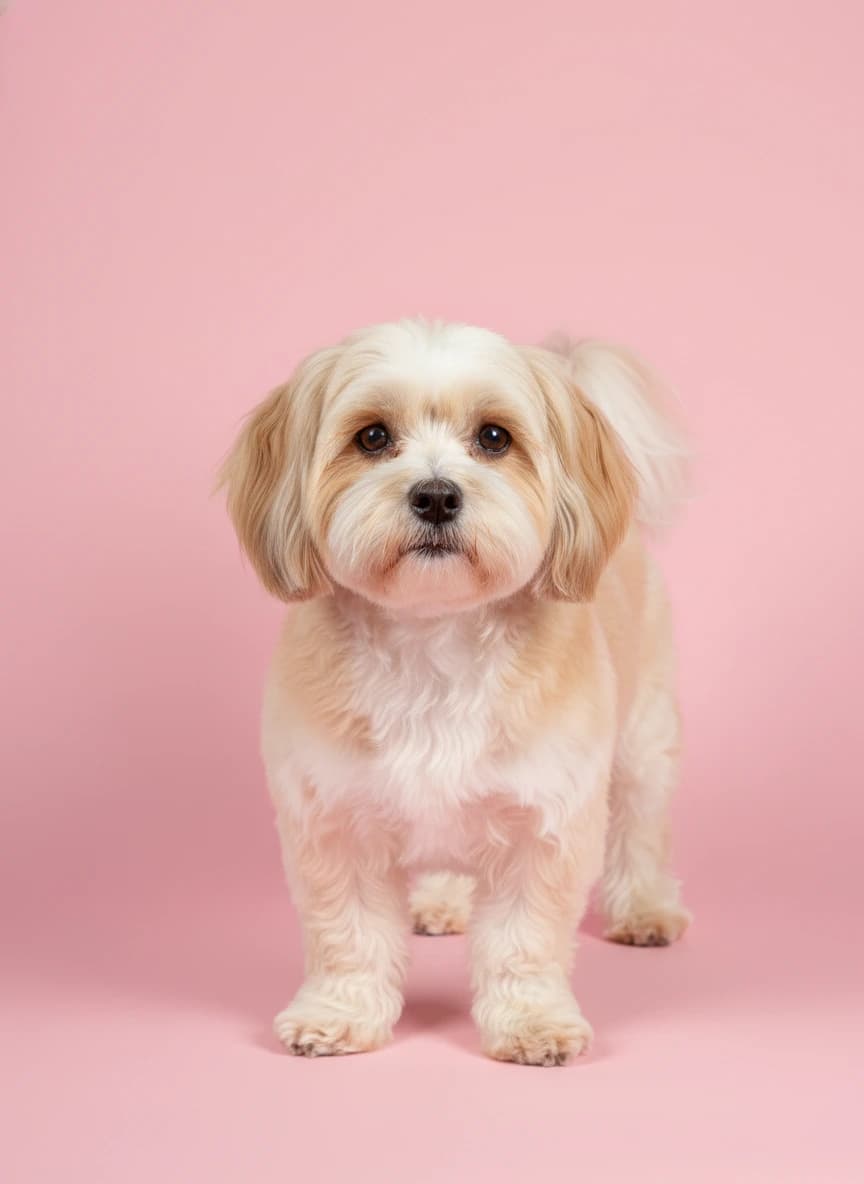
Tibetaanse Terriërs zijn de ultieme 'mensenhonden', die intense, onwrikbare banden met hun families vormen. Ze zijn ongelooflijk gevoelig, bijna helderziend, en pikken stemmingen op en bieden troost of speelse fratsen waar nodig. Deze fijne waarneming komt voort uit hun historische rol als gezelschapsdieren en geluksbrengers in kloosters. Ze gedijen goed met gezelschap en kunnen scheidsangst ontwikkelen als ze te vaak alleen gelaten worden. Met een springerige, atletische gang houden ze ervan te spelen en te verkennen, maar zijn even graag gezellig op de bank. Hun intelligentie en onafhankelijke inslag betekenen dat training geduld en positieve versterking vereist, en ze weten vaak precies hoe ze hun zin kunnen krijgen.
Veelvoorkomende problemen
Aanbevolen onderzoeken
Vraag je vertrouwde dierenarts om advies dat bij jouw hond past.
Tibetan Terriers are known as "people dogs," forming intense and devoted bonds with their families. They tend to be bold, energetic, and feisty, with a keen sensitivity to their surroundings and the moods of those around them. This perceptiveness stems from their historical role as companions and good luck charms in Himalayan monasteries. They often display an almost intuitive awareness of their family's emotional state, offering comfort or playful antics as the moment seems to call for. Despite their independent streak and clever nature, they typically thrive on close companionship and may develop separation anxiety if left alone for extended periods. With a bouncy, athletic gait, they enjoy play and exploration, yet are equally content relaxing on the sofa with their loved ones.
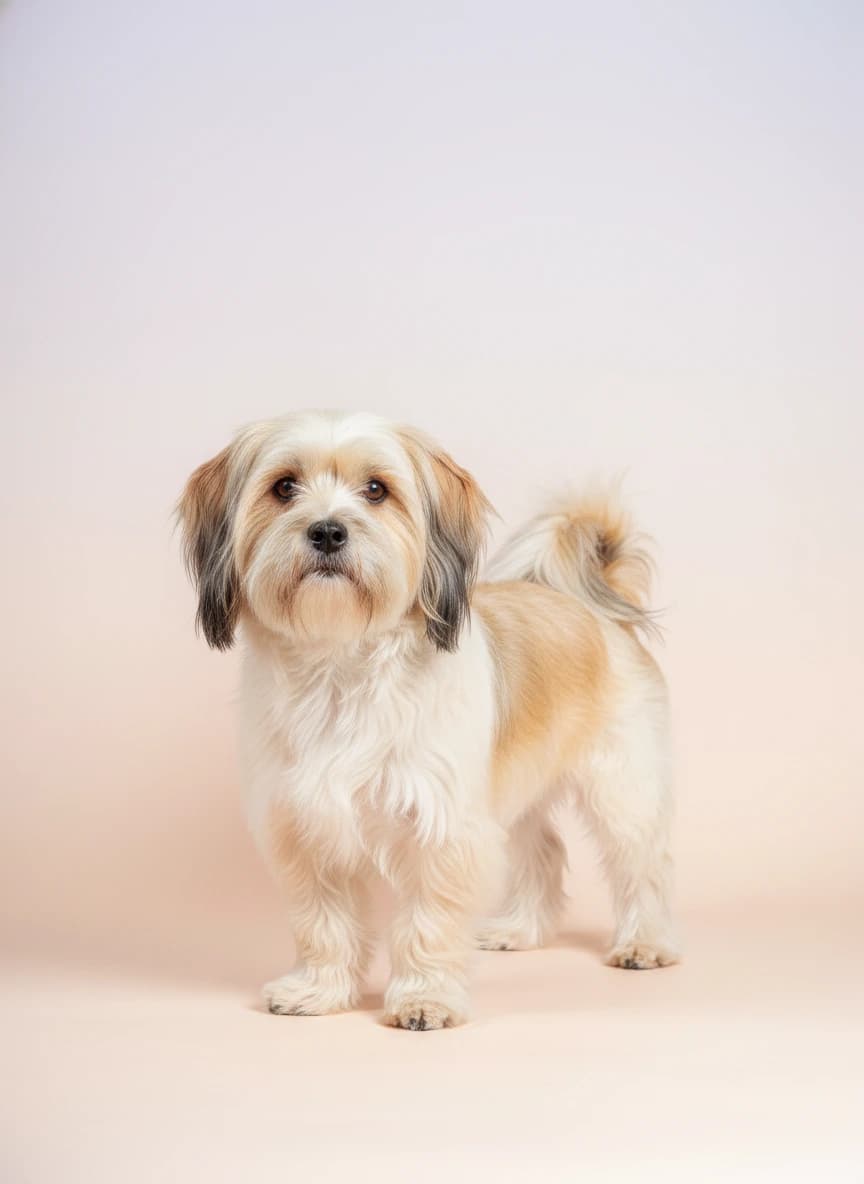
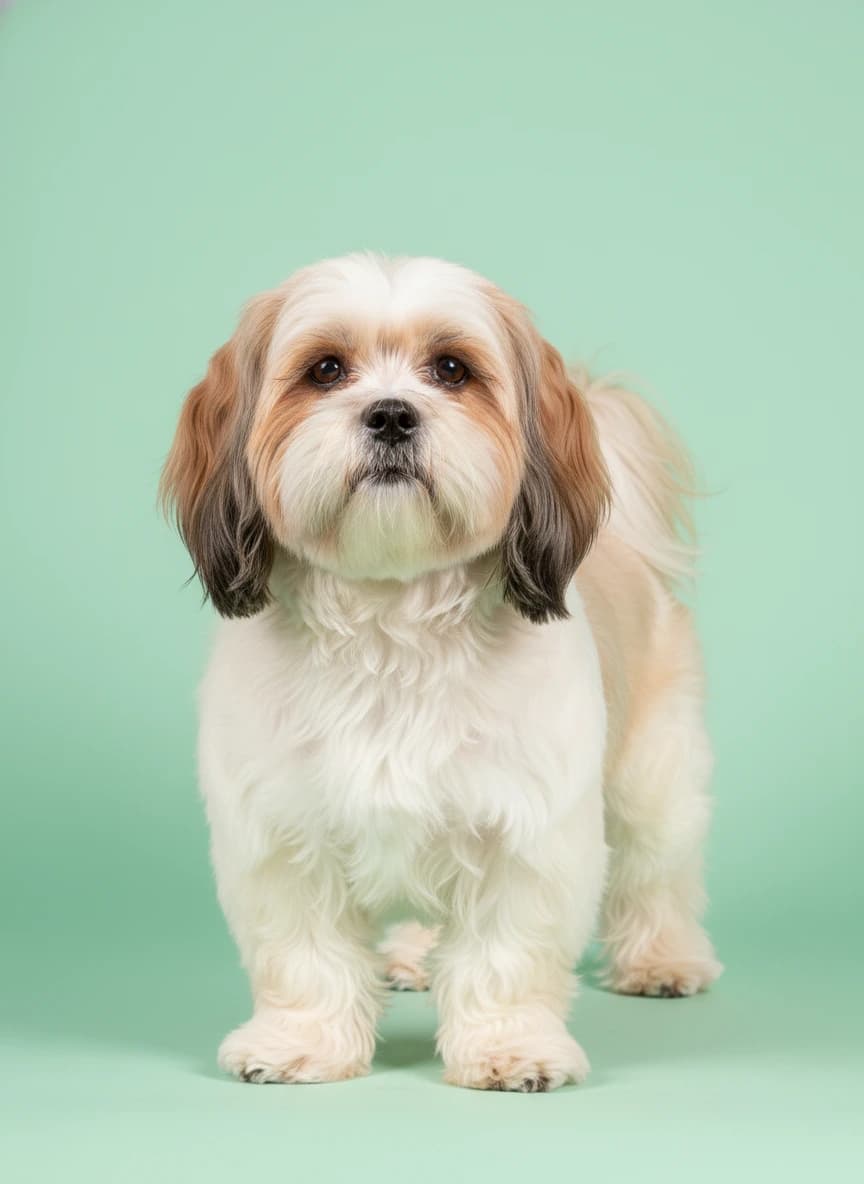
Tibetan Terriers have moderate trainability and respond best to patient, positive reinforcement-based methods. Their intelligence and independent nature mean they often understand commands quickly but may choose when to comply, knowing how to get their way. They require consistent, firm guidance delivered with kindness rather than harshness. Exercise needs are generally low to moderate; they enjoy daily play and exploration but do not demand extensive outdoor activity. Their athletic build and spirited temperament mean they appreciate opportunities to move and investigate their environment, though they adapt well to varying activity levels. Mental stimulation through play, training sessions, and interactive activities helps channel their energy constructively.
Grooming needs for Tibetan Terriers vary considerably depending on coat maintenance preference. Their double coat is substantial and sheds seasonally; regular brushing helps manage loose hair and prevents matting. Some owners maintain a full, flowing coat with frequent grooming, while others opt for professional trimming to reduce maintenance demands. Either approach is viable, but commitment to grooming is essential to keep the coat healthy and the dog comfortable. Regular ear checks, nail trimming, and dental care are important aspects of their overall health maintenance. Skin issues have been noted in the breed, so attention to coat and skin health during grooming is worthwhile.
Tibetan Terriers are adaptable to house living and do well in homes where they receive regular companionship and attention. They bond intensely with their families and prefer not to spend excessive time alone, making them better suited to households where someone is present regularly. Their sensitivity means they pick up on household dynamics and respond to the emotional climate around them. They tend to be vocal at times, so prospective owners should be prepared for barking. While specific compatibility with children, other dogs, or cats is not universally documented for the breed, their people-focused nature and moderate size make them potentially compatible with various household situations when properly socialized and matched with the right family.
Tibetan Terriers are ideal for experienced dog owners who appreciate a devoted, sensitive companion and can commit to regular interaction and mental engagement. They suit households where someone is home frequently enough to prevent prolonged isolation. Potential owners should be prepared for grooming maintenance, whether through home care or professional services, and should value a dog that picks up on emotional nuances and responds accordingly. They are best matched with families or individuals who want a deeply bonded partner rather than an independent pet, and who can provide patient, consistent training that respects the breed's clever, somewhat stubborn nature. Owners comfortable with some vocalization and attracted to a dog with personality and spirit will likely find the Tibetan Terrier rewarding.