Also known as: Malamute
United States (Alaska)

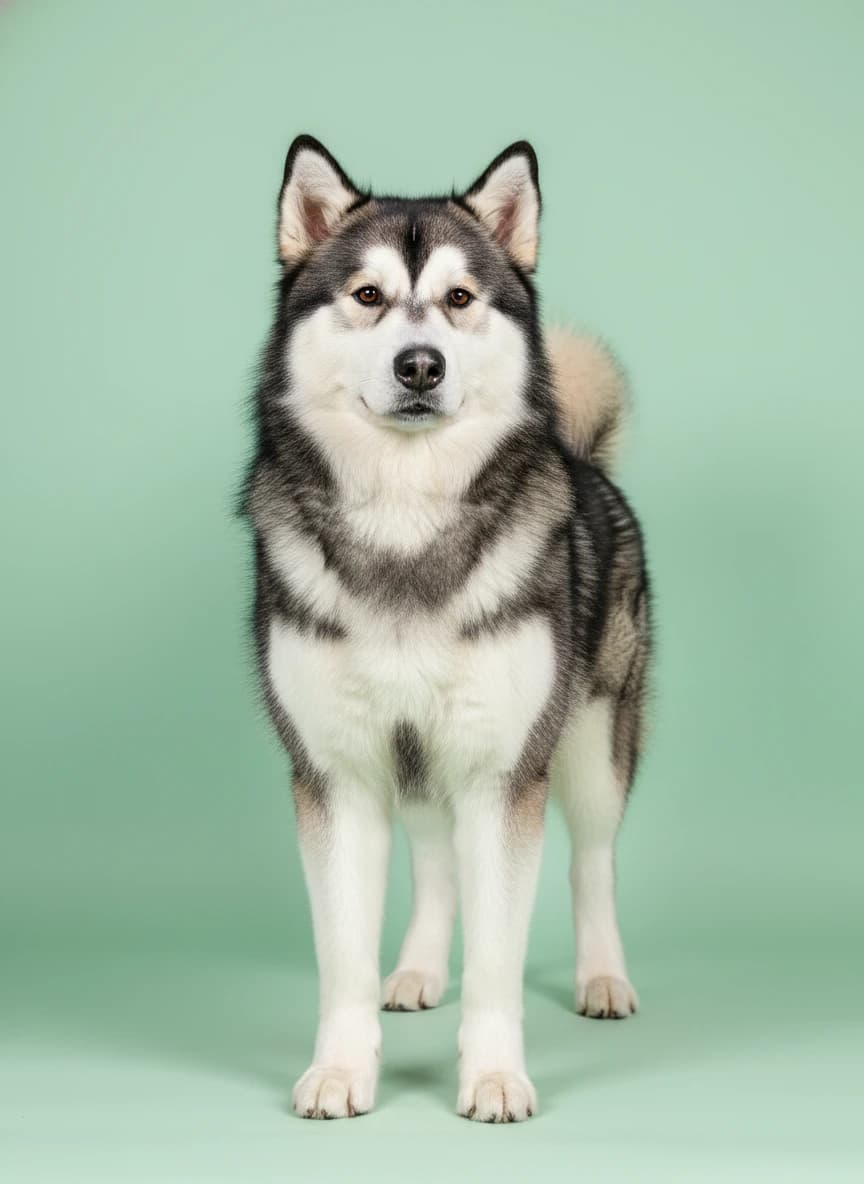
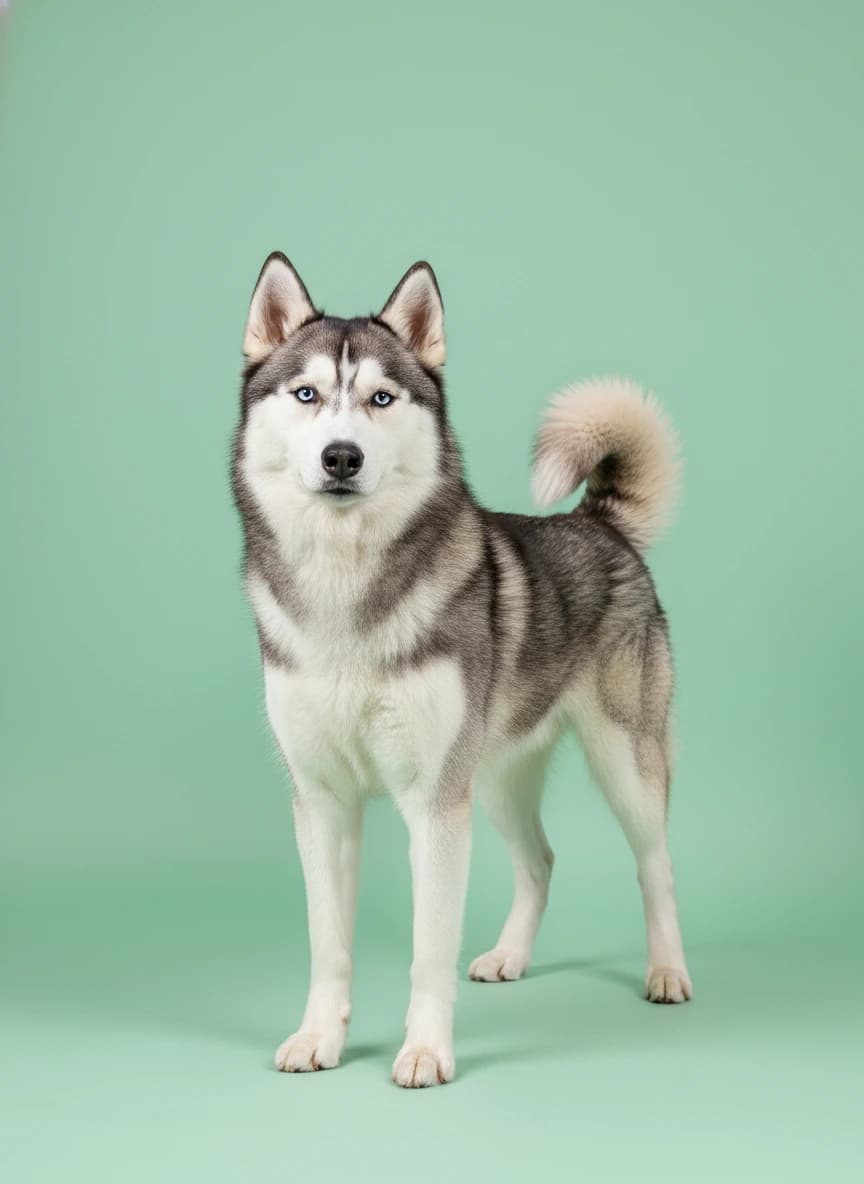
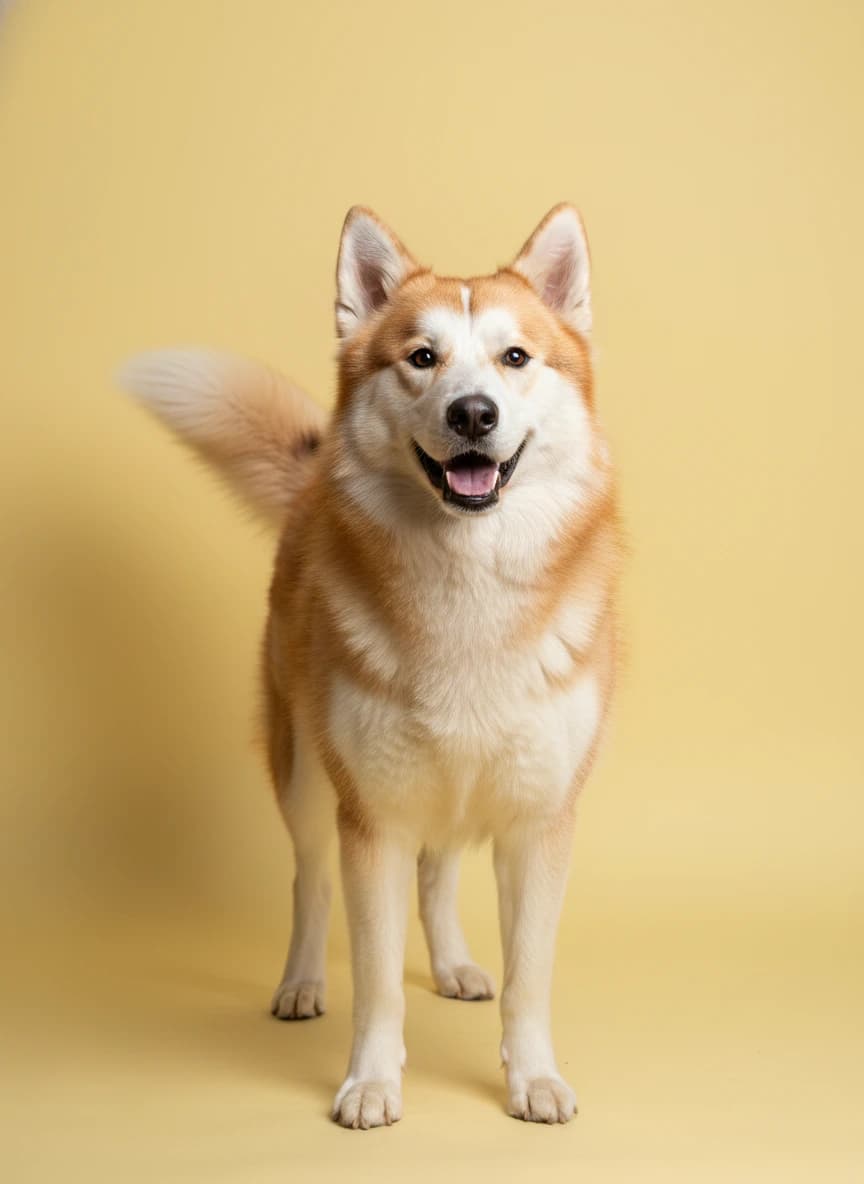
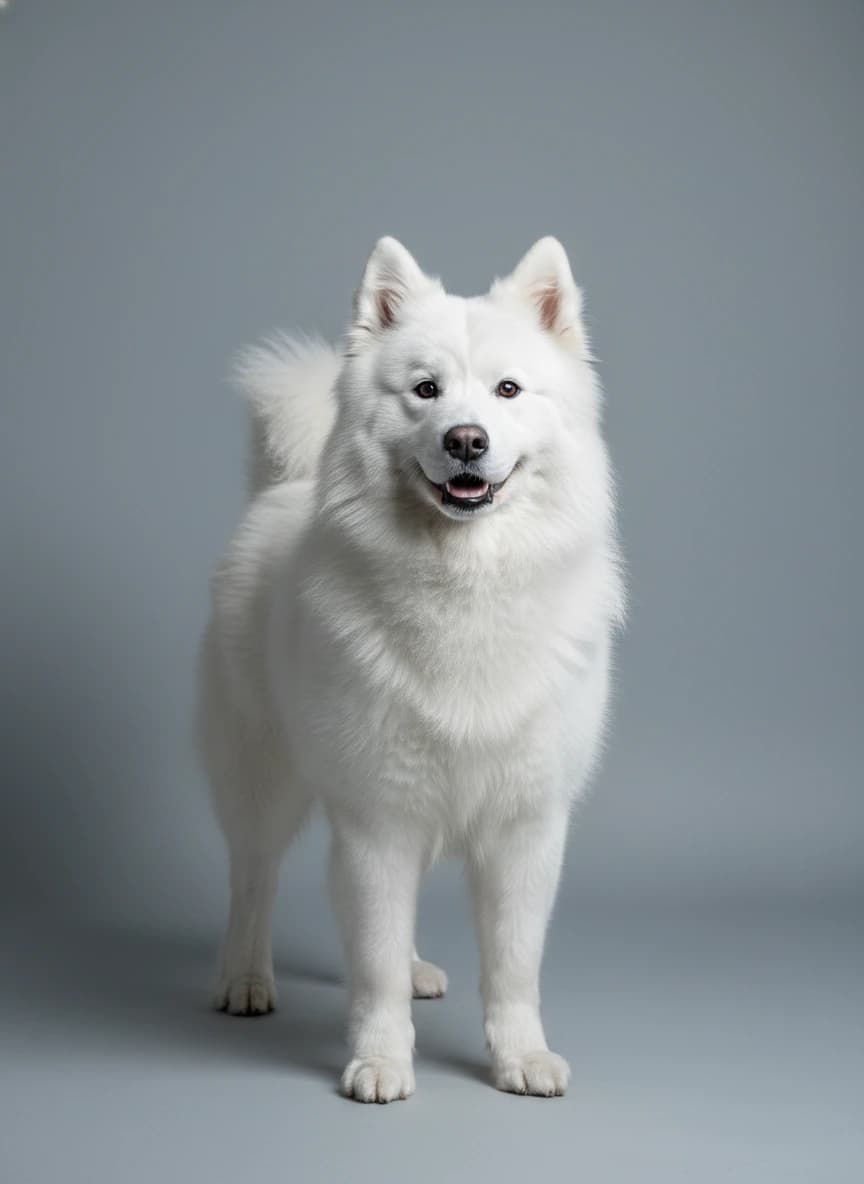
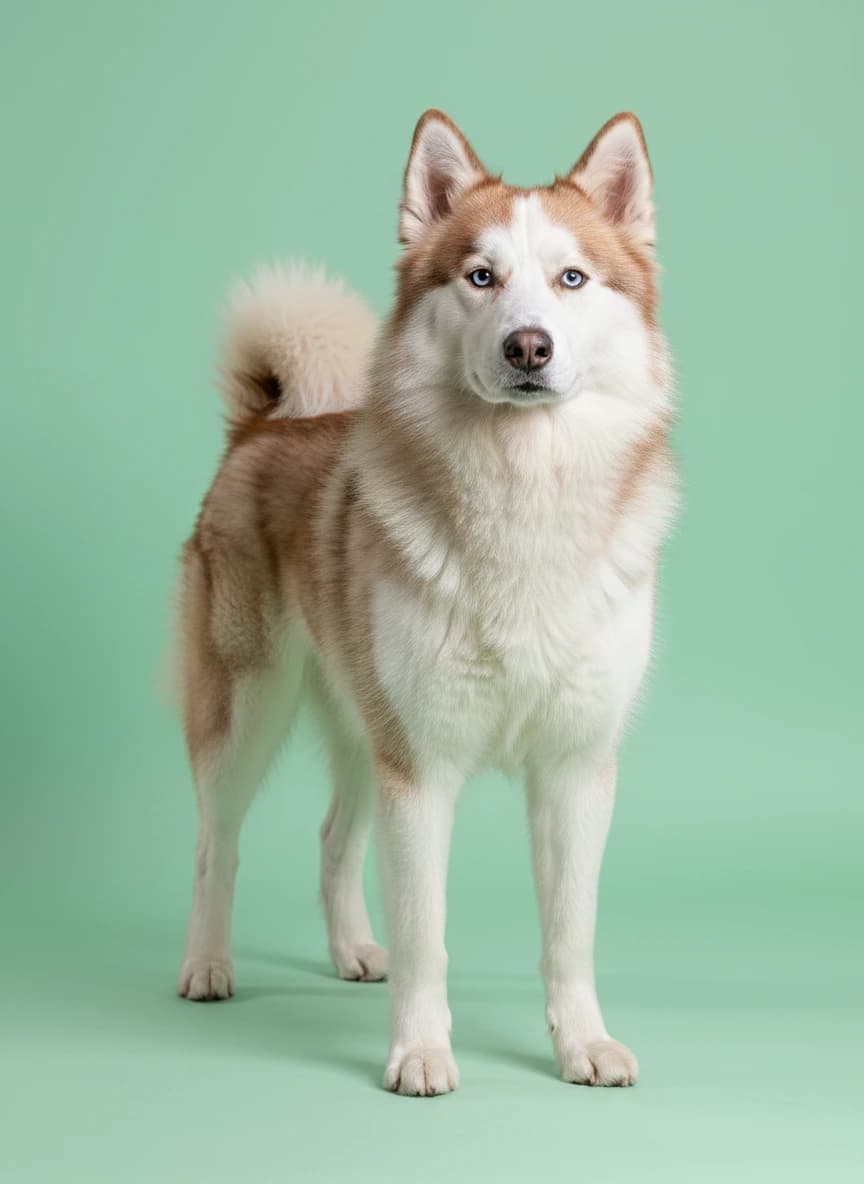
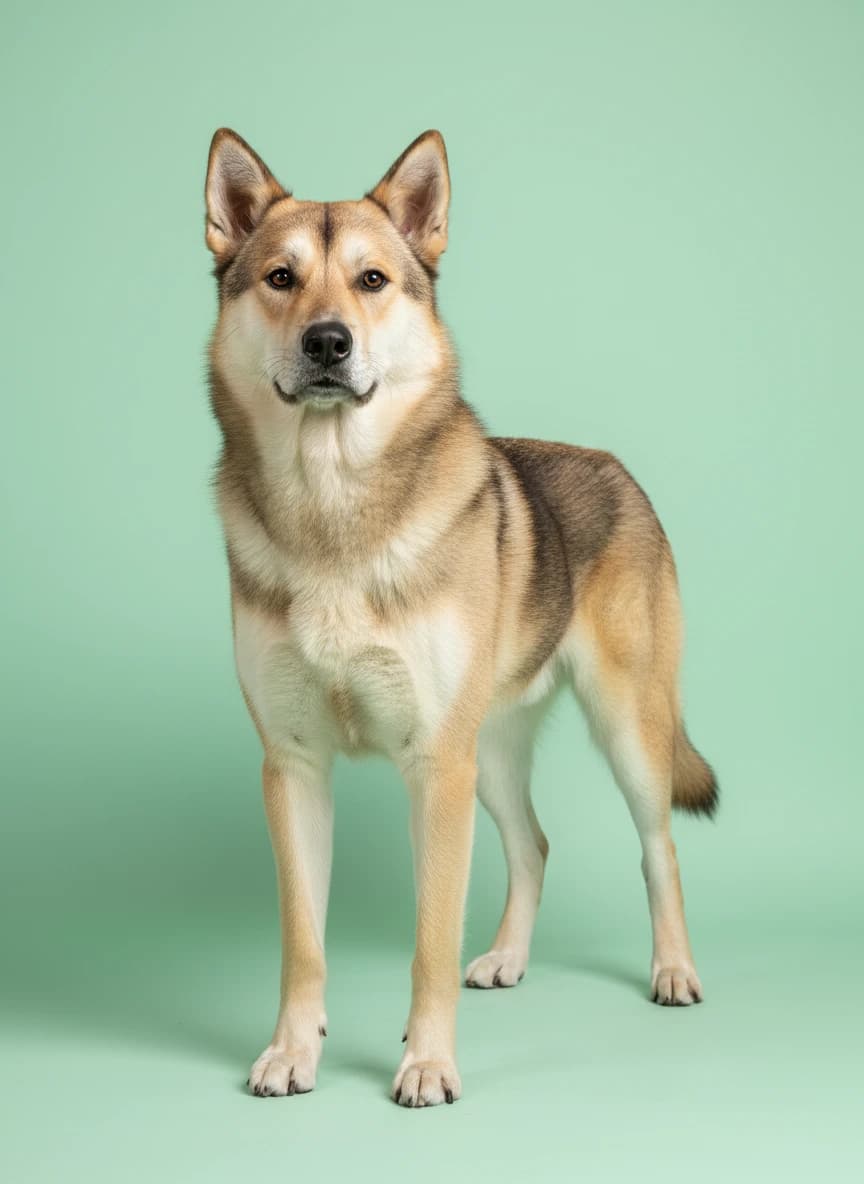
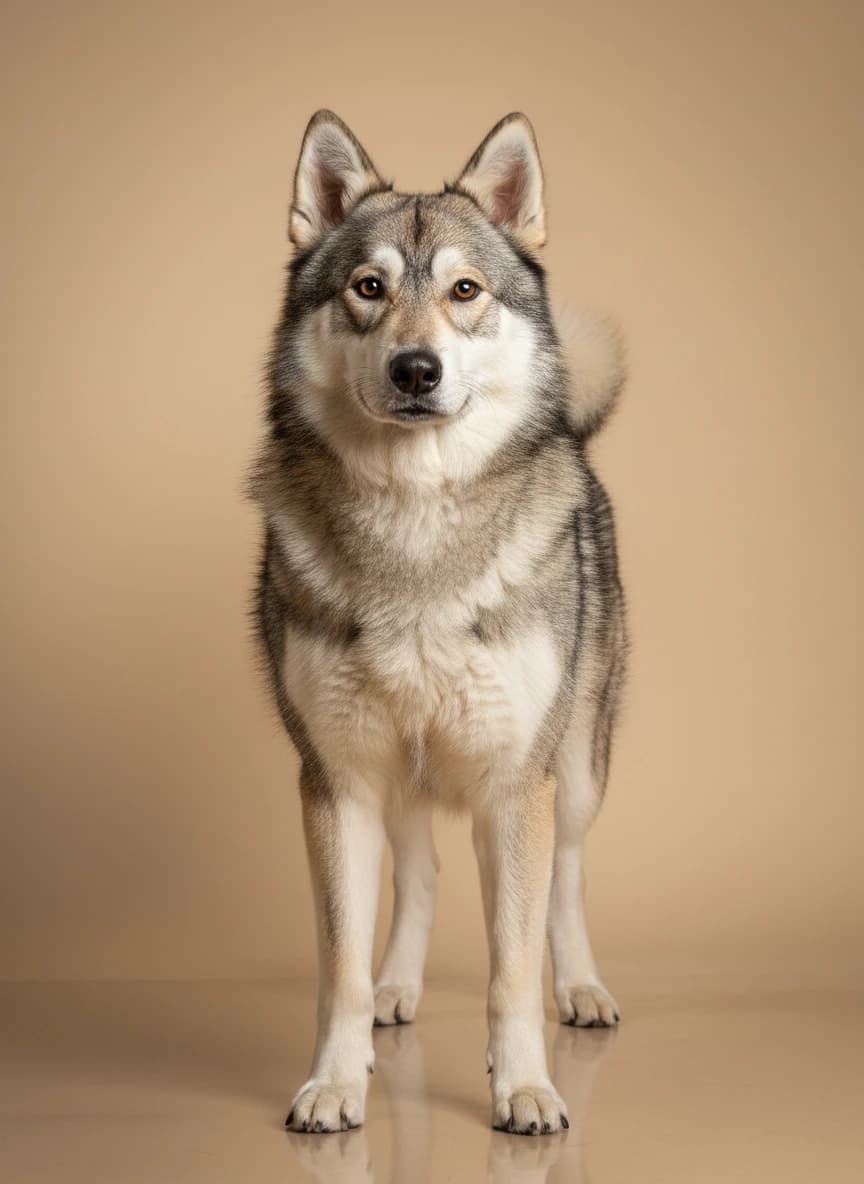
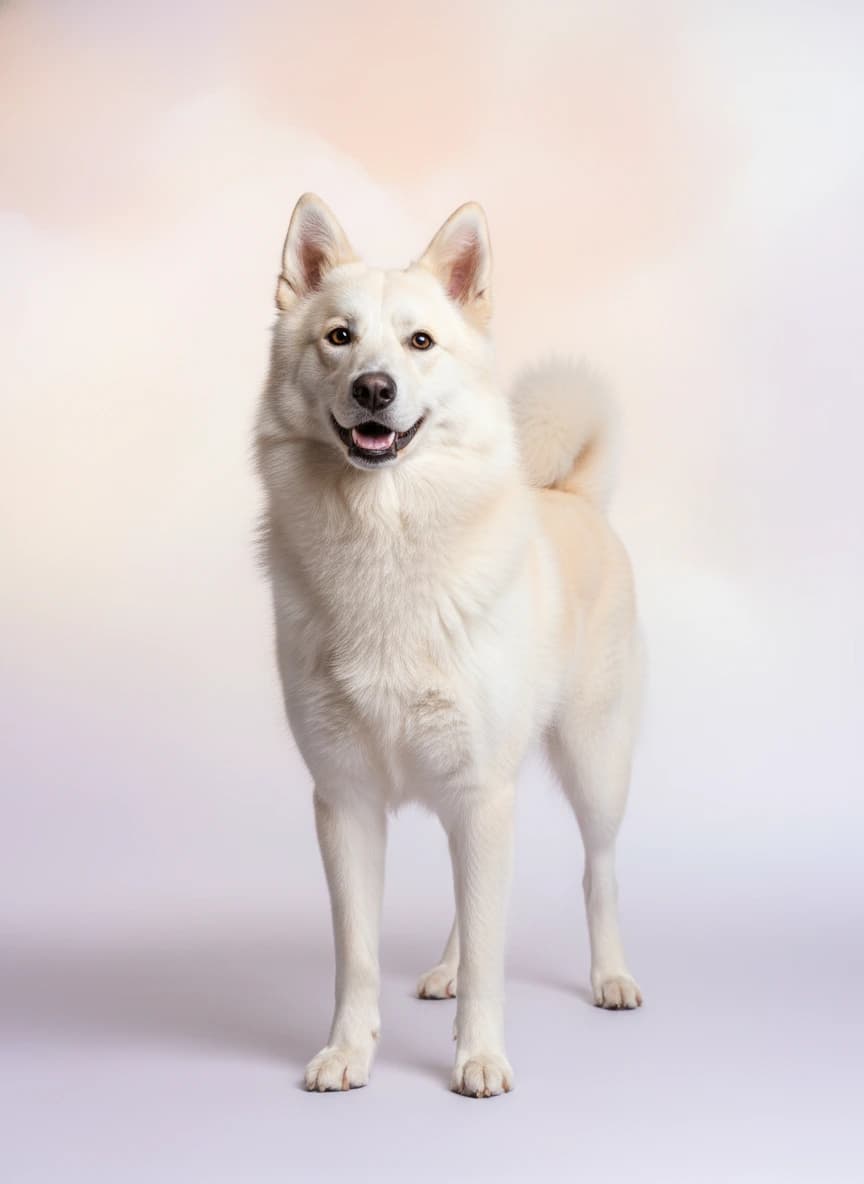
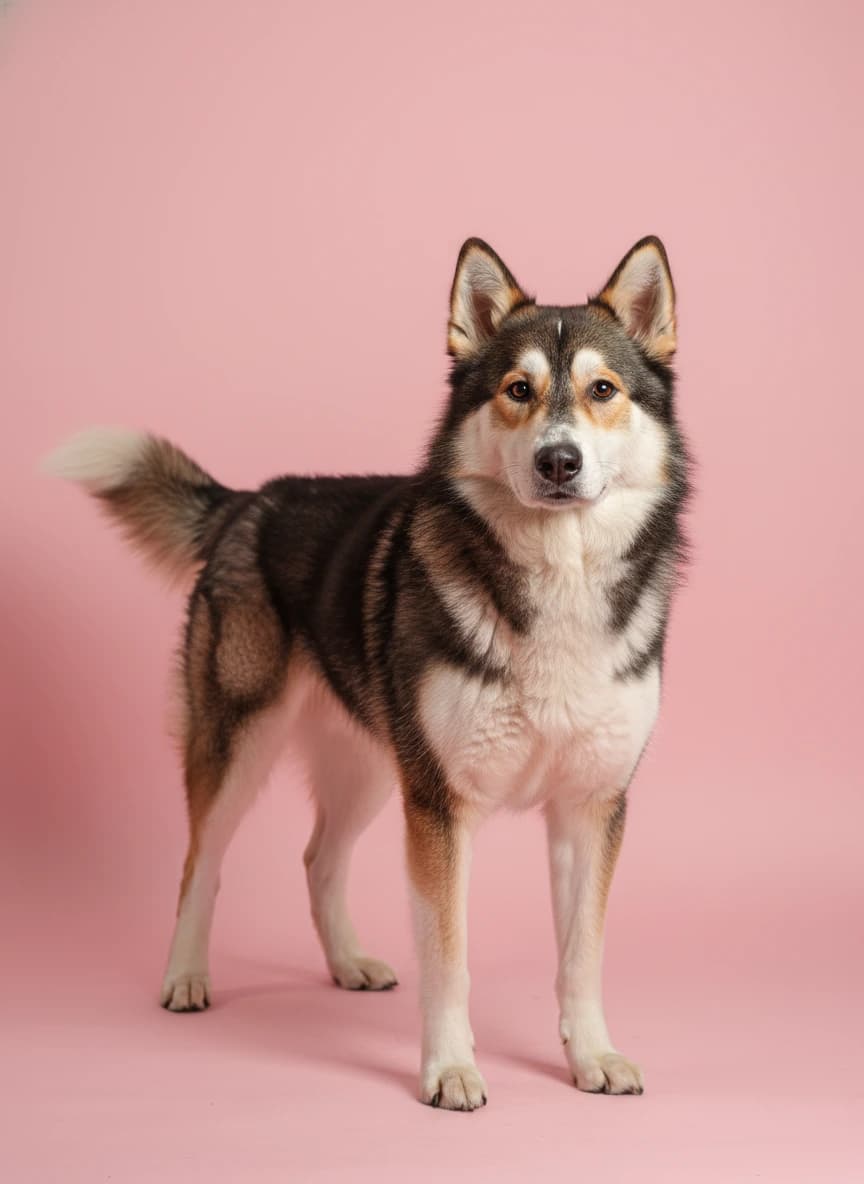
The Alaskan Malamute is a grand, dignified companion, often seen surveying their domain with a calm, knowing gaze. Beneath that majestic exterior lies a playful, affectionate soul who thrives on being part of the family "pack." They possess an independent streak, a leftover from their days hauling heavy sleds, which means they can be wonderfully self-sufficient but also enjoy a good, respectful debate. Malamutes communicate in charming "woo-woos" and playful nudges, always eager for an adventure, whether it's a long hike or a romp in the snow. Their powerful build and love for digging show their working heritage, but their true joy comes from close companionship and plenty of activity.
Common issues
Recommended screenings
Consult your trusted vet for advice specific to your dog.
The Alaskan Malamute is a grand, dignified companion often characterized by alertness, friendliness, and independence. These dogs tend to survey their surroundings with a calm, knowing gaze while maintaining a playful, affectionate nature. They typically thrive on being part of the family and enjoy close companionship. An independent streak, inherited from their sled-hauling heritage, means many Malamutes can be self-sufficient and may display a willingness to engage in spirited discussions with their owners. They often communicate through charming vocalizations and playful nudges, demonstrating their eagerness for adventure and activity.
Alaskan Malamutes have high exercise requirements and benefit from regular, substantial physical activity such as long hikes, sledding, or vigorous play sessions. Their working heritage means they thrive with purposeful tasks and mental stimulation. Training tends to be moderately challenging, as their independent nature may lead them to question commands rather than automatically comply. They respond well to patient, consistent training that incorporates respect and clear leadership. Early socialization and ongoing training help channel their considerable strength and intelligence productively. These dogs often enjoy activities that leverage their natural instincts, including digging and pulling.
Alaskan Malamutes have moderate grooming needs but shed considerably year-round, with heavier shedding during seasonal coat blows. Regular brushing helps manage loose hair and maintains coat health. They benefit from routine nail trimming, ear checks, and dental care. Some lines may be prone to zinc-responsive dermatosis or other dermatologic concerns, making attention to skin and coat condition worthwhile. Routine veterinary check-ups can help monitor for eye health and other breed-related considerations. These dogs generally tolerate cold weather well due to their thick double coats.
Alaskan Malamutes need substantial space and are best suited for homes where they can move freely. Their powerful build and love of digging mean secure, spacious yards are ideal. They tend to be friendly and social dogs that typically enjoy being active members of a household. Their size and strength require owners who can safely manage and exercise them. These dogs may display independent behavior and strong personalities, so a household environment that accommodates their need for activity, space, and companionship works best. They generally adapt well to family life when their physical and mental stimulation needs are met.
Alaskan Malamutes are best suited for owners with some experience handling large, powerful dogs. They require owners committed to providing substantial daily exercise, adequate space, and consistent training. These dogs thrive with active families or individuals who enjoy outdoor adventures and can dedicate time to their physical and mental needs. Prospective owners should be prepared for significant shedding and be comfortable with a dog that may question authority due to their independent nature. A calm, confident ownership style paired with respect-based training tends to work well. These dogs are not ideal for those seeking a low-maintenance companion or living in very small spaces.