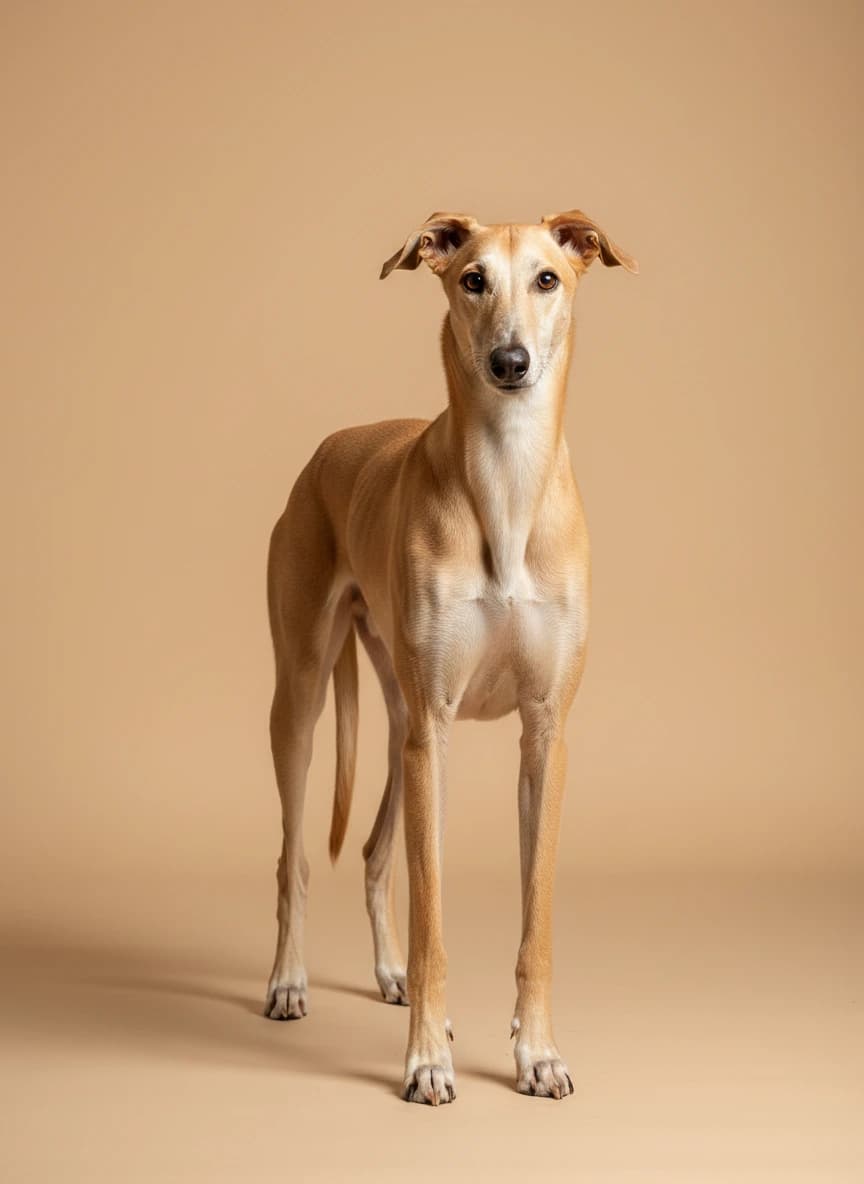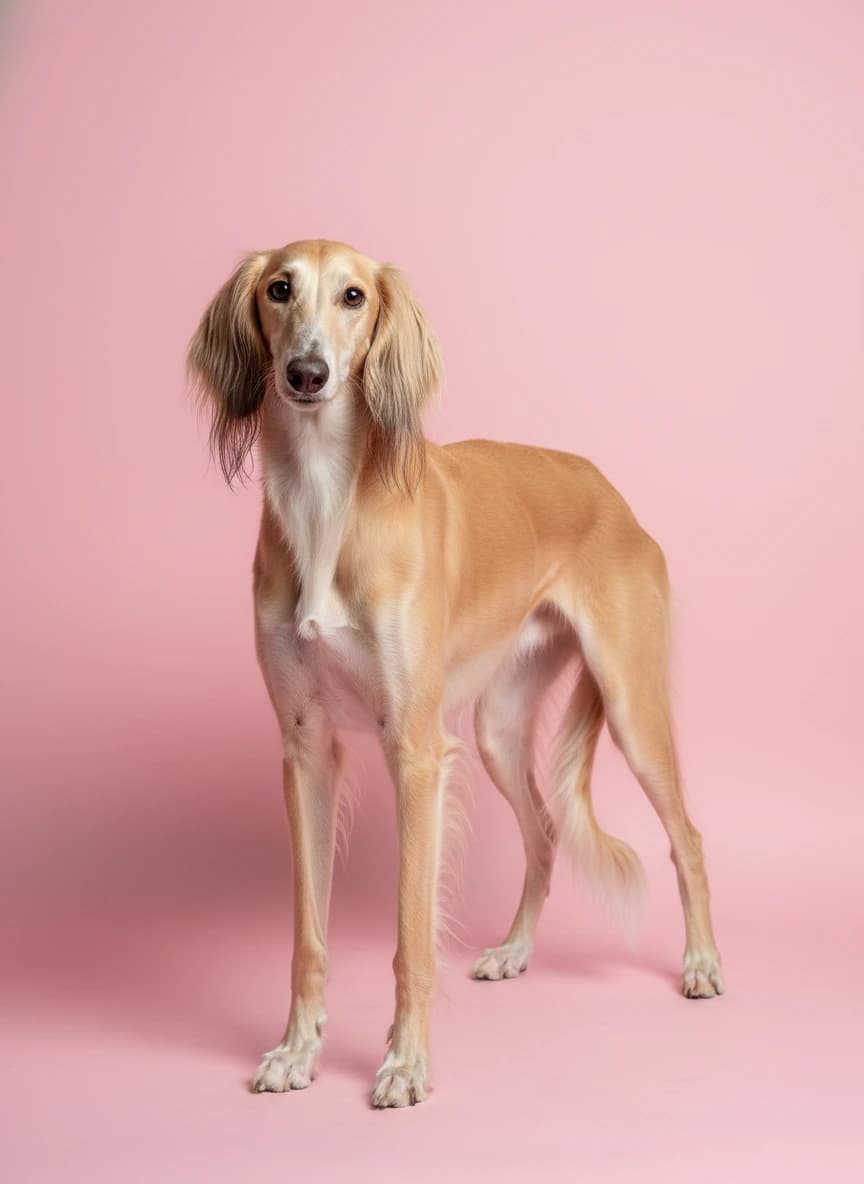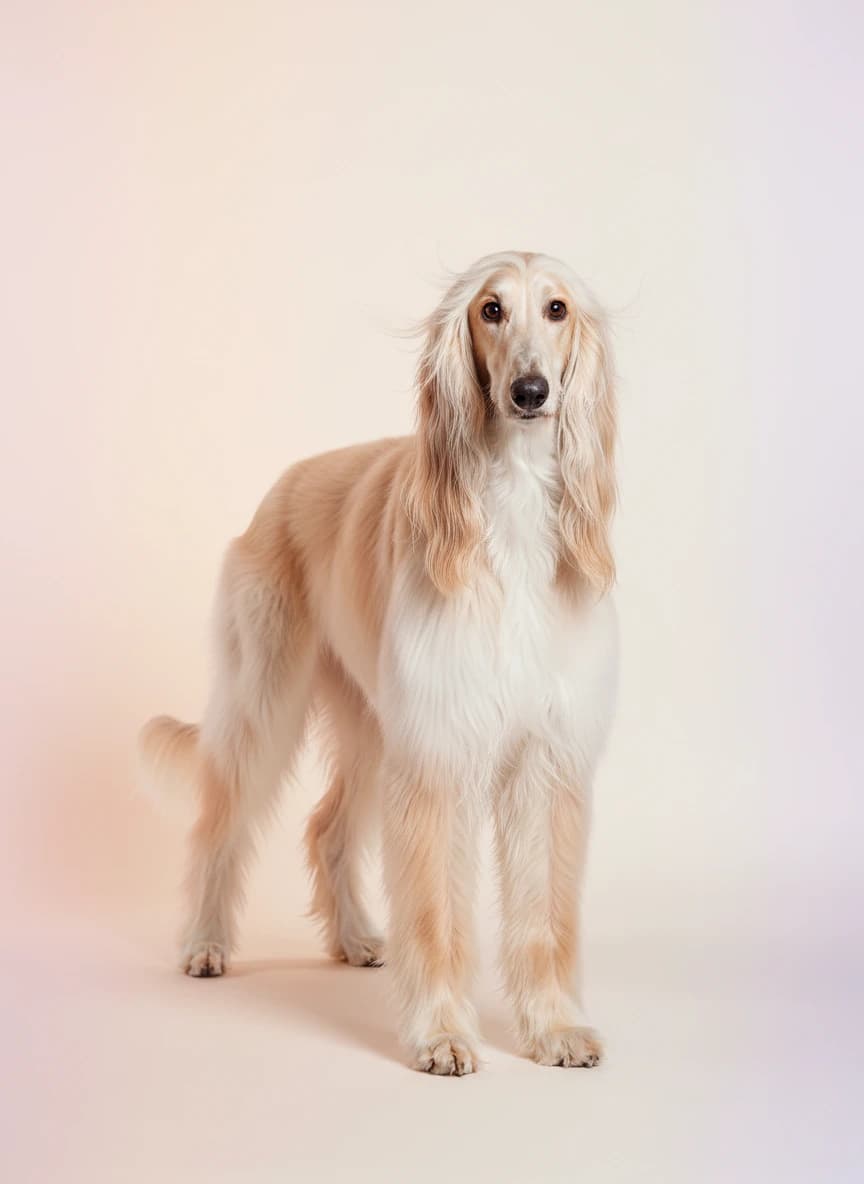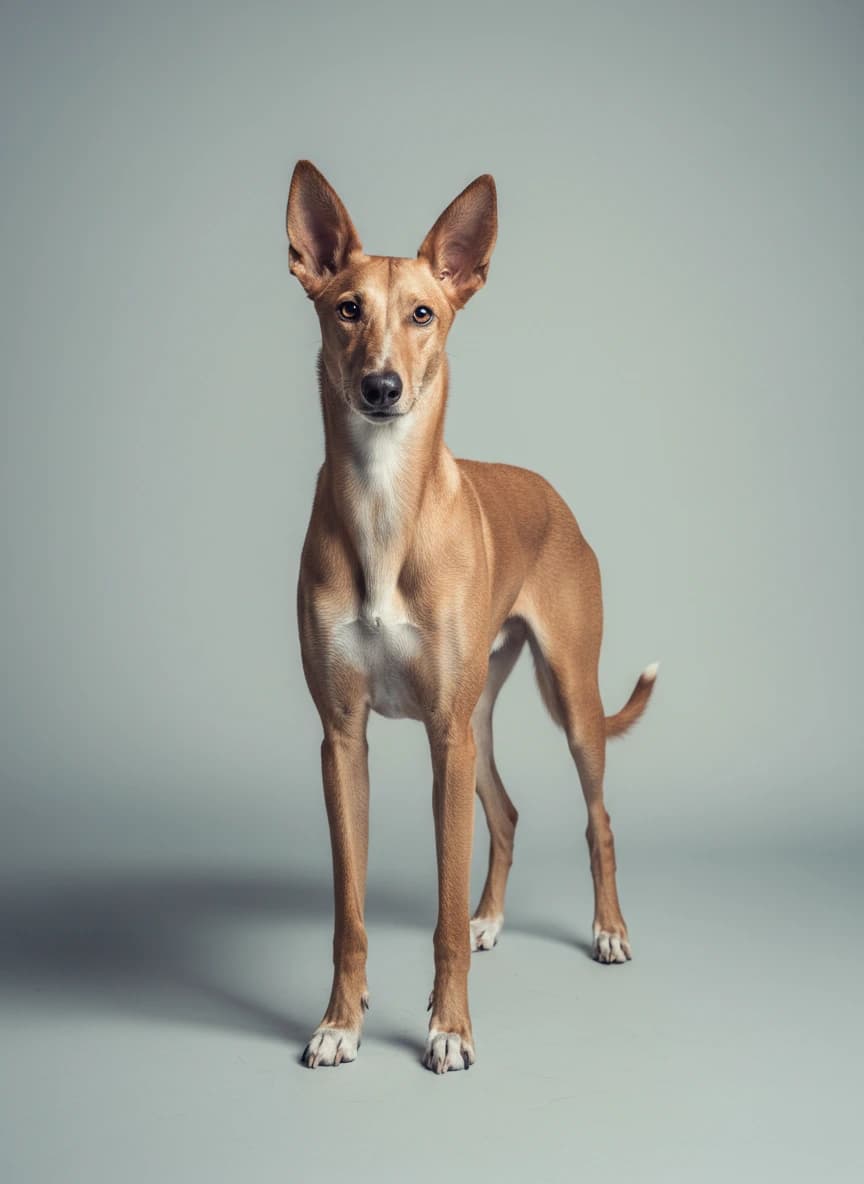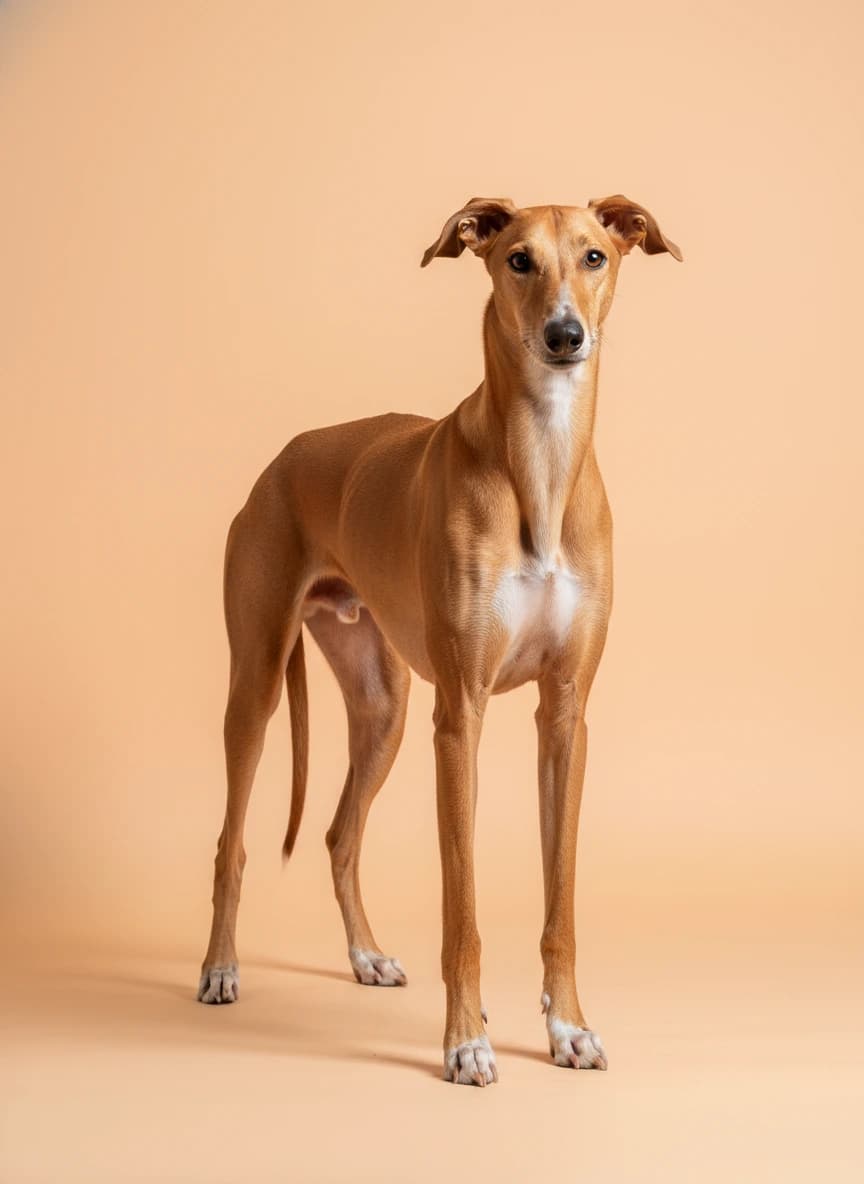
Also known as: Tuareg Sloughi, Idi, Hanshee, Oska
West Africa (Sahel)
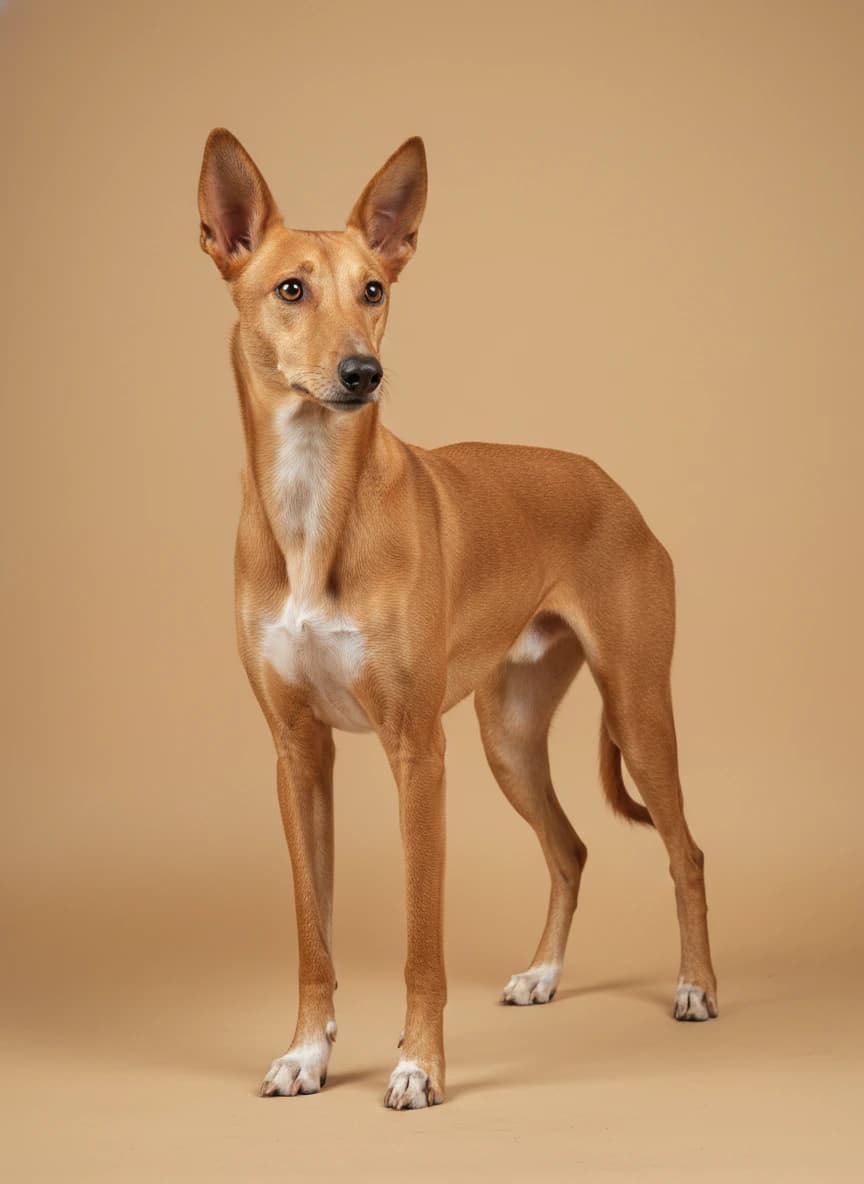
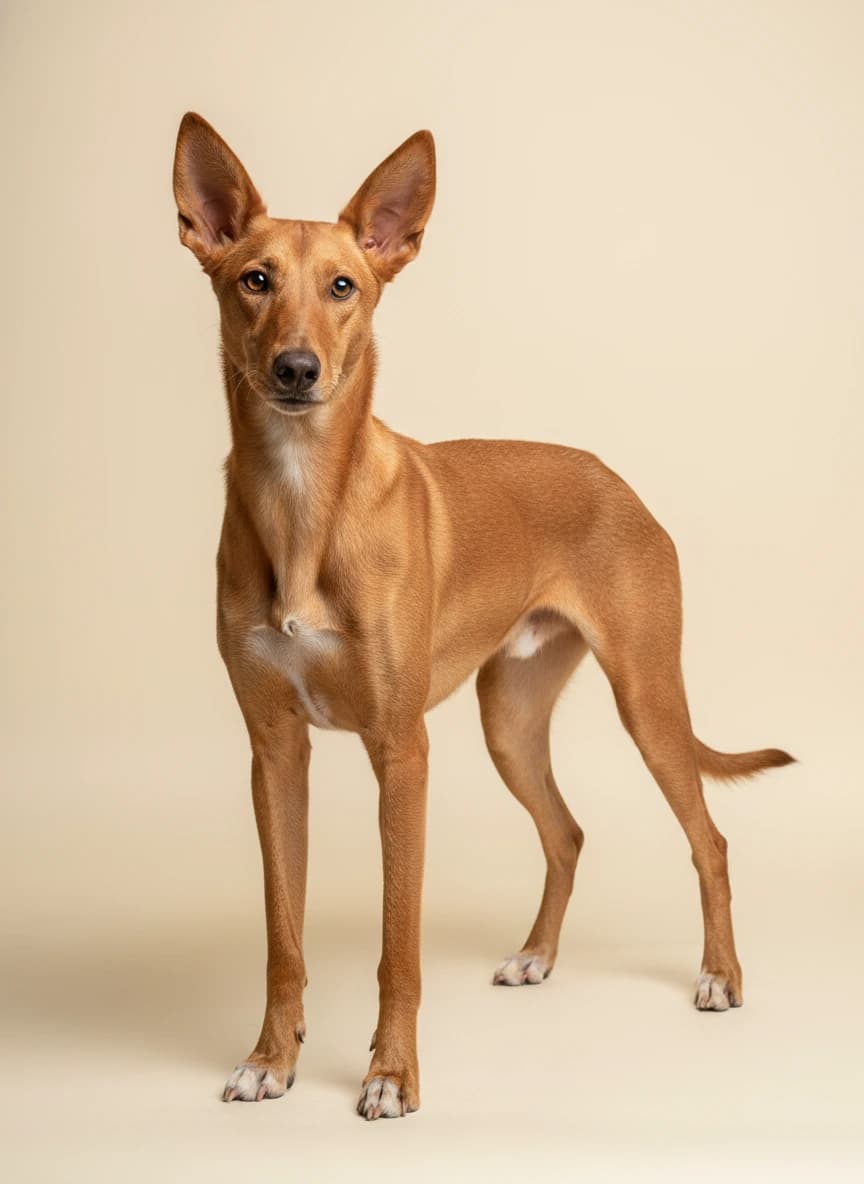
The Azawakh is an elegant enigma, moving with a graceful aloofness that belies their deep devotion to their chosen family. They are sight hounds through and through, scanning the horizon with an intensity born of desert open spaces, and their athletic bursts of speed are breathtaking. While not overtly demonstrative, they form incredibly strong, almost singular bonds, often selecting one person as their confidant. They thrive on routine and can be sensitive to change, needing a quiet, respectful environment. With strangers, they are typically reserved, observing from a distance with an aristocratic air. Their independent spirit means training requires patience and understanding, but once bonded, their loyalty is unwavering.
Common issues
Recommended screenings
Consult your trusted vet for advice specific to your dog.
The Azawakh is an elegant and aloof sight hound that embodies a quiet dignity rooted in their desert heritage. They tend to be observant and reserved with strangers, maintaining a watchful distance with an aristocratic composure. However, beneath this composed exterior lies a deeply loyal nature—they often form singular, intense bonds with their chosen family members, frequently selecting one person as their primary confidant. While not overtly demonstrative in affection, their devotion is unwavering once that bond is established. Azawakhs are independent thinkers with a strong prey drive, possessing an inherent intensity when focused on movement across open spaces. They thrive on routine and tend to be sensitive to change and disruption, requiring a calm, respectful environment where they feel secure.
Azawakhs require substantial daily exercise to satisfy their high energy levels and natural inclination to scan and pursue. They excel in open spaces where they can stretch their remarkable speed and athleticism. Mental stimulation through varied activities is important, as boredom can lead to behavioral challenges. Training requires patience and understanding, as their independent nature means they are not naturally eager to please. Consistency, positive reinforcement, and respect for their individual personality tend to yield better results than forceful methods. Early socialization can help them become more comfortable in various situations, though their reserved nature with strangers typically persists. They respond well to routines and may become stressed or anxious when their established patterns are disrupted.
Azawakhs have low grooming requirements, featuring a short, fine coat that sheds minimally. Regular brushing during shedding seasons helps manage loose hair. Their thin skin warrants gentle handling and awareness of potential pressure sores in resting areas; providing soft bedding is recommended. Routine ear cleaning, nail trimming, and dental care are standard maintenance needs. As sight hounds, they may have unique considerations regarding anesthesia and pain management should veterinary procedures be needed, making it important to discuss this with a veterinarian familiar with the breed. Eye health monitoring is advisable given the breed's tendency toward eye concerns.
Azawakhs thrive in homes that respect their need for space and quiet. They typically do best in households where at least one person can provide consistent companionship and routine. Their independent nature and prey drive mean they should have secure fencing and controlled exposure to small animals. They tend to be sensitive to household upheaval and chaos, preferring stable, predictable environments. While capable of adapting to various living situations, they benefit from homes that can accommodate their high exercise needs and offer peaceful spaces for rest. Their reserved demeanor with strangers means they may not be ideal for homes with frequent visitors or high social activity.
The Azawakh is well-suited to experienced or moderately experienced dog owners who appreciate independence and can respect the breed's aloof temperament without interpreting it as unfriendliness. They are ideal for those who value quiet companionship over constant interaction and who can commit to daily, vigorous exercise and consistent routine. Prospective owners should be comfortable with a dog that may remain reserved with strangers and who bonds primarily with one family member. They are best placed in homes with adequate space for running and a calm, stable household atmosphere. These dogs are not ideal for homes seeking an overtly affectionate, social companion or for first-time dog owners seeking an easily trainable breed.