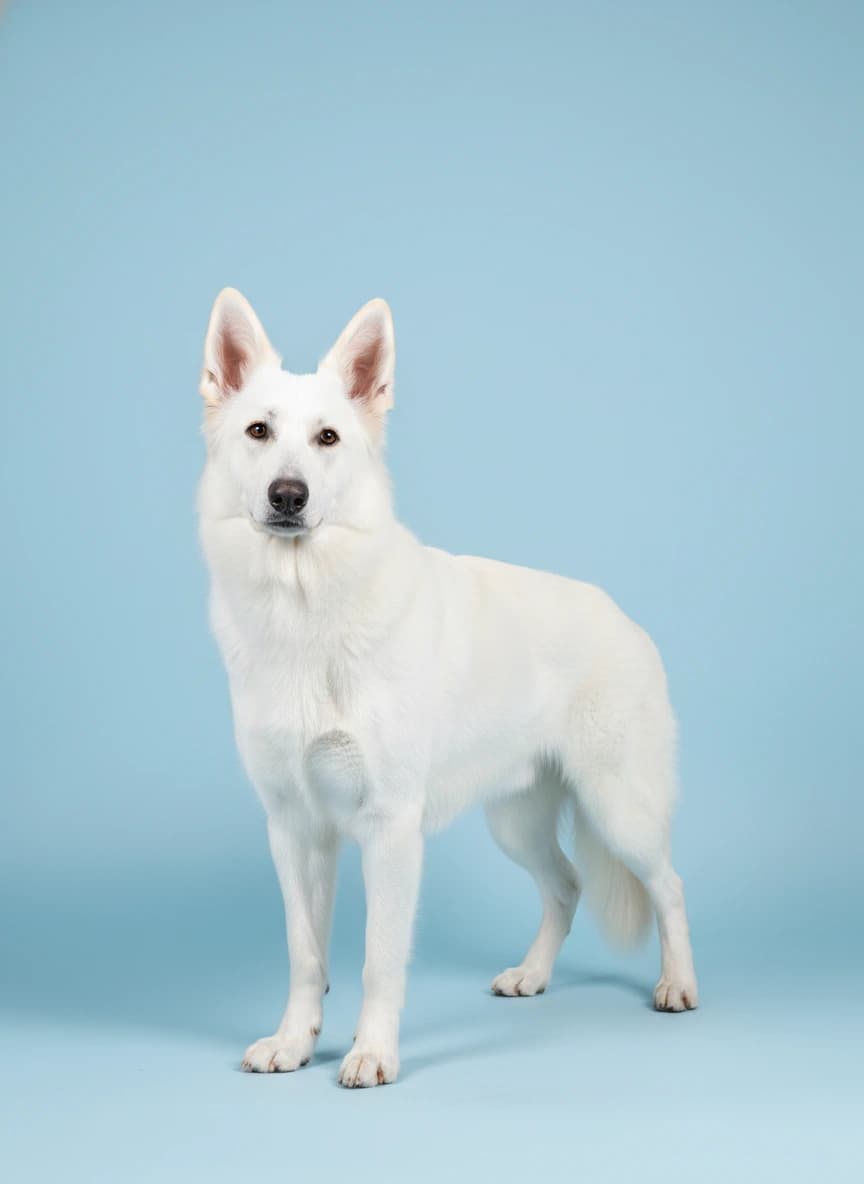
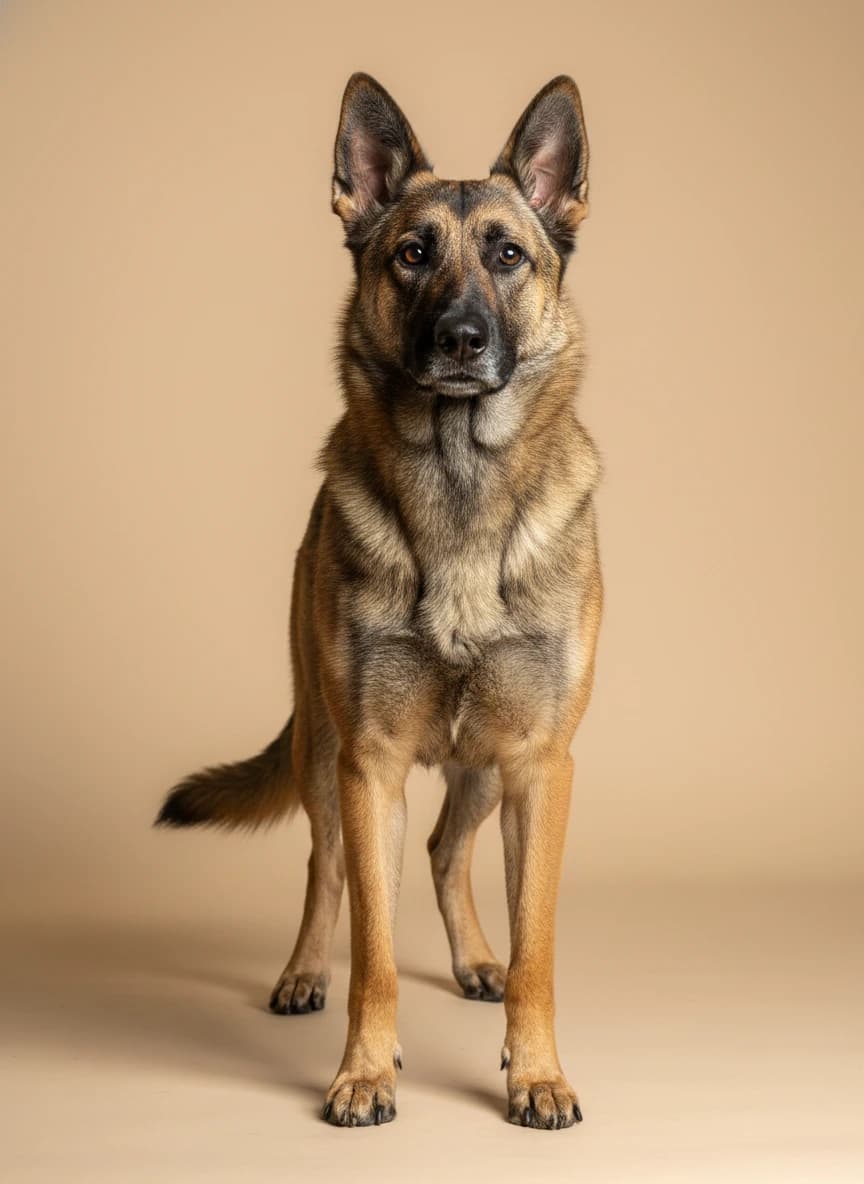
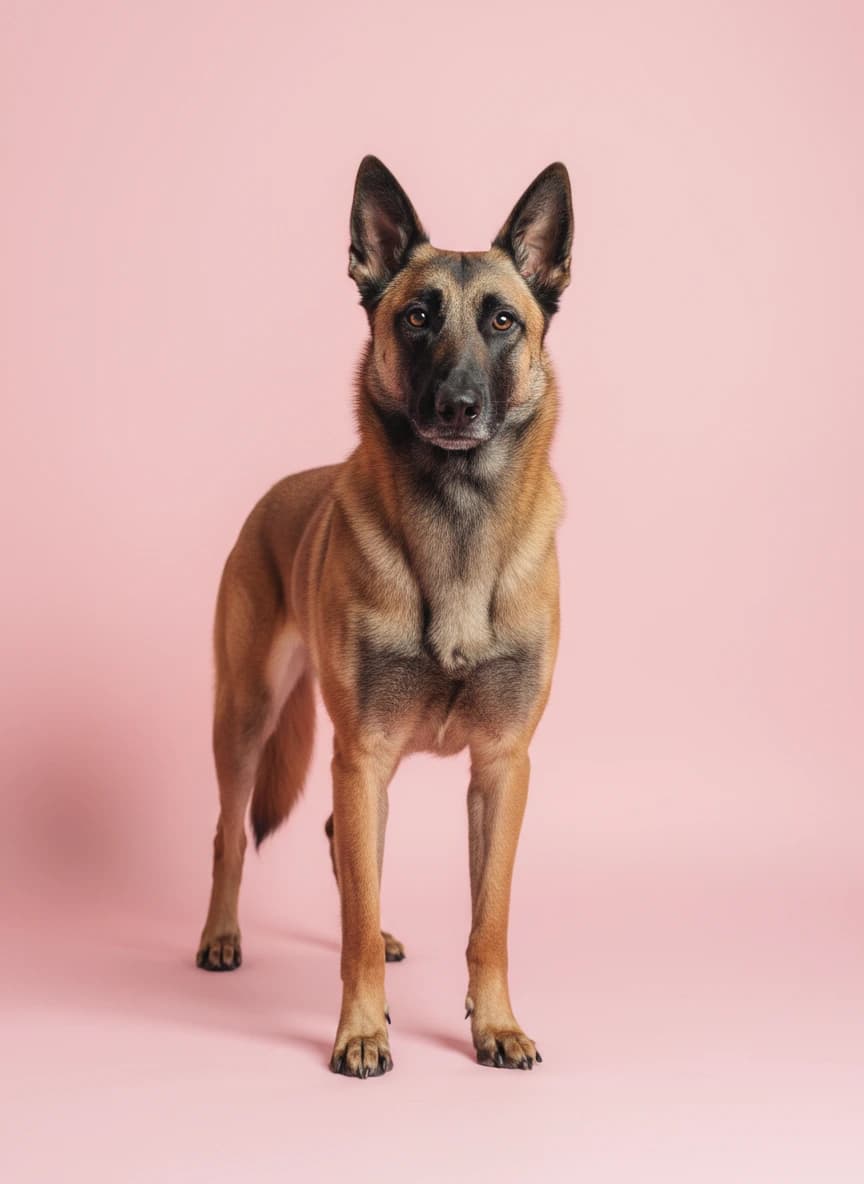
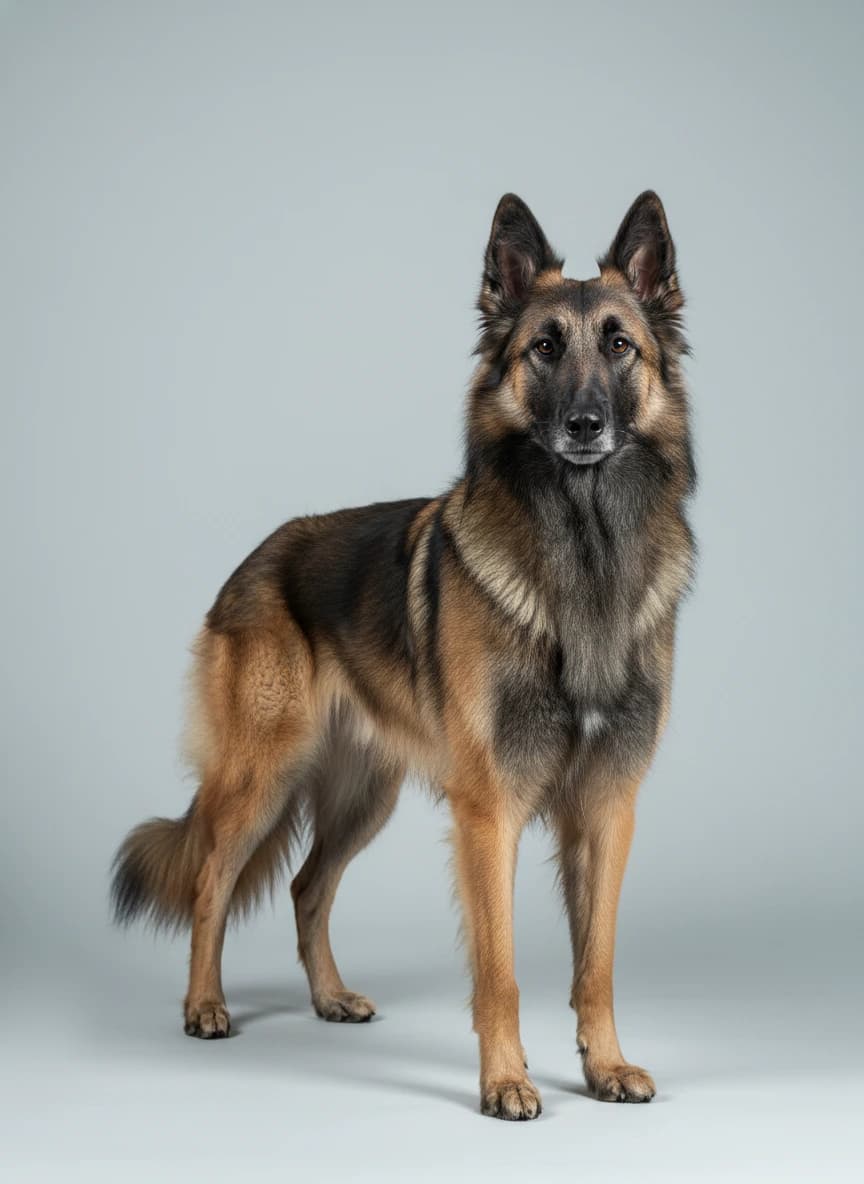
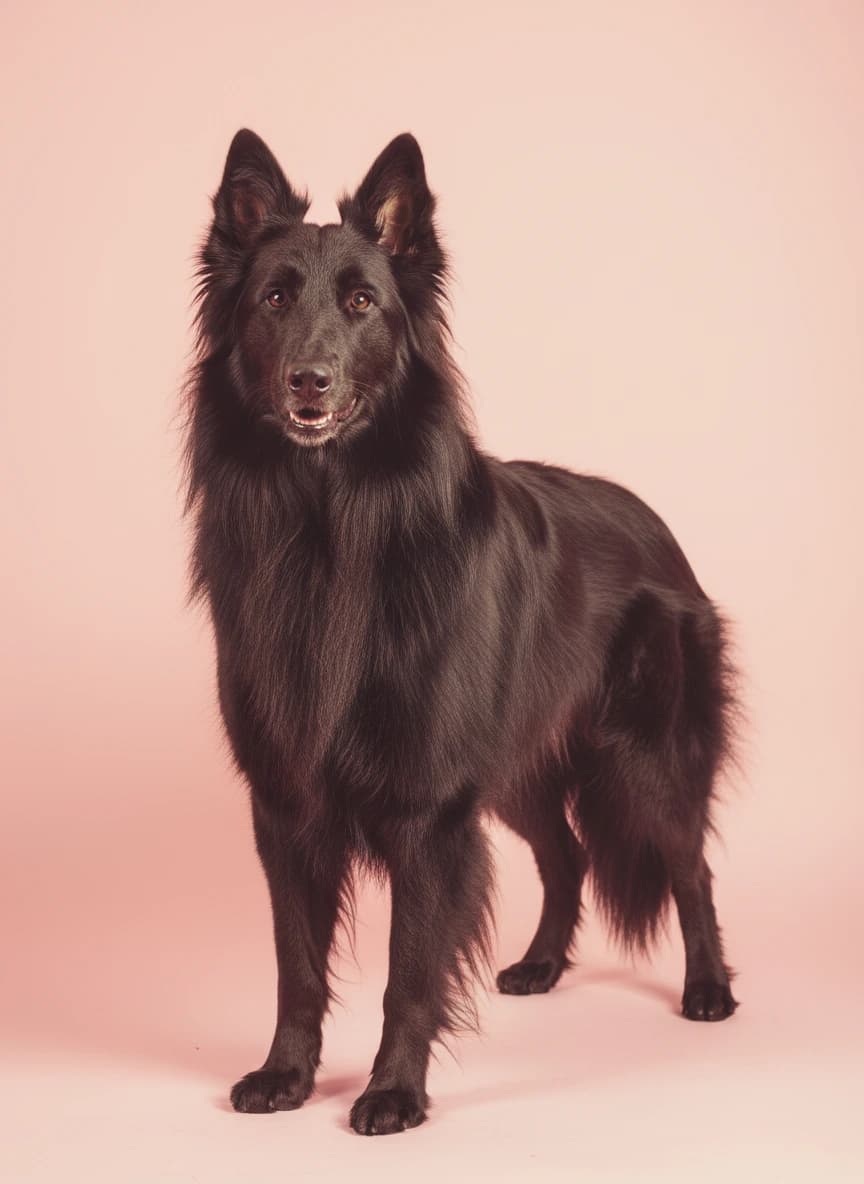
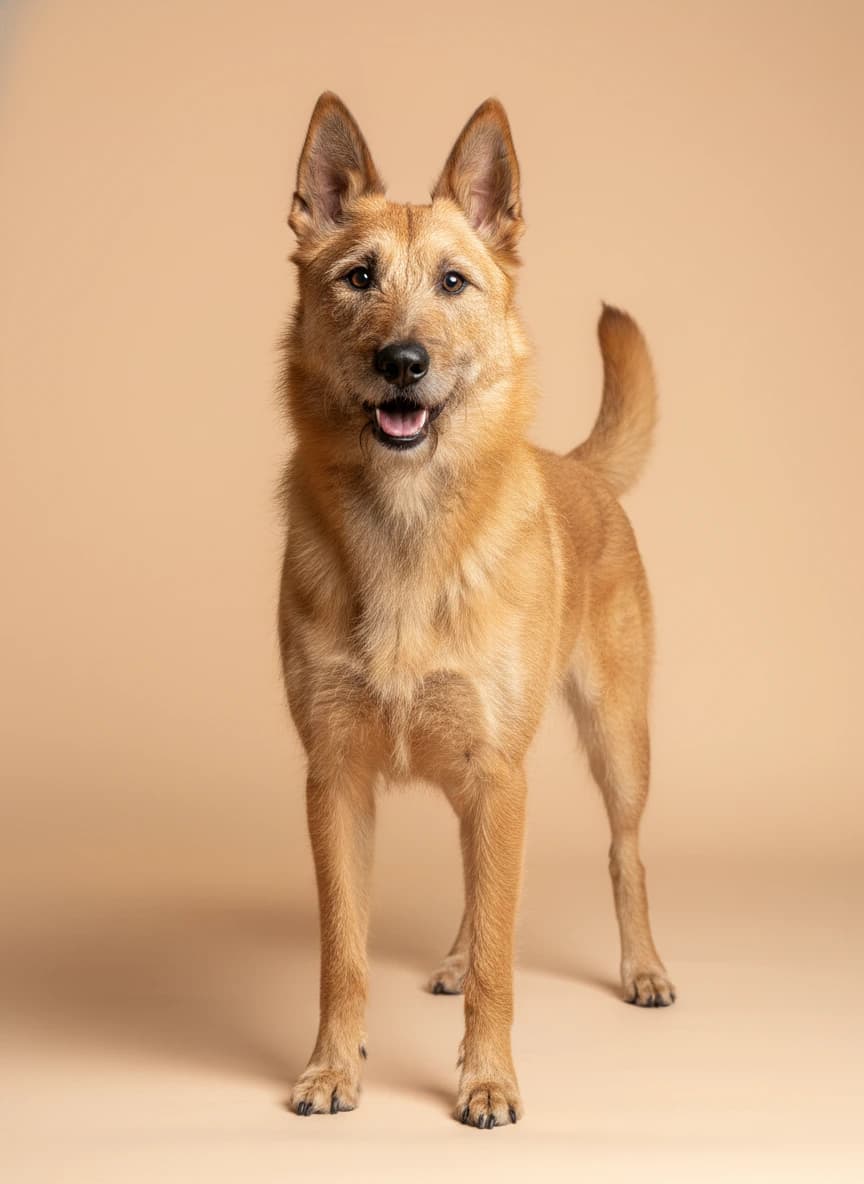
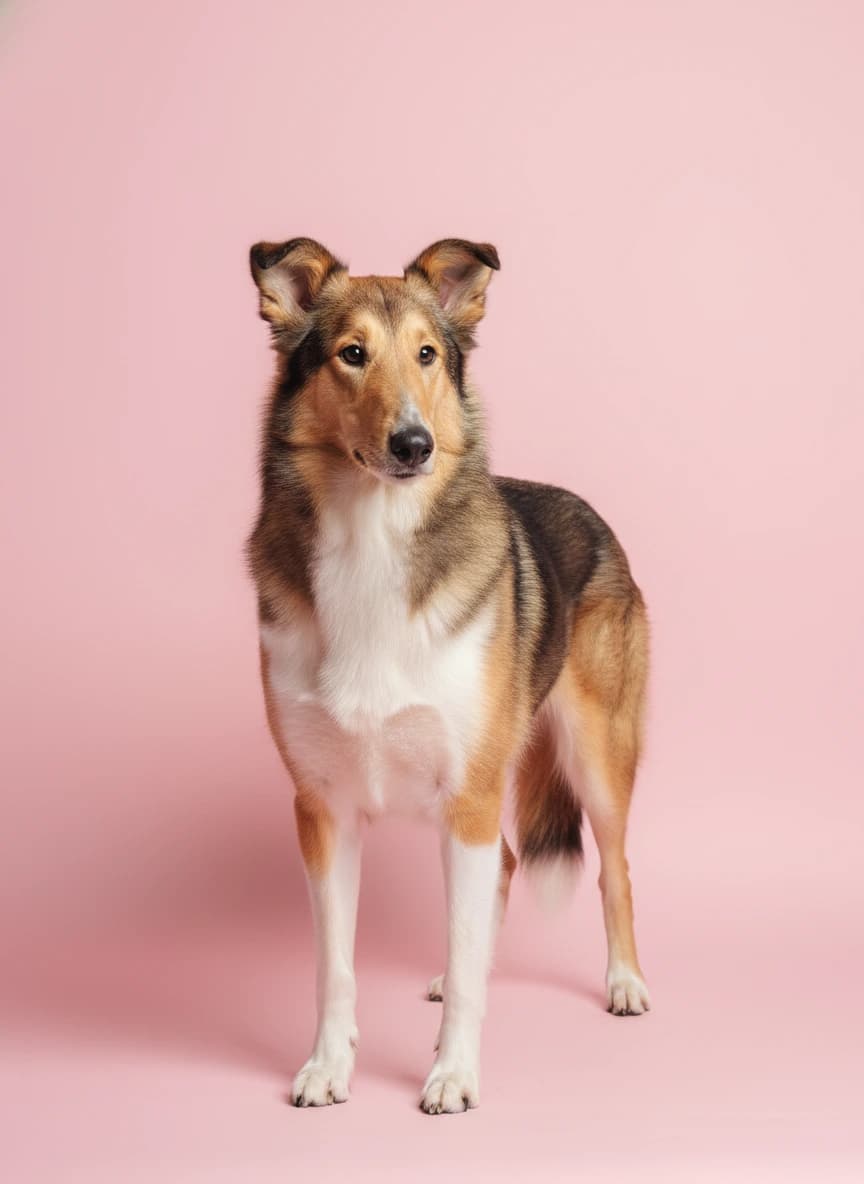
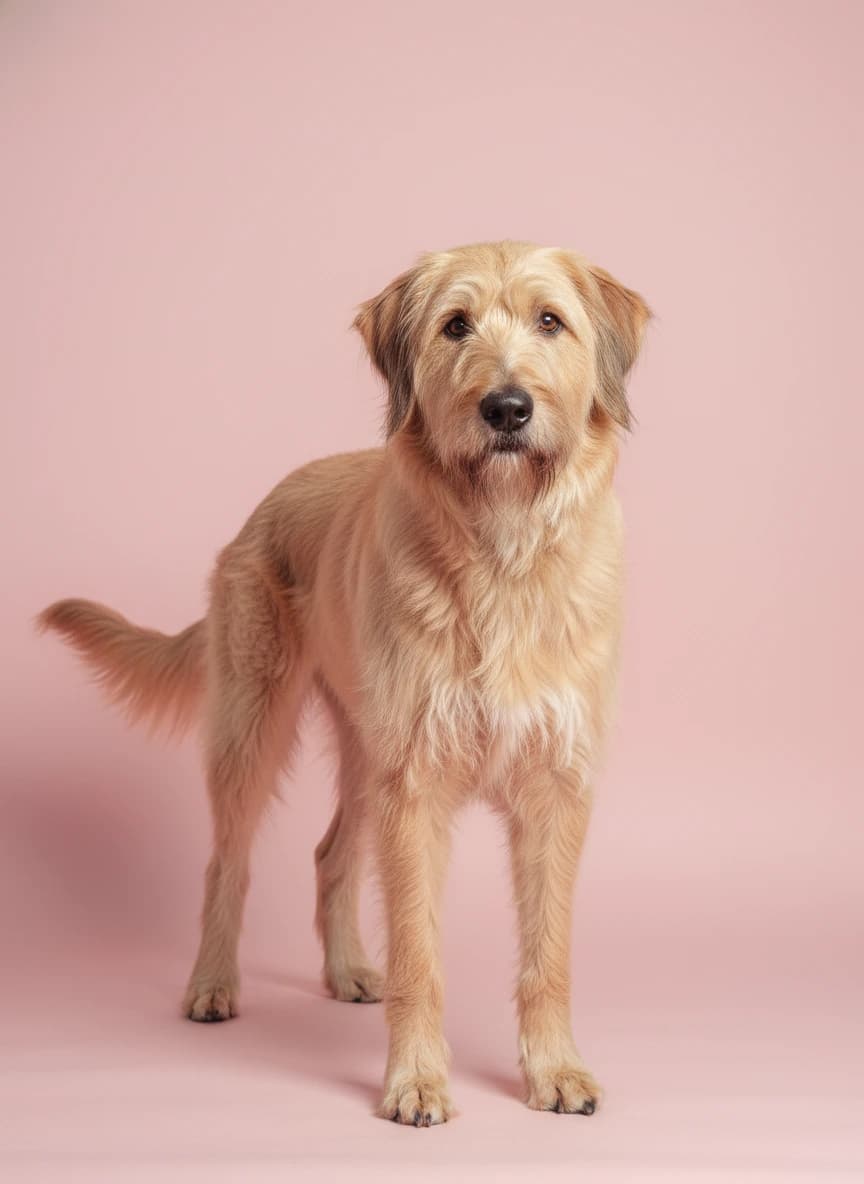
Also known as: German Shepherd Dog, Alsatian, GSD, Deutscher Schäferhund

Germany
The German Shepherd is a canine overachiever, a brilliant and devoted companion who thrives on purpose. They approach life with focused intensity, always eager to learn and please their beloved people. This isn't a dog for the faint of heart; their intelligent eyes miss nothing, and their strong protective instincts mean they're always acutely aware of their surroundings. While fiercely loyal and affectionate with their family, they can be reserved with strangers, evaluating new acquaintances with a discerning gaze. Living with a GSD means a life rich with training, activity, and a deep, unspoken understanding of their unwavering dedication.
Common issues
Recommended screenings
Consult your trusted vet for advice specific to your dog.
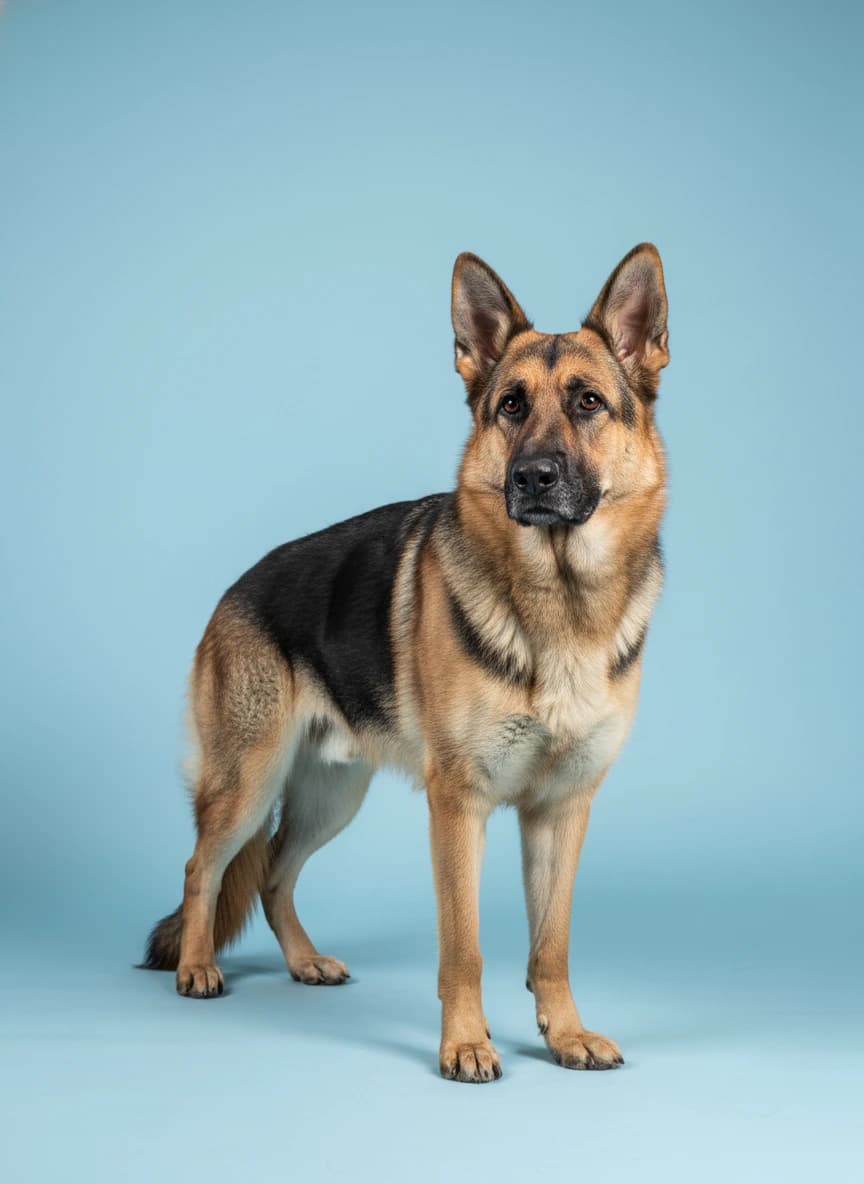
German Shepherds are intelligent, energetic, and deeply loyal companions who approach life with focused intensity. They tend to be acutely aware of their surroundings and thrive on having purpose and mental engagement. With their family, they often display genuine affection and devotion. However, they typically reserve judgment with strangers, evaluating new people thoughtfully rather than greeting everyone with enthusiasm. Their protective instincts are strong, and their keen eyes rarely miss details in their environment. These dogs are best suited to owners who appreciate their serious, purposeful nature and can channel their considerable intelligence into constructive activities.
German Shepherds have high exercise requirements and benefit from daily vigorous activity—whether that's running, hiking, structured play, or work-oriented tasks. Their exceptional trainability means they respond well to consistent, purposeful training and genuinely seem to enjoy learning. Mental stimulation is equally important as physical exercise; these dogs thrive when given jobs to do or problems to solve. Training sessions should be regular and engaging, as their intelligent minds can become restless without adequate direction. Many German Shepherds excel in activities like obedience, agility, and service work, where they can apply their natural aptitudes.
German Shepherds have moderate grooming needs but shed consistently year-round, with heavier shedding during seasonal coat changes. Regular brushing helps manage loose hair and maintain coat health. They require routine nail trimming, ear cleaning, and dental care as part of standard maintenance. Their double coat provides natural weather protection, but they appreciate shelter during extreme conditions. Regular health monitoring is advisable, as the breed can be prone to certain developmental and degenerative conditions that responsible owners should discuss with their veterinarian.
German Shepherds need adequate space to move and exercise, making them better suited to homes with yards rather than small apartments. They are active indoors and out, and their energy levels require committed daily engagement. Because of their alert nature and protective instincts, they tend to be aware of household activity and changes in their environment. They bond intensely with their families and may struggle with prolonged solitude. Their intelligence means they can become destructive or develop behavioral issues if under-exercised or under-stimulated. These dogs thrive in structured environments where they have clear routines and purposeful activities.
German Shepherds are best suited to experienced dog owners who can provide consistent training, substantial daily exercise, and meaningful mental engagement. They require owners willing to invest time in their development and capable of channeling their intelligence and protective instincts constructively. If you appreciate a dog with strong personality, unwavering loyalty, and the drive to excel, and you have the space and commitment to support their needs, a German Shepherd may be a rewarding companion. They are not recommended for first-time owners or those unable to dedicate significant time to training and activity. Potential owners should research breed-specific health considerations and work with responsible breeders.