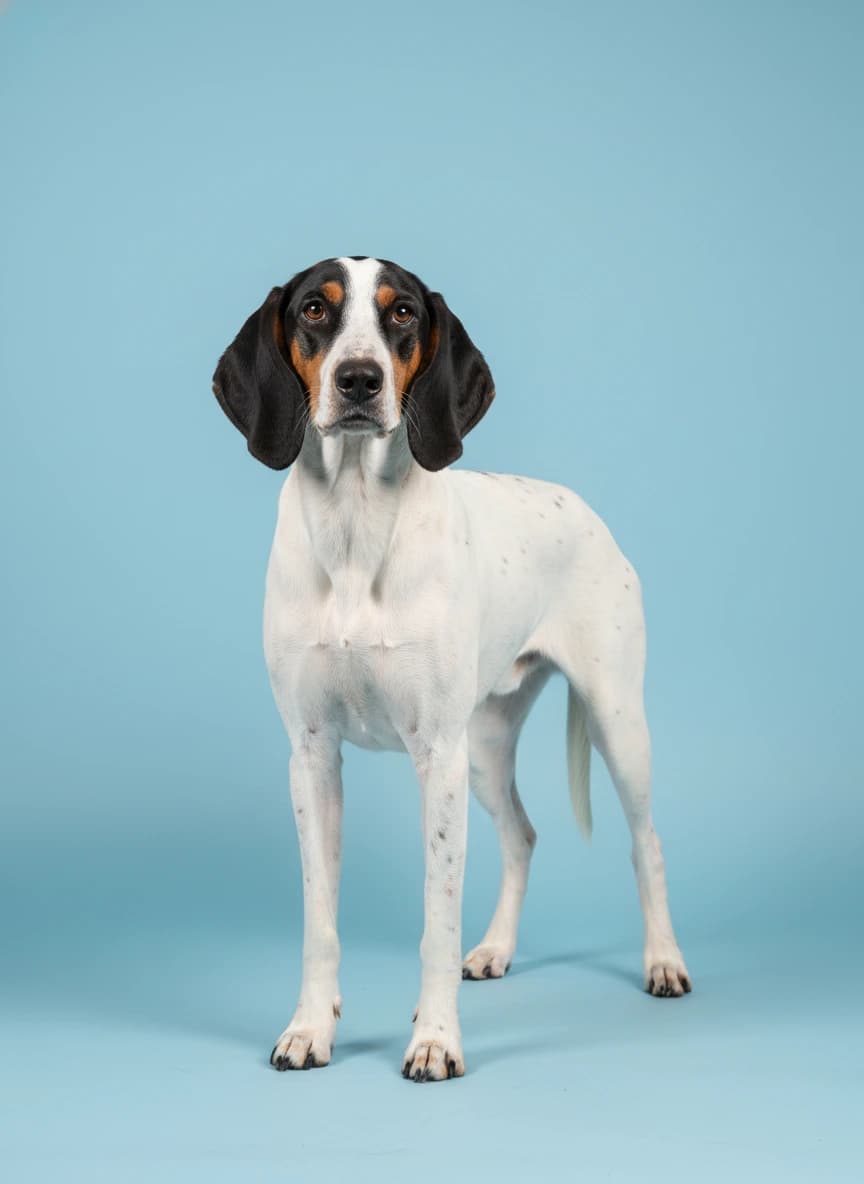
Also known as: Griffon Nivernais Grand, Nivernais Griffon, Griffon à Poil Long de Nivernais
France

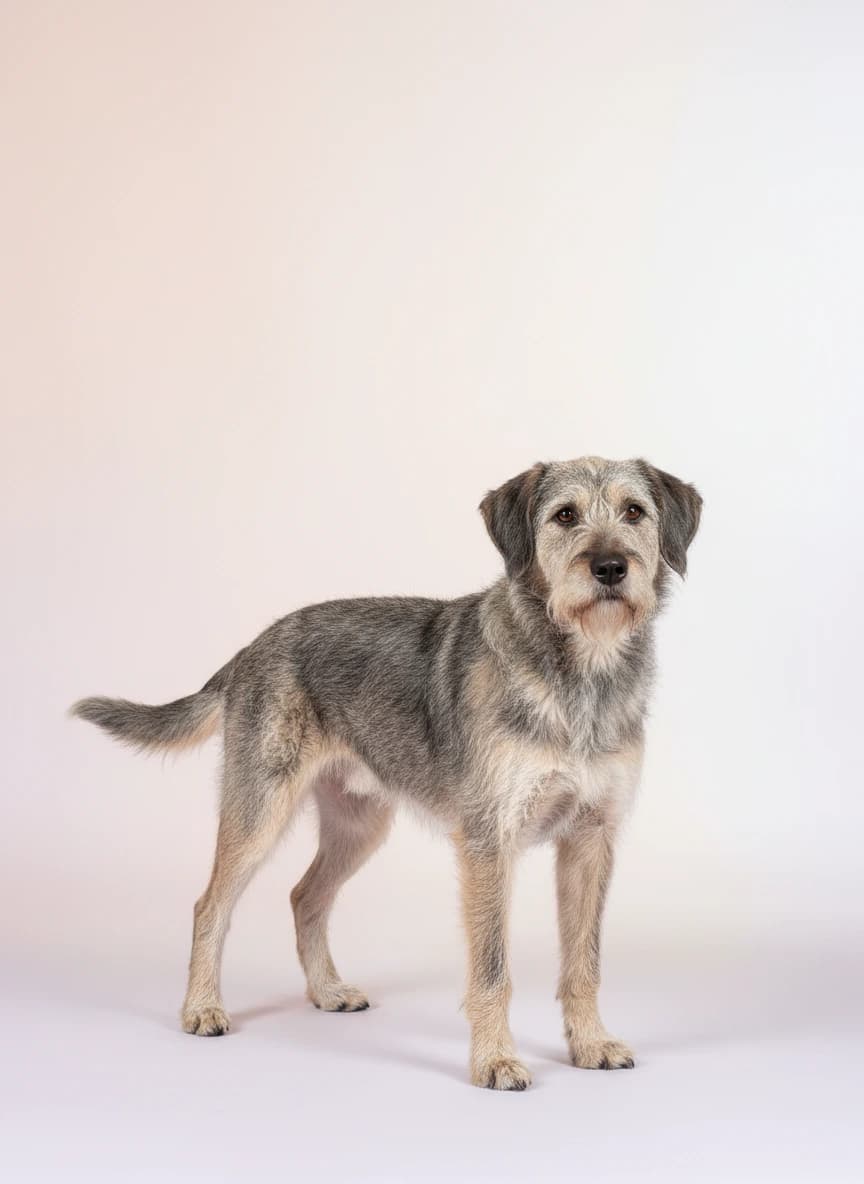
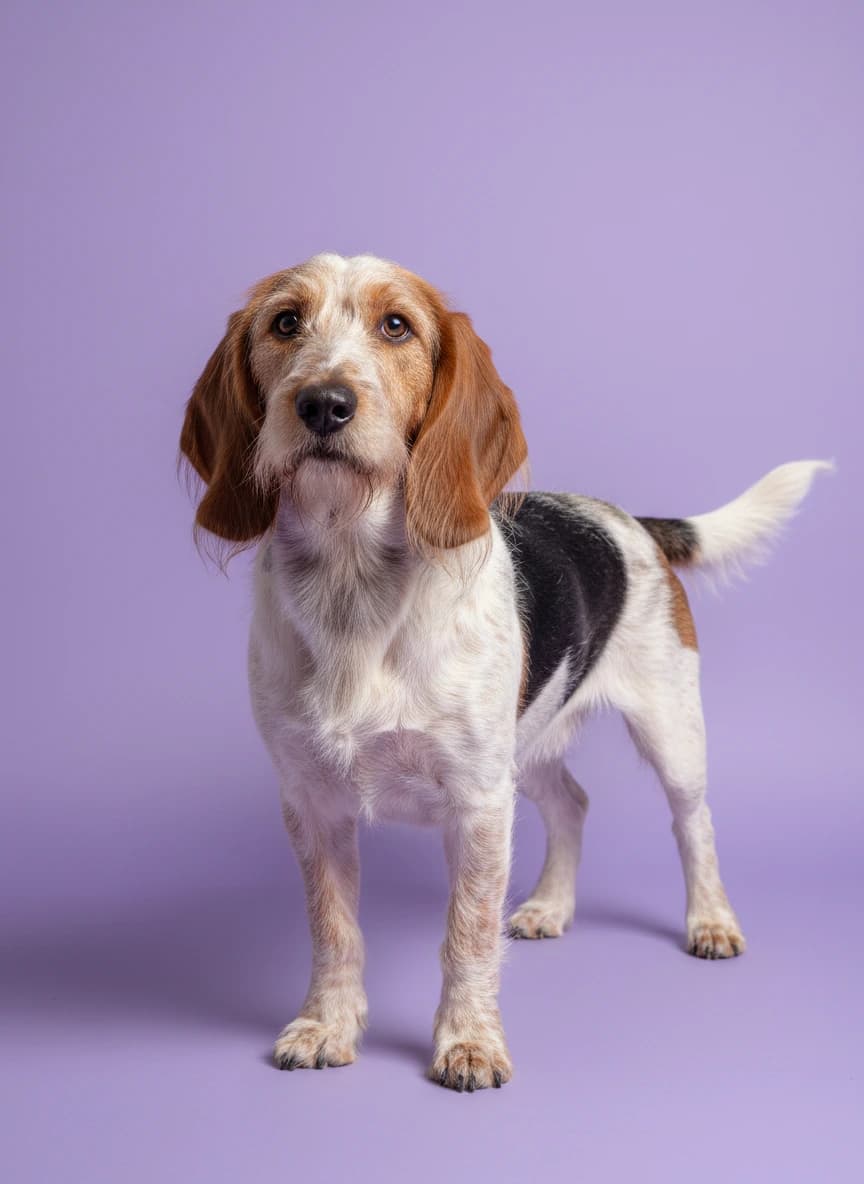
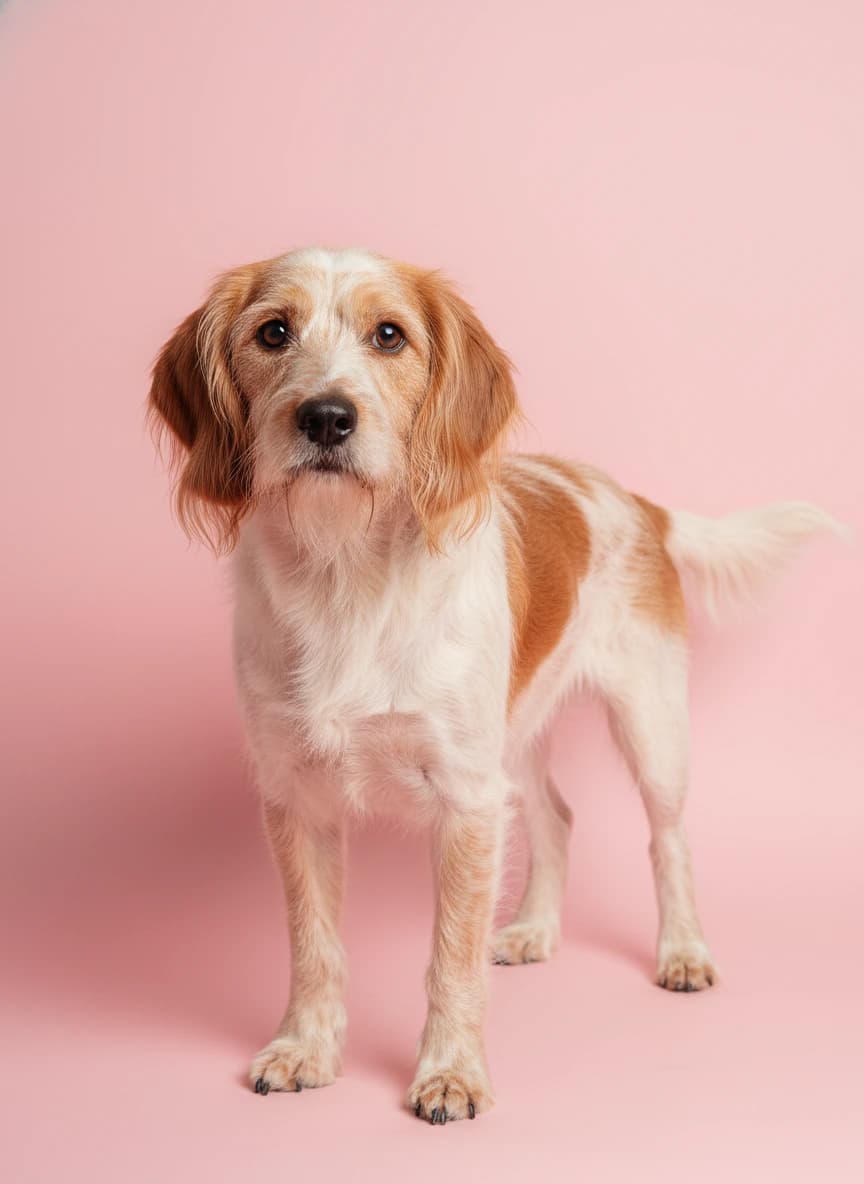
The Griffon Nivernais is a rugged individualist, his scruffy exterior hinting at a brain that’s always thinking. This isn't a dog who lives to please; he's a partner in adventure, and forging that bond takes respect and understanding. He possesses an independent streak born from centuries of hunting wild boar, and that tenacity translates into a delightful stubbornness at times. When he loves, he loves deeply, offering unwavering loyalty to his chosen family. He thrives on exploration, his keen nose always leading the way, making him an engaging companion for active homes ready to embrace his spirited nature.
Common issues
Recommended screenings
Consult your trusted vet for advice specific to your dog.
The Griffon Nivernais is a friendly yet independent thinker, shaped by centuries of hunting wild boar in French forests. This rugged individualist possesses a scent-driven nature that keeps his nose engaged and his mind active. He's not a breed designed to live solely to please—rather, he functions as a partner in adventure who respects and rewards understanding from his owner. His loyalty runs deep for those he bonds with, though his tenacity can manifest as delightful stubbornness. He thrives when given purpose and exploration, making him an engaging companion for active households ready to embrace his spirited, self-directed character.
The Griffon Nivernais requires substantial daily exercise to channel his high energy and scent-driven instincts productively. Long walks, off-leash exploration in secure areas, and activities that engage his nose—such as tracking or scent work—tend to satisfy his need for mental and physical stimulation. Training requires a moderate level of commitment and an understanding of his independent nature; he responds better to respectful guidance than rigid obedience frameworks. Consistency, positive reinforcement, and patience help establish trust with this thinking breed. Experienced owners typically find success by framing training as collaborative problem-solving rather than command-and-control, leveraging his natural intelligence and willingness to work alongside his person.
Grooming needs are low for this breed. His rough, wiry coat sheds and naturally resists matting, requiring only occasional brushing to remove loose hair and debris. Regular ear checks are advisable, as drop-eared scenthounds tend toward ear infections; keeping ears clean and dry helps reduce this tendency. His scruffy exterior is part of his charm and requires no special styling. Routine nail trimming, dental care, and general health monitoring round out his grooming routine. His coat's natural texture and minimal maintenance requirements make him relatively easy to care for on the grooming front.
The Griffon Nivernais needs adequate space to move and explore; apartment living may not suit his energetic nature. He does well in homes with secure outdoor areas where he can exercise and satisfy his scent-driven curiosity. His friendly disposition generally allows him to coexist peacefully with other dogs, though individual temperament varies. His vocalizations, alone-time tolerance, and compatibility with children and cats are not uniformly documented across the breed, so prospective owners should discuss individual dog characteristics with breeders or rescue organizations. He thrives in households that embrace his adventure-seeking nature and can commit to regular outdoor engagement.
The Griffon Nivernais is best suited to experienced dog owners who appreciate an independent, thinking partner rather than an eager-to-please companion. He requires an active lifestyle with frequent opportunities for exploration and exercise. Families or individuals with access to outdoor space, time for daily engagement, and patience for his spirited nature tend to find success with this breed. He may be sometimes easier for those with allergies, though individual variation exists. His need for purpose and mental stimulation means he fits well with owners committed to ongoing interaction, training, and adventure. He is not ideal for sedentary homes, first-time dog owners unfamiliar with independent breeds, or situations requiring extended periods of alone time.