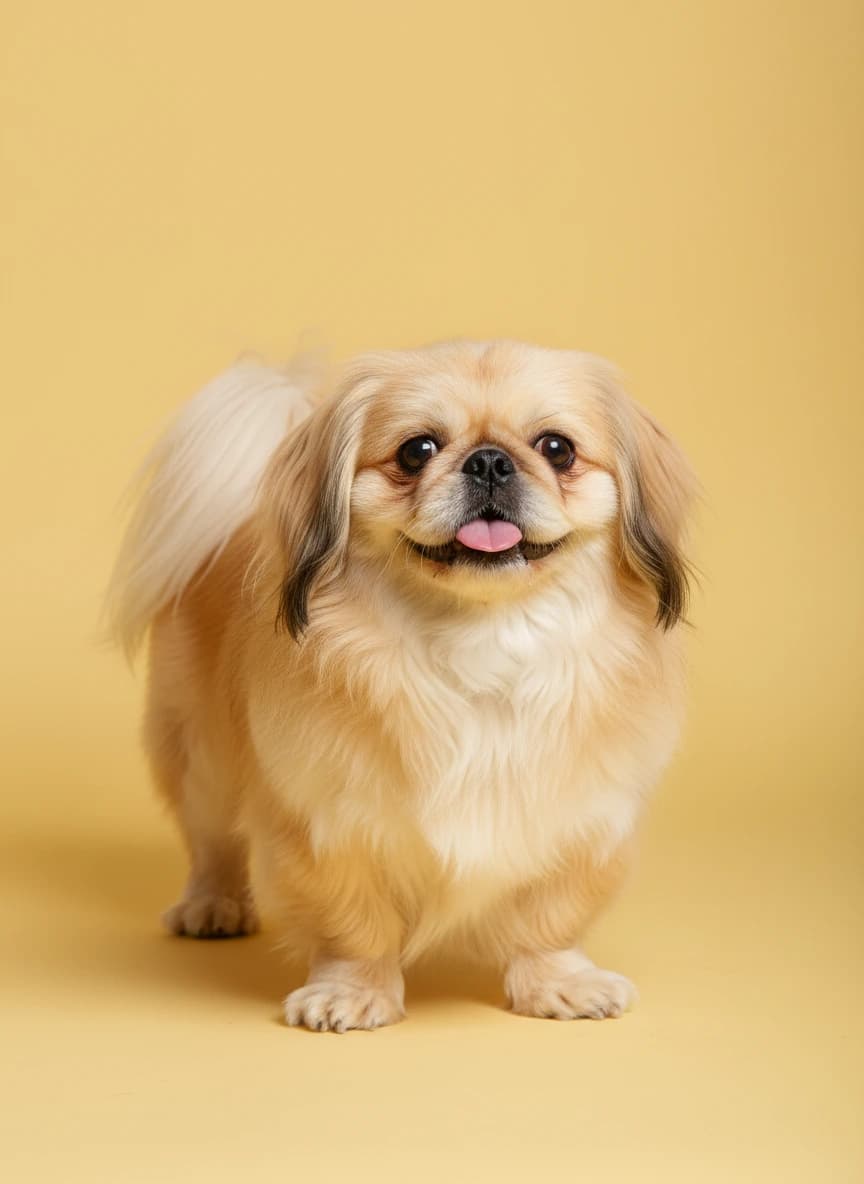
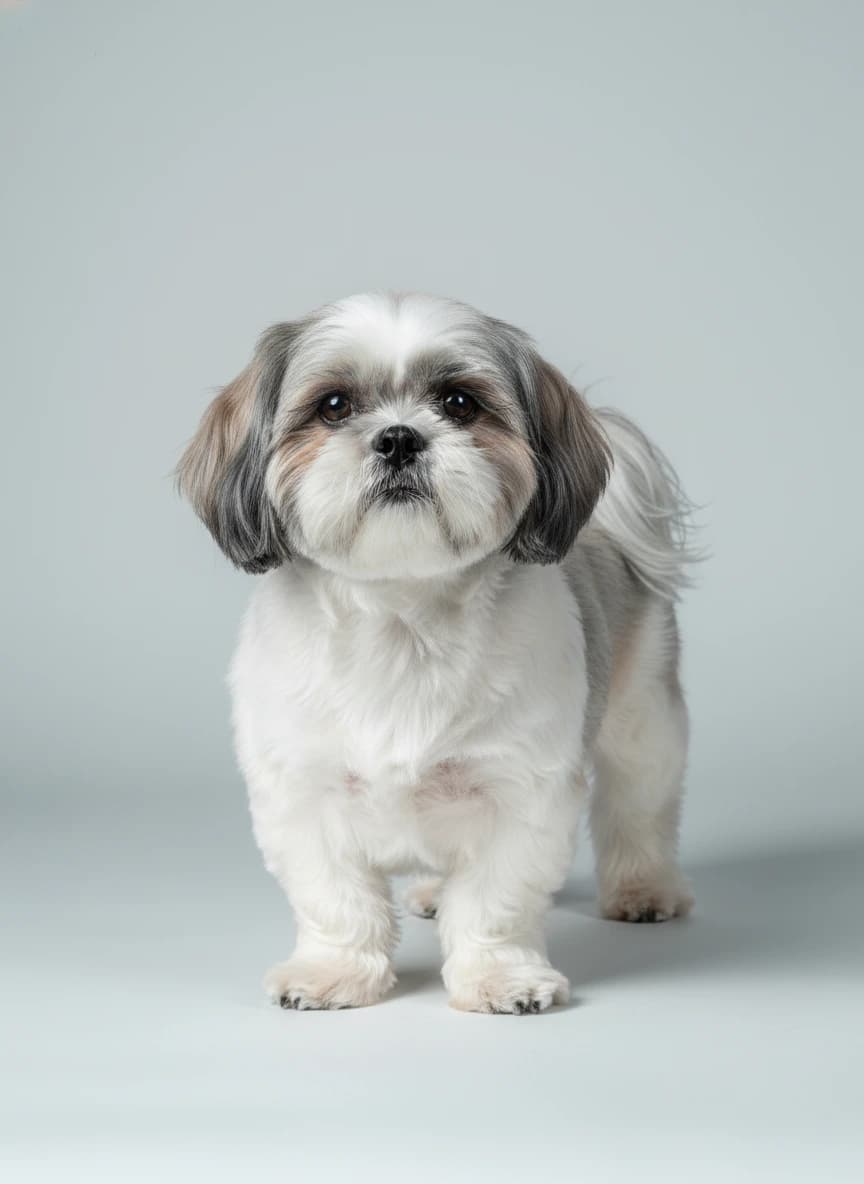
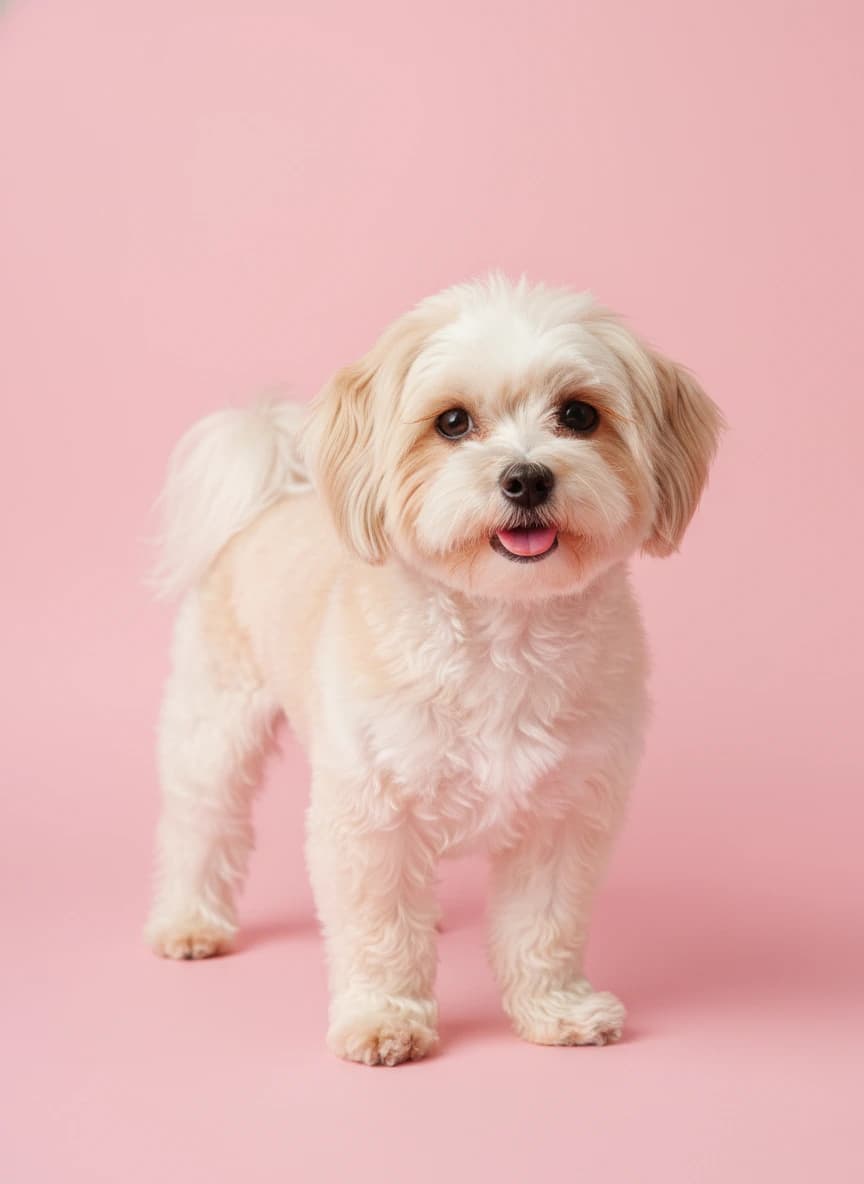
Also known as: English Toy Spaniel, Toy Spaniel, Charlie, Charlies

England
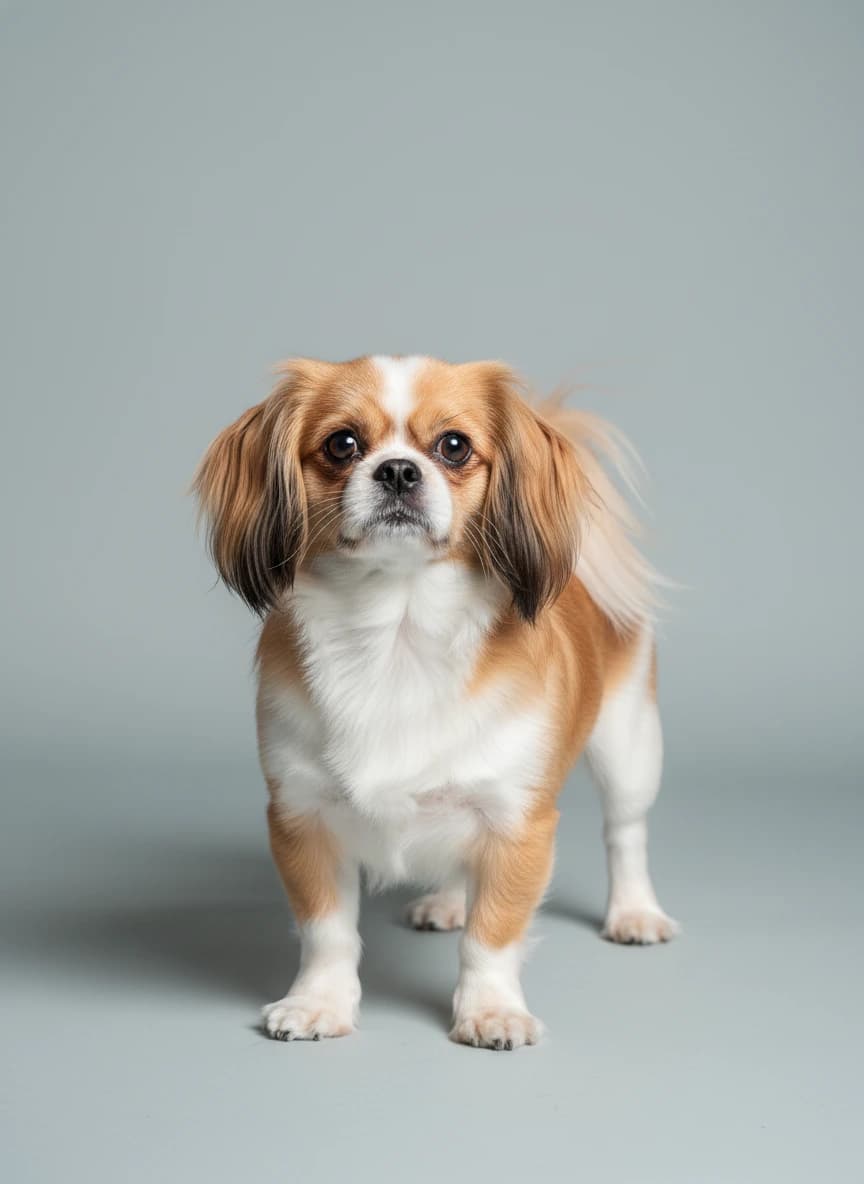
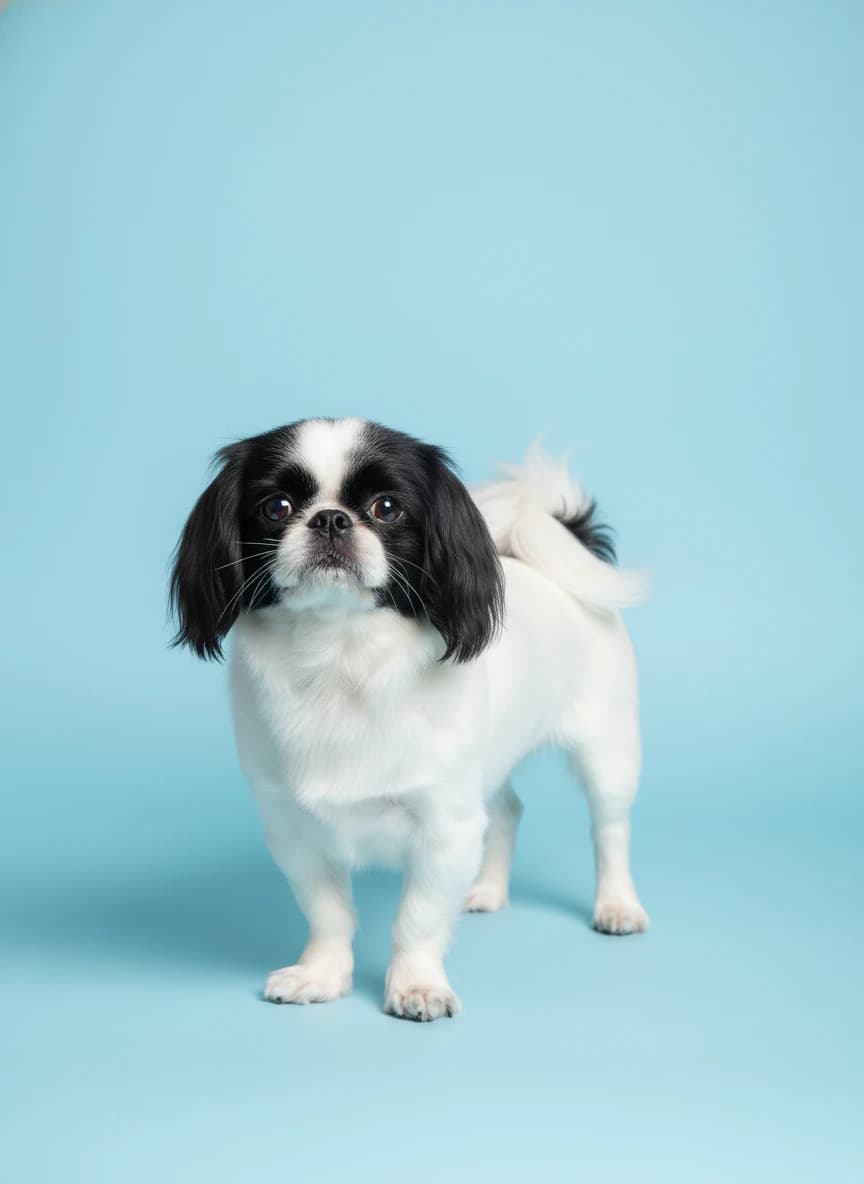
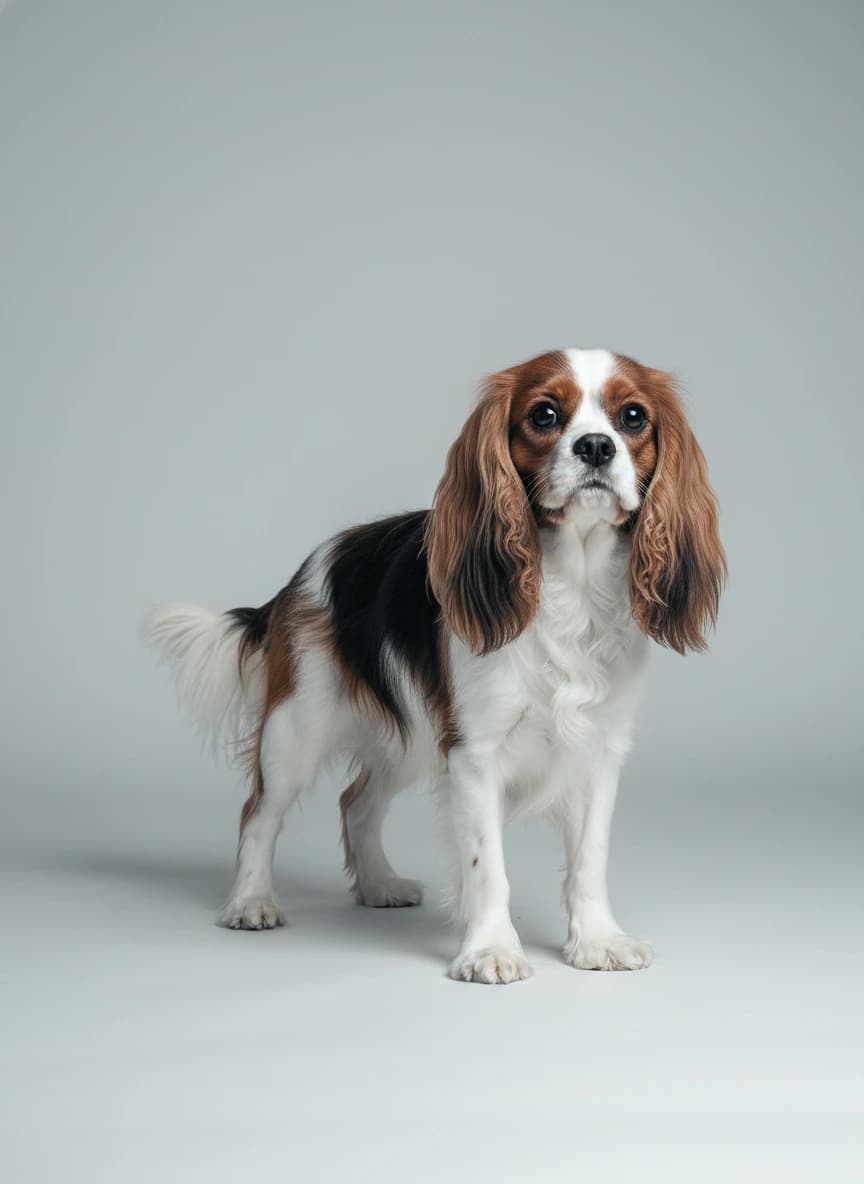
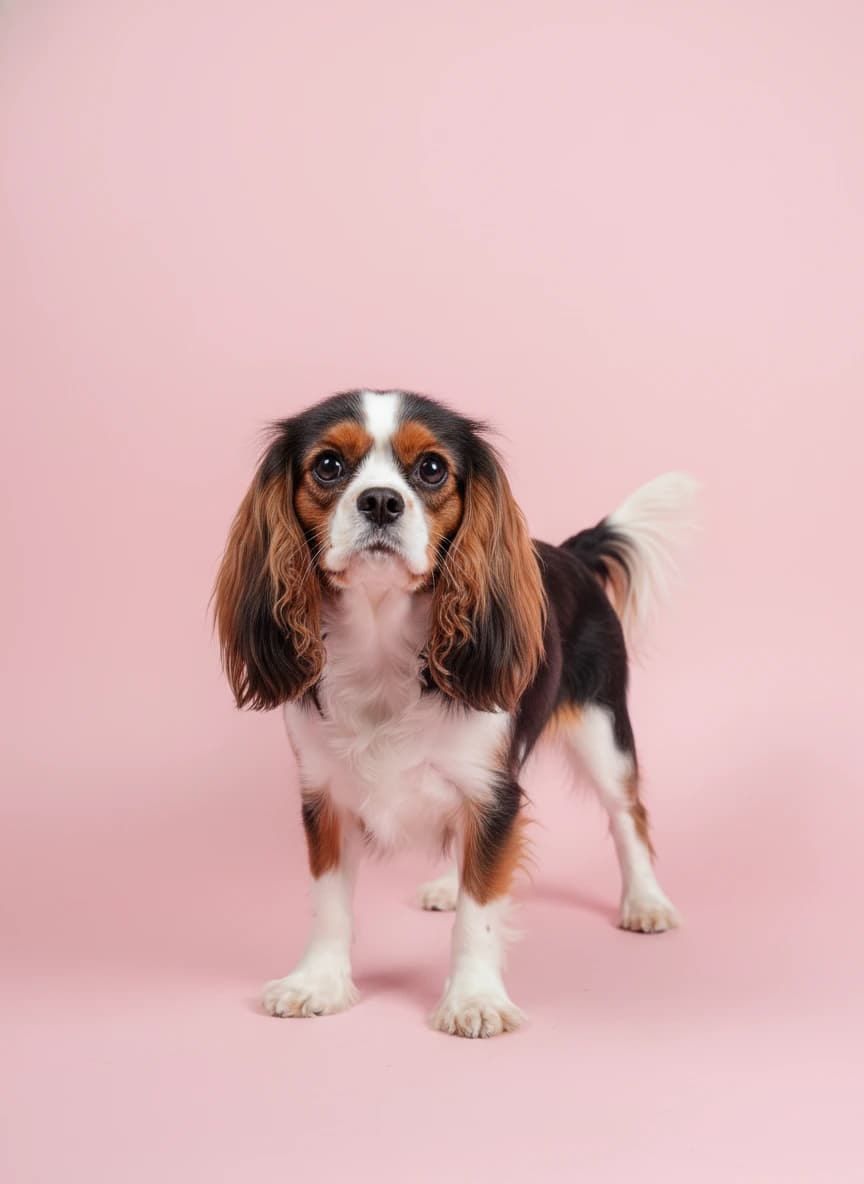
The King Charles Spaniel is a captivating companion, instantly charming with their soulful eyes and gentle demeanor. They are quintessential lapdogs, thriving on human affection and forming incredibly deep bonds with their families. A Charlie's day revolves around being near their person, often curled up on a warm lap or nestled beside them on the sofa. Despite their regal appearance, they possess a playful, sometimes mischievous streak, enjoying a good romp with toys. They are sensitive souls, not fond of being left alone, and prefer a calm, consistent household. Their quiet, sweet nature makes them wonderful indoor companions, content with gentle walks and abundant cuddles.
Common issues
Recommended screenings
Consult your trusted vet for advice specific to your dog.
The King Charles Spaniel is a captivating companion known for their soulful eyes and gentle demeanor. These dogs tend to be enthusiastic, gentle, and obedient, displaying a quintessential lapdog nature that thrives on human affection. They form incredibly deep bonds with their families and typically prefer spending their day near their person, whether curled up on a lap or nestled beside them on the sofa. Despite their regal appearance, they often possess a playful and sometimes mischievous streak, enjoying a good romp with toys. King Charles Spaniels are generally sensitive souls that do not fare well being left alone for extended periods and prefer calm, consistent households. Their quiet, sweet nature makes them wonderful indoor companions.
King Charles Spaniels tend to be highly trainable and respond well to consistent, gentle instruction. Their obedient nature and desire to please their families make them receptive to training, though they respond best to positive reinforcement and calm guidance rather than harsh correction. These dogs have low exercise requirements and are content with gentle walks and leisurely indoor play. While they enjoy toys and occasional romping, they do not require extensive outdoor activity. Their exercise needs can often be met through short, regular walks and interactive play sessions indoors, making them well-suited to a relaxed lifestyle centered around companionship.
Grooming needs for King Charles Spaniels vary depending on individual coat condition and length. Regular brushing helps maintain their coat health and manage shedding. Their ear structure requires attention, as spaniels can be prone to ear-related issues; regular ear checks and cleaning may help support ear health. Dental care is recommended, as companion and toy breeds can be susceptible to dental disease. Routine grooming, nail trimming, and veterinary check-ups support overall wellbeing. Prospective owners should be prepared for ongoing grooming maintenance tailored to their individual dog's needs.
King Charles Spaniels are excellent apartment dogs and adapt well to indoor living spaces. Their low exercise requirements and calm demeanor make them suitable for homes of various sizes, provided they receive adequate human companionship and attention. These dogs thrive when they can remain close to their families and may experience anxiety when left alone for prolonged periods. They prefer predictable routines and stable, calm household environments. Their gentle nature and moderate size make them convenient indoor companions, though they do best in homes where someone can provide regular interaction and presence throughout the day.
King Charles Spaniels are best suited for owners with some experience who can provide consistent companionship and a calm home environment. They are ideal for individuals or families seeking a devoted, affectionate lapdog rather than an independent pet. Prospective owners should be prepared to spend significant time with their dog, as these spaniels do not enjoy solitude and thrive on close human bonds. They are wonderful for people who value a gentle, eager-to-please companion and can accommodate their preference for indoor living and moderate exercise. These dogs are not ideal for homes where extended periods alone are routine, and they flourish best with owners who prioritize emotional connection and consistency.