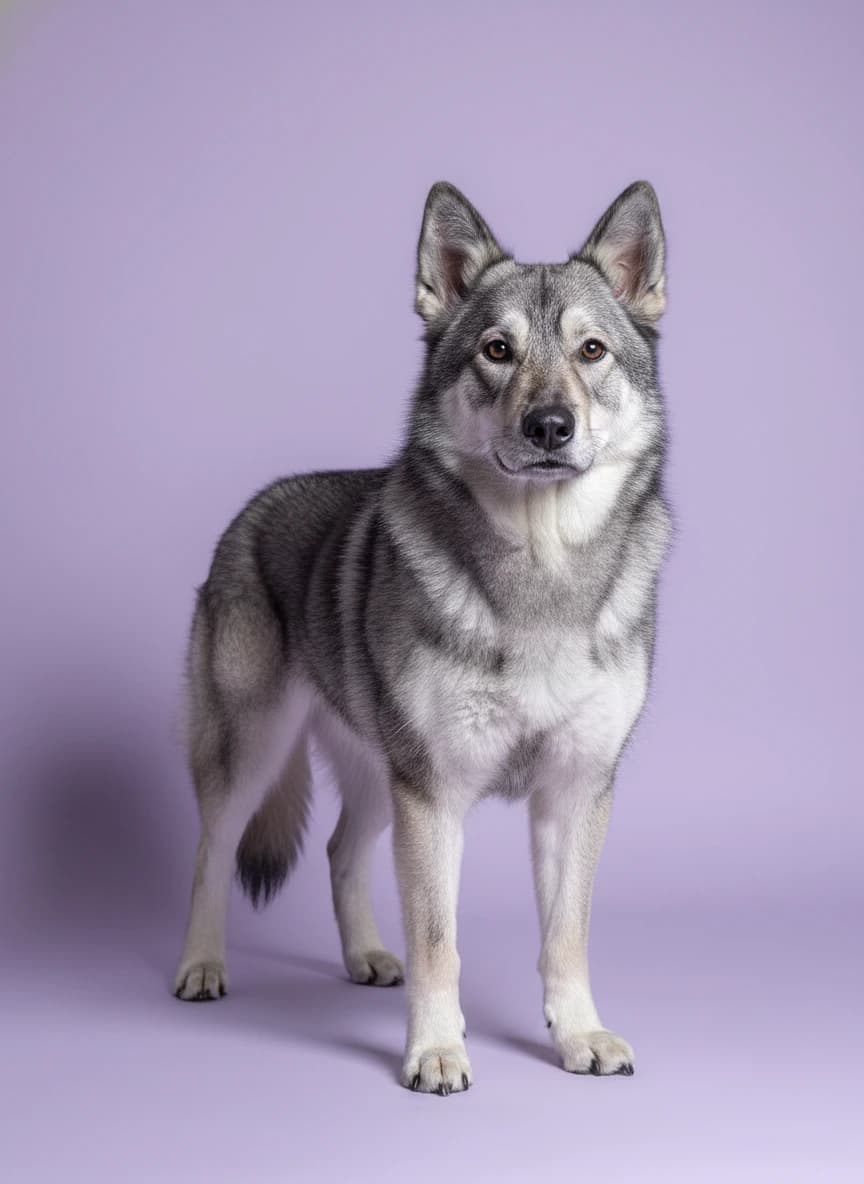
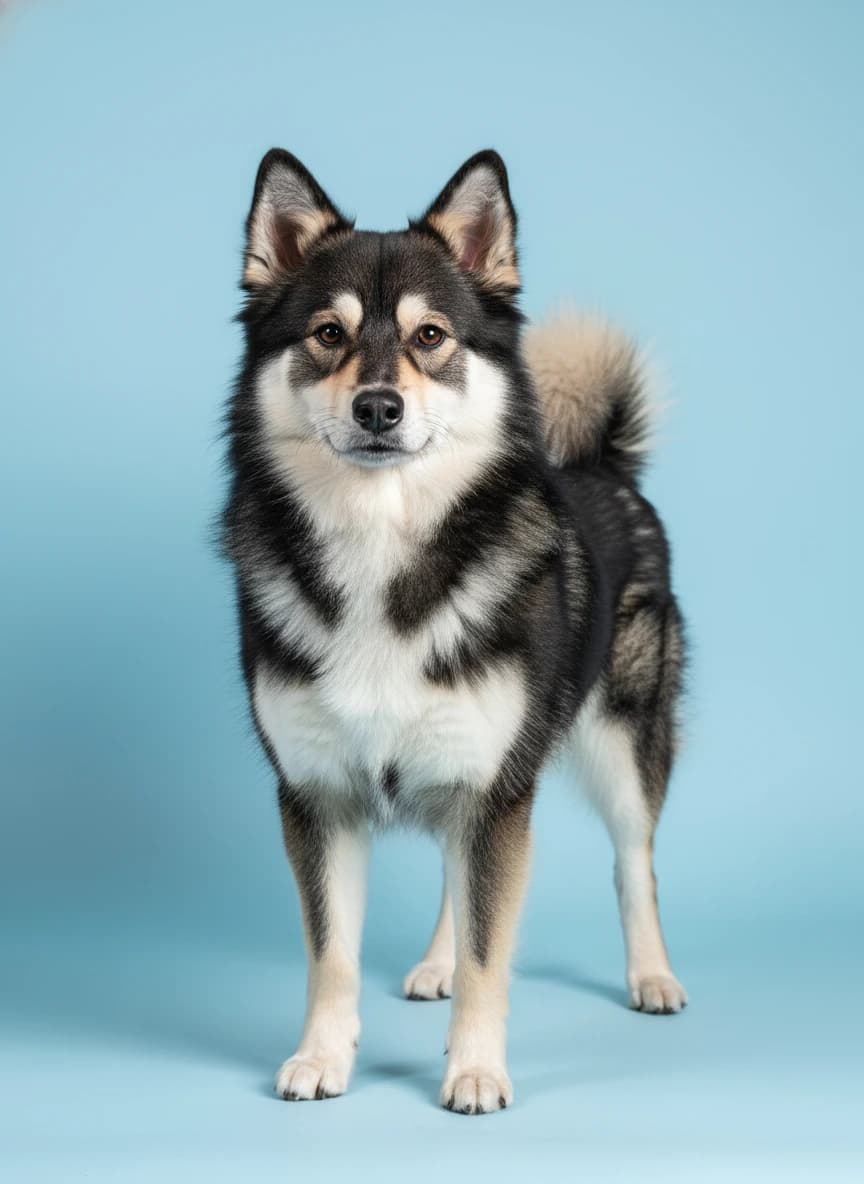
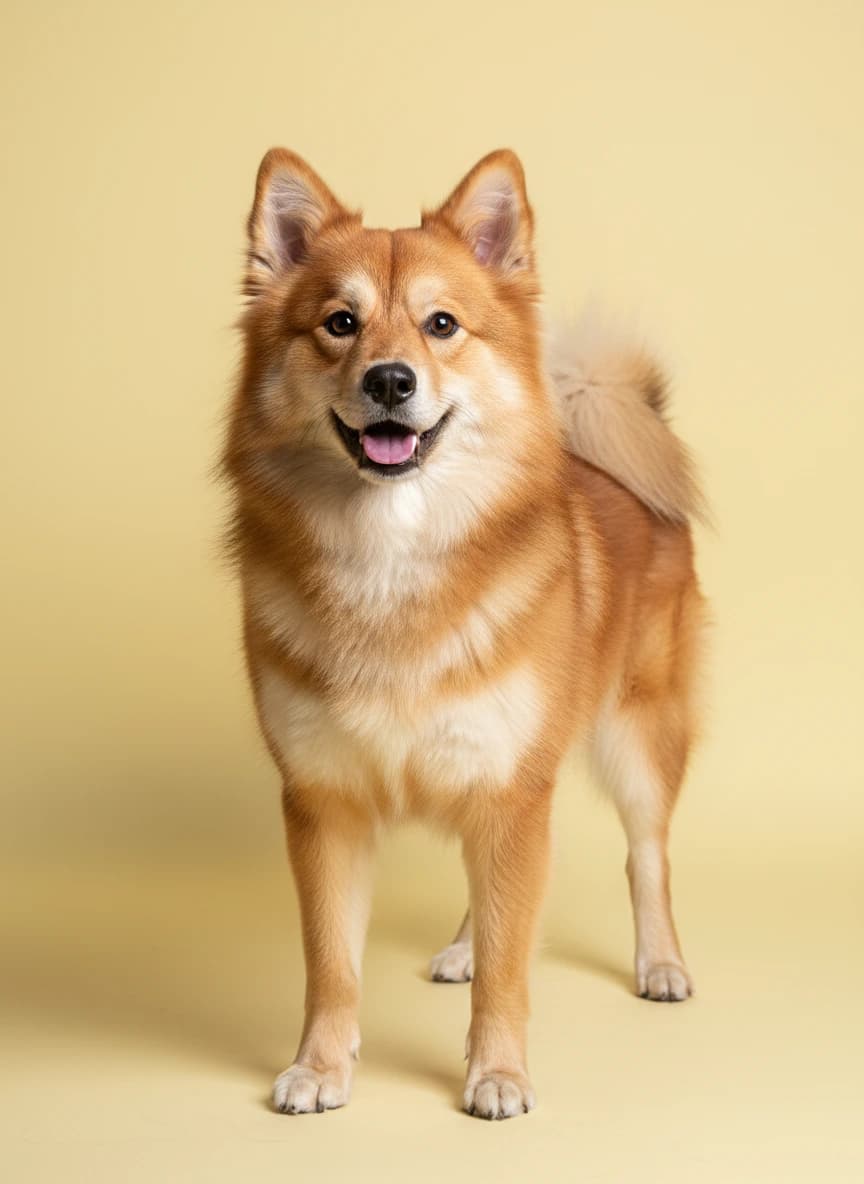
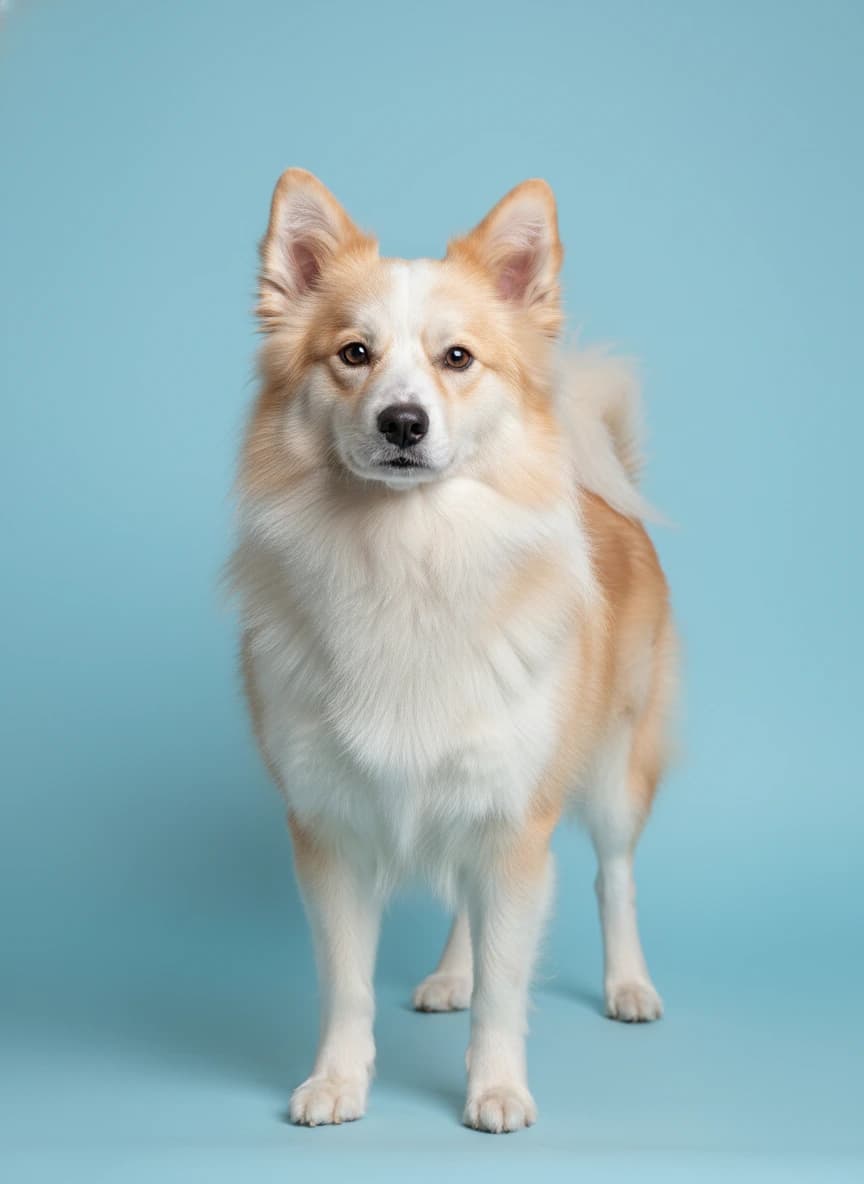
Also known as: Norbottenspitz, Norrbottens Skällande Fågelhund

Sweden,

Finland
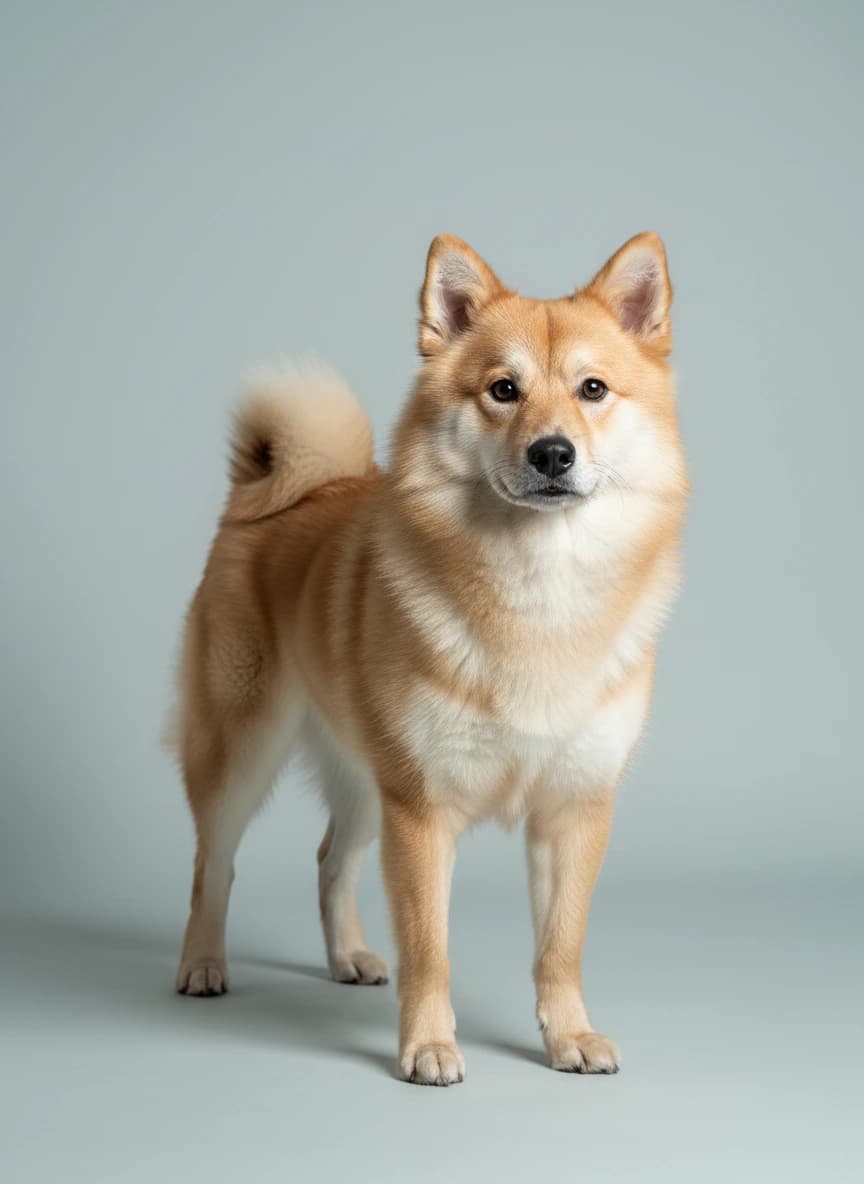
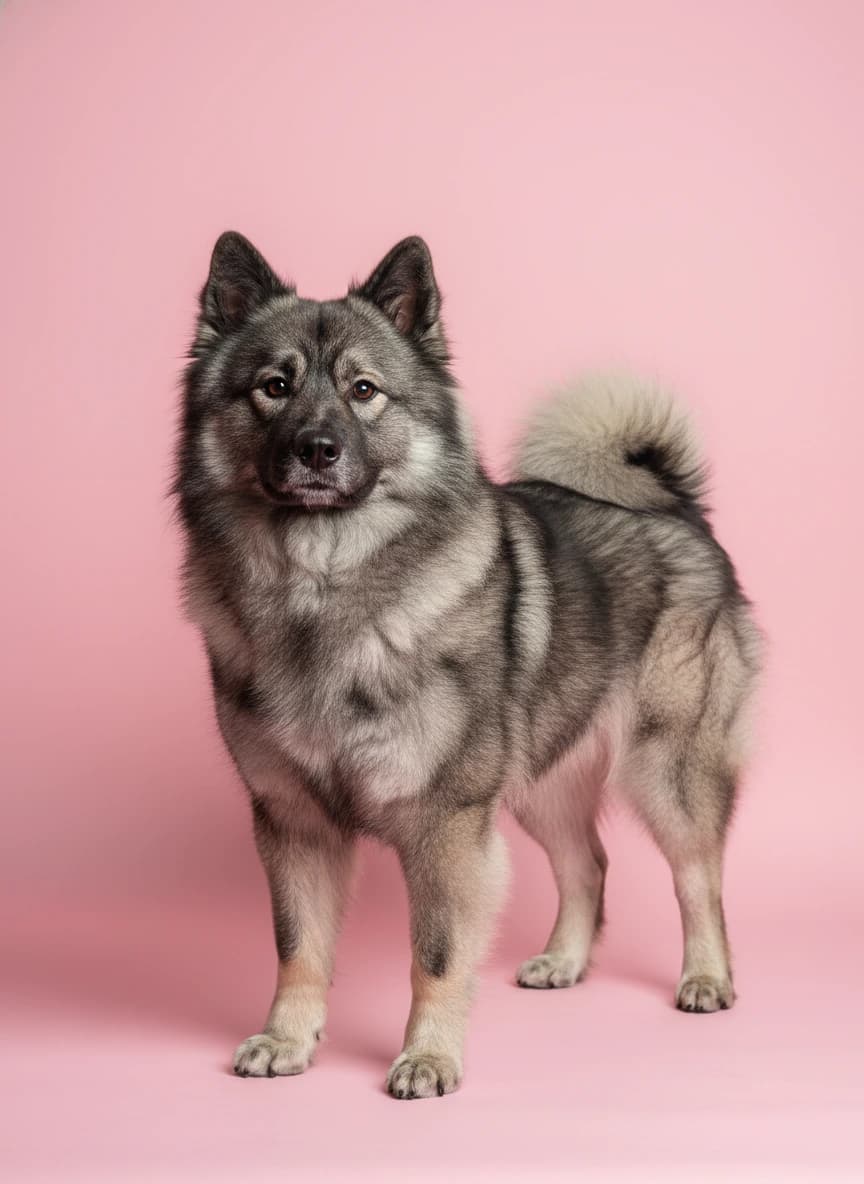
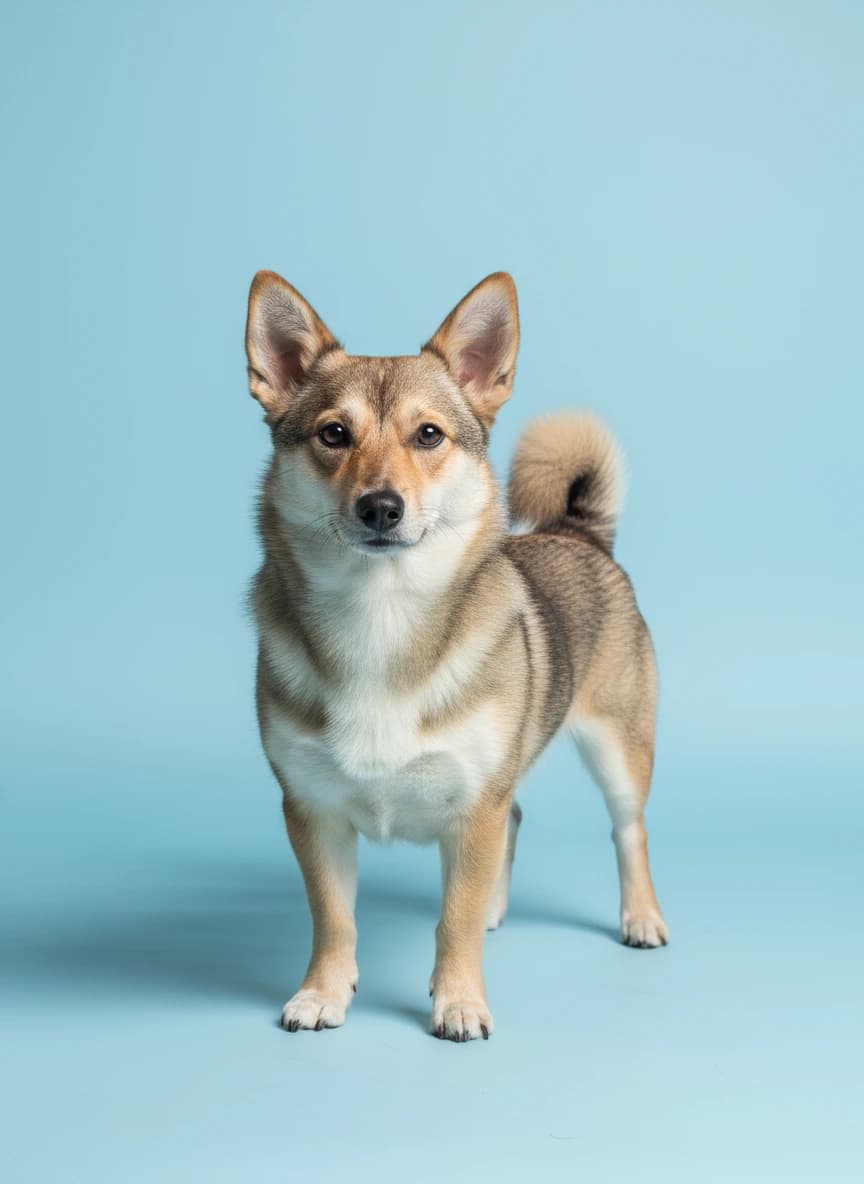
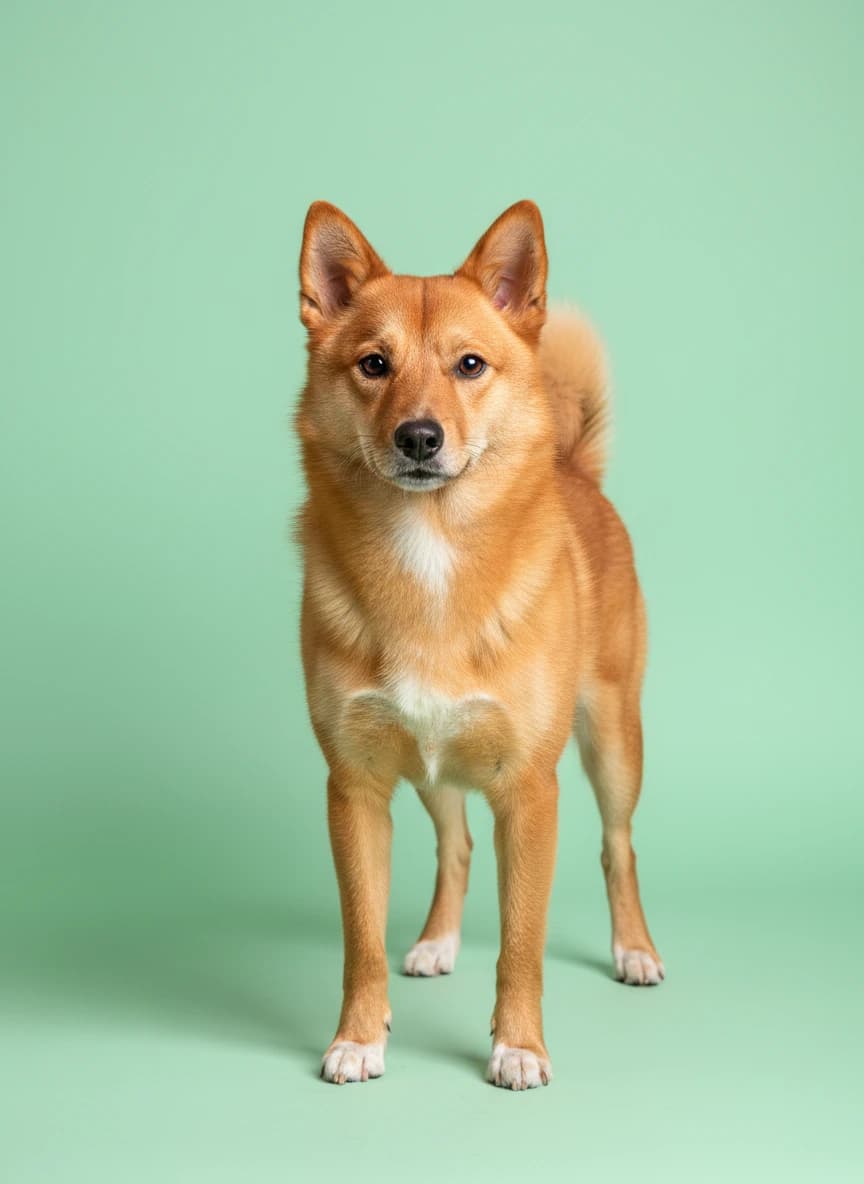
The Norrbottenspets, a vibrant blaze of independence, lives to hunt and explore. With a history rooted in flushing game in the harsh Nordic landscape, they possess an unwavering focus and a surprisingly loud, ringing bark that they're not shy about using. They're quick thinkers, often solving problems on their own terms, which can be both endearing and exasperating. While affectionate with their chosen family, they're not typically lapdogs; their bond is built on mutual respect and shared adventures. They need mental and physical stimulation to thrive, otherwise, their clever minds will find their own (potentially destructive) entertainment.
Common issues
Recommended screenings
Consult your trusted vet for advice specific to your dog.
The Norrbottenspets is an alert and independent dog with deep roots in Nordic hunting traditions. These dogs possess an unwavering focus and quick thinking, often solving problems on their own terms rather than waiting for human direction. They tend to be affectionate with their chosen family, though they typically bond through shared activities and mutual respect rather than lap-dog devotion. Their signature trait is a surprisingly loud, ringing bark that they use readily and without hesitation. While their intelligence and independent nature can be endearing, they may also pursue their own agendas, requiring owners who appreciate their self-directed character.
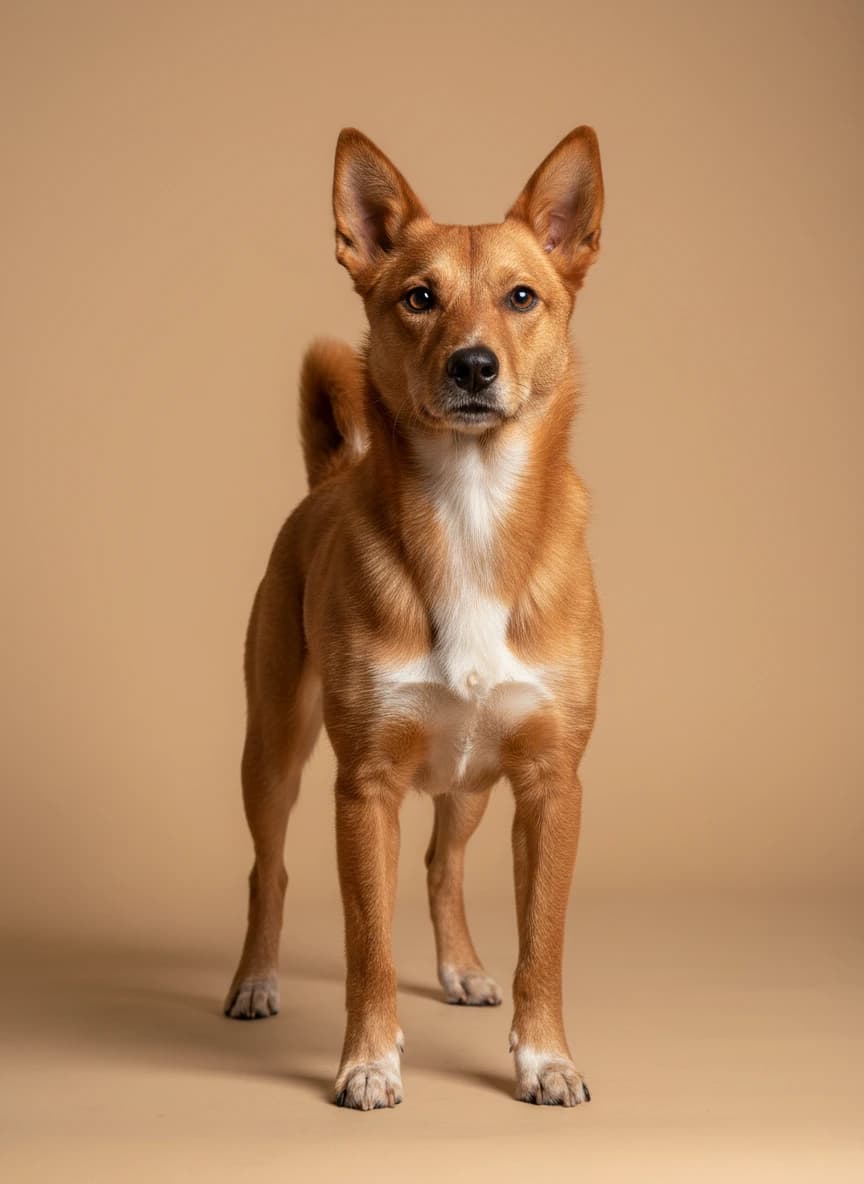
Norrbottenspets require substantial daily physical and mental stimulation to thrive. These hunting-bred dogs have high exercise needs and benefit from activities that engage their natural instincts to hunt and explore. Training tends to present challenges, as their independent mindset means they think critically about commands rather than automatically obeying. They respond best to owners who establish clear leadership and understand that these dogs often prefer to solve problems their own way. Without adequate mental and physical outlets, their clever minds may redirect toward destructive or undesirable behaviors. Consistent, patient training approaches that appeal to their problem-solving nature tend to work better than rigid, command-based methods.
Norrbottenspets have moderate grooming needs. Regular brushing helps maintain their coat and manage shedding. Routine care should include ear checks, nail trimming, and dental hygiene. Some lines may experience eye disorders, so regular veterinary eye assessments are advisable. Patellar luxation and hip dysplasia screening are considerations within the breed, and hip dysplasia screening is recommended for Nordic herders and spitz-type breeds.
The Norrbottenspets requires space to move and explore, making them better suited to homes with substantial outdoor access rather than confined apartments. Their need for space extends beyond physical room—they thrive with access to varied environments where they can indulge their hunting and exploratory drives. These dogs are vocal, using their distinctive bark frequently, which may impact neighbors in close-quarter living situations. They are most content in households that can accommodate their high activity level and appreciate their independent, alert nature. The breed tends to bond most strongly with owners who engage them in outdoor pursuits and shared adventures rather than seeking constant companionship indoors.
The Norrbottenspets is best suited to owners with some experience managing independent-minded dogs. Prospective owners should appreciate rather than fight the breed's self-directed nature and vocal tendencies. This breed thrives with active individuals or families who have the time, space, and inclination to provide regular outdoor activities, hunting, or sport opportunities. They are not ideal for owners seeking an obedient, easily trainable companion or those living in compact urban settings. Those drawn to the breed should enjoy the challenge of working with a quick-thinking problem-solver and be prepared for a dog that makes its own decisions. First-time dog owners may find the breed's independence and trainability challenges more demanding than expected.