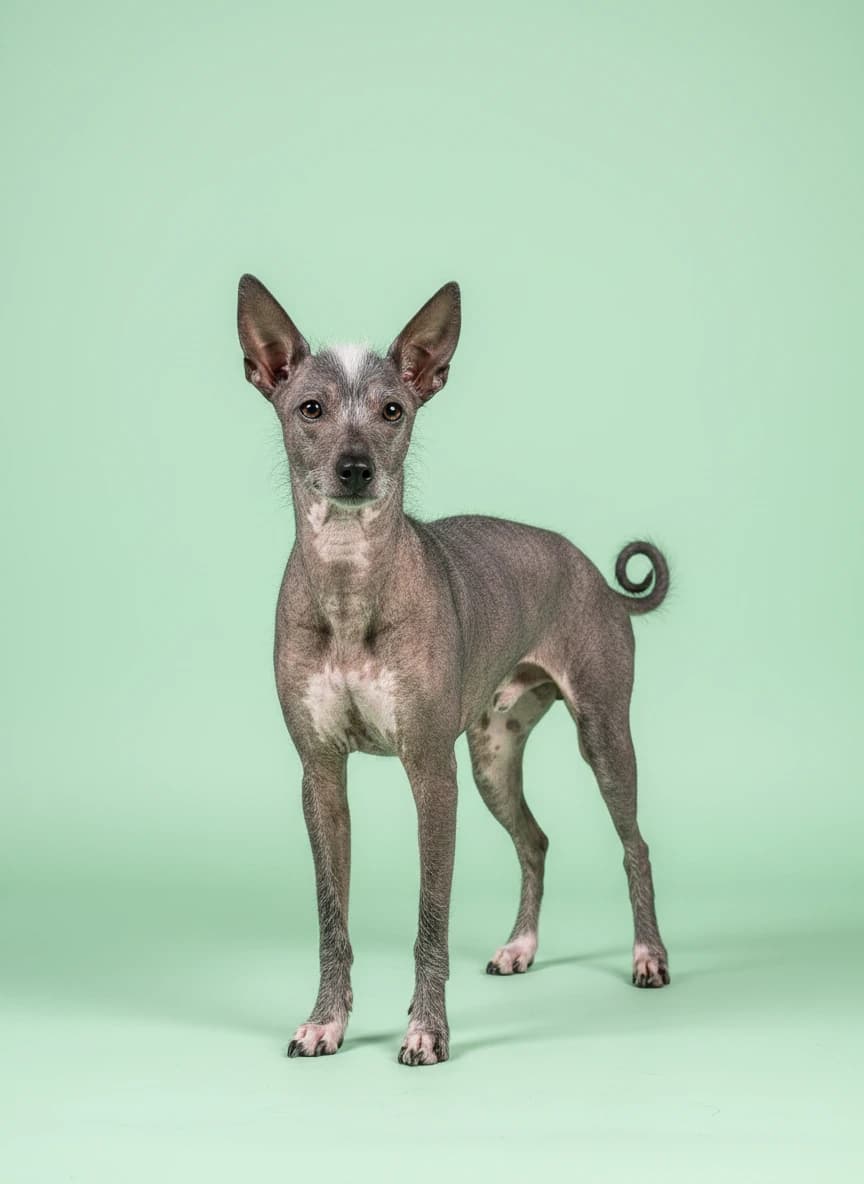
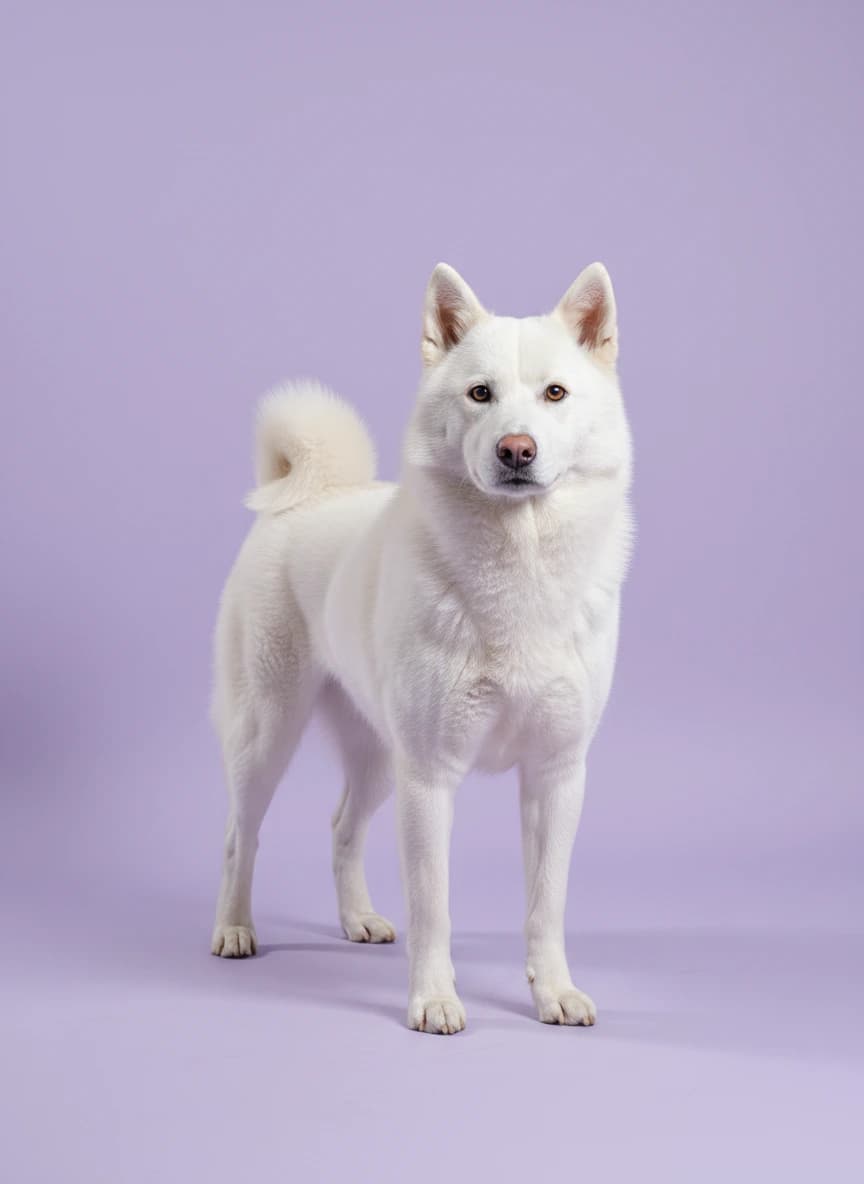
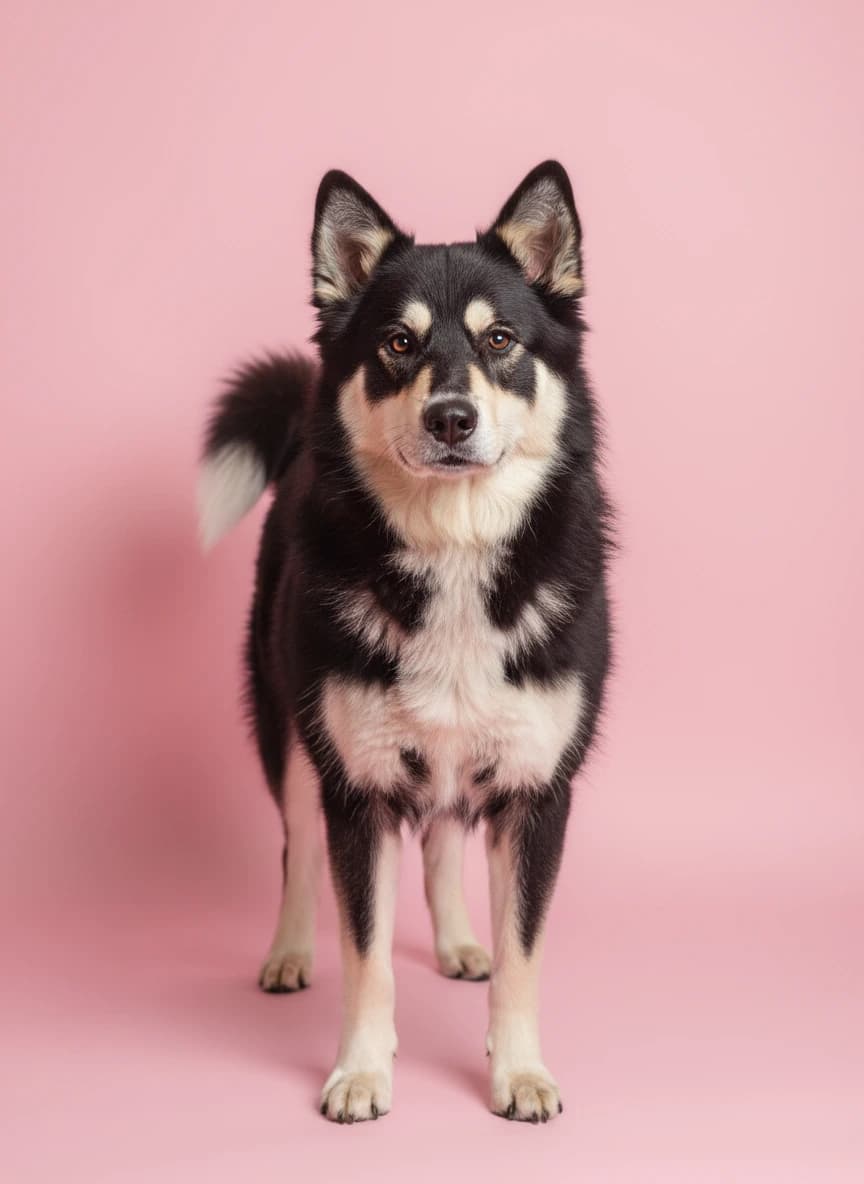
Also known as: Norsk Lundehund
Norway
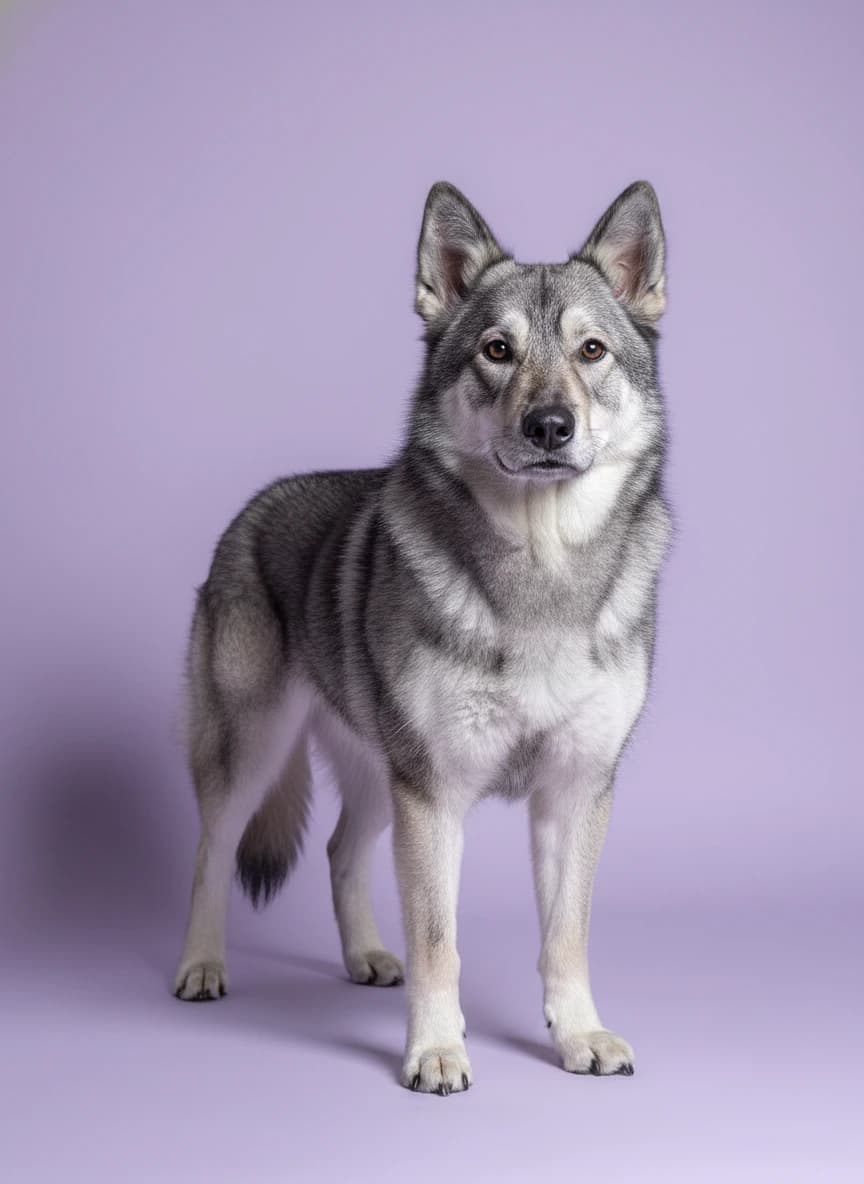
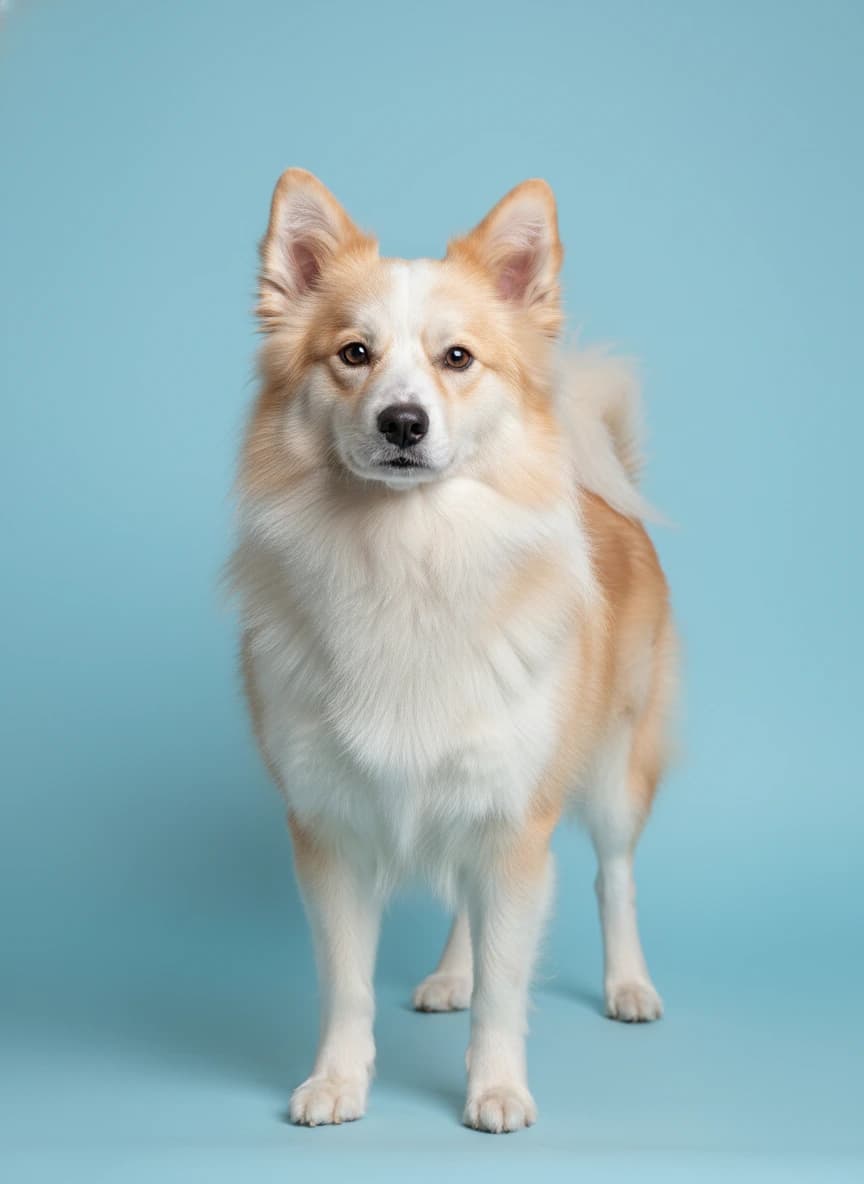
The Norwegian Lundehund is a quirky, agile adventurer who uses their unique extra toes and incredible flexibility to climb and explore. Their playful curiosity is endless, often leading them to scale furniture or squeeze into surprising nooks. They bond deeply with their families, thriving on interaction and clever games, but also possess an independent streak rooted in centuries of puffin hunting. This means they are often discerning about who they befriend, can be wary of strangers, and may have a stubborn streak. Living with a Lundehund is a delightful, sometimes challenging, journey with an intelligent, resourceful, and devoted companion.
Common issues
Recommended screenings
Consult your trusted vet for advice specific to your dog.
The Norwegian Lundehund is an alert and loyal companion with a distinctive personality shaped by their hunting heritage. These dogs tend to be trainable and bond deeply with their families, thriving on interaction and mental engagement. However, they often display an independent streak rooted in centuries of puffin hunting work, which can manifest as a discerning attitude toward strangers and a cautious nature with unfamiliar people. They may show stubbornness at times, reflecting their resourceful problem-solving background. Their playful curiosity is typically endless, and they often demonstrate intelligence in both clever games and unexpected explorations around the home.
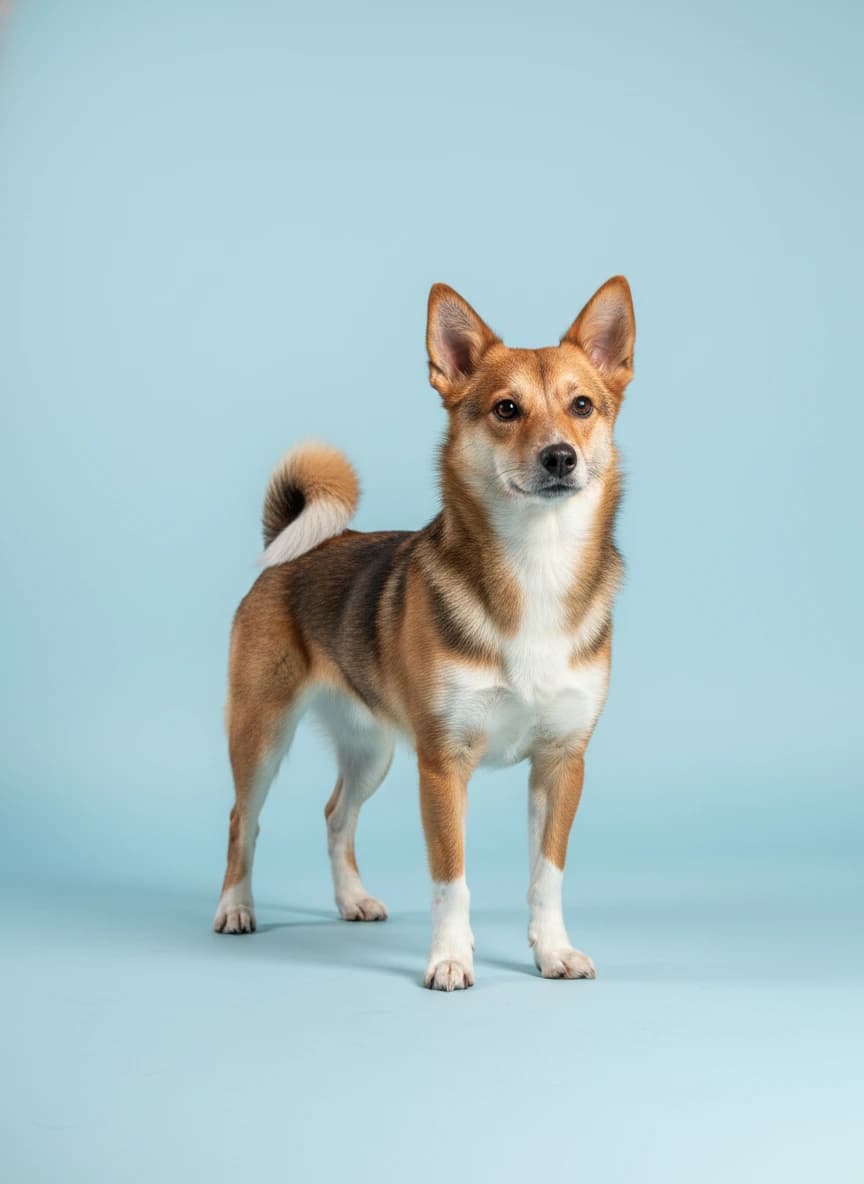
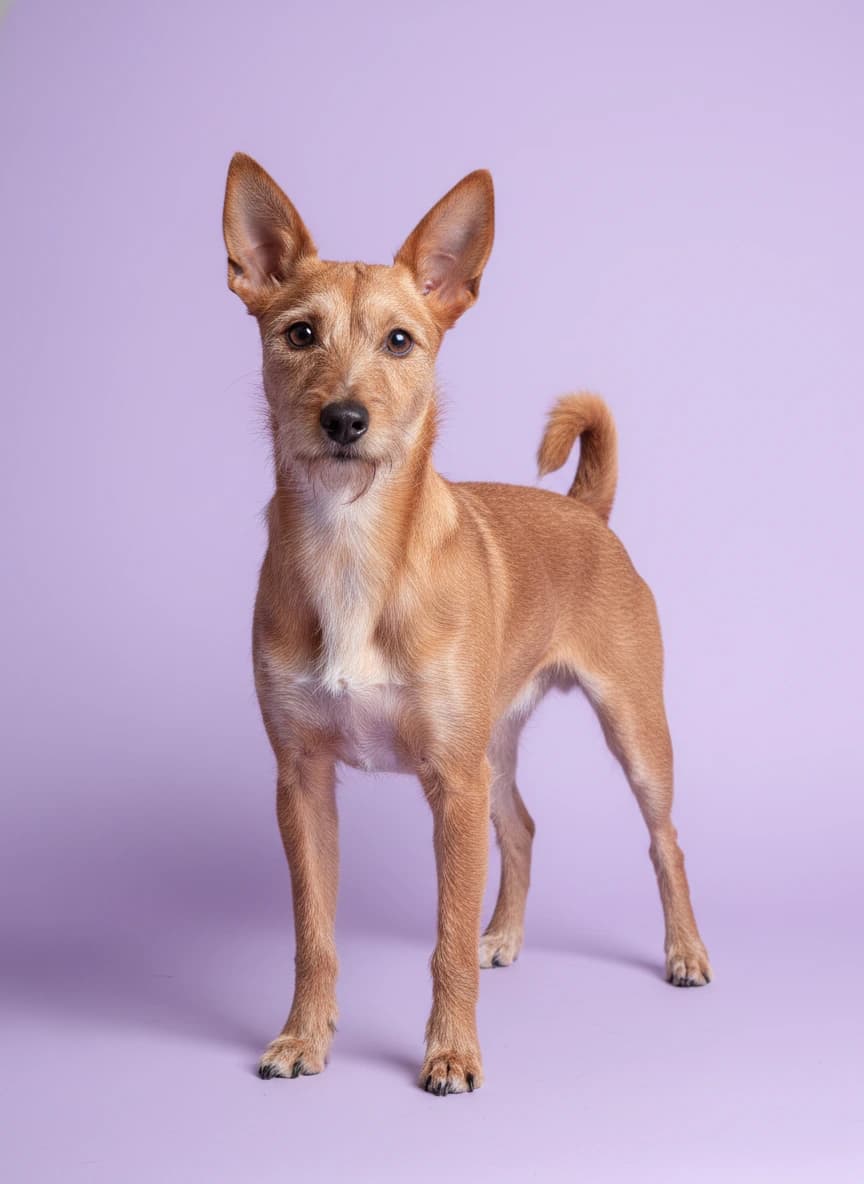
Norwegian Lundehunds have high exercise needs and require regular physical activity to stay content and well-adjusted. They respond well to training that engages their problem-solving abilities and intelligence, though their independent nature means they may not always comply immediately. Training tends to work best when it incorporates play and rewards, as these dogs appreciate mental stimulation alongside physical exercise. Their agility and climbing ability mean they benefit from varied activities that challenge both body and mind. Consistent, patient training aligns well with their moderate trainability level, though handlers should be prepared for occasional stubborn moments. These dogs tend to thrive with owners who can offer both structure and creative outlets for their natural cleverness.
Norwegian Lundehunds have moderate grooming needs and benefit from regular maintenance to keep their coat healthy. Routine brushing helps manage shedding and keeps their distinctive coat in good condition. Like all dogs, they require regular dental care, nail trimming, and ear cleaning. Their unique anatomical features, including their extra toes and flexible build, should be monitored during regular health check-ups. Eye health and hip function are areas where occasional health concerns have been reported in the breed, so routine veterinary care is important for early detection of any issues that may arise.
Living with a Norwegian Lundehund is a dynamic experience that suits those prepared for an active, curious companion. These dogs need adequate space to explore and play safely, as their climbing ability and flexibility mean they may access areas other dogs cannot. They bond closely with their family members and thrive on interaction, so they do best with owners who can dedicate time to engagement and play. Their independent nature and wariness of strangers mean socialization and patient introduction to new people tend to work better than forcing interaction. Their playful, exploratory tendencies mean homes should be secure and enriched with activities to channel their natural problem-solving drive. They are best suited to experienced dog owners who understand their unique personality and can provide both structure and freedom for their adventurous spirit.
The Norwegian Lundehund is an excellent match for experienced dog owners seeking an intelligent, loyal, and highly active companion. They are well-suited to households that can provide substantial daily exercise, mental stimulation, and interactive play. These dogs thrive with owners who appreciate their quirky, independent nature and can work patiently with their occasional stubbornness. They are particularly good for those who enjoy outdoor activities and have the space to accommodate an agile, curious explorer. Prospective owners should be prepared for a dog that bonds deeply with family but may be reserved with strangers, and should enjoy the challenge and reward of training a resourceful, clever companion. This breed is less ideal for those seeking an eager-to-please, universally social dog or those with limited time for daily engagement and exercise.