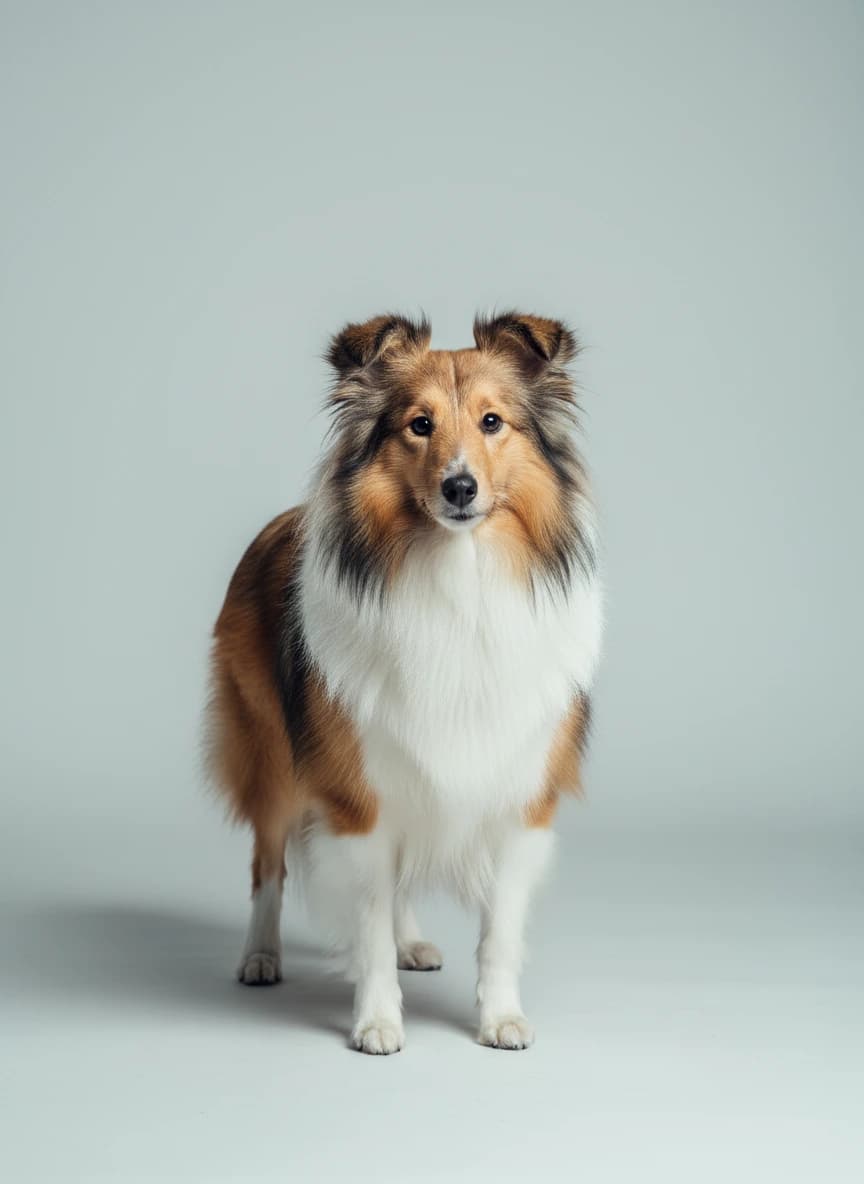
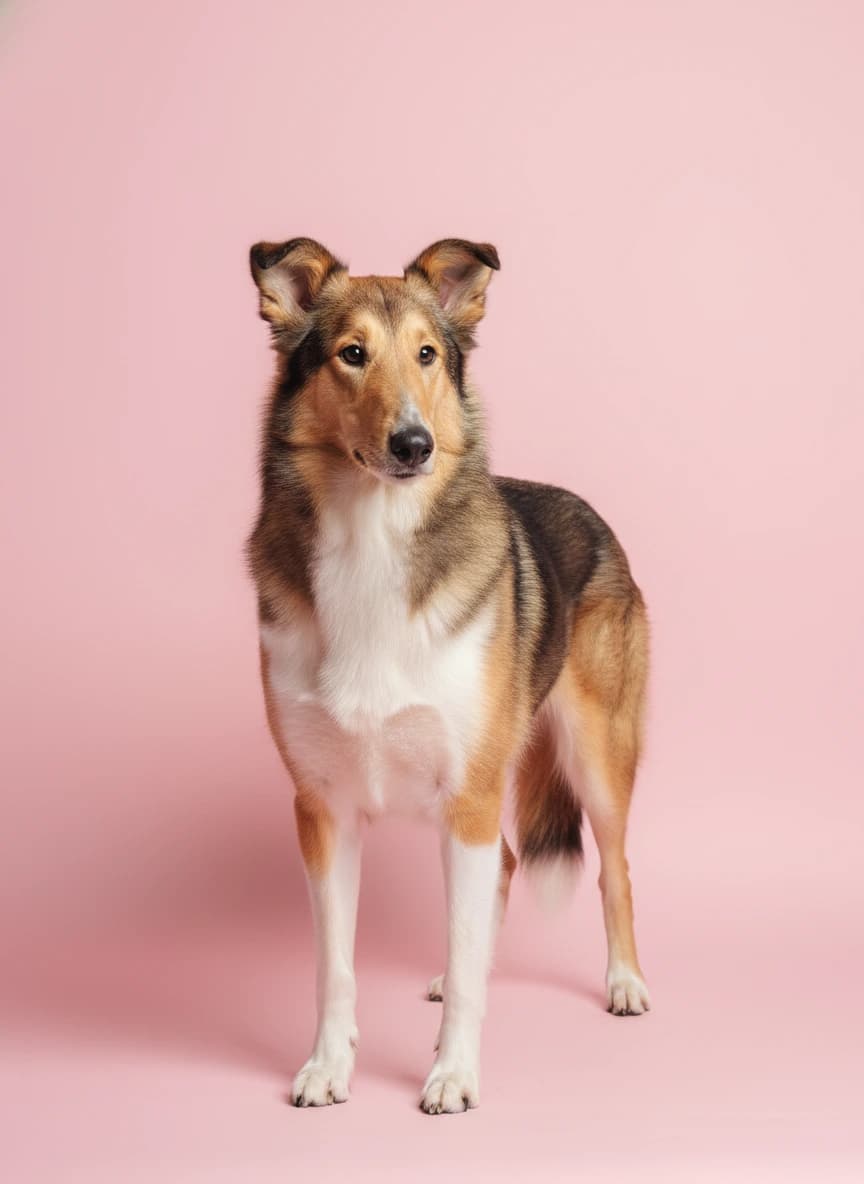
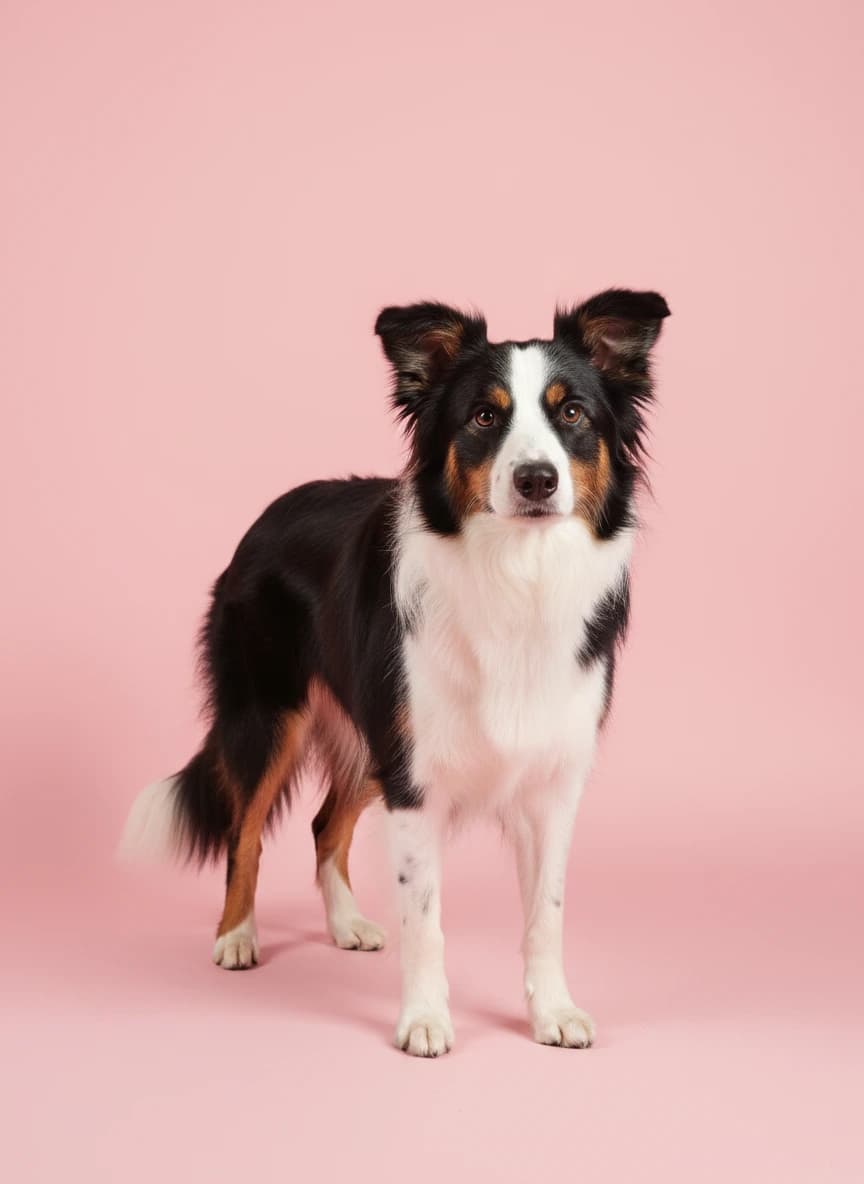
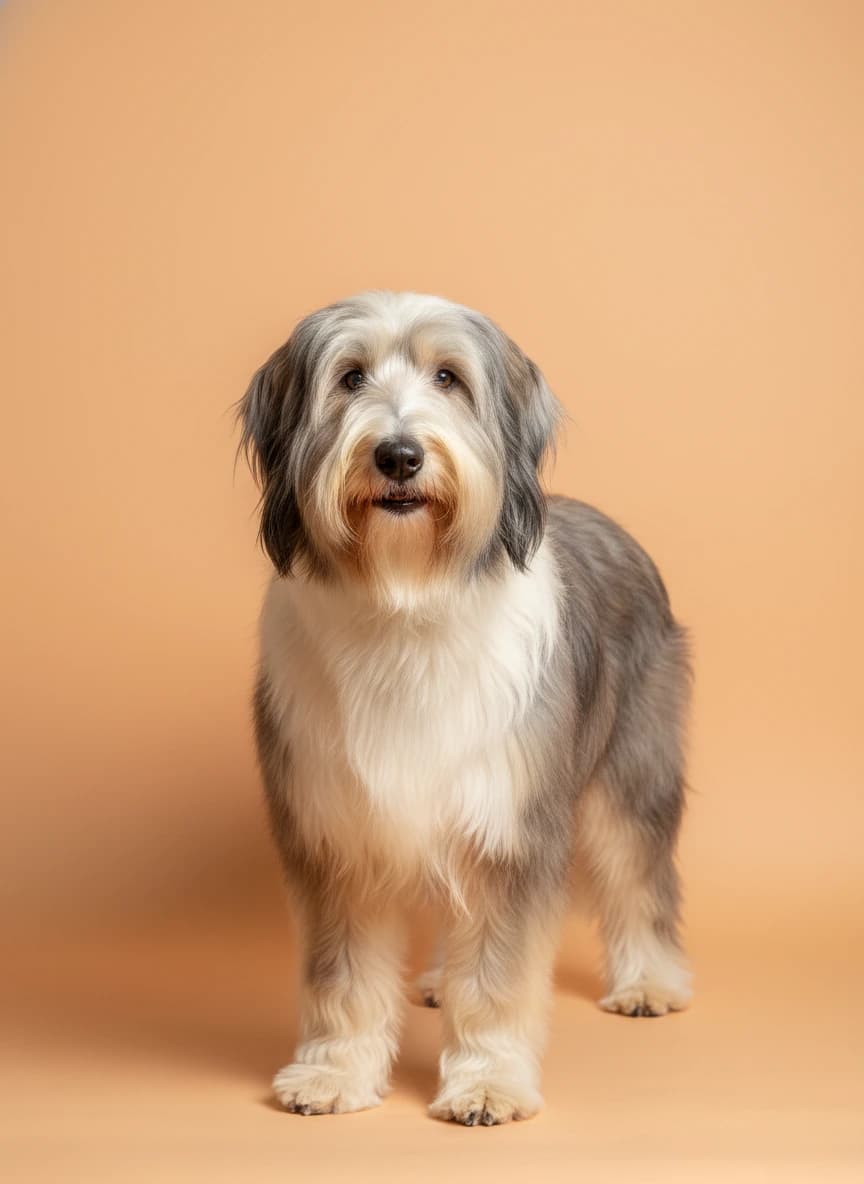
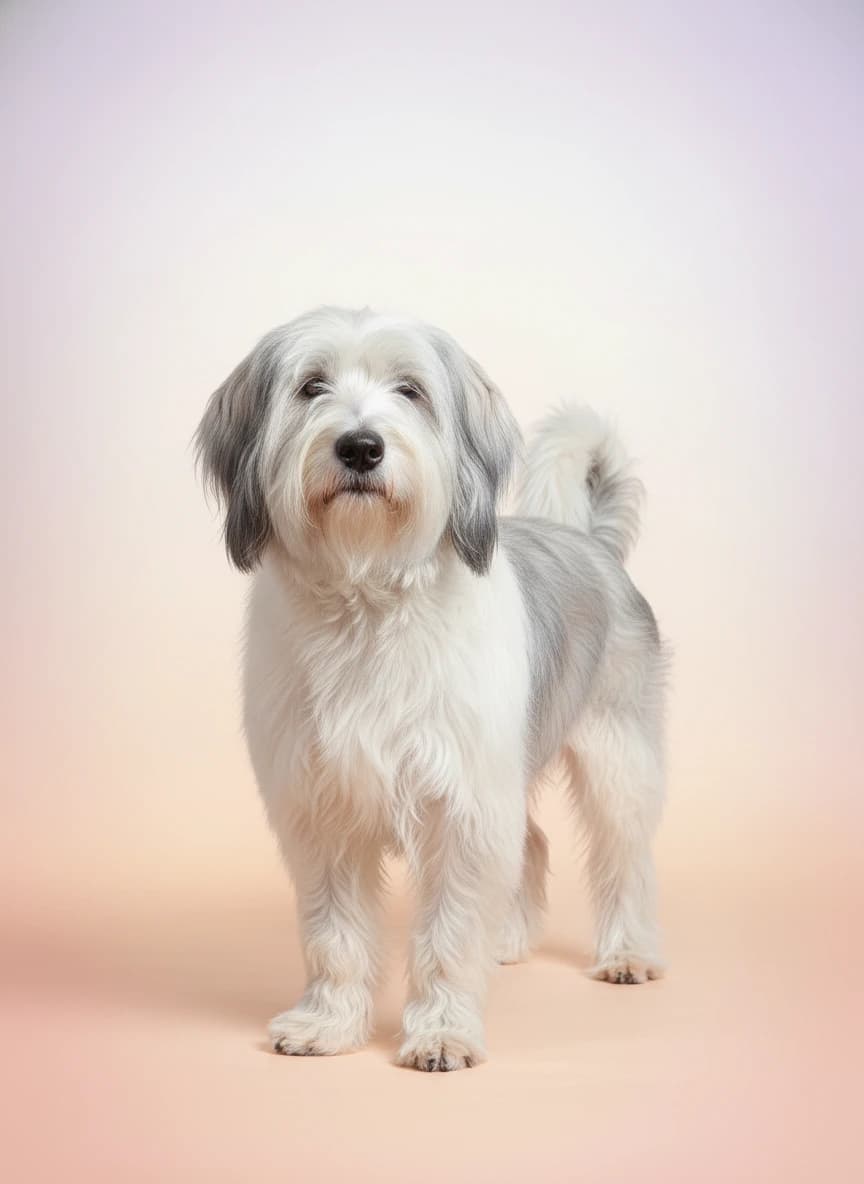
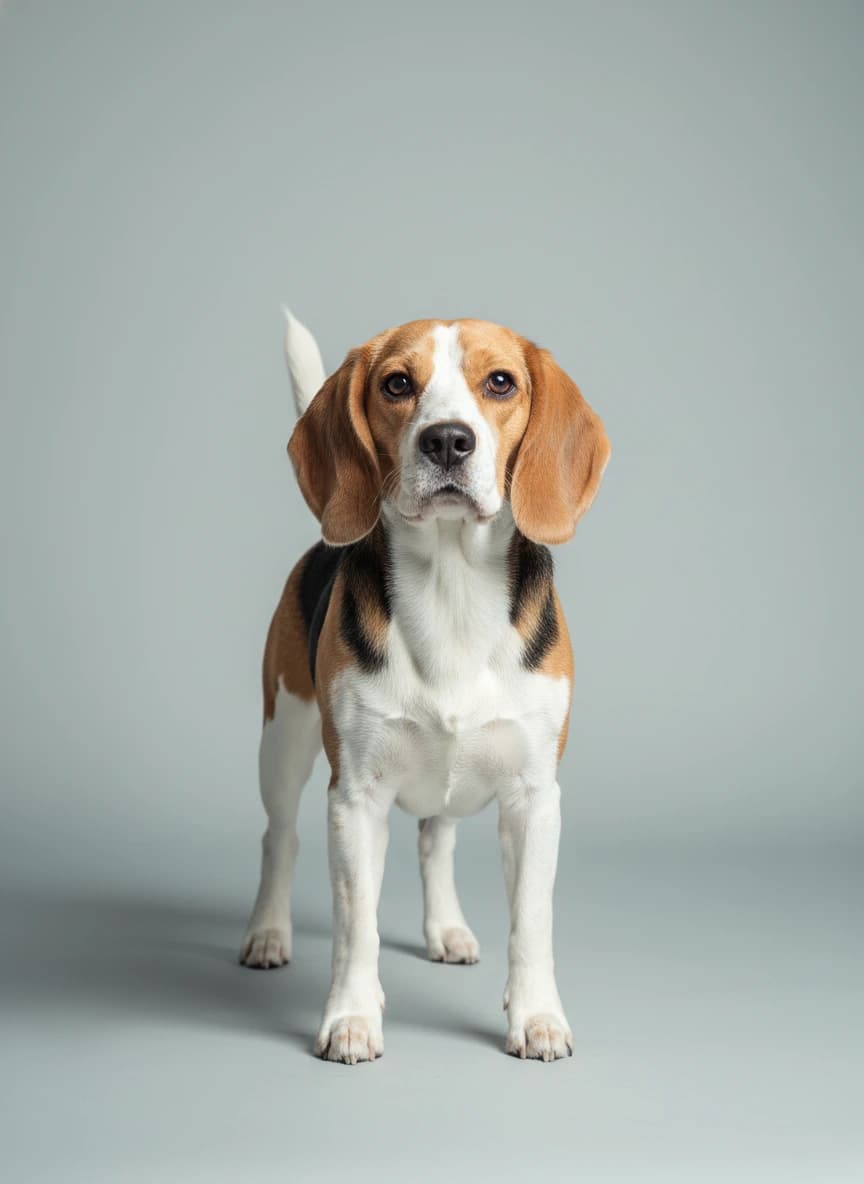
Shetland Sheepdog
Also known as: Sheltie
 Scotland (Shetland)
- Lifespan
- 12-14 y
- Weight
- 5.5-12 kg
- Exercise
- High
Breed profile
- Size
- Medium
- Breed type
- Purebred
- Trainability
- Moderate
- Grooming
- Moderate
- Allergy friendly
Description
Shelties are bright, sensitive souls, deeply attuned to their people. Life with them is a constant conversation of soft gazes and subtle nudges, as they thrive on closeness and participation in daily routines. Their intelligence is remarkable, often leading to a penchant for "helping" with household tasks, like herding stray socks or organizing toys. Though gentle and affectionate with their family, their herding instincts mean they can be reserved with strangers, preferring to observe from a watchful distance. They flourish with consistent mental enrichment and opportunities to "work," even if that work is just mastering a new trick. Expect a devoted, vocal companion who expresses opinions with barks and playful wiggles.
Health considerations
Common issues
- Eye disorders
- Hip dysplasia
- Collie Eye Anomaly (CEA)
- MDR1 sensitivity
Recommended screenings
- Hips (OFA/FCI)
- Eye exam (CAER)
- MDR1 DNA test
- CEA/eye exam (CAER)
Consult your trusted vet for advice specific to your dog.
Temperament and personality
Shetland Sheepdogs are bright, sensitive companions deeply attuned to their people. They tend to thrive on closeness and participation in daily routines, often engaging in what seems like constant conversation through soft gazes and subtle nudges. Their remarkable intelligence frequently leads them to "help" with household tasks, such as herding stray socks or organizing toys. While gentle and affectionate with their family, their herding instincts mean they often remain reserved with strangers, preferring to observe from a watchful distance. They are alert and loyal, expressing themselves as vocal companions who share opinions through barks and playful wiggles.