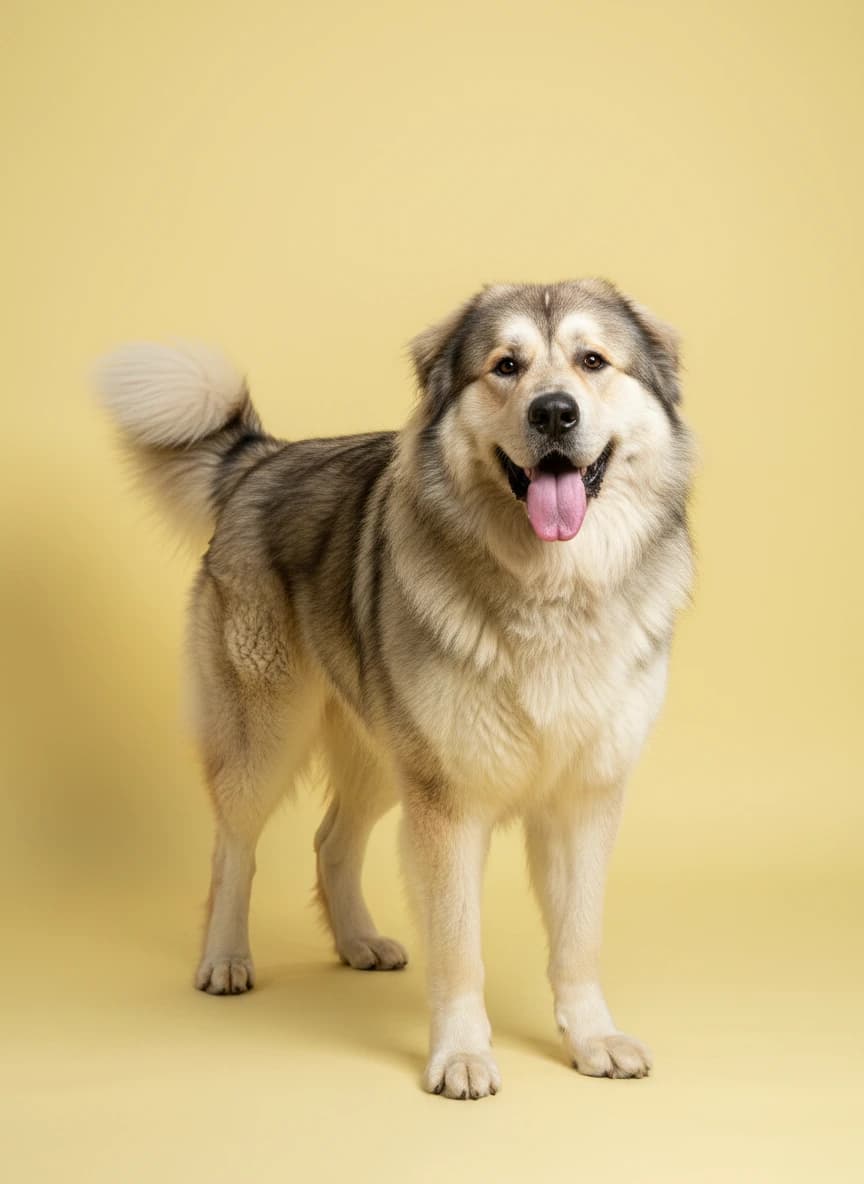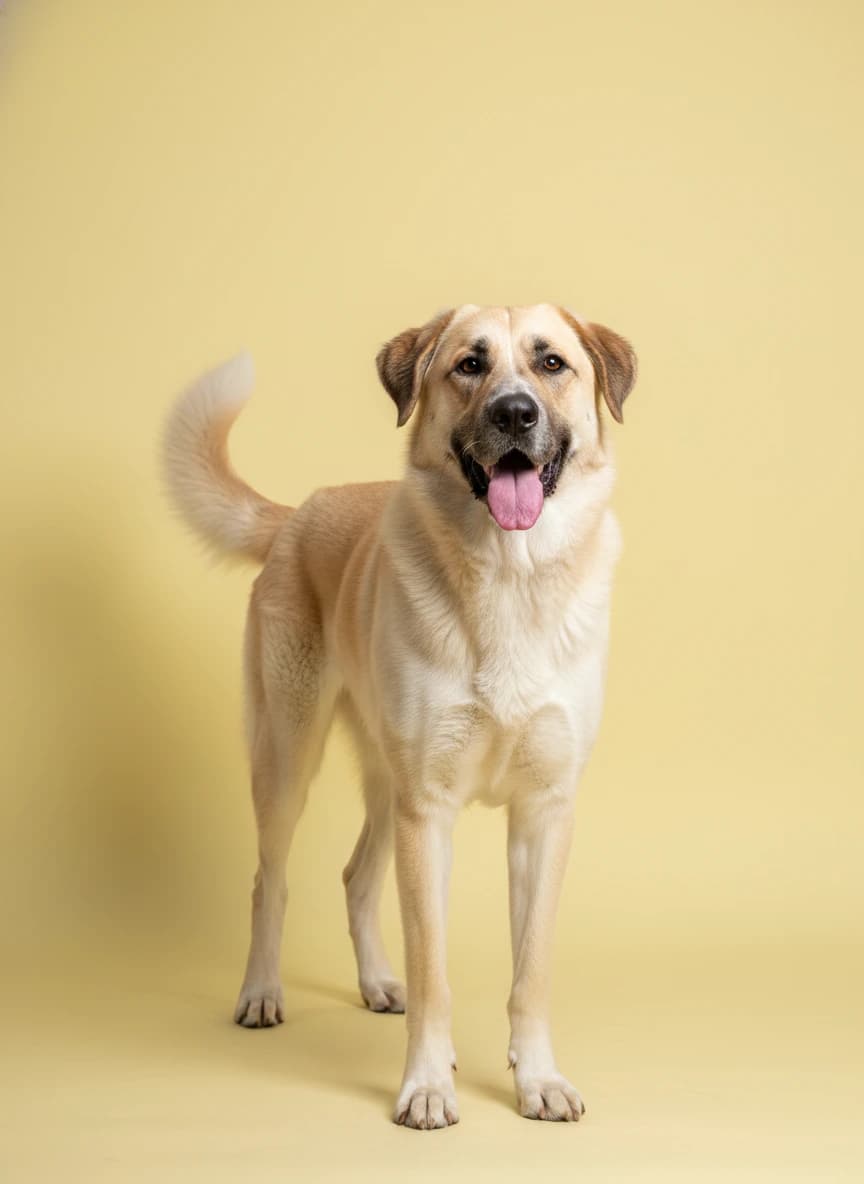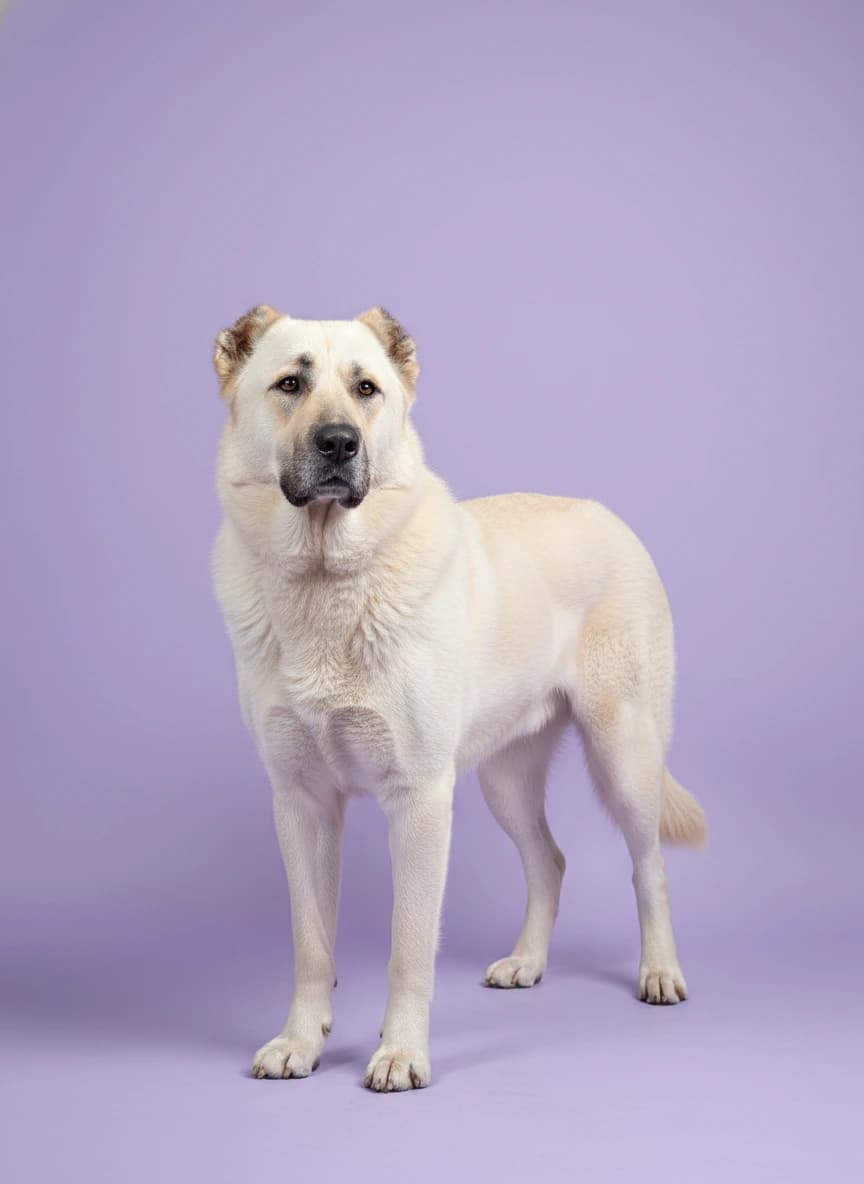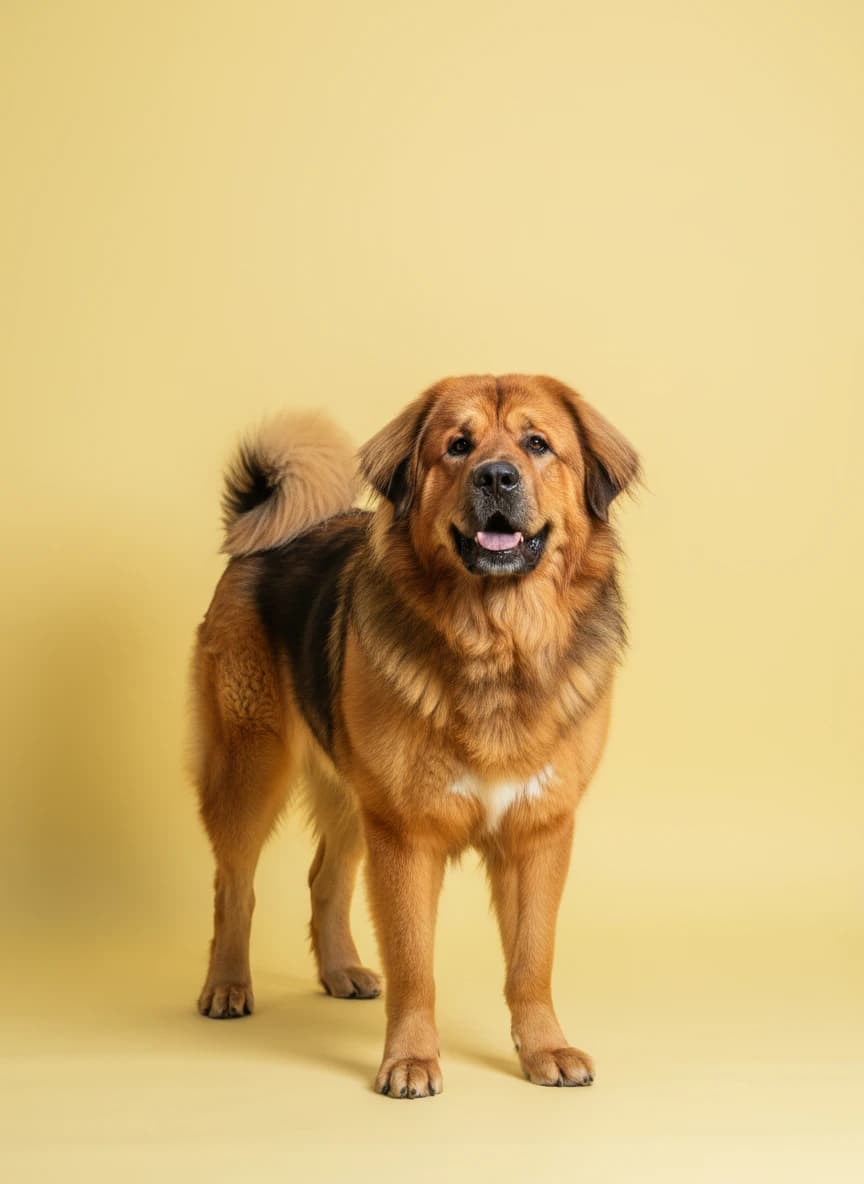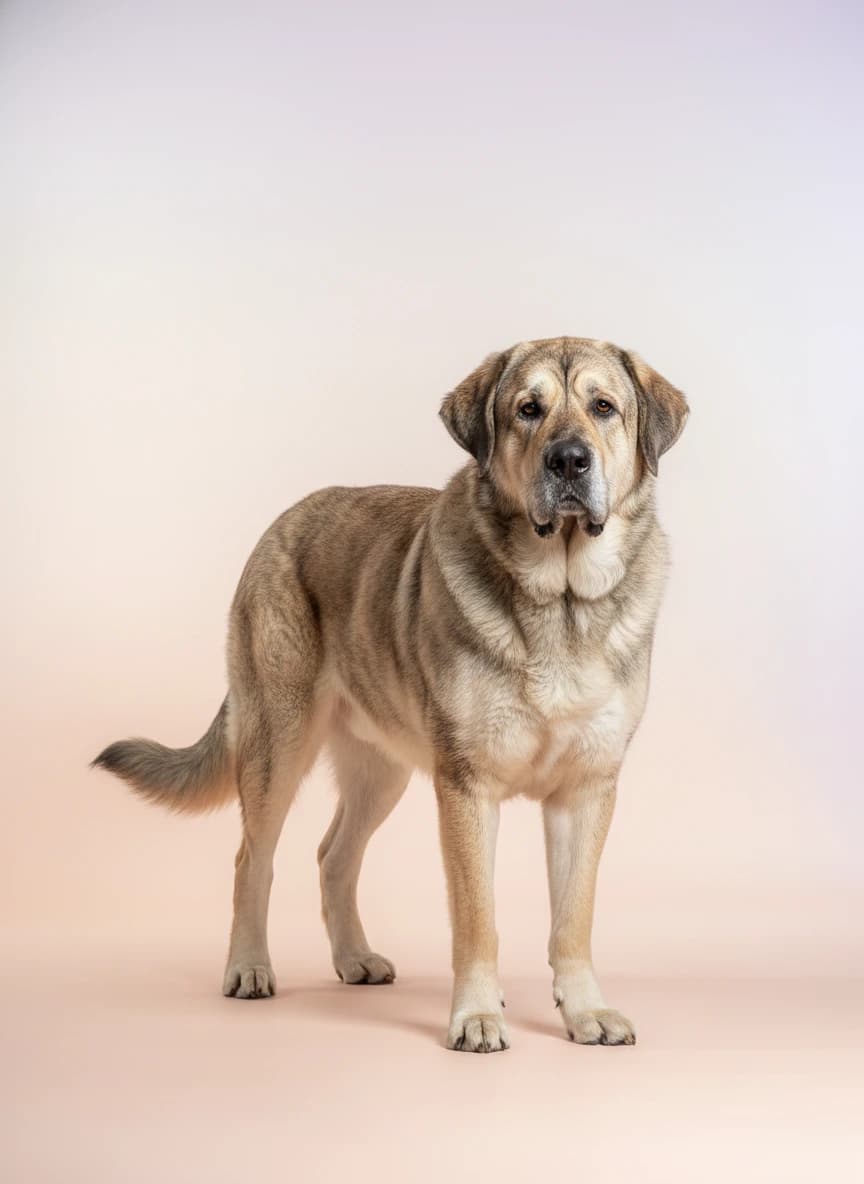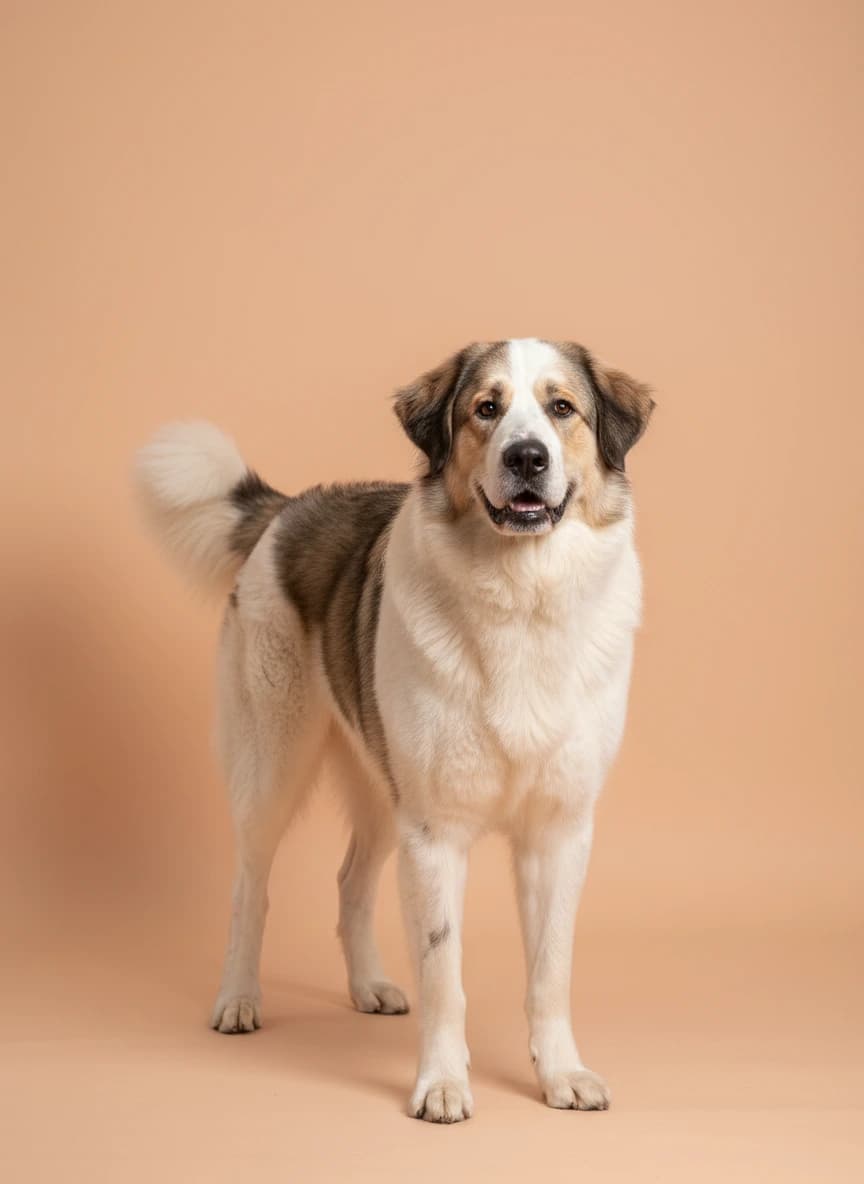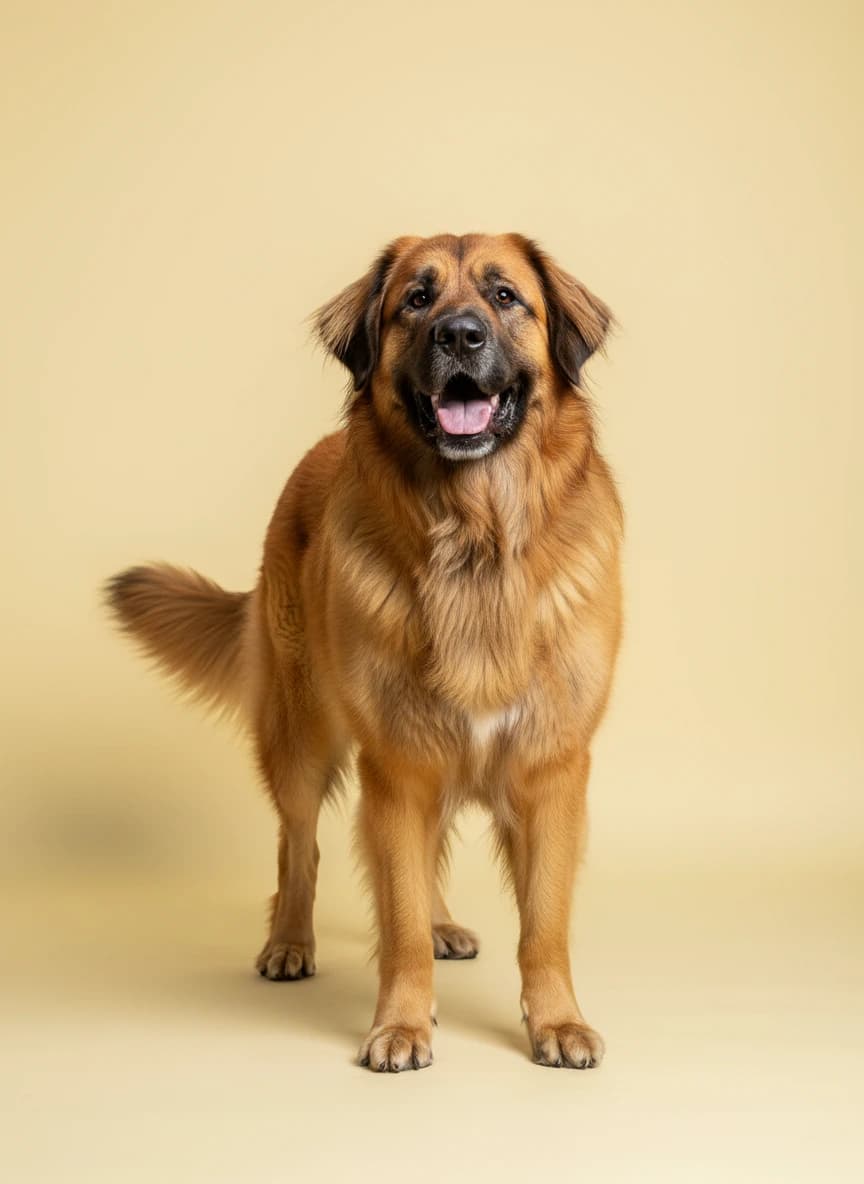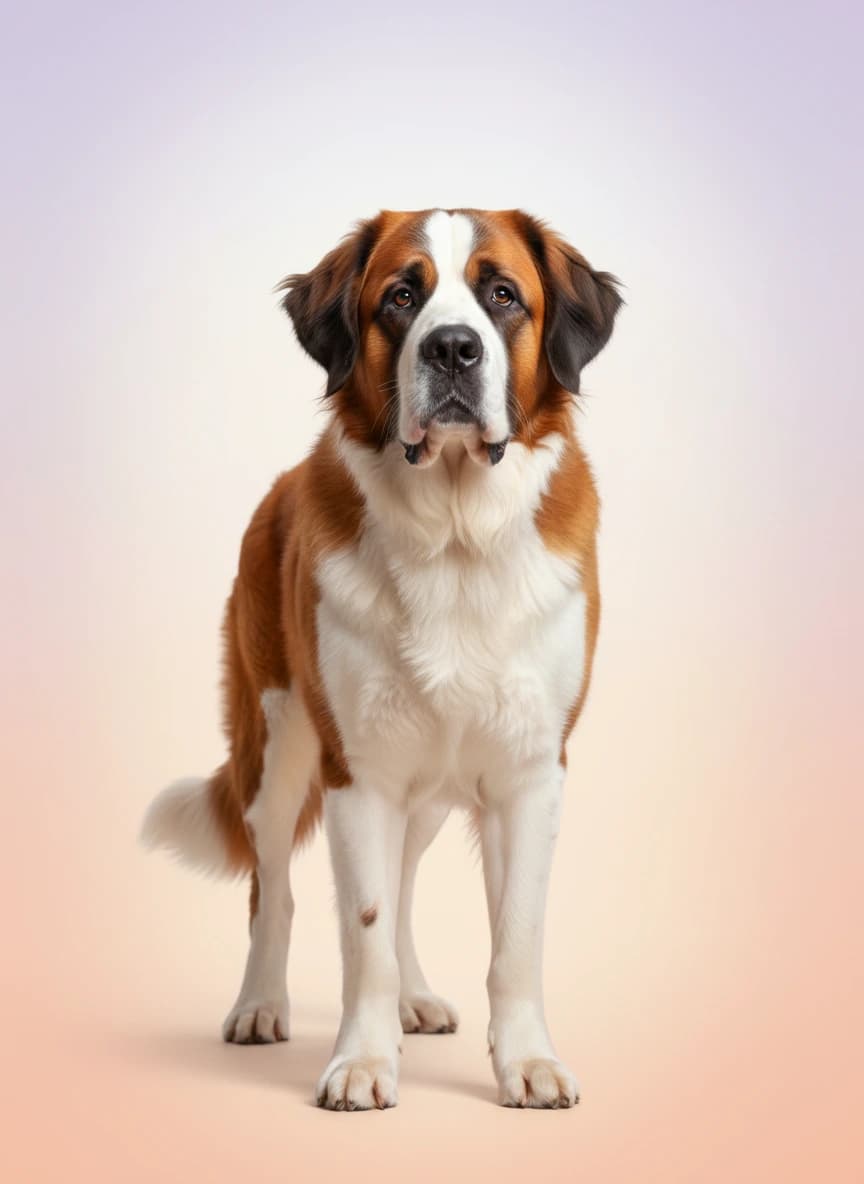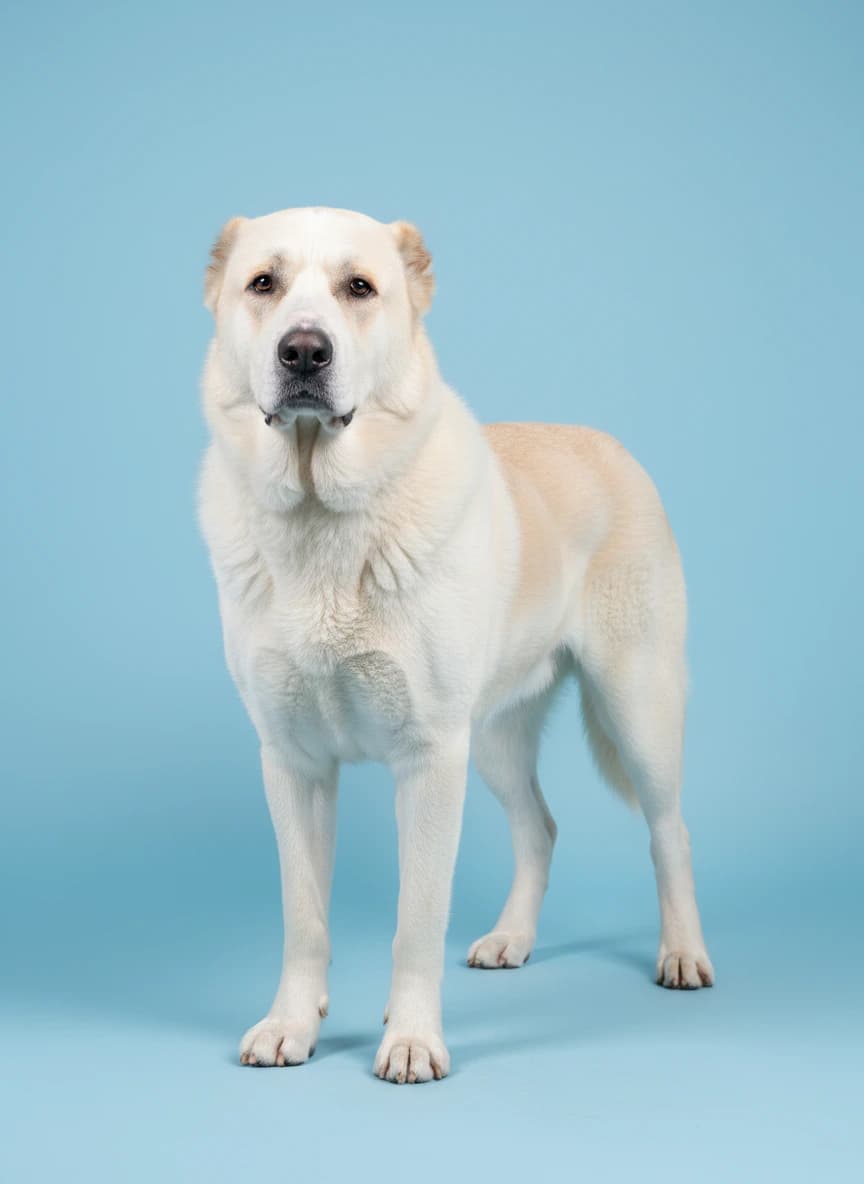
Auch bekannt als: Zentralasiatischer Hirtenhund, Alabai, Turkmenischer Alabai, Turkmenistan-Alabai, Zentralasiatischer Schäferhund, CASD, Sredneaziatskaïa Ovtcharka
Zentralasien
Der Zentralasiatische Hirtenhund ist ein imposanter Wächter, dessen uralte Instinkte noch immer tief verwurzelt sind. Diese kolossalen Hunde sind unglaublich intelligent und ergeben, bilden eine unzerbrechliche Bindung zu ihrer gewählten Familie. Ihre bloße Anwesenheit schreckt potenzielle Eindringlinge oft ab, doch bei Herausforderungen zeigen sie unbeugsamen Mut und starken Schutztrieb. Innerhalb ihres Territoriums sind sie ruhig und aufmerksam, doch ihre unabhängige Natur bedeutet, dass sie nicht ständig Anleitung suchen – sie benötigen einen Besitzer, der ihre starke Willenskraft versteht und respektiert. Sie gedeihen, wenn sie eine Aufgabe haben, selbst wenn diese nur darin besteht, ihre Domäne zu überwachen und die Sicherheit ihrer Liebsten zu gewährleisten.
Häufige Probleme
Empfohlene Untersuchungen
Frag deine vertraute Tierarztpraxis nach einem Rat, der zu deinem Hund passt.
The Central Asian Shepherd is an imposing guardian breed whose ancient protective instincts remain deeply ingrained. These colossal canines are remarkably intelligent and form devoted bonds with their families. Within their territory, they tend to be calm and observant, relying on their commanding presence as a natural deterrent. When their domain or loved ones face a challenge, they display unwavering courage and a formidable protective drive. Their independent nature means they don't typically seek constant direction; instead, they prefer to make decisions based on their assessment of situations. They are energetic and thrive when given purposeful work, whether that involves active duties or simply overseeing their household and surroundings.
Central Asian Shepherds demonstrate very high trainability, though their independent streak means they respond best to confident, respectful handlers who understand their powerful will. Training should emphasize purpose and clear boundaries rather than strict obedience for its own sake. These dogs benefit from having a defined job or role within the household. Exercise needs are moderate; they do not require excessive daily activity but appreciate opportunities to patrol their territory and engage mentally with their environment. Socialization during puppyhood helps shape their natural protective instincts in constructive directions, though their guardian nature is inherent.
Central Asian Shepherds have low grooming needs relative to their size. Their thick double coat sheds seasonally and benefits from regular brushing during heavy shedding periods to manage loose hair. Basic grooming—nail trimming, ear checks, and dental care—supports overall health. These giant dogs require adequate nutrition sized appropriately for their frame and regular veterinary check-ups to monitor for conditions that can affect large breeds.
These guardian dogs require substantial space to thrive and are best suited to homes with secure fencing where they can oversee their territory. They tend to be devoted to their chosen family and form strong bonds with household members. Their calm, observant nature indoors contrasts with their vigilant presence, making them imposing yet generally low-key companions within their domain. They possess moderate exercise needs but a significant need for purposeful activity and mental engagement. Their independent temperament means they aren't constantly seeking approval or interaction, instead preferring to maintain their watchful role.
Central Asian Shepherds are ideal for experienced owners who understand and respect their independent guardian nature and powerful will. Prospective owners should have substantial space, secure fencing, and the ability to provide purposeful roles or activities. These dogs are not suitable for owners seeking a highly obedient, constantly attentive companion; rather, they thrive with handlers who appreciate their decision-making autonomy and can channel their protective instincts constructively. Owners must be confident in their leadership and committed to early socialization and ongoing management of a large, powerful breed.