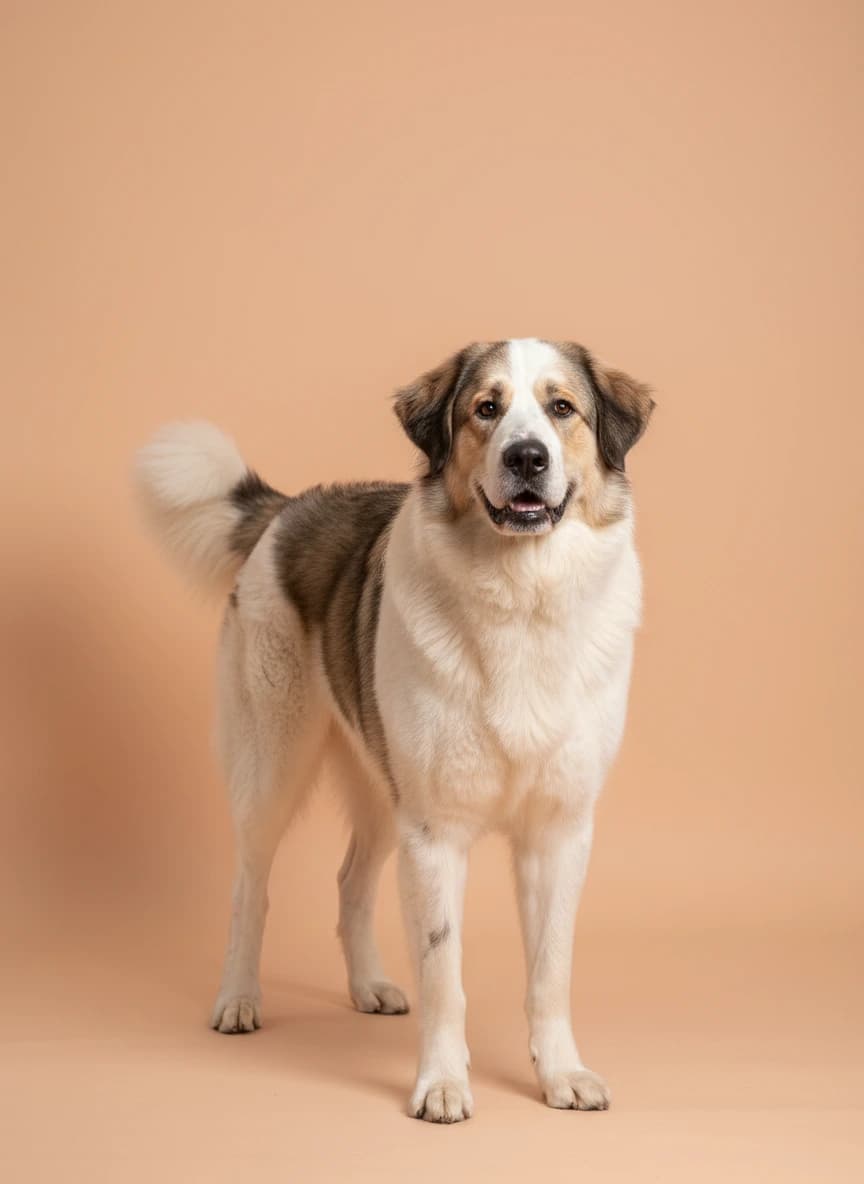
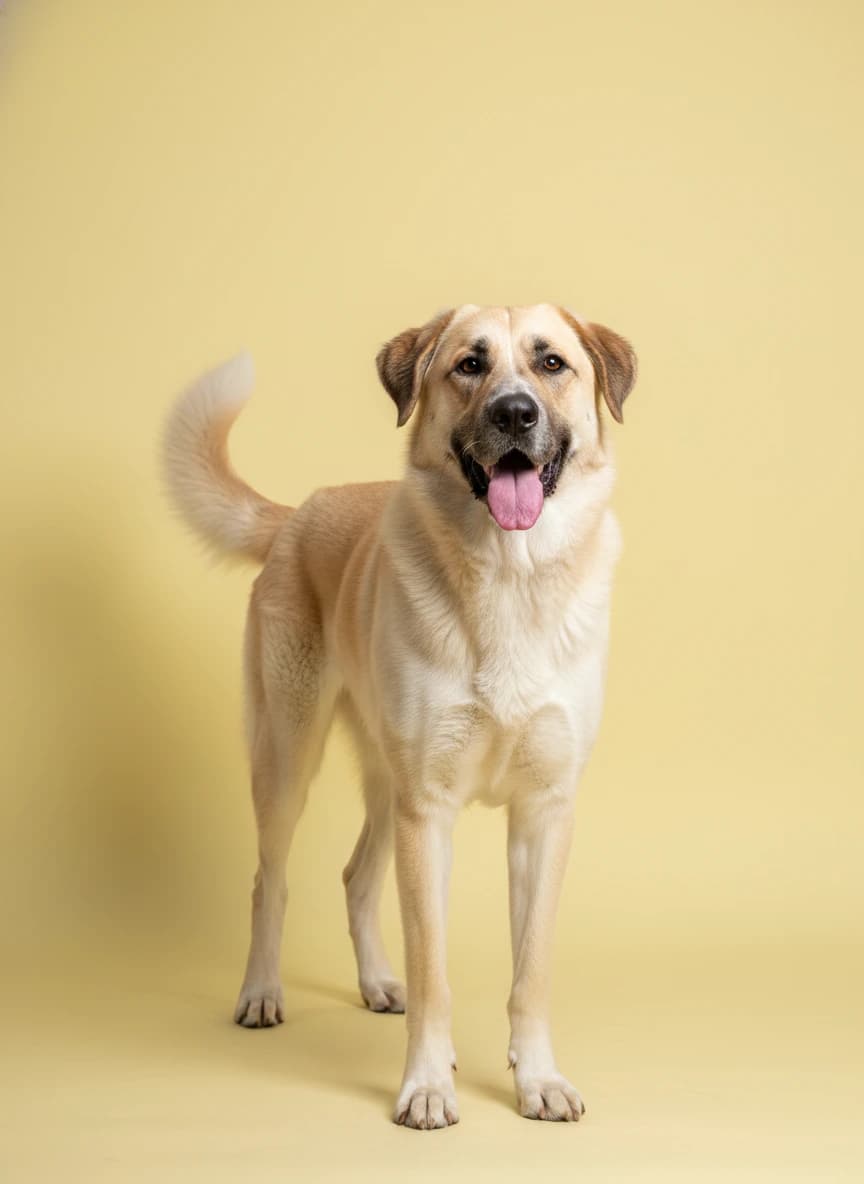
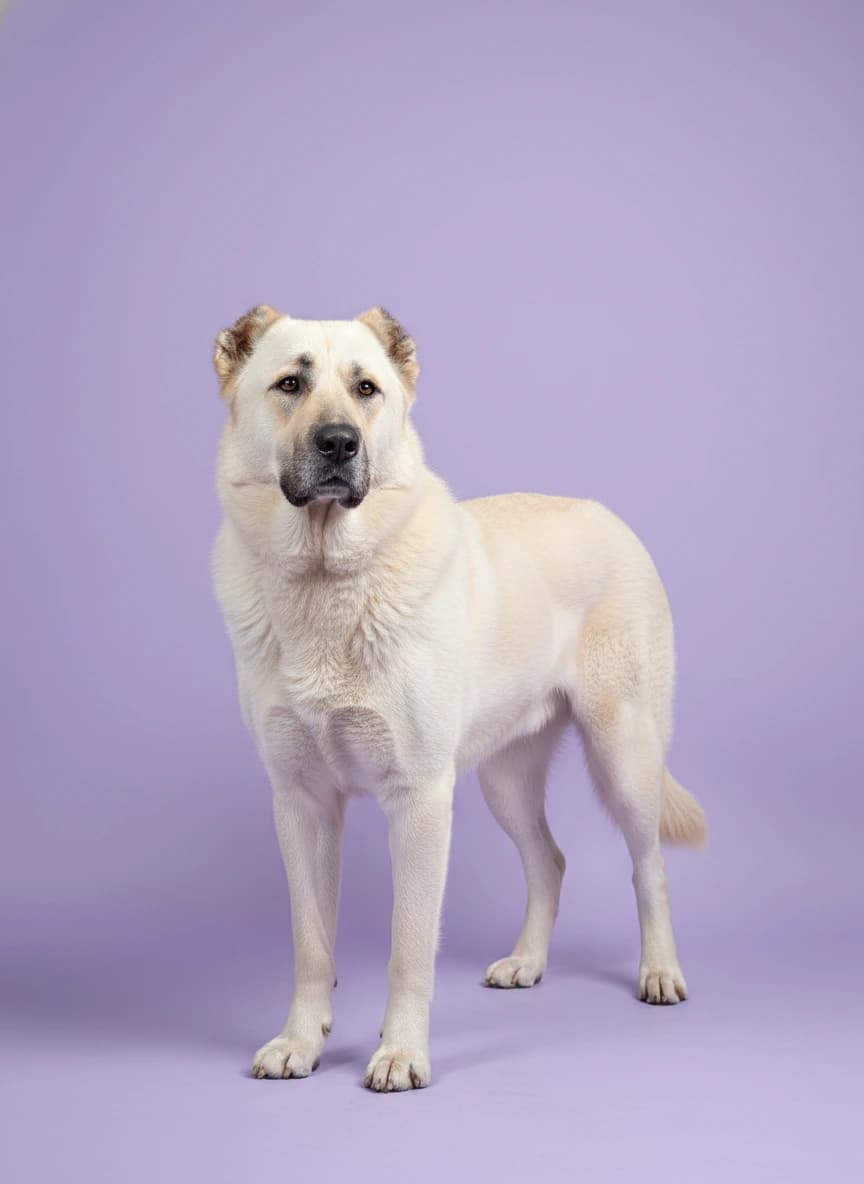
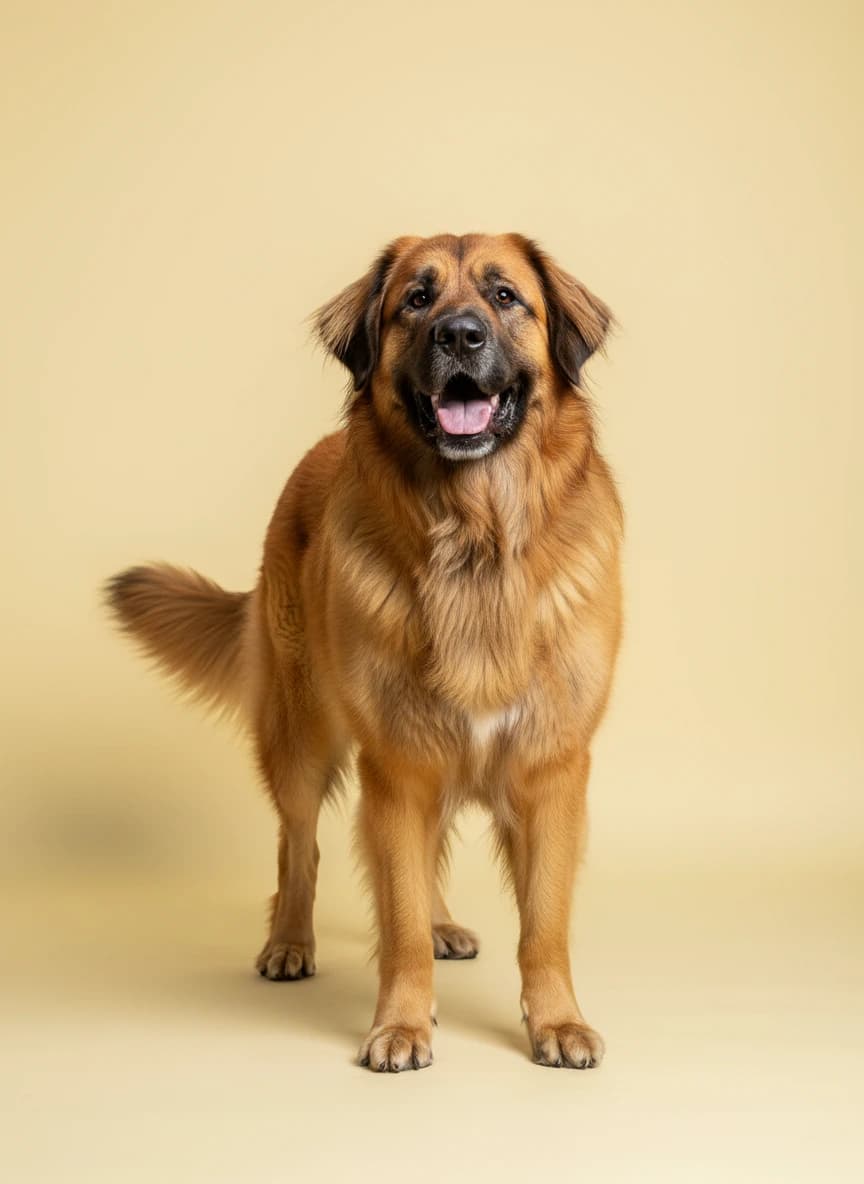
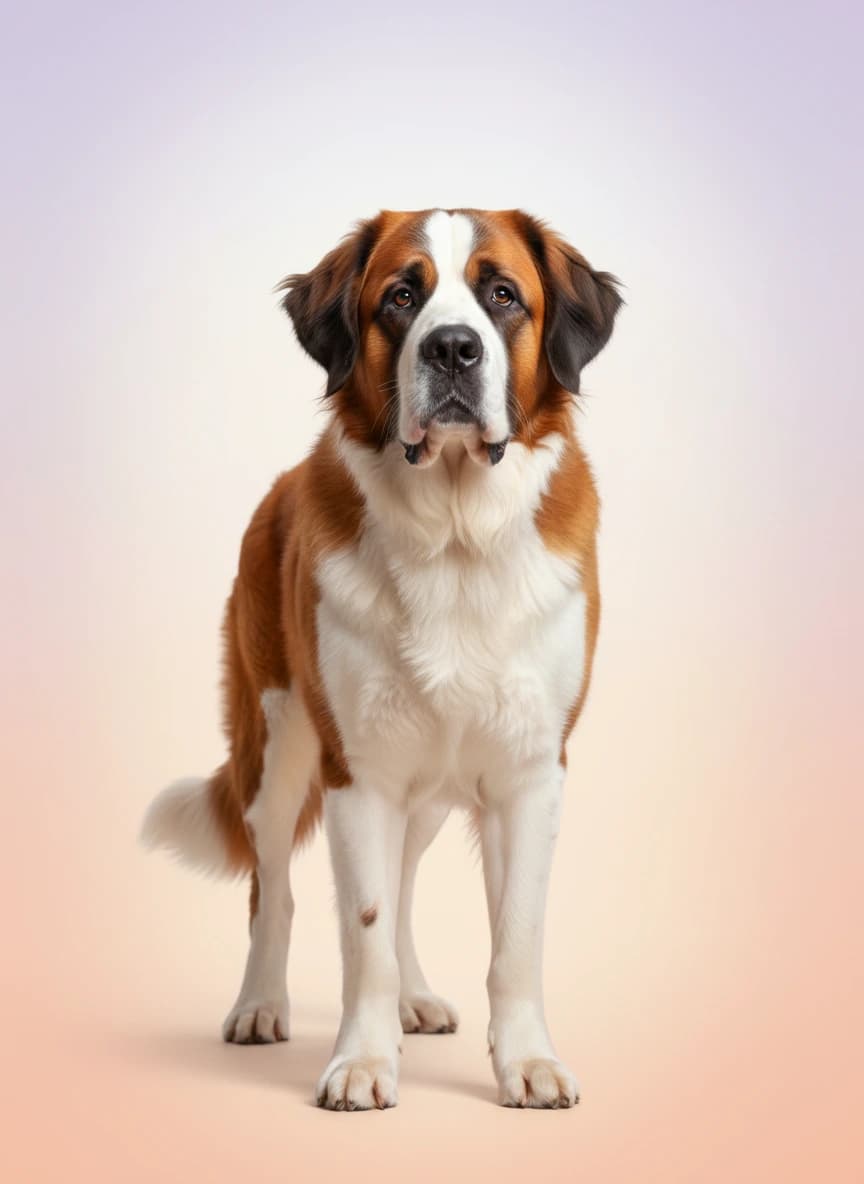
Auch bekannt als: Do-Khyi, Tibetan犬, Tibetanischer Bulldog, Himalaya-Mastiff, Bhote Kukur, Tsang-khyi

Tibet
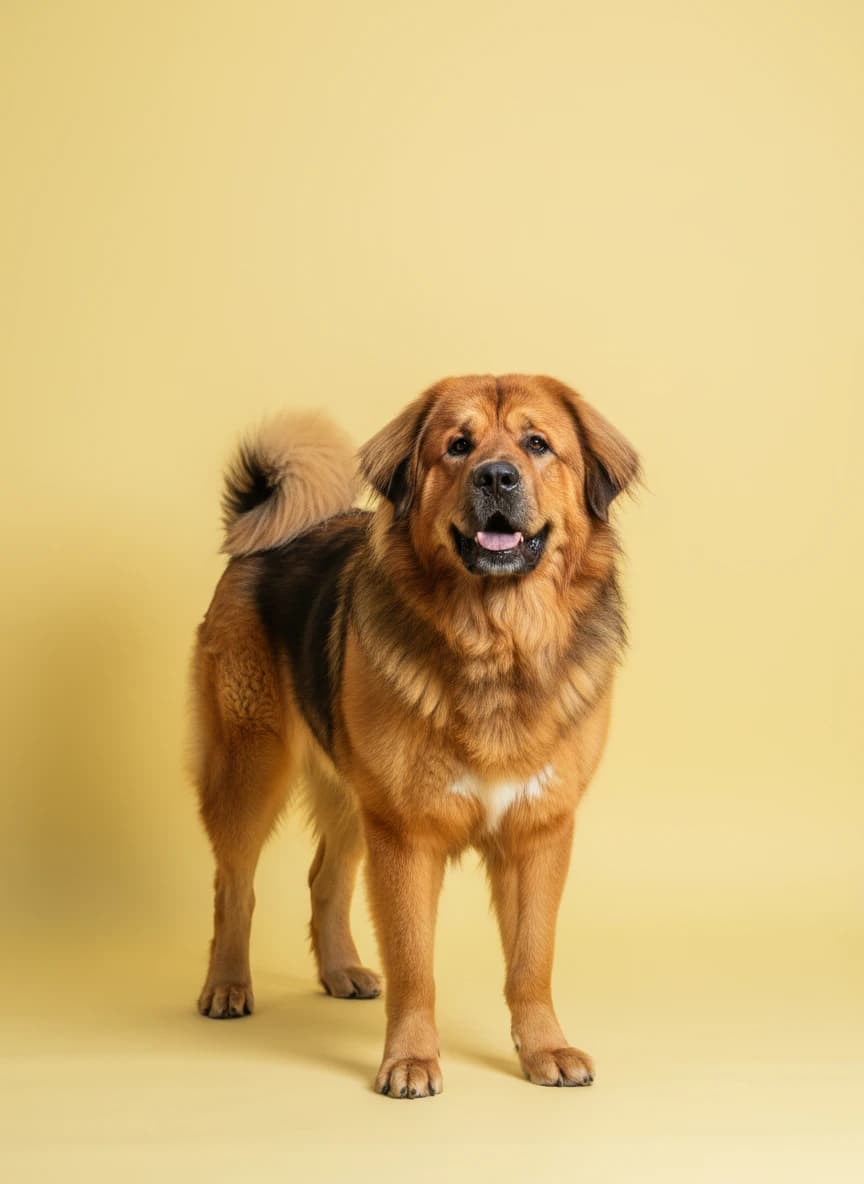
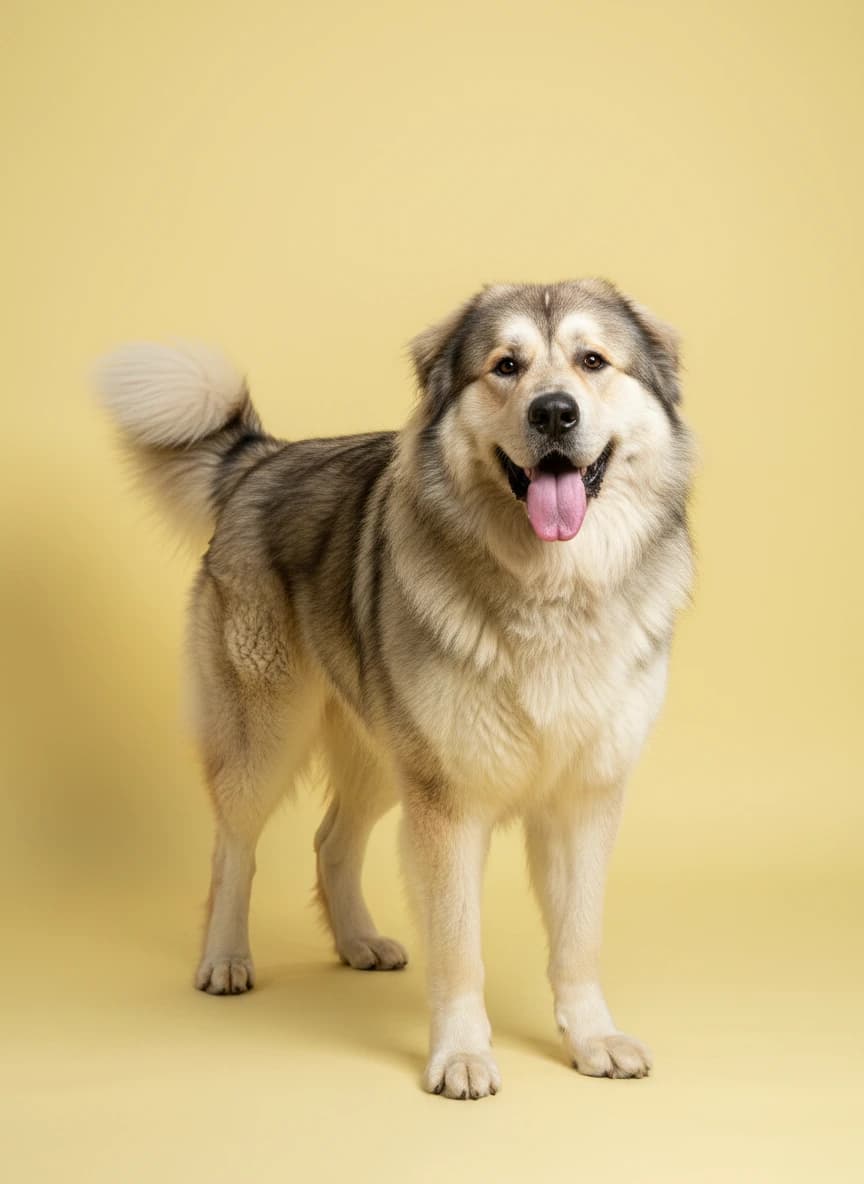
Der Tibetische Mastiff ist ein majestätischer, zuverlässiger Wächter, dessen ruhiges Wesen einen starken Schutzinstinkt verbirgt. Sie sind ihrer Familie tief ergeben und bilden fast eine spirituelle Bindung, können aber Fremden gegenüber reserviert sein – ein Merkmal, das durch Jahrhunderte der Bewachung abgelegener Himalaja-Anwesen geprägt wurde. Ihr unabhängiger Geist bedeutet auch, dass sie eigenständig denken und oft lieber beobachten und beurteilen, als blind zu gehorchen. Ihre imposante Präsenz und ihr tiefes, volltönendes Bellen schrecken potenzielle Bedrohungen leicht ab, aber mit denen, denen sie vertrauen, sind sie überraschend sanft und liebevoll, kuscheln sich oft nah bei ihren Lieben zusammen mit leisem, dumpfem Schnurren. Mit einem Tibetischen Mastiff zu leben bedeutet, ihre beeindruckende Größe und unerschütterliche Loyalität zu akzeptieren.
Häufige Probleme
Empfohlene Untersuchungen

Frag deine vertraute Tierarztpraxis nach einem Rat, der zu deinem Hund passt.
The Tibetan Mastiff is a majestic, steadfast guardian whose calm demeanor belies a fierce protective instinct. They are deeply devoted to their family, forming an almost spiritual bond, but can be reserved with strangers—a trait honed by centuries of watching over remote Himalayan homesteads. This independent spirit means they think for themselves, often preferring to observe and assess rather to blindly obey. Their imposing presence and deep, resonant bark easily deter perceived threats, but with those they trust, they are surprisingly gentle and affectionate, often curling up near their loved ones with a soft, rumbling purr.
Tibetan Mastiffs have moderate exercise needs and moderate trainability. Their independent nature means they respond best to consistent, patient guidance rather than rigid command-based training. They tend to think through decisions themselves, which can make them less immediately responsive than some other breeds, but this deliberative approach is part of their heritage as autonomous guardians. Early socialization and ongoing engagement help channel their protective instincts constructively. Daily walks and opportunities to patrol their territory typically satisfy their exercise requirements.
Tibetan Mastiffs have low grooming needs relative to their size. Their thick, protective double coat sheds seasonally and benefits from regular brushing during these periods to manage loose hair. Between shedding seasons, occasional brushing maintains coat health. Basic nail care, ear cleaning, and dental hygiene are standard maintenance for the breed.
Tibetan Mastiffs need adequate space to thrive, as befits their giant stature and guardian nature. They are most content with room to move and observe their surroundings. Their deep, resonant bark reflects their watchful temperament, and they may vocalize to alert their family. They form intensely loyal bonds with household members and tend to be gentle with those they trust, though their reserved nature with strangers means careful introductions are important. Their independent spirit and protective instincts require owners who understand and respect their nature rather than those seeking an obedient lap dog.
The Tibetan Mastiff is best suited for experienced dog owners who appreciate their unique blend of protective devotion and independence. They require owners who can provide adequate space, understand their guardian heritage, and respect their thoughtful, sometimes stubborn nature. These dogs thrive with families who value loyalty and can meet their need for consistent, patient guidance. They are not ideal for first-time dog owners or those seeking a highly obedient companion, but for the right person, a Tibetan Mastiff offers unparalleled devotion and noble presence.