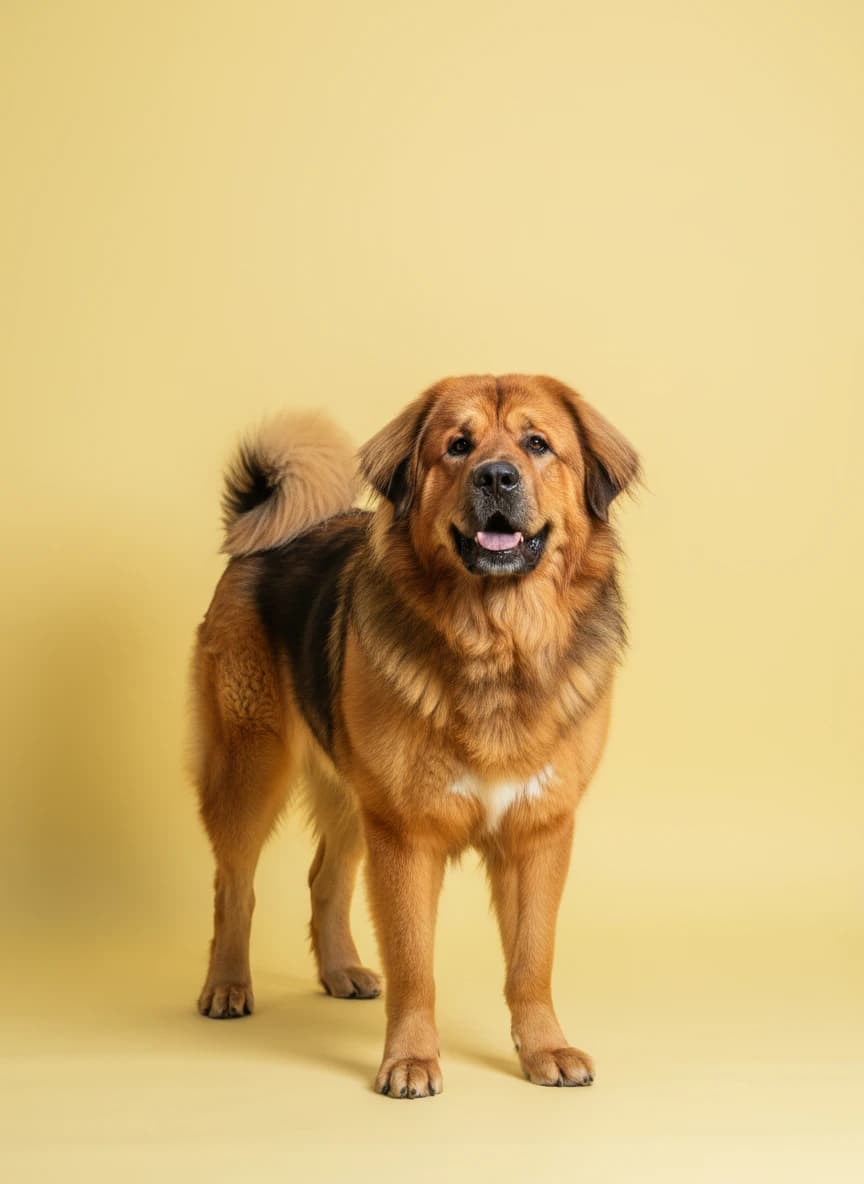
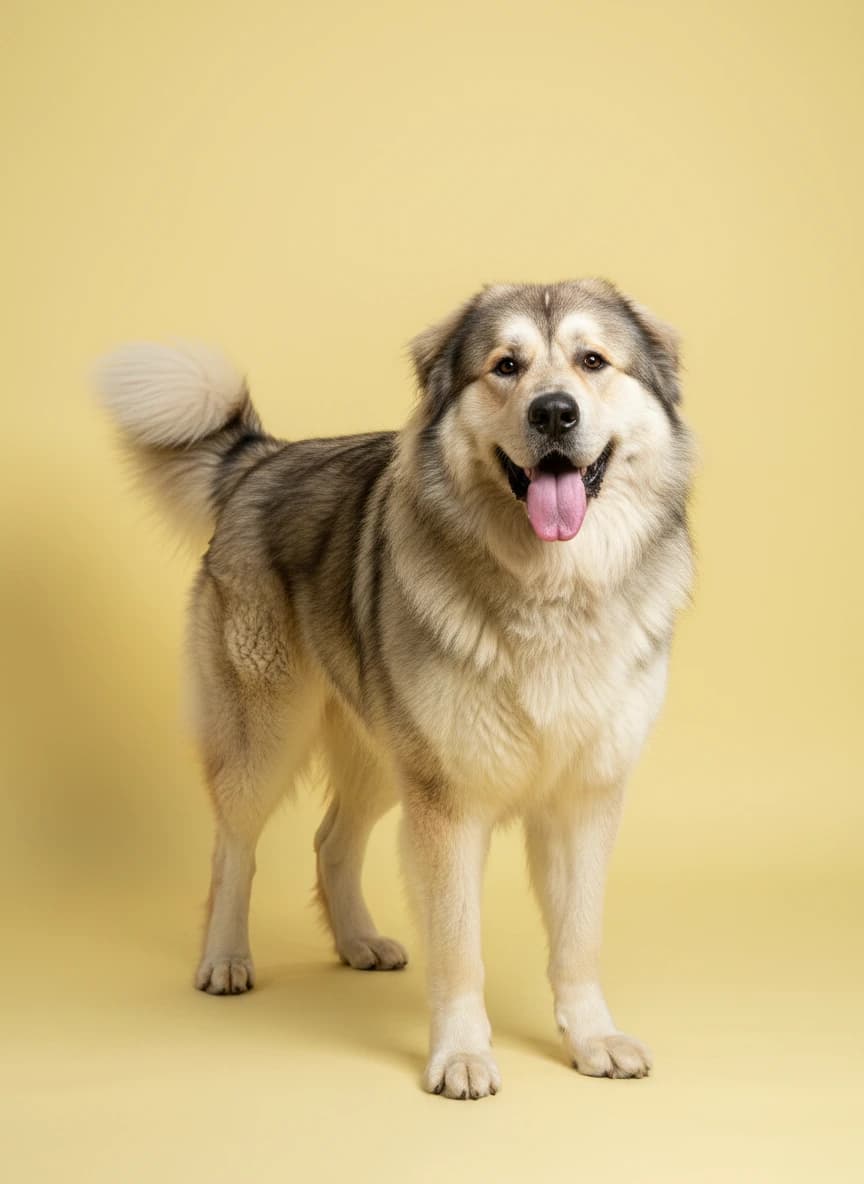
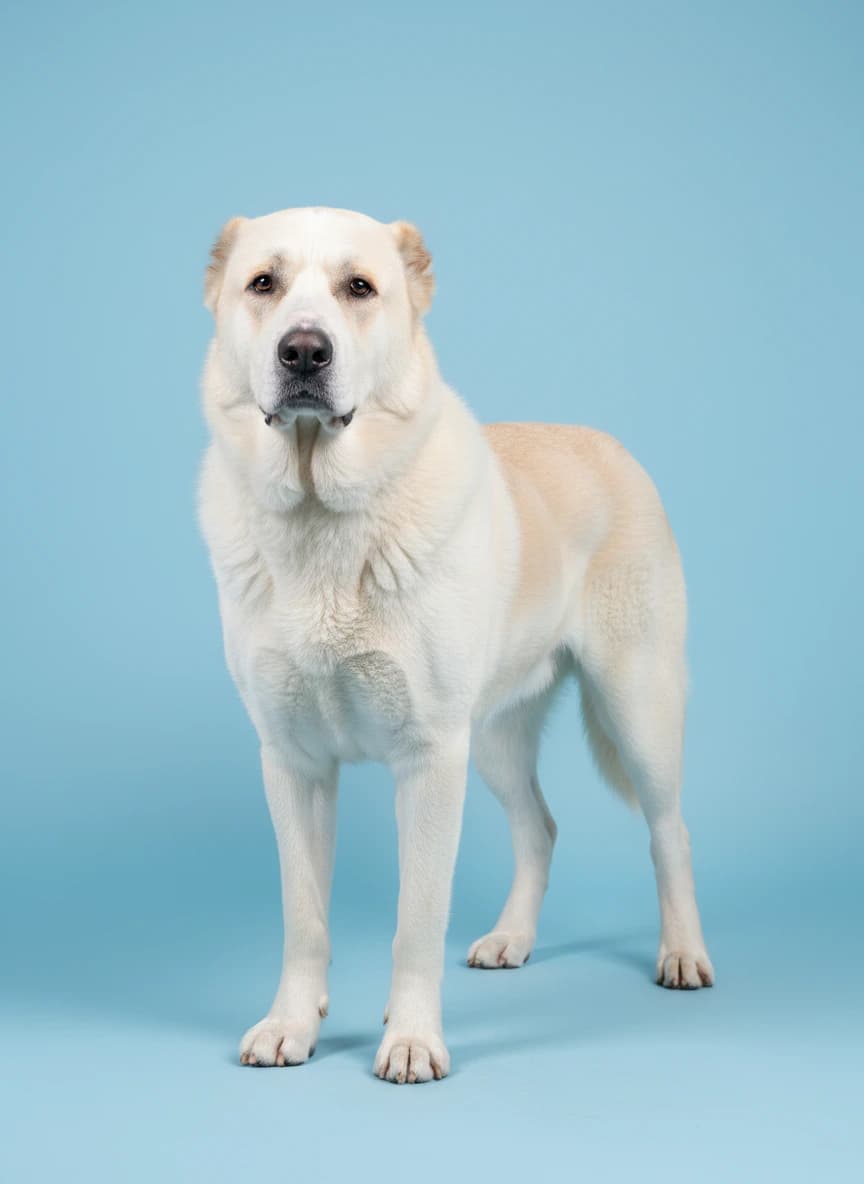
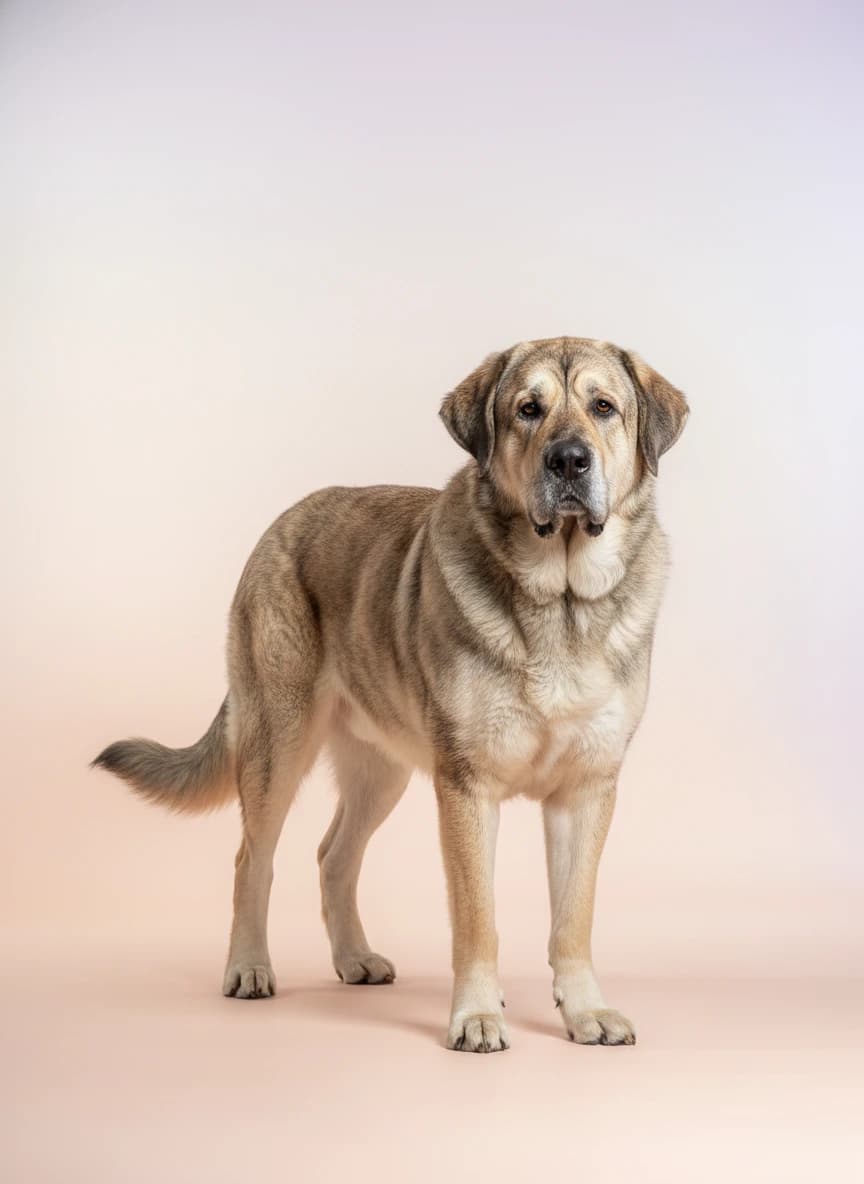
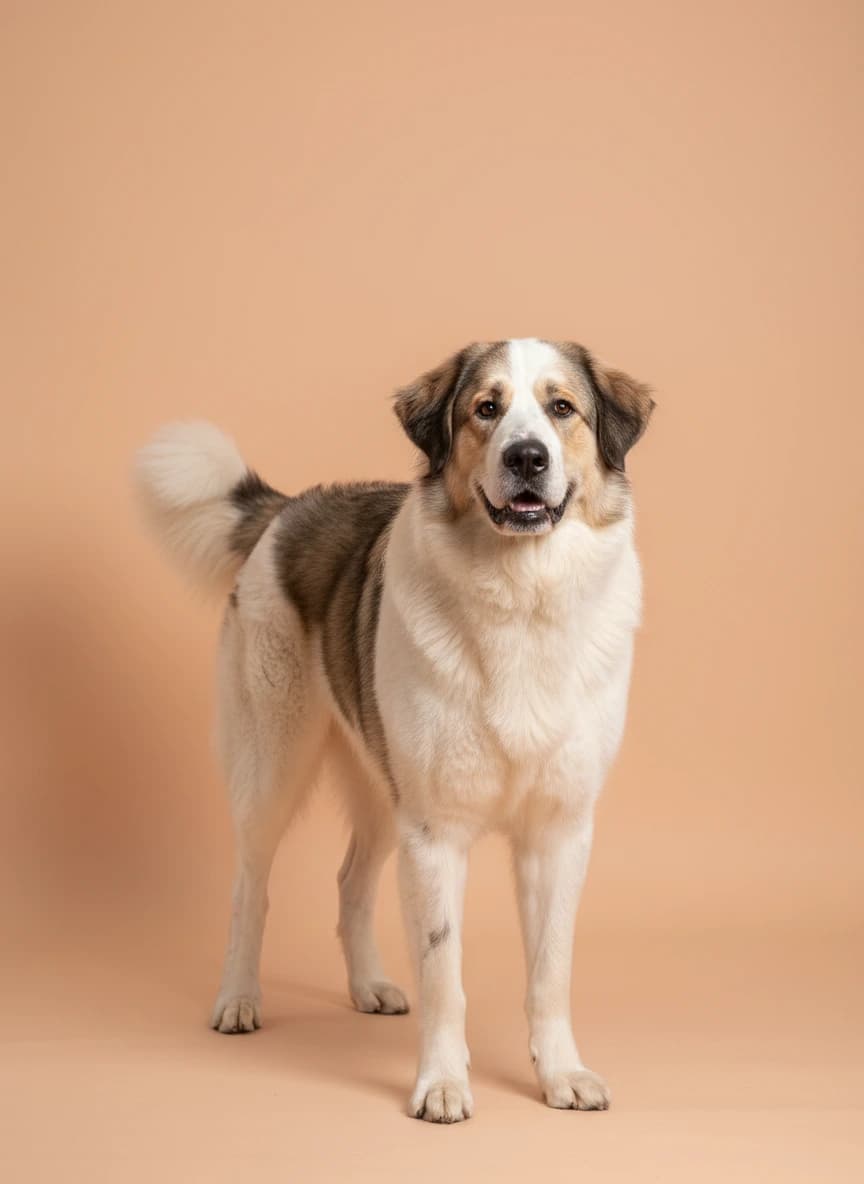
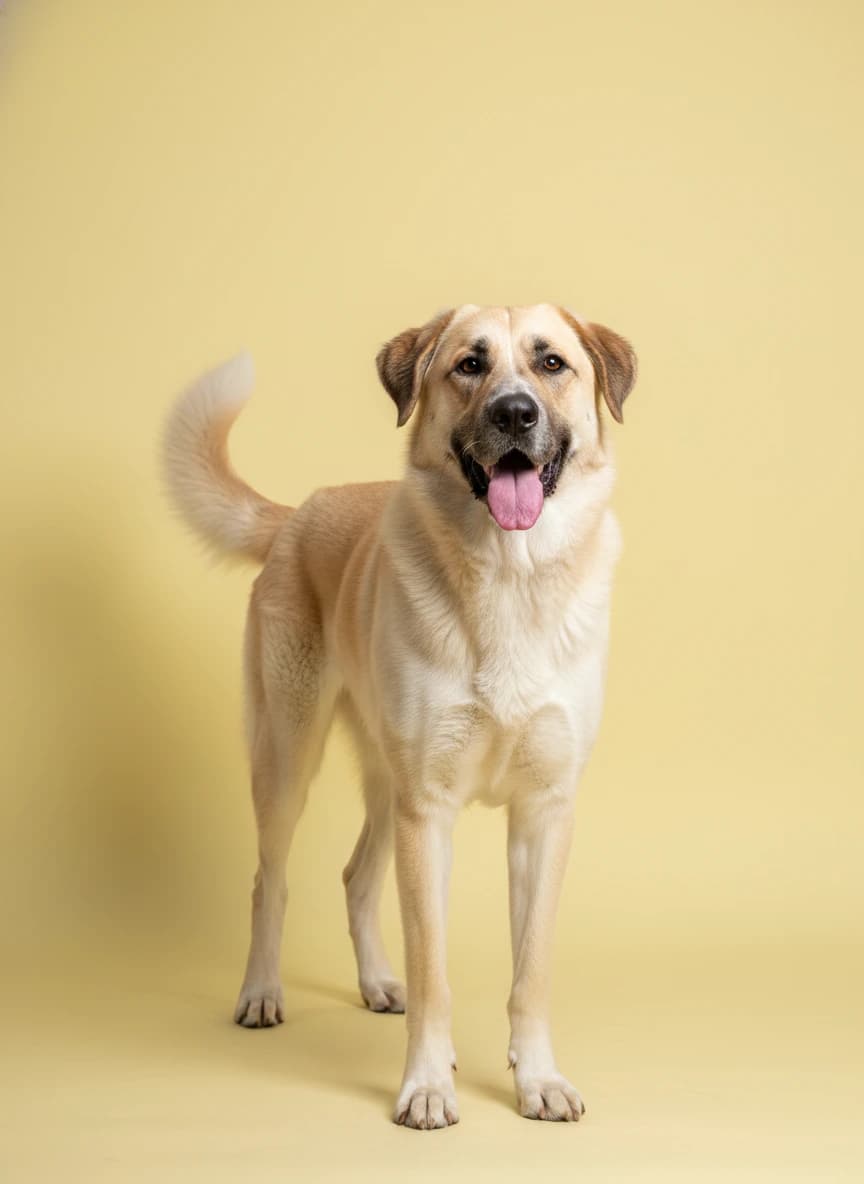
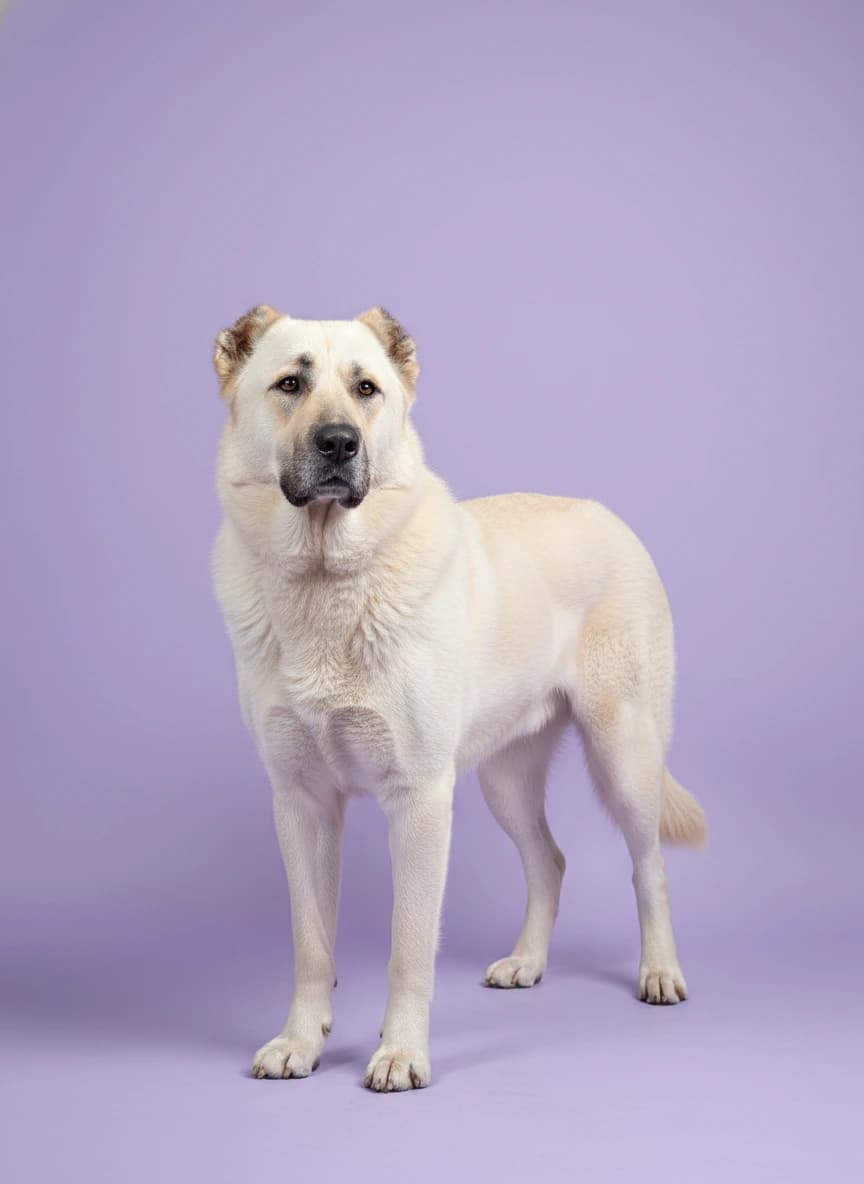
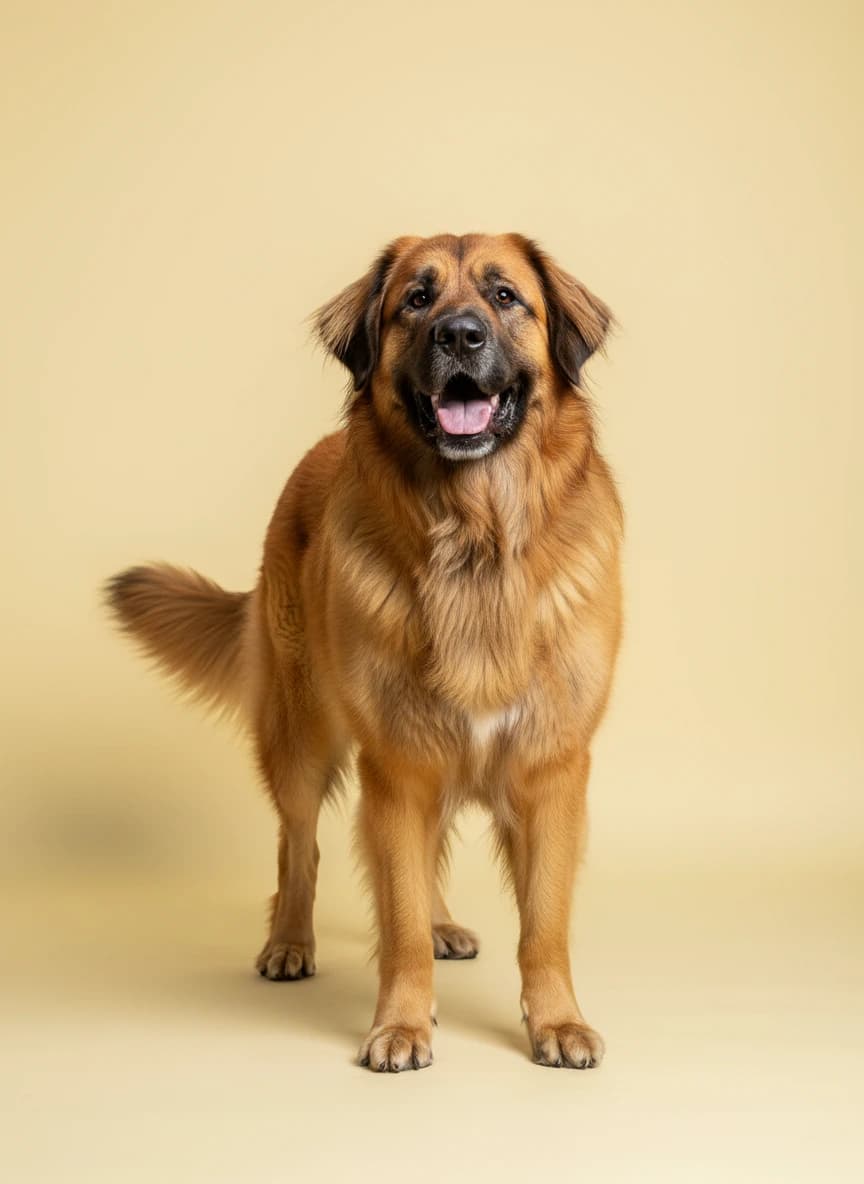
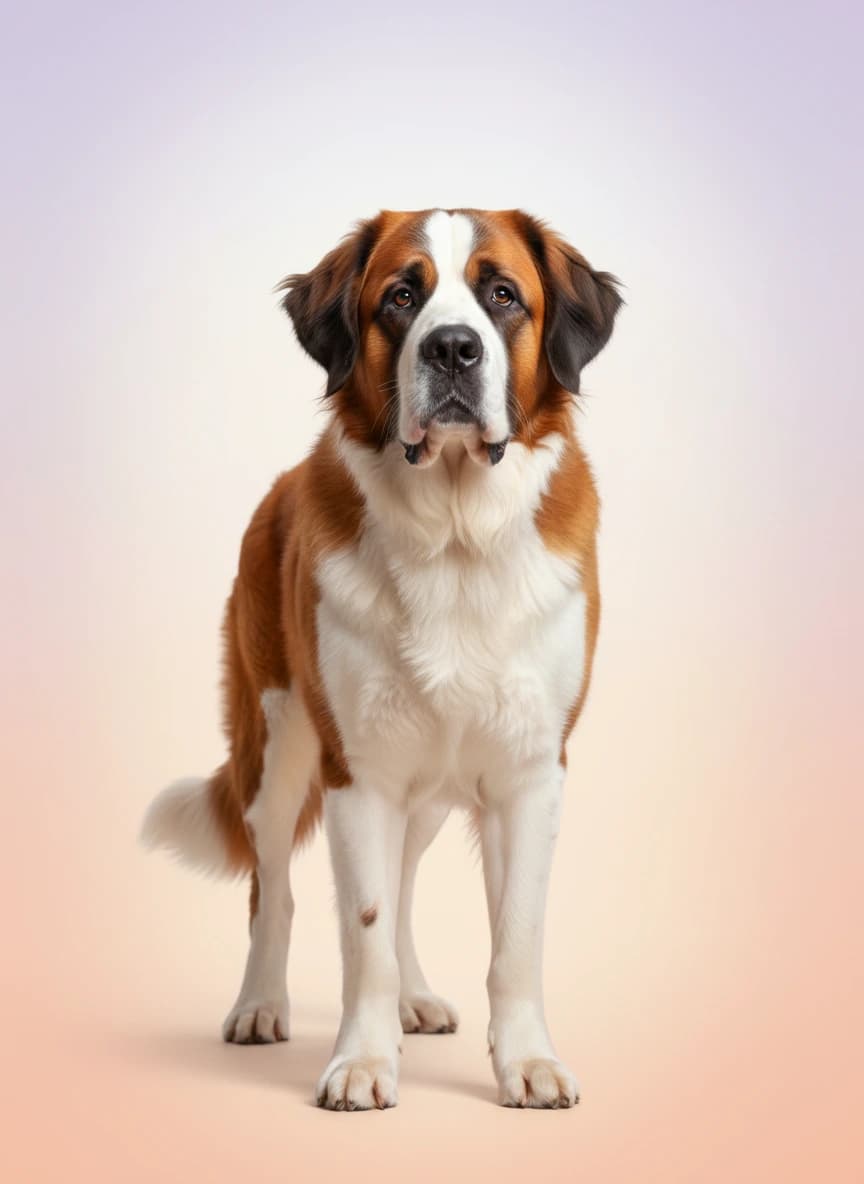
Aussi connue sous le nom: Do-Khyi, Tibetan犬, Mâtin tibétain, Mâtin de l'Himalaya, Bhote Kukur, Tsang-khyi
Tibet

Le Mâtin du Tibet est un gardien majestueux et inébranlable dont le tempérament calme cache un instinct protecteur féroce. Ils sont profondément dévoués à leur famille, formant un lien presque spirituel, mais peuvent être réservés avec les étrangers, un trait affiné par des siècles de surveillance des habitations isolées de l'Himalaya. Cet esprit indépendant signifie également qu'ils pensent par eux-mêmes, préférant souvent observer et évaluer plutôt que d'obéir aveuglément. Leur présence imposante et leur aboiement profond et résonnant dissuadent facilement les menaces perçues, mais avec ceux en qui ils ont confiance, ils sont étonnamment doux et affectueux, s'enroulant souvent près de leurs proches avec un ronronnement doux et grave. Vivre avec un Mâtin du Tibet signifie accepter leur stature impressionnante et leur loyauté inébranlable.
Problèmes fréquents
Examens recommandés
Consulte ton vétérinaire de confiance pour un conseil propre à ton chien.
The Tibetan Mastiff is a majestic, steadfast guardian whose calm demeanor belies a fierce protective instinct. They are deeply devoted to their family, forming an almost spiritual bond, but can be reserved with strangers—a trait honed by centuries of watching over remote Himalayan homesteads. This independent spirit means they think for themselves, often preferring to observe and assess rather to blindly obey. Their imposing presence and deep, resonant bark easily deter perceived threats, but with those they trust, they are surprisingly gentle and affectionate, often curling up near their loved ones with a soft, rumbling purr.
Tibetan Mastiffs have moderate exercise needs and moderate trainability. Their independent nature means they respond best to consistent, patient guidance rather than rigid command-based training. They tend to think through decisions themselves, which can make them less immediately responsive than some other breeds, but this deliberative approach is part of their heritage as autonomous guardians. Early socialization and ongoing engagement help channel their protective instincts constructively. Daily walks and opportunities to patrol their territory typically satisfy their exercise requirements.
Tibetan Mastiffs have low grooming needs relative to their size. Their thick, protective double coat sheds seasonally and benefits from regular brushing during these periods to manage loose hair. Between shedding seasons, occasional brushing maintains coat health. Basic nail care, ear cleaning, and dental hygiene are standard maintenance for the breed.
Tibetan Mastiffs need adequate space to thrive, as befits their giant stature and guardian nature. They are most content with room to move and observe their surroundings. Their deep, resonant bark reflects their watchful temperament, and they may vocalize to alert their family. They form intensely loyal bonds with household members and tend to be gentle with those they trust, though their reserved nature with strangers means careful introductions are important. Their independent spirit and protective instincts require owners who understand and respect their nature rather than those seeking an obedient lap dog.
The Tibetan Mastiff is best suited for experienced dog owners who appreciate their unique blend of protective devotion and independence. They require owners who can provide adequate space, understand their guardian heritage, and respect their thoughtful, sometimes stubborn nature. These dogs thrive with families who value loyalty and can meet their need for consistent, patient guidance. They are not ideal for first-time dog owners or those seeking a highly obedient companion, but for the right person, a Tibetan Mastiff offers unparalleled devotion and noble presence.