Auch bekannt als: Västgötaspets
Schweden
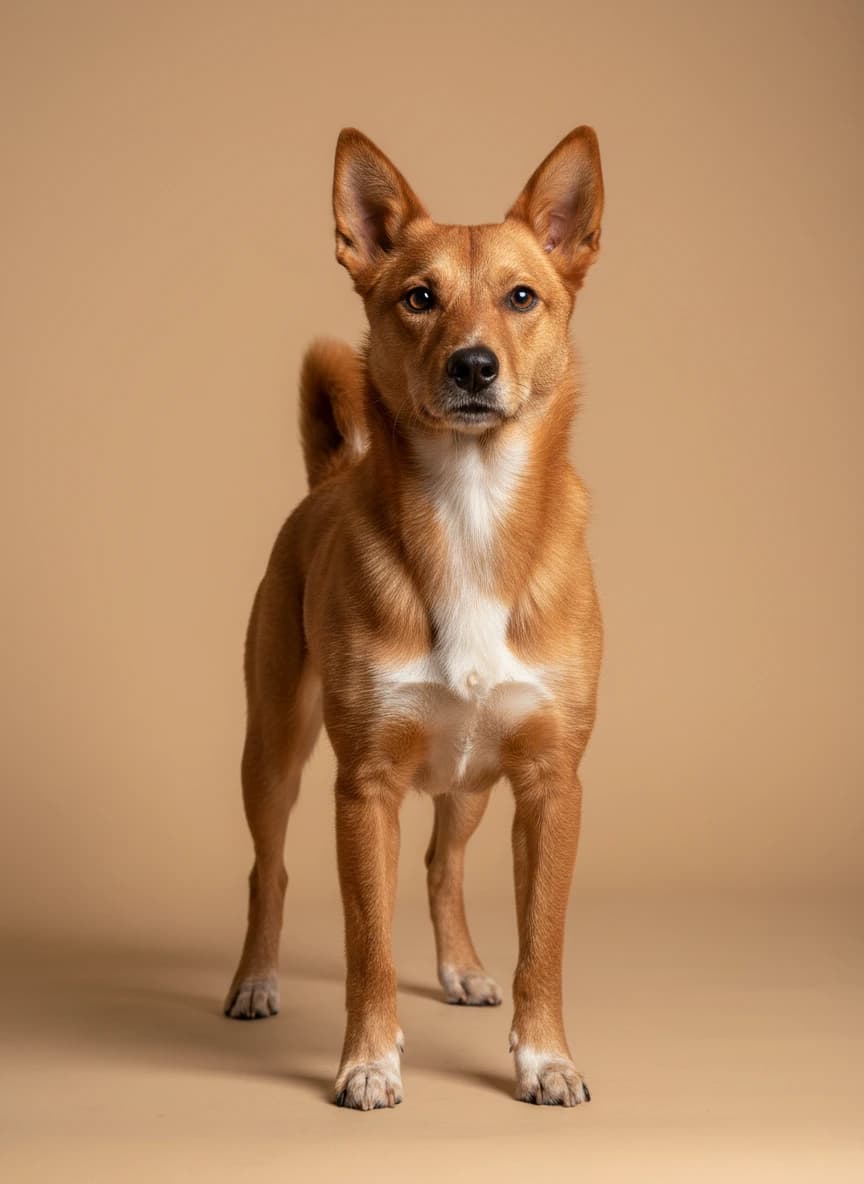
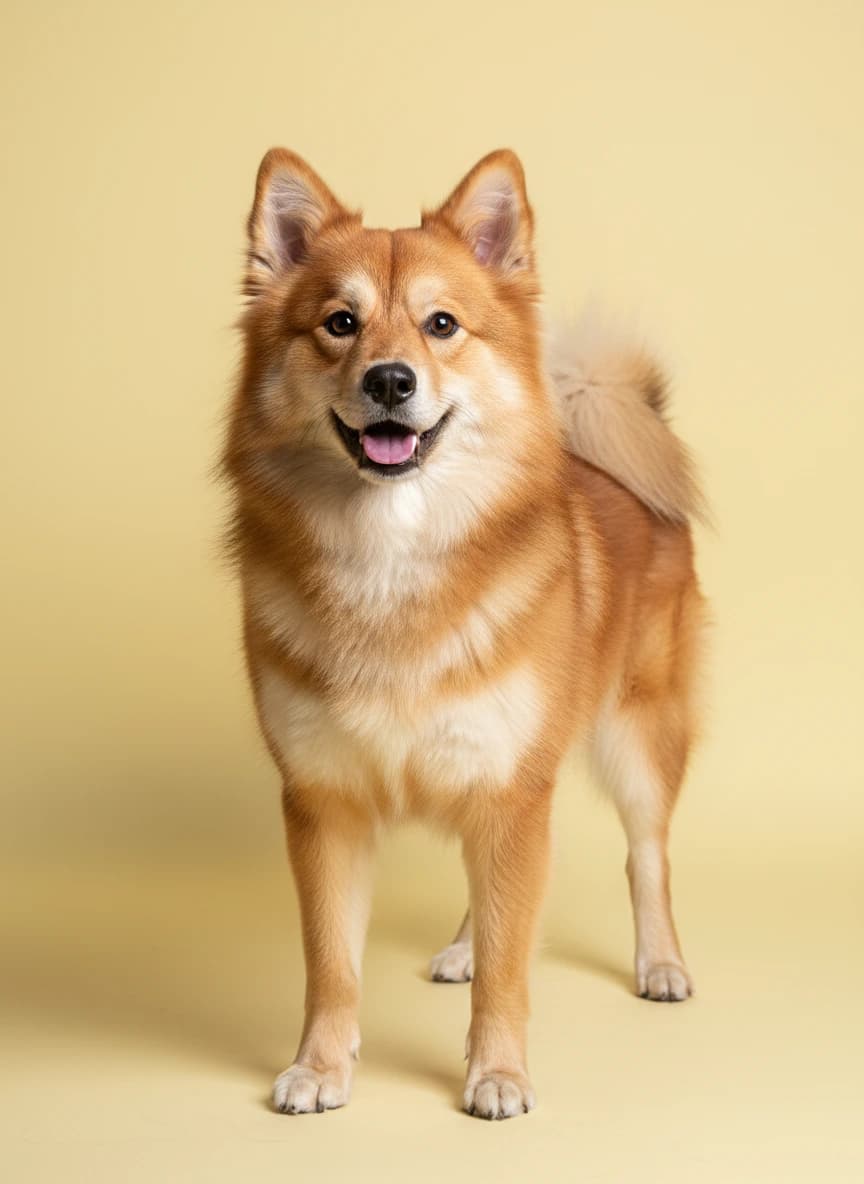
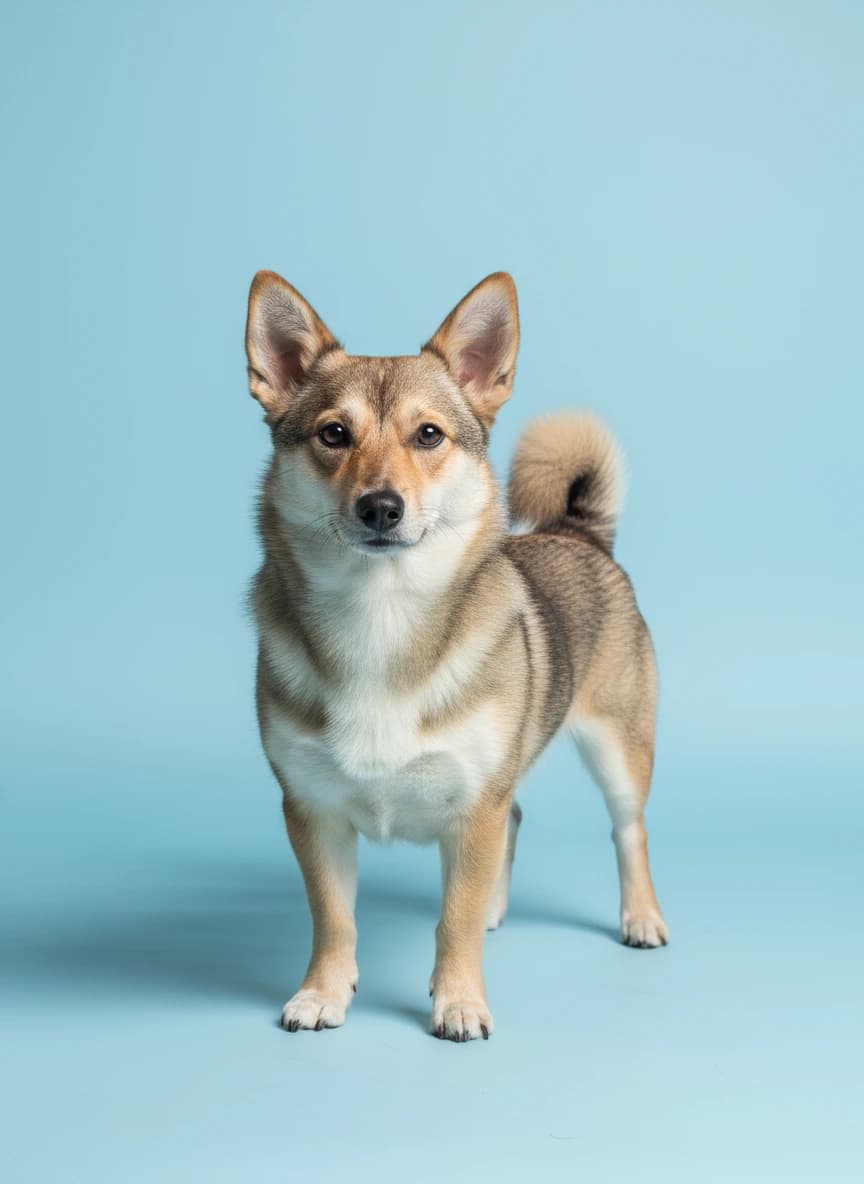
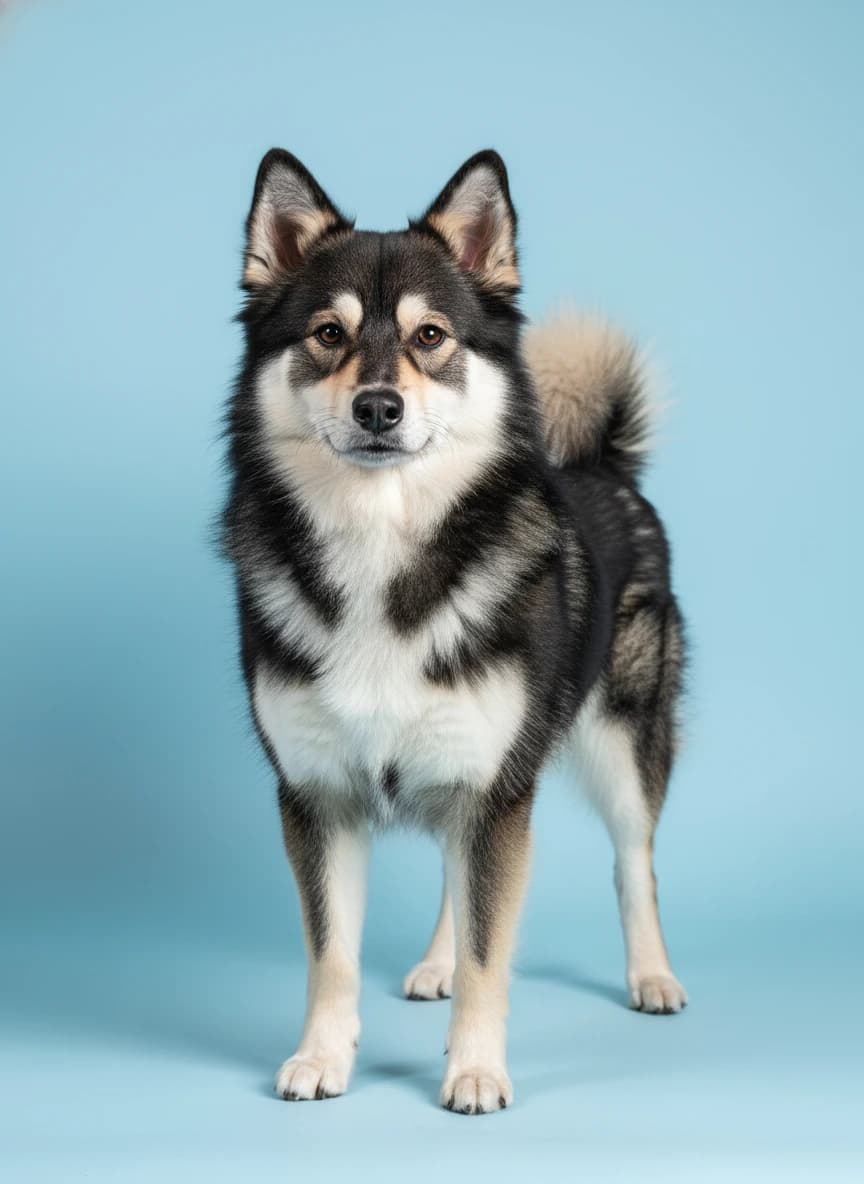
Der Swedish Vallhund ist ein lebhafter Hund mit großem Charakter in kleinerem Körper und hat eine bemerkenswerte Fähigkeit, alles Bewegliche zu hüten – vom Vieh bis zur Hauskatze. Sein über Jahrhunderte geschärfter Hütetrieb äußert sich in spielerischen Nippstichen an den Fersen oder ausdauernden Anstoßen, um seine Menschen "zusammenzuhalten". Hochintelligent und immer abenteuerlustig, gedeihen sie bei mentalen und körperlichen Herausforderungen und werden schnell gelangweilt ohne Beschäftigung. Vallhunds sind wunderbar vokal und nutzen Bellen, Jauler und einen einzigartigen "Wau-Wau"-Laut, um ihre Gedanken und Gefühle zu kommunizieren, was sie liebenswert macht, wenn auch manchmal laut. Sie bilden tiefe, loyale Bindungen und mögen immer Teil des Familienlebens sein.
Häufige Probleme
Empfohlene Untersuchungen
Frag deine vertraute Tierarztpraxis nach einem Rat, der zu deinem Hund passt.
The Swedish Vallhund is a spirited dog that combines intelligence and loyalty with boundless energy. True to their herding heritage, these medium-sized dogs exhibit a strong drive to gather and control movement—whether that involves livestock, household pets, or family members. They tend to be vocal communicators, using a distinctive array of barks, yips, and characteristic "woo-woo" sounds to express themselves, making them both endearing and sometimes noisy household members. Vallhunds form deep bonds with their families and genuinely want to be involved in household activities, demonstrating a playful enthusiasm that belies their compact size. They tend to view themselves as much larger dogs and are often fearless in their interactions.
Swedish Vallhunds are highly trainable and thrive with structured training that channels their intelligence and herding instincts. These dogs require substantial daily exercise—both physical activity and mental stimulation—to prevent boredom-related behavior problems. Without adequate engagement, they tend to become destructive or develop nuisance barking habits. Training should begin early and incorporate consistent boundaries around their herding tendencies, such as nipping at heels or bumping family members. They excel in activities like agility, obedience, herding trials, and interactive games that challenge their problem-solving abilities. Regular, purposeful exercise is essential rather than optional for this breed.
Swedish Vallhunds have moderate grooming needs with a double coat that sheds seasonally. Regular brushing, particularly during shedding seasons, helps manage loose hair and maintain coat health. They require routine nail trimming, ear checks, and dental care as part of standard dog maintenance. Their ears should be monitored, especially given their herding dog background. Screening for hip dysplasia and eye health concerns is recommended by breed clubs, as these conditions can appear in some lines. Prospective owners should discuss health screening practices with responsible breeders.
Vallhunds are active companions who prefer homes where they can participate in family life rather than being isolated. They require adequate space to move around and would struggle in very confined apartments without significant daily exercise outlets. Their herding instincts may manifest as heel-nipping, particularly with children or other pets during play, which requires management and training. Their vocal nature means barking is a normal behavior that potential owners should expect and be prepared to manage. They are adaptable to various living situations provided their exercise and mental stimulation needs are consistently met. Early socialization helps them develop balanced behavior with other animals and people.
The Swedish Vallhund is best suited for owners with some dog experience who can commit to high levels of daily exercise and mental engagement. They are ideal for active families or individuals who enjoy outdoor activities, training pursuits, or dog sports. Potential owners should appreciate their vocal communication style and be prepared to manage herding behaviors. This breed is most successful in homes where people have time for regular interaction, training, and physical activity. First-time dog owners without significant time availability for exercise and engagement may find this breed challenging. Vallhunds work best with owners who understand and can channel their natural herding drive into appropriate outlets.