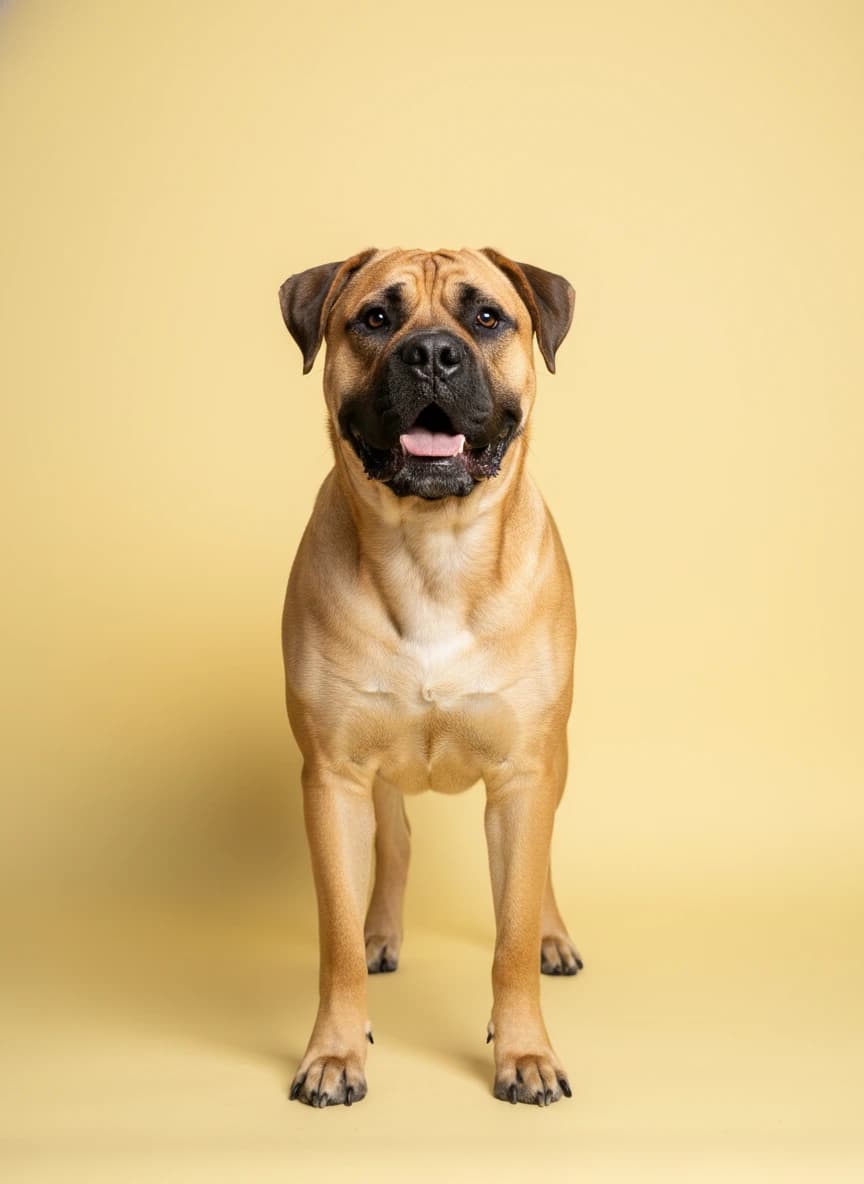
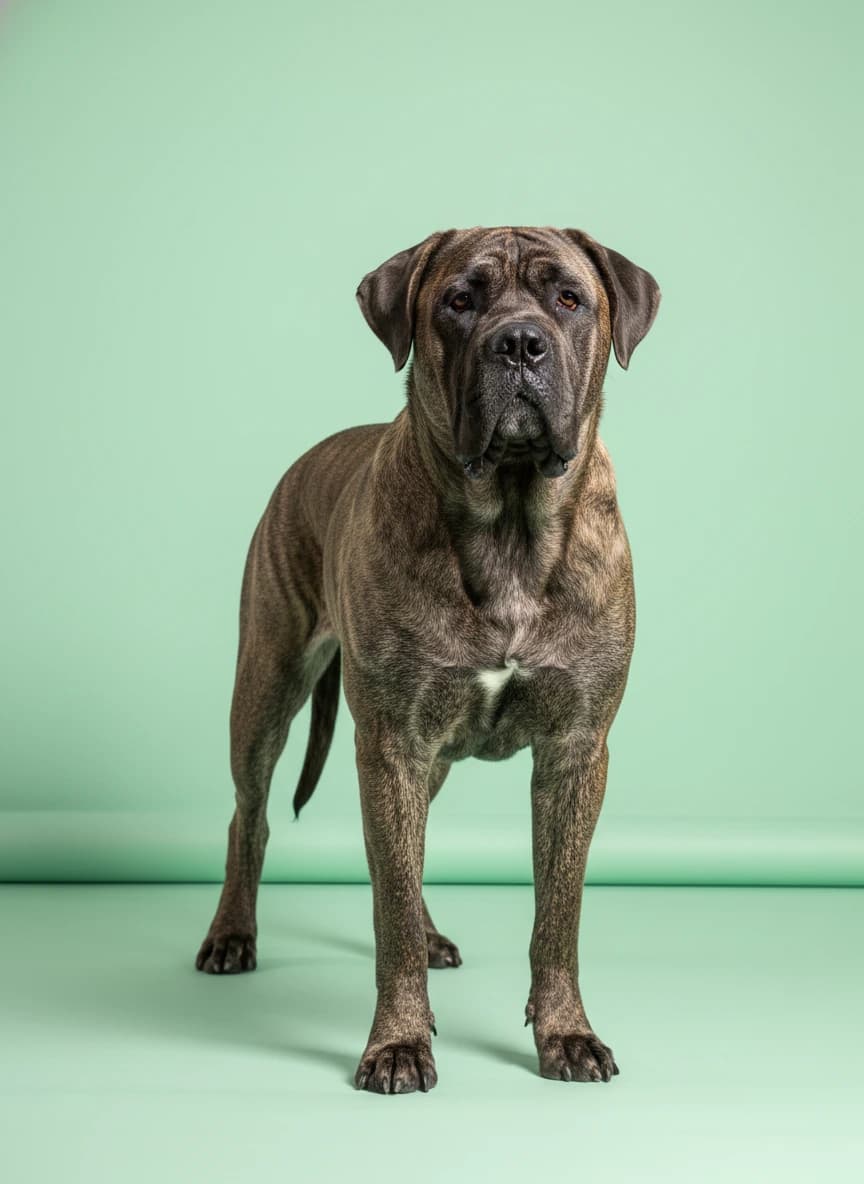
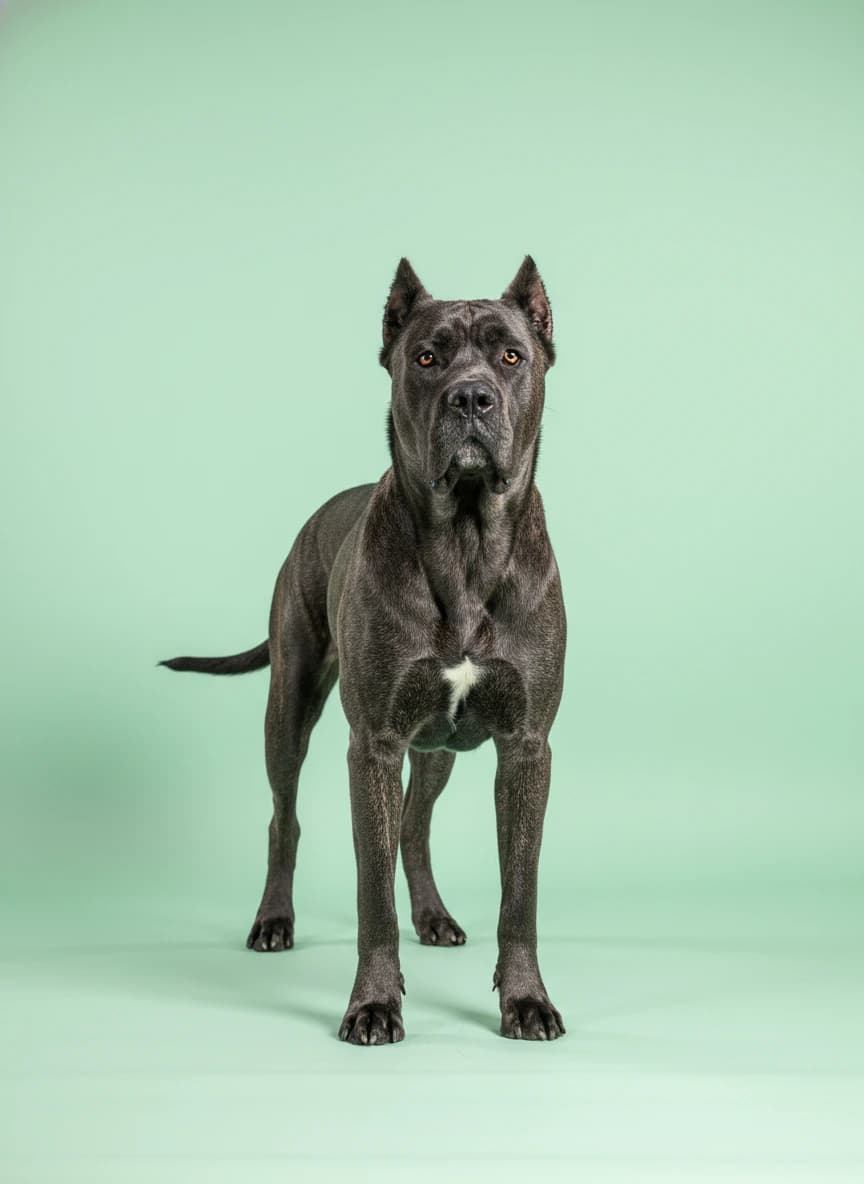
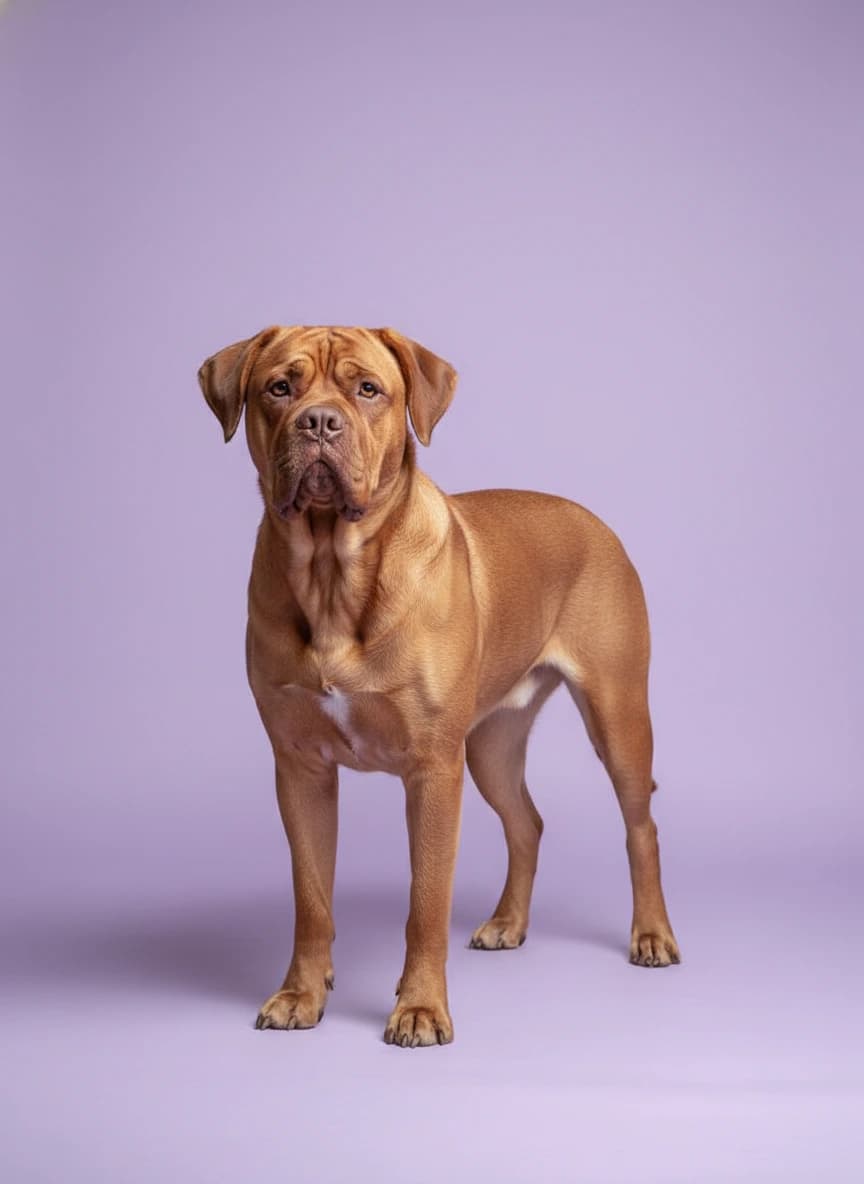
También conocida como: Mastín Inglés Antiguo, Mastín Inglés

Inglaterra
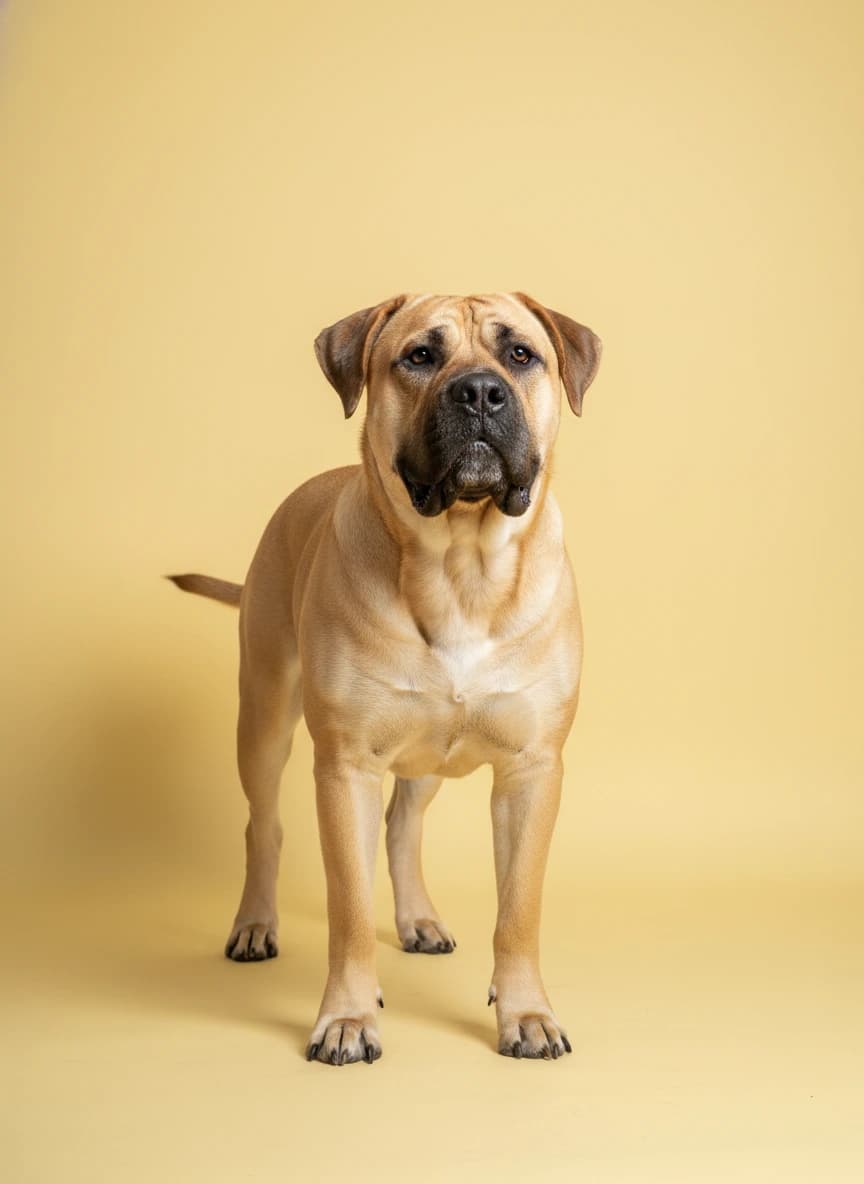
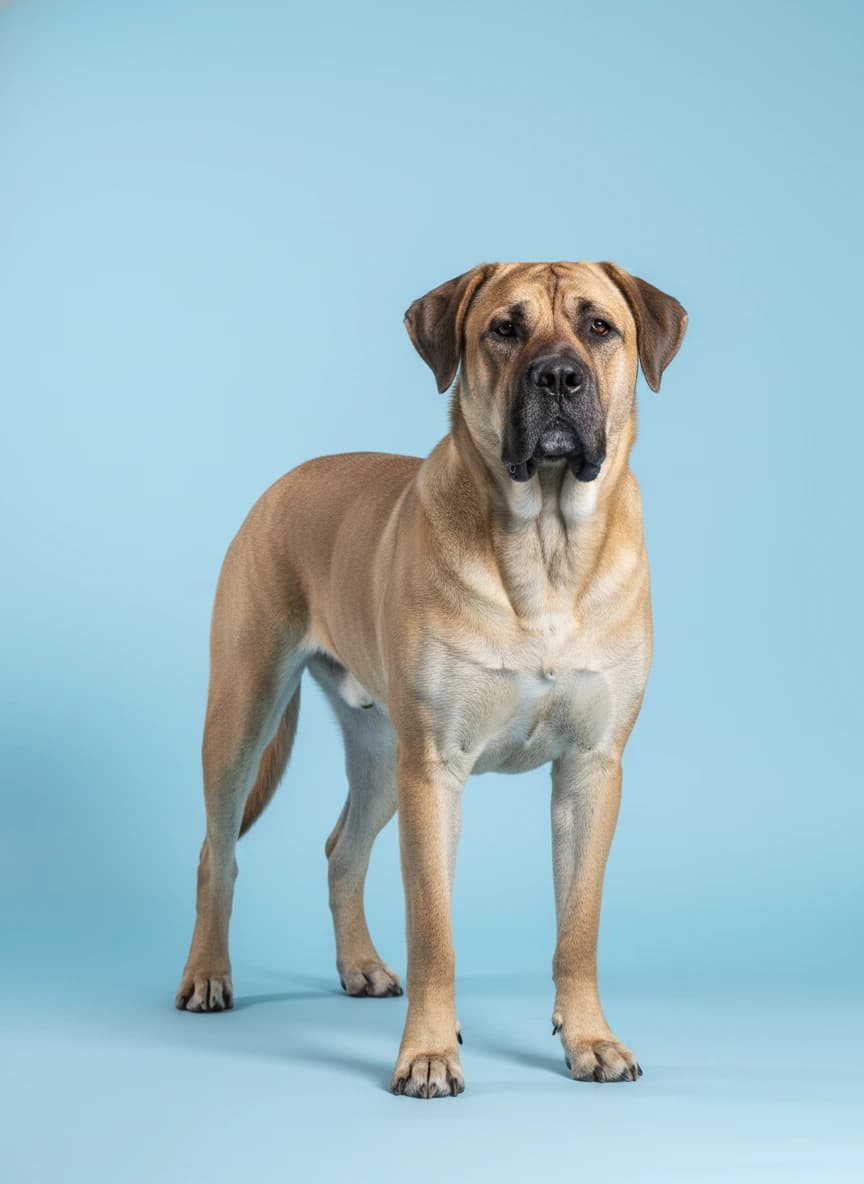
Vivir con un Mastín es como compartir tu hogar con un gigante gentil que cree que es un perro faldero. Estos canes colosales son sorprendentemente tranquilos y profundamente devotos, formando un vínculo inquebrantable con sus familias. Anhelan la compañía y pueden ser bastante sensibles, a menudo molestos si sienten que los dejan de lado. Sus instintos protectores, afinados durante siglos, emergen de manera tranquila y vigilante, raramente agresivos pero siempre conscientes. Aunque disfrutan descansando con elegancia, el Mastín posee una veta de terquedad, y una mente independiente significa que se requieren paciencia y orientación consistente y gentil. La saliva es una realidad diaria, un pequeño precio por un amor tan inquebrantable.
Problemas frecuentes
Revisiones recomendadas
Consulta a tu vet de confianza para un consejo específico de tu perro.
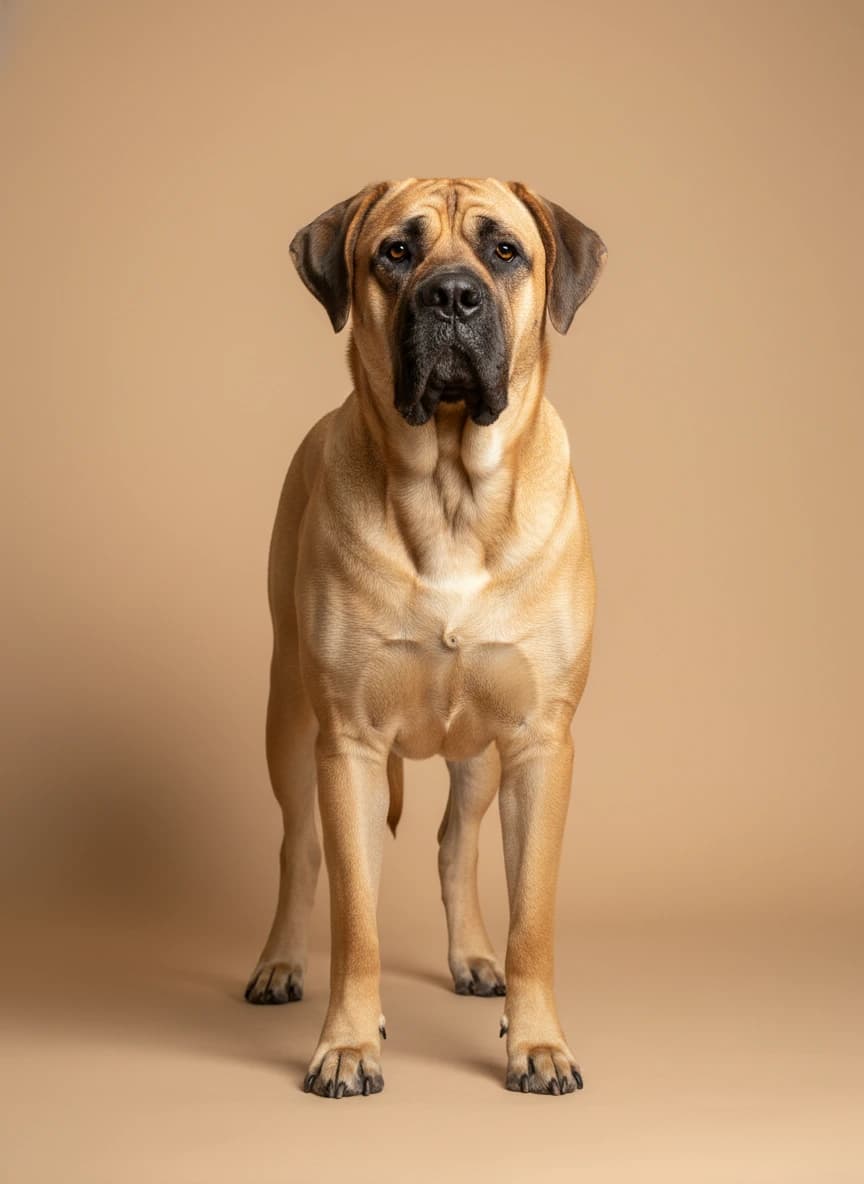
Mastiffs are gentle giants with a calm, steady demeanor that belies their imposing size. They tend to be deeply devoted to their families and crave companionship, often behaving as though they believe they are lap dogs despite their substantial frame. Their protective instincts are pronounced and historically rooted, but they typically express this quality through quiet watchfulness rather than aggression. Mastiffs can be sensitive and may sulk if they feel excluded from family activities. They possess an independent streak and a stubborn nature, meaning they require patience and consistent, gentle guidance. While generally quiet dogs, drool is a characteristic trait owners should expect as part of daily life.
Mastiffs have moderate exercise requirements and are content to spend much of their time lounging gracefully indoors. They benefit from regular, leisurely walks and gentle activity to maintain health and prevent excess weight gain. Training a Mastiff requires patience and consistency, as their independent minds and stubborn tendencies mean they respond best to gentle, positive reinforcement rather than harsh corrections. Early socialization and training are important to channel their protective instincts appropriately. These dogs are not typically high-energy athletes and tend to be satisfied with moderate daily activity.
Mastiffs have low grooming needs, with a short, dense coat that requires minimal maintenance. Regular brushing helps manage shedding and keeps the coat healthy. Their facial wrinkles and skin folds should be kept clean and dry to prevent irritation. Dental care, ear cleaning, and nail maintenance are important parts of routine care. The breed's tendency to drool means that regular wiping of the face and chin is a practical consideration for owners.
Mastiffs require adequate space due to their giant size and benefit from homes where they can move comfortably, both indoors and outdoors. They are generally quiet dogs, which can make them suitable for various living situations despite their size. Their deep attachment to family means they thrive when they can be near their people rather than isolated for long periods. They are typically calm and non-aggressive indoors, making them surprisingly graceful housemates. Potential owners should be aware that their large size, combined with their occasional stubbornness, means secure fencing and careful management in public spaces are necessary precautions.
Mastiffs are best suited to experienced dog owners who understand the needs of large breeds and can provide patient, consistent training and socialization. These dogs require owners who appreciate their gentle nature while recognizing their protective instincts and independent temperament. Potential owners must have adequate space for a giant breed and be prepared for daily drooling and the general care requirements of such a large dog. Mastiffs are devoted family companions for those willing to invest time in their training and who value a calm, loyal, and surprisingly sensitive giant who wants nothing more than to be near their loved ones.