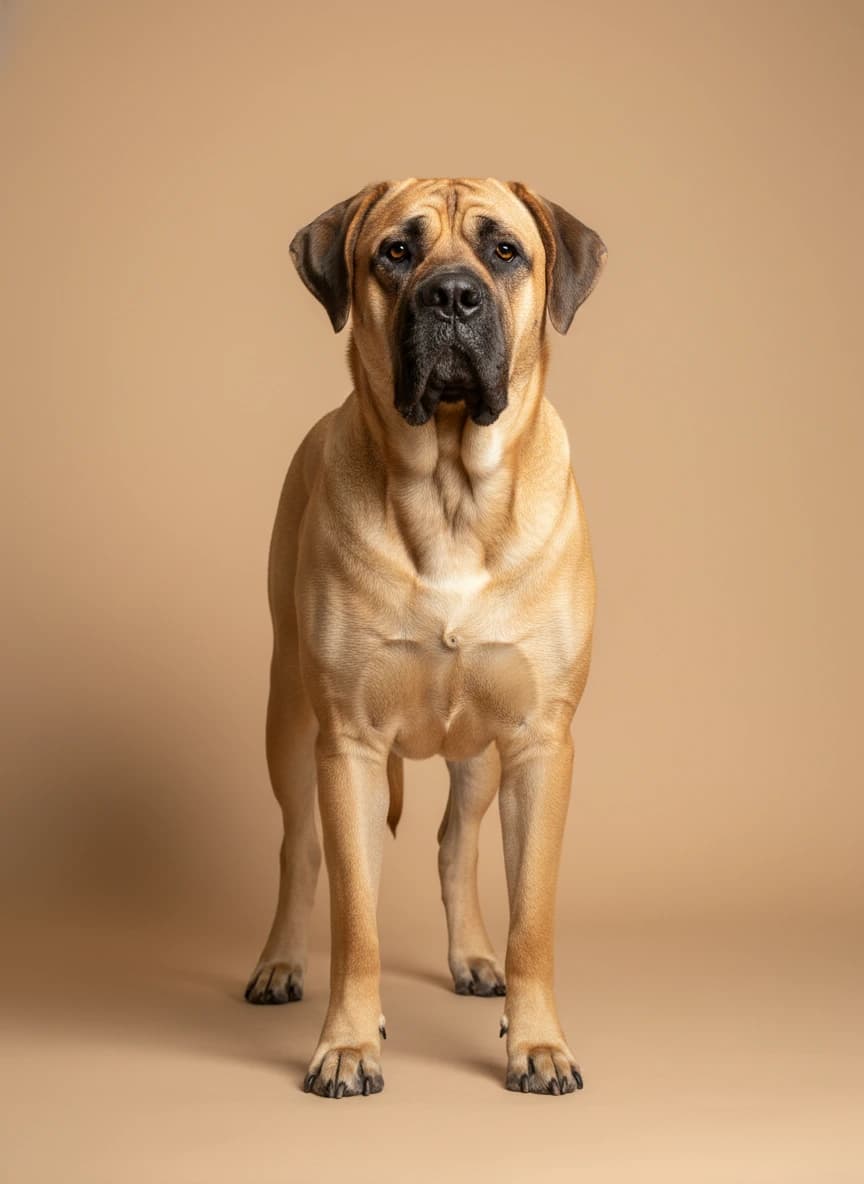
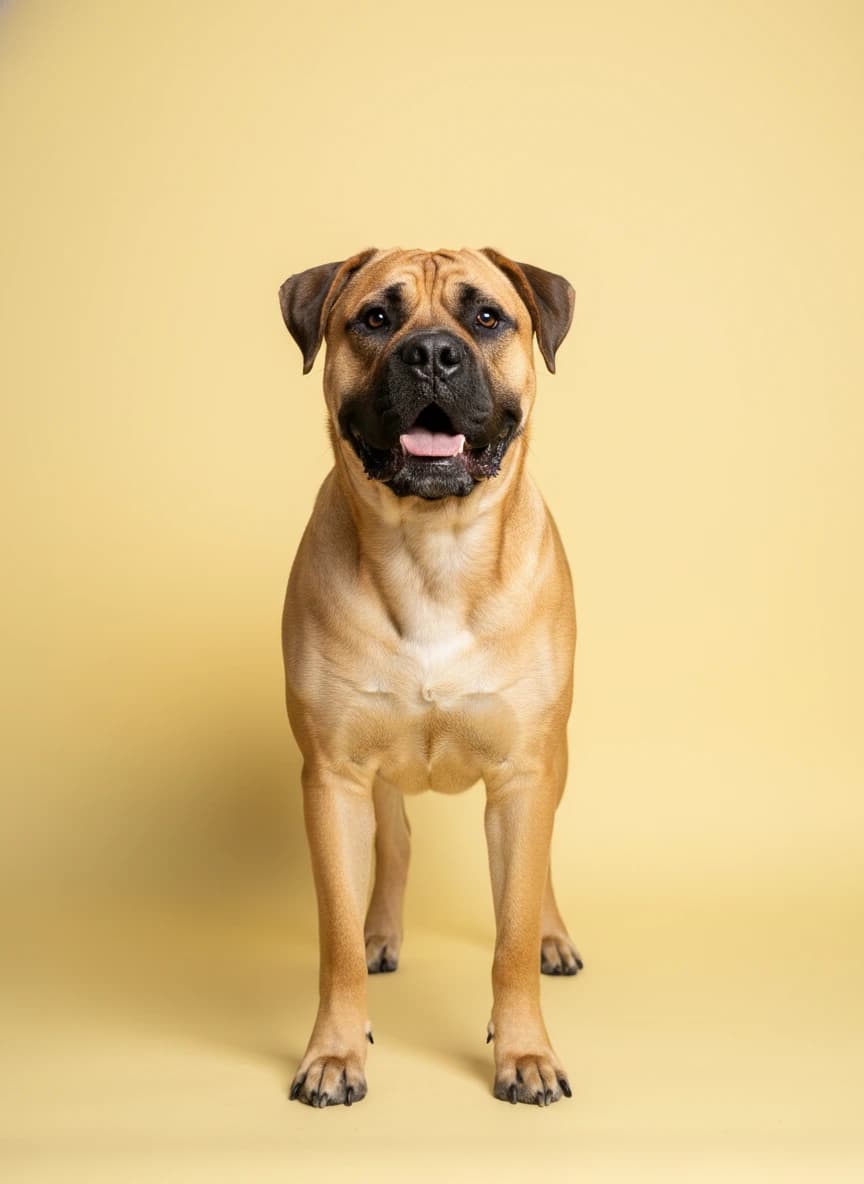
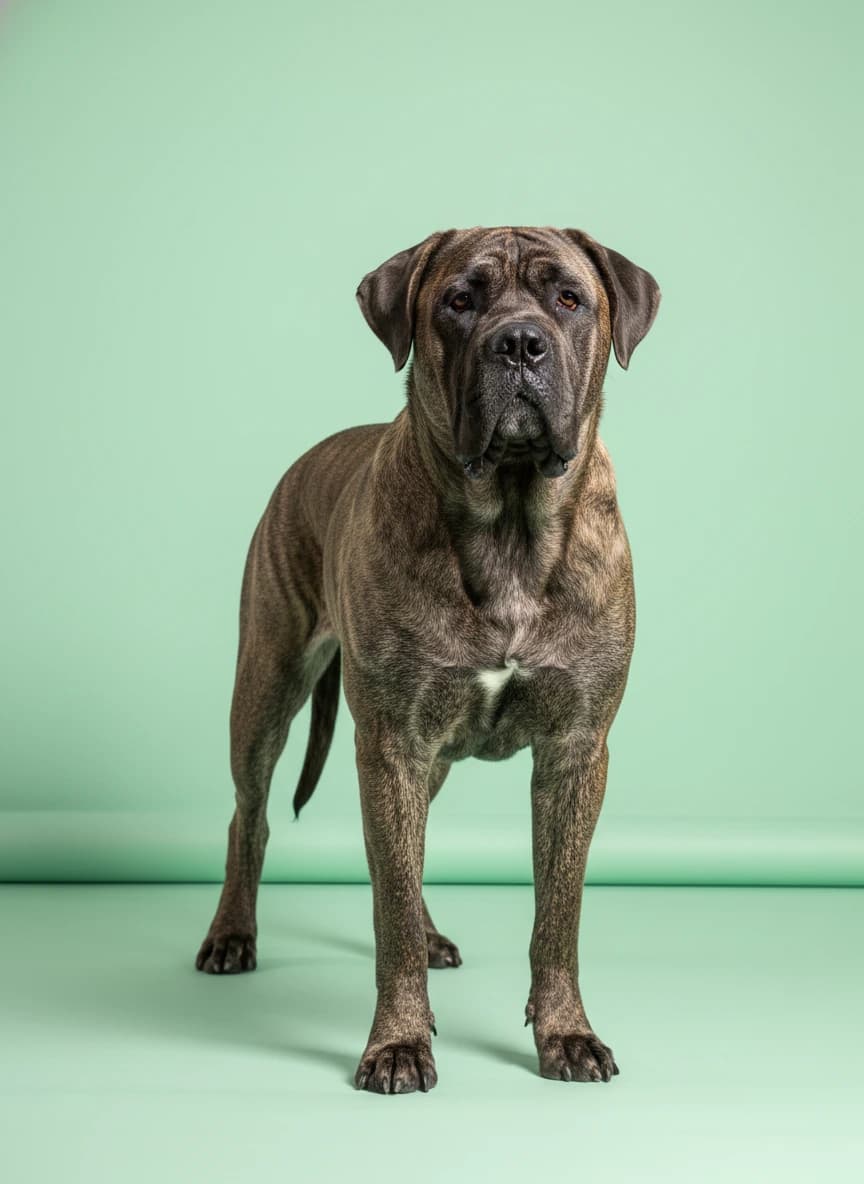
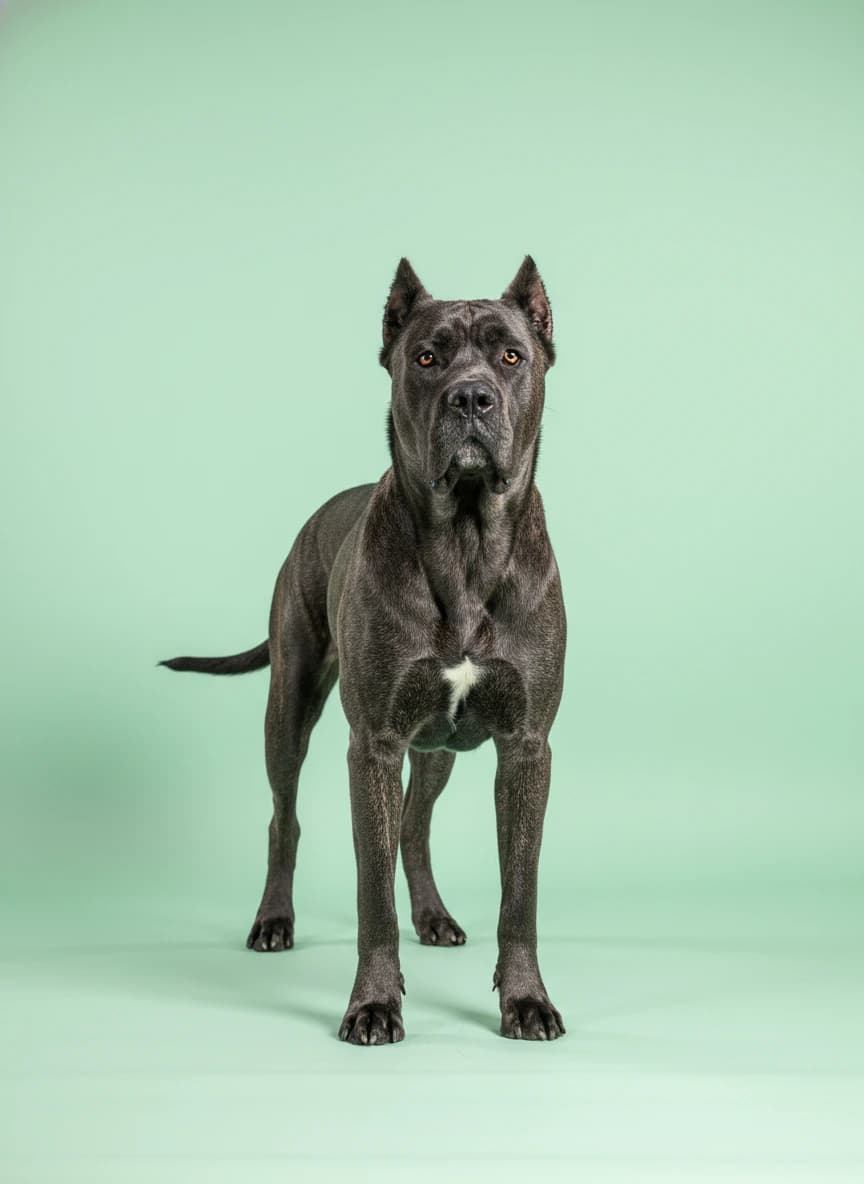
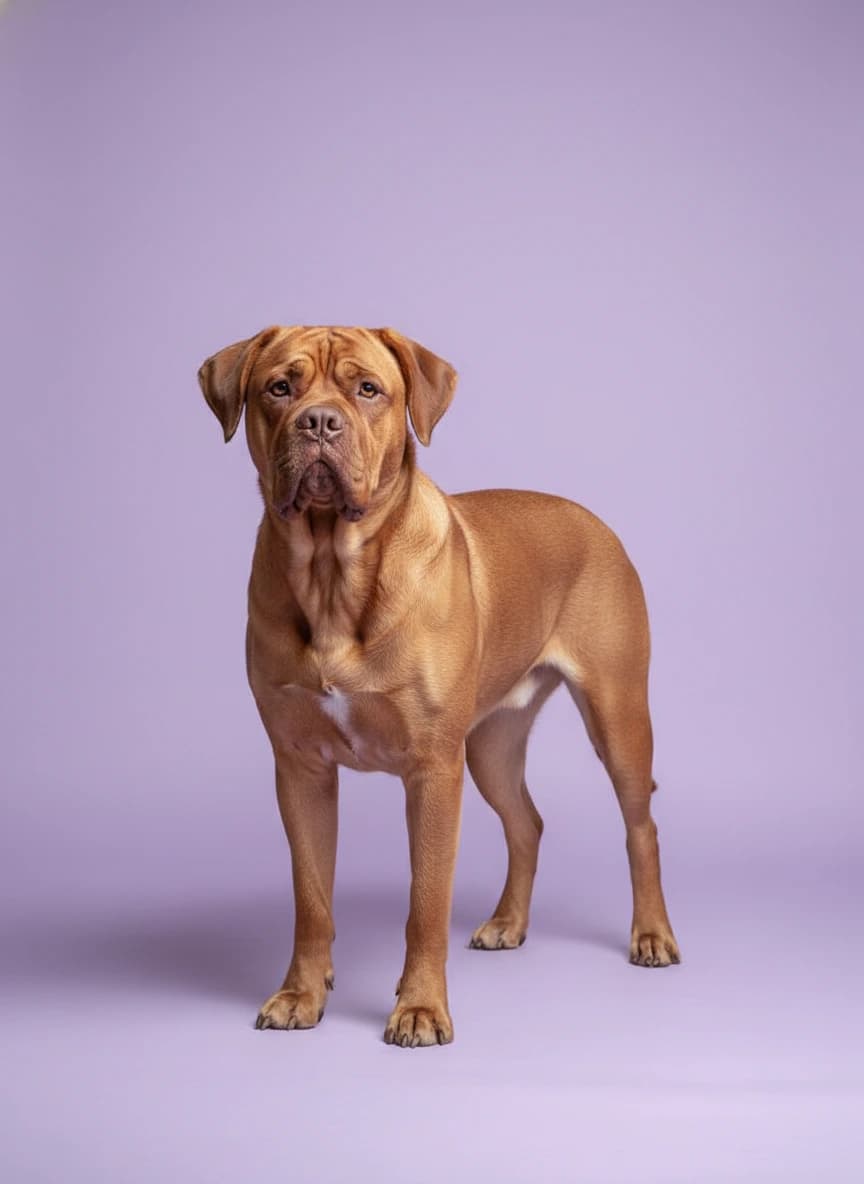
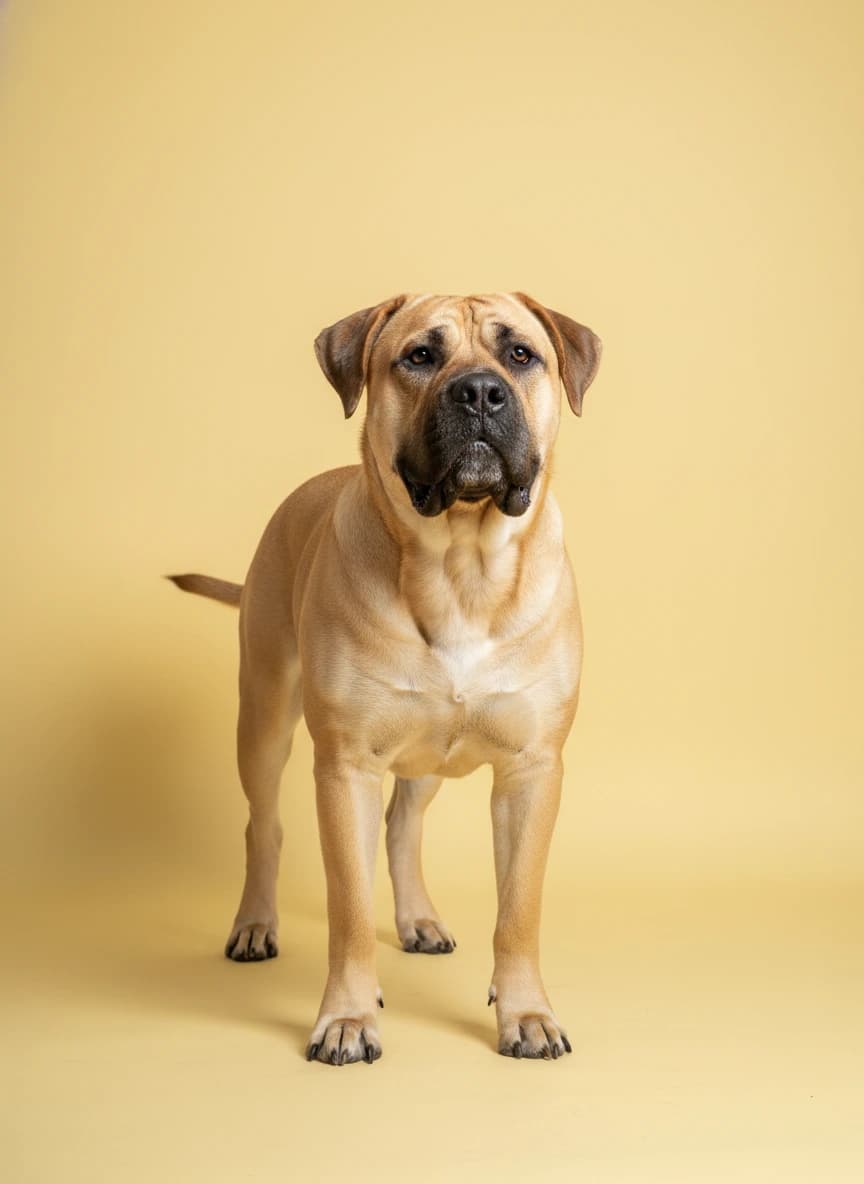
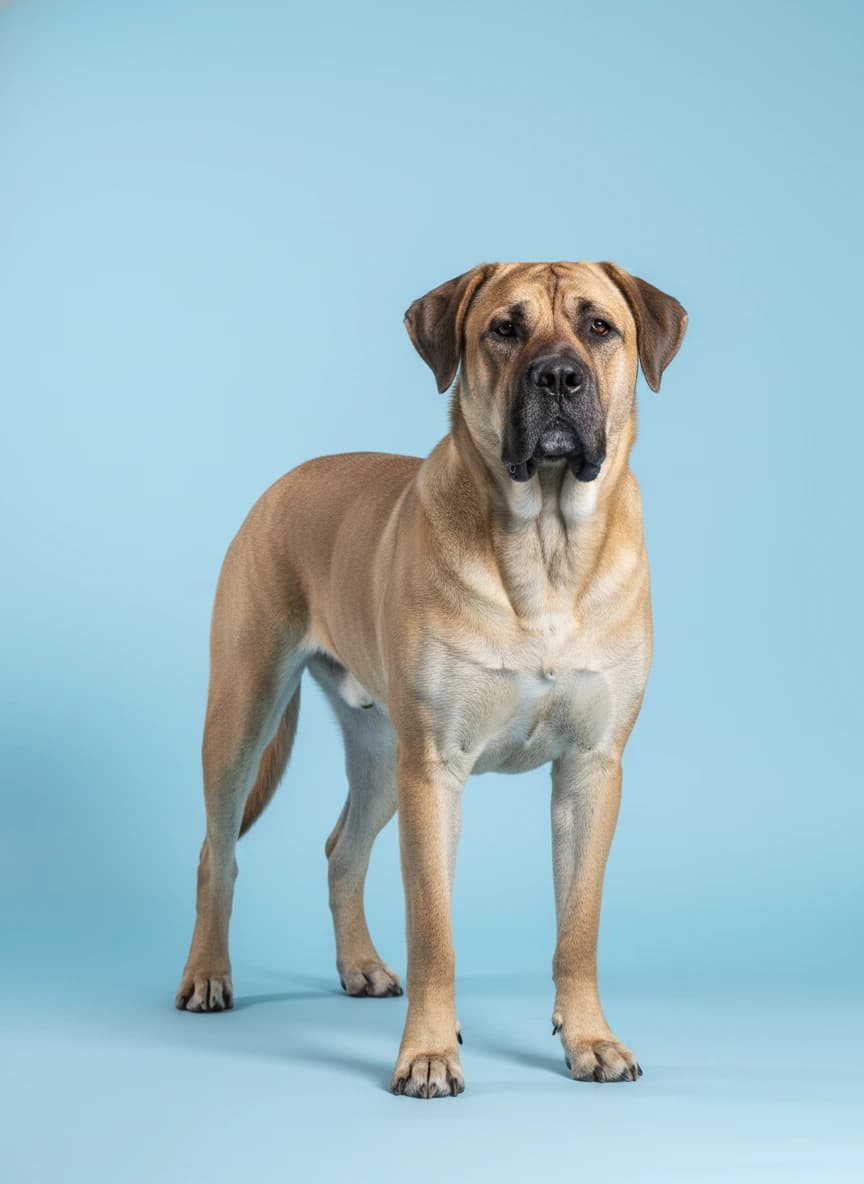
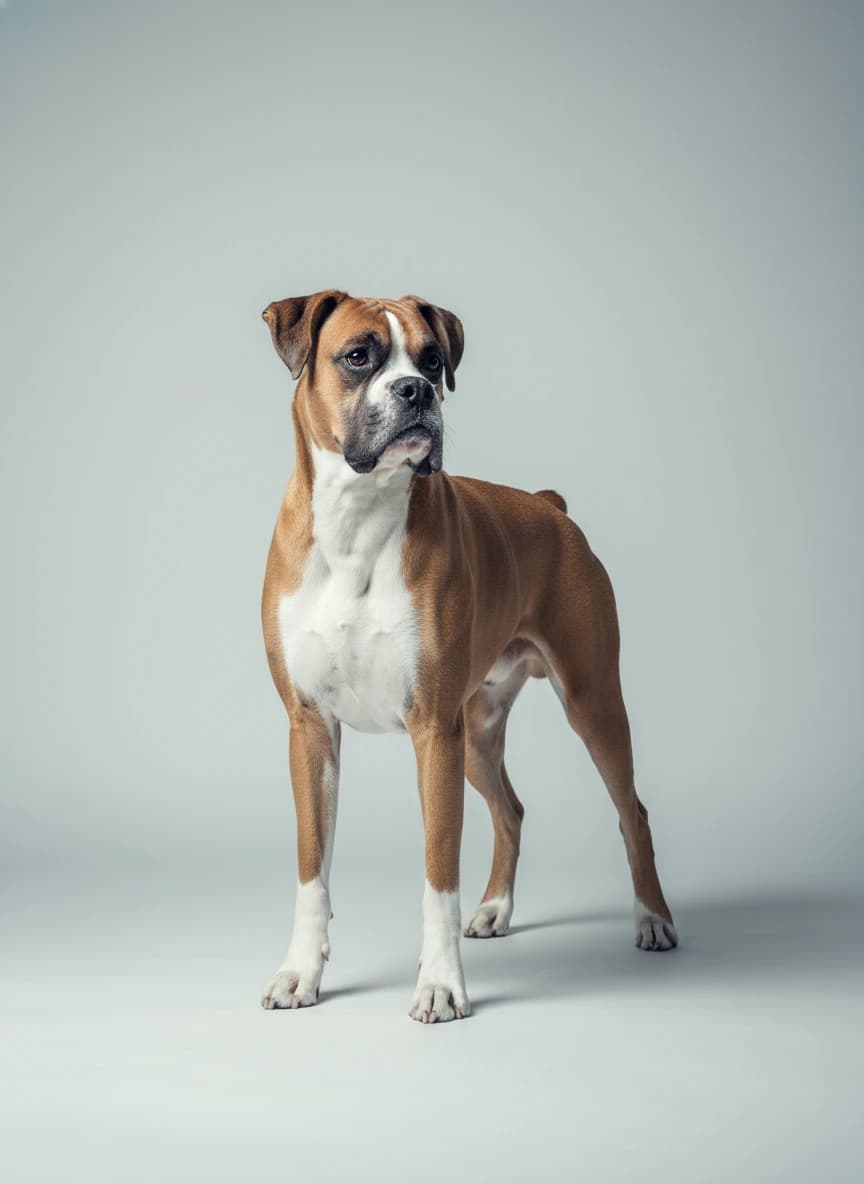
Also known as: Old English Mastiff, English Mastiff
England
Lifespan
6-10 y
Weight
54-100 kg
Exercise
Moderate
Breed profile
Size
Giant
Breed type
Purebred
Trainability
Moderate
Grooming
Low
Description
Living with a Mastiff is like sharing your home with a gentle giant who believes they are a lapdog. These colossal canines are surprisingly quiet and deeply devoted, forming an unbreakable bond with their families. They crave companionship and can be quite sensitive, often sulking if they feel left out. Their protective instincts, honed over centuries, emerge in a calm, watchful manner, rarely aggressive but always aware. While they're content to lounge gracefully, the Mastiff possesses a stubborn streak, and an independent mind means patience and consistent, gentle guidance are essential. Drool is a daily reality, a small price for such unwavering love.
Health considerations
Common issues
Gastric dilatation-volvulus (GDV) (Bloat)
Cardiomyopathy
Orthopedic disease
Recommended screenings
Hips/elbows (OFA/FCI)
Hips (OFA/FCI)
Thyroid panel as indicated
Cardiac exam/echo as indicated
Owner education on bloat
Consider prophylactic gastropexy where appropriate
Eye exam (ectropion/entropion)
Elbows (OFA/FCI)
Consult your trusted vet for advice specific to your dog.
Allergy friendly
No
Home
Needs space
Water
Avoids
Experience required
Moderate
Male weight
73-100 kg
Female weight
54-77 kg
Temperament
Gentle, Protective, Steady
Temperament and personality
Mastiffs are gentle giants with a calm, steady demeanor that belies their imposing size. They tend to be deeply devoted to their families and crave companionship, often behaving as though they believe they are lap dogs despite their substantial frame. Their protective instincts are pronounced and historically rooted, but they typically express this quality through quiet watchfulness rather than aggression. Mastiffs can be sensitive and may sulk if they feel excluded from family activities. They possess an independent streak and a stubborn nature, meaning they require patience and consistent, gentle guidance. While generally quiet dogs, drool is a characteristic trait owners should expect as part of daily life.
Training and exercise
Mastiffs have moderate exercise requirements and are content to spend much of their time lounging gracefully indoors. They benefit from regular, leisurely walks and gentle activity to maintain health and prevent excess weight gain. Training a Mastiff requires patience and consistency, as their independent minds and stubborn tendencies mean they respond best to gentle, positive reinforcement rather than harsh corrections. Early socialization and training are important to channel their protective instincts appropriately. These dogs are not typically high-energy athletes and tend to be satisfied with moderate daily activity.
Grooming and care
Mastiffs have low grooming needs, with a short, dense coat that requires minimal maintenance. Regular brushing helps manage shedding and keeps the coat healthy. Their facial wrinkles and skin folds should be kept clean and dry to prevent irritation. Dental care, ear cleaning, and nail maintenance are important parts of routine care. The breed's tendency to drool means that regular wiping of the face and chin is a practical consideration for owners.
Living with this breed
Mastiffs require adequate space due to their giant size and benefit from homes where they can move comfortably, both indoors and outdoors. They are generally quiet dogs, which can make them suitable for various living situations despite their size. Their deep attachment to family means they thrive when they can be near their people rather than isolated for long periods. They are typically calm and non-aggressive indoors, making them surprisingly graceful housemates. Potential owners should be aware that their large size, combined with their occasional stubbornness, means secure fencing and careful management in public spaces are necessary precautions.
Is this breed right for you
Mastiffs are best suited to experienced dog owners who understand the needs of large breeds and can provide patient, consistent training and socialization. These dogs require owners who appreciate their gentle nature while recognizing their protective instincts and independent temperament. Potential owners must have adequate space for a giant breed and be prepared for daily drooling and the general care requirements of such a large dog. Mastiffs are devoted family companions for those willing to invest time in their training and who value a calm, loyal, and surprisingly sensitive giant who wants nothing more than to be near their loved ones.
Common questions
Are Mastiffs good apartment dogs despite their size?
Mastiffs can adapt to apartment living better than their size might suggest, as they are generally quiet and calm indoors. However, they do need adequate space to move comfortably and benefit from homes where they are not confined for excessive periods. Their large size and need for proximity to family are the main considerations, rather than high exercise demands.
How do Mastiffs do with training?
Mastiffs are moderately trainable but require patience and consistency. Their independent streak and stubborn nature mean they respond best to gentle, positive reinforcement rather than forceful methods. Early socialization and training are important to help them develop good manners and to appropriately channel their protective instincts.
Do Mastiffs drool a lot?
Yes, drooling is a characteristic trait of Mastiffs and should be expected as a daily reality of breed ownership. Owners should be prepared for regular face wiping and may want to use drool bibs or cloths, particularly around feeding time and when the dog is excited or panting.
What health concerns are common in Mastiffs?
Mastiffs may have increased risk for certain health conditions including gastric dilatation-volvulus (bloat), which is more common in deep-chested dogs; orthopedic issues such as hip and elbow disease; and heart and thyroid concerns in some lines. Discussing prevention strategies and early warning signs with a veterinarian is advisable for breed-specific conditions.
Are Mastiffs good for first-time dog owners?
Mastiffs are best suited to experienced dog owners who understand the specific needs of giant breeds, their protective nature, and their stubborn temperament. Their size, training requirements, and need for patient guidance make them less ideal for first-time dog owners unfamiliar with managing large, independent dogs.
 England