Also known as: Mastino Napoletano
Italy
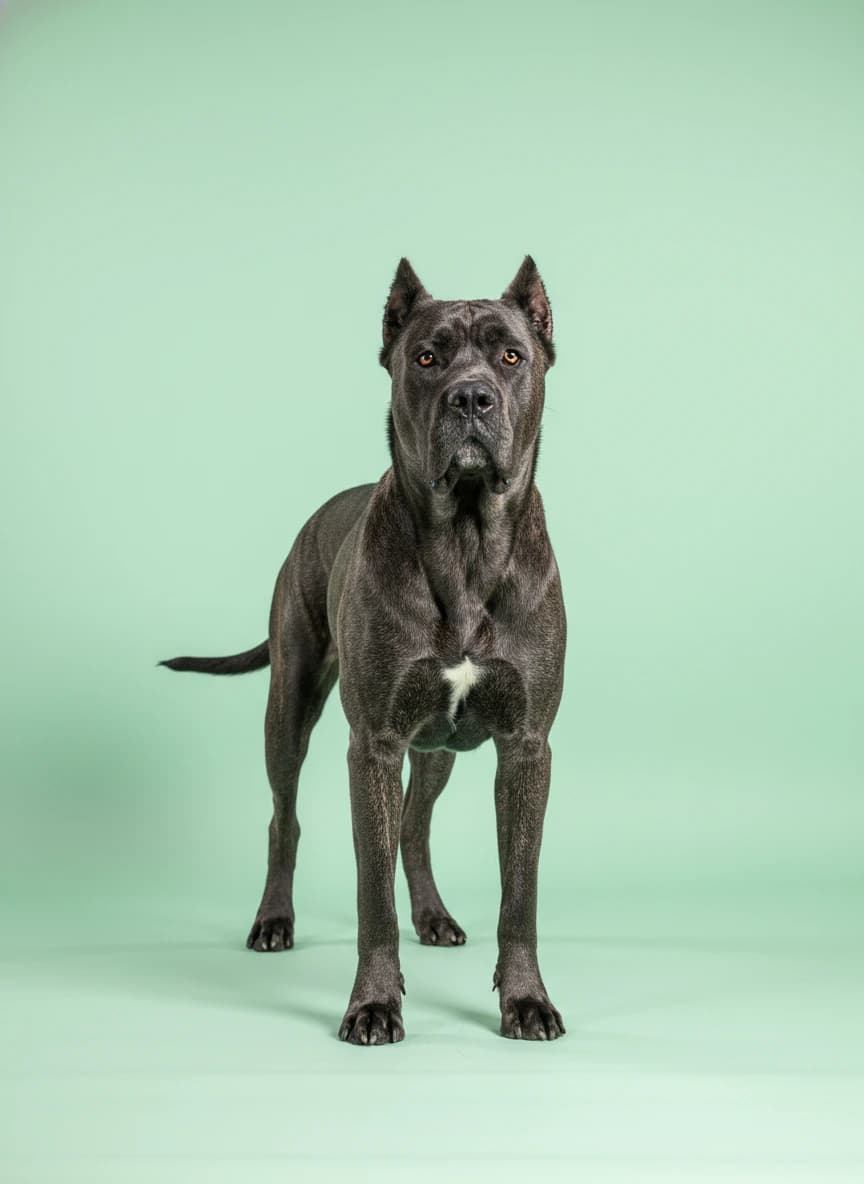
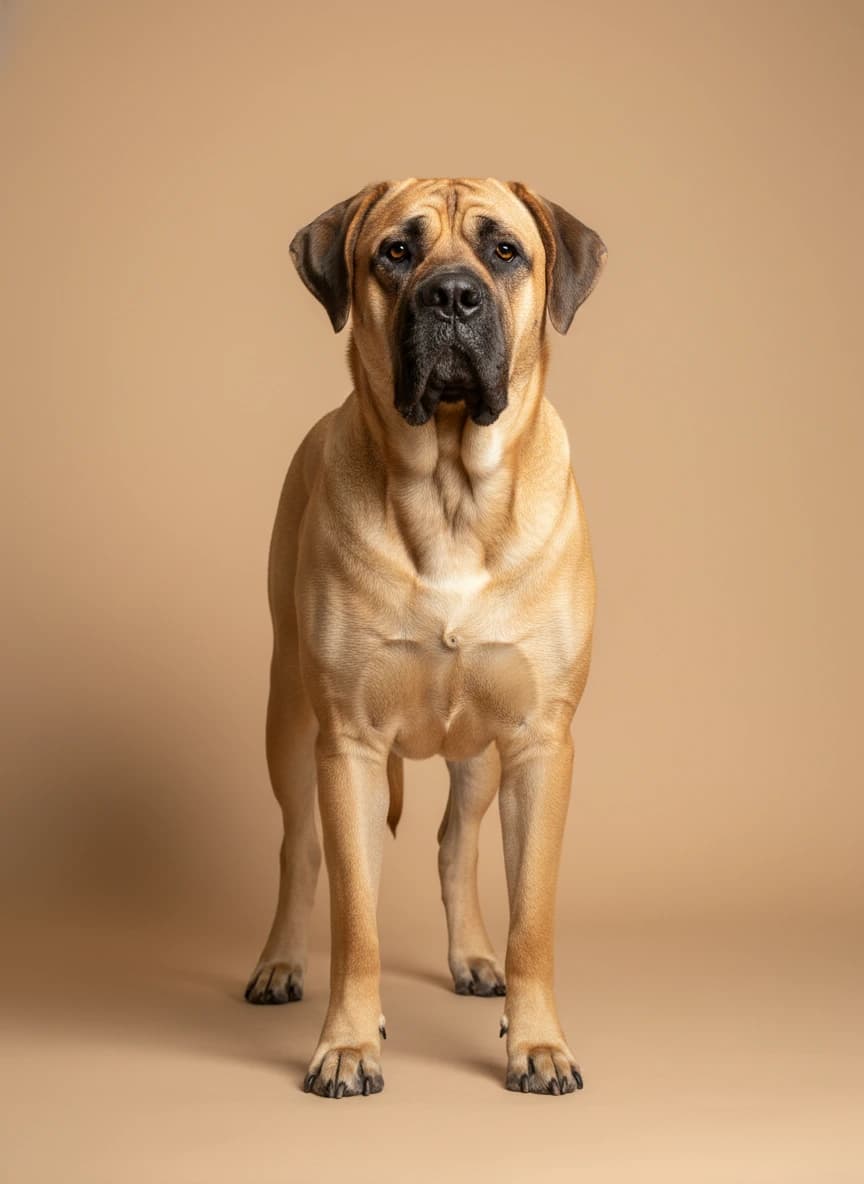
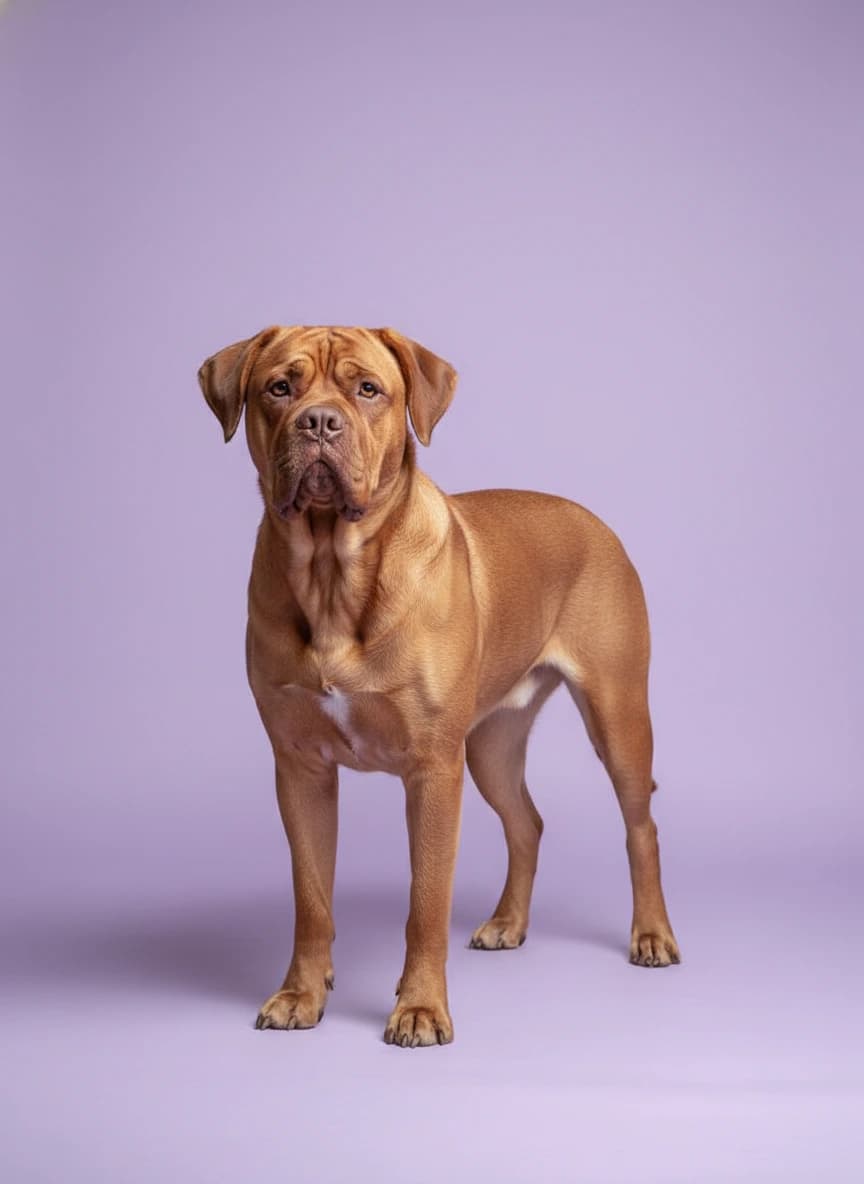
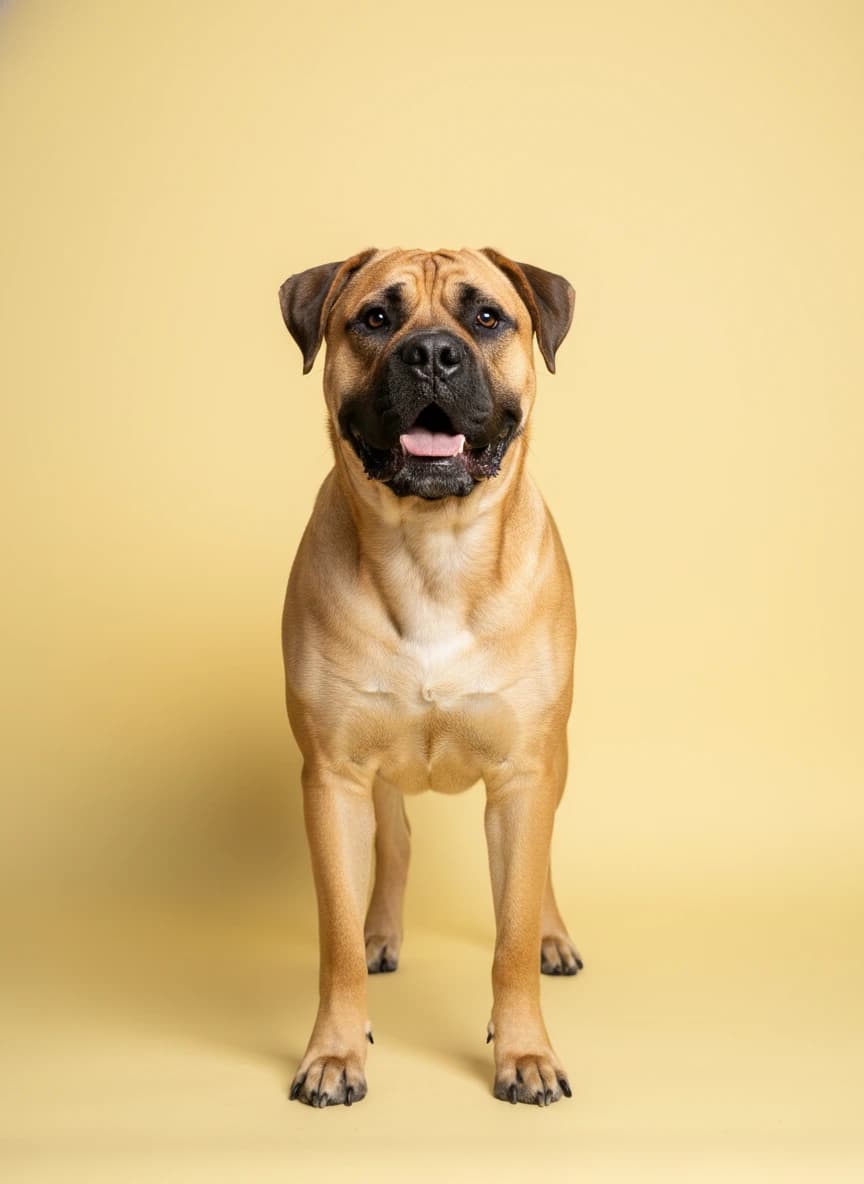
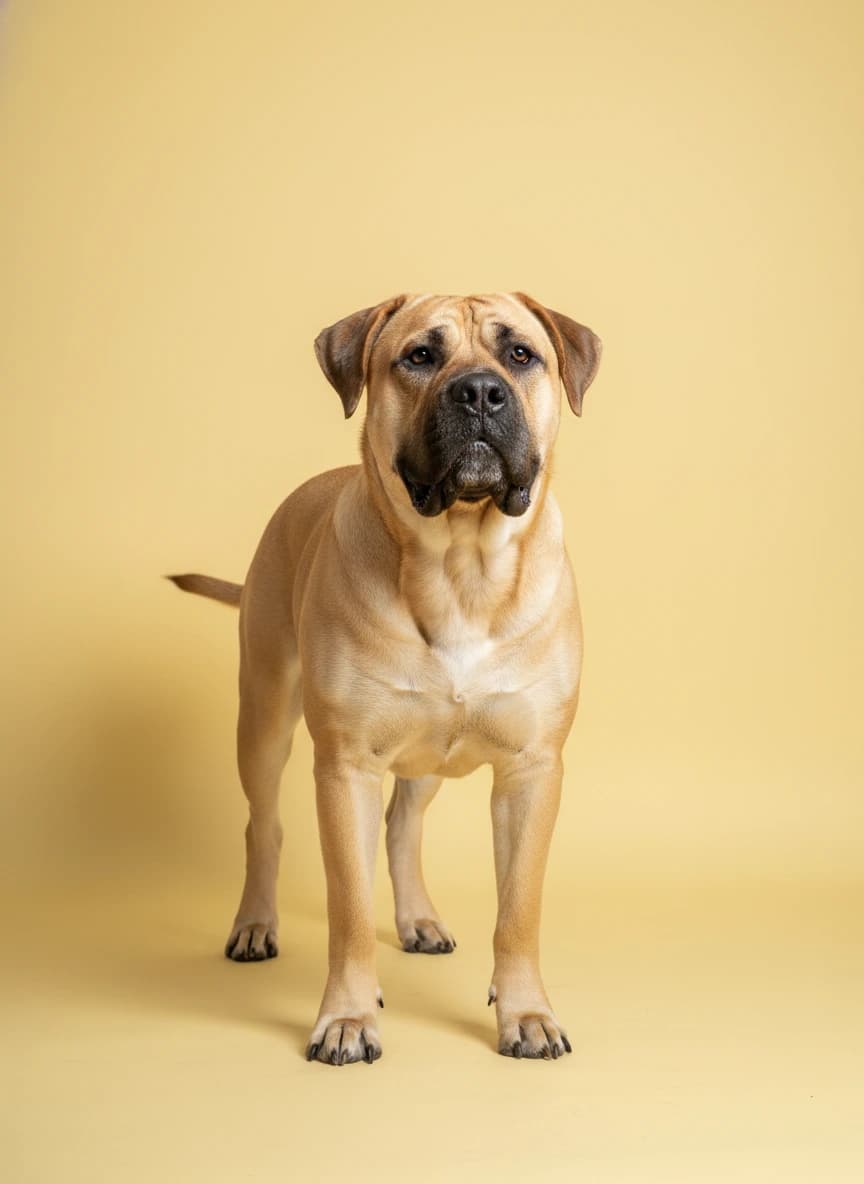
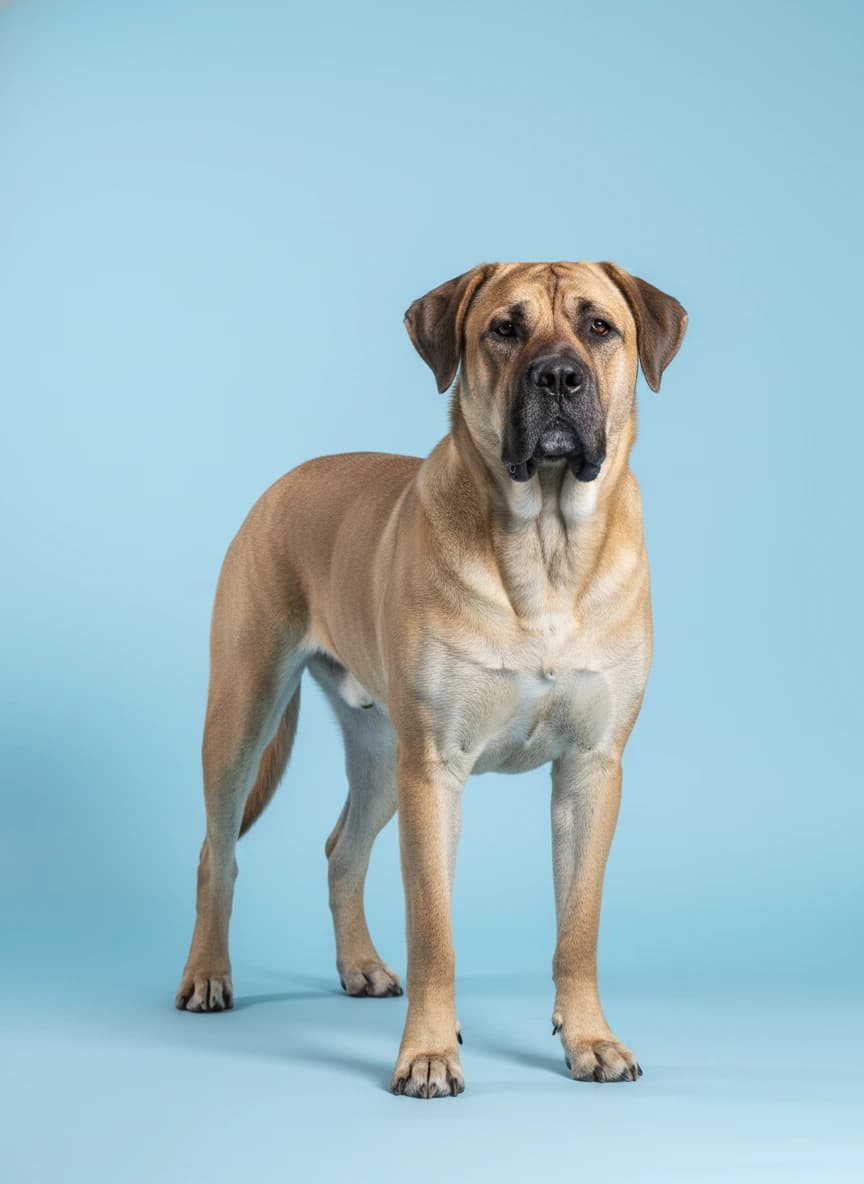
The Neapolitan Mastiff is a gentle giant, a watchful and devoted guardian whose imposing presence belies a surprisingly sensitive soul. Mastinos are deeply bonded to their families, often shadowing their loved ones with a surprising quietness for such a substantial dog. Their massive jowls and loose skin, a legacy of ancient protection roles, give them a wise and somewhat mournful expression. While they are usually calm indoors, they possess a strong protective instinct, making them naturally wary of strangers. Patience and consistent, gentle training are crucial to harnessing their impressive power and ensuring they are well-mannered companions, rather than overwhelming forces.
Common issues
Recommended screenings
Consult your trusted vet for advice specific to your dog.
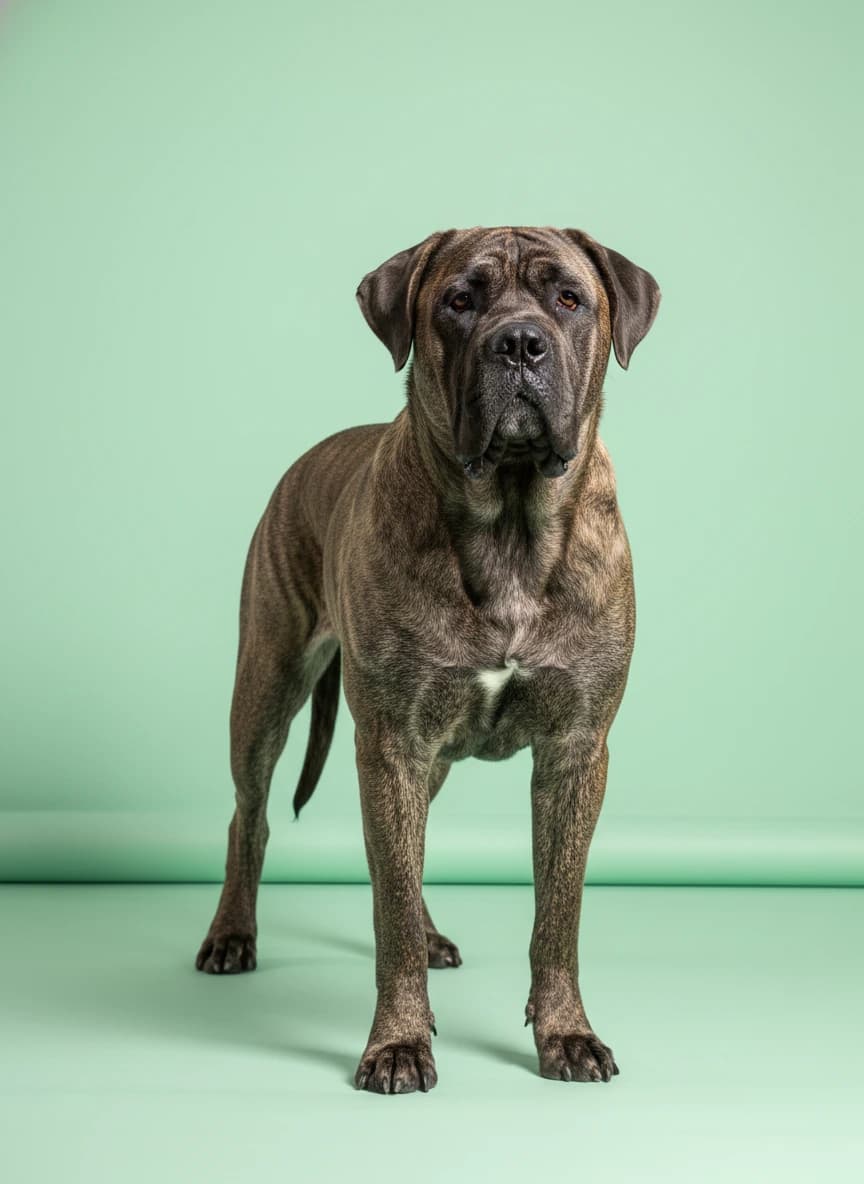
The Neapolitan Mastiff is a gentle giant whose imposing physical presence masks a sensitive and devoted nature. These dogs are deeply bonded to their families and tend to shadow their loved ones with surprising quietness for their substantial size. Their massive jowls and loose skin, inherited from their role as ancient protectors, contribute to their wise and somewhat mournful expression. Neapolitan Mastiffs typically display a calm demeanor indoors, though they possess a strong protective instinct that makes them naturally wary of strangers. Their steady temperament and gentle disposition require patient, consistent training to channel their impressive power into well-mannered companionship.
Neapolitan Mastiffs have moderate exercise needs and benefit from regular, low-impact activity suited to their large frame. Daily walks and moderate playtime help maintain their physical and mental well-being, though they are generally calm indoors and do not require excessive activity. Training should emphasize patience and consistency, as these dogs respond best to gentle, positive reinforcement rather than harsh corrections. Their protective nature means early socialization and training are important for ensuring they become confident, well-mannered companions. These dogs are moderately trainable and benefit from experienced handlers who understand their sensitive disposition and protective instincts.
Neapolitan Mastiffs have low grooming needs, though their loose skin and facial wrinkles require regular attention to prevent moisture buildup and skin issues. Regular wiping of facial folds and ears helps maintain skin health. They shed moderately and benefit from occasional brushing to remove loose hair. Their short coat requires minimal bathing, though routine nail trimming, ear cleaning, and dental care are important for overall health. Given their deep-chested conformation, discussions with a veterinarian about recognizing early signs of gastric dilatation-volvulus and feeding strategies are worthwhile preventive measures.
Neapolitan Mastiffs need adequate space and are best suited to homes where they have room to move comfortably. Their calm indoor nature makes them relatively quiet companions, though their protective instincts mean they tend to be naturally wary of strangers and may require careful introduction to new people. These dogs form deep bonds with their families and may experience stress if left alone for extended periods. Their size and strength mean they are better suited to experienced dog owners who can manage their physical capabilities confidently. While their gentle temperament is a defining characteristic, their protective instincts should be respected and appropriately channeled through early socialization and consistent training.
The Neapolitan Mastiff is an excellent choice for experienced dog owners seeking a loyal, protective companion with a gentle disposition. They thrive in homes with adequate space and families committed to patient, consistent training. These dogs are particularly well-suited to people who appreciate their quiet, devoted nature and can provide the gentle guidance they need to become well-mannered family members. Prospective owners should be prepared to manage a large, powerful dog with strong protective instincts and be willing to invest time in socialization and training. They are less ideal for first-time dog owners, apartment dwellers with limited space, or those seeking a highly active or exuberant companion.