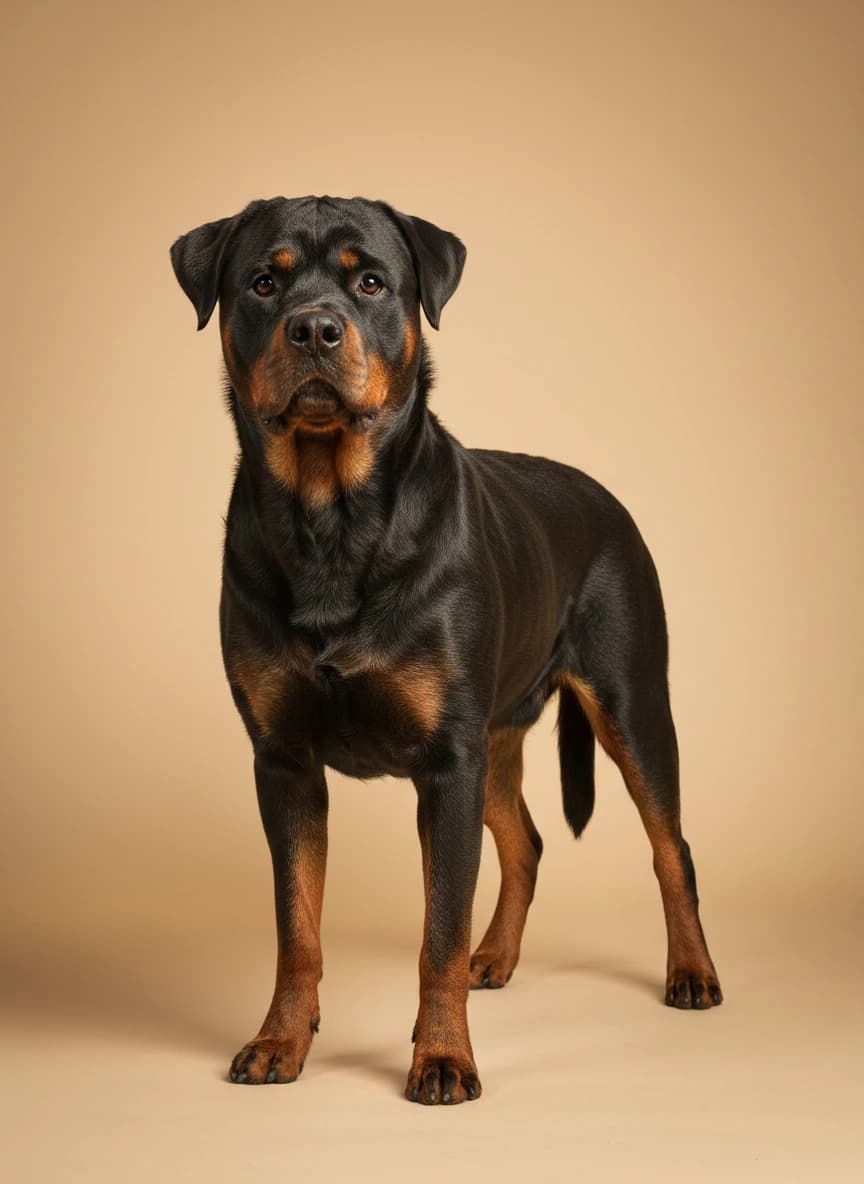
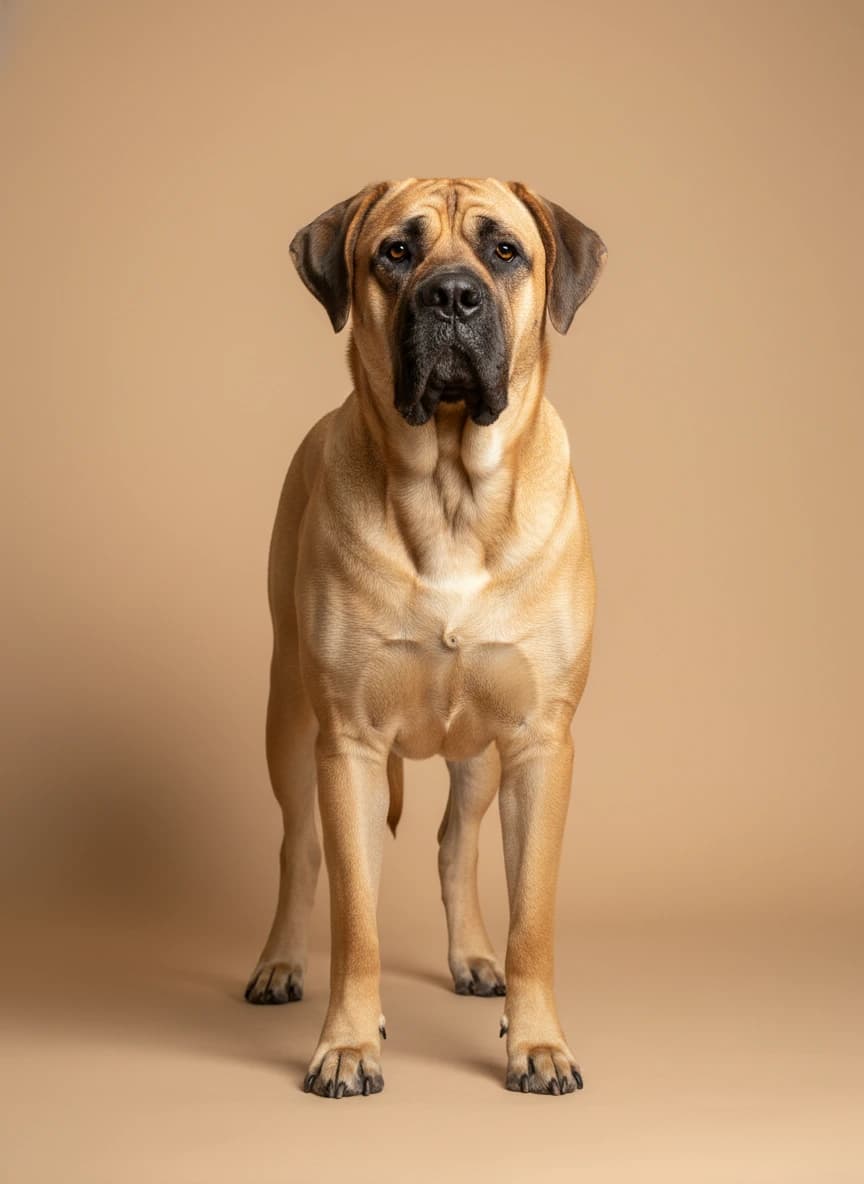
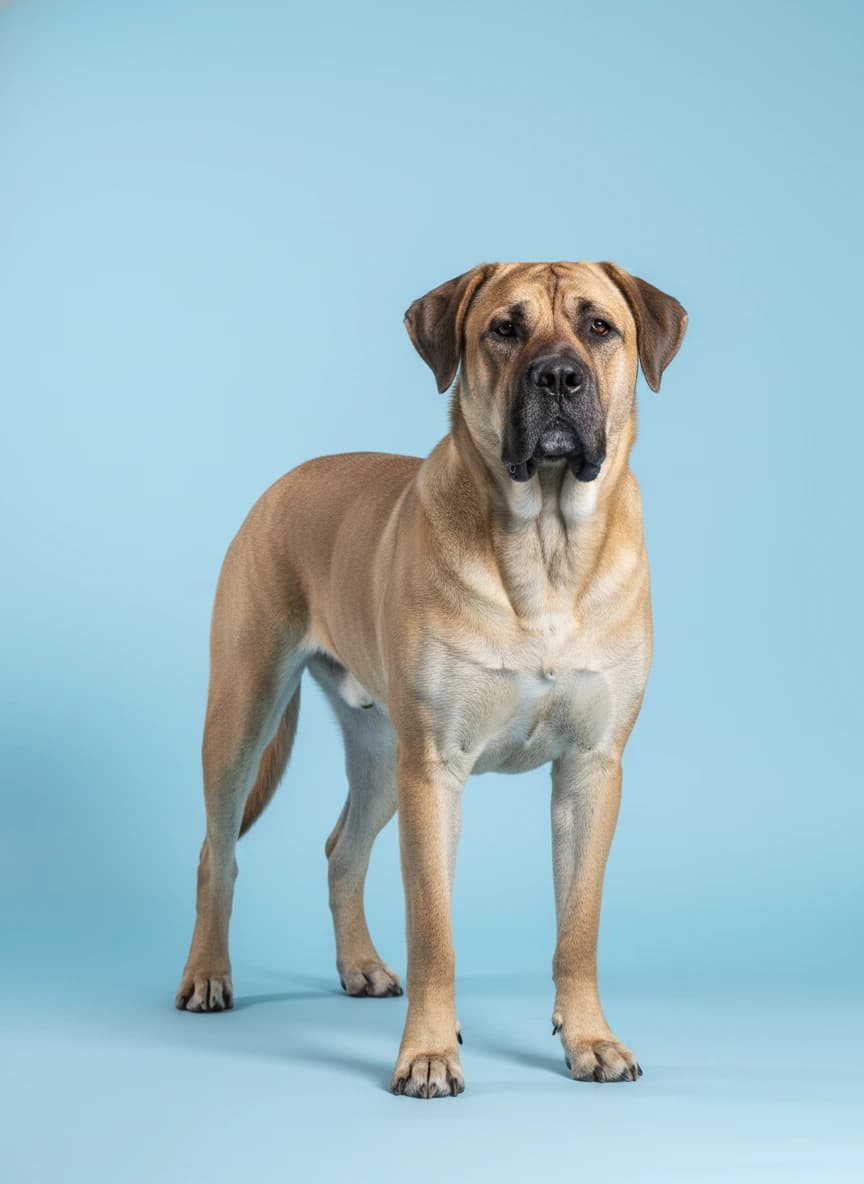
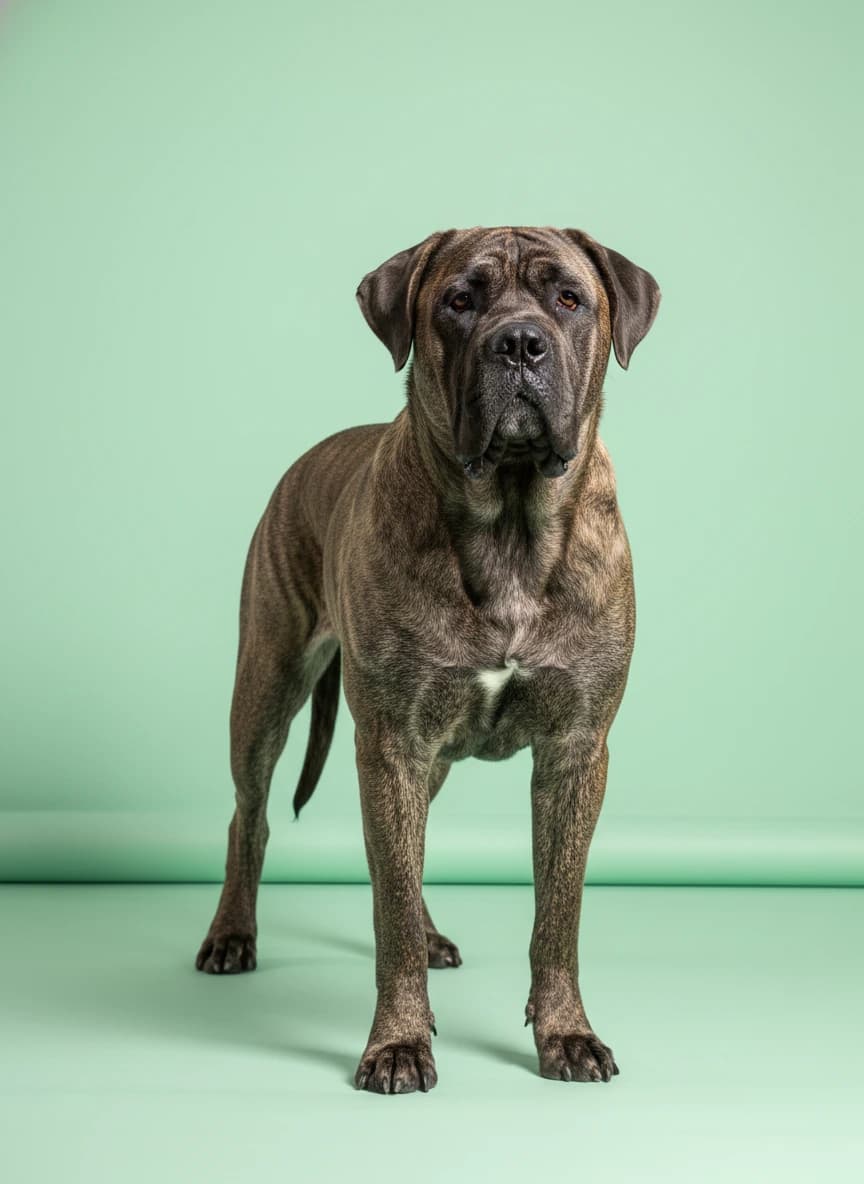
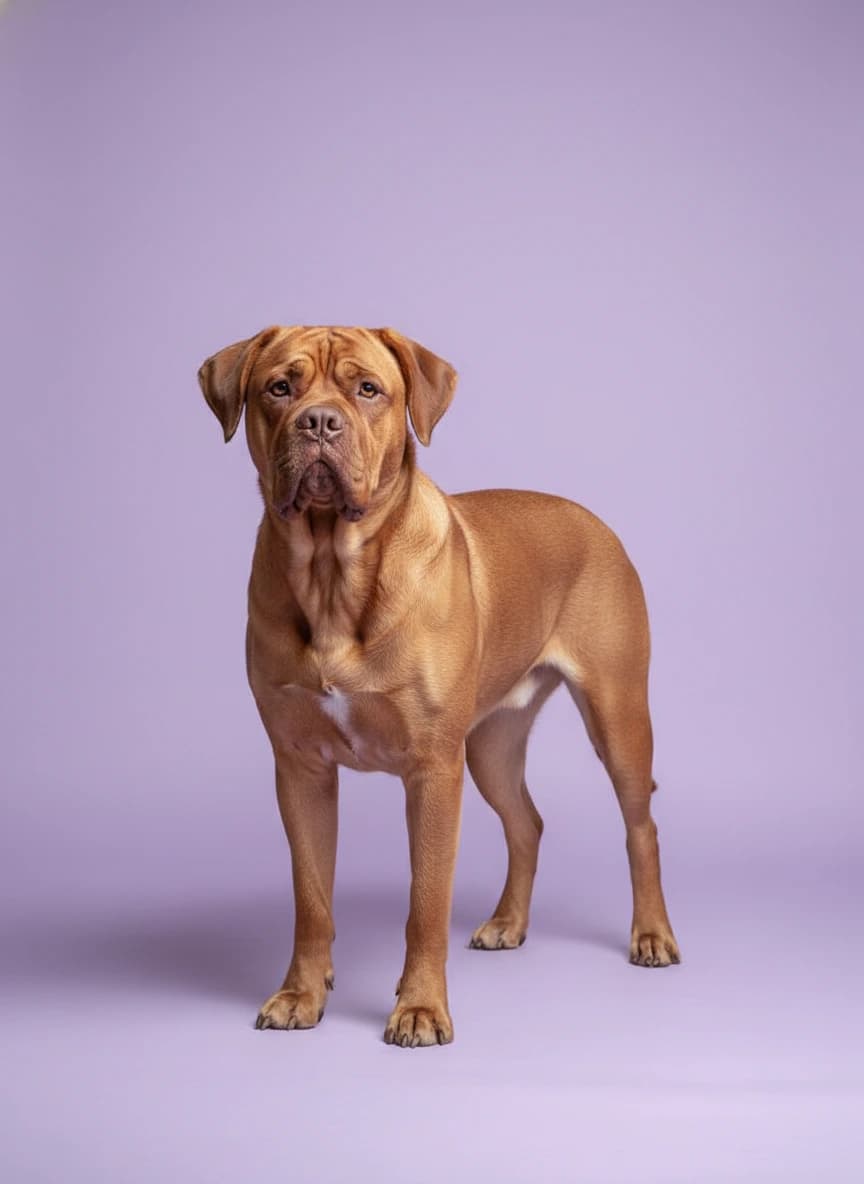
Rottweiler
Also known as: Rottie, Rott
 Germany
- Lifespan
- 9-12 y
- Weight
- 35-50 kg
- Exercise
- Moderate
Breed profile
- Size
- Giant
- Breed type
- Purebred
- Trainability
- High
- Grooming
- Low
- Allergy friendly
Description
The Rottweiler (or Rottie) is a deeply devoted and confident companion, often exuding a calm, watchful presence. They form an incredibly strong bond with their chosen family, frequently shadowing them from room to room, happy just to be near. Despite their imposing build, many Rotties are secret softies, leaning into cuddles and enjoying a good romp in the yard. Their ancestral instincts as cattle drovers mean they thrive on having a job, and without proper guidance, that protective nature can become a challenge. A well-socialized Rottie is an unwavering, loyal friend, often displaying a surprisingly silly side within the comfort of their home.
Health considerations
Common issues
- Osteosarcoma
- Gastric dilatation-volvulus (GDV) (Bloat)
- Hip dysplasia
- Heart issues
Recommended screenings
- Elbows (OFA/FCI)
- Limb pain/swelling vigilance
- Hips/elbows (OFA/FCI)
- Hips (OFA/FCI)
Consult your trusted vet for advice specific to your dog.
Temperament and personality
The Rottweiler is a deeply devoted and confident companion, often exuding a calm, watchful presence. They form an incredibly strong bond with their chosen family, frequently shadowing them from room to room, happy just to be near. Despite their imposing build, many Rotties are secret softies, leaning into cuddles and enjoying a good romp in the yard. Their ancestral instincts as cattle drovers mean they thrive on having a job, and without proper guidance, that protective nature can become a challenge. A well-socialized Rottweiler tends to be an unwavering, loyal friend, often displaying a surprisingly silly side within the comfort of their home.