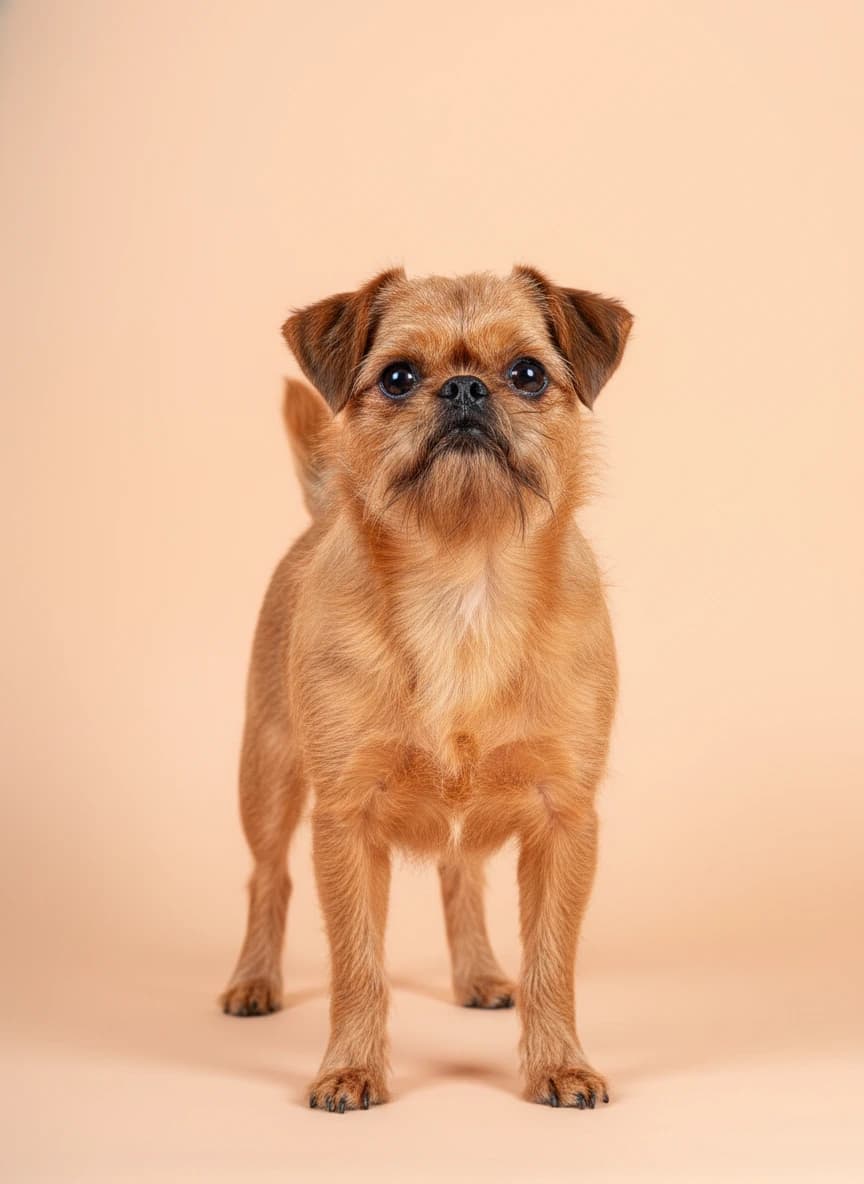
También conocida como: Mastín Holandés, Pug Chino, Mops
China
Esperanza de vida
12-16 a
Peso
6-8 kg
Ejercicio
Bajo
Perfil de la raza
Tamaño
Pequeño
Tipo de raza
Pura raza
Entrenabilidad
Alto
Aseo
Varía
Apto para alergias
No
Hogar
Piso
Agua
Evita
Experiencia requerida
Moderado
Peso del macho
6-8 kg
Peso de la hembra
6-8 kg
Temperamento
Afectuoso, Alerta, Juguetón
Descripción
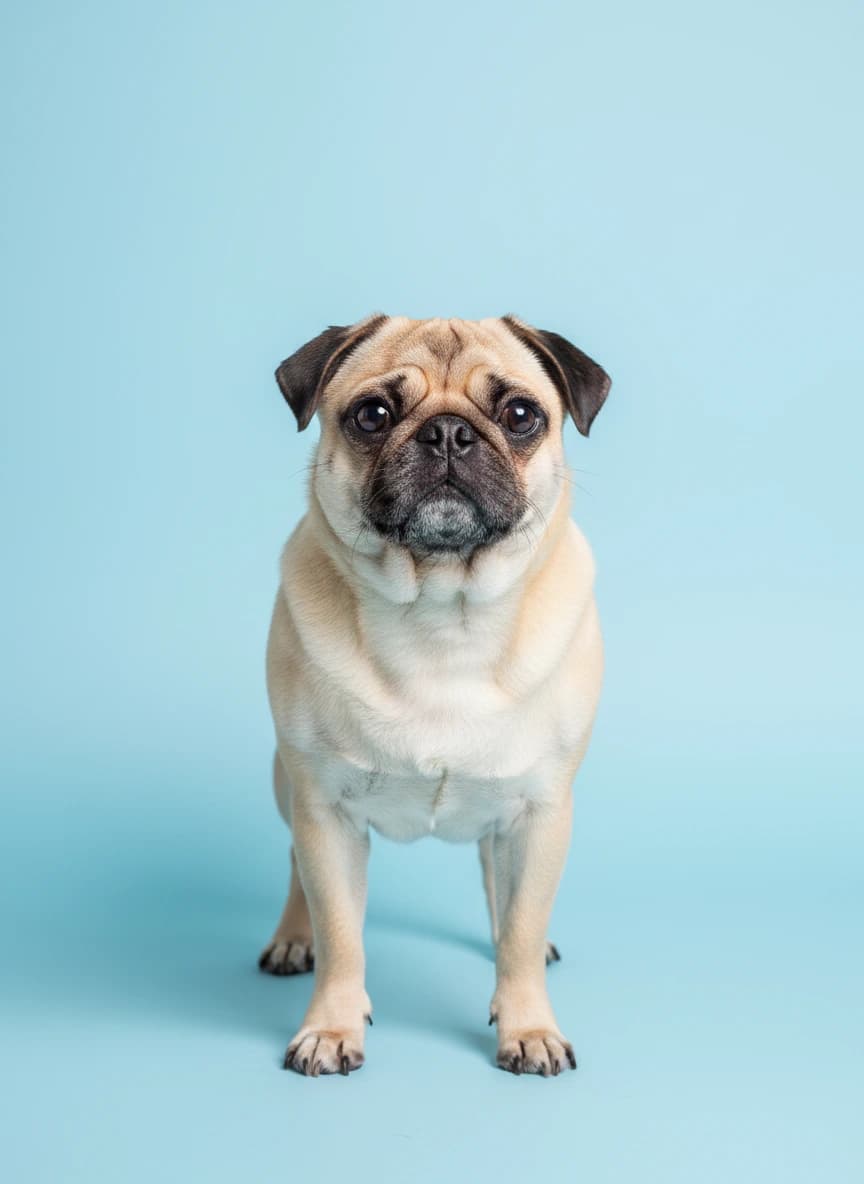
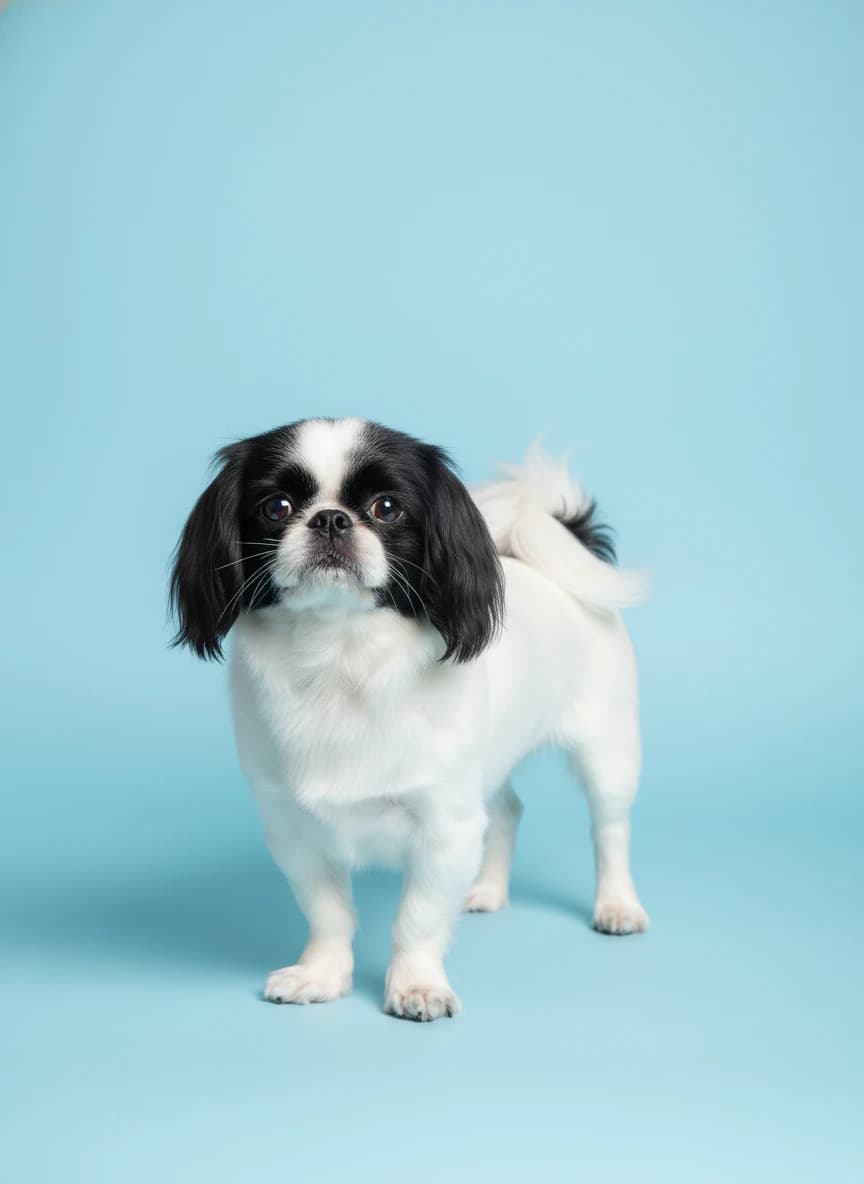
Los Pugs son los animales de compañía por excelencia, cautivando con su encanto inconfundible, sus resoplidos y sus expresiones arrugadas. Son cómicos de nacimiento, prosperan con la atención y desean ser el centro del universo de sus humanos. El día de un Pug gira en torno a las siestas, los bocadillos y seguir a su gente de habitación en habitación, ofreciendo suaves ronquidos y miradas llenas de adoración. No te dejes engañar por su demeanor somnoliento; pueden estallar en "carreras" juguetones con una velocidad sorprendente. Criados únicamente para la compañía, forman vínculos increíblemente fuertes y devotos, y exigen ser una parte integral de la vida familiar.
Salud
Problemas frecuentes
Síndrome obstructivo de las vías aéreas braquicéfalo (SAOB)
Luxación rotuliana
Meningoencefalitis necrotizante (PDE/NME)
Colapso traqueal
Problemas oculares (riesgo de córnea/entropión)
Hemivértebras (malformaciones espinales)
Intolerancia al calor
Enfermedad dental
Revisiones recomendadas
Examen rotuliano
Asesoramiento sobre control de peso
Examen ocular (CAER)
Examen de las vías aéreas para riesgo de SAOB
Examen de las vías aéreas antes de la anestesia
Cuidado dental de rutina
Examen neurológico si hay cambios en convulsiones/comportamiento (contexto PDE)
Consulta a tu vet de confianza para un consejo específico de tu perro.
Temperamento y personalidad
Pugs are quintessential companion animals, bred exclusively for human companionship and deeply devoted to their people. They tend to be affectionate, alert, and playful, with charming personalities and unmistakable snorts that endear them to nearly everyone they meet. Pugs often display a comedic nature and thrive on attention, frequently following their owners from room to room in pursuit of closeness. While their typical demeanor is relaxed and inclined toward napping, they can surprise with bursts of playful energy and spontaneous "zoomies." These dogs form strong emotional bonds with their families and typically demand to be an integral part of household activities rather than content to remain on the periphery.
Adiestramiento y ejercicio
Pugs demonstrate high trainability and respond well to consistent, positive reinforcement-based methods. Their desire to please and be near their owners makes them generally receptive to instruction, though they benefit from keeping sessions short and engaging. Exercise needs are low, making them well-suited to indoor living and short, leisurely walks. Despite their calm demeanor, individual Pugs may display unexpected energy and enjoy interactive play sessions. Because of their compact build and anatomical features, exercise should be moderate and tailored to prevent overexertion, particularly during warm weather.
Pelaje y cuidados
Grooming needs for Pugs vary depending on coat condition and individual skin requirements. Their short coats shed regularly and benefit from routine brushing to minimize loose hair around the home. Attention to facial wrinkles is important, as these areas can accumulate moisture and debris. Regular dental care is recommended, as companion and toy breeds often show a tendency toward dental disease. Eye care should be part of routine maintenance given the breed's eye shape and associated risks. Nails, ears, and skin folds require regular monitoring and cleaning to support overall health.
Vivir con esta raza
Pugs are exceptionally well-suited to apartment living and smaller homes, requiring minimal space and low exercise output. They are indoor dogs that thrive on constant human interaction and do best when they can remain close to their families throughout the day. Their calm nature typically makes them pleasant household members, though some individuals may display more vocalization than others. They generally enjoy companionship and adapt well to family routines. Because of their low heat tolerance, they require climate-controlled environments and should be protected from high temperatures and humidity. Pugs tend to be food-motivated, so care with treats and portion control supports their wellbeing.
¿Es esta raza para ti?
Pugs are ideal for owners seeking a devoted, low-exercise companion who wants a dog integrated into daily indoor life. They suit apartment dwellers, individuals with limited mobility, and families who can provide regular attention and interaction. Prospective owners should have some experience with dogs and be prepared for their grooming needs and potential health considerations. This breed is not recommended for people who work long hours away from home, as Pugs typically struggle with extended alone time and thrive on constant companionship. Families in hot climates should carefully consider the breed's heat sensitivity and ensure they can provide proper climate control.
Preguntas frecuentes
Do Pugs shed a lot?
Yes, Pugs shed regularly despite their short coats. Routine brushing helps manage loose hair and keep shedding under control.
Are Pugs good apartment dogs?
Absolutely. Pugs are excellent apartment dogs due to their small size, low exercise requirements, and preference for indoor living near their owners.
How long can a Pug be left alone?
Pugs tend not to tolerate extended alone time well, as they are companion dogs that thrive on human interaction. They do best in homes where someone is regularly present.
What health issues should I be aware of with Pugs?
Pugs may experience conditions related to their facial structure and body build, including breathing challenges, eye issues, dental disease, and joint concerns. Prospective owners should discuss health screening and preventive care with breeders and veterinarians.
Are Pugs good with children and other pets?
Individual Pugs vary in their compatibility with children and other animals. Early socialization and individual temperament play important roles in determining how any particular Pug relates to children, other dogs, and cats.
 China