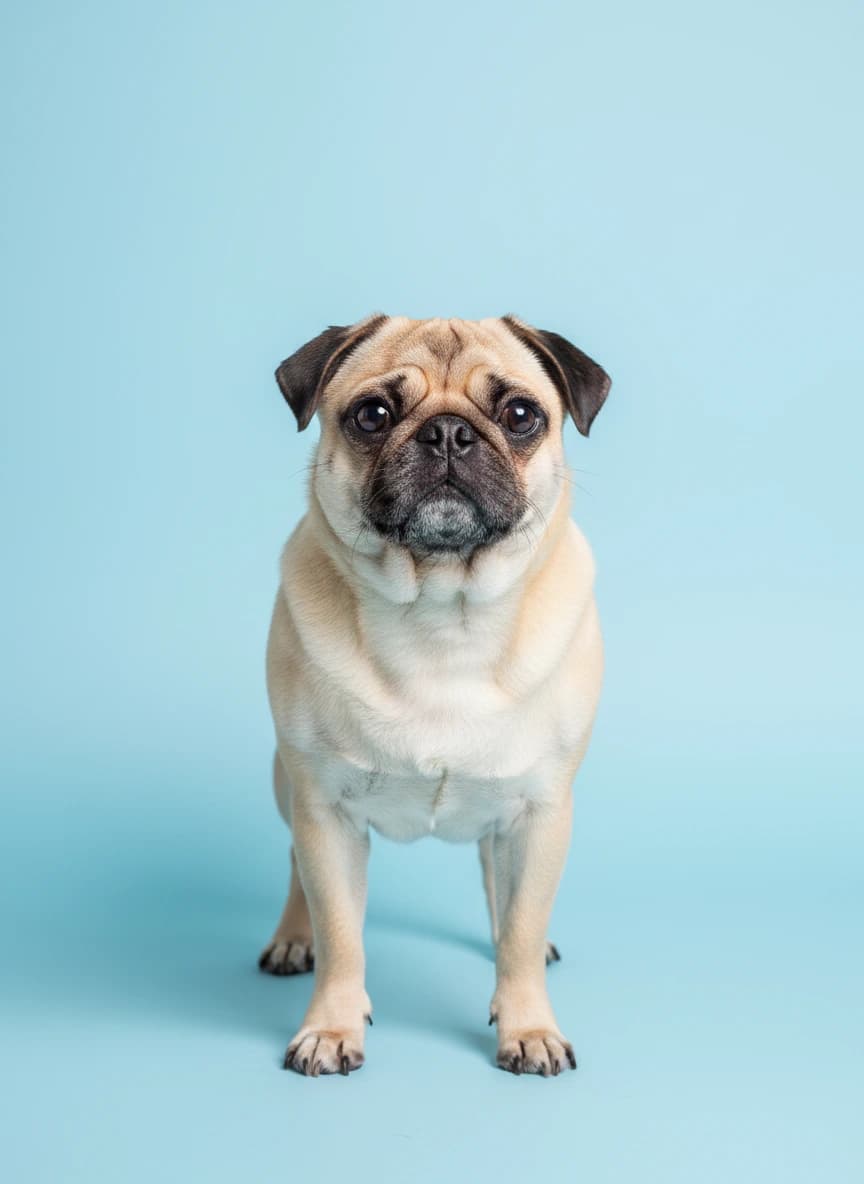
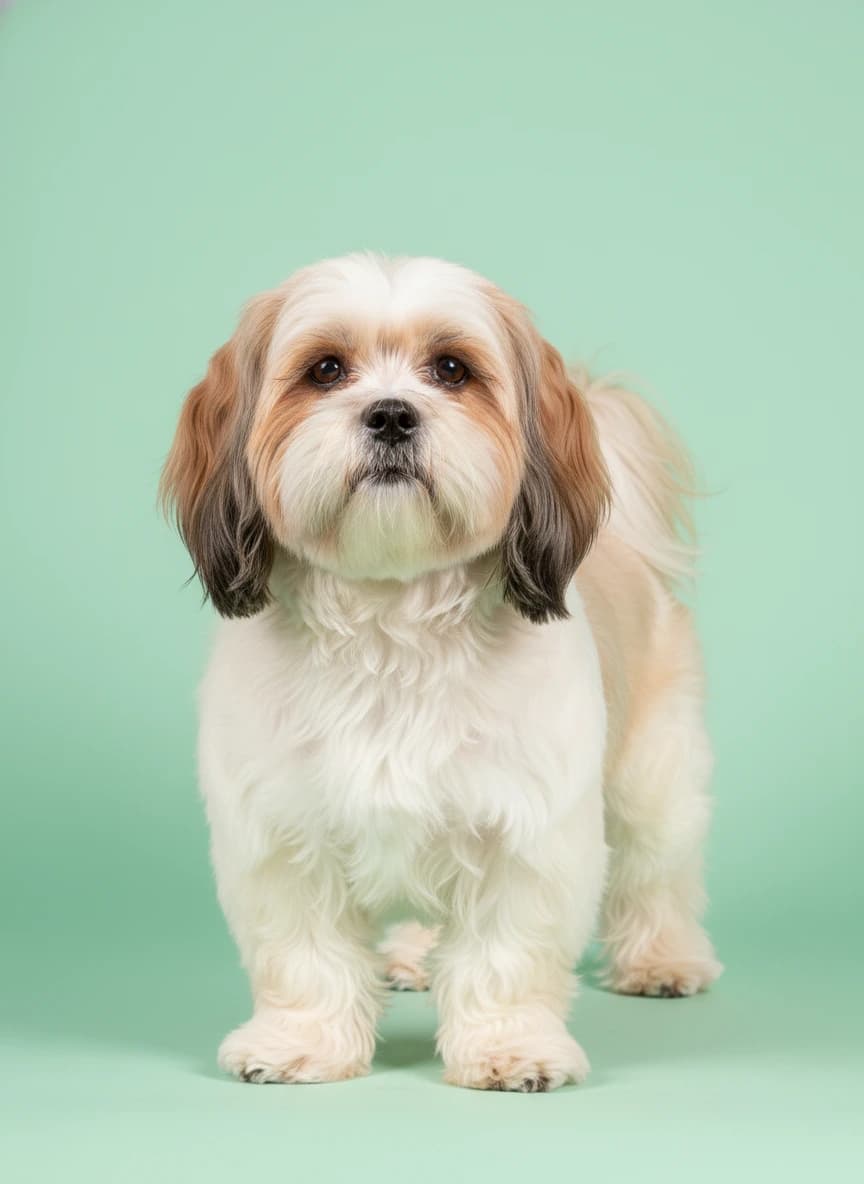
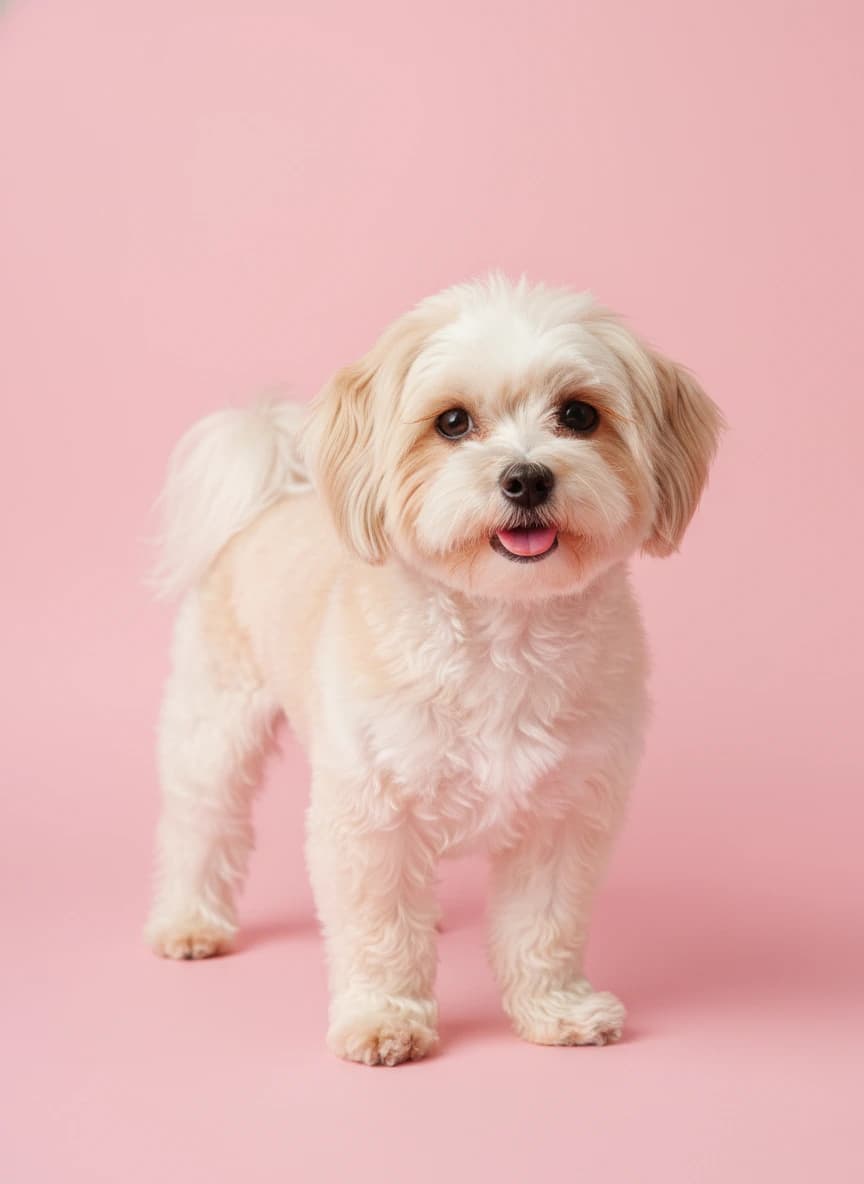
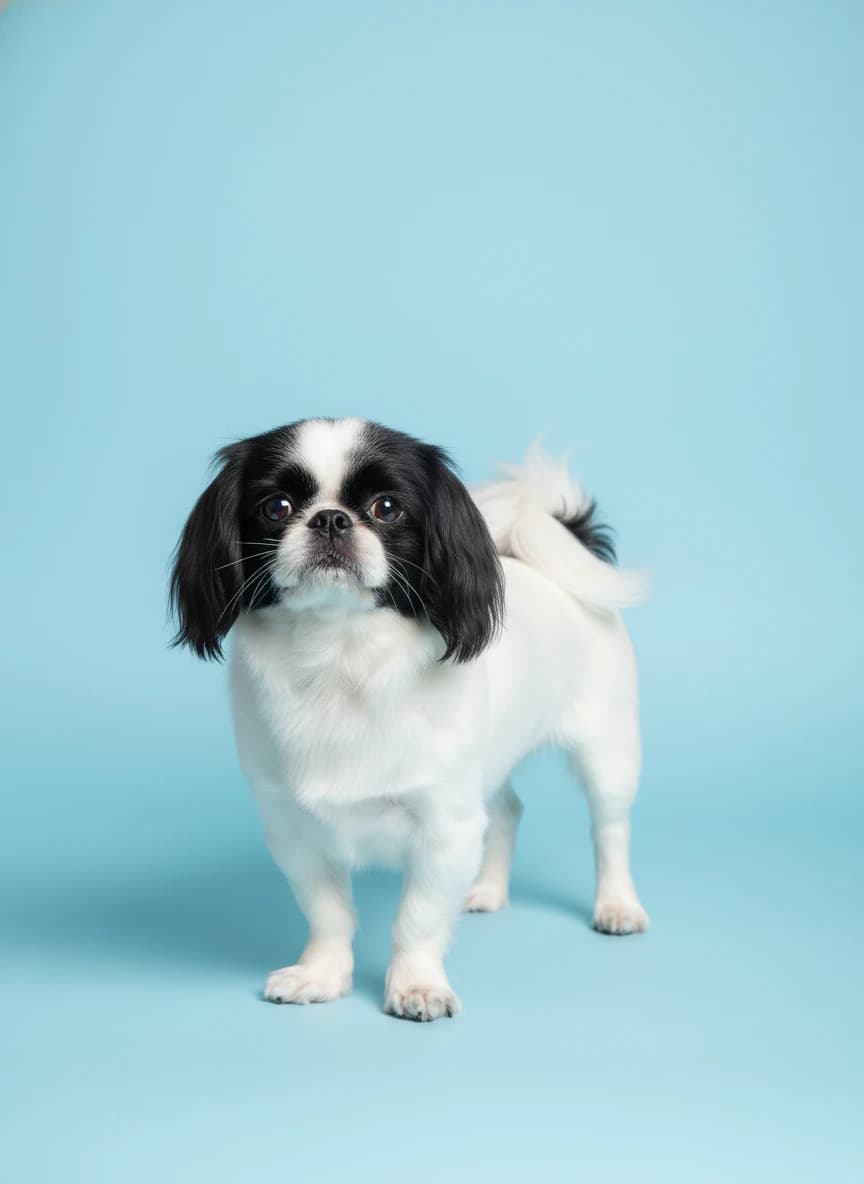
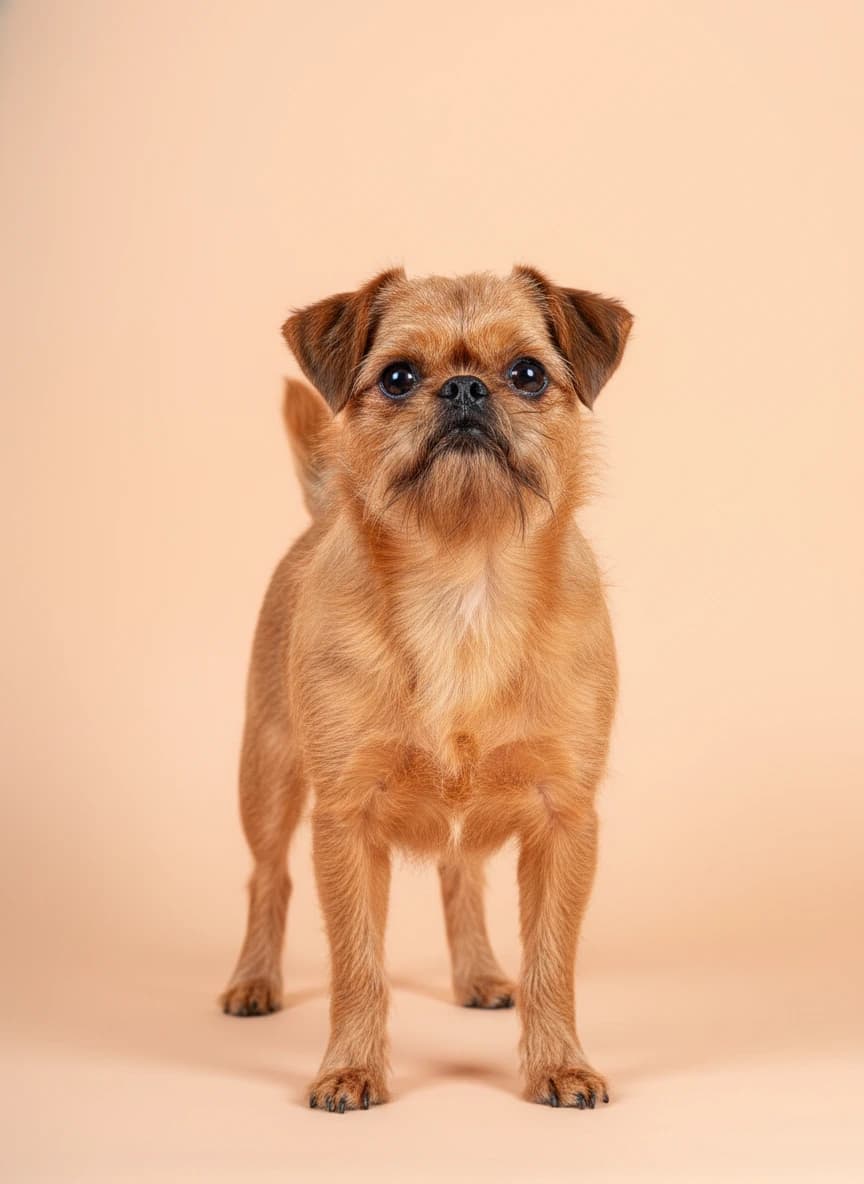
Pugs are the ultimate companion animals, charming their way into laps and hearts with their unmistakable snorts and wrinkled expressions. They’re natural-born comedians, thriving on attention and eager to be the center of their human’s universe. A Pug's day revolves around napping, snacking, and following their people from room to room, offering soft snores and adoring gazes. Don't let their sleepy demeanor fool you; they can burst into playful "zoomies" with surprising speed. Bred purely for companionship, they form incredibly strong, devoted bonds, and demand to be an integral part of family life.
Health considerations
Common issues
Brachycephalic obstructive airway syndrome (BOAS)
Patellar luxation
Necrotising meningoencephalitis (PDE/NME)
Tracheal collapse
Ocular issues (corneal/entropion risk)
Hemivertebrae (spinal malformations)
Heat intolerance
Dental disease
Recommended screenings
Patellar exam
Weight management counseling
Eye exam (CAER)
Airway exam for BOAS risk
Airway exam before anesthesia
Routine dental care
Neurologic exam if seizures/behavior changes (PDE context)
Consult your trusted vet for advice specific to your dog.
Temperament and personality
Pugs are quintessential companion animals, bred exclusively for human companionship and deeply devoted to their people. They tend to be affectionate, alert, and playful, with charming personalities and unmistakable snorts that endear them to nearly everyone they meet. Pugs often display a comedic nature and thrive on attention, frequently following their owners from room to room in pursuit of closeness. While their typical demeanor is relaxed and inclined toward napping, they can surprise with bursts of playful energy and spontaneous "zoomies." These dogs form strong emotional bonds with their families and typically demand to be an integral part of household activities rather than content to remain on the periphery.
Training and exercise
Pugs demonstrate high trainability and respond well to consistent, positive reinforcement-based methods. Their desire to please and be near their owners makes them generally receptive to instruction, though they benefit from keeping sessions short and engaging. Exercise needs are low, making them well-suited to indoor living and short, leisurely walks. Despite their calm demeanor, individual Pugs may display unexpected energy and enjoy interactive play sessions. Because of their compact build and anatomical features, exercise should be moderate and tailored to prevent overexertion, particularly during warm weather.
Grooming and care
Grooming needs for Pugs vary depending on coat condition and individual skin requirements. Their short coats shed regularly and benefit from routine brushing to minimize loose hair around the home. Attention to facial wrinkles is important, as these areas can accumulate moisture and debris. Regular dental care is recommended, as companion and toy breeds often show a tendency toward dental disease. Eye care should be part of routine maintenance given the breed's eye shape and associated risks. Nails, ears, and skin folds require regular monitoring and cleaning to support overall health.
Living with this breed
Pugs are exceptionally well-suited to apartment living and smaller homes, requiring minimal space and low exercise output. They are indoor dogs that thrive on constant human interaction and do best when they can remain close to their families throughout the day. Their calm nature typically makes them pleasant household members, though some individuals may display more vocalization than others. They generally enjoy companionship and adapt well to family routines. Because of their low heat tolerance, they require climate-controlled environments and should be protected from high temperatures and humidity. Pugs tend to be food-motivated, so care with treats and portion control supports their wellbeing.
Is this breed right for you
Pugs are ideal for owners seeking a devoted, low-exercise companion who wants a dog integrated into daily indoor life. They suit apartment dwellers, individuals with limited mobility, and families who can provide regular attention and interaction. Prospective owners should have some experience with dogs and be prepared for their grooming needs and potential health considerations. This breed is not recommended for people who work long hours away from home, as Pugs typically struggle with extended alone time and thrive on constant companionship. Families in hot climates should carefully consider the breed's heat sensitivity and ensure they can provide proper climate control.
Common questions
Do Pugs shed a lot?
Yes, Pugs shed regularly despite their short coats. Routine brushing helps manage loose hair and keep shedding under control.
Are Pugs good apartment dogs?
Absolutely. Pugs are excellent apartment dogs due to their small size, low exercise requirements, and preference for indoor living near their owners.
How long can a Pug be left alone?
Pugs tend not to tolerate extended alone time well, as they are companion dogs that thrive on human interaction. They do best in homes where someone is regularly present.
What health issues should I be aware of with Pugs?
Pugs may experience conditions related to their facial structure and body build, including breathing challenges, eye issues, dental disease, and joint concerns. Prospective owners should discuss health screening and preventive care with breeders and veterinarians.
Are Pugs good with children and other pets?
Individual Pugs vary in their compatibility with children and other animals. Early socialization and individual temperament play important roles in determining how any particular Pug relates to children, other dogs, and cats.
 China