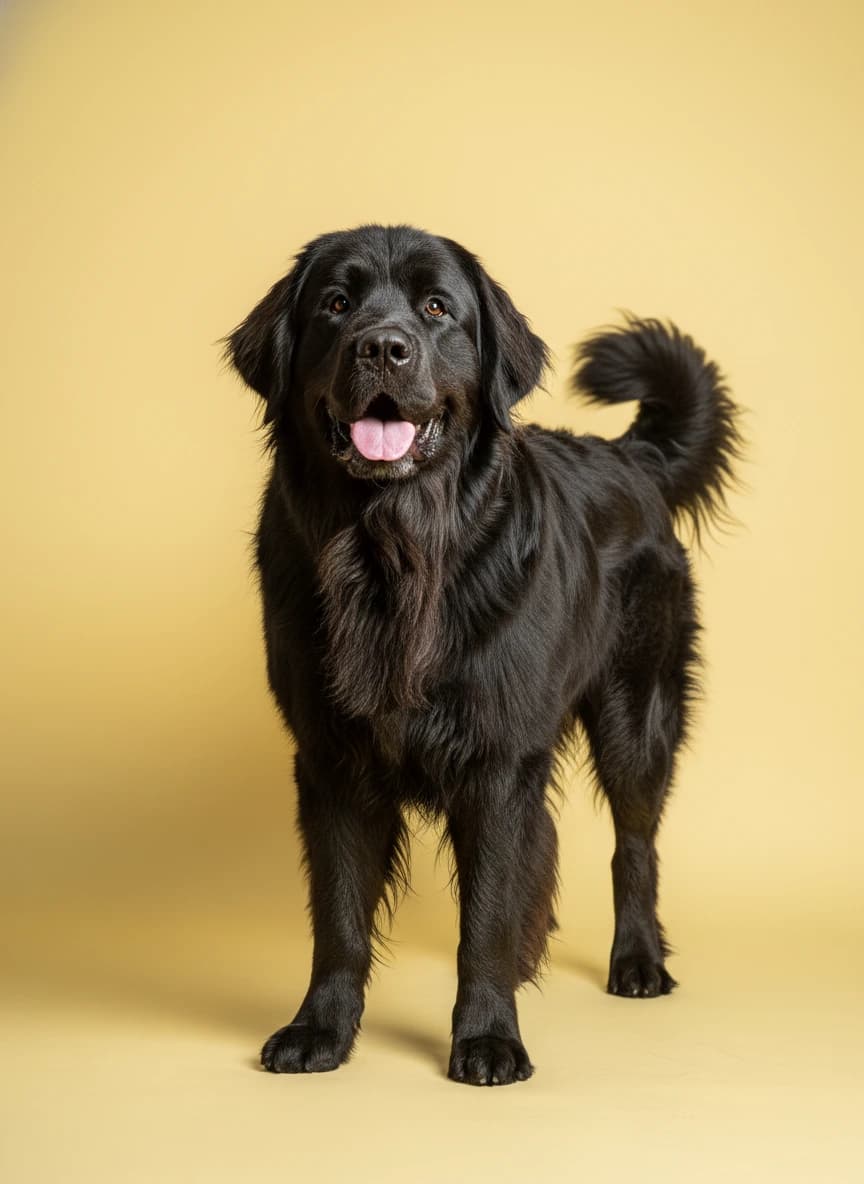
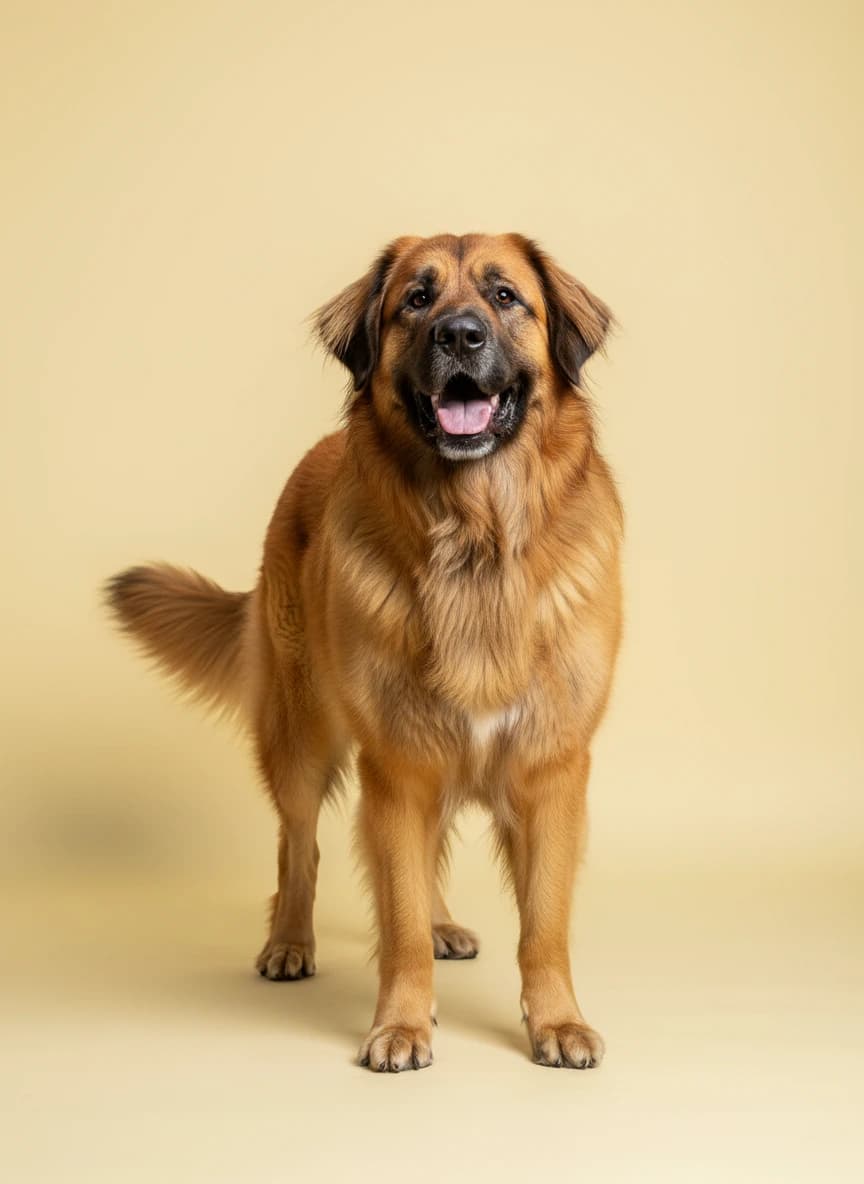
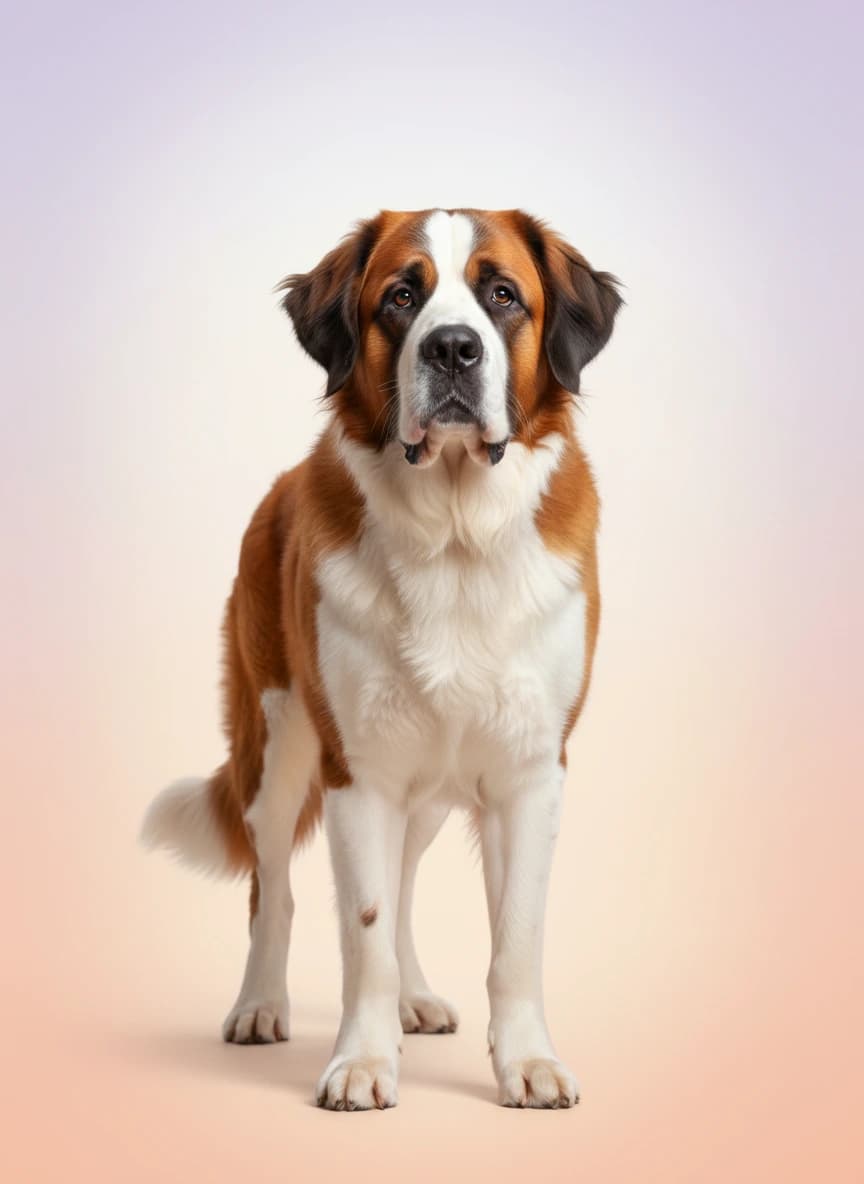
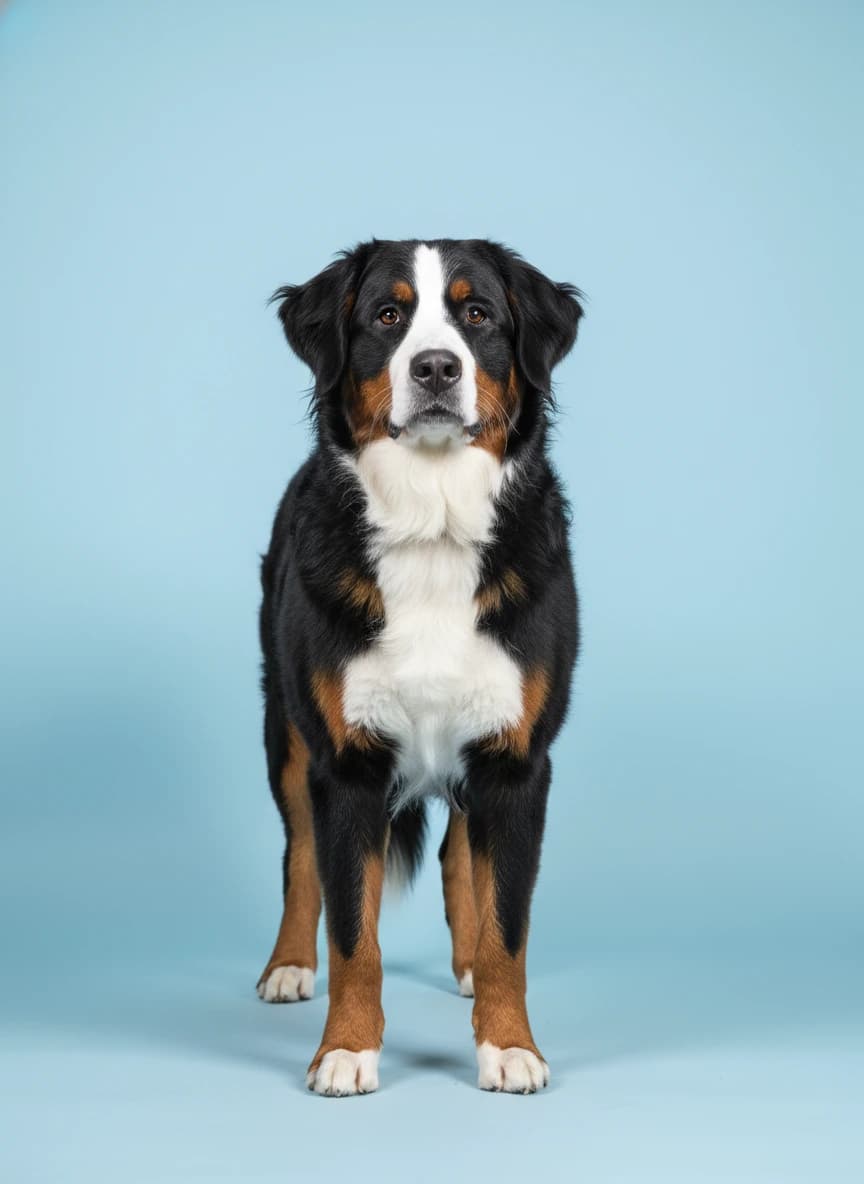
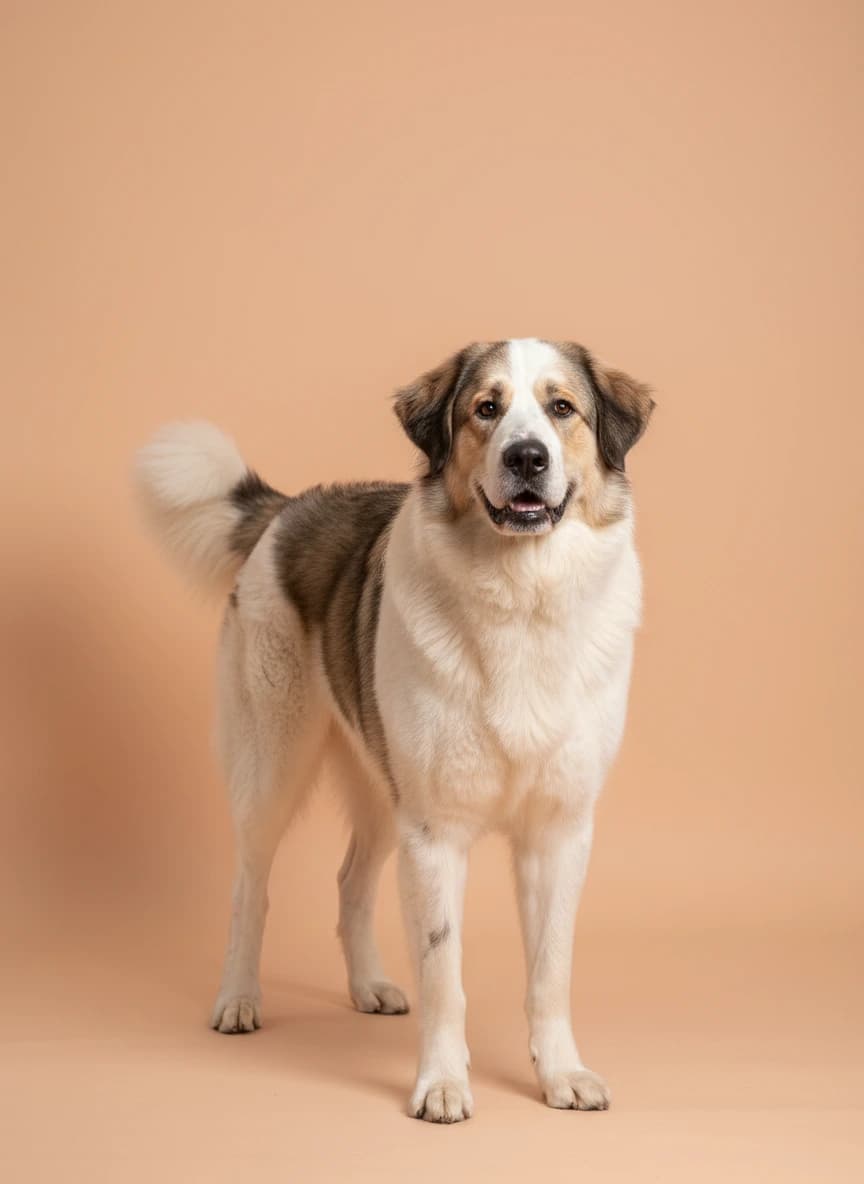
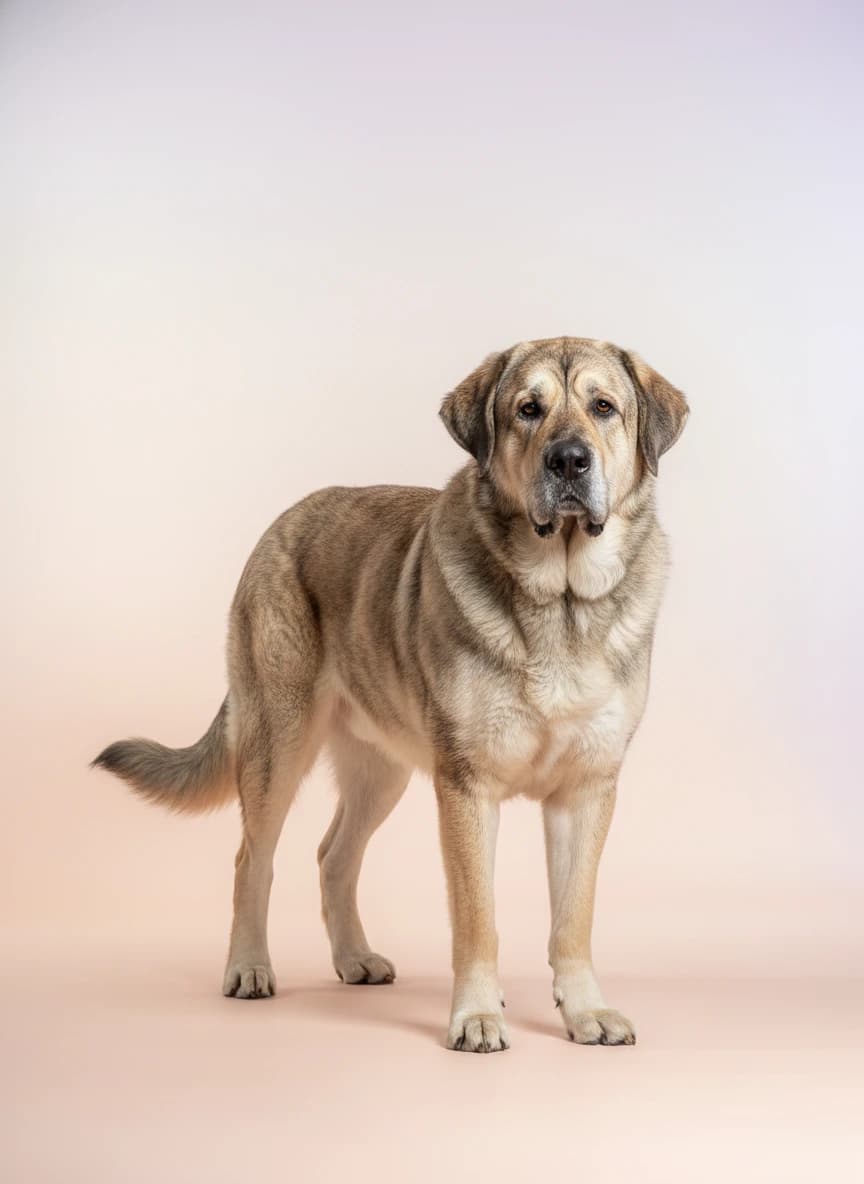
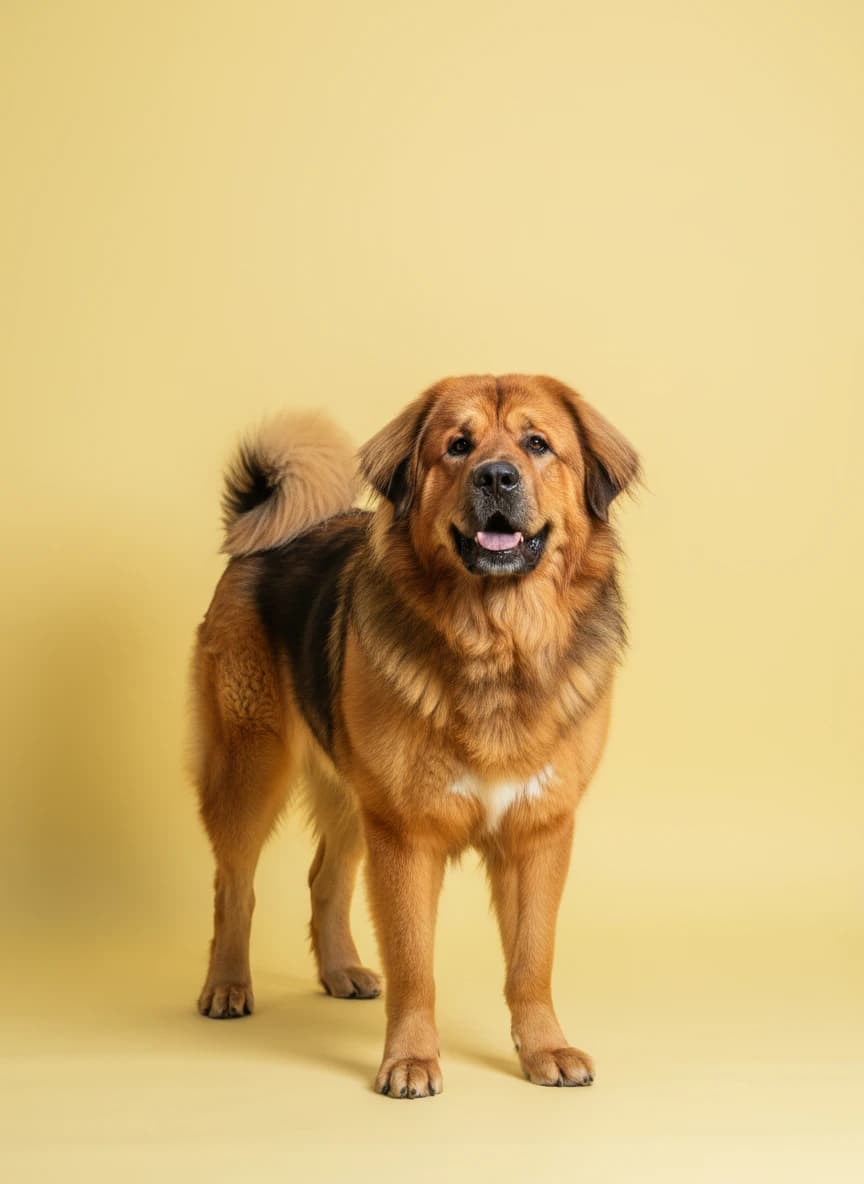
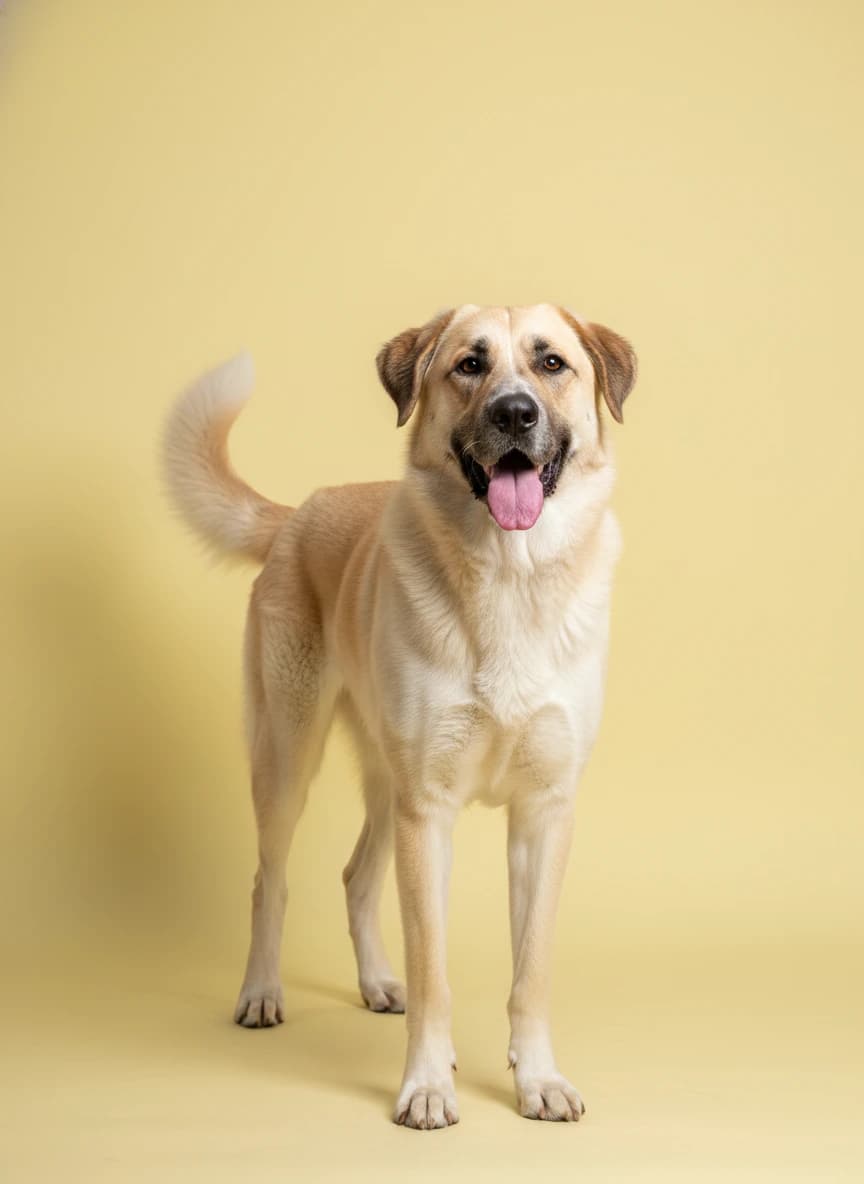
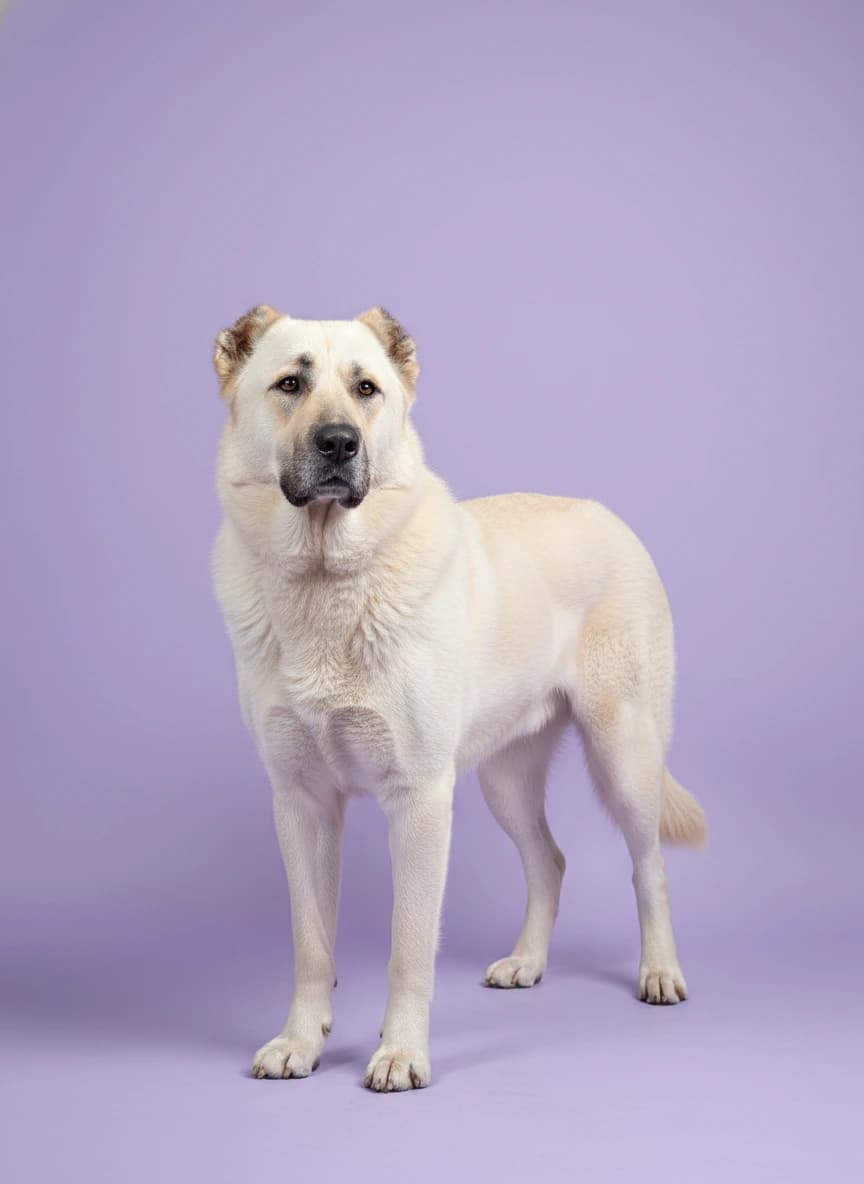
Aussi connue sous le nom: Newf, Newfie, Chien de Terre-Neuve, Terre-Neuve (Canada)
Canada (Terre-Neuve)
Espérance de vie
9-10 a
Poids
45-70 kg
Exercice
Modéré
Profil de la race
Taille
Géant
Type de race
Race pure
Éducabilité
Élevé
Toilettage
Faible
Description
Le Terre-Neuve est un géant au cœur tendre, réputé pour son tempérament calme et sa dévotion inébranlable. Ils possèdent une affinité presque inexplicable pour l'eau, un vestige de leurs jours en tant que chiens de travail aux côtés des pêcheurs, et barboteront avec joie dans l'eau à la moindre occasion. Vivre avec un Terre-Neuve signifie accepter une ombre poilue ; ils recherchent la compagnie et sont plus heureux lorsqu'ils font partie de la famille, s'appuyant souvent de leur énorme corps contre vous pour se rassurer. Leur nature patiente en fait des compagnons merveilleux pour les enfants, bien que leur taille imposante puisse entraîner des chutes accidentelles. Bien que généralement placides à l'intérieur, ils ont besoin d'aventures régulières en plein air pour étirer leurs longues pattes et satisfaire leur amour de l'exploration. Ce ne sont pas simplement des animaux de compagnie ; ce sont des membres de la famille poilus avec des cœurs aussi grands que leurs pattes.
Santé
Problèmes fréquents
Dilatation-torsion gastrique (DTG) (Ballonnement)
Dysplasie de la hanche
Sténose sous-aortique (SAS)
Problèmes cardiaques
Cystinurie
Examens recommandés
Hanches/coudes (OFA/FCI)
Hanches (OFA/FCI)
Panneau thyroïdien selon indication
Examen cardiaque/échocardiographie selon indication
Adapté aux allergies
Non
Foyer
Besoin d'espace
Eau
Adore
Expérience requise
Modéré
Poids du mâle
60-70 kg
Poids de la femelle
45-55 kg
Tempérament
Calme, Confiant, Protecteur
Échocardiogramme si reproduction/risque héréditaire
Test ADN cystinurie/analyse d'urine
Examen oculaire (ectropion/entropion)
Coudes (OFA/FCI)
Consulte ton vétérinaire de confiance pour un conseil propre à ton chien.
Tempérament et personnalité
The Newfoundland is a giant breed with a calm and confident demeanor, known for an almost magnetic devotion to their families. These dogs tend to be protective without aggression, maintaining a patient and gentle nature that endears them to those around them. They form deep bonds with their people and often shadow family members throughout the day, seeming to crave constant companionship. Their size and strength are tempered by a remarkably placid indoor personality, though they retain an independent spirit and natural confidence that comes from their heritage as working water dogs.
Éducation et exercice
Newfoundlands are highly trainable dogs that respond well to consistent, patient instruction. While they possess moderate exercise needs compared to more energetic giant breeds, they benefit greatly from regular outdoor adventures that allow them to stretch their considerable limbs and indulge their natural love of exploration. These dogs have an almost inexplicable affinity for water and tend to seek out swimming opportunities whenever possible—a trait rooted in their history as fishermen's companions. Daily walks and access to open spaces help maintain their physical and mental well-being, though they are generally content with moderate rather than intense activity levels.
Toilettage et soins
Newfoundlands have low grooming needs relative to their size, making them relatively straightforward to maintain. Their thick double coat sheds naturally, and regular brushing helps manage loose hair. Beyond routine coat care, standard hygiene practices such as nail trimming, ear cleaning, and dental care apply. Given their size, preventive health monitoring is particularly important, as certain conditions show up in the breed with some frequency.
Vivre avec cette race
Living with a Newfoundland means welcoming a devoted companion who thrives on being part of family life. These dogs need space appropriate to their giant size and do best in homes where they can move comfortably. Their calm demeanor indoors makes them adaptable to various living situations, but they are happiest when they can be near their people rather than left alone for extended periods. Their sheer size warrants consideration, particularly in households with young children, as their enthusiasm can lead to accidental tumbles despite their gentle intentions. They tend to develop close bonds with all family members and do not do well with prolonged isolation.
Cette race est-elle faite pour vous
Newfoundlands are best suited for owners with some experience handling large breeds and a genuine commitment to companionship. They require homes with adequate space, regular outdoor access, and owners who can provide the consistent presence and attention they crave. These dogs are not ideal for those who work long hours away from home or who are unable to accommodate their size and exercise needs. They thrive in family environments where they can be an integrated member of the household rather than a peripheral pet. Potential owners should be prepared for the financial and practical responsibilities that come with giant breed ownership.
Questions fréquentes
Are Newfoundlands good with children?
Newfoundlands tend to be patient and gentle with children, traits that suit family environments well. However, their giant size means they may accidentally knock over small children during play or movement, so supervision and gradual introductions are important in homes with young kids.
How much space do Newfoundlands need?
Newfoundlands are giant dogs that need adequate space to move comfortably. While they are calm indoors and don't require constant intense activity, they benefit from homes where they aren't confined to small areas and have regular access to outdoor space for exploration and exercise.
Do Newfoundlands really love water?
Yes, Newfoundlands tend to have a strong affinity for water, a characteristic linked to their heritage as working dogs alongside fishermen. Most are attracted to water and will happily swim and splash given the opportunity, though individual preferences may vary.
Can Newfoundlands be left alone?
Newfoundlands are companion dogs that crave closeness with their families and tend to struggle with extended alone time. They are happiest as integrated family members and may develop behavioral issues if left alone for prolonged periods. They are better suited to homes where they receive regular human contact and presence.
What health concerns should I know about?
Newfoundlands have certain health conditions that appear in the breed with some frequency, including hip dysplasia, heart issues, and a condition called subaortic stenosis (SAS). Prospective owners should discuss health screening and testing with breeders and maintain regular veterinary care throughout the dog's life.
 Canada (Terre-Neuve)