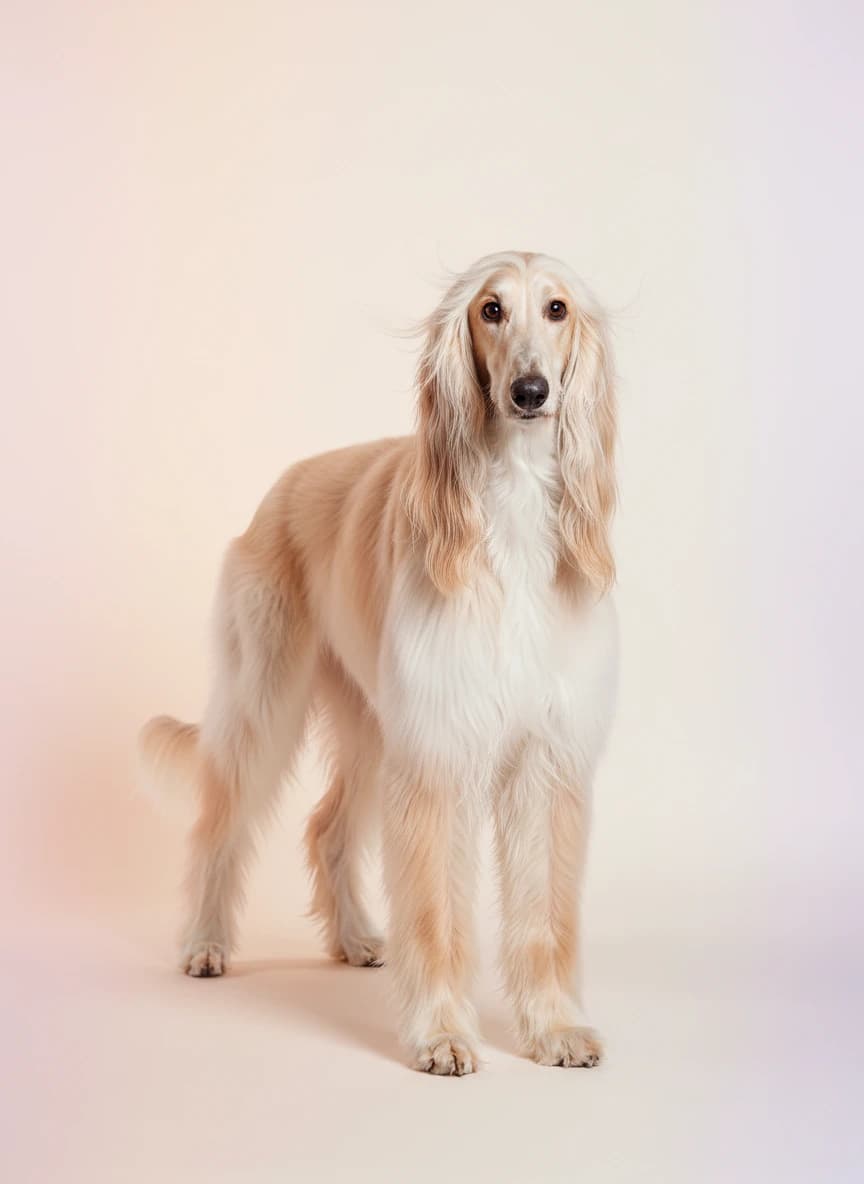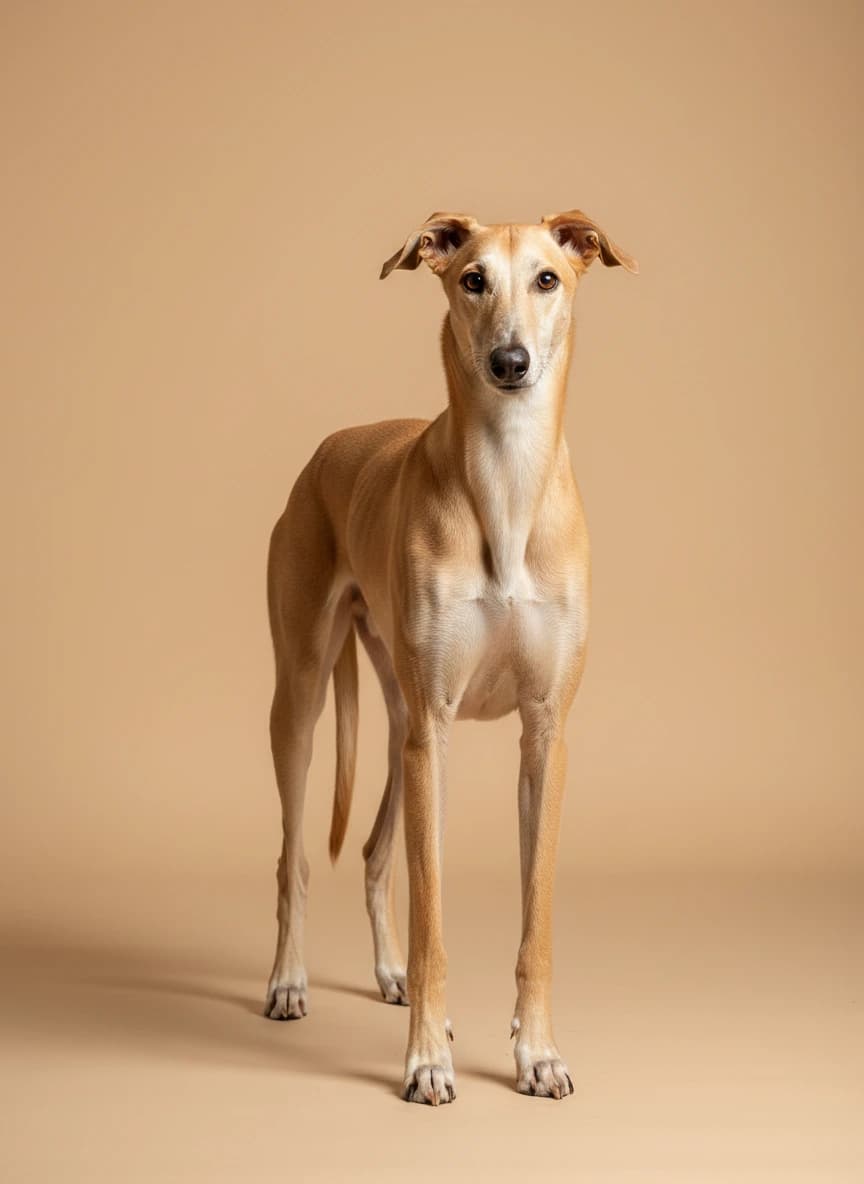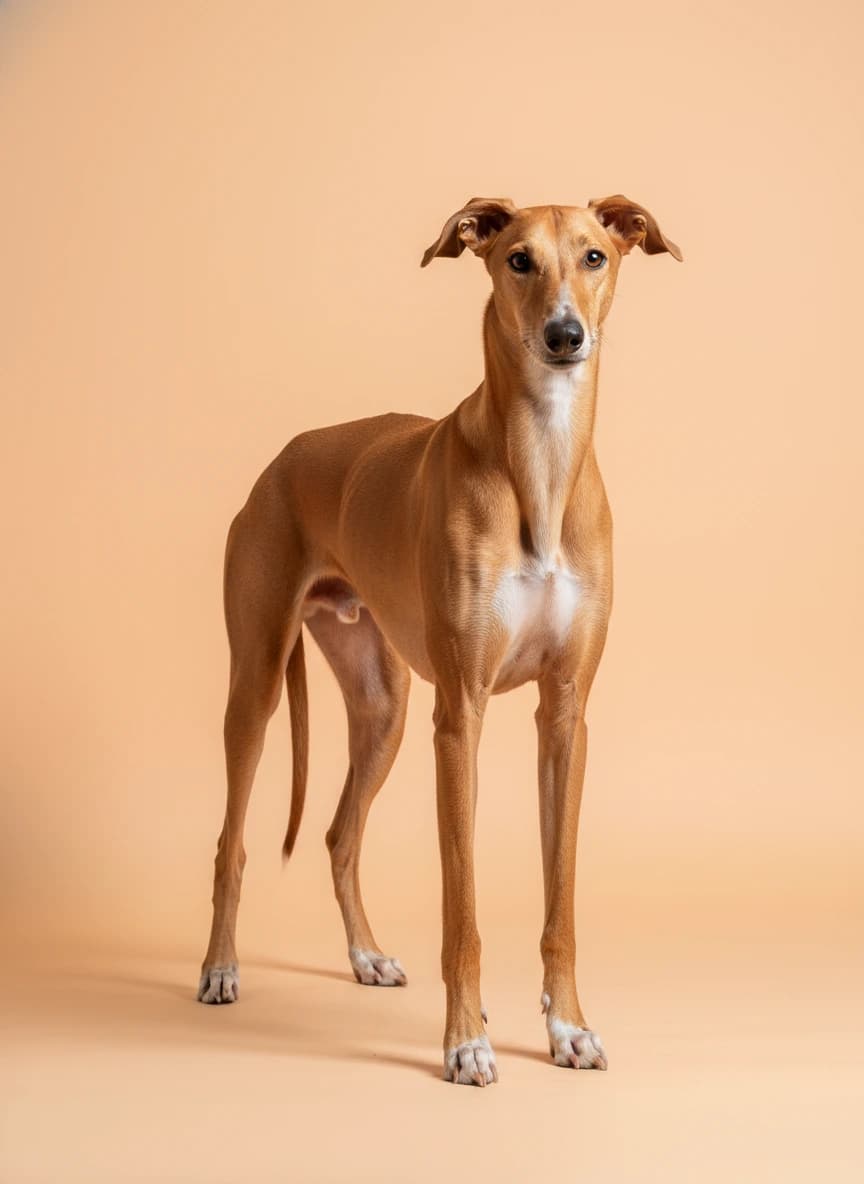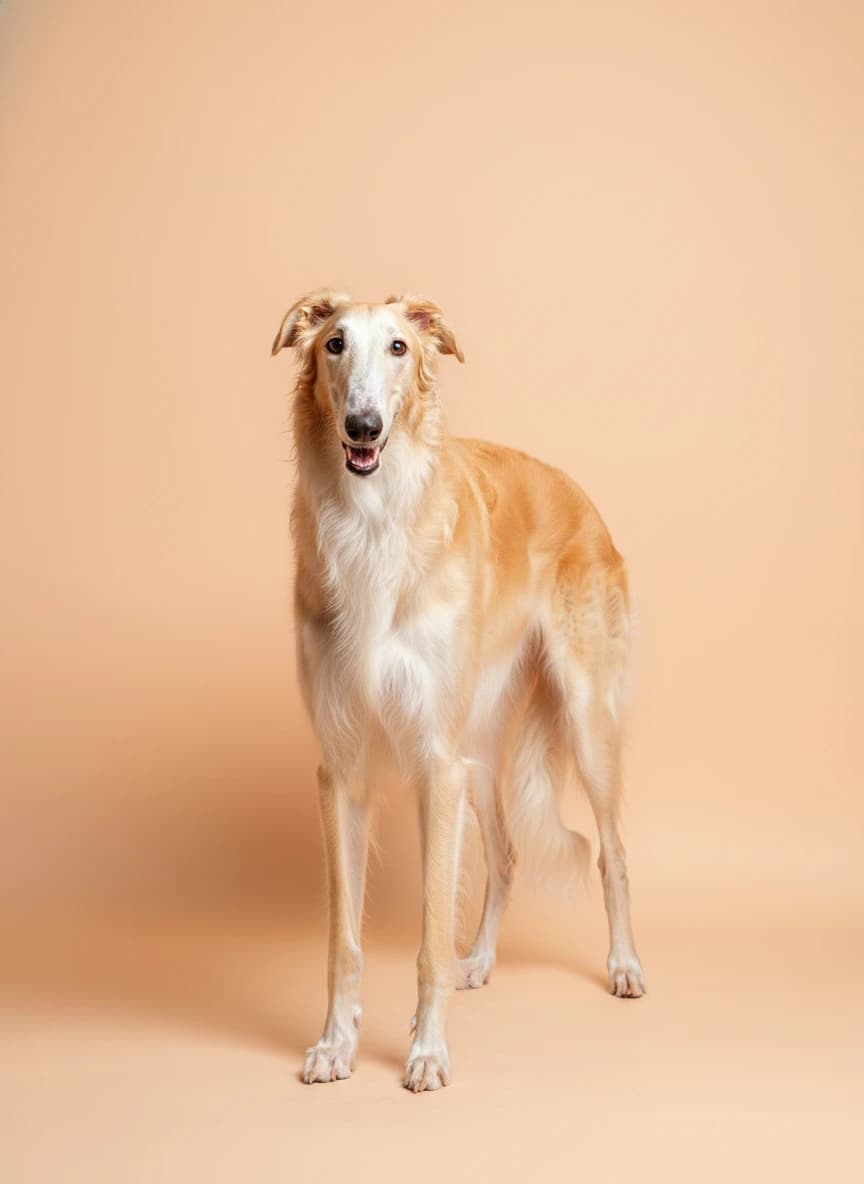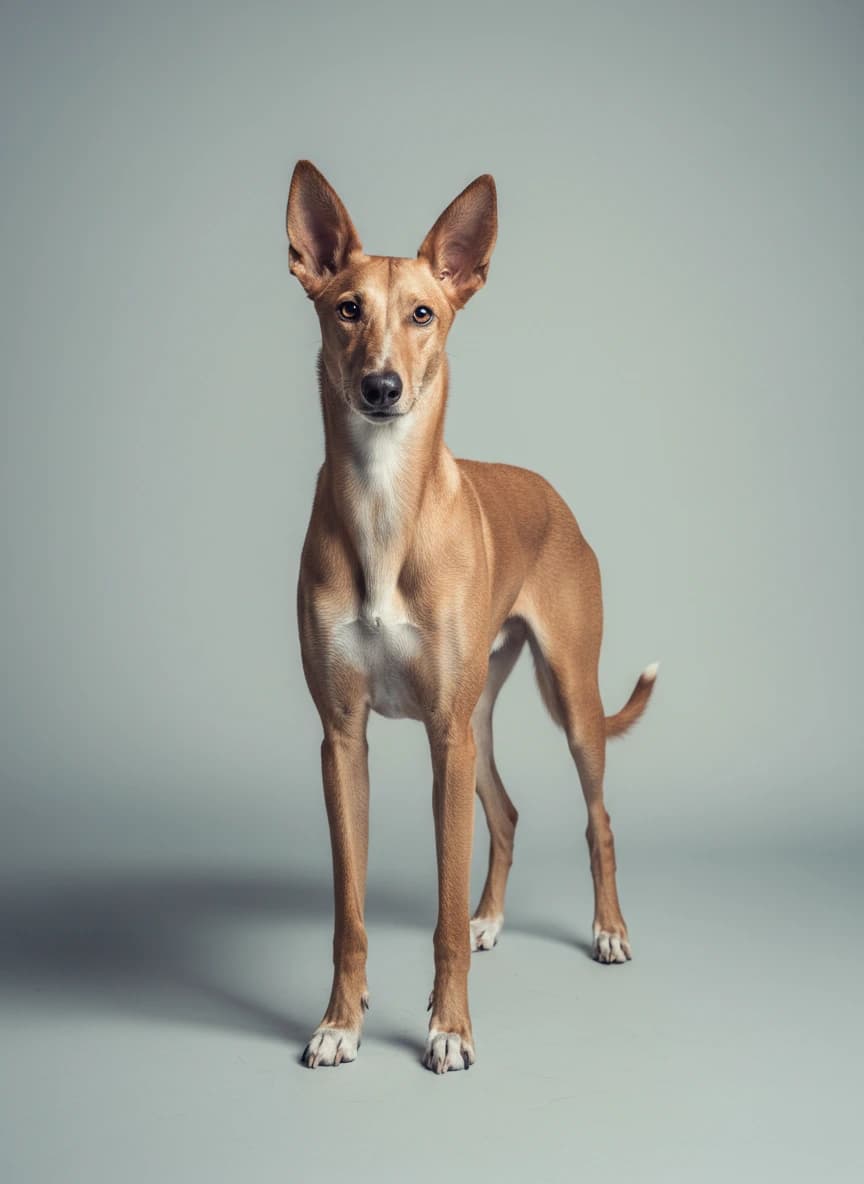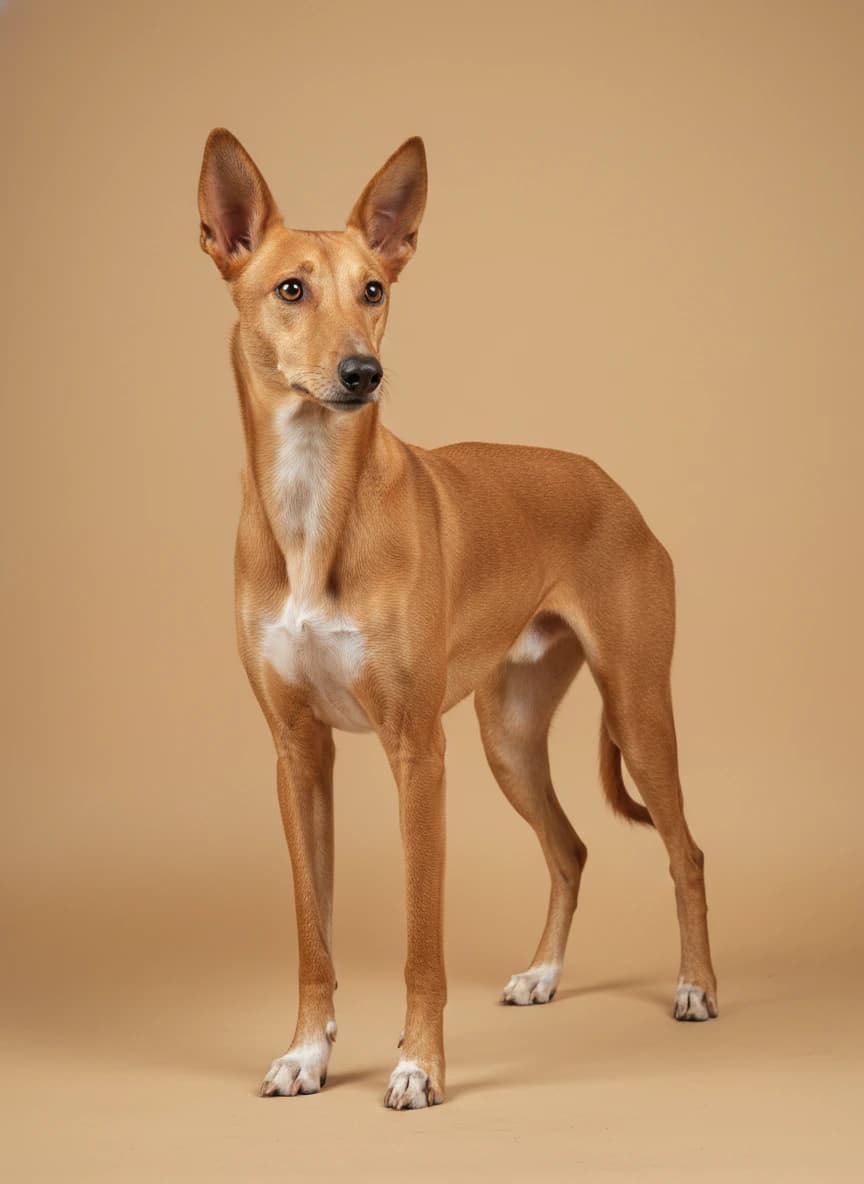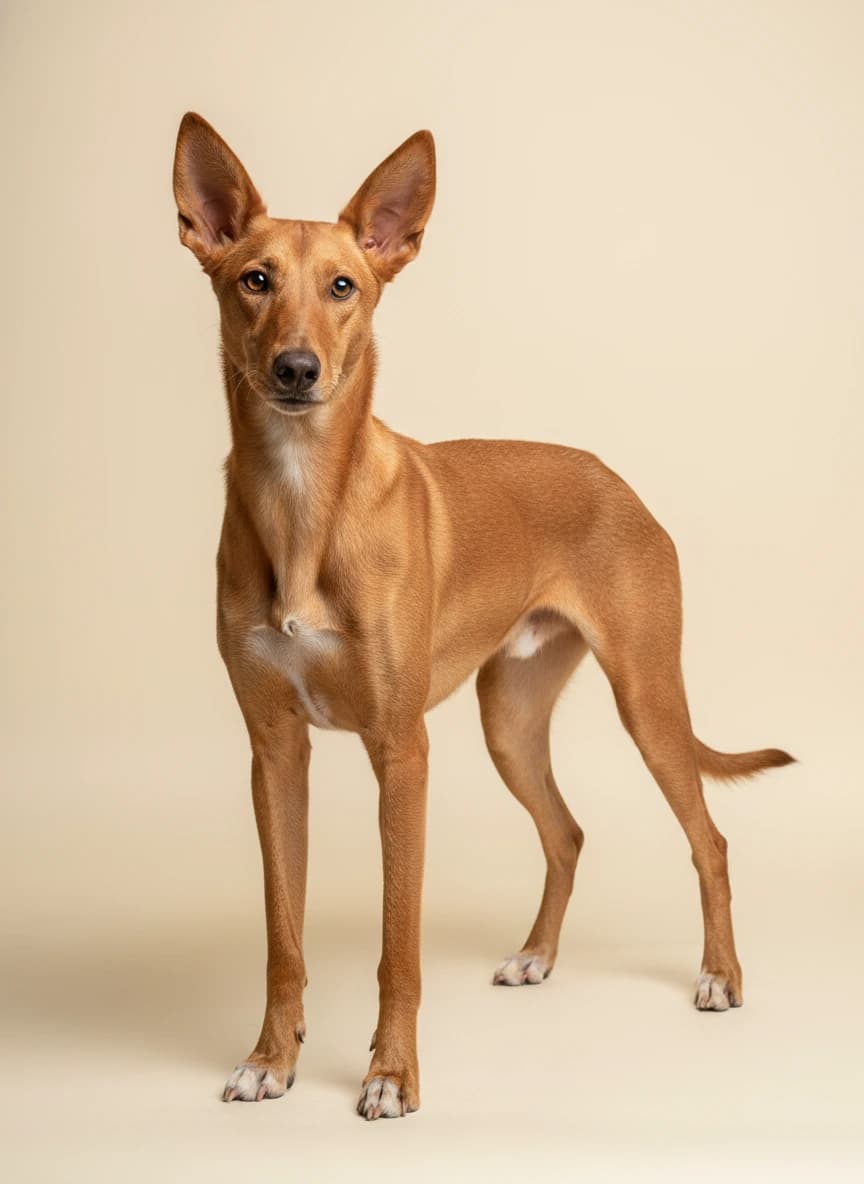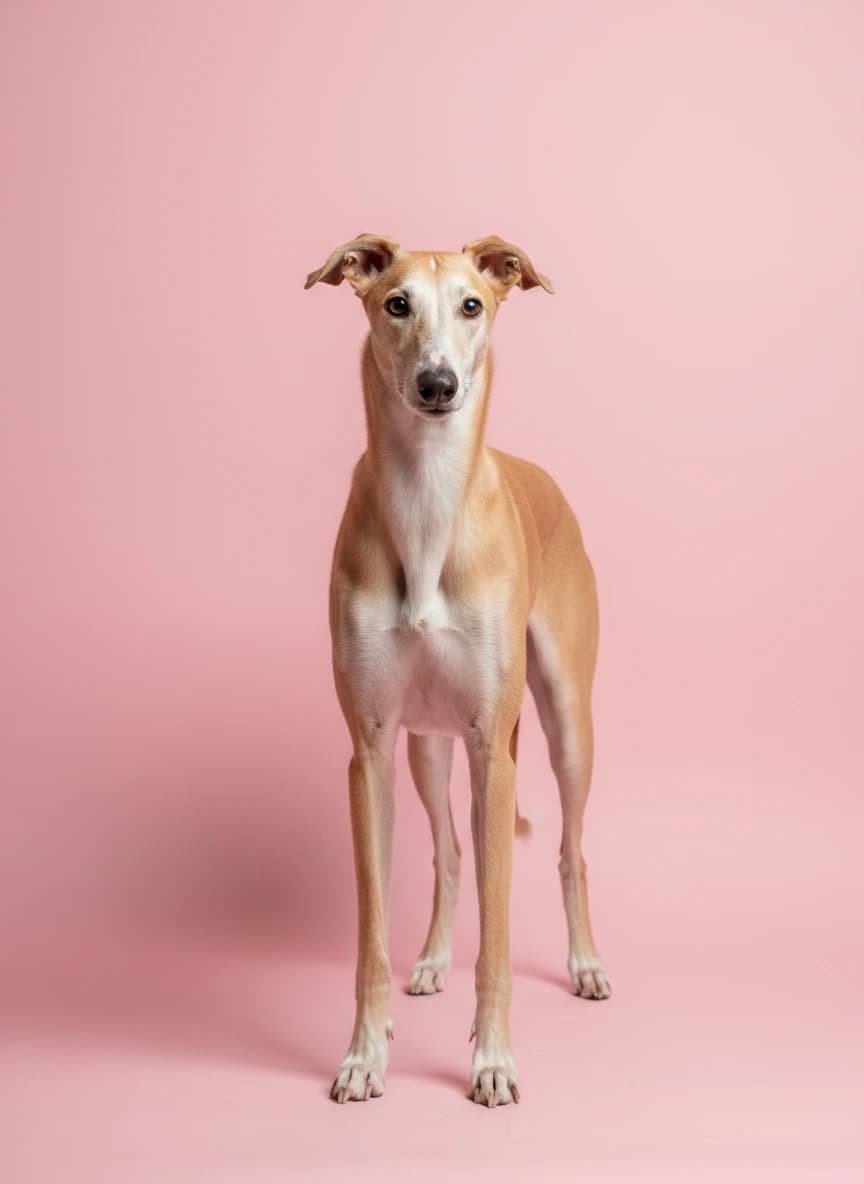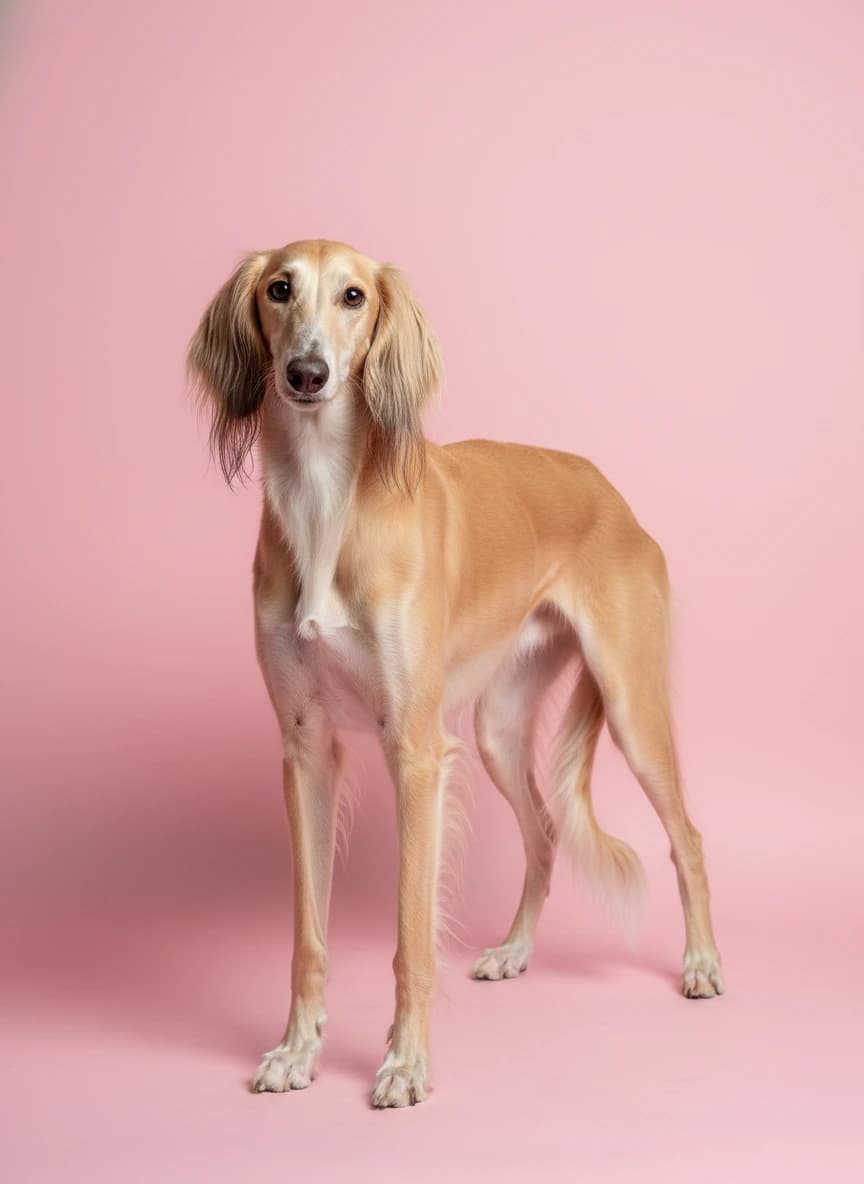
Aussi connue sous le nom: Lévrier à Gazelle, Lévrier Arabe, Lévrier Persan, Slougui, Lévrier Saluki à Gazelle, Lévrier Persan Voyant, Al-Hor, El Hor
Moyen-Orient
Le Saluki est un aristocrate parmi les chiens, possédant une dignité tranquille et une grâce presque éthérée. Ils sont indépendants et sensibles, préférant souvent un regard doux ou une caresse délicate aux démonstrations d'affection bruyantes. Leur instinct ancestral de chasseur à vue pour poursuivre les proies signifie qu'une cour bien clôturée est indispensable, car ils poursuivront tout ce qui bouge, et rapidement! Bien que réservés avec les étrangers, les Salukis tissent des liens profonds et loyaux avec les personnes de leur choix, exprimant souvent leur amour par une légère appui ou une tête délicate posée sur les genoux. Ils s'épanouissent dans des environnements calmes, ce qui en fait des compagnons uniques pour ceux qui apprécient leur nature raffinée et leur intellect vif.
Problèmes fréquents
Examens recommandés
Consulte ton vétérinaire de confiance pour un conseil propre à ton chien.
The Saluki is an aristocratic sighthound with a quiet dignity and refined demeanor. These dogs tend to be alert and loyal to their chosen family, often expressing affection in gentle ways such as a lean or soft head resting on a lap. They are generally reserved and sensitive with strangers, forming deep bonds with those they trust. Salukis often prefer calm, peaceful interactions over boisterous play, reflecting their independent nature. Their ancient heritage as hunters means they possess a strong drive to chase anything that moves, and their keen intellect makes them naturally observant and perceptive.
Salukis are trainable but require a patient, consistent approach that respects their independent spirit. They respond best to gentle guidance and positive reinforcement rather than harsh corrections, as their sensitive nature makes them reactive to sharp tones. These dogs need moderate exercise to stay content, though their sighthound instincts mean they should only be off-leash in securely fenced areas—they will pursue moving prey or animals at considerable speed. Mental stimulation through scent work, puzzle games, and calm activities suits their temperament well. Early socialization and training in youth help establish good habits, though they maintain a degree of independence throughout their lives.
Salukis have low grooming needs overall. Their coat is typically short and sleek, requiring only occasional brushing to remove loose hair and maintain shine. Regular ear checks are advisable, as their ear structure can be prone to moisture retention. Nail trimming, dental care, and eye checks should be part of routine care. Their thin skin requires gentle handling and protection from rough surfaces or pressure, as they can be prone to pressure sores. They are generally clean dogs and do not require frequent bathing unless they become soiled.
Salukis thrive in calm, stable home environments where they can retreat to quiet spaces. They are house-appropriate dogs that adapt well to indoor living, provided they have access to a well-fenced yard for safe exercise and their natural prey drive to chase. Their sensitivity means they prefer homes without excessive noise, chaos, or sudden disruptions. They form strong attachments to their immediate family and may be reserved or aloof with visitors. These dogs do best with experienced owners who understand their independent temperament and can provide gentle, consistent leadership without heavy-handed discipline.
A Saluki is well-suited to experienced dog owners who appreciate a refined, independent companion and can provide a calm, structured environment. They are ideal for those who value quiet dignity over constant interaction and who can respect their sensitive nature. Potential owners must have a securely fenced yard and understand the breed's strong chase drive. These dogs thrive with individuals or families seeking a loyal but self-possessed partner rather than a highly social or exuberant pet. Salukis are not ideal for homes with chaos, young children requiring rough-and-tumble play, or owners unfamiliar with sighthound behavior and care.