Aussi connue sous le nom: Lévrier russe, Psovoi, Psovoi Borzoi

Russie
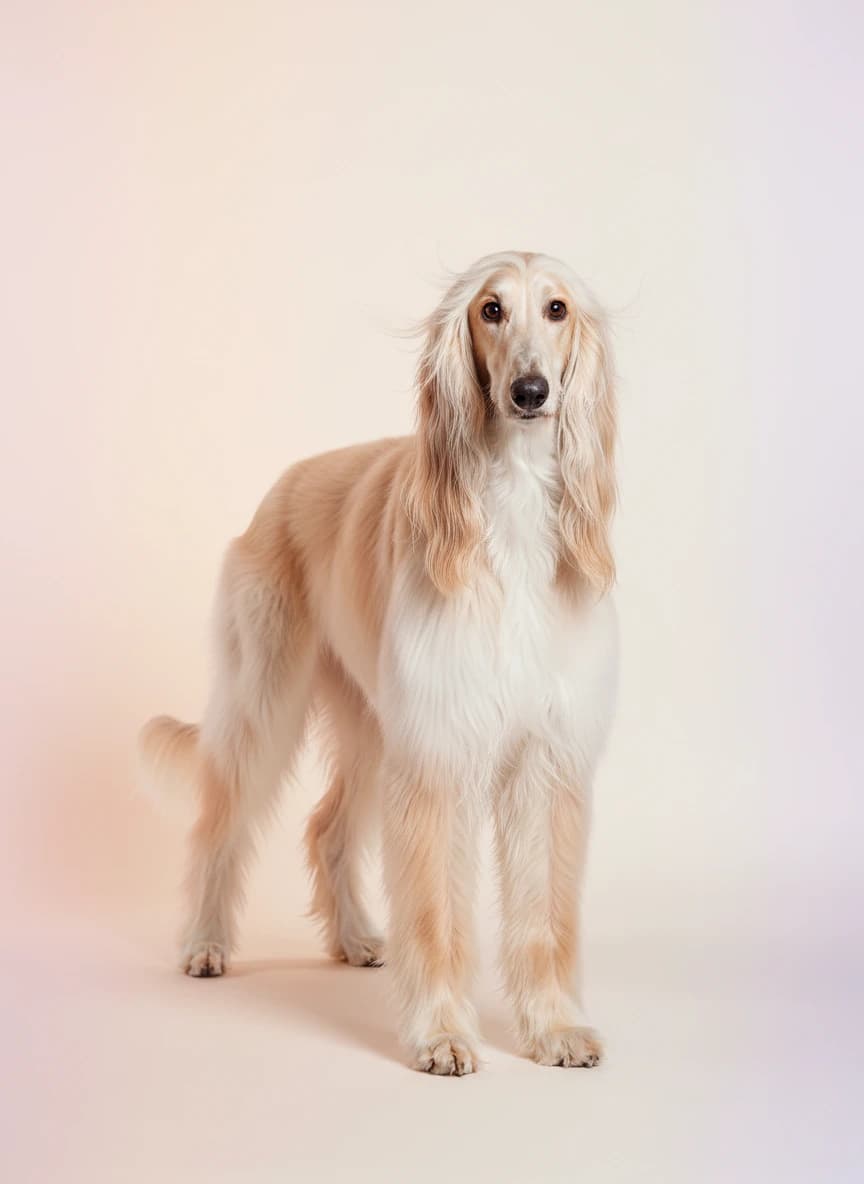
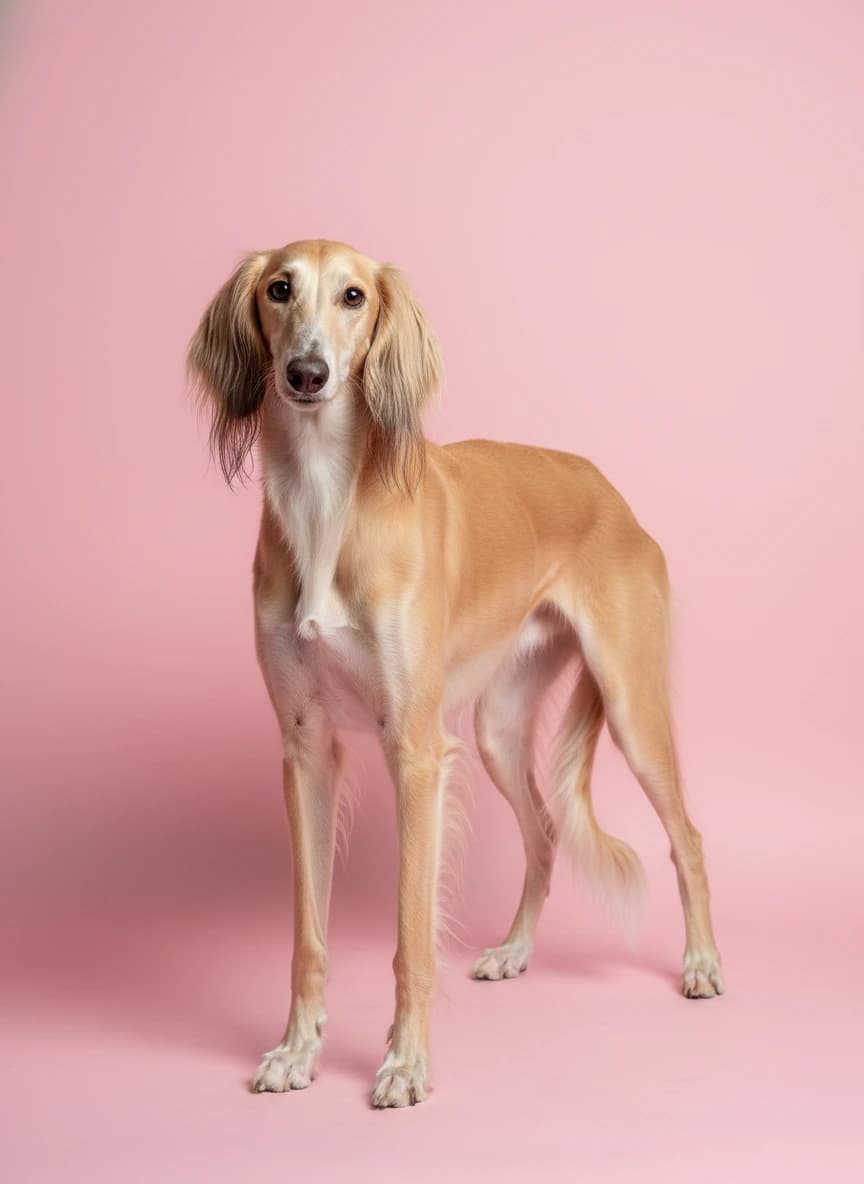
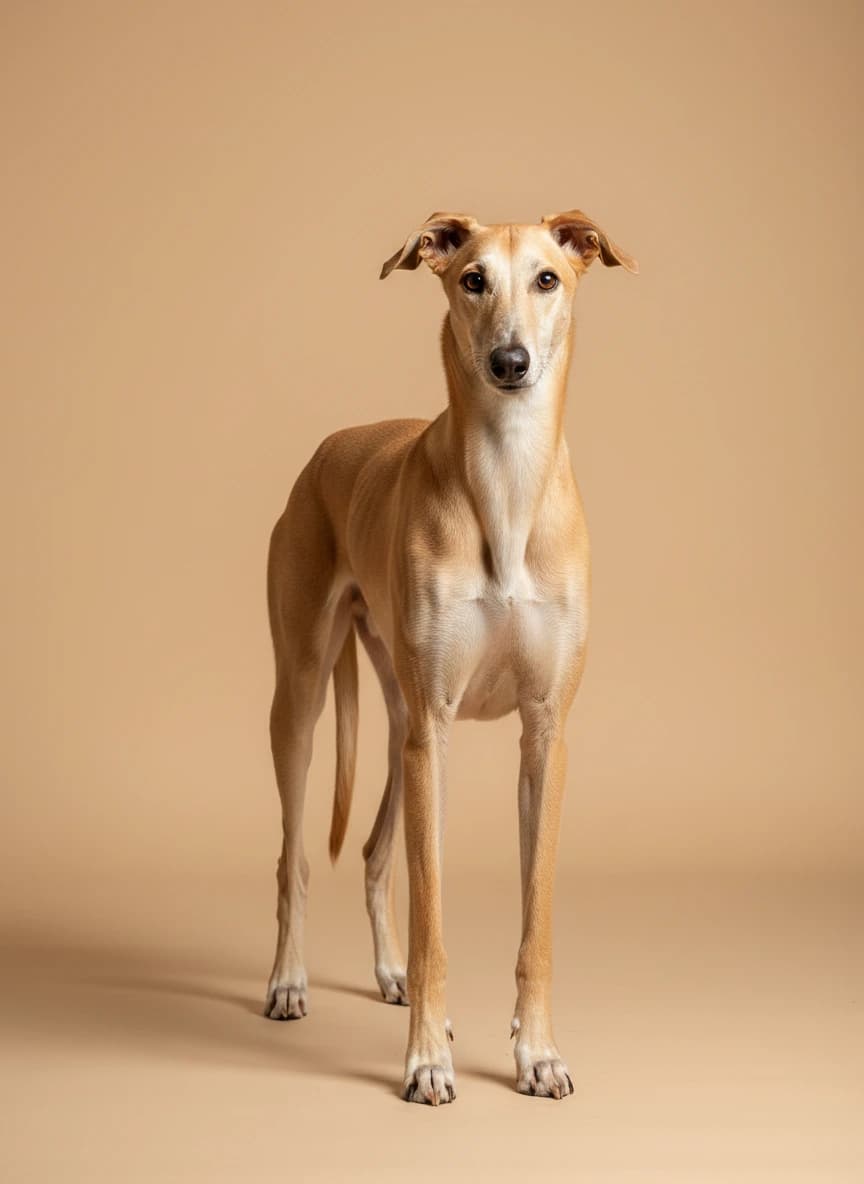
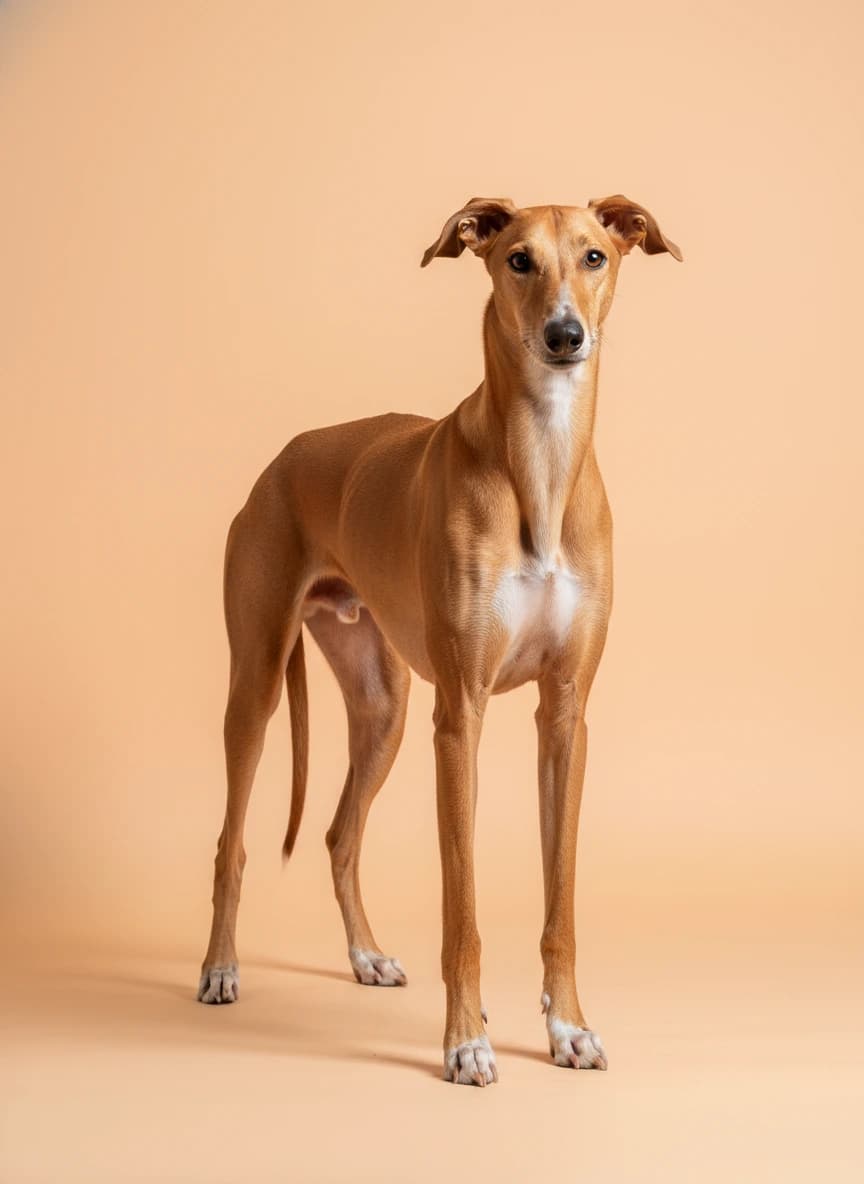
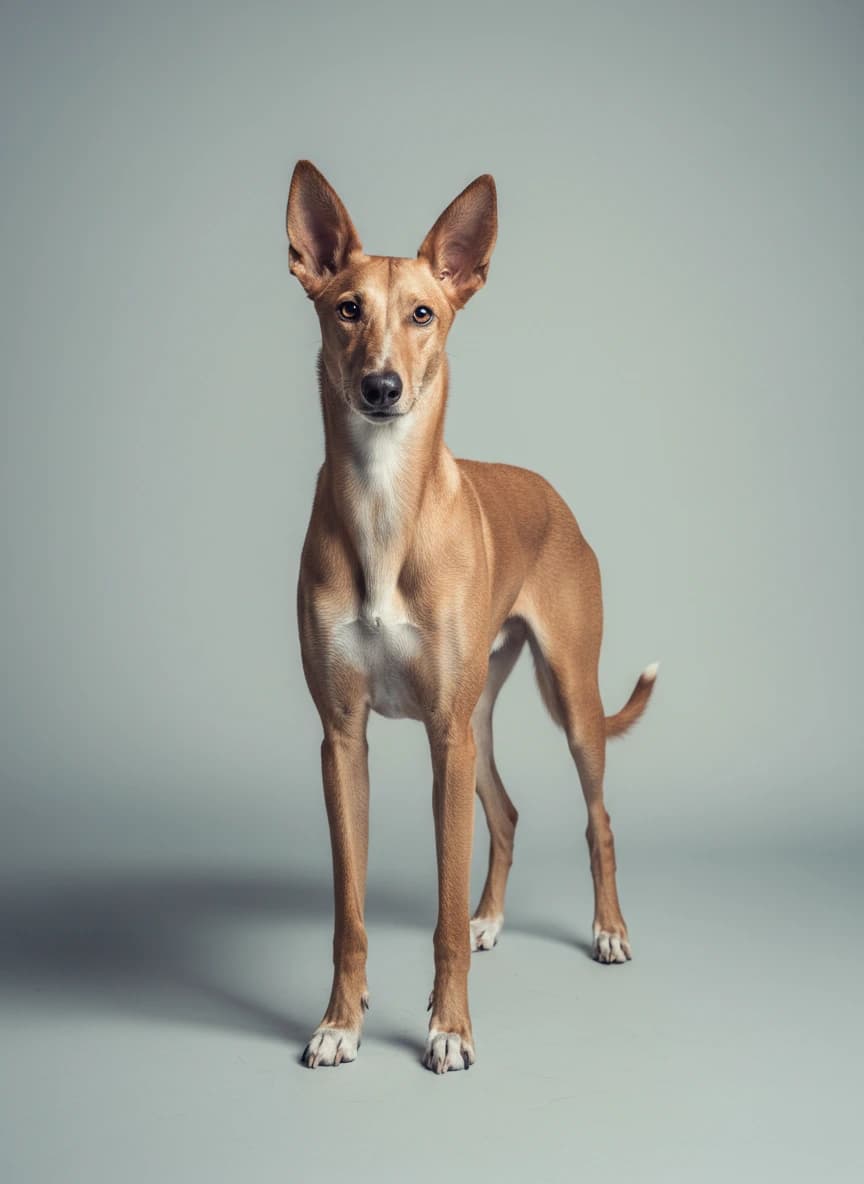
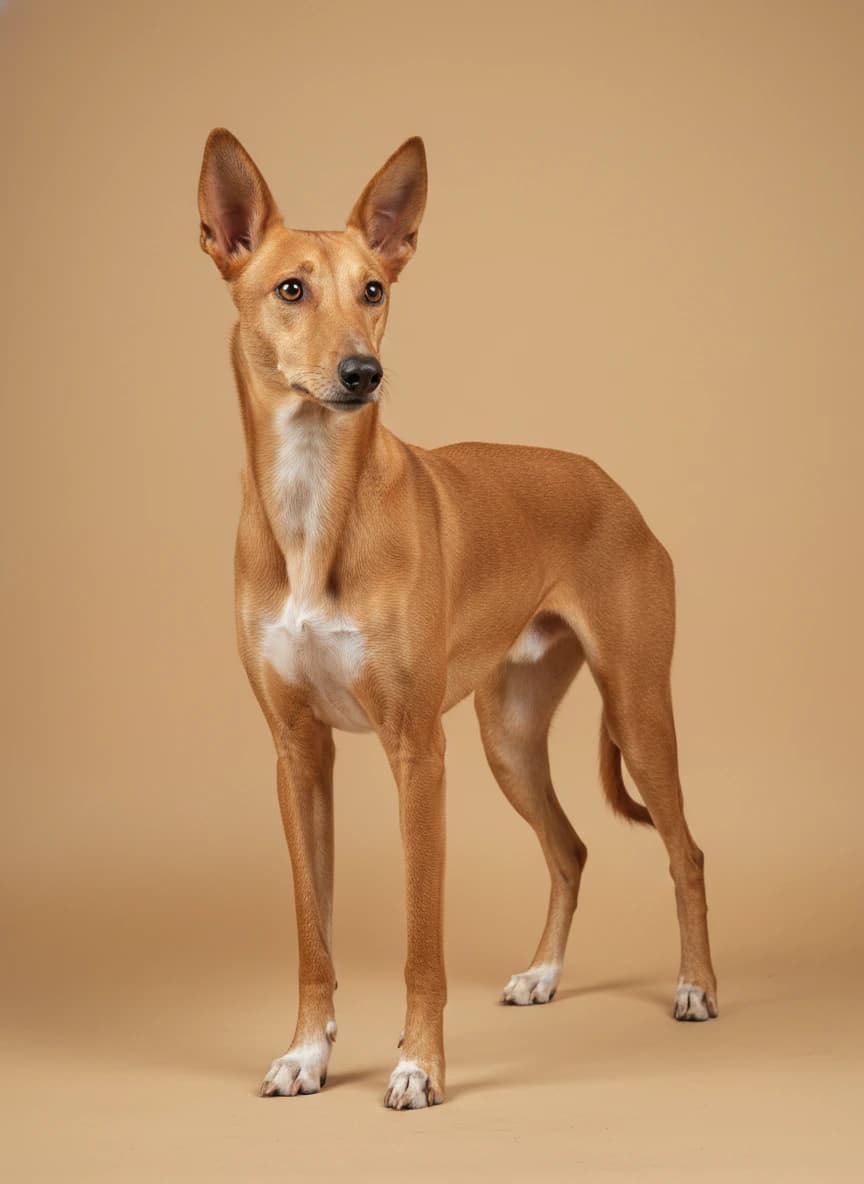
Le Borzoi, une sculpture vivante d'élégance, possède un tempérament serein et presque aristocratique. Il se porte avec une dignité tranquille, observant souvent son environnement d'un regard réfléchi. Bien qu'indéniablement gracieux, il possède aussi un côté joueur, parfois farfelu, se délectant de périodes de jeu joyeux dans la cour. Son héritage de lévrier de vue signifie qu'il est naturellement enclin à la chasse, et un écureuil ou un lapin peut instantanément le transformer d'une majestueuse couch potato en un magnifique flou. Bien que réservé avec les étrangers, le Borzoi forme des liens affectueux profonds avec ses proches, exprimant souvent son amour par des appuis doux et des petits coups de museau, heureux de partager le canapé pendant des heures.
Problèmes fréquents
Examens recommandés
Consulte ton vétérinaire de confiance pour un conseil propre à ton chien.
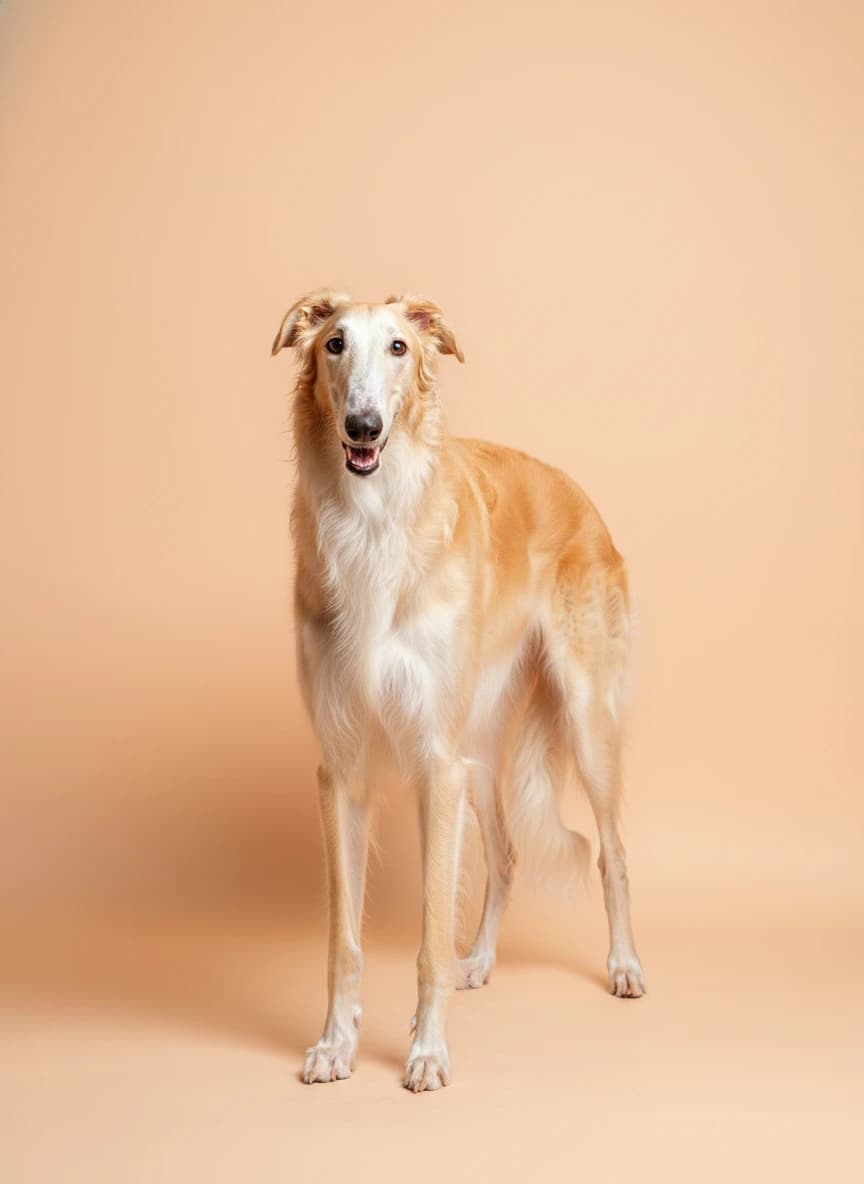
The Borzoi presents as a living sculpture of elegance with a serene, almost aristocratic demeanor. These dogs carry themselves with quiet dignity, often observing their surroundings with a thoughtful gaze. Beneath their regal composure lies a playful, sometimes goofy side, and they delight in bursts of joyful activity around the yard. Their sighthound heritage creates a strong instinct to chase—a squirrel or rabbit can instantly transform them from a contemplative couch potato into a magnificent blur. While reserved with strangers, Borzoi form deep and affectionate bonds with their chosen people. They express their love with gentle leans and soft nudges, content to spend hours on the sofa with family members. Their temperament tends toward calm independence, though their prey drive remains a defining characteristic.
Borzoi have moderate exercise needs and benefit from regular opportunities to move and explore. Their sighthound heritage means they have a powerful chase drive, so secure fencing is essential—they may pursue small animals with little warning. Training requires patience, as these dogs tend toward independent thinking. They respond best to positive reinforcement and consistent guidance from owners with some experience. While they can appear aloof during training sessions, they are capable learners when motivated. Mental stimulation through varied activities complements their physical exercise needs, and their natural athleticism shines during controlled opportunities to run.
Borzoi have low grooming needs relative to their size. Their coat requires regular brushing to manage shedding and maintain its appearance, but they do not demand extensive grooming routines. They shed seasonally and benefit from consistent brushing during these periods. Routine nail care, ear cleaning, and dental hygiene are important as with all breeds. Given their deep-chested conformation, owners should be aware of the increased risk for gastric dilatation-volvulus (bloat) and discuss prevention strategies and early warning signs with a veterinarian. Their thin skin is prone to pressure sores, so comfortable bedding is recommended. Sighthounds like Borzoi may have unique considerations regarding anesthesia and pain management that should be discussed with a veterinary professional.
Borzoi are well-suited to homes with adequate space; they are not ideal for small apartments or homes without room for them to move comfortably. Their independent nature and calm demeanor make them reasonable companions for owners willing to respect their distinct personality. They tend to be reserved around strangers and form strongest bonds with their immediate family. Their prey drive means they may not be suitable for households with small pets such as rabbits, hamsters, or rodents. Their size—they are a giant breed—means they require thoughtful placement in the home and consideration during daily activities. They enjoy lounging indoors but need regular access to secure outdoor space.
Borzoi are best suited to owners with some dog experience who appreciate an independent, dignified companion. They thrive in homes with adequate space and secure fencing to accommodate their size and natural chase instincts. Potential owners should be prepared for their prey drive and understand that their aloof, thoughtful nature differs from more overtly obedient breeds. These dogs do best with patient, consistent training and owners who value their quiet companionship over high-energy enthusiasm. They are not recommended for first-time dog owners unfamiliar with the needs of large, independent sighthounds. Families should discuss the breed's characteristics and health considerations with responsible breeders and veterinarians before committing to ownership.