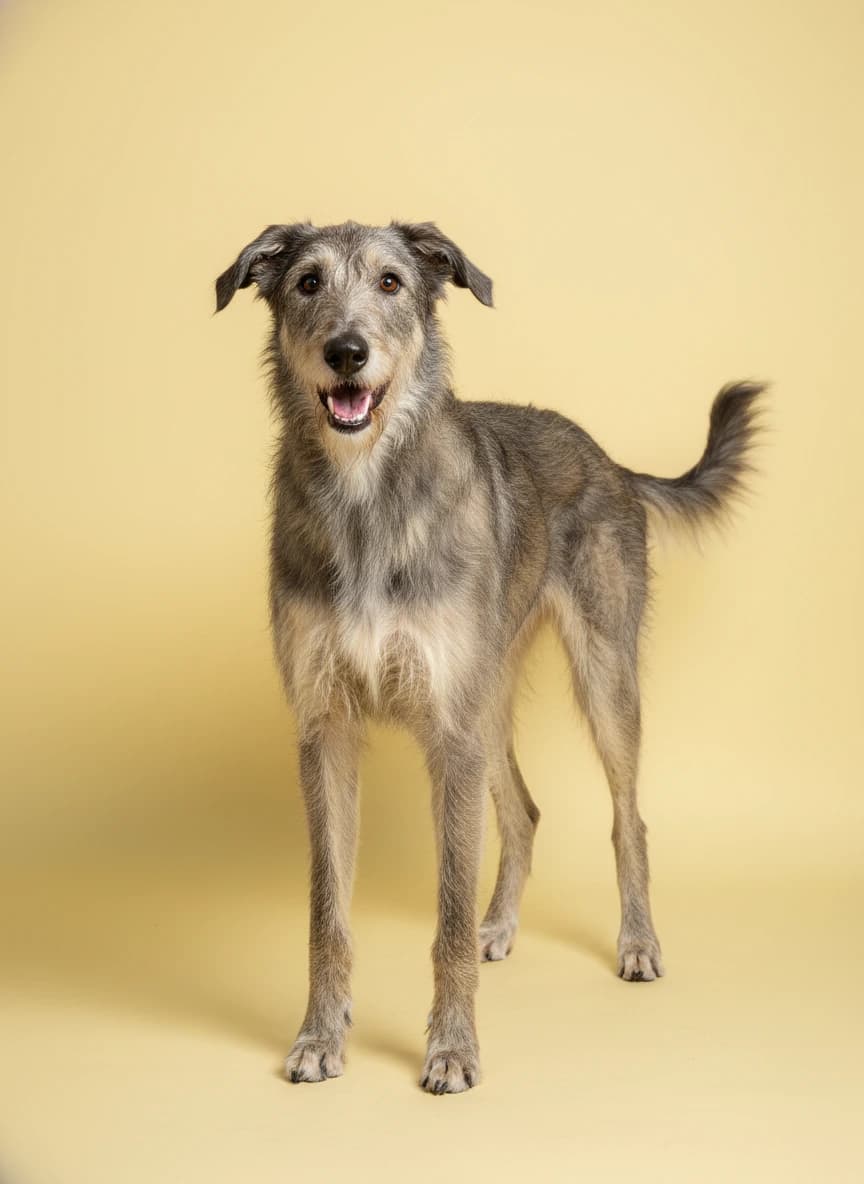
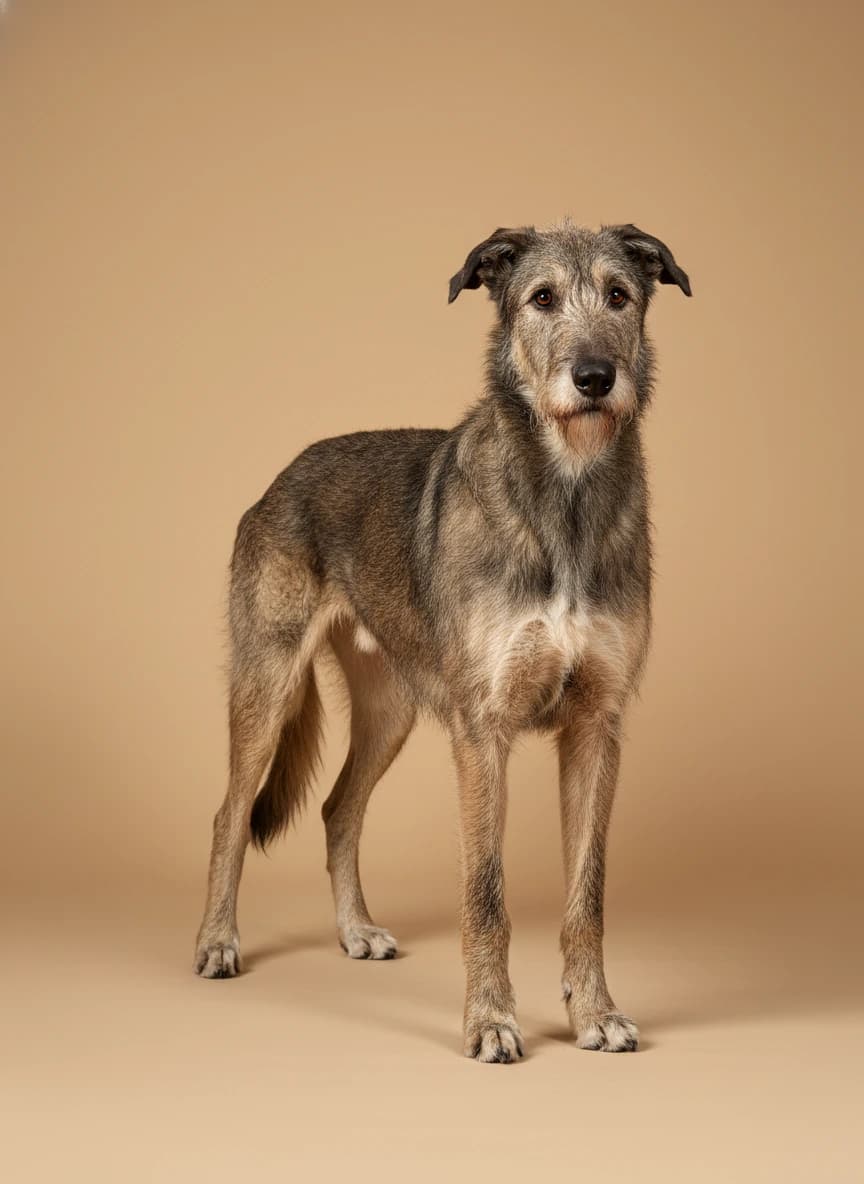
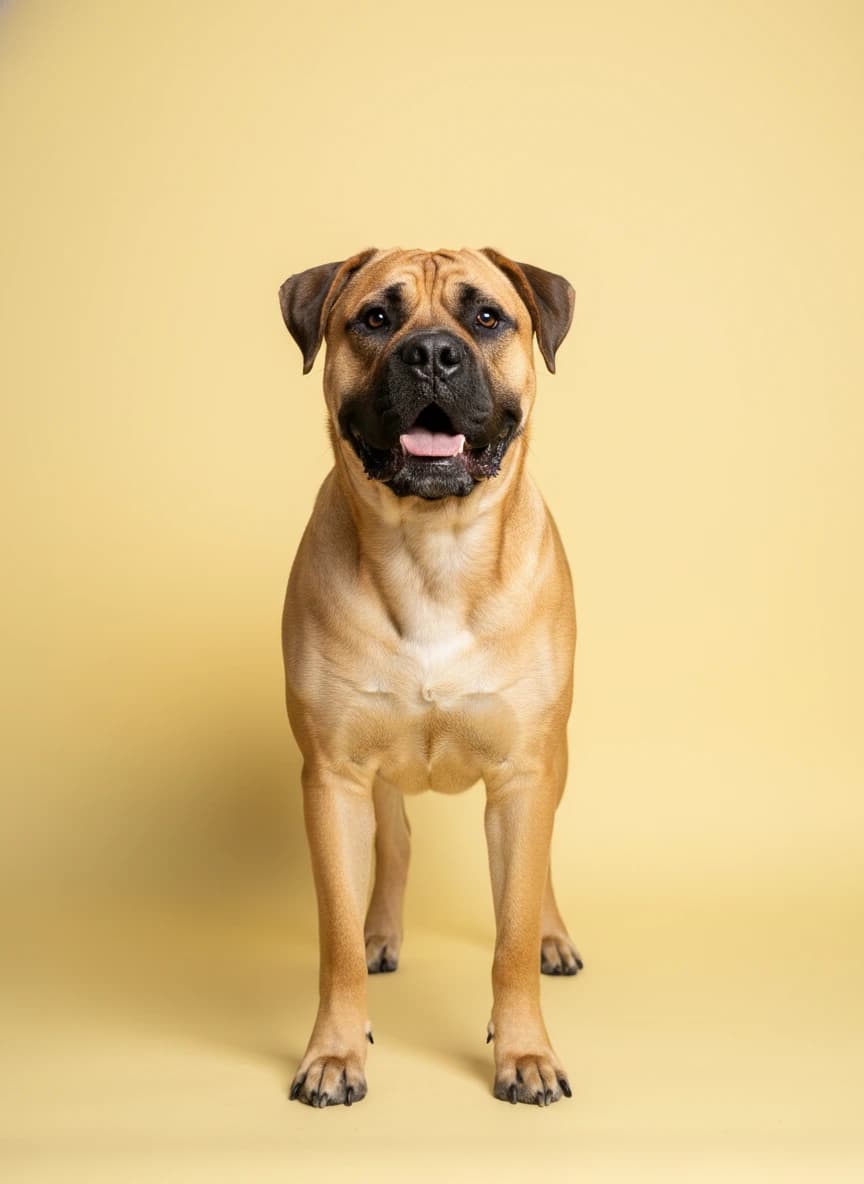
Aussi connue sous le nom: Deerhound
Écosse

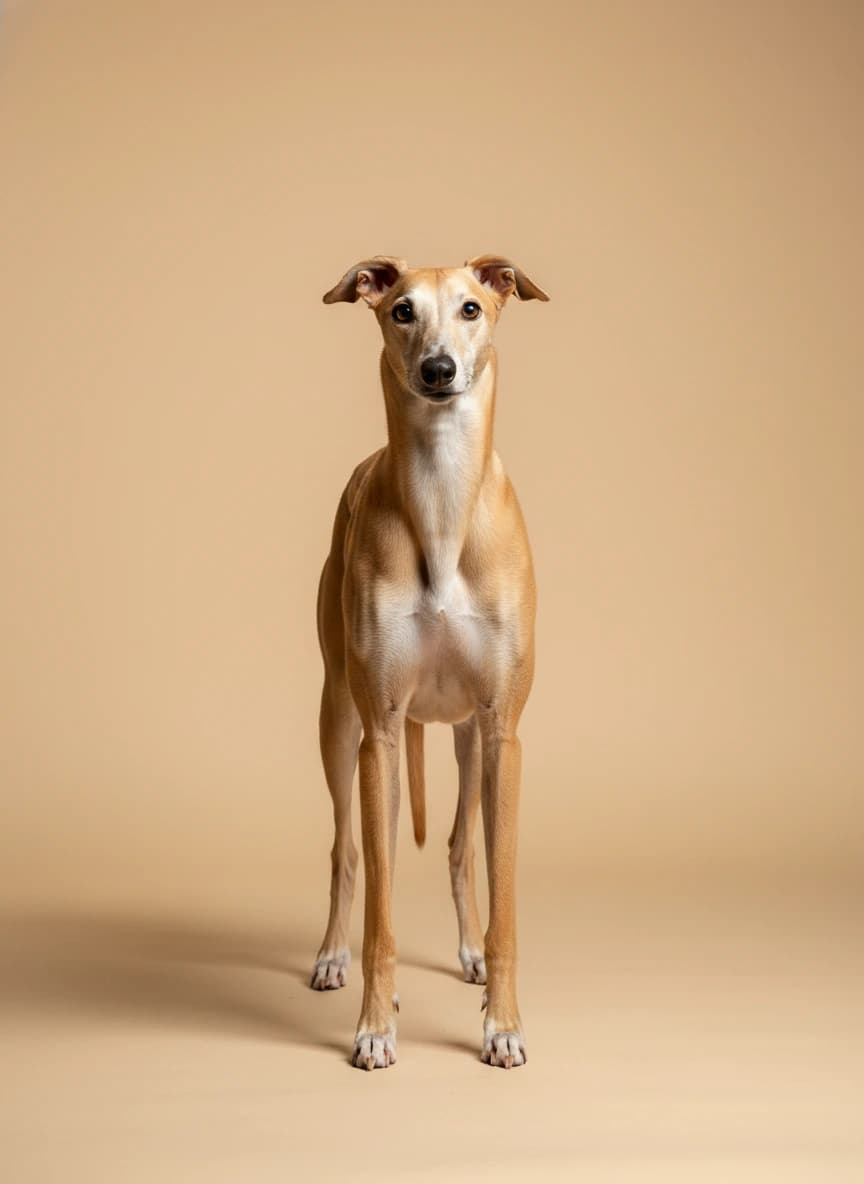
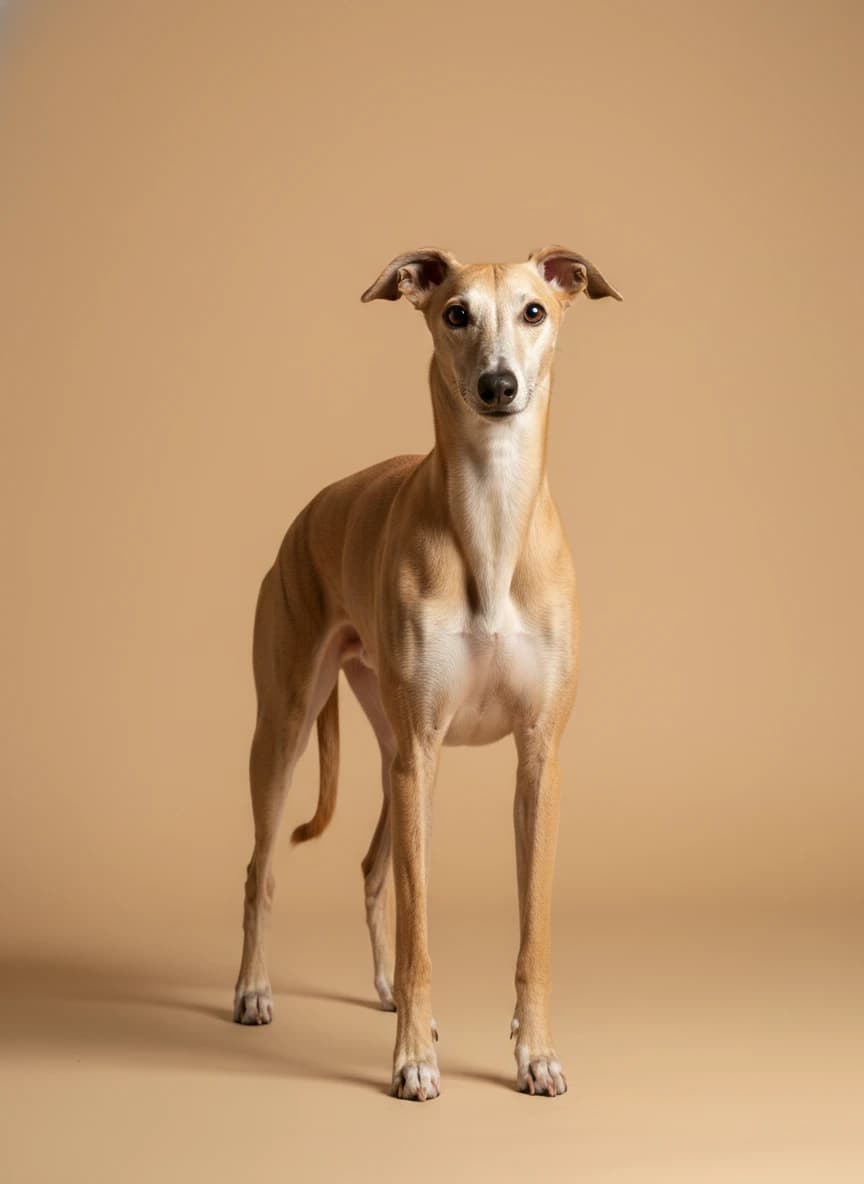
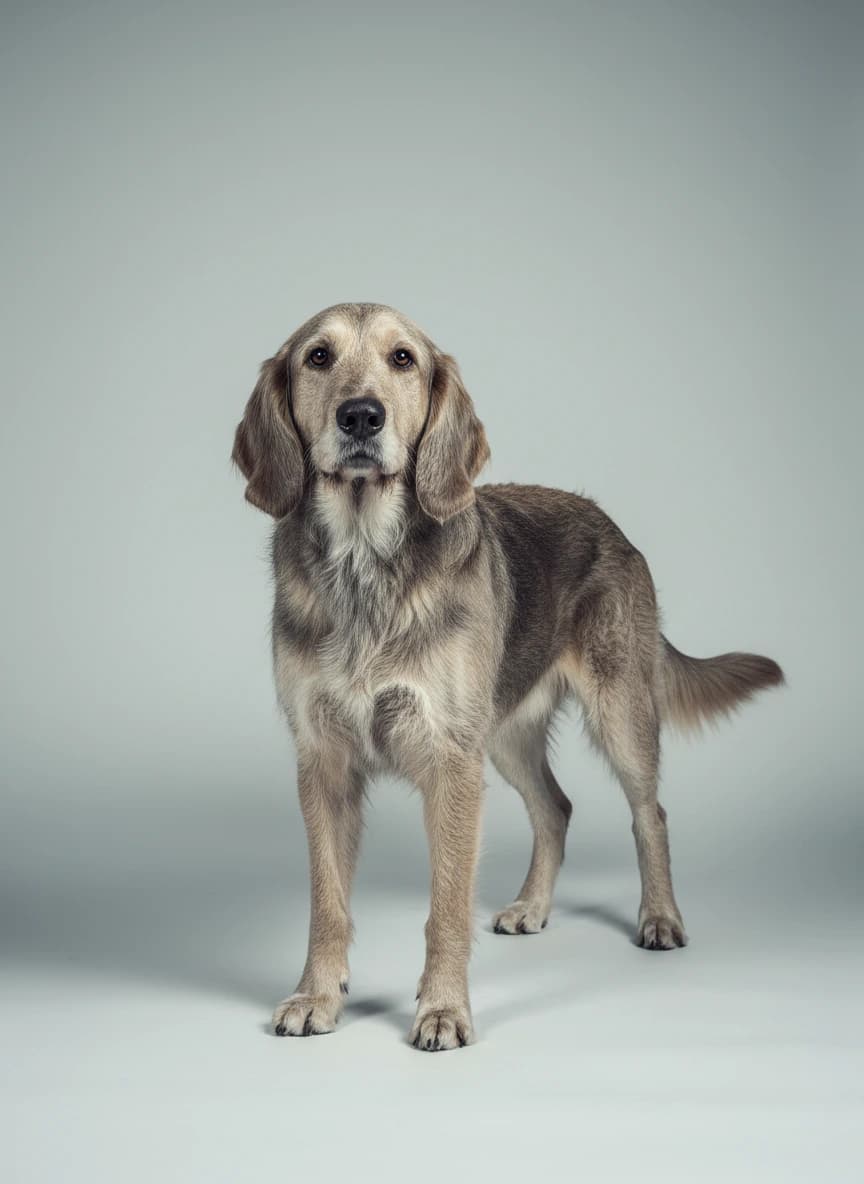
Le Scottish Deerhound est un géant doux, un mélange captivant de grâce dignifiée et de personnalité amusante. Leur connexion profonde avec leurs proches est inébranlable, formant des liens dévoués qui prospèrent dans la compagnie. Bien qu'ils possèdent un instinct de chasse indéniable, héritage de leur passé de traque des cerfs, ce sont des âmes remarquablement sensibles qui préfèrent un canapé confortable à une longue chasse si l'option leur est donnée. Ils portent un air de noblesse ancienne, mais sont souvent surpris par leur propre taille, affichant une maladresse charmante. Attendez-vous à une loyauté profonde, une observation silencieuse et des éclats de joie débridée.
Problèmes fréquents
Examens recommandés
Consulte ton vétérinaire de confiance pour un conseil propre à ton chien.
The Scottish Deerhound is a gentle giant marked by quiet dignity and surprising sensitivity. These dogs form deep, devoted bonds with their people and thrive on companionship, often preferring to be close to family rather than roaming independently. They possess an inherent prey drive from their heritage as deer stalkers, which can surface during outdoor activities. Despite their noble bearing and independent streak, Scottish Deerhounds tend to be observant and thoughtful rather than demanding. They display bursts of playful joy and endearing clumsiness, seemingly unaware of their considerable size. Their temperament balances aloofness with loyalty, making them contemplative companions who are nonetheless devoted to their chosen people.
Scottish Deerhounds respond well to training and tend to be eager to please their owners. They benefit from consistent, positive reinforcement and generally show good trainability. Exercise needs are moderate rather than excessive; these sighthounds appreciate a comfortable couch and do not require constant activity. They should have regular opportunities to move, but they often satisfy themselves with moderate daily exercise rather than demanding intense athletic pursuits. Their prey drive means secure fencing is important, and off-leash activities require careful consideration of their surroundings. Mental stimulation and companionship are often as valuable as physical exercise for this breed.
Scottish Deerhounds have low grooming needs, making them relatively easy to maintain. Their coat requires minimal professional grooming and routine brushing to keep it in good condition. Regular ear checks are advisable, as the breed can be prone to ear infections. Dental care and nail maintenance should be part of routine care. Their thin skin warrants attention to prevent pressure sores, particularly when they rest on hard surfaces for extended periods. Veterinary care should account for considerations specific to sighthounds, including anesthetic sensitivities.
Scottish Deerhounds tend to be calm, indoor-oriented companions who adapt well to home life. They form strong attachments to their families and generally prefer to remain close to their people. While they possess hunting instincts, many display a surprising contentment with lower-activity lifestyles when given the choice. They require adequate space befitting their size and benefit from a secure living environment. Their sensitive nature means they respond poorly to harsh treatment or chaotic households. They are observant and often form quiet bonds rather than demanding constant interaction, making them suitable for households that value companionship without constant engagement.
The Scottish Deerhound is well-suited for owners with some experience who can provide both space and devoted companionship. This breed thrives with families or individuals who value a calm, loyal presence and can offer secure living arrangements. They are best placed with owners who appreciate a dog that prefers comfort and company to endless activity. Potential owners should understand and manage their prey drive through secure fencing and careful off-leash practices. These gentle giants are ideal for those seeking a devoted, low-maintenance companion who forms deep bonds with their people, rather than an independently active or highly social dog. They suit households that provide stability, patience, and genuine affection.