Conosciuta anche come: Mastín del Pirineo
España
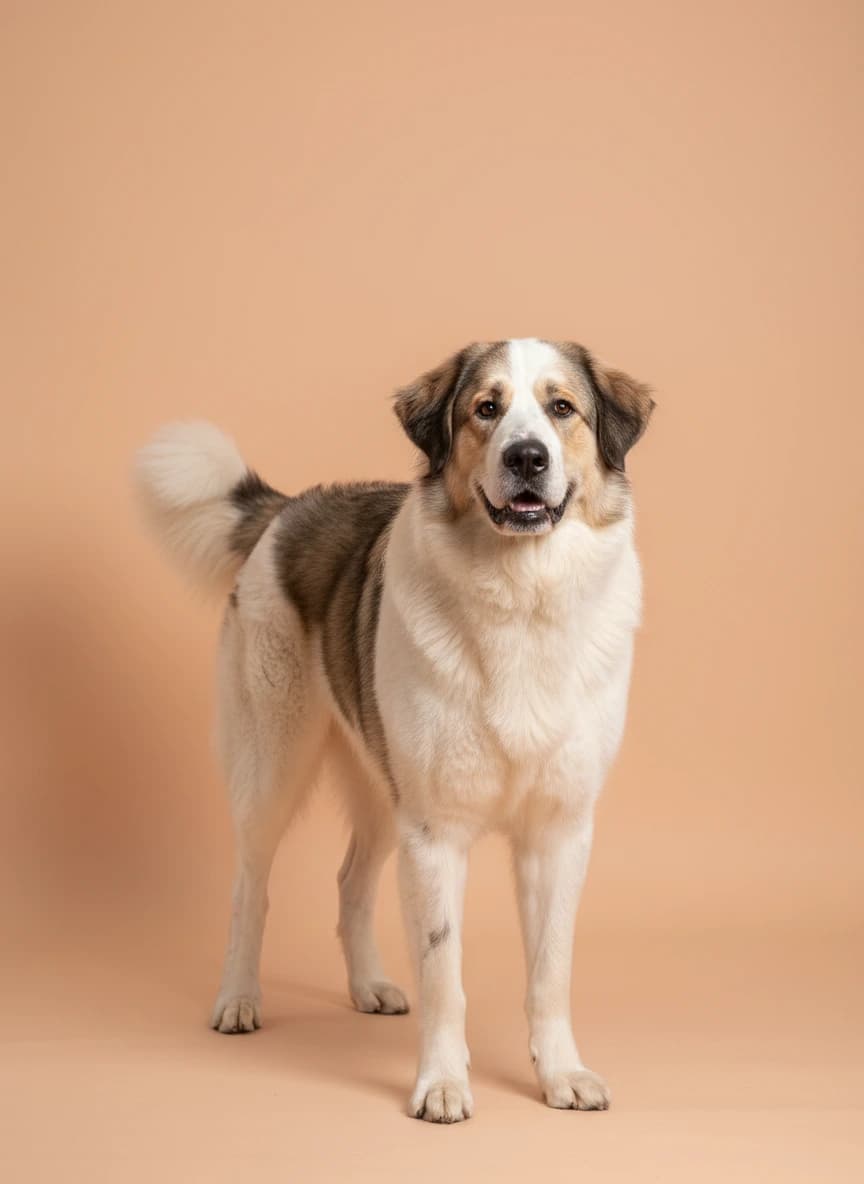
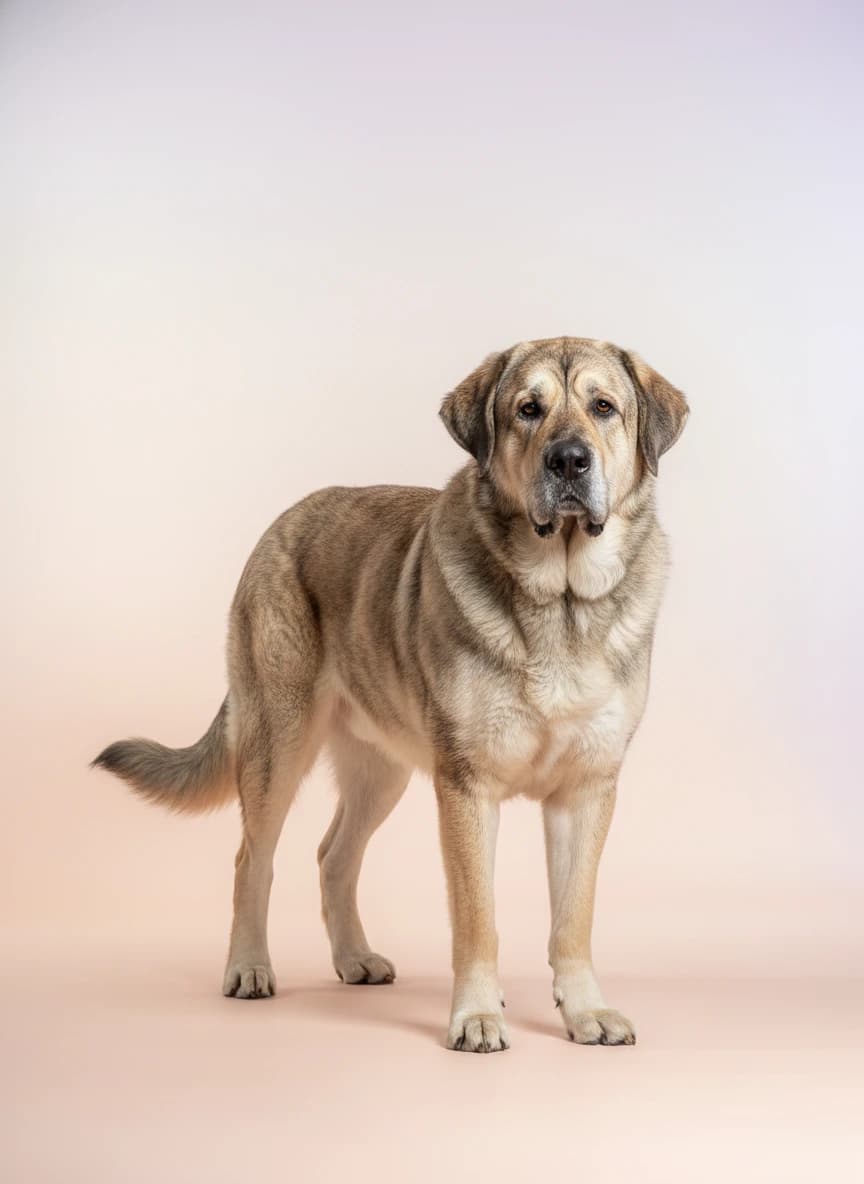
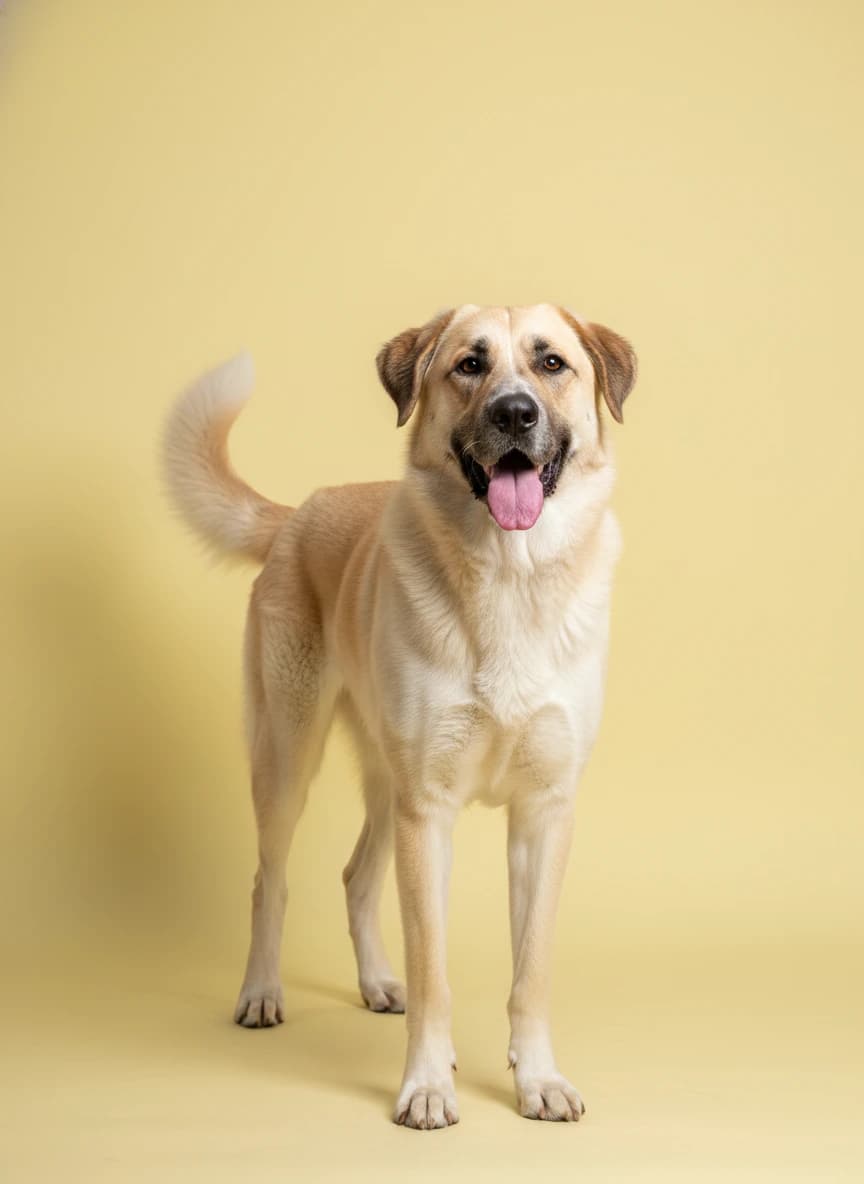
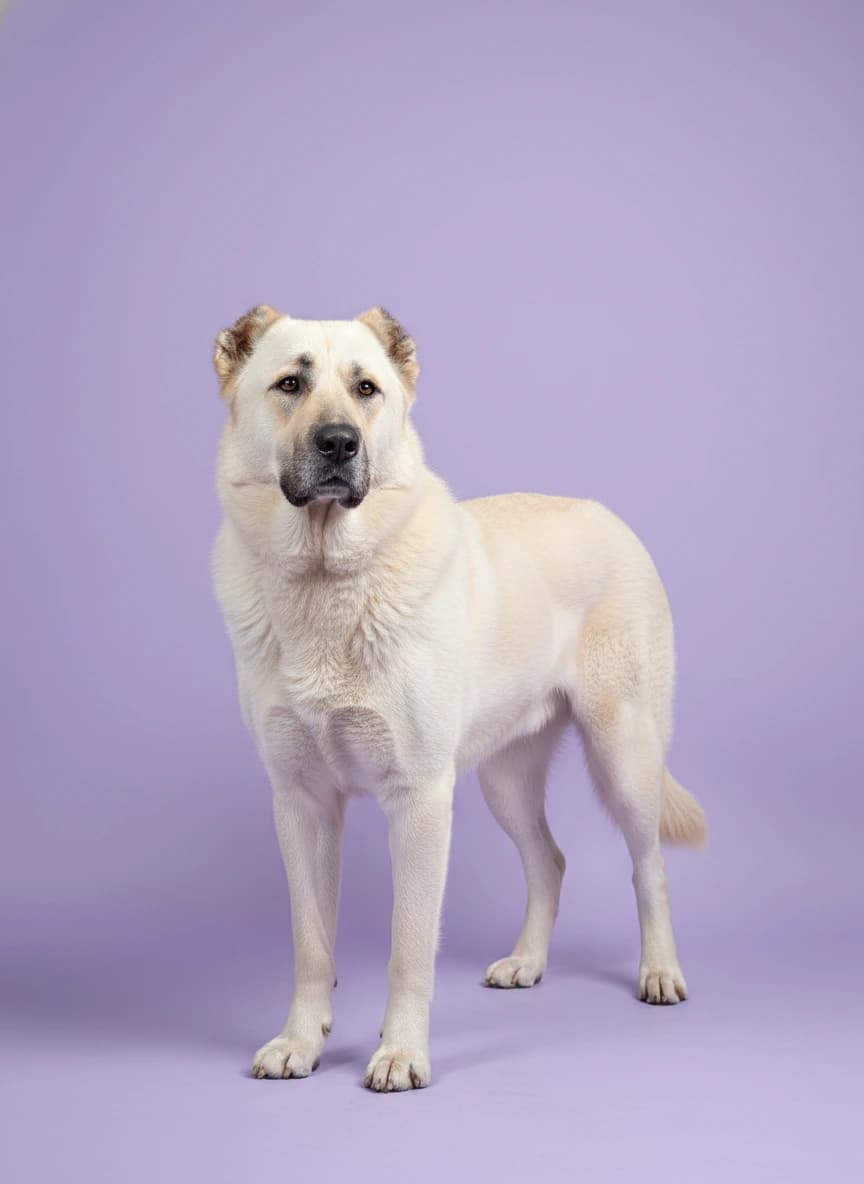
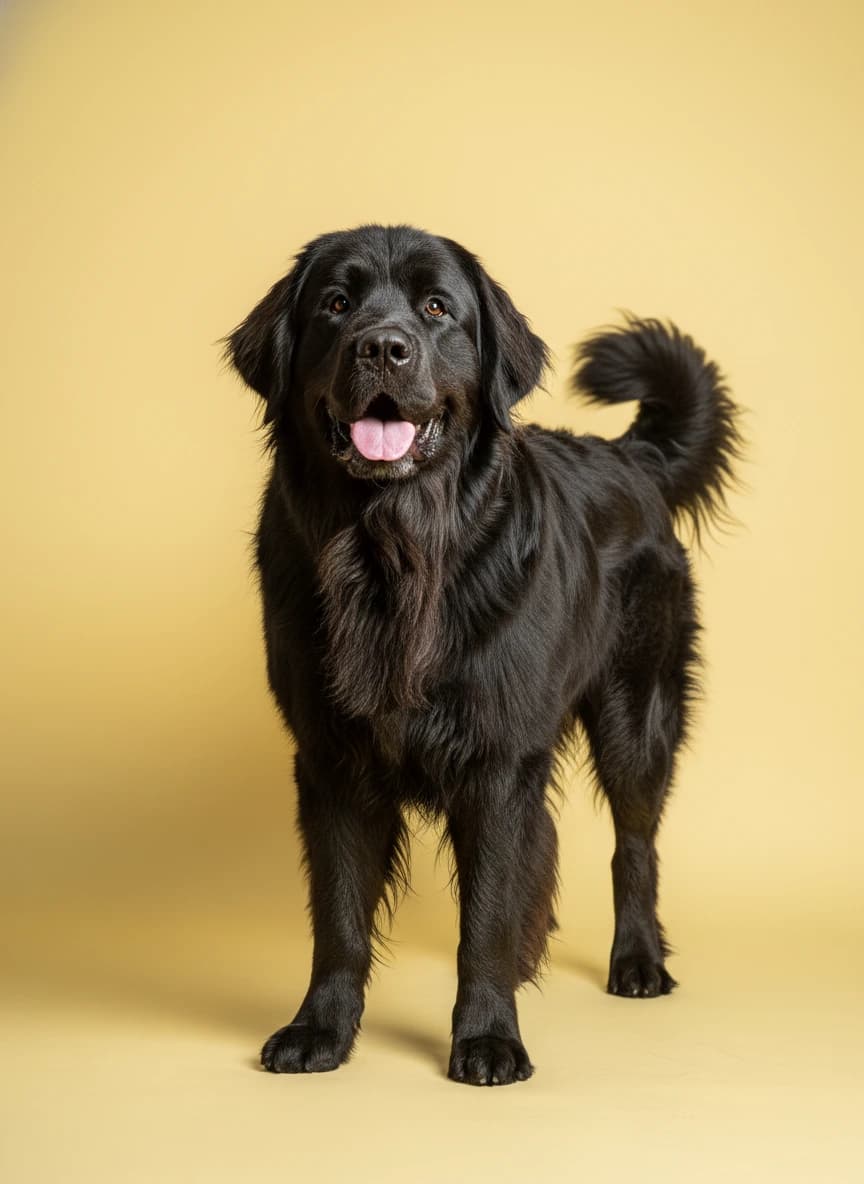
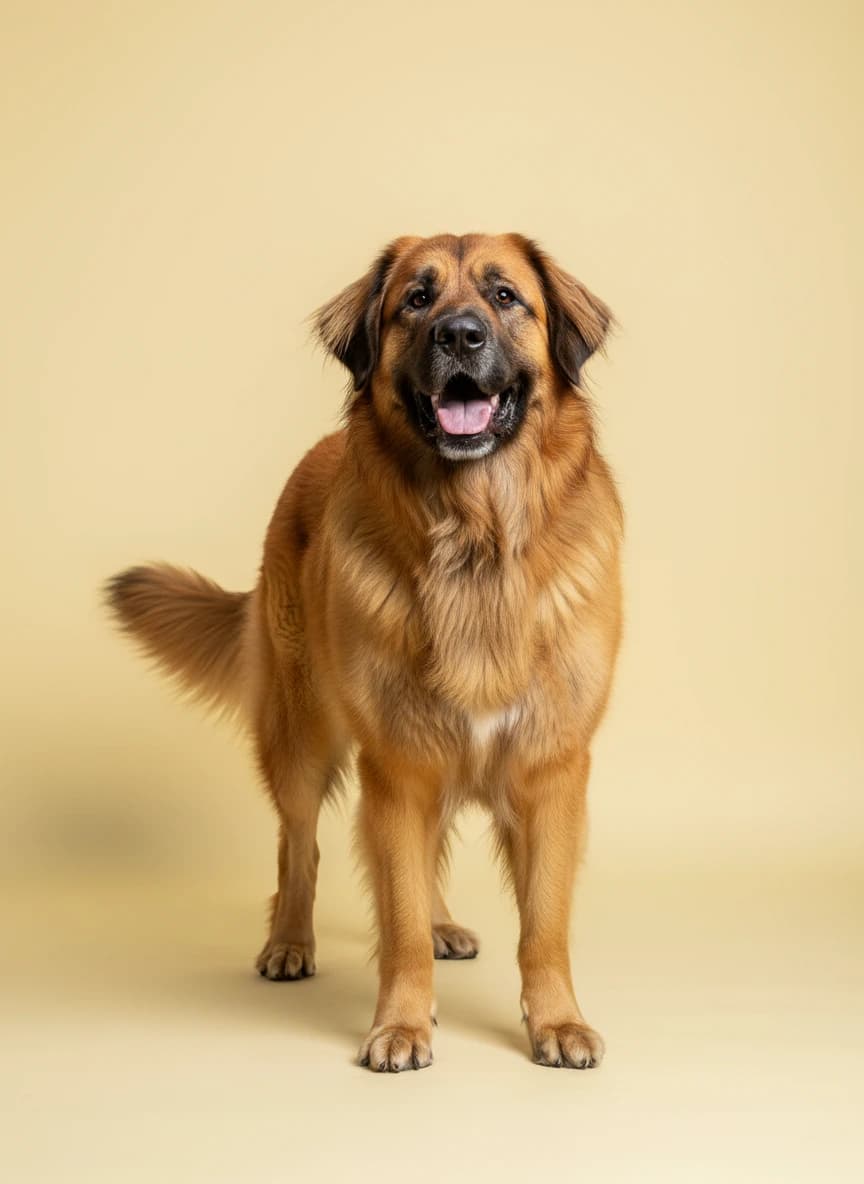
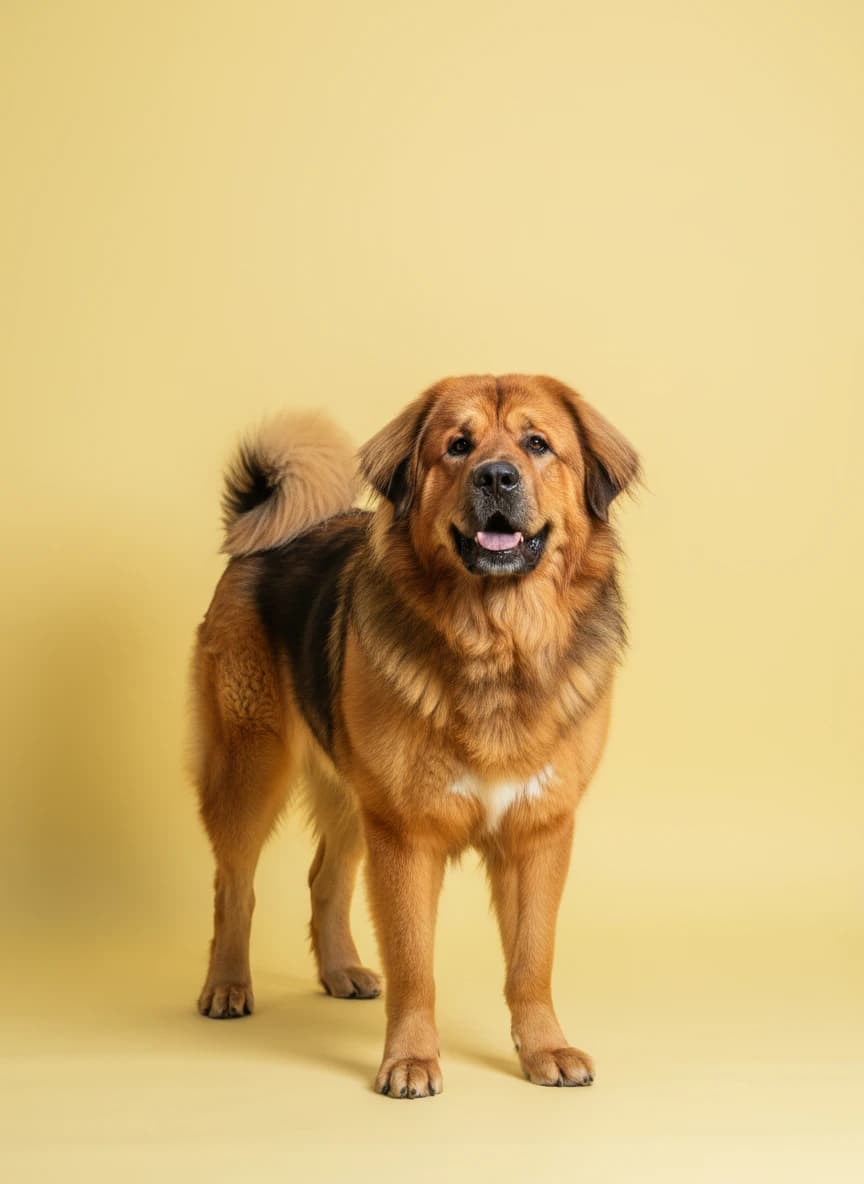
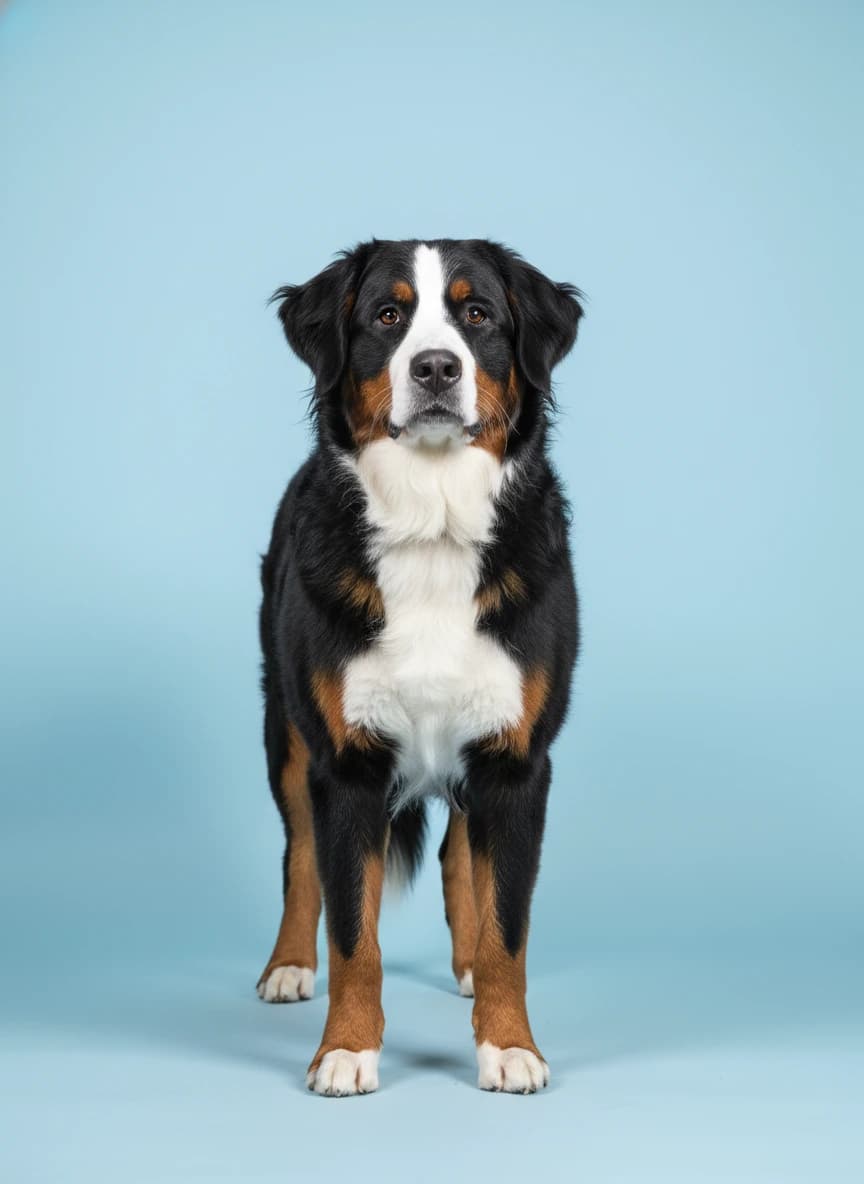
El Mastín del Pirineo es un gigante gentil, un compañero vigilante y devoto con una sorprendente calma dentro del hogar. Son profundamente sensibles y forman vínculos profundos con sus familias, a menudo siguiendo a sus seres queridos. Aunque imponentes por su tamaño, su verdadera naturaleza es la de un guardián paciente, herencia de sus antepasados protectores de montaña. No tienden a tener energía frenética, prefiriendo un trote majestuoso a una carrera desenfrenada, pero permanecen siempre atentos a su entorno. Su ladrido masivo es un elemento disuasorio formidable, utilizado ocasionalmente pero con eficacia cuando perciben una amenaza. La vida con un Mastín del Pirineo significa una presencia constante y reconfortante, y lealtad inquebrantable.
Problemi frequenti
Controlli consigliati

Consulta il tuo veterinario di fiducia per un consiglio specifico per il tuo cane.
The Pyrenean Mastiff is a gentle giant with a calm, steady demeanor despite their imposing size. They are deeply sensitive and form profound bonds with their families, often remaining close to their loved ones throughout the day. Originally bred to protect livestock in mountainous terrain, they retain their watchful nature and protective instincts. While not prone to frantic energy, preferring measured movement to constant activity, they remain ever-aware of their surroundings. Their massive bark serves as a formidable deterrent and is typically used sparingly but effectively when they perceive a threat. Life with a Pyrenean Mastiff centers on their constant, reassuring presence and unwavering loyalty.
Pyrenean Mastiffs have moderate exercise needs and tend to prefer a stately trot to vigorous activity. They benefit from consistent, patient training approaches that respect their sensitive nature. Early socialization and obedience work help channel their protective instincts appropriately. While not hyperactive, they should have regular opportunities for movement and mental engagement. Their guardian heritage means they naturally monitor their environment, so training should establish clear boundaries about when barking is appropriate. These dogs respond best to experienced handlers who understand their independent yet devoted temperament.
Pyrenean Mastiffs have low grooming needs relative to their size. Their double coat sheds seasonally and benefits from regular brushing during these periods to manage loose hair. Routine maintenance includes nail trimming, ear checks, and dental care. Their large size means attention to joint and bone health through appropriate exercise and nutrition is important. As a deep-chested breed, monitoring their feeding practices—such as avoiding large meals before or after vigorous activity—is advisable. Regular veterinary check-ups help monitor for health concerns common in large guardian breeds.
Pyrenean Mastiffs require adequate space and do best in homes where they can move comfortably and observe their surroundings. They are calm indoors relative to their size, but their need for space makes them better suited to homes with yards rather than small apartments. They shadow their families and thrive on close companionship, struggling with prolonged isolation. Their protective nature means they may be naturally wary of strangers, though early socialization helps them discern between normal visitors and genuine threats. They are suited to experienced owners who understand large guardian breed behavior and can provide confident, consistent leadership.
The Pyrenean Mastiff is ideal for experienced dog owners with spacious homes who appreciate a devoted, protective companion. They suit households that value calm, steady presence over high energy. These dogs are best matched with owners who can commit to their space needs, understand their protective instincts, and have the strength to handle a large dog safely. They are suited to quiet, stable environments rather than chaotic or highly transient situations. Prospective owners should be prepared for their imposing size, their natural wariness of strangers, and their deep need for family companionship. They are a long-term commitment requiring patient, knowledgeable stewardship.