Conosciuta anche come: Mastín Español, Mastín de España, Mastín Leonés
España
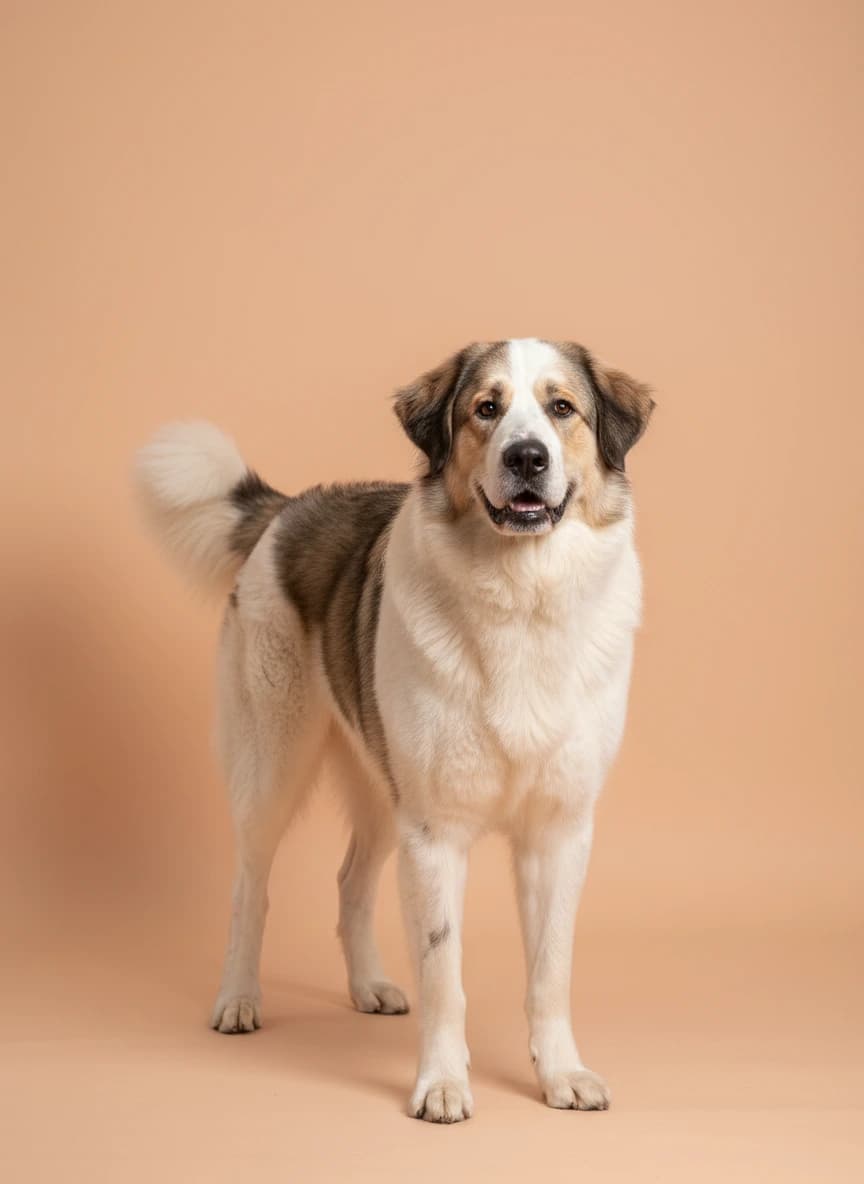
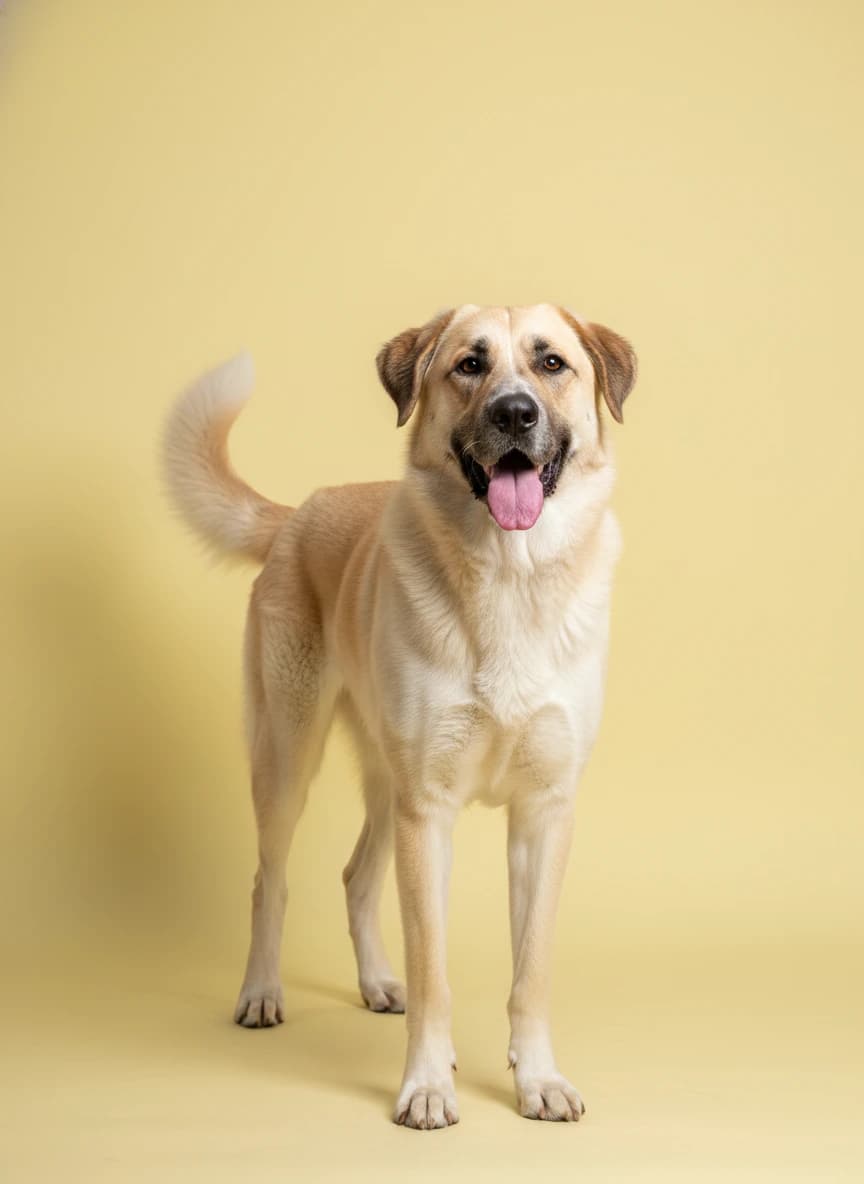
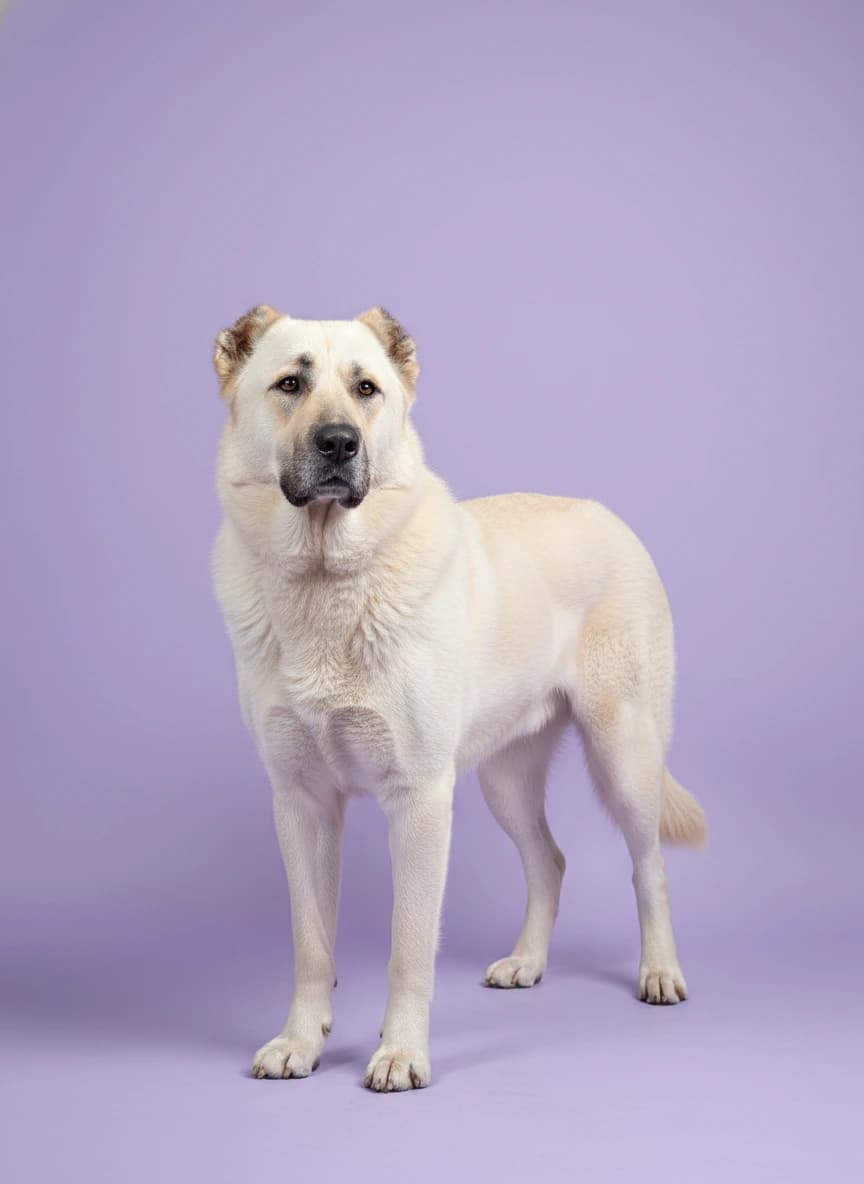
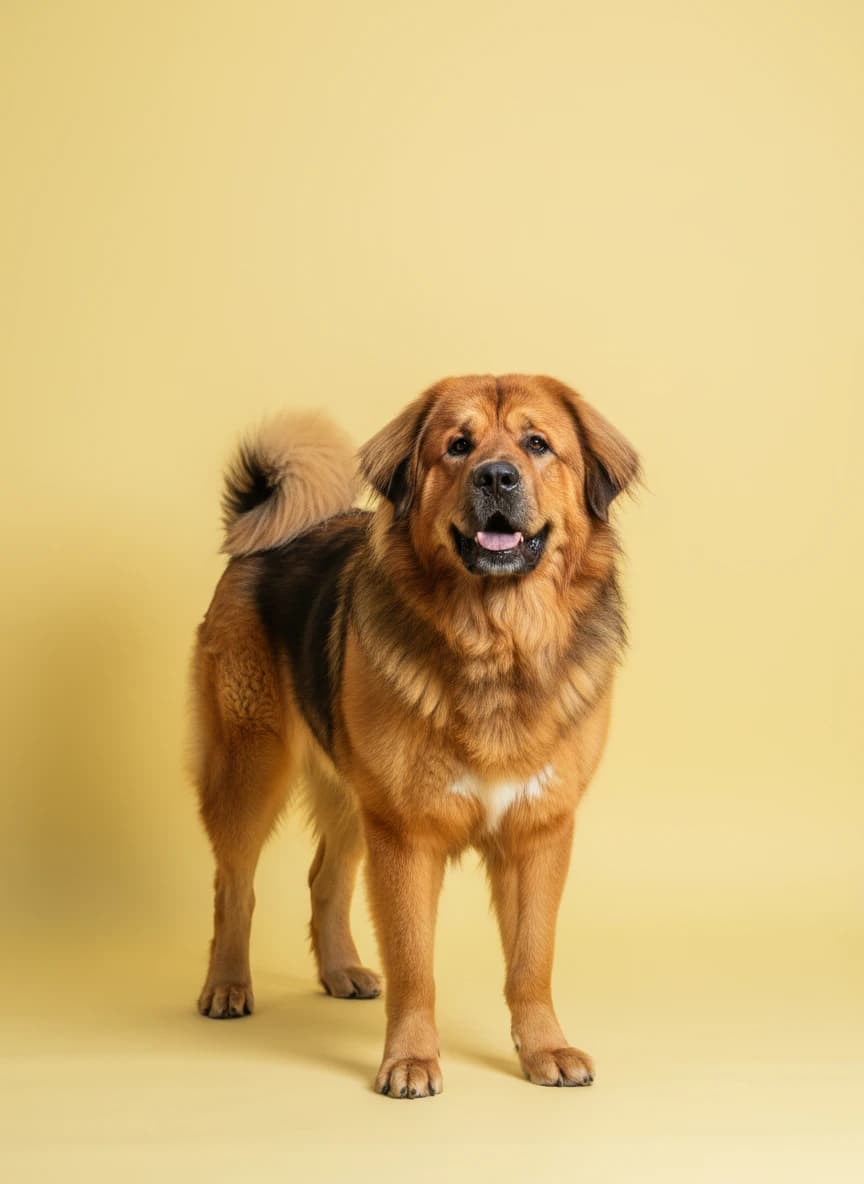
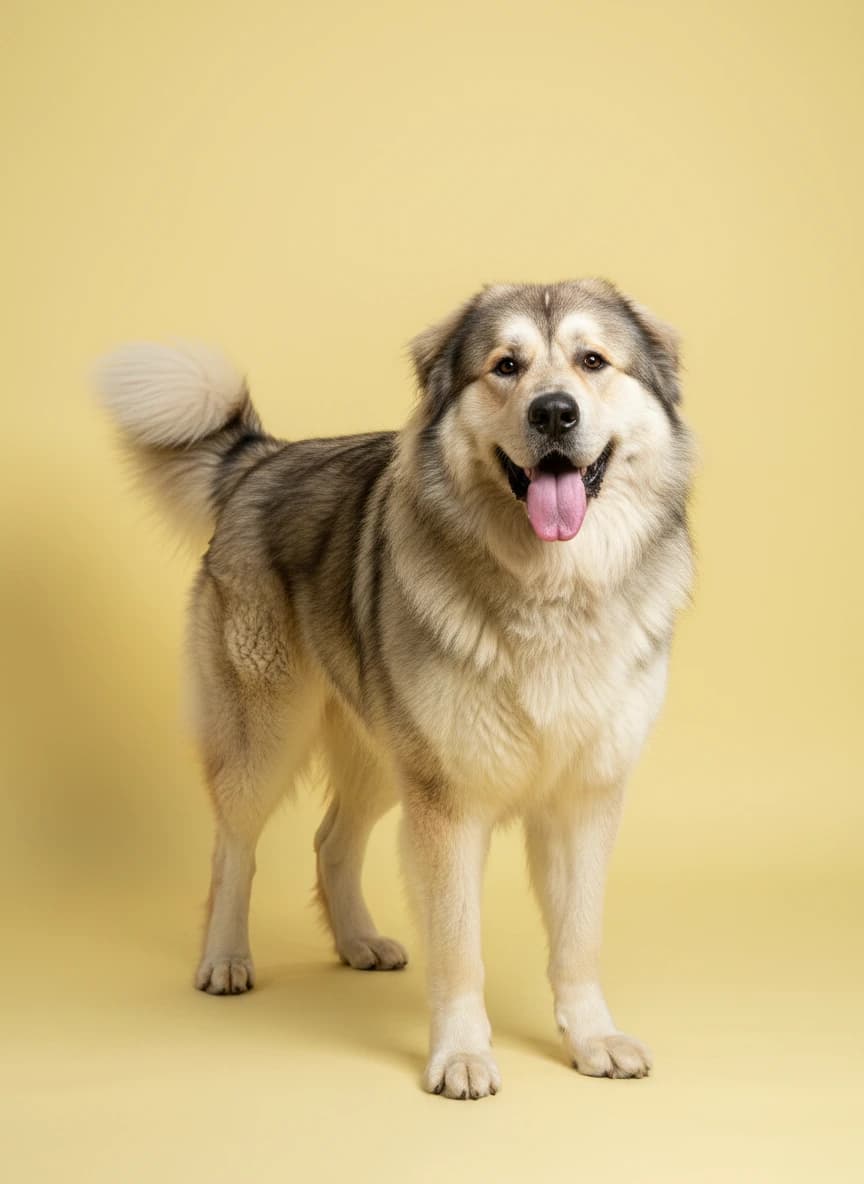
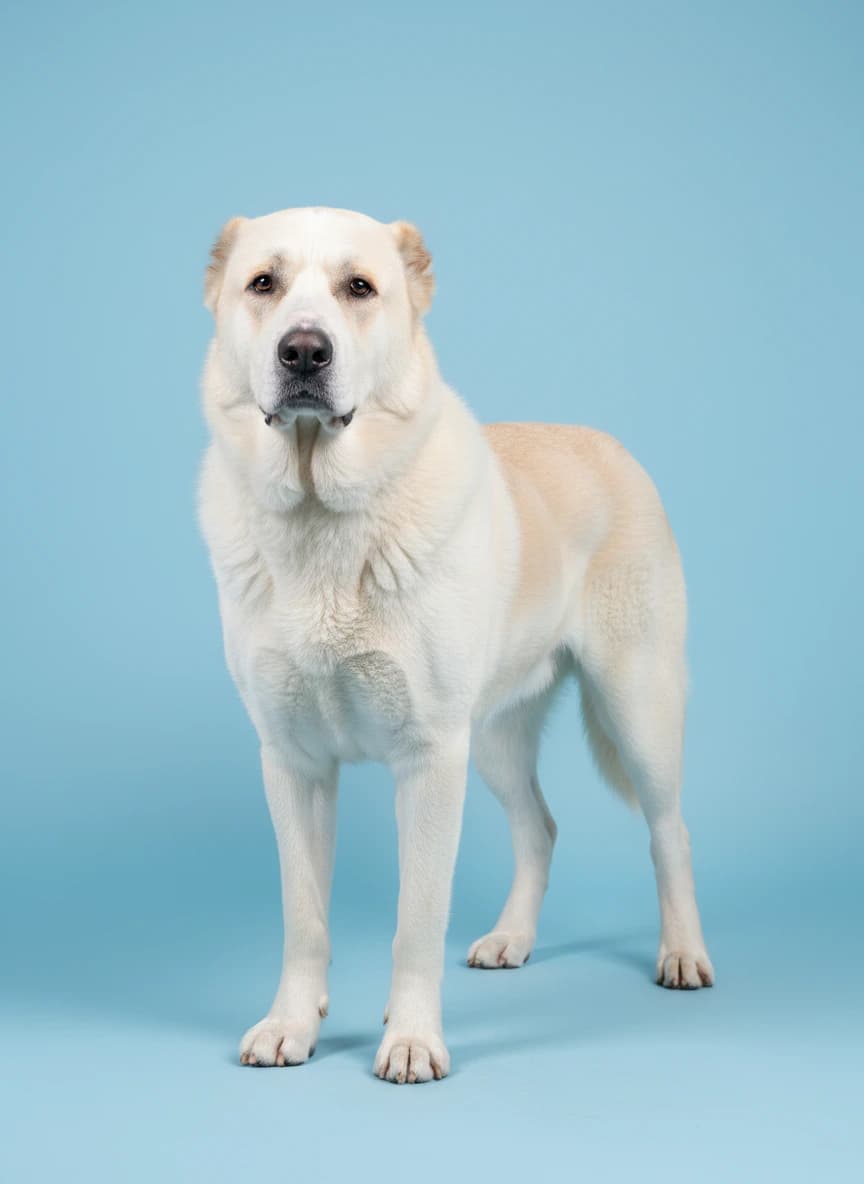
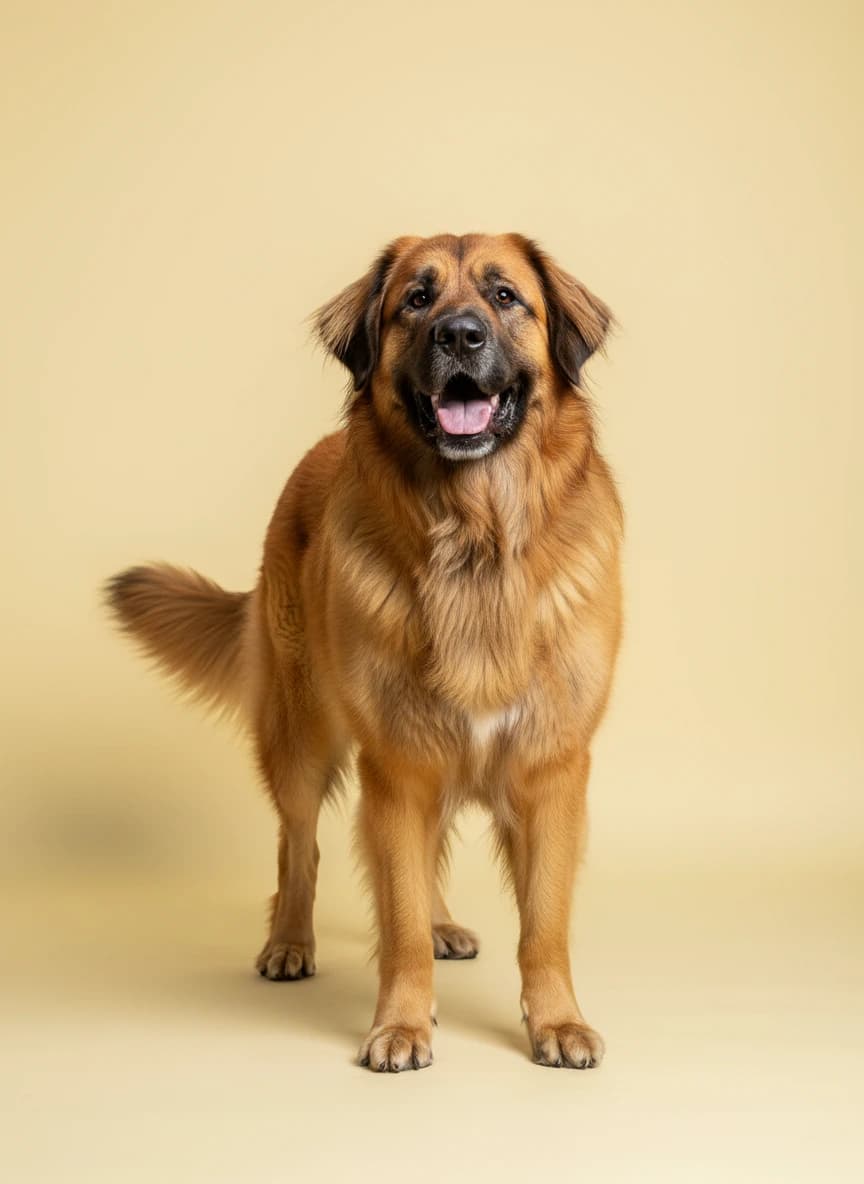
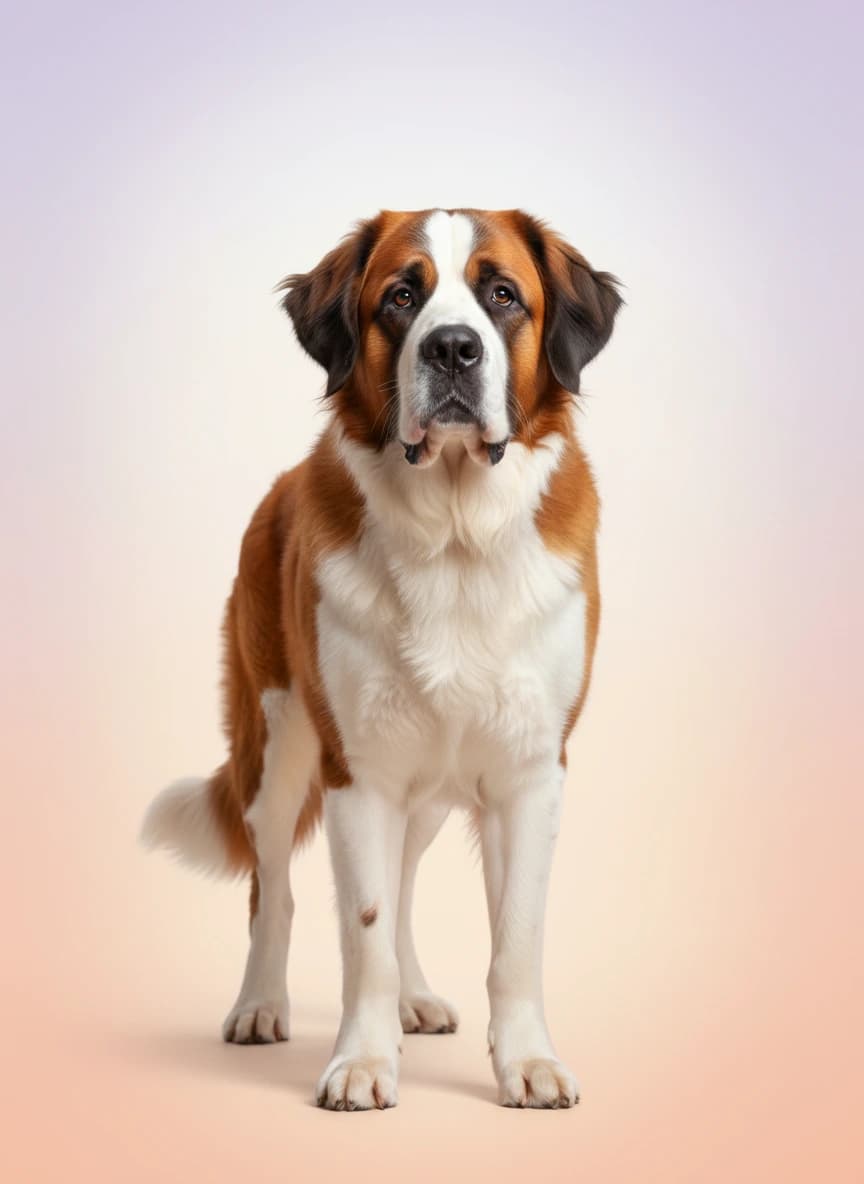
El Mastín Español es un gigante gentil con un corazón tan vasto como las llanuras que antaño custodiaba. Sus instintos protectores están profundamente arraigados, fruto de siglos protegiendo ganado contra lobos; hoy en día, esto se manifiesta como una devoción inquebrantable hacia su familia. Son compañeros tranquilos y vigilantes, que frecuentemente prefieren montar guardia desde un lugar cómodo en lugar de juegos ruidosos. Sin embargo, un ladrido profundo y resonante sirve como un poderoso disuasivo ante amenazas percibidas. Aunque afectuosos con su gente elegida, poseen una vena independiente, convirtiéndolos en pensadores más que en perros ansiosos por complacer.
Problemi frequenti
Controlli consigliati
Consulta il tuo veterinario di fiducia per un consiglio specifico per il tuo cane.
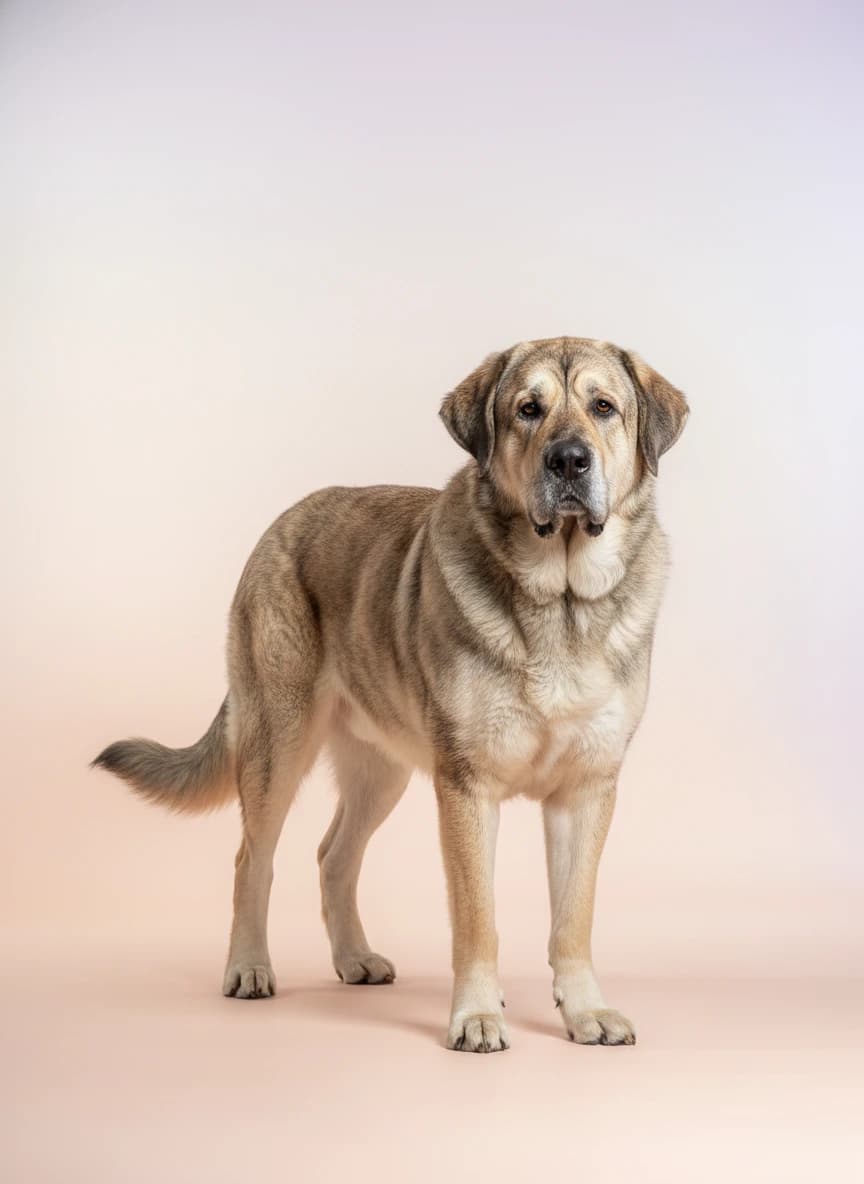
The Spanish Mastiff is a gentle giant shaped by centuries of livestock guardian work. These dogs tend to be calm, watchful, and devoted to their families, displaying a natural protective instinct without requiring constant stimulation. They are thinkers with an independent streak, rather than eager-to-please performers. While affectionate with their chosen people, they often prefer to settle into a comfortable spot to observe their surroundings. Their deep, rumbling bark serves as a powerful deterrent to perceived threats, reflecting their heritage as guardians against predators. The breed typically exhibits a steady, confident demeanor balanced with genuine gentleness toward those they trust.
Spanish Mastiffs have moderate exercise needs and benefit from daily walks and opportunities to move at a comfortable pace. They are not high-energy dogs, but regular activity supports their physical and mental well-being. Training requires patience and consistency, as the breed's independent nature means they are less motivated by a desire to please and more inclined to think through tasks themselves. Early socialization is valuable, and training methods work best when they respect the dog's dignity and intelligence. These dogs tend to respond better to calm, confident guidance than to repetitive drills. Mental stimulation through varied experiences often matters more to them than intensive physical exertion.
Spanish Mastiffs have low grooming needs, though regular brushing helps manage shedding and keeps their coat in good condition. They are relatively straightforward to maintain compared to many giant breeds. Routine care should include nail trimming, ear checks, and dental attention. Because of their deep-chested conformation, it is wise to discuss with a veterinarian prevention strategies and early warning signs related to gastric health. Owners should also be aware of potential orthopedic considerations common in large guardian breeds, particularly as dogs age. Their calm disposition makes routine care and veterinary visits generally manageable.
Spanish Mastiffs need adequate space to move comfortably and thrive in homes where they can observe their environment without feeling confined. They are not suited to apartment living or very small yards. These dogs tend to adapt well to family life and form strong bonds with their people, though their independent streak means they are content to spend much of their day resting nearby rather than constantly engaging. Their protective instincts, combined with their size and powerful bark, make them natural deterrents to unwanted visitors. Early exposure to various people, environments, and experiences supports balanced behavior. The breed's calm demeanor generally makes them manageable housemates, though their guardian heritage means they naturally monitor their surroundings.
The Spanish Mastiff is best suited to experienced dog owners who appreciate the breed's independent, thoughtful nature and can provide ample space. These are not dogs for owners seeking a highly obedient, people-pleasing companion or those living in confined spaces. Prospective owners should be prepared for a dog with genuine protective instincts and the size and strength to back them up. The breed requires commitment to proper socialization, patient training, and awareness of potential health considerations in large guardians. They are ideal for people who value a calm, devoted companion that bonds deeply with their family while maintaining an air of dignified independence. These dogs reward owners who respect their intelligence and steady temperament rather than trying to mold them into something they are not.