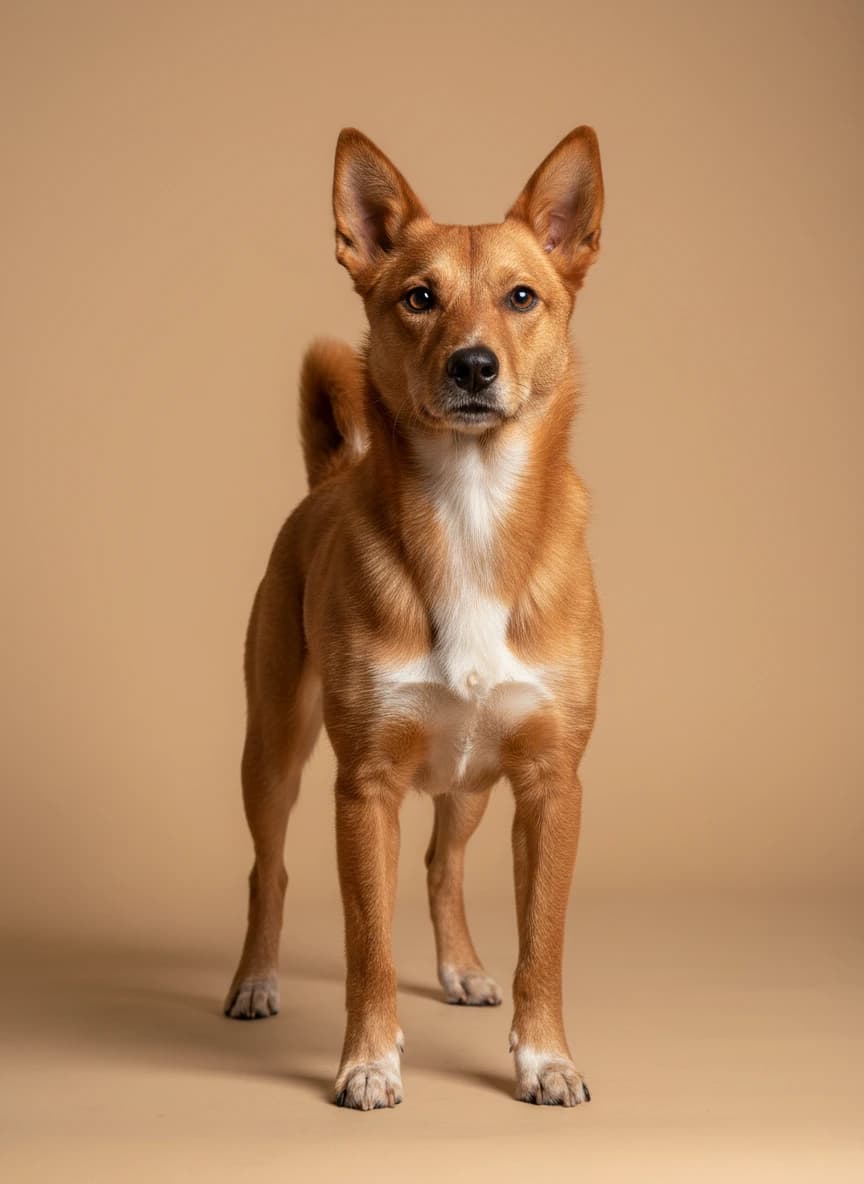
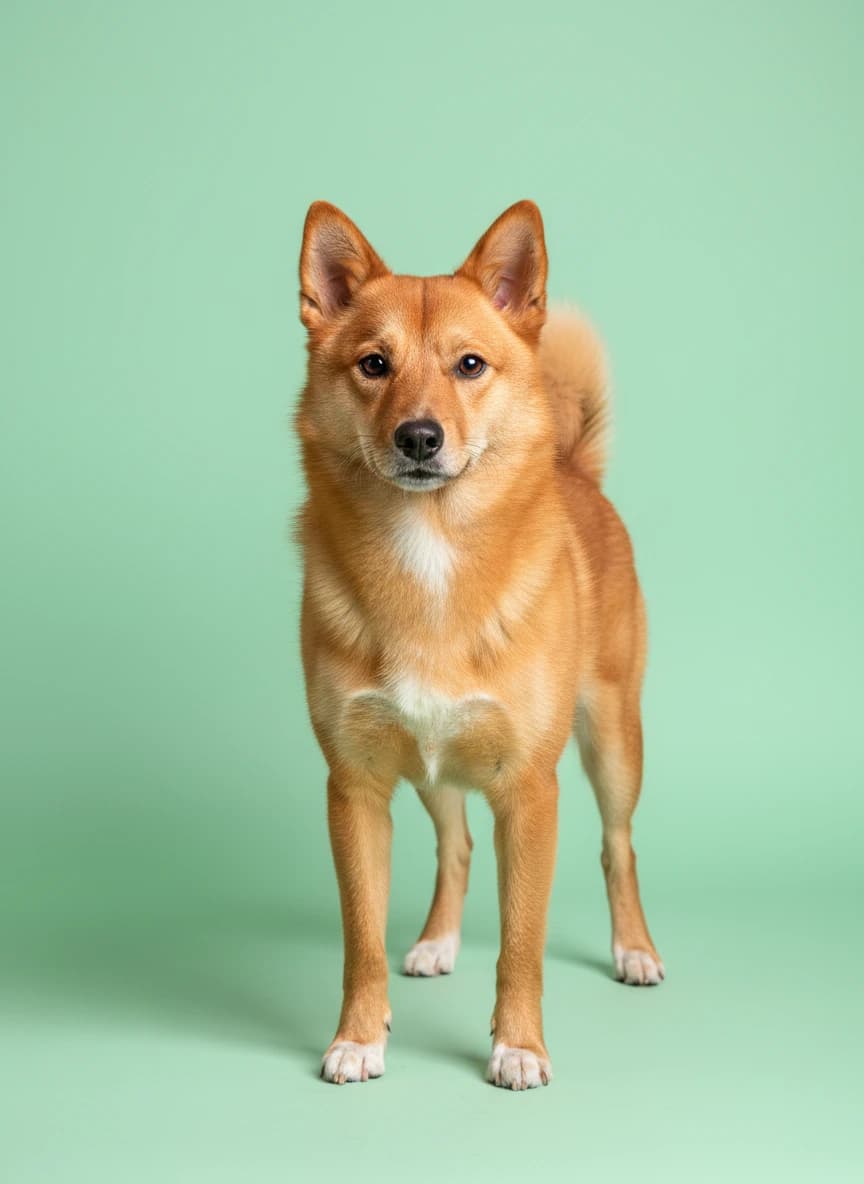
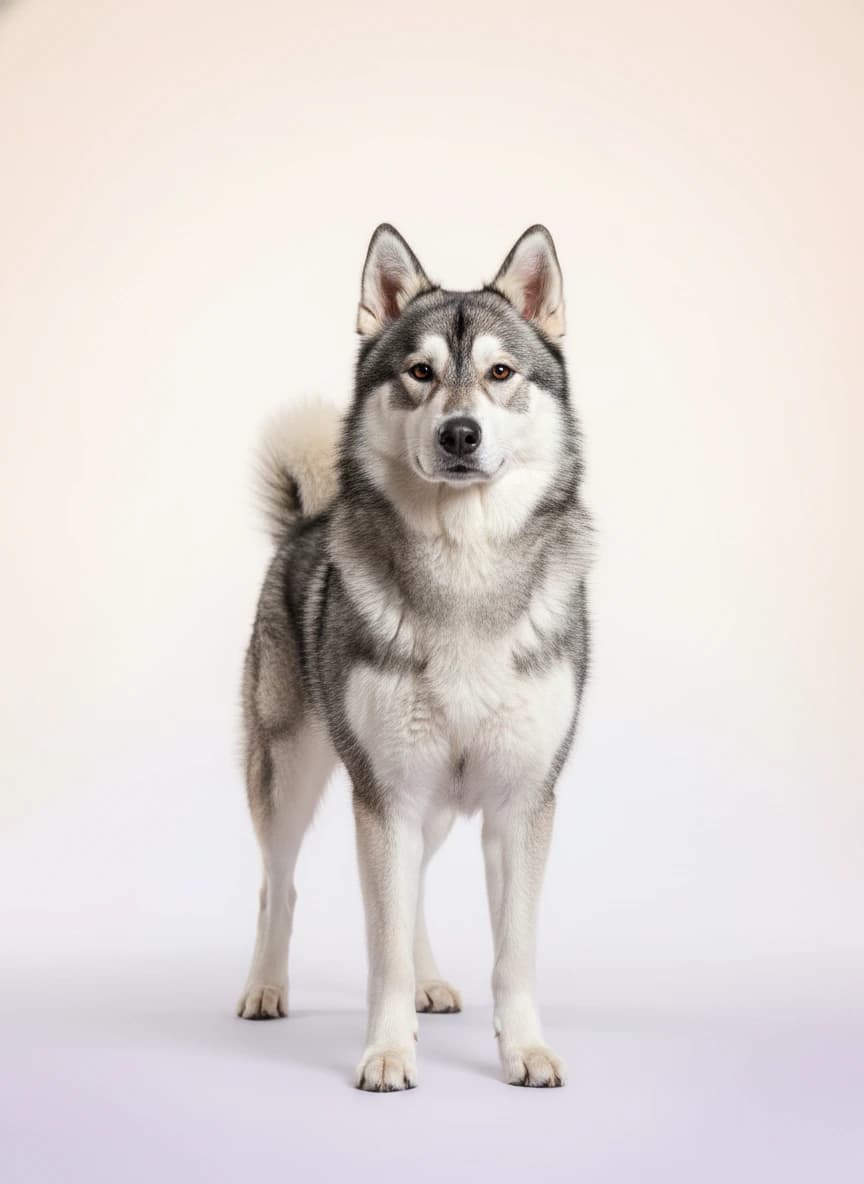
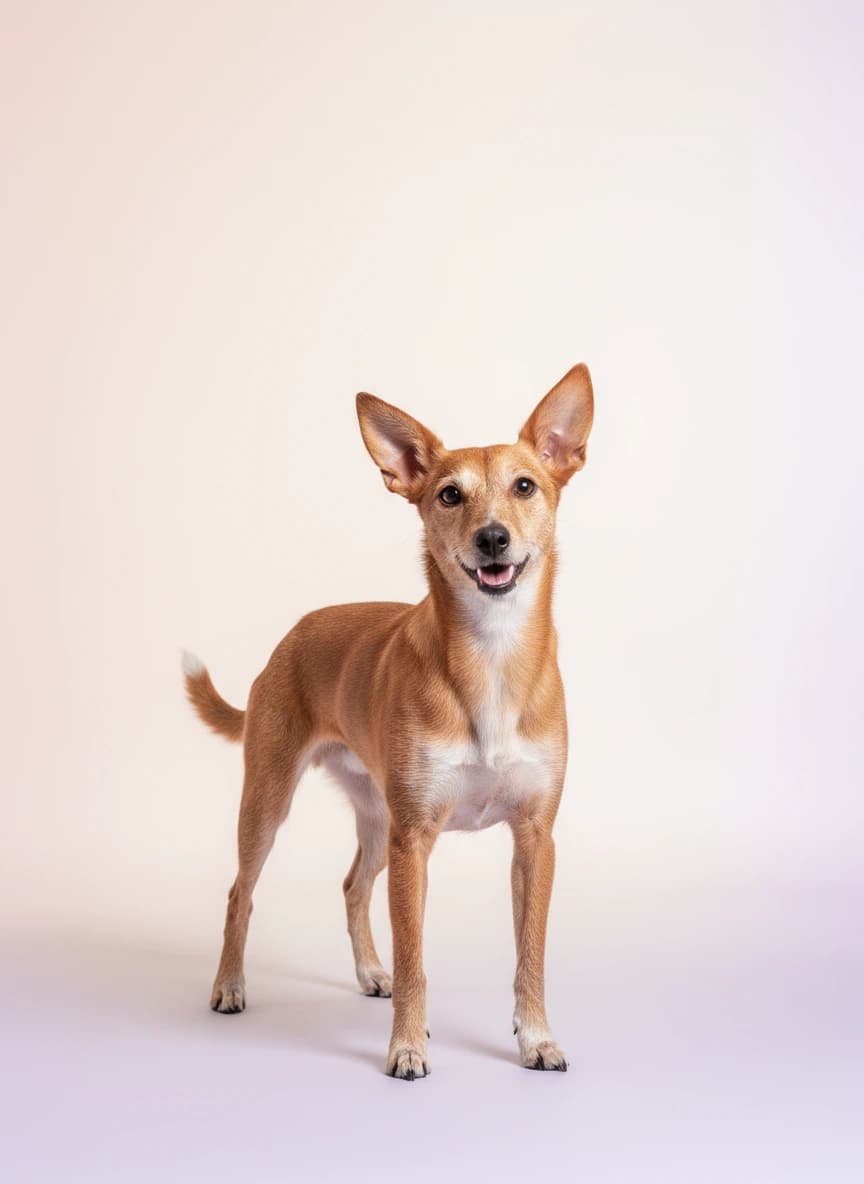
Ook bekend als: Lapinporokoira, Laplandse rendierenhond, Laplandse rendierenhond

Finland
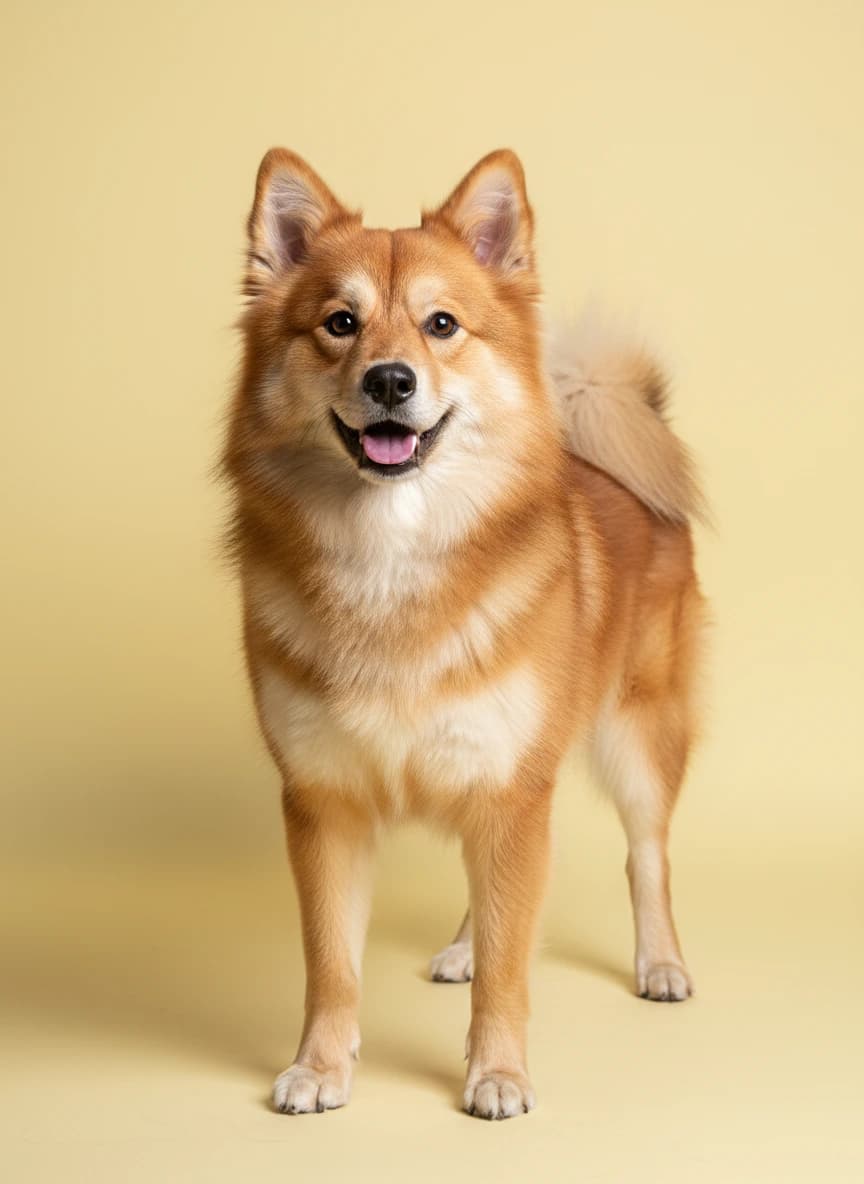
De Laplandse Herder is een raadselachtige hond: rustig binnenshuis, maar een explosie van geconcentreerde energie buiten. Hun erfenis als rendierherders komt tot uiting in hun voortdurende bewustzijn van hun omgeving en hun diepe gehechtheid aan hun menselijke "kudde". Dit intelligente ras gedijt goed met een taak, zelfs als het alleen maar het leren van nieuwe trucs of het begeleiden van een actief gezin op avonturen is. Ze vormen diepe, loyale banden, vaak volgende hun favoriete persoon, en hebben een verrassend zachte, genegenheid nature onder hun robuuste uiterlijk. Hun onafhankelijke aard betekent echter dat ze consistente begeleiding nodig hebben om hun medewerkingswil effectief in te zetten.
Veelvoorkomende problemen
Aanbevolen onderzoeken
Vraag je vertrouwde dierenarts om advies dat bij jouw hond past.
The Lapponian Herder presents a striking contrast between their calm, composed demeanor indoors and their intense, focused energy when outdoors. Originally developed as reindeer herders across northern Lapland, this breed retains their heritage through constant environmental awareness and a profound attachment to their human family—viewing them as a flock to protect and follow. Lapponian Herders form deep, loyal bonds with their people, often shadowing their favorite person throughout the day. Beneath their hardy, muscular exterior lies a surprisingly gentle and affectionate nature. Their alert temperament and independent streak reflect their working background, making them thoughtful decision-makers who require consistent, clear guidance to channel their capable, biddable spirit effectively.
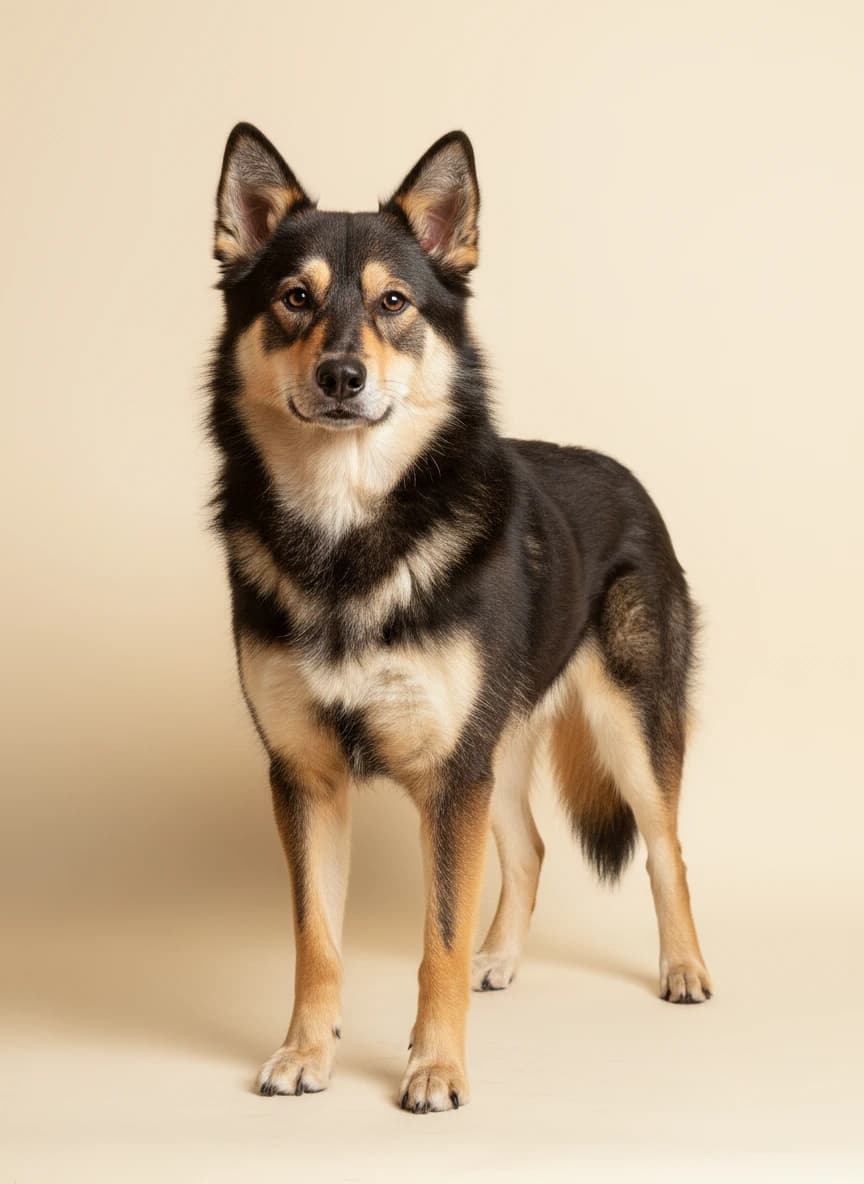
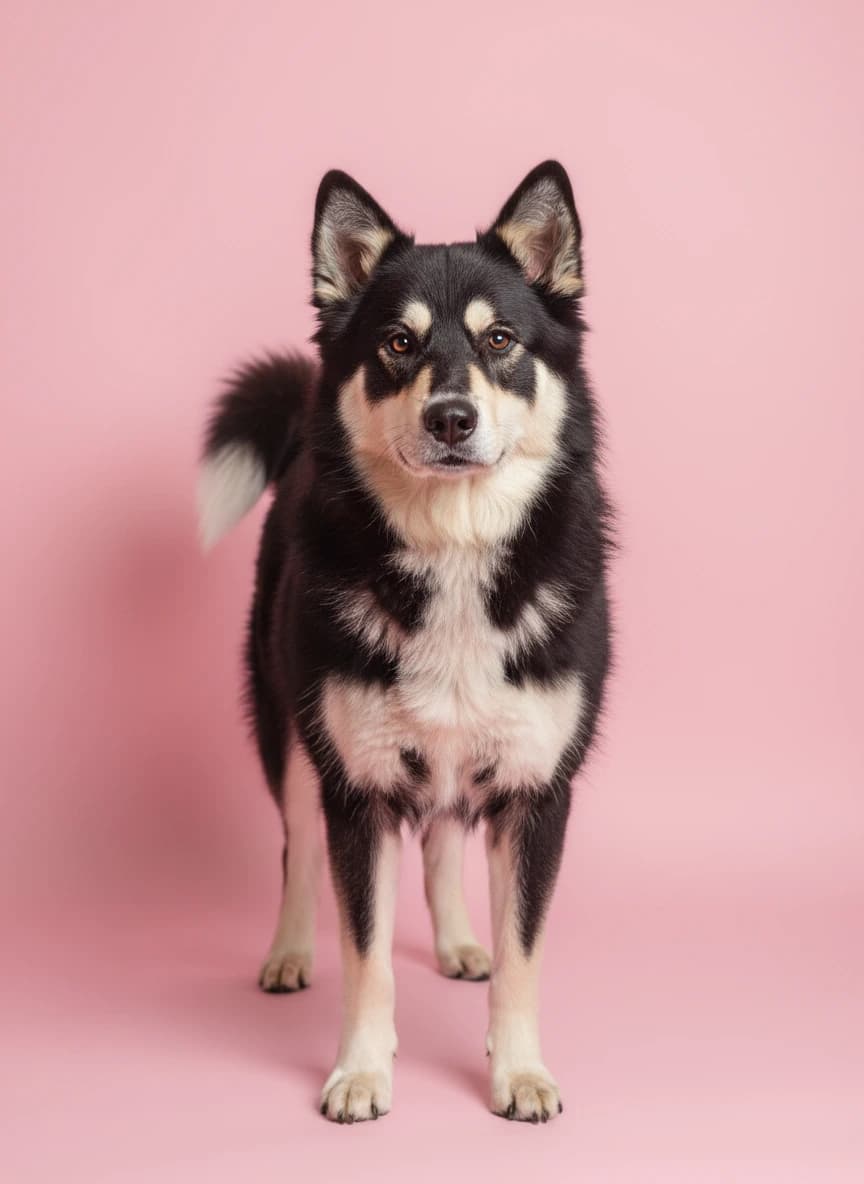
Lapponian Herders require substantial daily exercise to satisfy their high energy levels and working drive. These intelligent dogs thrive when given a job or purpose—whether herding, learning complex tricks, or accompanying active families on outdoor adventures. Mental stimulation is equally important as physical exertion; puzzle toys, scent work, and training sessions engage their sharp minds. While they demonstrate a biddable nature and respond well to purposeful activity, their independent heritage means they benefit from experienced handlers who can provide consistent, patient guidance. Regular training reinforces focus and channels their natural herding instincts appropriately.
Lapponian Herders have moderate grooming needs suited to their Nordic heritage. Their double coat sheds seasonally and benefits from regular brushing, particularly during shedding periods when undercoat removal becomes necessary. Routine dental care, nail trimming, and ear checks support overall health. Prospective owners should be aware that hip dysplasia and hereditary eye diseases including progressive retinal atrophy and cataracts occur in some breeding lines; responsible breeders typically conduct health screening for these conditions.
Lapponian Herders adapt well to indoor living despite their outdoor work ethic, displaying calm, settled behavior indoors when their exercise needs are met. However, they require adequate space—a home with a securely fenced yard best suits their need for room to move and explore. Their herding heritage may manifest in an instinct to monitor and follow family members closely. These dogs form intense attachments to their people and prefer being near their chosen humans rather than spending extended time alone. They are most suited to households with experienced dog owners who understand their independent nature and can provide the structure, mental engagement, and activity they require.
The Lapponian Herder is best suited to experienced dog owners who appreciate their paradoxical nature and can meet their substantial exercise and mental stimulation needs. Ideal homes have space for a large, active dog and access to outdoor environments for regular adventures. Prospective owners should value loyalty and close human connection, as these dogs form deep bonds with their families. This breed thrives with owners who can provide consistent guidance, understand their independent streak, and offer them meaningful work or activity. They are less ideal for first-time dog owners or sedentary households, as their working drive and need for engagement require knowledgeable, committed stewardship.