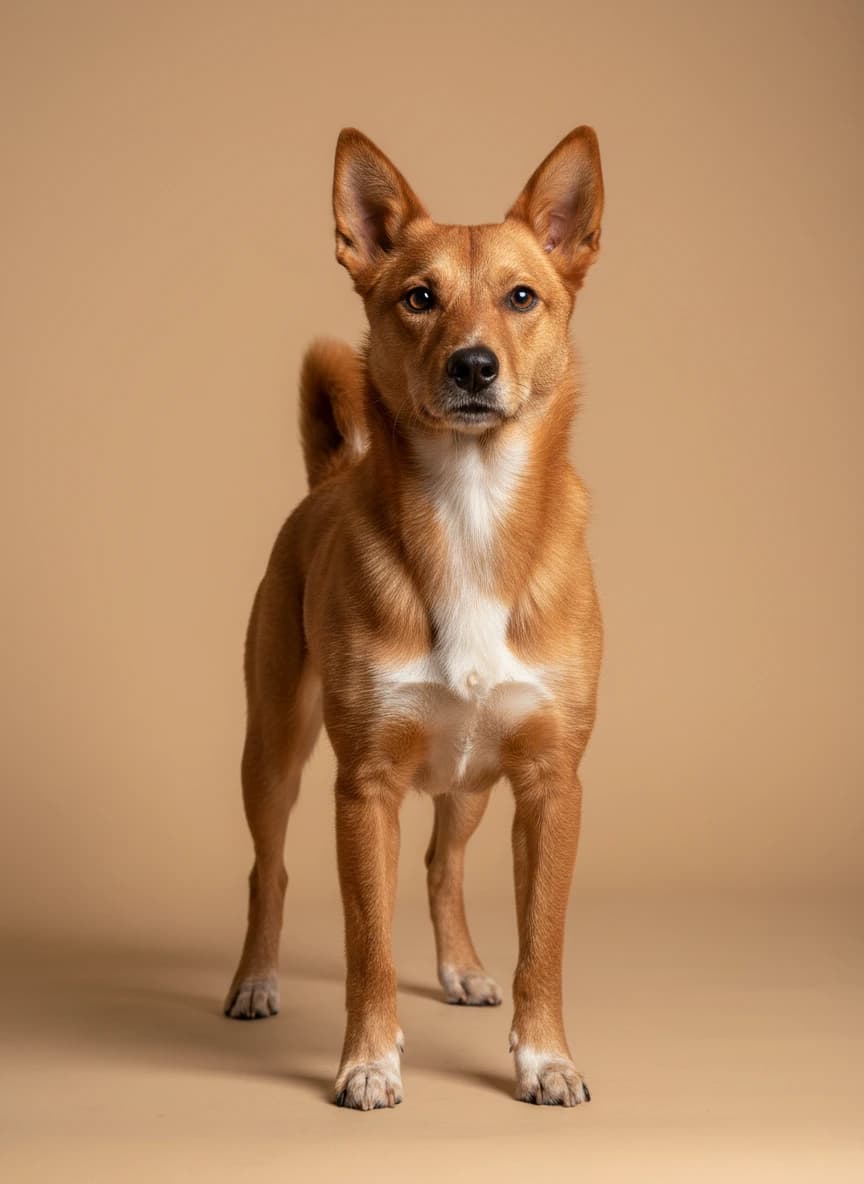
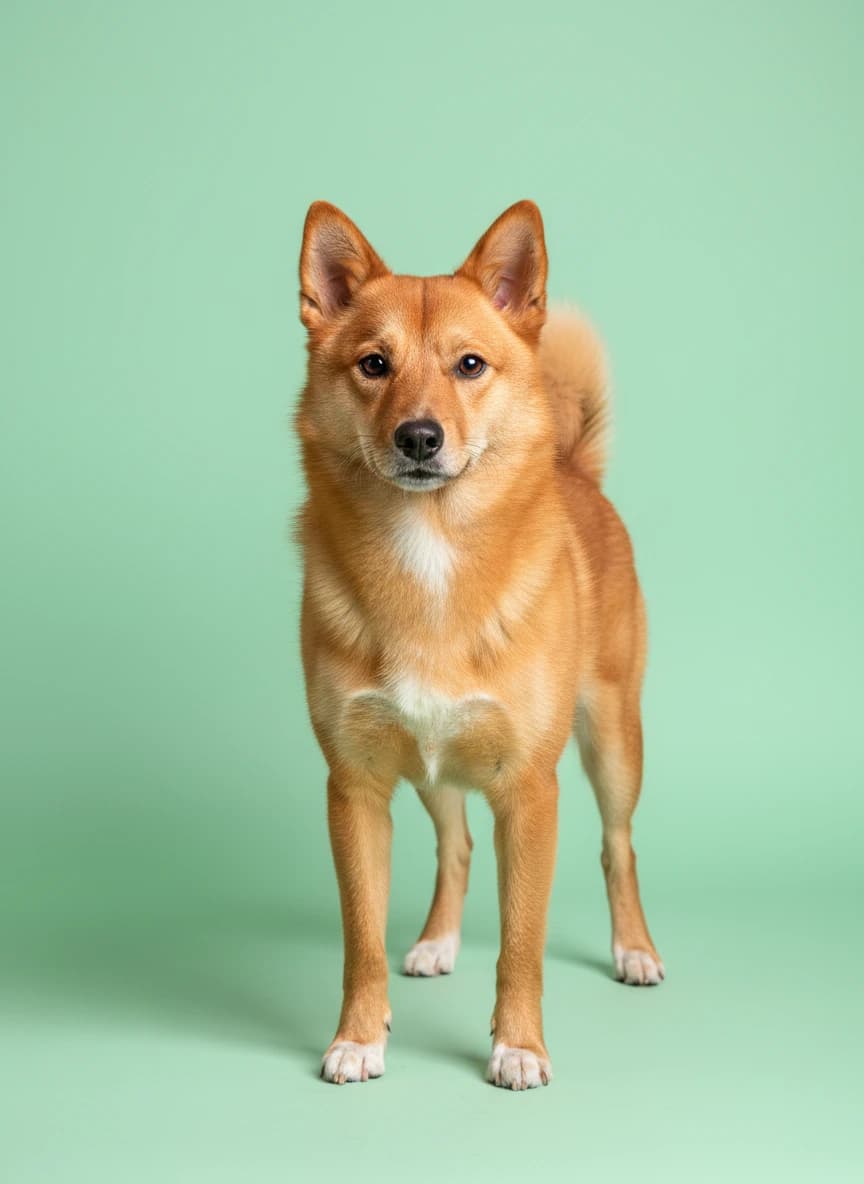
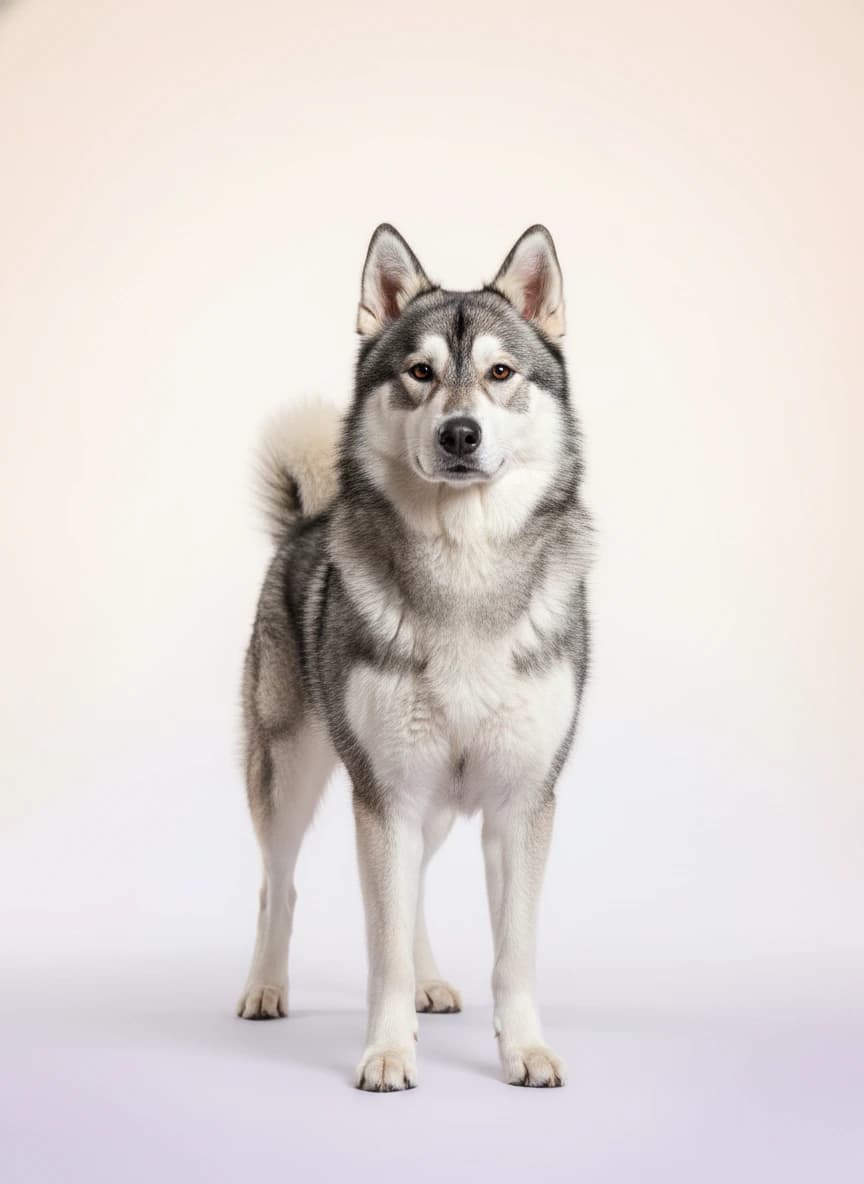
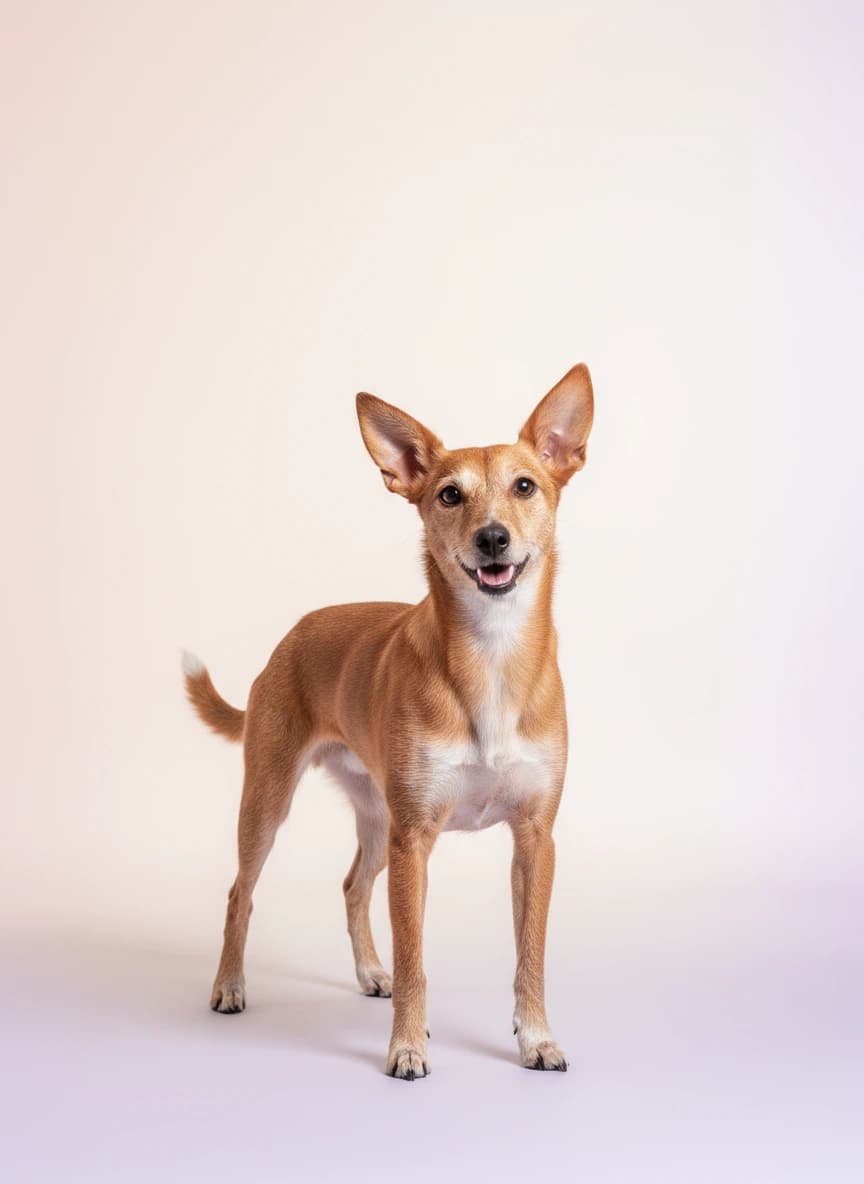
Conosciuta anche come: Lapinporokoira, Lapp Reindeer Dog, Lapland Reindeer Dog

Finland
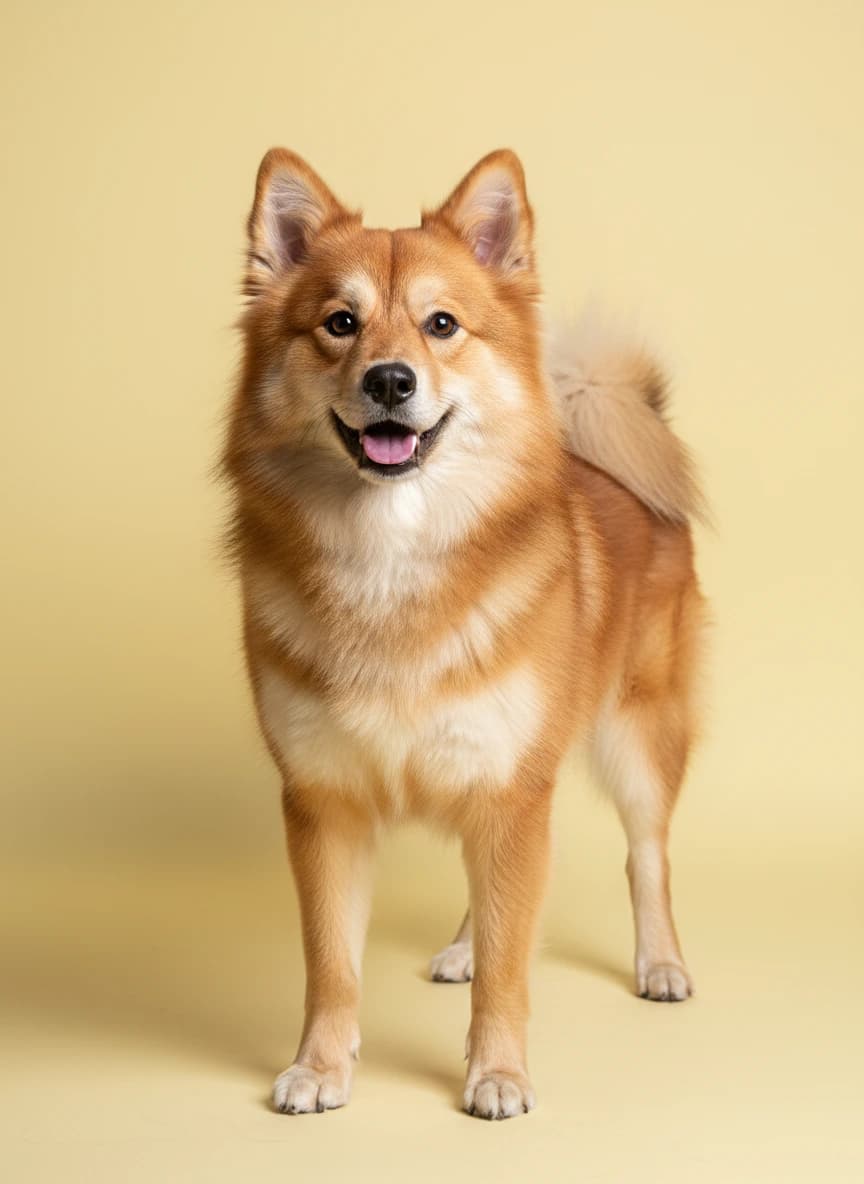
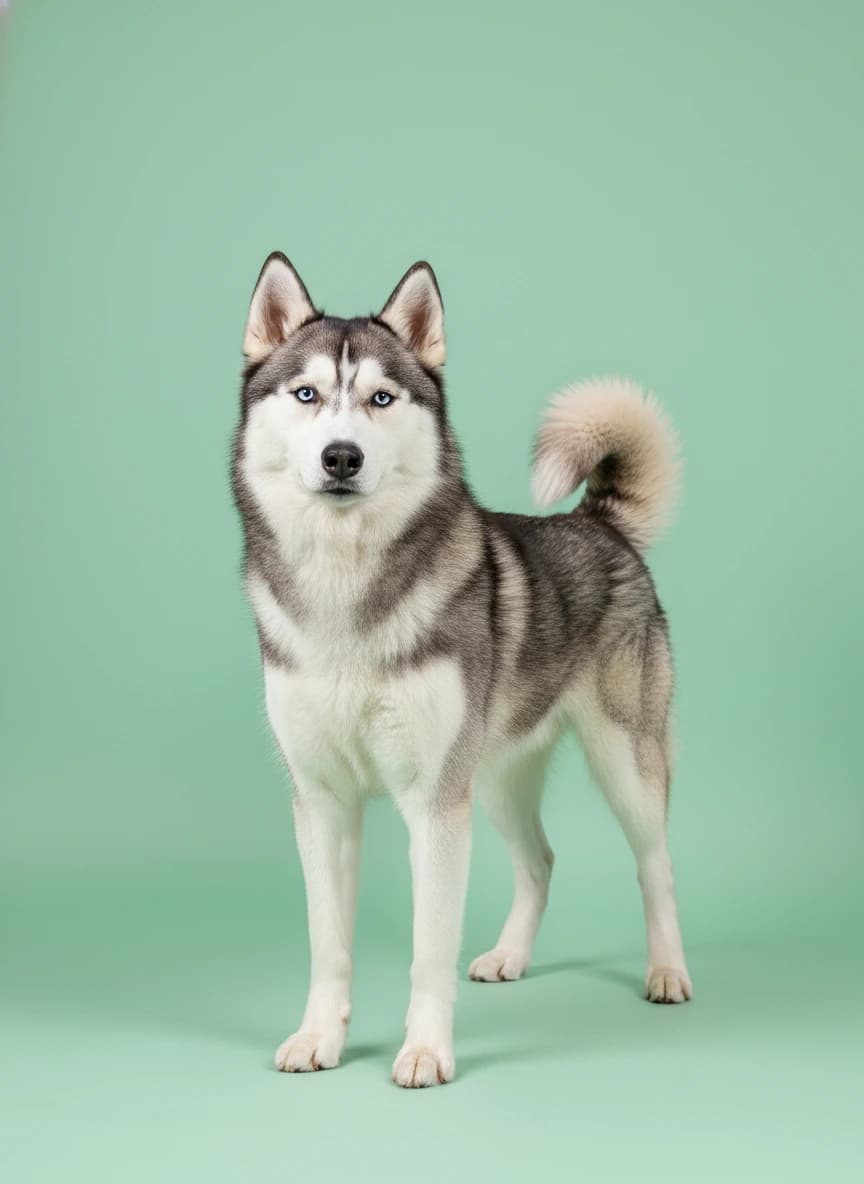
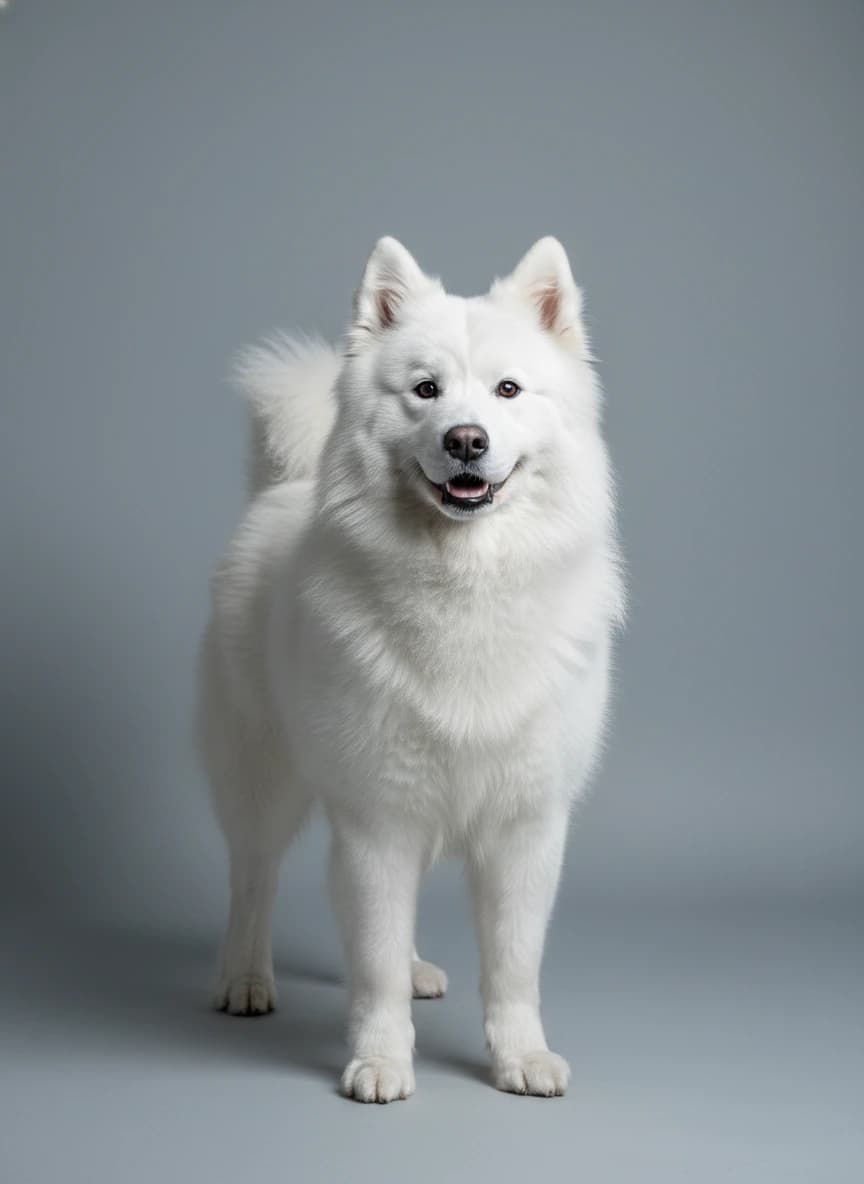
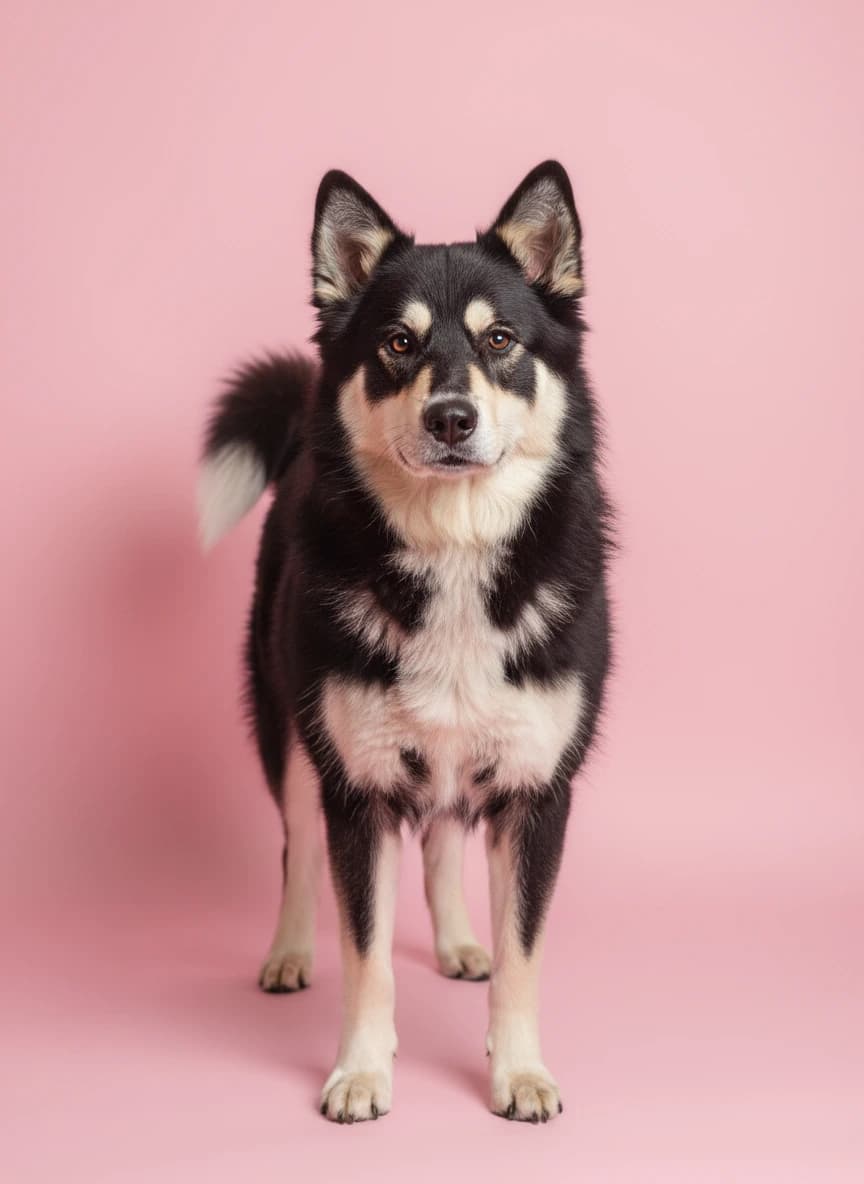
The Lapponian Herder is a canine conundrum: calm indoors, yet an explosion of focused energy outdoors. Their heritage as reindeer herders shines through in their constant awareness of their surroundings and their profound attachment to their human "flock." This intelligent breed thrives on having a job, even if it's just learning new tricks or accompanying an active family on adventures. They form deep, loyal bonds, often shadowing their favorite person, and possess a surprisingly gentle, affectionate nature beneath their hardy exterior. However, their independent streak means they need consistent guidance to channel their biddable spirit effectively.
Problemi frequenti
Controlli consigliati
Consulta il tuo veterinario di fiducia per un consiglio specifico per il tuo cane.
The Lapponian Herder presents a striking contrast between their calm, composed demeanor indoors and their intense, focused energy when outdoors. Originally developed as reindeer herders across northern Lapland, this breed retains their heritage through constant environmental awareness and a profound attachment to their human family—viewing them as a flock to protect and follow. Lapponian Herders form deep, loyal bonds with their people, often shadowing their favorite person throughout the day. Beneath their hardy, muscular exterior lies a surprisingly gentle and affectionate nature. Their alert temperament and independent streak reflect their working background, making them thoughtful decision-makers who require consistent, clear guidance to channel their capable, biddable spirit effectively.
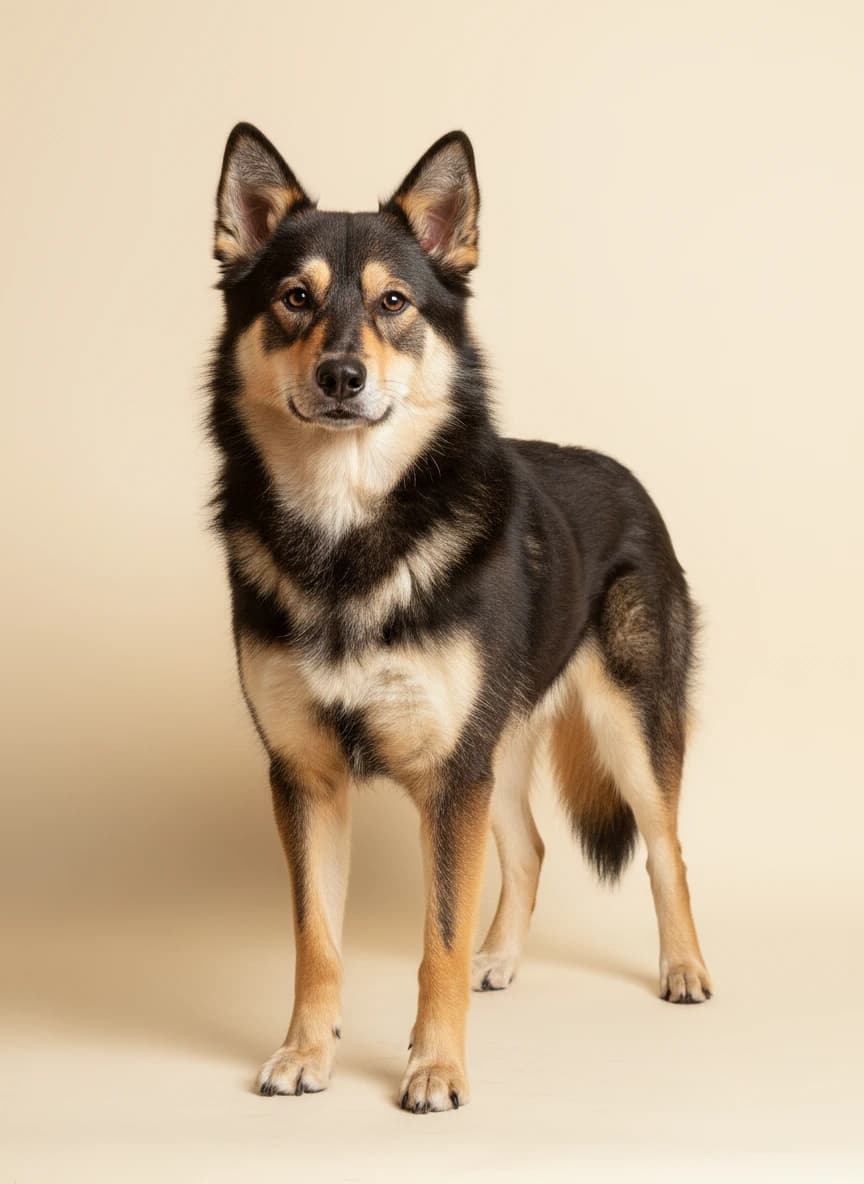
Lapponian Herders require substantial daily exercise to satisfy their high energy levels and working drive. These intelligent dogs thrive when given a job or purpose—whether herding, learning complex tricks, or accompanying active families on outdoor adventures. Mental stimulation is equally important as physical exertion; puzzle toys, scent work, and training sessions engage their sharp minds. While they demonstrate a biddable nature and respond well to purposeful activity, their independent heritage means they benefit from experienced handlers who can provide consistent, patient guidance. Regular training reinforces focus and channels their natural herding instincts appropriately.
Lapponian Herders have moderate grooming needs suited to their Nordic heritage. Their double coat sheds seasonally and benefits from regular brushing, particularly during shedding periods when undercoat removal becomes necessary. Routine dental care, nail trimming, and ear checks support overall health. Prospective owners should be aware that hip dysplasia and hereditary eye diseases including progressive retinal atrophy and cataracts occur in some breeding lines; responsible breeders typically conduct health screening for these conditions.
Lapponian Herders adapt well to indoor living despite their outdoor work ethic, displaying calm, settled behavior indoors when their exercise needs are met. However, they require adequate space—a home with a securely fenced yard best suits their need for room to move and explore. Their herding heritage may manifest in an instinct to monitor and follow family members closely. These dogs form intense attachments to their people and prefer being near their chosen humans rather than spending extended time alone. They are most suited to households with experienced dog owners who understand their independent nature and can provide the structure, mental engagement, and activity they require.
The Lapponian Herder is best suited to experienced dog owners who appreciate their paradoxical nature and can meet their substantial exercise and mental stimulation needs. Ideal homes have space for a large, active dog and access to outdoor environments for regular adventures. Prospective owners should value loyalty and close human connection, as these dogs form deep bonds with their families. This breed thrives with owners who can provide consistent guidance, understand their independent streak, and offer them meaningful work or activity. They are less ideal for first-time dog owners or sedentary households, as their working drive and need for engagement require knowledgeable, committed stewardship.