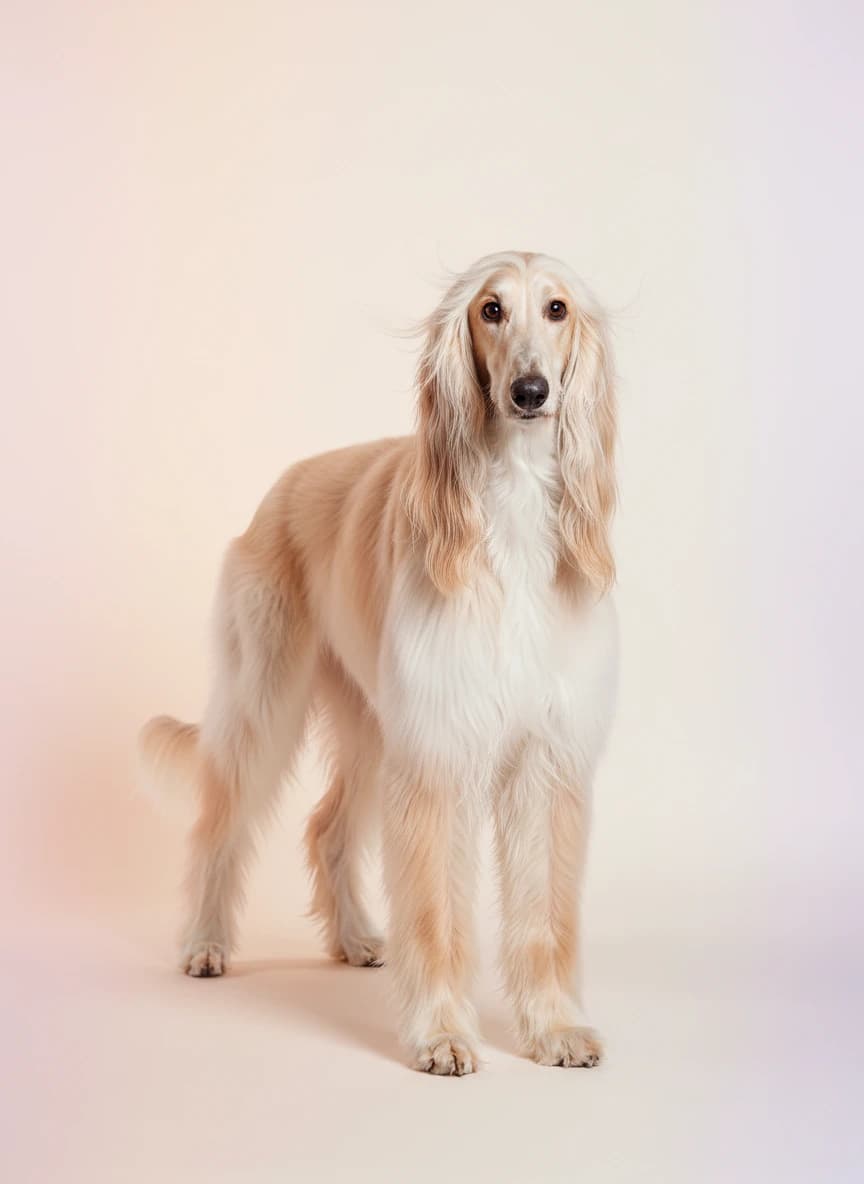
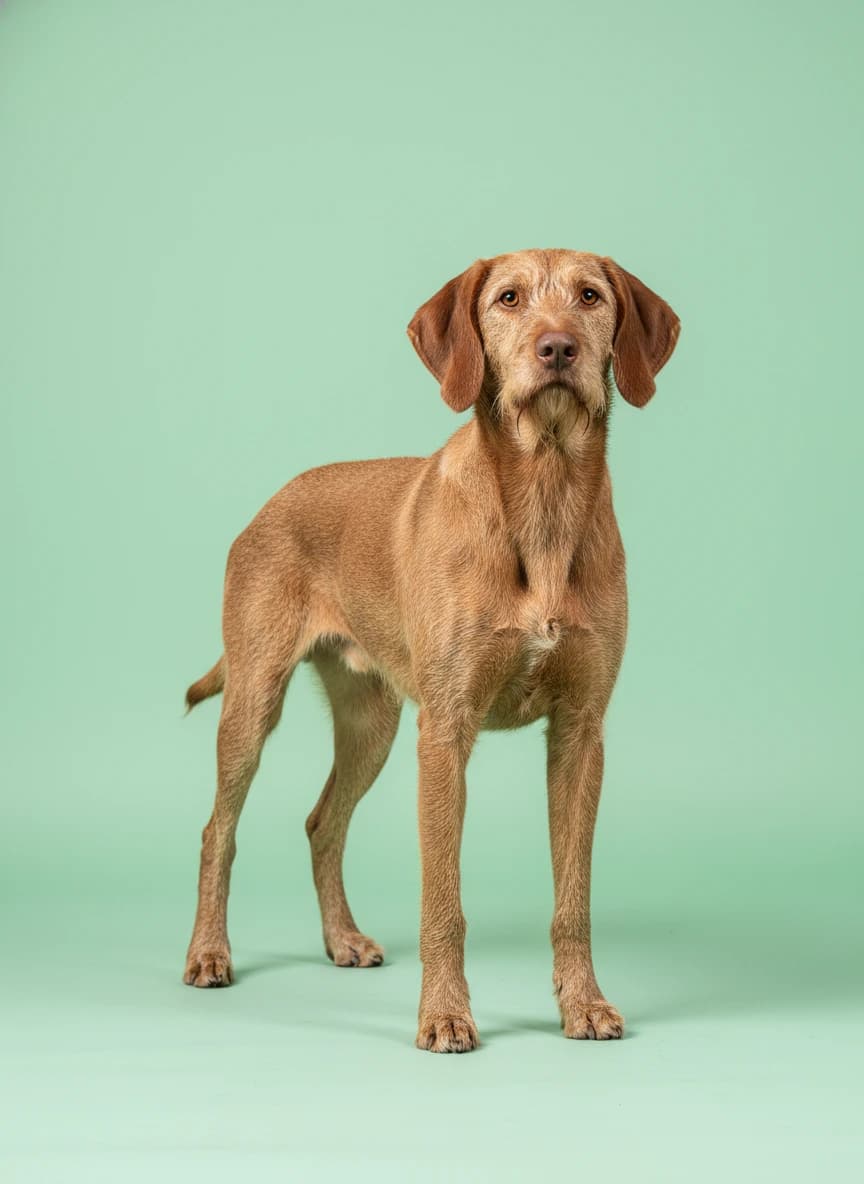
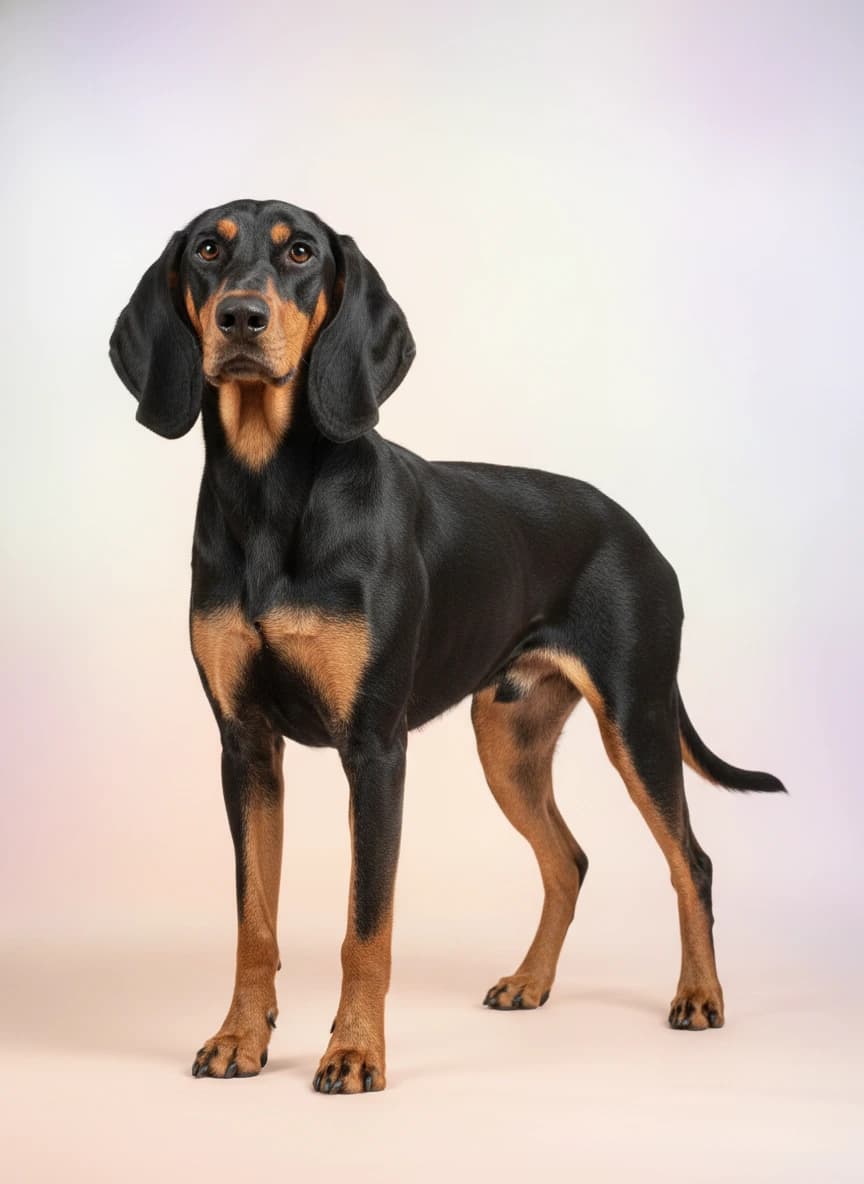
Também conhecida como: Galgo Húngaro, Magyar Agar

Hungria
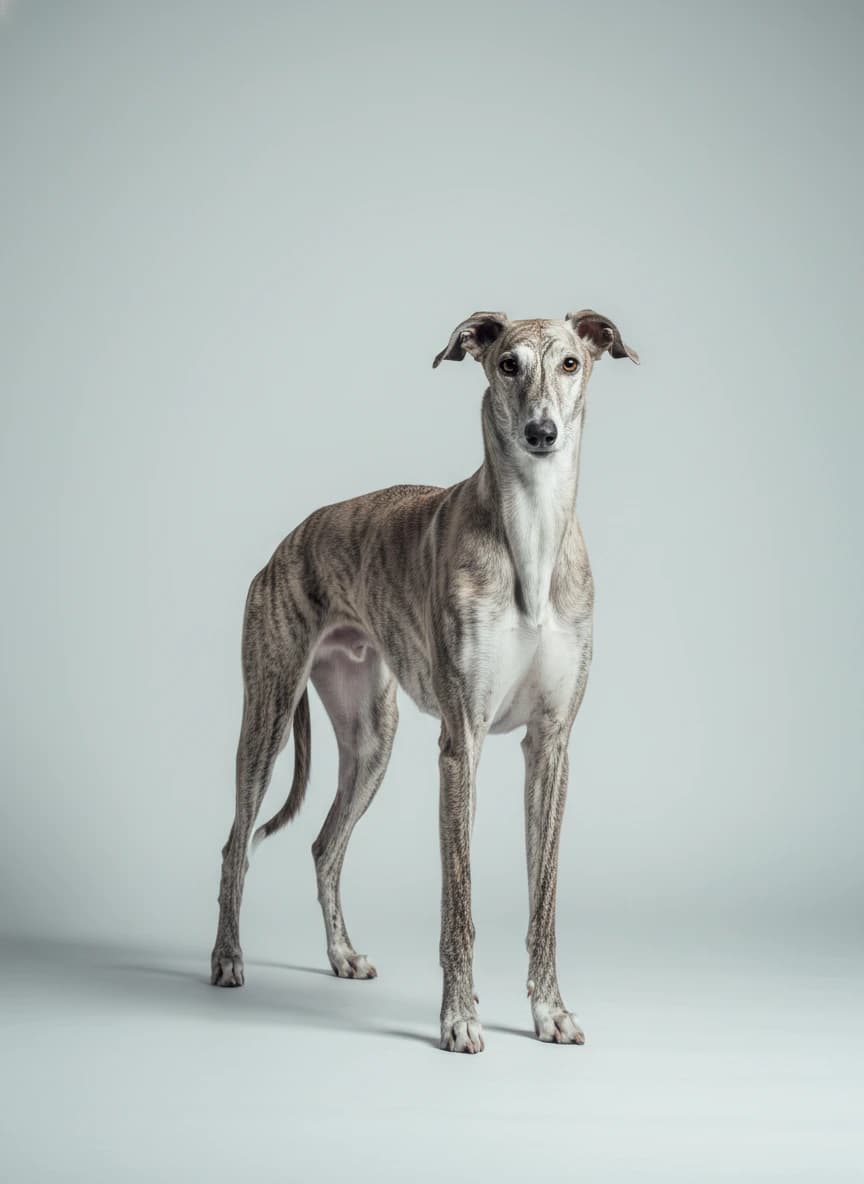
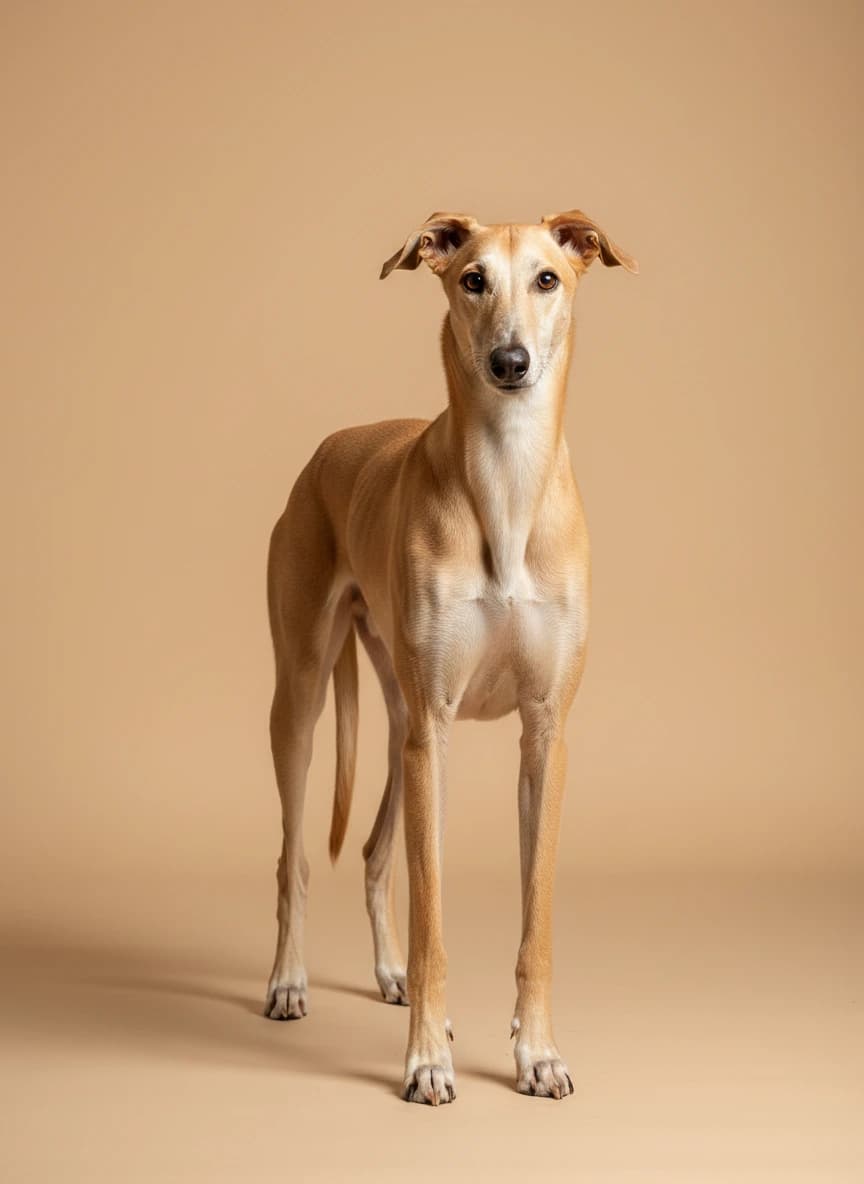
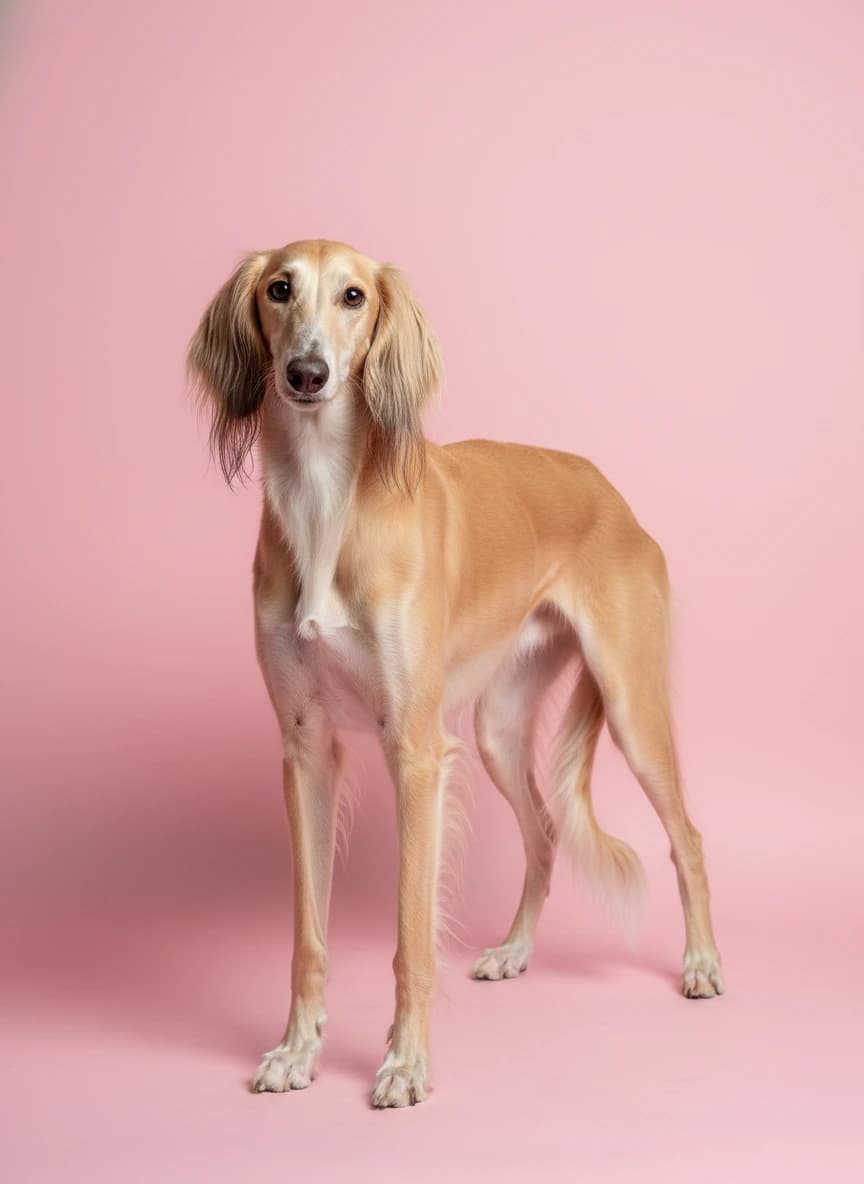
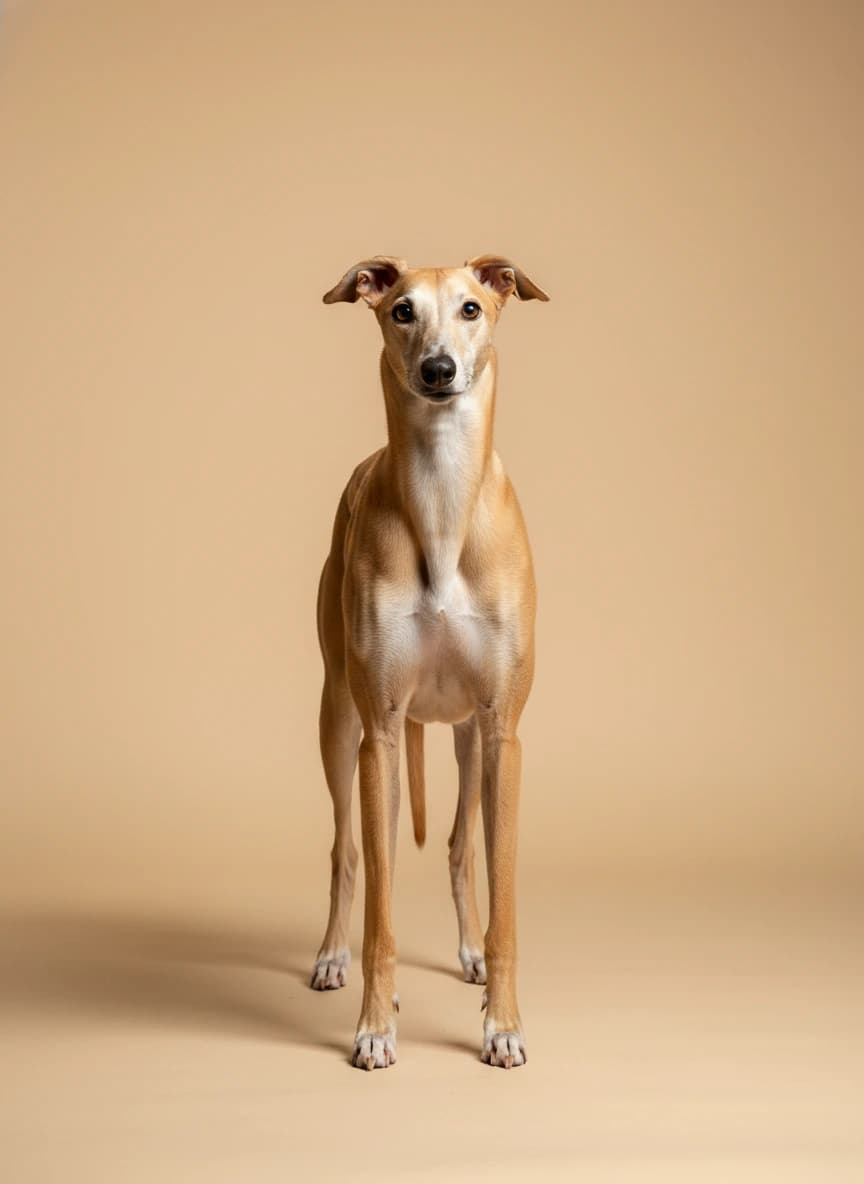
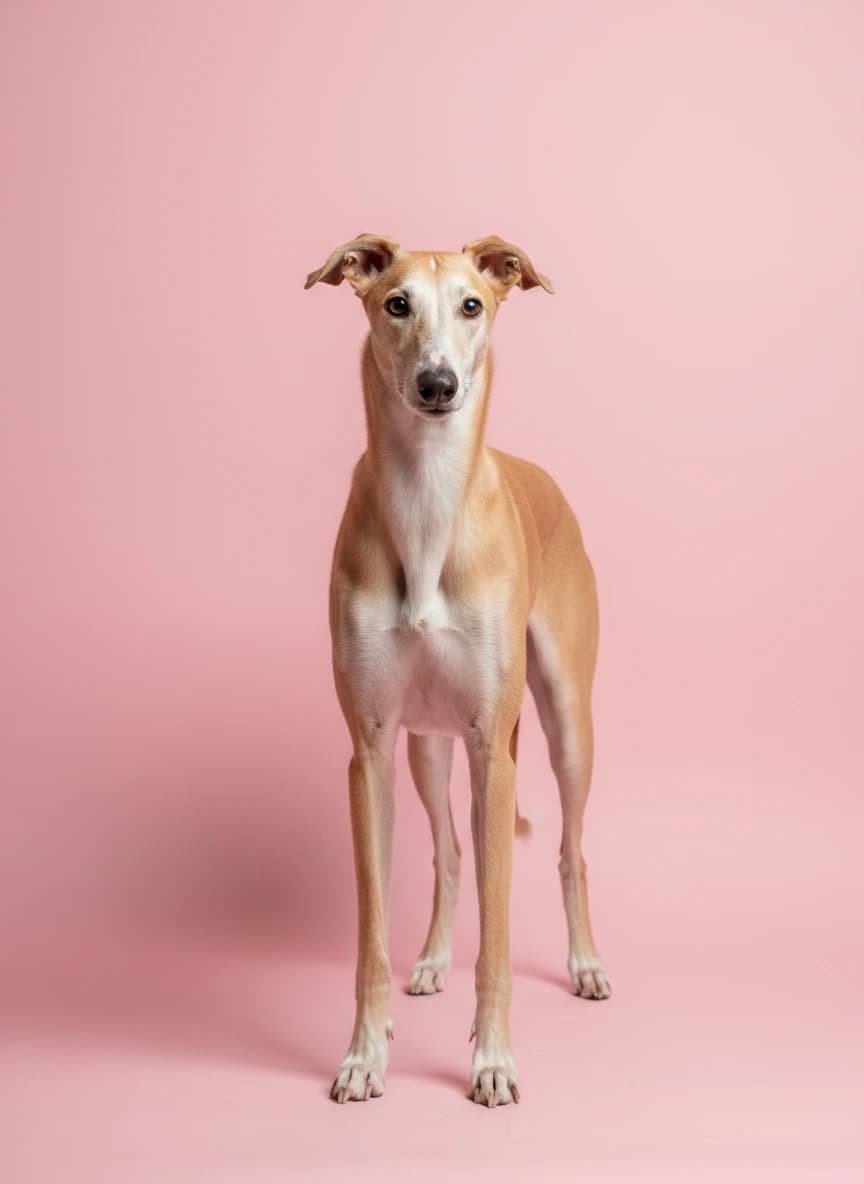
O Magyar Agár é um cão de caça dignificado e surpreendentemente adaptável que prospera com uma combinação de sprints emocionantes e companhia tranquila. Correm pelos campos abertos com velocidade e graça de tirar o fôlego, um resquício de sua linhagem ancestral de caça, mas dentro de casa se transformam em sombras gentis e afetivas. Embora independentes, formam laços profundos com suas famílias, frequentemente os seguindo de cômodo em cômodo. Seu temperamento calmo esconde um lado brincalhão, e apreciam uma boa brincadeira, mas estão igualmente satisfeitos deitados em uma cama macia. Geralmente são reservados com estranhos, mas se aquentam rapidamente com amigos de confiança.
Problemas frequentes
Exames recomendados
Consulta o teu veterinário de confiança para um conselho específico para o teu cão.
The Magyar Agár is a dignified sighthound that balances independence with deep family bonds. These dogs tend to be gentle and reserved, transforming into quiet, affectionate companions within their homes. While they may appear aloof with unfamiliar people, they typically warm quickly to those they come to trust. Their calm demeanor often masks a playful streak, and they enjoy both spirited activity and restful companionship. Magyar Agárs frequently shadow their families from room to room, displaying a strong attachment to their people despite their sighthound heritage of coursing alone across open fields.
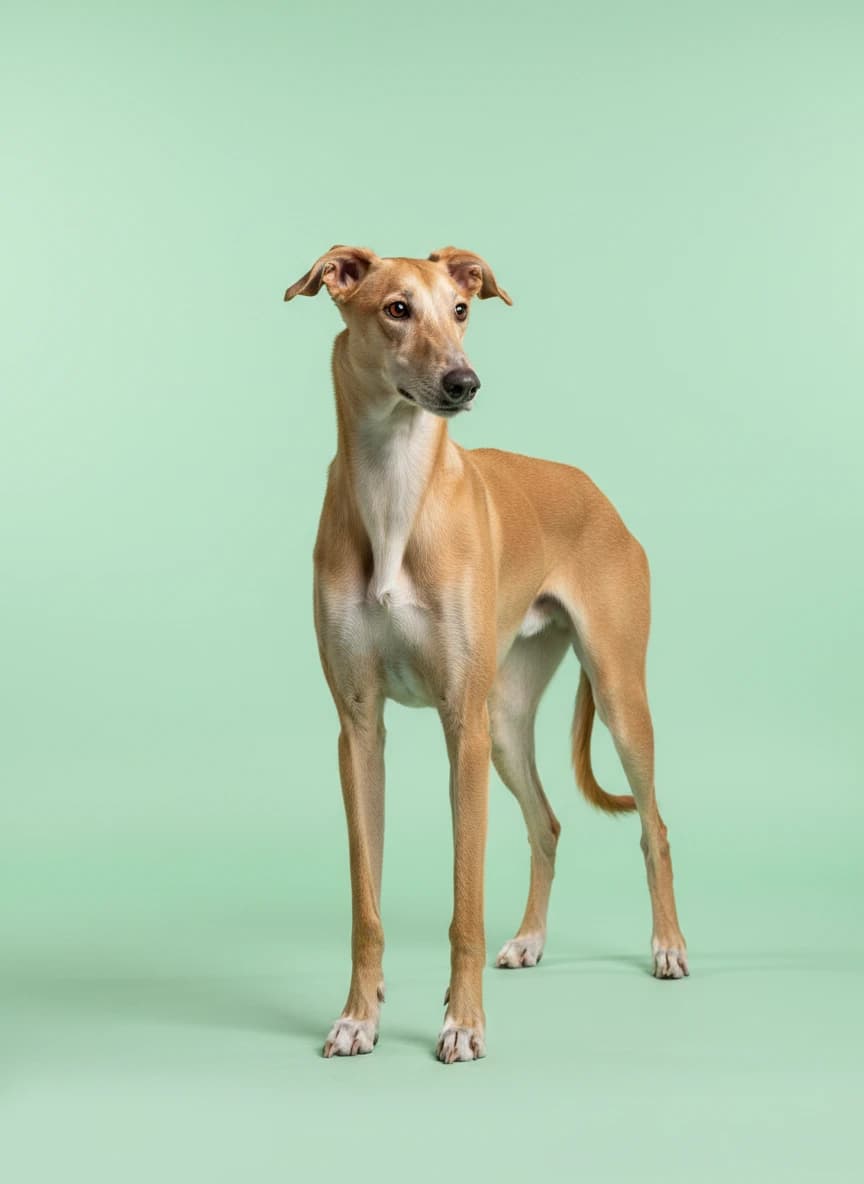
Magyar Agárs have moderate exercise needs that benefit from a combination of controlled outlets and relaxation time. These dogs possess a natural inclination to sprint and excel in open spaces where they can run at full speed, a trait rooted in their ancient coursing lineage. However, they are equally content with regular walks and indoor play sessions. Training requires patience and consistency, as these sighthounds tend toward moderate trainability with an independent streak. Positive reinforcement methods tend to work best, and early socialization helps them develop confidence around new people and environments. Mental stimulation through play and varied activities supports their well-being.
Magyar Agárs have low grooming needs, reflecting their short, smooth coat that sheds minimally. Regular brushing helps maintain coat health, though bathing is required only occasionally. Their thin skin warrants gentle handling and protection from rough surfaces that could cause pressure-related irritation. Dental care is important for this breed, as dental disease appears in the health record. Regular tooth brushing and veterinary dental check-ups are recommended. As a deep-chested sighthound type, they may benefit from feeding practices that support digestive health, such as multiple smaller meals rather than one large meal.
Magyar Agárs are well-suited to house living and adapt surprisingly well to indoor life despite their athletic heritage. They are generally quiet dogs and tend not to be excessive vocalists. Their reserved nature means they are typically calm household members who do not require constant interaction, though they form strong bonds with family members. They appreciate a calm, stable home environment where they can balance active play sessions with plenty of rest time on comfortable furniture. Their independent nature means they can handle moderate alone time, though they form deep attachments to their families.
Magyar Agárs are best suited for experienced dog owners who appreciate their unique blend of athleticism and gentle companionship. They thrive with families who can provide regular opportunities for running in secure spaces and who understand their sighthound prey drive and independent nature. These dogs are excellent for households seeking a large, calm companion that does not demand constant attention but values quiet family time. They are less suitable for homes requiring an extremely obedient or highly responsive dog, or for families unable to provide secure areas for safe running. Potential owners should be prepared for the specific health considerations associated with sighthounds, including unique anesthetic and pain management needs.