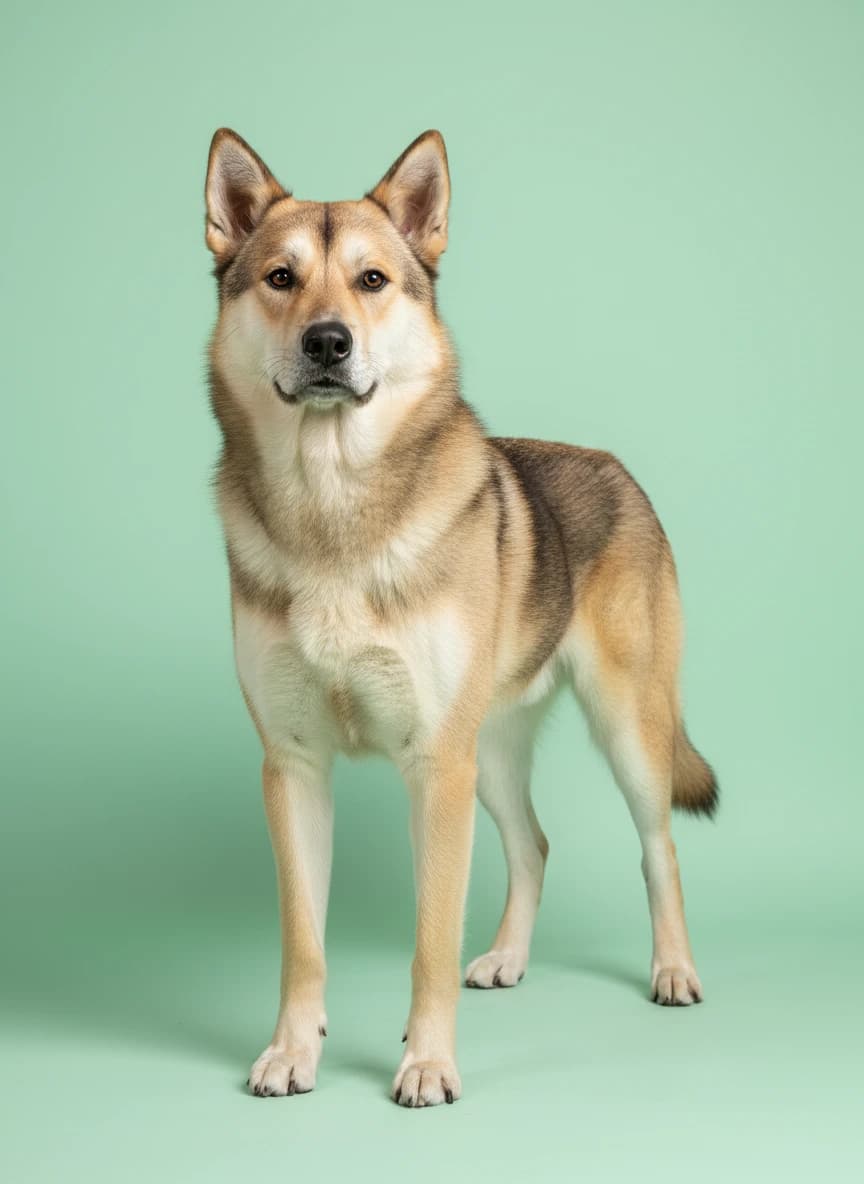
Karst Shepherd
Also known as: Kraški Ovčar, Karst Sheepdog, Istrian Sheepdog
 Slovenia
- Lifespan
- 11-12 y
- Weight
- 25-42 kg
- Exercise
- Moderate
Breed profile
- Size
- Large
- Breed type
- Purebred
- Trainability
- Moderate
- Grooming
- Moderate
Description
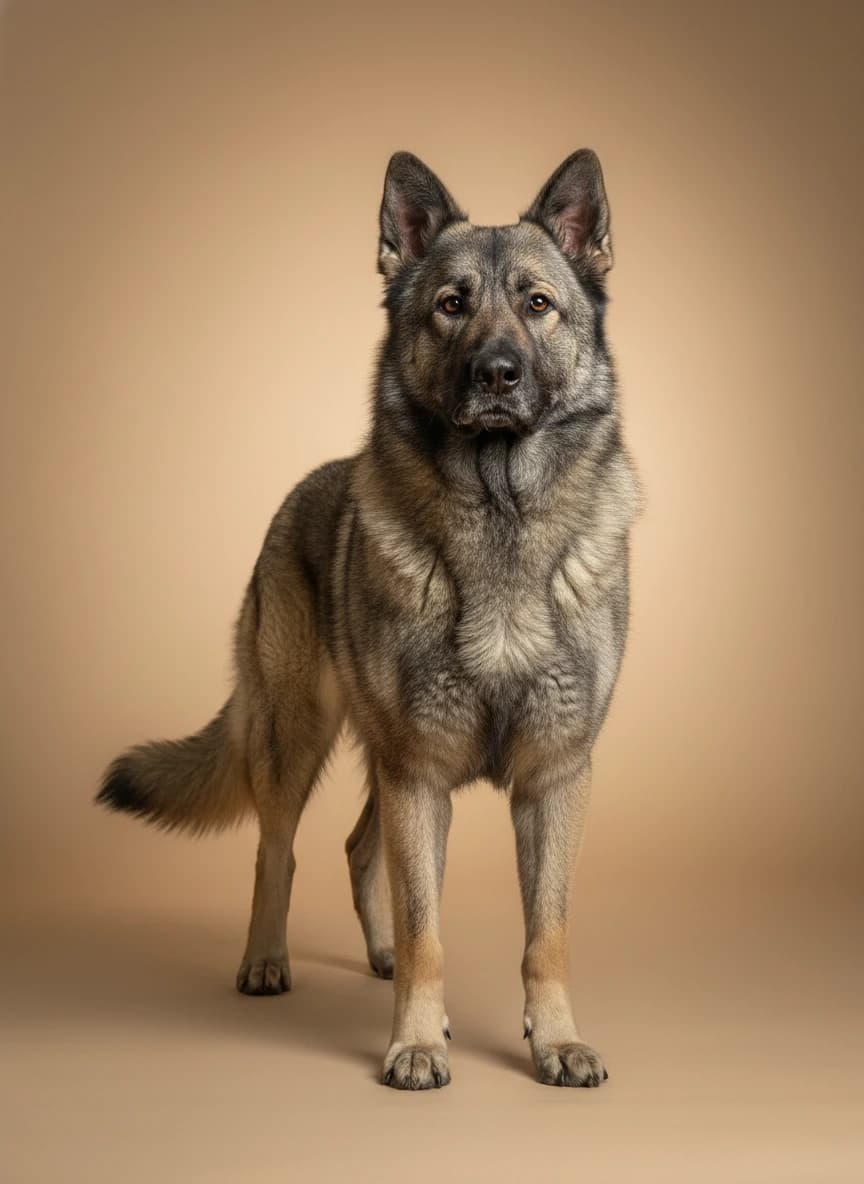
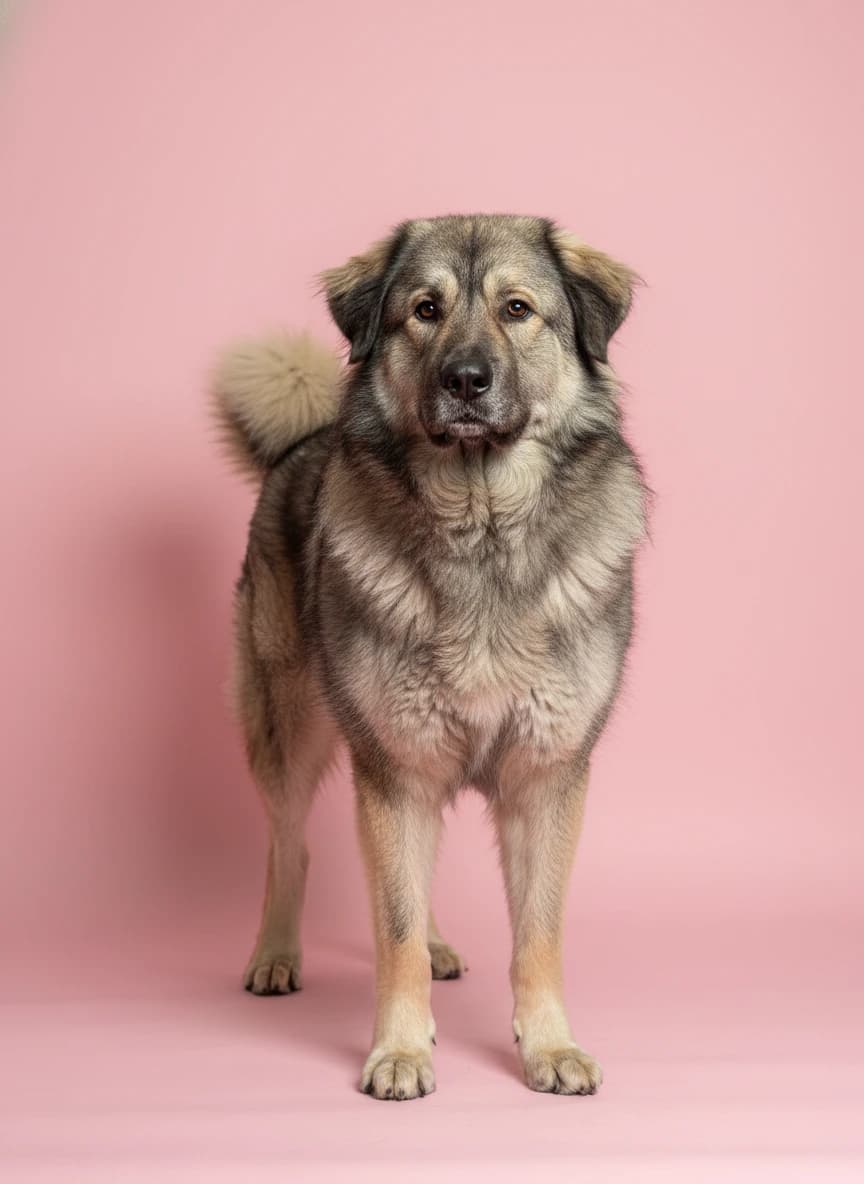
The Karst Shepherd is a loyal, protective guardian with a heart of gold. These watchful dogs form deep bonds with their families, treating them as their most treasured flock. They possess a quiet confidence, always observant and ready to alert to anything unusual. While generally calm indoors once mature, their ancestral urge to patrol and protect means they thrive with ample space and a secure yard. They aren't dogs for casual acquaintances; their affection is reserved for their inner circle, and they can be wary of strangers. Their independent nature means consistent, positive training is key to channeling their formidable intelligence.
Health considerations
Common issues
- Hip dysplasia
Recommended screenings
- Hips (OFA/FCI)
Consult your trusted vet for advice specific to your dog.
Temperament and personality
The Karst Shepherd is fundamentally a protective and loyal guardian breed, deeply devoted to their family unit. These dogs tend to be calm and composed in familiar home environments, particularly as they mature. They possess a quiet confidence paired with a naturally observant demeanor, remaining alert to their surroundings and inclined to signal when anything unusual occurs. Their independent streak reflects their heritage as working scenthounds, and they typically reserve their warmth and affection for their immediate family circle. Strangers may find these dogs cautious and aloof rather than immediately welcoming, as their protective instincts often supersede sociability with unfamiliar people.
Training and exercise
Karst Shepherds benefit from moderate daily exercise that engages both body and mind. Their independent nature means they respond best to consistent, positive reinforcement-based training rather than harsh corrections. These intelligent dogs can be stubborn, requiring patient handlers who establish clear leadership without relying on dominance. Early socialization and ongoing obedience work help channel their protective instincts constructively. Mental stimulation through scent work or problem-solving activities tends to satisfy their ancestral working drive as effectively as purely physical exercise. Owners should expect to invest time in training throughout the dog's life to maintain good behavior and manage their guarding tendencies.